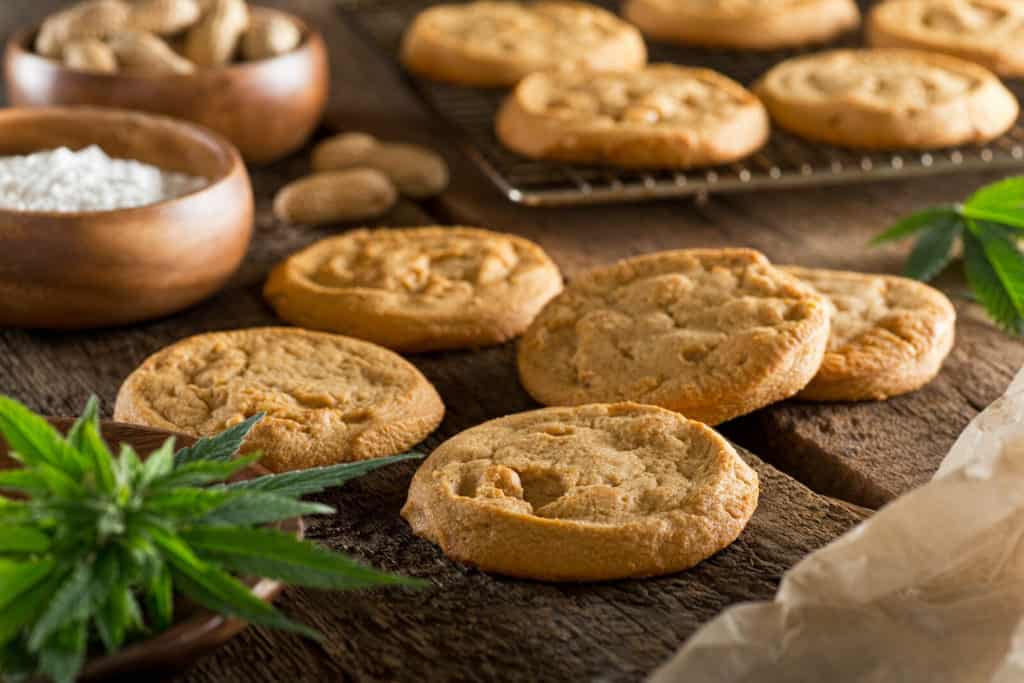
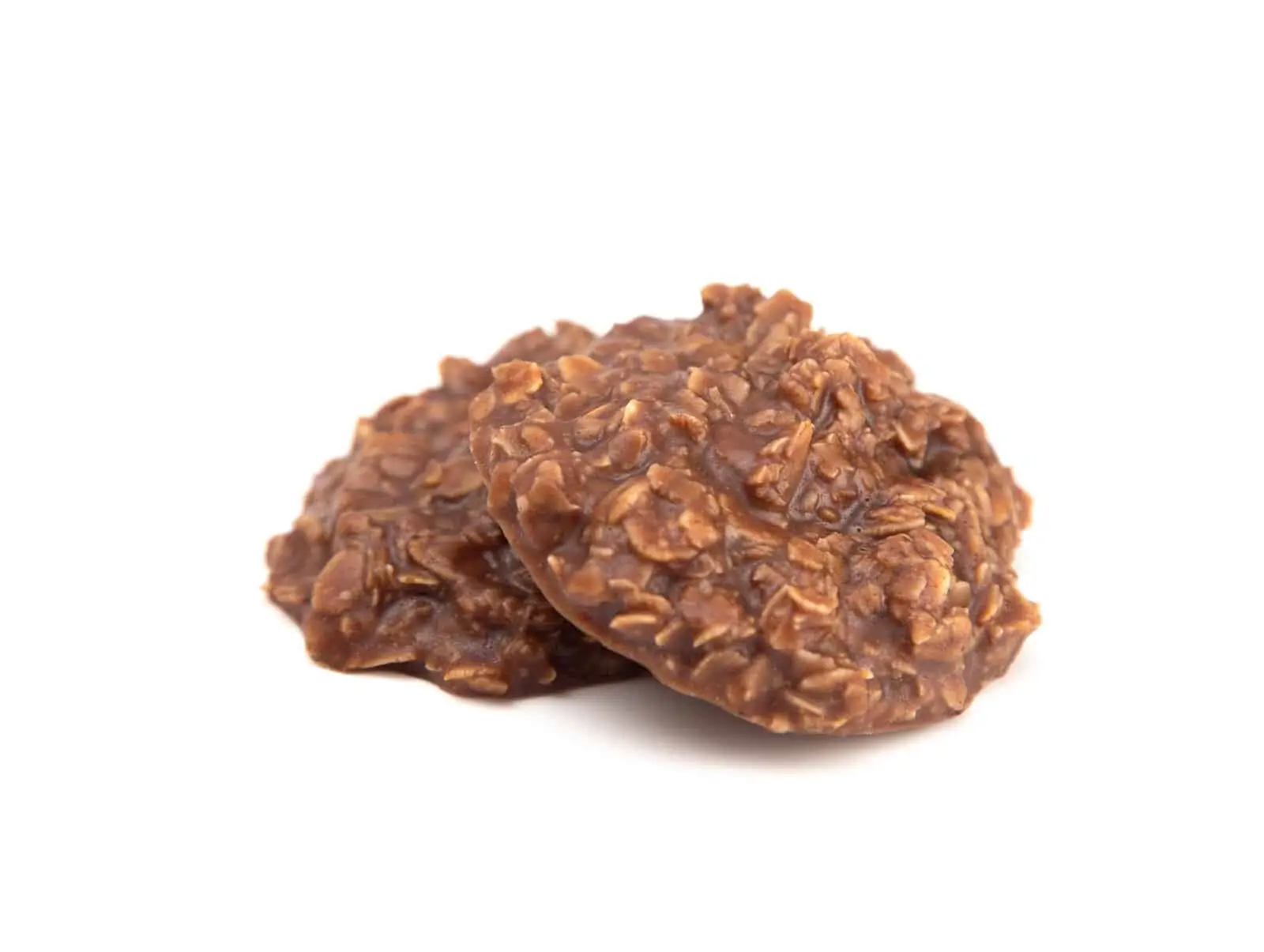
No bake edibles recipes are easy to follow, quick to do, and delicious. Keep in mind, some no bake recipes can require using the stovetop or microwave.
If you want to learn how to make easy and delicious no bake edibles with cannabutter, we have got a few recipes to keep you and your buddies satisfied and feeling good.
No bake edibles can include a range of baked goods, bars, chocolates, and candy, offering diverse options for cannabis-infused foods.

It all starts with a properly infused cannabutter that contains the plant’s active ingredients. There are a variety of ways to make cannabutter ranging from crock-pot to stovetop methods. Before you begin, prepare and measure your ingredients accurately to ensure consistent potency and flavor in your edibles.
Generally, it is easier to make cannabutter in a crock-pot but making it on the stovetop works too. You can also use specialty devices to simplify the herbal infusion process.
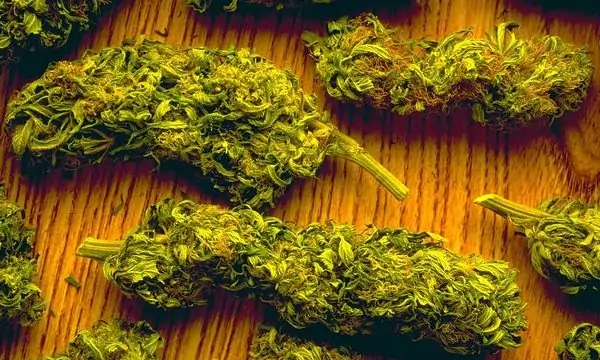
In addition, you can use a wide range of cannabis material including high-quality and resin-rich flower buds or lower potency and leftover cannabis trim, leaves, and stems. Keep in mind, when decarboxylating cannabis you will need an oven. Combining different strains or types of cannabis can affect the flavor and potency of your edibles, allowing you to customize your experience.
Here, we include a recipe on how to make cannabutter and 3 easy no-bake recipes for cookies, cake, and cheesecake! Feel free to substitute unsalted butter for cannabutter as needed to lower the potency of the edibles
Introduction to No Bake Edibles
Cannabis infused edibles have become a favorite way to enjoy the benefits of cannabis without the need for smoking or vaping. These edibles offer a discreet, convenient, and delicious alternative, making them perfect for both new and experienced users.
By using cannabis-infused butter or oil, you can easily whip up a variety of treats that suit your taste and desired potency.
No bake cookies are especially popular because they require no oven time and can be made quickly with simple ingredients. Whether you’re craving something sweet or want to experiment with new flavors, cannabis infused edibles let you get creative in the kitchen while enjoying the effects of cannabis in a tasty, smoke-free form.
Ingredients
Here is what you will need to make cannabutter:
- 1 gram of high-quality flower buds
- Baking sheet
- Wooden spoon
- Grinder
- 1 cup unsalted butter
- 1 cup water
- Small saucepan or pot
- Thermometer
- Cheesecloth or strainer
- Storage container
Note: Carefully measure each ingredient to ensure consistent potency and reliable results.
Stovetop Method
Here is how you can make cannabutter on a stovetop:
- Preheat your oven to about 240º F. Place your cannabis material on a baking sheet or oven-safe tray. Lining the tray with aluminum foil can prevent the buds from sticking onto the baking sheet.
- Bake the cannabis for around 30 or 40 minutes. Decarboxylation activates the plant’s bioactive compounds such as cannabinoids and terpenes.
- Grind the decarboxylated cannabis buds.
- Put the water and the butter in a pot, place it on the stove, and heat until the butter is melted.
- Pour the cannabis into the pot and consistently stir while the pot is over medium heat. Allow the mixture to simmer for about 3 hours.
- Strain the mixture using a cheesecloth to separate the infused butter from the plant material. Pour the contents into a separate container.
- Place your storage container in the refrigerator to allow it to solidify.
Slow Cooker Method
Here is how you can make cannabutter with a slow cooker:
- Follow step one from the recipe above to decarboxylate your cannabis material.
- Grind up your baked cannabis.
- Set the crockpot on its lowest setting and ensure it does not go above 200º F since this can destroy cannabinoids and lower the potency of the cannabutter.
- Place the butter and cannabis in the crock pot and stir after the first hour and then every few hours after that. Make sure the butter and cannabis are thoroughly combined to ensure even infusion. The infusion can be left cooking for up to 14 hours.
- Strain the mixture to separate the butter and cannabis material.
- Let the cannabutter cool for about 3 hours in the slow cooker.
Note: If you are looking for a vegan version, check out our blog post on how to make vegan cannabutter using coconut oil.
Understanding Cannabutter
Cannabutter is the cornerstone of many cannabis infused edibles, especially no bake cookies and other easy recipes. By infusing butter with cannabis, you create a versatile ingredient that adds both flavor and potency to your favorite dishes. The process involves gently heating butter and cannabis together, allowing the THC and other cannabinoids to blend into the butter.
It’s important to stir the mixture evenly over medium heat to ensure a consistent infusion, which helps every bite deliver the same delicious flavor and effect.
Once prepared, cannabutter can be used in a wide range of recipes, from sweet no bake cookies to savory spreads, making it a must-have for anyone looking to explore homemade cannabis edibles.
Importance of Decarboxylation
Decarboxylation is a vital step when preparing cannabis infused edibles like no bake cookies. This process activates the THC in cannabis, transforming it into a form your body can absorb and enjoy. Without decarboxylation, your edibles won’t deliver the desired effects, no matter how much cannabis or butter you use.
Typically, decarboxylation is done in the oven by gently heating the cannabis before mixing it with butter or oil. This ensures your mixture is potent and ready to be infused into your favorite recipes. Taking the time to properly decarboxylate your cannabis guarantees that your edibles are both flavorful and effective.
Dosing and Potency
Getting the right dose is essential when making cannabis infused edibles. The potency of your treats depends on the strength of your cannabis, the amount of THC, and how well it’s infused into your butter or oil. To avoid overdoing it, start with a small amount and see how your body responds before increasing your dose.
Using products like THC gummies can help you estimate and control your intake, especially if you’re new to edibles. Remember, it’s always easier to add more than to take away, so go slow and enjoy the process of finding your perfect potency.
No Bake Edibles With Cannabutter Recipes

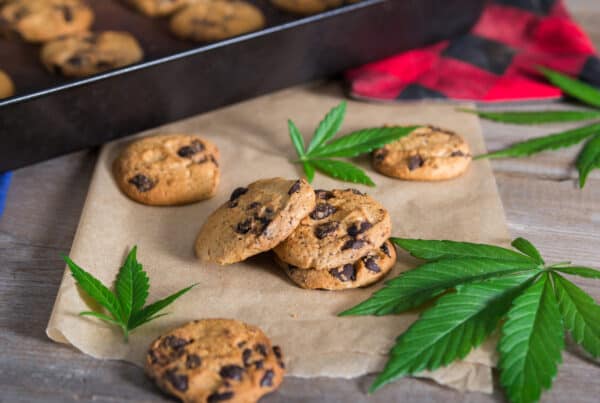
No bake edibles come in a variety of textures, from chewy cookies that melt in your mouth to treats with a satisfying crunchy bite. Some recipes are designed to deliver that nostalgic, melt-in-your-mouth experience, while others use ingredients like crunchy peanut butter for added texture.
For an extra finishing touch, you can sprinkle toppings such as cannabis salt or cocoa powder on your finished edibles to enhance both flavor and potency.
1. Chocolate Peanut Butter Cookies
Ingredients
- 2 cups of sugar
- 8 tablespoons of cannabutter
- ½ cup of milk
- ¼ cup of unsweetened cocoa powder
- 3 cups of rolled oats
- 1 cup of peanut butter
- 1 tablespoon of pure vanilla extract
- Big pinch of salt
- Optional: Add chopped peanuts or other nuts for extra flavor and texture
How to Make Chocolate Peanut Butter Cannabis Cookies
- Line a baking sheet with parchment or wax paper.
- In a saucepan, combine the cannabutter, milk, cocoa, and sugar. Heat over medium to medium-high, stirring occasionally. Bring the mixture to a rolling boil and maintain boiling for 1 minute—do not use high heat, as this can cause burning. Remove the saucepan from the heat. Quickly whip and combine the rest of the ingredients into the saucepan to ensure an even texture.
- On a wax or parchment paper-lined baking sheet, drop teaspoonfuls of the mixture and allow them to sit at room temperature for about 30 minutes. Store in an airtight container and keep refrigerated for up to 3 days.
2. No Bake Chocolate Cake In a Mug

Ingredients
- 3 tablespoons of all-purpose flour
- 3 tablespoons of sugar
- 2 tablespoons of cocoa powder
- 3 tablespoons of cannabutter
- 3 tablespoons of whole milk
- ¼ teaspoon of baking powder
- 3 tablespoons of semi-sweet chocolate chips
- Splash of vanilla extract
- Pinch of salt
Note: These ingredients can also be used to make no bake chocolate bars. Simply press the mixture into a pan and chill until set for easy-to-serve cannabis-infused bars.
How to Make Cannabis Cake In a Mug
- Pour the sugar, flour, cocoa powder, salt, and baking soda into a 12 oz microwave-safe mug. Stir the ingredients with the fork. Pour in the cannabutter, milk, vanilla, and mix until smooth. Make sure everything is thoroughly mixed for a smooth batter. Add in the chocolate chips and stir.
- Microwave the mug for 90 seconds. Allow the mug to pull for about 2 minutes. Eat it as is or with whipped cream, ice cream, or any of your favorite toppings.
3. No Bake Cheesecake
Ingredients
Crust
- 5 tablespoons of cannabutter
- 1 sleeve of crushed graham crackers
- ¼ cup of granulated sugar
- Pinch of salt
- 1 cup of heavy cream
Note: These same ingredients can be used to make no bake cheesecake bars. Simply press the mixture into a rectangular pan, chill, and cut into bars for easy serving.
Filling
- 8 oz softened cream cheese
- ¼ cup of sour cream
- 1 teaspoon of pure vanilla extract
- 1 teaspoon of lemon juice
- 1 teaspoon of salt
How to Make No-Bake Cannabis Cheesecake
- In the bowl, mix the cannabutter, sugar, salt, and crushed graham crackers. Press the mixture into the bottom and sides of an 8” springform pan.
- In a bowl or stand mixer, mix the heavy cream for about 5 minutes or until it forms stiff peaks.
- In a bowl, mix the sour cream and cream cheese together until smooth and add the salt, lemon juice, vanilla, and powdered sugar. Fold whipped cream into the mixture and pour into the crust, making it smooth on top.
- Cover the cheesecake and refrigerate for at least 4 hours.
Dosage & Potency Control
A Simple Potency Calculator (fast math)
Estimate the strength of your infusion and each serving.
Step 1 — Estimate total THCA in your starting material
- Formula:
grams of cannabis × THC% × 1000 = mg THCA - Example: 7 g at 20% → 7 × 0.20 × 1000 = 1400 mg THCA
Step 2 — Convert to THC after decarb & infusion
- Use a conversion factor of 0.877 (THCA → THC) and an infusion efficiency of ~0.70 (70%).
- Formula:
mg THCA × 0.877 × 0.70 = mg THC in your cannabutter - Example: 1400 × 0.877 × 0.70 ≈ 860 mg THC in the whole batch
Step 3 — Find mg per teaspoon or tablespoon
- 1 cup butter = 16 Tbsp = 48 tsp
- Formula:
mg THC in batch ÷ total teaspoons = mg per tsp - Example (1 cup batch): 860 ÷ 48 ≈ 18 mg per tsp (≈ 54 mg per Tbsp)
Step 4 — Find mg per serving in a recipe
- Formula:
(mg per tsp × tsp used in recipe) ÷ number of pieces = mg per piece - Example: Recipe uses 4 tsp at 18 mg/tsp and makes 16 bites → (4 × 18) ÷ 16 = 4.5 mg each
Tip: If potency is unknown, estimate 10–15% for homegrown and expect variation. Always “start low, go slow.”
Consistency Matters (even potency)
Homemade cannabutter can separate and create hot spots.
- Melt & stir thoroughly before measuring so cannabinoids distribute evenly.
- Scrape the sides and bottom while stirring.
- Optional: whisk in sunflower lecithin (about 0.5–1% of butter weight) to help emulsify.
- Label with date, strain/potency estimate, and mg per tsp.
Microdosing (gentle, predictable effects)
- Aim for 1–2.5 mg THC per piece for beginners or daytime use.
- Create microdose treats by diluting cannabutter with regular butter (e.g., 1 part cannabutter : 3–5 parts regular butter) or by using fewer teaspoons in a recipe.
- Wait 2–3 hours before considering more.
Decarboxylation, Demystified
Oven Method (flower)
- Preheat to 240°F (115°C); use an oven thermometer if possible.
- Break up dry flower to pea-size pieces (don’t powder).
- Spread on a parchment-lined tray; cover loosely with foil to reduce odor and terpene loss.
- Bake 40–45 minutes, stirring once halfway.
- Cool completely before infusing.
Visual cues: Bright green shifts to toasty green/golden-brown; texture becomes slightly dry/crumbly with a warm herbal aroma (not black, not wet).
Troubleshooting
- Under-decarbed: Weaker potency, grassy flavor. Next time verify temperature, bake full time, stir halfway.
- Over-decarbed: Dark brown/black bits, burnt taste; potential potency loss and more sedative effects. Trim away over-toasted portions.
Other approaches (quick notes)
- Kief/Hash: ~240°F for 25–30 min, gently covered; stir once.
- Mason-jar method: Flower in a jar (lid lightly tightened) on a tray at 240°F for ~45 min, swirling every 15 minutes (reduces odor, preserves aroma).
- Air fryer: Only if temperature is accurate and airflow is contained; use a small covered dish/jar.
More No-Bake Recipes (Sweet & Savory)
Use your mg per tsp from the calculator to size servings.
Example: 18 mg/tsp cannabutter × 4 tsp in a 16-piece recipe → 4.5 mg each.
1) Lemon–Pistachio Energy Bites (dairy-free, gluten-free)
Makes: ~16 bites
Ingredients: 1 cup pitted dates, ¾ cup raw pistachios, ½ cup rolled oats (GF if needed), zest of 1 lemon, 1–2 Tbsp lemon juice, 2–4 tsp melted cannabutter, pinch salt.
Method: Pulse dates, nuts, oats, zest, salt. Add juice and cannabutter; pulse to a tacky dough. Roll into balls; chill 30–60 min.
Dose: Start with 2 tsp for microdose bites; adjust after testing one piece.
2) No-Bake Cheesecake Jars
Makes: 6 small jars (4–6 oz)
Crust: 1 cup crushed graham crackers (GF if needed), 3–6 tsp melted cannabutter.
Filling: 8 oz cream cheese (softened), ¾ cup Greek yogurt or whipped topping, ¼ cup powdered sugar, 1 tsp vanilla, pinch salt.
Method: Mix crust; divide among jars and press. Whisk filling till smooth; spoon over crust. Chill 2+ hours. Top as desired.
Dose: Total mg from cannabutter ÷ 6 = per-jar dose.
3) Chocolate–Peanut Cornflake Clusters (GF option)
Makes: ~24 clusters
Ingredients: 2 cups cornflakes (GF if needed), ½ cup peanut butter, 1 cup chocolate chips, 3–6 tsp cannabutter, pinch salt.
Method: Gently melt chocolate, peanut butter, and cannabutter; fold in cornflakes. Spoon onto a lined tray; chill until firm.
Flavor ideas: Cinnamon, espresso powder, or orange zest.
4) Savory Herbed Cannabutter Spread
Makes: ~8 servings
Ingredients: 4–8 tsp soft cannabutter, 4 Tbsp regular butter or soft vegan spread, 1 Tbsp chopped chives, 1 tsp dill, ½ tsp lemon zest, salt & pepper.
Method: Mash everything smooth. Spread on crackers, cucumber rounds, or celery sticks.
Variation: Toss into warm (not hot) noodles off the heat.
5) Cannabutter Ranch Dip
Makes: ~12 servings
Ingredients: 1 cup Greek yogurt or sour cream, ¼ cup mayo, 2–6 tsp melted cannabutter, 1 tsp lemon juice, ½ tsp each garlic/onion powder, 1 Tbsp chopped parsley, salt & pepper.
Method: Whisk smooth; chill 30 minutes. Serve with veggies or chips.
Dairy-free: Use unsweetened dairy-free yogurt and vegan mayo.
Storage and Handling
- Store cannabutter and edibles labeled (product, date, estimated mg per piece).
- Refrigerate up to 2 weeks or freeze up to 3 months.
- Keep out of reach of children and pets.
- Start low with any new batch (e.g., 1–2 mg), wait 2–3 hours, and adjust another day if needed.
- Edibles can feel stronger with an empty stomach or high-fat meals; plan accordingly.
- Follow all local laws on possession, preparation, and sharing.
Proper storage and handling are key to keeping your cannabis infused edibles fresh and potent. Always store your edibles in an airtight container to prevent them from drying out or absorbing unwanted odors. For best results, keep them in the fridge, especially if your recipe includes butter or other perishable ingredients.
Label your containers with the date and dosage to help you keep track and avoid accidental overconsumption. When handling edibles, use clean utensils or gloves to maintain hygiene and prevent skin contact with potent ingredients.
By following these simple tips, you can enjoy your homemade edibles safely and keep them tasting delicious for days to come.
FAQ: No-Bake Edibles & Cannabutter
How much should beginners consume?
Start with 1–2.5 mg THC per piece. Wait 2–3 hours before considering more.
How long do edibles take to kick in and how long do they last?
Onset is typically 30–120 minutes (sometimes longer); effects can last 4–8 hours or more depending on dose, metabolism, and recent meals.
Do I have to decarb for no-bake edibles?
Yes. Decarboxylation activates cannabinoids. For flower, a common guide is 240°F (115°C) for 40–45 minutes, stirring once.
How can I reduce smell during decarb?
Use a lightly lidded mason jar or loosely covered pan, keep ventilation on, and avoid over-toasting.
My cannabutter seems weak—what now?
Increase the recipe dose slightly next time or blend in a small amount of fresh cannabutter to raise potency. Always recalc mg per serving and re-label.
My batch is too strong—can I fix it?
Yes. Dilute with regular butter/oil, remix thoroughly, and recalculate mg per tsp. You can also cut pieces smaller.
What if I accidentally over consume?
Stay calm, hydrate, have a light snack, rest in a comfortable setting, and avoid driving. Effects will pass with time; seek medical help if you feel unsafe.
Why are some servings stronger than others?
Uneven mixing or separation. Melt, stir, and scrape sides/bottom before measuring; consider 0.5–1% sunflower lecithin to improve uniformity.
How do I estimate potency if I don’t know THC%?
Use a conservative 10–15% assumption and treat results as estimates. Start low and adjust on a future batch.
Can I use coconut oil instead of butter?
Yes. Infuse refined coconut oil for a neutral flavor and similar dosing. Decarb first, then infuse and mix thoroughly.
Is lecithin required?
No, but it can help emulsify and may improve consistency. Use about 0.5–1% of the fat’s weight.
Do no-bake edibles lose potency like baked ones?
No-bake recipes avoid oven heat during cooking, so they’re generally gentle on cannabinoids. Potency still depends on decarb, infusion, and accurate mixing.
How should I store cannabutter and finished edibles?
Label with date and estimated mg/serving. Refrigerate up to 2 weeks or freeze up to 3 months. Keep away from children and pets.
How do I mask the “green” flavor?
Use cocoa, coffee, peanut butter, spices (cinnamon/cardamom), citrus zest, vanilla, or in savory items fresh herbs, lemon, smoked paprika, garlic/onion.
Do “indica” and “sativa” matter in edibles?
Effects are driven mostly by dose and the cannabinoid profile; many terpenes are reduced during processing. Expect individual variation.
Can I use distillate instead of cannabutter?
Yes. Distillate is typically already activated. Warm slightly, dissolve into butter/oil, mix thoroughly, and calculate mg per batch carefully.
Any legal or safety reminders about edibles?
Follow local laws on possession and preparation. Always label, store securely, and “start low, go slow” with any new batch.
Learn How to Cook with Cannabis at CTU
Do you want to learn how to cook with cannabis? CTU is dedicated to serve the cannabis community with expert education and support. Learn recipes ranging from sweet treats to savory treats to beverages and more.
Enroll in Cannabis Training University’s online industry training program to learn how to make cannabutter and canna oil for use in any recipe you desire.
Start your cannabis culinary journey today with online marijuana job training from CTU!

Karen Getchell
Karen gained expertise in developing training programs and technical documentation as a Senior Editor at Cisco Systems. She began her journey in cannabis as a patient, searching for a way to heal herself. When she perfected a method for making cannabis oil, other patients began to seek her out. An early adopter of CBD medicine, she started her CBD-infused-products business in 2014. Over the last two decades, Karen has taught hundreds of patients and caregivers how to select strains, infuse oils, and extract cannabinoids.
When she isn’t teaching cannabis cooking classes, Karen works as a cannabis business consultant, writes for online cannabis publications like Cannabis Training University, Leafly, and Weedmaps, and runs a CBD-infused-product business.

Jeff was involved in an accident where he endured a traumatic brain injury. He had a week-long stay in ICU where brain surgeons
100% risk free money back guarantee within 48 hours after purchase if student has not completed any of the courses or exams.