


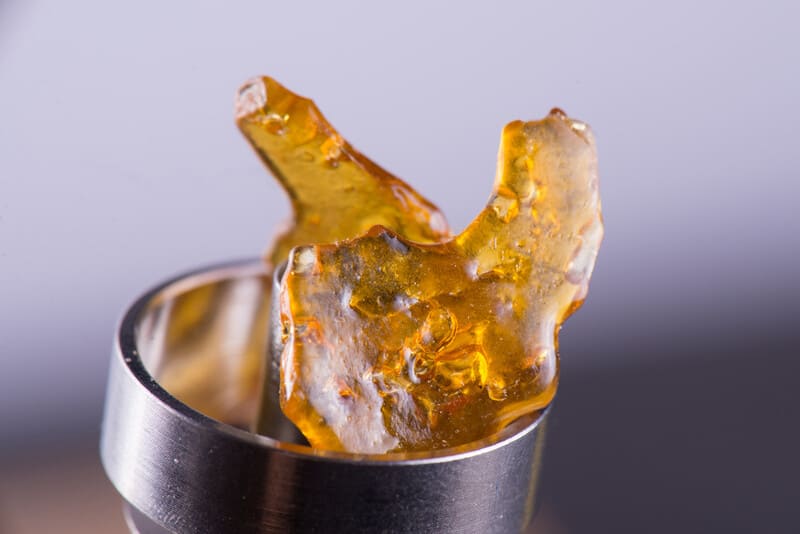
Dabs are highly potent cannabis extracts, typically made through various extraction processes like butane extraction, CO2 extraction, or solventless methods.
There are several types of concentrates available for dabbing, such as live resin, CO2 oil, rosin, and more, each with unique extraction methods and purity levels.
Dabs are a concentrated form of cannabis, often referred to as concentrated cannabis, and are among the most potent concentrates available.
Measuring the right dab dosage is crucial, whether you plan to use it in a vaporizer or elsewhere. Due to the high THC concentrations found in marijuana concentrates and other cannabis products, careful dosing is essential.
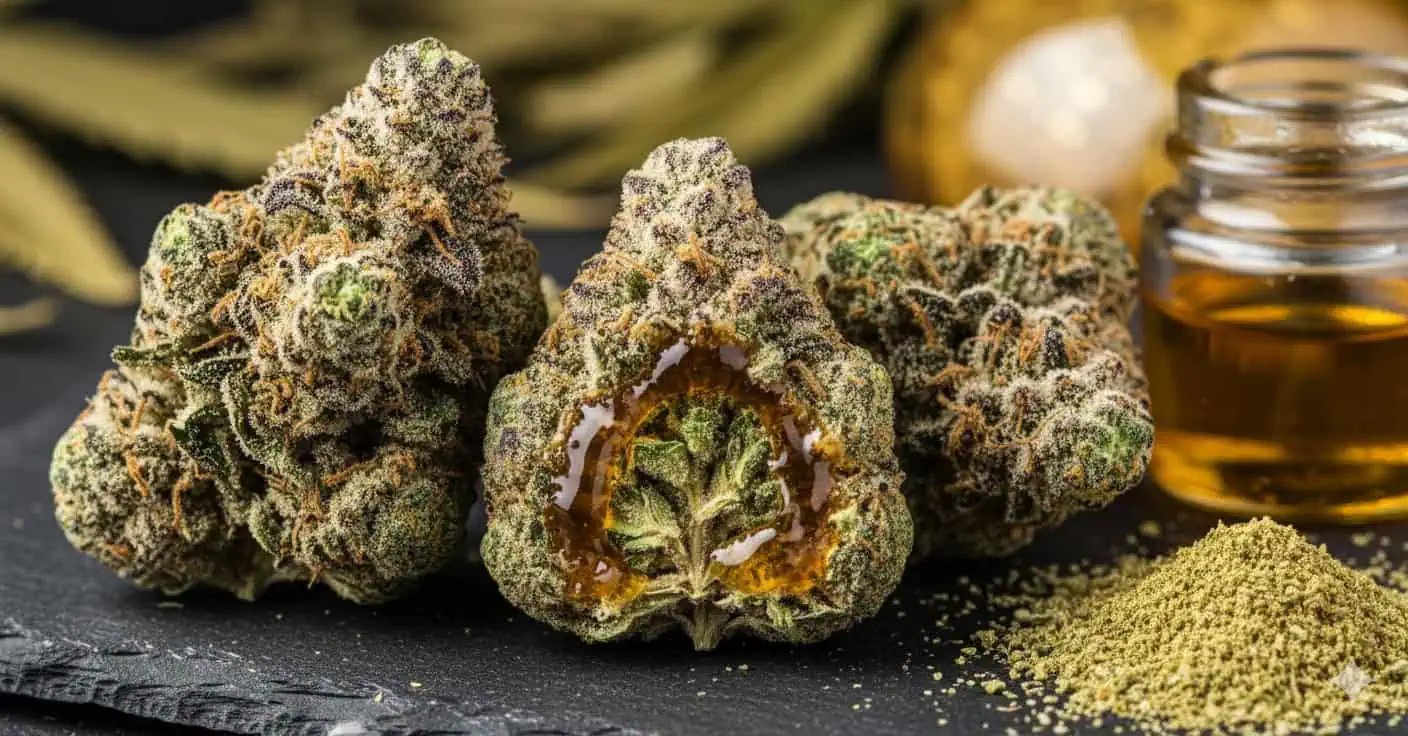
Generally, it’s advisable to use hash oils in portions of around half a gram at a time. Honey oil, also known as dab oil or BHO, is a type of concentrated cannabis extract produced through a solvent extraction process and is recognized for its oily texture and golden coloration.
Many individuals often find it challenging to determine the appropriate dab dosage, so we’ll provide some practical recommendations to help.
Dabs are a type of marijuana concentrate and are considered one of the most potent cannabis products on the market, and are typically dabbed using specialized equipment like a nail or banger to vaporize and inhale the concentrate.
Introduction to Dabbing
Dabbing is a modern cannabis consumption method that has gained popularity for delivering a quick onset of effects and high potency. Unlike smoking traditional flower, dabbing involves vaporizing cannabis concentrates—highly concentrated forms of cannabis made by extracting active compounds from the plant material.
These cannabis concentrates, often referred to as dabs, are produced using numerous extraction methods, such as solvent extraction or solventless techniques, to isolate cannabinoids and terpenes from the cannabis plant. The resulting concentrate is then vaporized using a dab rig or dab pen, allowing users to experience the effects of cannabis in a more potent and efficient way.
Dabbing requires specific equipment, such as a dab rig, a nail or banger, and proper setup to ensure a smooth and effective dabbing experience. Whether you’re seeking immediate relief or simply want to explore a new way to enjoy cannabis, dabbing offers a powerful alternative to other consumption methods.
Dabbing Equipment
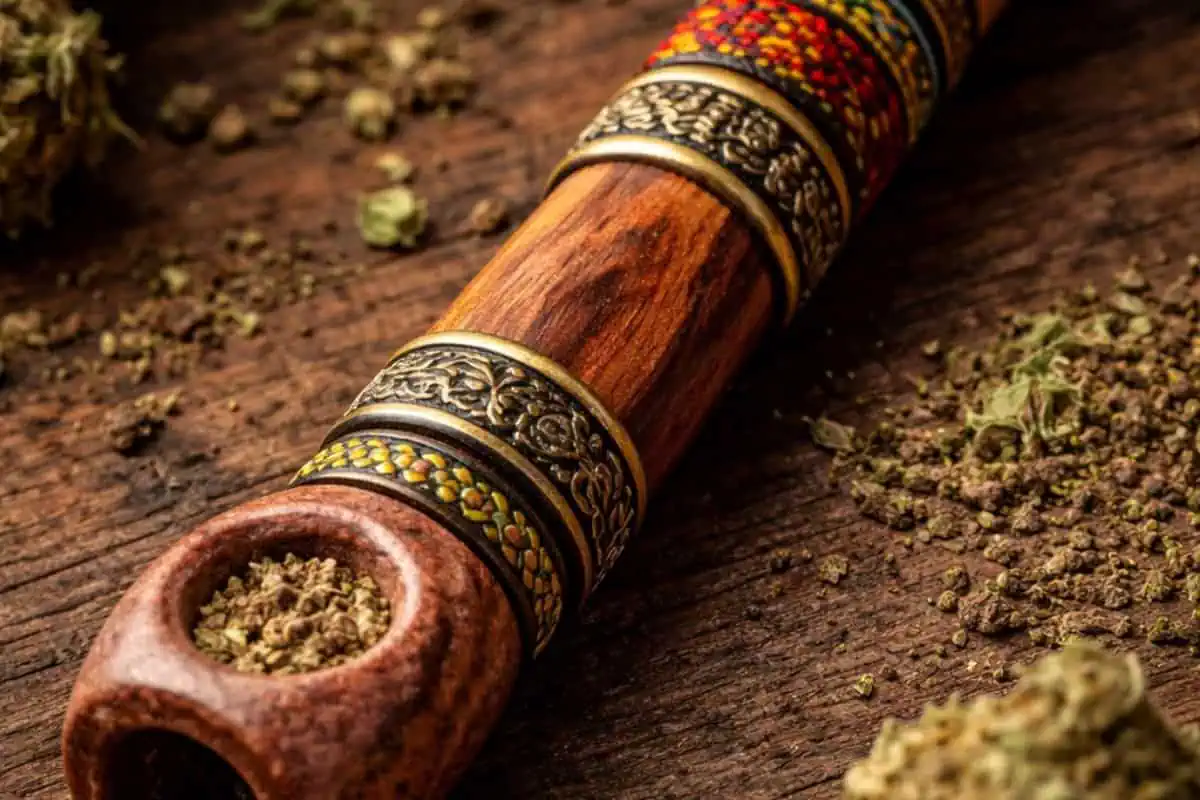
To get started with dabbing cannabis concentrates, you’ll need a few essential pieces of equipment. The centerpiece is the dab rig—a traditional dab rig is a specialized glass water pipe designed specifically for vaporizing concentrates. Attached to the rig is a nail or banger, typically made from quartz, titanium, or ceramic, which is heated to the proper temperature to vaporize the concentrate.
It’s important to handle the hot nail with care and to have a designated safe area to place the hot nail after use and during dabbing sessions. A dabber, which is a small tool made of metal or glass, is used to apply the concentrate onto the heated nail.
To reach the right temperature, a butane torch is commonly used, though some modern setups use electronic heating elements. A carb cap is also recommended, as it helps regulate airflow and ensures you get the most out of each dab by trapping vapor and preventing loss. With the right equipment, dabbing can be a smooth and enjoyable experience.
Types of Dabs
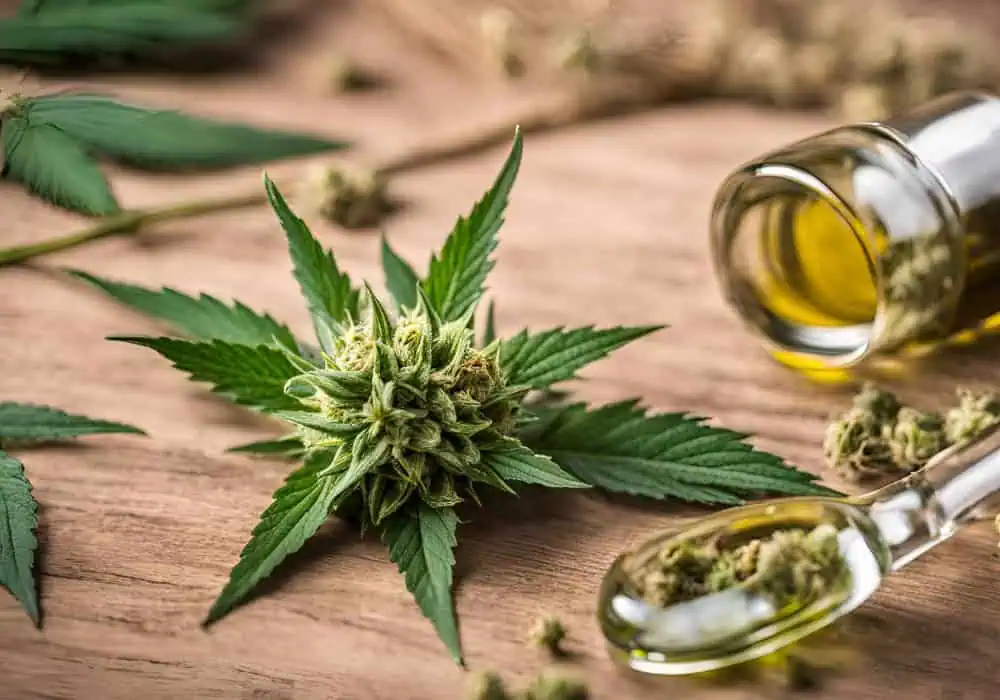
There are many types of dabs available, each offering unique textures, flavors, and potencies. Butane hash oil (BHO) is one of the most popular forms, created by using butane to extract cannabinoids and terpenes from marijuana plant material, resulting in a potent hash oil. Live resin is another sought-after concentrate, made by freezing freshly harvested cannabis plant material and then extracting it with a solvent, preserving more of the plant’s natural flavors and aromas.
Rosin stands out as a solventless option, produced by applying heat and pressure to cannabis plant material, yielding a pure concentrate without the use of chemicals. Other types include CO2 oil, which uses carbon dioxide as the extraction solvent, and traditional hash products like dry sift hash and ice hash.
Bubble hash, for example, can range in color from light blond to dark brown, with the color often indicating its quality and meltability. Each type of dab offers a different experience, allowing users to choose based on their preferences for potency, flavor, and extraction method.
Making Dabs
Making dabs is the process of extracting cannabis concentrates from plant material to create a highly potent, concentrated form of cannabis. The most common approach is solvent extraction, where chemical solvents like butane are used to separate the valuable trichomes from the cannabis plant.
This method produces butane hash oil (BHO), a type of hash oil that can reach THC concentrations of up to 80%, resulting in a powerful final product. However, using chemical solvents comes with health risks, especially if residual solvents remain in the concentrate. That’s why it’s crucial to ensure the final product is thoroughly purged and lab-tested for safety.
In addition to solvent extraction, there are solventless methods for making dabs, such as producing ice hash or live resin. These techniques avoid chemical solvents altogether, offering a cleaner and more natural concentrate. Whether you’re interested in traditional butane hash oil or exploring newer, solventless options, understanding the extraction process is key to enjoying safe and effective dabs.
Solventless Extractions
Solventless extractions are a popular choice for those seeking cannabis concentrates made without the use of chemical solvents. Instead of relying on butane or propane, these methods use physical manipulation and temperature changes to separate trichomes from the plant material.
For example, ice hash is created by agitating cannabis in ice water, which causes the trichomes to freeze and break off. The mixture is then filtered through mesh bags to remove unwanted plant matter, leaving behind a pure concentrate.
Live resin is another solventless concentrate, produced by pressing cannabis between heated plates to extract a thick, aromatic sap. These methods are favored for their ability to preserve the natural flavors and cannabinoids of the cannabis plant, resulting in high-quality concentrates without the potential health risks associated with residual chemical solvents. Solventless extractions offer a cleaner, more natural way to enjoy the benefits of cannabis concentrates.
Ice Hash and Live Resin
Ice hash and live resin are two standout examples of solventless cannabis concentrates that have become increasingly popular among enthusiasts. Ice hash is made by submerging cannabis in ice water, which helps freeze and detach the trichomes from the plant material. The resulting mixture is filtered, yielding a concentrated form of cannabis that is rich in cannabinoids and terpenes.
Live resin, on the other hand, is crafted by pressing fresh or frozen cannabis between heated plates, extracting a thick, amber-colored concentrate. Both ice hash and live resin are prized for their purity and robust flavor profiles, as they avoid the use of harsh chemicals during production.
These concentrates offer a potent, clean, and flavorful experience for those seeking a more natural approach to cannabis consumption.
Measuring Dabs
It is important to have the right dab tools for measurement. There are no universal measurement tools and the ones available may not be sufficient in providing the dosage.
Most experts recommend beginning with a small dab. This means starting with a small dose to avoid overwhelming effects, especially for those new to dabbing. However, what does that really mean? The dosage of a dab can vary significantly depending on factors such as the individual’s tolerance, the concentration of cannabinoids (e.g., THC or CBD) in the extract, and the desired effects.
If you are new to dabbing, it is best to slowly increase your dab dosage as you become more comfortable, particularly if you develop a high tolerance over time.
Dabs are known for their potency, often containing much higher THC levels than traditional cannabis flower, making precise measurement even more important.

Dab dosage is dependent on using the right dab tools. These tools are made in a wide range of sizes and shapes.
Use a dab tool, often a metal or glass rod, to pick up the desired amount of concentrate. Some concentrates, such as wax, have a thicker consistency, which may require more careful measurement. Be cautious not to touch the concentrate with your fingers to prevent wastage and maintain cleanliness.
While you’re measuring the concentrate, ensure that your dab rig (a specialized device for vaporizing concentrates) is properly heated and ready for use. Follow the manufacturer’s instructions for heating.
Measuring Portion
Dab dosages are typically measured in milligrams (mg) or grams (g) and can range from a small fraction of a gram (e.g., 0.025 grams or 25 milligrams) to larger amounts, depending on the user’s experience level and preferences.
Some high-quality dabs are produced in small batches to ensure consistency and accurate dosing.
Knowing Dab Dosage
Dab dose is the cannabis concentrate eaten each dab. Concentrates have 60%–90% THC, making them more potent than flower cannabis. Measuring dosage is essential to avoid overdose due to potency.
How to Measure Dab Dosage
–Start Small
Starting with 0.1 grams (a grain of rice) is excellent for beginners. You can raise the dose as you feel better.
–Use A Scale
Digital scales can help you measure doses properly as you find what works for you.
–Use A Journal
Recording your experiences with different doses and concentrations will help you find your ideal dosage.
Dabbing Techniques
Mastering dabbing techniques is essential for getting the most out of your cannabis concentrates. The classic method involves using a dab rig, where a nail or banger is heated to the right temperature—hot enough to vaporize the concentrate, but not so hot that it burns off valuable terpenes or produces harmful byproducts. Once the nail is ready, a small dab is placed onto the hot surface, instantly vaporizing and allowing you to inhale the rich vapor through the mouthpiece.
For those who prefer portability, dab pens offer a convenient way to enjoy dabs on the go. Regardless of your setup, using a carb cap can help regulate airflow and maximize vaporization, ensuring you get the full benefit of your concentrate.
Experimenting with different temperatures and inhalation techniques can help you find your ideal dabbing experience, whether you’re using a traditional dab rig or a modern dab pen.
Health and Safety Considerations
While dabbing cannabis concentrates can offer powerful effects, it’s important to be aware of the potential health risks and safety concerns. The extraction process, especially when using chemical solvents like butane, can be highly flammable and dangerous if not performed correctly.
Residual solvents left in the final product can pose health risks to consumers, making it crucial to choose high-quality, lab-tested concentrates. A vacuum oven is often used during production to purge residual solvents from extracts, ensuring a clean, potent concentrate.
Dabbing at high temperatures can also irritate the respiratory system and may increase the risk of mental health issues such as anxiety, paranoia, or panic attacks, particularly in sensitive individuals.
The Drug Enforcement Administration (DEA) has highlighted the dangers of teen overdose from marijuana dabs, which can lead to hallucinations and other adverse effects. To minimize risks, always use safe extraction methods, purchase concentrates from reputable sources, and start with small doses to gauge your body’s response.
Dealing with Dabbing Effects
Dabbing has immediate effects, peaking within 30–60 minutes. Compared to smoking flower, dabbing can produce more intense effects due to the higher potency of concentrates. Monitor your mood to determine if your dosage was right.
Remind yourself that you can always consume more, but starting small and steady is preferable. Be mindful of your substance use, and seek help if you notice signs of problematic use or dependency.
Dabbing Best Practices
To ensure a safe and enjoyable dabbing experience, it’s important to follow best practices every time you use cannabis concentrates. Start with a small dose, especially if you’re new to dabbing, and slowly increase as you become more comfortable with the effects.
Always use high-quality concentrates from reputable sources to minimize health risks, and handle your dab rig and accessories with care—remember, nails and bangers can become extremely hot during use.
Using a timer and thermometer can help you achieve the right temperature, which is crucial for optimal vaporization and flavor. Clean your dab rig regularly to prevent residue buildup and maintain the purity of your dabs.
Finally, always dab in a well-ventilated area and avoid operating vehicles or heavy machinery after consumption. By following these best practices, you can enjoy the potent effects of dabbing while minimizing potential risks.
Storing and Handling Dabs
Proper storage and handling of dabs are essential for maintaining their potency, flavor, and safety. Store your cannabis concentrates in airtight glass containers, keeping them in a cool, dry place away from direct sunlight and heat sources to prevent degradation. Always keep dabs out of reach of children and pets.
When handling concentrates, use a dabber or similar tool to avoid direct contact, as dabs can be extremely sticky and potent. Regular cleaning of your dab rig and accessories is important to ensure a pure and enjoyable experience—use isopropyl alcohol and cotton swabs to remove any residual concentrate and prevent bacterial buildup.
By following these storage and handling tips, you can enjoy your dabbing experience safely and get the most out of your cannabis concentrates.

Dab Dosage FAQ's
What's the best dab dosage for beginners?
Beginners should start with 0.1 grams or less, around the size of a grain of rice, and increase as needed for comfort and desired benefits.
How do I know if I've taken too much of dabs?
Too much consumption causes intense psychotropic effects, anxiety, paranoia, and physical discomfort. Try to remain hydrated, rest, and realize that these effects will go.
Can the same dosage produce different effects with different concentrates?
Potency, cannabinoid profiles, and terpenes vary between concentrates, hence effects can vary. Dosage must be adjusted.
How long should I wait before taking another dab if I don't feel the effects?
Before dabbing again, wait 15–30 minutes to analyze your mood. Concentrates provide strong, fast-acting effects.
Is there a way to calculate the exact THC dose in a dab?
Although difficult, you can estimate the THC dose from the concentrate's potency. A 0.1g dab of 70% THC concentrate provides 70mg of THC. Variations in concentrate concentration and individual tolerance make correct dosing challenging.
Interesting Facts About Dabs & Cannabis Concentrates
- Shatter is a glass-like concentrate that is brittle and can shatter easily; it usually has a deep yellow or honey color.
- Wax has a malleable texture and often refers to various types of dabs that are soft and can be sticky or crumbly.
- How much heat is applied during the extraction process can influence whether wax turns out gooey or crumbly, affecting its final texture and consistency.
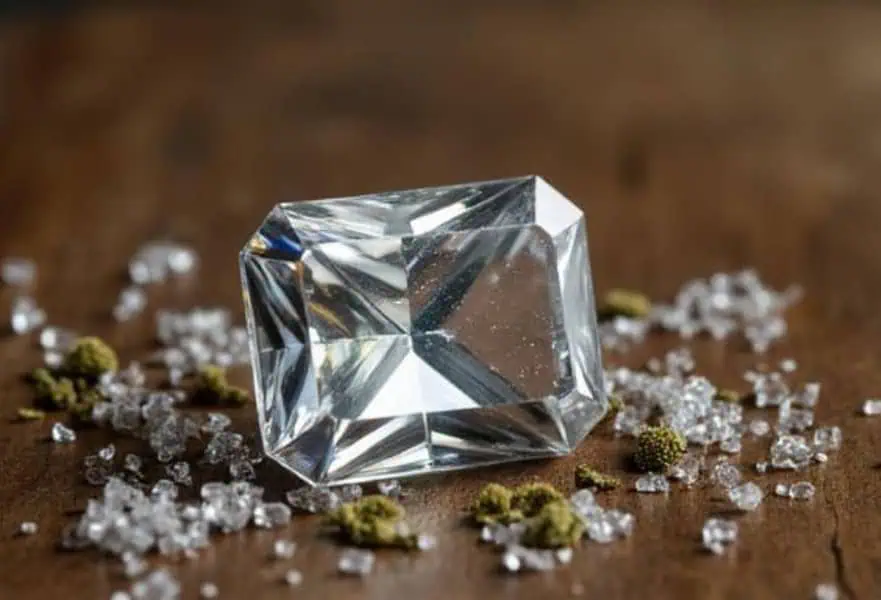
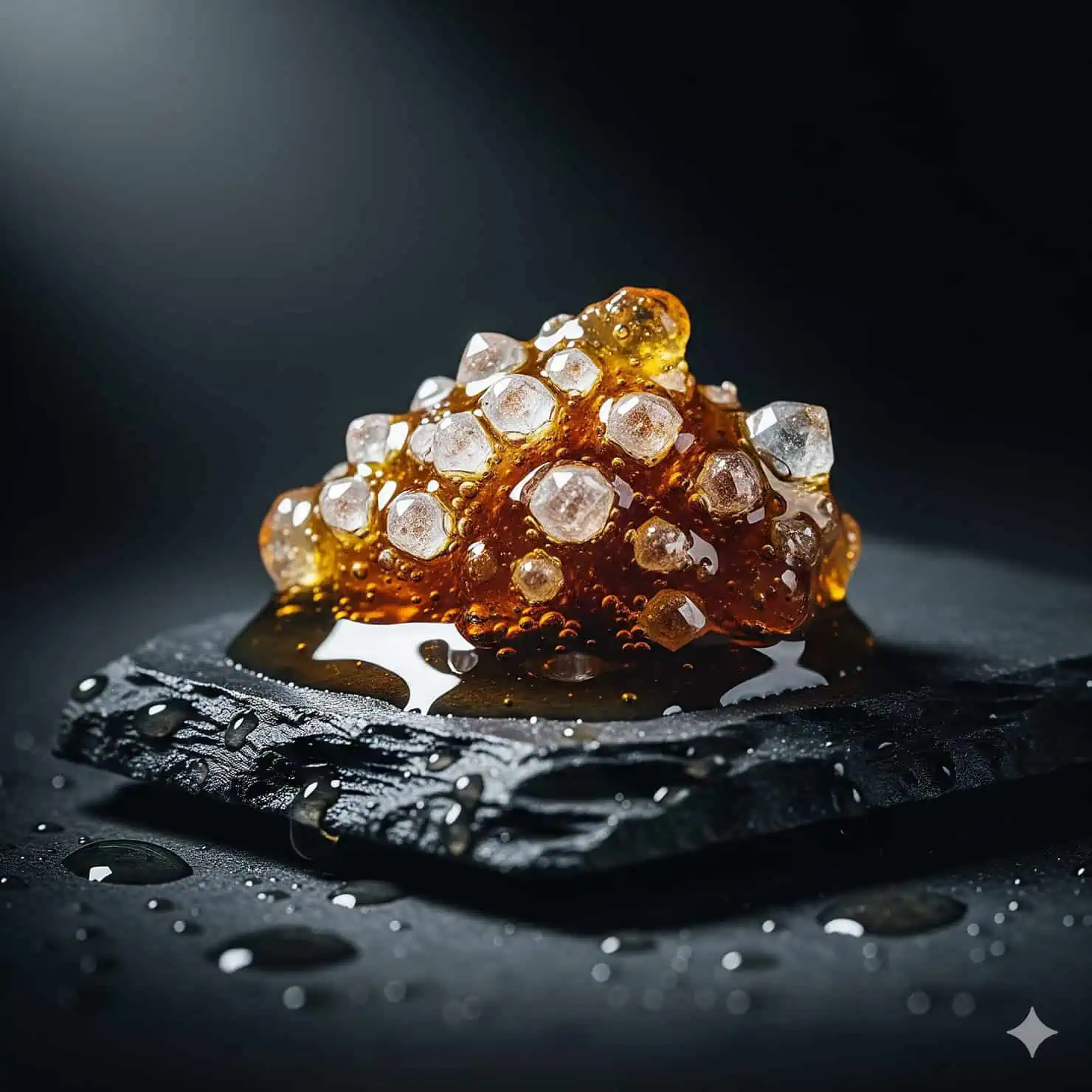
- Diamonds are highly purified crystalline forms of cannabinoids, often accompanied by a terpene-rich sauce.
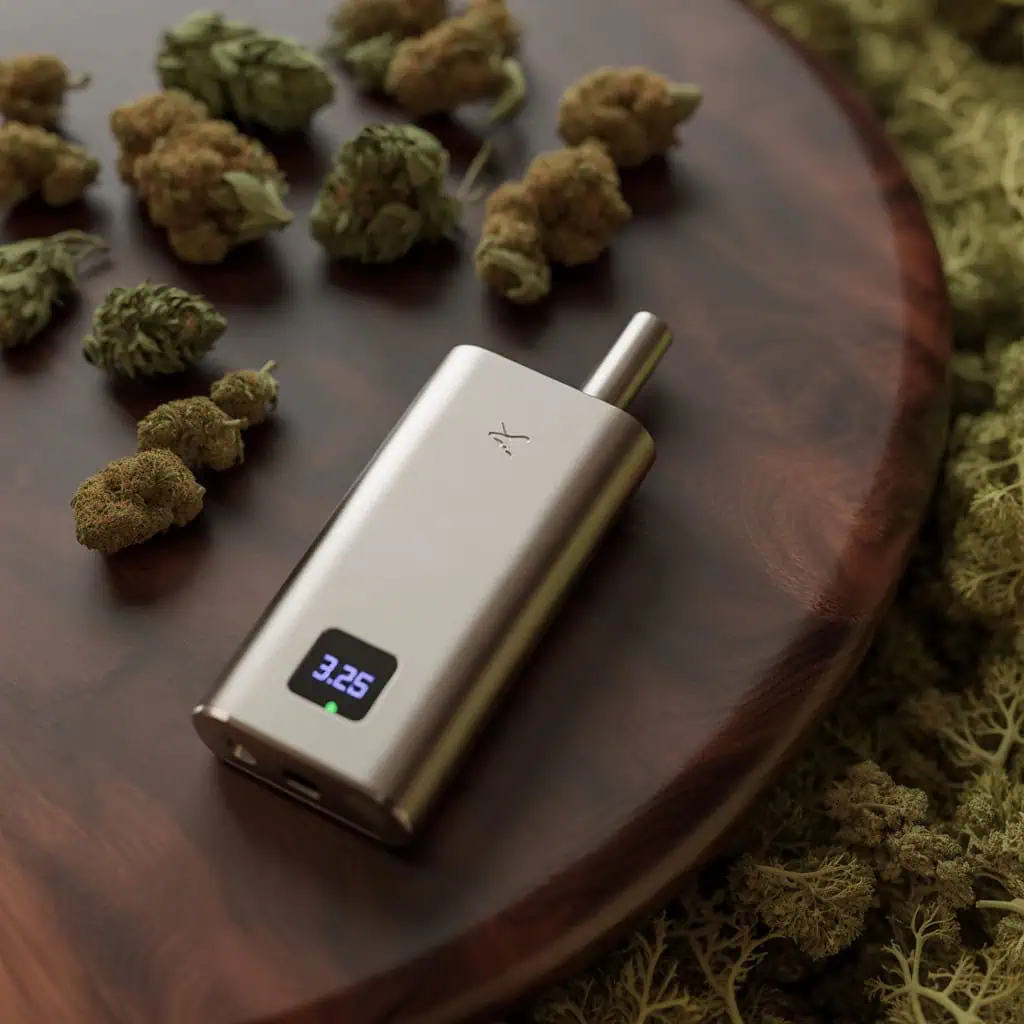
- Dab pens are portable devices designed for vaporizing thicker concentrates rather than traditional vape liquids.
- Dabs can be added to joints or bowls to enhance potency and flavor, a practice known as ‘twaxing.’
- Oil, also known as distillate, has the consistency of a thick liquid and is commonly used in vape carts.
- Dabbing can rapidly increase tolerance, requiring larger amounts to achieve the same effect.
- The high concentration of THC in dabs can cause severe anxiety, paranoia, hallucinations, and rapid heart rate, which are more pronounced than with regular cannabis.
- Regularly taking time off from dabbing can help reset your tolerance.
- Fatal overdose is extremely rare with cannabis, but high-THC concentrates present substantial health risks at higher doses.
- Dabs provide a potent high that can catch inexperienced users off guard.
- Quality cannabis concentrates used in dabbing are often cleaner and purer than traditional methods of consumption.
- Dabbing may introduce higher levels of carcinogens if consumed at improper temperatures.
- The nail used in a dab rig is usually heated with a torch before using it.
- E-nails eliminate the need for a torch and provide consistent heat for dabbing.
- After each use, it’s important to clean the nail of the dab rig to maintain the flavor of future dabs.
- The typical amount of concentrate used for a dab is about the size of a grain of rice.
- Properly setting up a dab rig involves ensuring a tight seal and appropriate water levels.
- Cooling the nail for 30-60 seconds after heating is recommended before applying the dab.
- Some experienced users add a small amount of CBD to their dabs, which may counteract some of the paranoid-inducing effects of THC.
- Dabs are often vaporized at temperatures ranging from 400-600°F.
- Most dabbing devices allow the user to control the temperature for vaporization, which optimizes flavor.
- Take slow, gentle inhales to ensure even vaporization when dabbing.
- One hit of a dab can equal an entire joint or two and will hit you all at once.
- Most solvent-based dabs range between 60-90% THC, while some solventless varieties might contain less than 50% THC.
- It’s often suggested to dab in a safe, comfortable place, ideally under supervision if you’re a beginner.
- Only buy dabs from reliable sources that ensure lab testing and approval to avoid contaminants.
- The high temperatures used for dabbing can produce toxic compounds, such as benzene, that are harmful to lung tissue.
- The ideal dabbing temperature is between 450°F and 550°F.
- After dabbing, clean the nail with a cotton swab to prevent residue buildup.
- Using a dab pad can help protect your surfaces from sticky residues while preparing dabs.
- A timer can be useful for monitoring nail temperature for optimal dabbing.
Vaporizer Cartridges
If you are finding it hard to use the portioning process, then you may opt for methods that use vaporizer cartridges. Compared to vaporizer cartridges, dab pens are portable, battery-powered devices designed specifically for vaporizing cannabis concentrates like wax and shatter, offering a convenient and discreet alternative to traditional dabbing methods.
Vape pens, on the other hand, are commonly used for cannabis oils and liquids, providing another portable option for consuming cannabis products.
With this, you don’t have to guess about dab dosage when it comes to hash oils. This takes the complication out of dabbing. It also can help minimize overconsumption.
Learn more about cannabis concentrates and dabbing by enrolling in CTU’s online cannabis courses.

Gavin Kushman
Gavin is a worldly adventurer and cannabis connoisseur, embarking on journeys that take him to the far corners of the globe to explore and document the varied effects, flavors, and histories of both renowned and lesser-known strains. From the misty high-altitude farms of the Hindu Kush highlands to the vibrant cannabis cafes of Amsterdam, Gavin's quest for knowledge spans continents. A recognized authority in the cannabis industry, he frequently lends his expertise to leading publications such as Cannabis Training University, where his captivating blog articles chronicle his unique experiences with different cannabis strains.

 Jeff was involved in an accident where he endured a traumatic brain injury. He had a week-long stay in ICU where brain surgeons
  100% risk free money back guarantee within 48 hours after purchase if student has not completed any of the courses or exams.
