The phrase “canna plant” carries different meanings depending on who you ask. In gardening circles, the term often refers to canna lilies, bold tropical flowers and bold leaves cultivated for their decorative appeal.
In cannabis communities, however, “canna plant” almost always means cannabis, the plant at the center of medicine, recreation, and a multi-billion-dollar global industry.
To add to the mix, canna culture has grown into a lifestyle movement, touching everything from fashion and art to beverages and wellness products.
This article explores all aspects of the canna plant, from canna lilies and red canna flowers, to cannabis anatomy and slang, to the booming canna culture that includes canna butter, canna coffee, and cann drinks.
Before cannabis entered the mainstream, the word “canna” had long been associated with ornamental plants.

A canna plant, often called a canna lily, is a striking flowering plant prized for its bold, showy flowers and lush, tropical foliage. Native to the tropical and subtropical regions of South America, canna lilies have become popular garden plants around the world, adding a splash of color and drama to landscapes.
These plants are known for their large, paddle-shaped leaves and vibrant blooms that come in a range of colors, including orange, red, yellow, and salmon pink. Despite the name, canna lilies are not true lilies; they belong to their own unique genus, Canna, and are more closely related to plants like ginger and bananas.
Whether planted in garden beds or as focal points in borders, canna plants bring a touch of the tropics to any outdoor space, thriving in warm, sunny locations and making a bold statement with their flowers and foliage.
While cannas and cannabis are unrelated biologically, the overlap in name has fueled confusion. Many newcomers searching for “canna plant” online are actually looking for information about cannabis cultivation rather than ornamental gardening.
To grow cannas, start by planting the rhizomes in well-drained soil after the last frost, keeping them moist and in a sunny location for best results.
When cannabis growers and educators say canna plant, they mean cannabis sativa, cannabis indica, or hybrids.
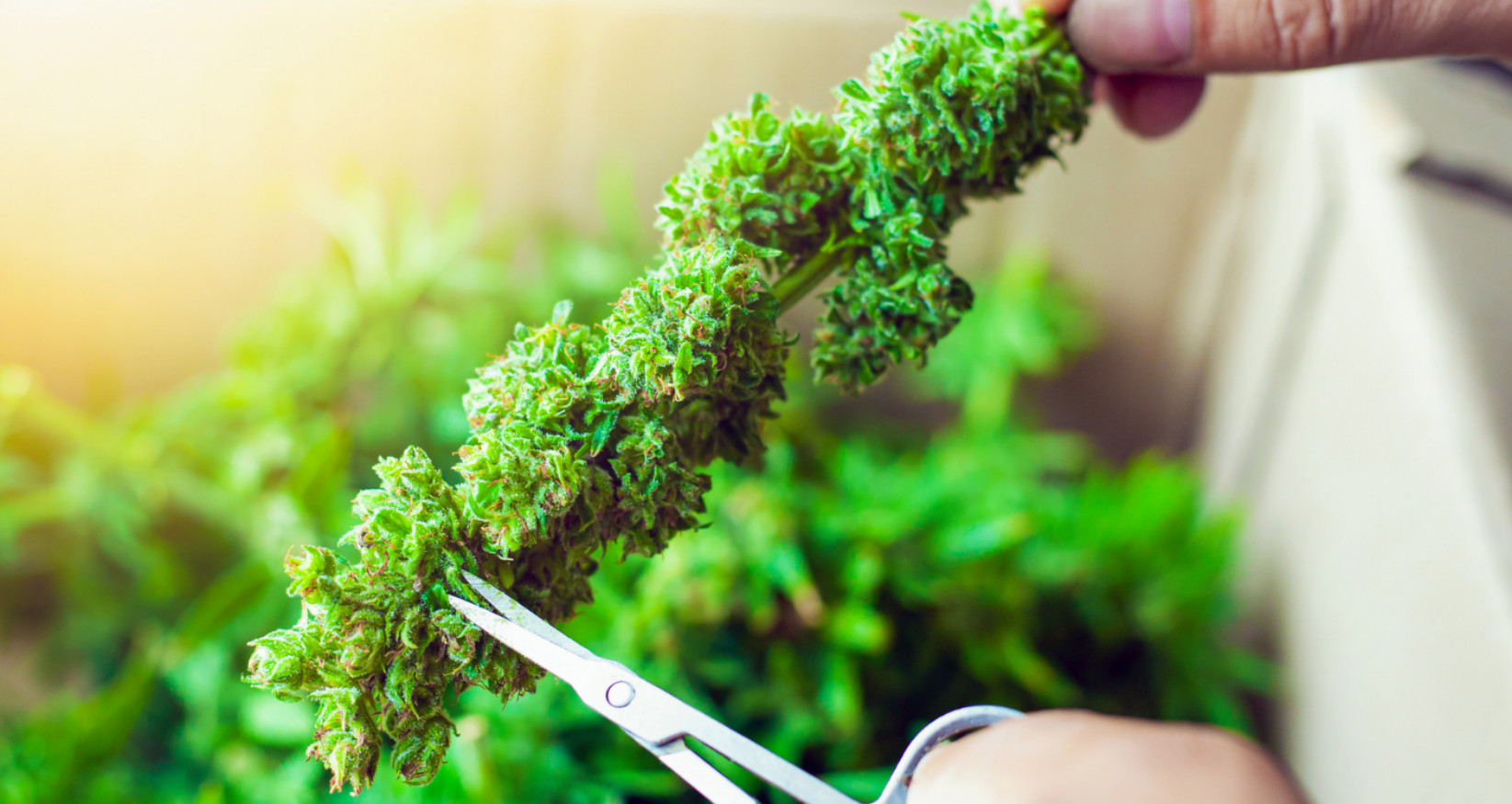
The cannabis plant is the source of a wide variety of cannabis products, ranging from flower to edibles and extracts.
Understanding this anatomy is the first step toward cannabis cultivation training, which is one of the pillars of cannabis education programs like those CTU offers.
Feature | Cannas (Flowers) | Cannabis (Marijuana/Hemp) |
|---|---|---|
Botanical Family | Cannaceae | Cannabaceae |
Growth | Bulbs (canna bulbs, canna lily bulbs) | Seeds or clones |
Common Varieties | Red canna, tropical hybrids | Sativa, Indica, Hybrids |
Purpose | Ornamental beauty, starchy rhizomes used for human and animal consumption in some regions | Medicine, recreation, hemp fiber, CBD |
Cannabinoids | None | THC, CBD, CBN, CBG, etc. |
This distinction is critical. Cannas are gorgeous flowers, but cannabis is the canna plant that drives culture, economics, and law reform.
The term canna culture refers to the traditions, values, and lifestyle built around cannabis use. It encompasses history, slang, products, art, and social identity.
Canna culture isn’t only about smoking — it’s about infusions, drinks, and edibles that make cannabis part of everyday life.
Cannabis cultivation starts from seeds or clones, while cannas start from bulbs or rhizomes. When propagating cannas, gardeners divide the rhizome into sections, each with two or three growing points to ensure healthy new plants. Exposing young shoots during early planting helps promote vigorous growth.
The contrast illustrates how the word “canna” bridges gardening and cannabis culture, even though the plants are separate.
Canna plants thrive when given consistent moisture, especially during the heat of summer. It’s important to water them regularly, ensuring the soil stays evenly moist but not soggy, as overwatering can lead to root rot.
Applying a slow-release fertilizer in early spring helps provide essential nutrients throughout the growing season, supporting vigorous growth and abundant flowering.
To keep canna plants looking their best, remove spent flowers promptly—this not only tidies up the plant but also encourages more blooms and prevents energy from going into seed production.
Regular feeding with a balanced fertilizer can further enhance flower production, but be careful not to overfertilize, as this can harm the plant. Adding a layer of mulch around the base helps retain soil moisture and suppress weeds, creating ideal conditions for healthy canna plants all season long.
Canna plants make excellent potted plants, bringing a tropical flair to patios, balconies, and other outdoor living spaces.
When growing cannas in containers, choose a larger container with good drainage to accommodate their robust roots and prevent waterlogged soil. Use a well-draining potting mix and incorporate a balanced fertilizer to support healthy foliage and vibrant flowers.
In early spring, check if your canna plants have outgrown their pots—if so, gently repot them into a larger container with fresh soil, taking care not to damage the roots. As temperatures drop in winter, move potted canna plants indoors or to a frost-free area to protect them from cold damage.
With the right care, potted canna lilies will reward you with months of lush foliage and colorful blooms, making them a standout feature in any tropical-inspired garden or outdoor setting.
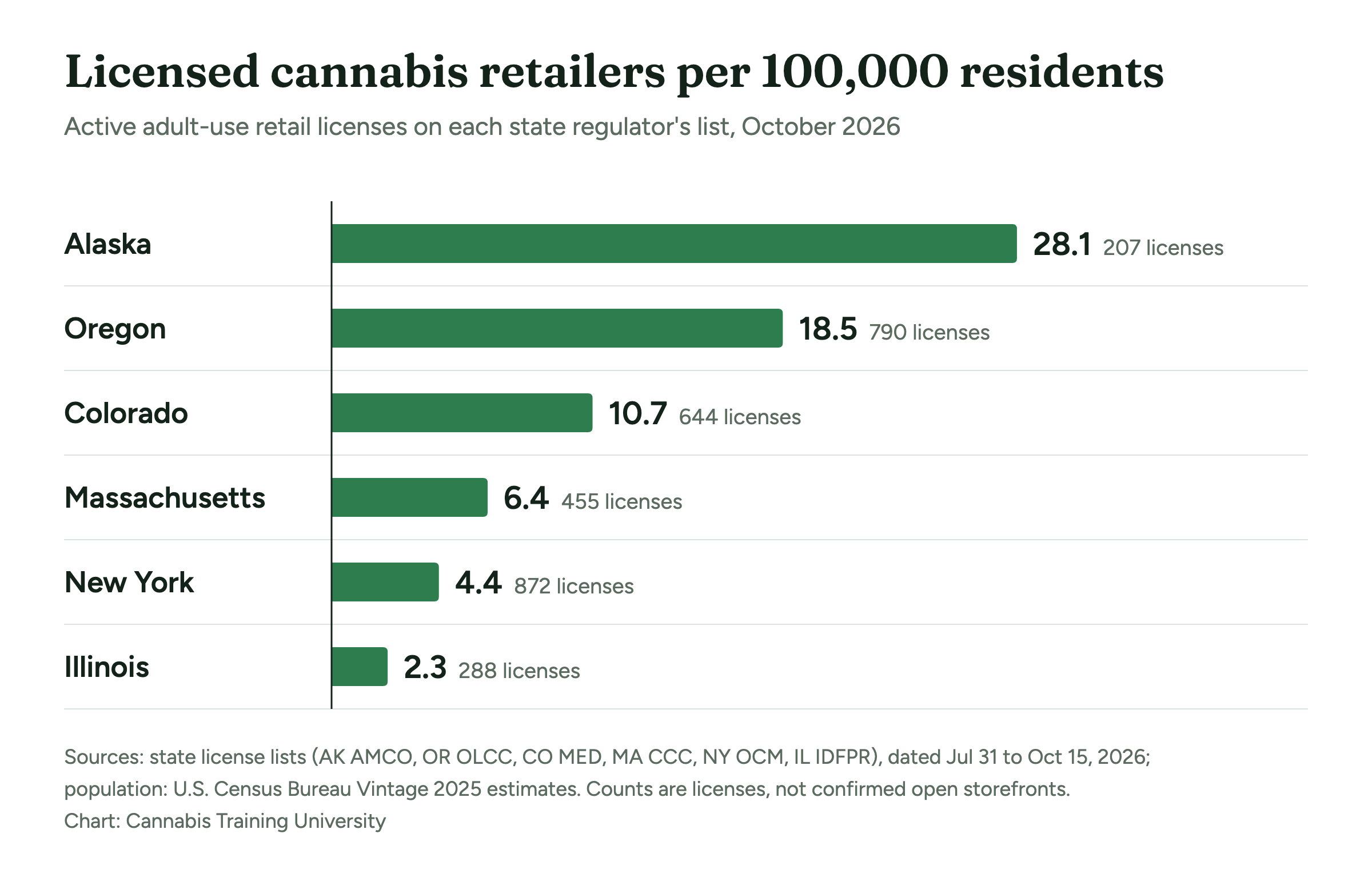
The cannabis industry is a global powerhouse.
Canna culture is no longer fringe — it’s an economic driver.
Locals canna house and similar community spaces embody the way cannabis builds culture:
Looking ahead:
Canna culture will continue merging cannabis with everyday life, from morning coffee to evening beverages.
Cannabis is a chemically complex plant, with more than 100 identified cannabinoids that interact with the body’s endocannabinoid system. While THC (tetrahydrocannabinol) and CBD (cannabidiol) are the most widely known, several minor cannabinoids also play important roles.
Together, these compounds interact through what’s called the entourage effect—a synergy where cannabinoids, terpenes, and flavonoids work together to enhance therapeutic outcomes beyond what any single compound could achieve on its own.
For home growers, cultivating cannabis can be both rewarding and educational. While detailed techniques vary, some universal basics apply:
These basics give aspiring growers a framework for understanding the life cycle of the plant from seed to finished flower.
Note: Canna lilies, when grown outdoors, perform best in full sun for optimal flowering and growth.
Cannabis has been intertwined with human culture for thousands of years. Its uses have ranged from spiritual to medicinal to industrial:
This global history highlights cannabis not only as a plant but also as a cultural and economic force across civilizations.
Modern research and patient experiences have revealed a wide range of potential therapeutic applications for cannabis:
While cannabis is not a cure-all, its therapeutic diversity makes it one of the most studied and versatile plants in modern medicine.
No. Cannas are ornamental flowers, while cannabis is used for medicine, wellness, and recreation.
A cannabis retail chain that represents the modern dispensary model in canna culture.
It refers to the lifestyle, community, products, and businesses built around cannabis.
The phrase canna plant has two sides: the canna lily beloved by gardeners and the cannabis plant shaping global culture and industry.
Together, they show how one word can span ornamental flowers, psychoactive medicine, and a lifestyle movement.
From canna bulbs in gardens to canna butter in edibles, from canna coffee in cafés to canna drinks at parties, canna culture is thriving.
The canna plant, in all its forms, is here to stay, shaping how we eat, drink, socialize, and even garden.
The canna plant and cannabis plant are not the same, yet share some similarities.
Learn how to grow cannabis plants with online training from CTU.
More in Cannabis 101

Check your state's cannabis laws

 IACET Accredited Provider · online cannabis education
Since 2009 • 50,000+ students trained worldwide
IACET Accredited Provider · online cannabis education
Since 2009 • 50,000+ students trained worldwide



Copyright Cannabis Training University, a subsidiary of Online Training Providers. © 2026. All Rights Reserved.
Medical Disclaimer: The information on this website is for informational purposes only and is not intended to be a substitute for professional medical advice, diagnosis, or treatment.
Always seek the advice of a physician or other qualified health provider with any questions you may have regarding a medical condition.
Legal Compliance: Cannabis remains federally illegal. Products and information are intended only for jurisdictions where cannabis use and possession is legal.
By using this site, you affirm that you are of legal age (21+) and responsible for understanding your local laws.