


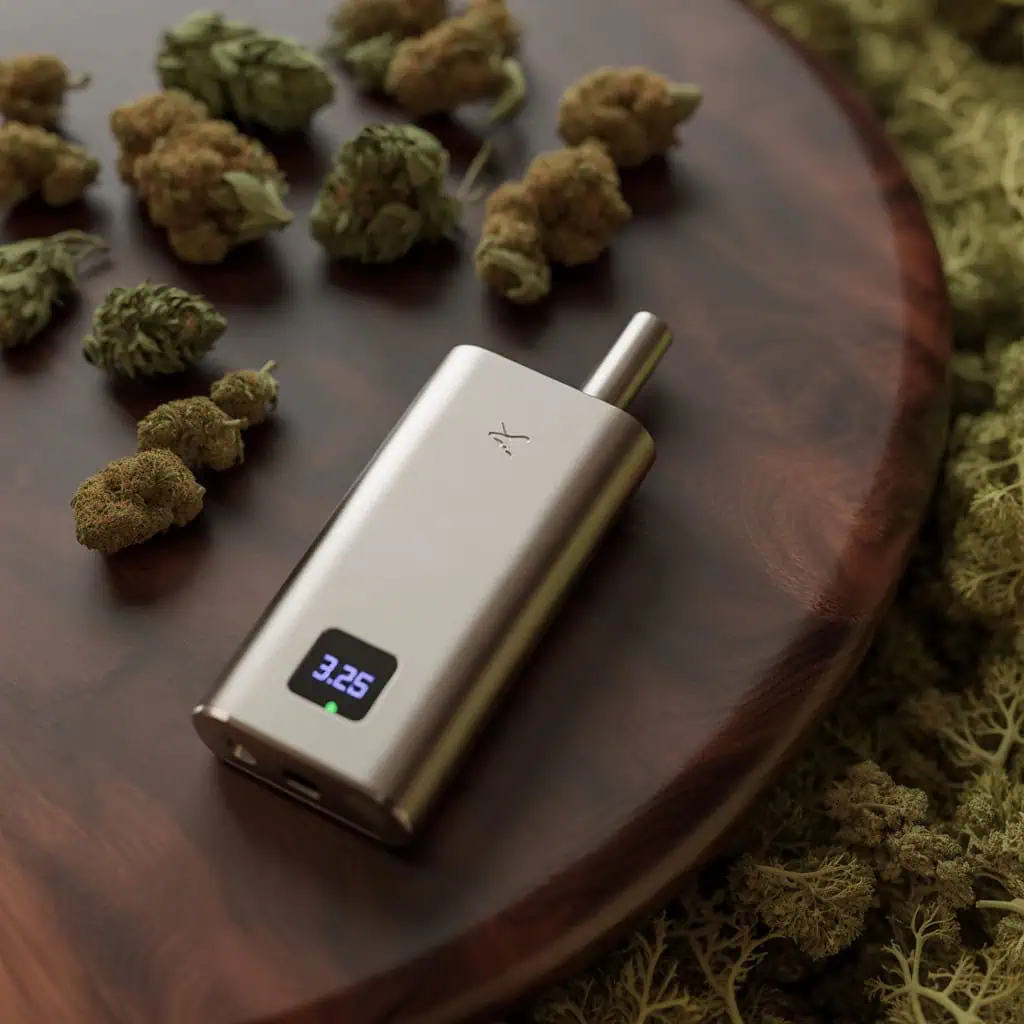
Cannabis Vaporization heats cannabis just enough to release cannabinoids and terpenes as inhalable vapor, without burning.
Combustion creates ash, tar, and unwanted byproducts; vaporization delivers the plant's active compounds with far less harshness, far more flavor, and with precise temperature control that lets you steer effects.
Whether you prefer a cannabis dry herb vaporizer for flower, a cannabis vaporizer pen for carts, or a cannabis concentrate vaporizer for dabs, modern devices make vaporizing cannabis cleaner, more efficient, and more repeatable than smoking.
What Is Vaporizing Cannabis? (The Short Science)
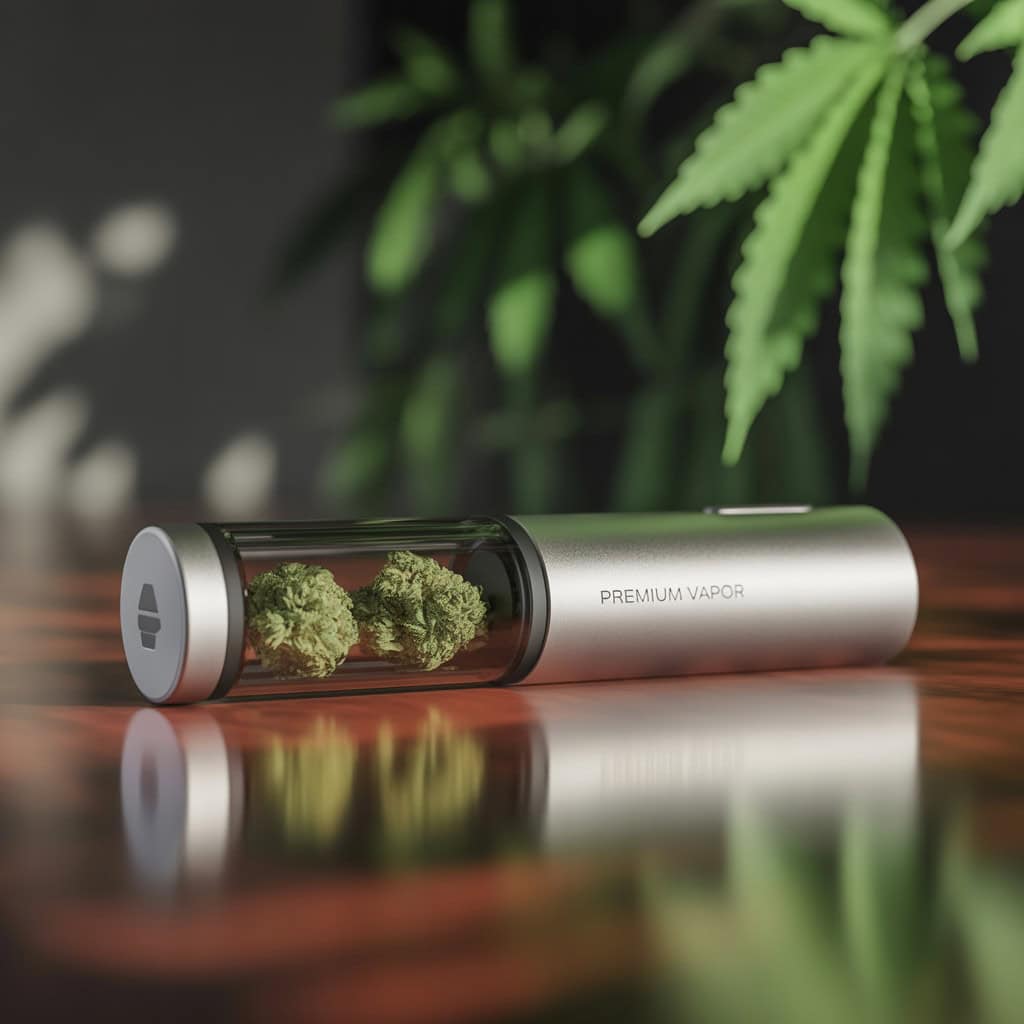
- Goal: Heat cannabis below combustion so cannabinoids (THC, CBD, CBN, etc.) and terpenes (myrcene, limonene, pinene, linalool, caryophyllene, etc.) volatilize into a breathable cannabis vapor.
- Typical temperature window: ~315–430°F (157–221°C).
- Why it feels different than smoke: Fewer irritants, more terpene expression at lower temps, generally cleaner onset and clearer head at lighter temps; denser, heavier effects as you climb.
Vaporization is a physical process where a substance, such as cannabis, undergoes a phase transition from the liquid phase to the gas phase, resulting in the formation of vapour.
This conversion from liquid to gas is a key part of the phase change, requiring energy to overcome cohesive forces.
There are two types of vaporization: evaporation and boiling. Evaporation occurs at the surface of a liquid below its boiling temperature, while boiling occurs as a bulk phenomenon when the vapor pressure of the liquid equals the surrounding pressures (boiling temperature).
During these transitions, molecules and particles (atoms) in the liquid gain enough kinetic energy to escape the cohesive forces and intermolecular force holding them together, separating from the liquid and becoming vaporized.
Energy is transferred from the surroundings to the substance to facilitate vaporization. The boiling point varies with pressures, and water vapor is a common example of a substance in the gas phase after vaporization. During boiling, bubbles form at specific nucleation sites within the liquid, where vaporization initiates.
Examples of vaporization in scientific and real-world contexts include meteor impacts, which can vaporize rock and metal; nuclear detonations, where intense energy causes rapid vaporization of materials; and laser ablation, where focused energy vaporizes targeted surfaces. In some cases, substances exposed to extreme heat or energy are rapidly vaporized or destroyed.
Evaporation is a key part of the water cycle, with water from the ocean continuously evaporating into the atmosphere and contributing to weather patterns such as rainfall.
Heating methods
- Conduction: Oven wall touches herb. Fast, simple, compact; stir for evenness.
- Convection: Heated air flows through herb. Even extraction, top flavor, cooler vapor.
- Hybrid: Mixes both for quicker heat-up with convection finish, meaning it combines conduction and convection heating methods to achieve specific vaping qualities like improved flavor and vapor production.
Why People Prefer Cannabis Vaporization
- Vaporizing cannabis health benefits: Less harsh on the lungs than smoke; odor dissipates faster.
- Efficiency: Better cannabinoid utilization per gram.
- Control: The best temperature for vaporizing cannabis depends on desired effect—calm focus vs. lights-out relief.
- Versatility: One ecosystem spans cannabis flower vaporizers, cannabis oil vaporizers (carts/pods), concentrate vaporizers (wax/rosin/e-rigs), and desktop cannabis vaporizer machines for precision.
The Cannabis Vaporization Temp Chart (Practical)
Use these as guides. Real flower varies by cultivar, cure, grinder, and device.
Effect bands
- 315–330°F (157–166°C): Light, clear, terpene-forward; functional daytime.
- 331–370°F (167–188°C): Balanced euphoria + body; fuller flavor and vapor.
- 371–410°F (189–210°C): Heavy, deeper body relief; bedtime territory.
- 411–430°F (211–221°C): Max extraction without ignition; can get harsh—use sparingly.
Compound emphasis (approximate)
- THC: strongest early expression near ~315°F (157°C).
- CBD: efficient in the 320–356°F (160–180°C) band.
- CBN: emerges in hotter band ~365°F (185°C) and up.
- Myrcene: ~332°F; earthy, relaxing.
- Limonene: ~349°F; bright, uplifting.
- Linalool: ~388°F; floral, soothing.
- Caryophyllene: ~320°F; peppery, grounding.
Quick trick: Start a bowl around 345°F (174°C) for bright flavor; step +10–15°F every few pulls to ride a “flavor-to-full-body” curve. This “temperature ladder” maximizes taste first, potency last.
Device Categories (Choose Your Lane)
A) Cannabis Dry Herb Vaporizers (Flower)
- Use: Ground flower in an oven (conduction, convection, or hybrid).
- Pros: Whole-plant entourage, best terp expression, easy to understand ingredients.
- Cons: Needs grinding/packing/cleaning; bigger than a pen.
- Ideal for: People who want full flavor control and traditional cannabis feel.
B) Cannabis Vaporizer Pens (Carts/Pods)
- Use: Screw-on 510 carts or closed pods; battery powers a small heater.
- Pros: Ultra-discreet, pocketable, zero prep; cannabis vaporizer cartridges are easy to dose.
- Cons: Quality varies; you're trusting the oil formulation; less customizable temps.
- Ideal for: Convenience, travel, quick microdoses, stealth.
C) Cannabis Concentrate Vaporizers (Dab pens & e-rigs)
- Use: Wax, rosin, live resin, shatter; either pen-style coils or electronic rigs.
- Pros: Potency, fast onset, top-tier flavor with live materials.
- Cons: Learning curve; sticky cleanup; not always beginner-friendly.
- Ideal for: Experienced users, medical spikes of pain, terp hunters.
D) Desktop “Cannabis Vaporizer Machines”
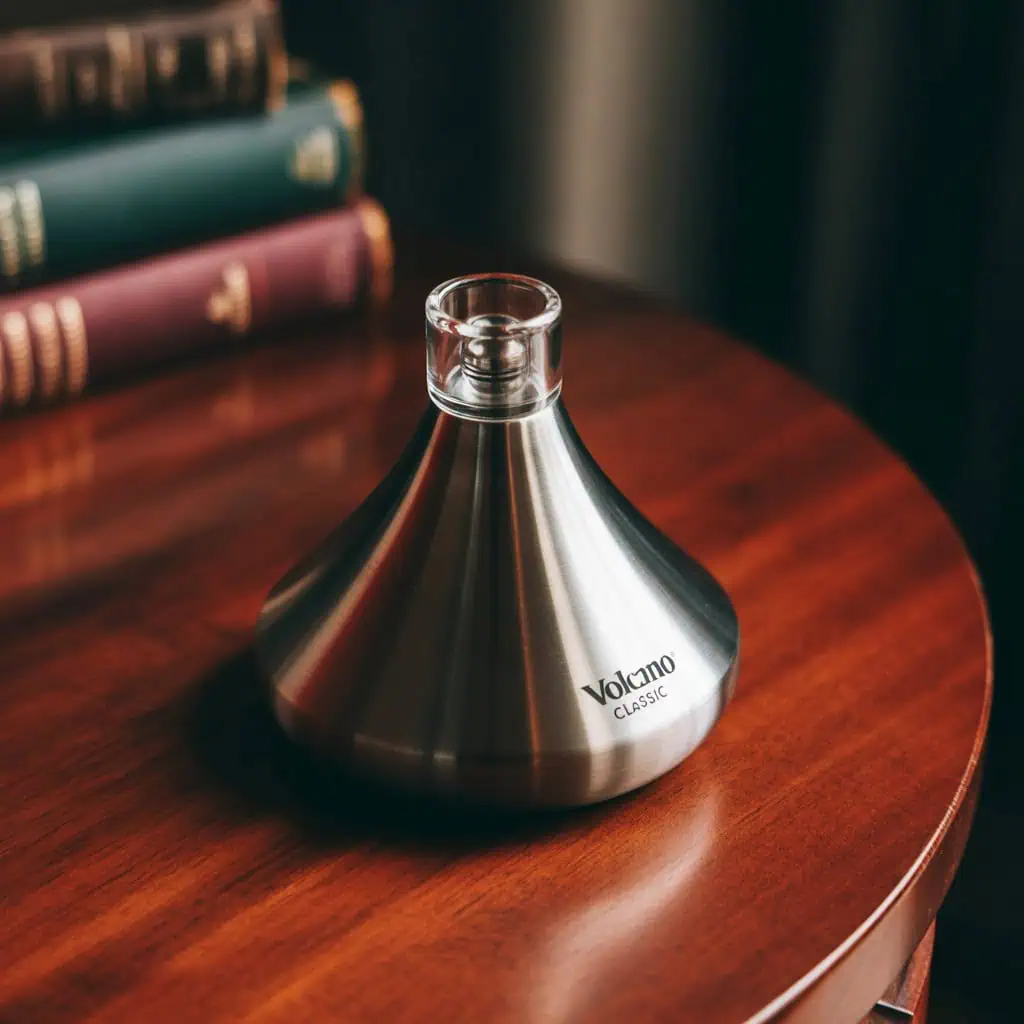
- Use: Plugs into wall, bag or whip delivery; stable, repeatable, long sessions.
- Pros: Best temp accuracy, airflow, and extraction; great for groups or medical use.
- Cons: Not portable; higher up-front cost.
- Ideal for: Home sessions, medical dosing, flavor and consistency maximalists.
Materials & Safety Teardown (What's Inside—and Why It Matters)
Airpath & oven materials
- Borosilicate glass: Inert, clean taste, easy to clean; brittle if dropped.
- Alumina/zirconia ceramic: Excellent thermal properties, neutral taste, durable.
- Stainless steel (304/316): Durable, easy to sanitize, robust; slightly more heat retention than glass.
- Titanium (Grade 2/5): Strong, light, corrosion-resistant; favored for concentrate hardware.
- PEEK (polyether ether ketone): High-temp engineering plastic used in safe, critical parts.
- Food-grade silicone: For seals and gaskets; replace periodically.
What to be cautious about
- PTFE (Teflon) near heaters: Not ideal around sustained high temps.
- Glues/adhesives in the airpath: Unwanted; seek designs that mechanically fasten parts.
- Mystery alloys and unknown coatings: Avoid bargain devices with poorly documented materials.
Heaters & sensors
- Nichrome/SS coils, ceramic heaters, or film heaters managed by PID controllers (firmware) regulate temperature. Better devices prioritize even heat distribution, not just peak wattage.
Battery chem
- Li-ion 18650/21700 cells or pouch packs. Look for thermal protections and reputable cells. Replace worn cells when charge life drops below ~60–70% of original.
New-device prep (“first burn”)
- Run the device empty at ~400°F for 3–5 minutes; cool; repeat. This helps drive off any manufacturing residues. Then load and go.
Vaporizer Cleaning & Maintenance
- After each session: Tap out bowl, dry brush the oven/screen.
- Weekly: Soak removable glass/metal parts in high-proof isopropyl alcohol; rinse, fully dry.
- Monthly: Replace o-rings and screens; deep-clean the mouthpiece and vapor path; update firmware if your device supports it.
- Cartridges/pods: Keep upright; wipe contacts; avoid heat exposure.
Cannabis Vaporization Troubleshooting
A) Vapor Too Thin
- Causes: Temp too low; grind too coarse; airflow too fast; herb too dry.
- Fixes: Step temp +10–20°F; use a tighter grind (conduction) or fluffier pack (convection); slow your draw; rehydrate dry flower overnight.
B) Harsh or Hot Vapor
- Causes: Temp too high; resin-coated mouthpiece; herb overdry; rapid chain-pulling.
- Fixes: Drop temp 10–20°F; clean mouthpiece and path; sip slower; consider a water-pipe adapter or cooling stem.
C) Uneven Browning / Hot Spots
- Causes: Conduction without stirring; packed too tight; overloaded oven.
- Fixes: Stir mid-bowl; lighten the pack; reduce load size; consider a hybrid/convection device.
D) Burnt/Smoky Taste (ABV looks black)
- Causes: Exceeded combustion threshold; inadequate airflow.
- Fixes: Lower temp; ensure vents aren't blocked; clean screens.
E) Tight Draw / Poor Airflow
- Causes: Clogged screen or mouthpiece; sticky resin condensation.
- Fixes: Soak/replace screen; alcohol-wipe mouthpiece; clean nooks and threads; replace o-rings.
Safety Essentials (Flower, Oils, Concentrates)
- Flower: Favor well-cured, clean product.
- Cartridges: Buy from licensed, trusted sources; avoid unknown additives; keep upright; discard damaged carts.
- Concentrates: Know the input (rosin/live resin vs. mystery extracts).
- Batteries: Use the supplied charger; avoid damaged cells; don't charge unattended.
- Hygiene: Personal mouthpieces; sanitize between shared use.
- Travel & law: Follow local regulations; carry devices clean and empty when crossing jurisdictions.
- UK note (“cannabis oil for vaporizer UK”): CBD vapes may be permitted if compliant; THC remains restricted. Always check current rules.
Cannabis Vaporizer Device Comparison Matrix (Features, Heating, Use-Case, Price, Warranty)
Segment | Device | Heating | Use | Notable Features | Price | Warranty | Best For |
|---|---|---|---|---|---|---|---|
Desktop | Convection | Flower | Balloon + whip, precise control, hybrid uses a combination of convection and conduction heating | $$$$ | 3 yrs | Home precision, groups | |
Desktop | Volcano Classic | Convection | Flower | Iconic balloons, analog dial (turn to set temperature) | $$$ | 3 yrs | Reliability, simplicity |
Desktop | Plenty | Hybrid | Flower | Handheld desktop, massive heat exchanger, hybrid uses a combination of convection and conduction | $$$ | 3 yrs | Heavy clouds, home |
Desktop | Convection | Flower | Bag + whip, remote control | $$ | 3 yrs | Value desktop | |
Desktop | Herbalizer (if found) | Convection | Flower | Very fast heat, bag/whip | $$$$ | 2 yrs | Rapid sessions |
Portable | Mighty+ | Hybrid | Flower | Rock-steady temps, big battery, hybrid uses a combination of convection and conduction | $$$ | 2 yrs | Gold-standard portable |
Portable | Crafty+ | Hybrid | Flower | Pocketable Mighty-style performance, hybrid uses a combination of convection and conduction | $$ | 2 yrs | Travel Mighty |
Portable | Venty | Hybrid | Flower | High airflow, fast heat, hybrid uses a combination of convection and conduction | $$$ | 2 yrs | Big draws, minimal resistance |
Portable | Arizer Solo II | Conv-lean | Flower | Long runtime, glass stems | $$ | 2 yrs | Battery life, flavor |
Portable | Arizer Air Max | Conv-lean | Flower | Swappable 26650 battery | $$ | 2 yrs | Field swaps |
Portable | Hybrid | Flower/Pods | Precision dosing, zirconia path, hybrid uses a combination of convection and conduction | $$–$$$ | Up to 10 yrs | Tinkerers, dual-use | |
Portable | DaVinci IQC | Hybrid | Flower/Pods | USB-C, simplified controls, hybrid uses a combination of convection and conduction | $$ | 5 yrs | Everyday carry |
Portable | MIQRO-C | Conduction | Flower | Ultra-compact | $–$$ | 5 yrs | Microdosing |
Portable | G Pen Elite II | Hybrid | Flower | Conduction + convection, OLED, hybrid uses a combination of convection and conduction | $$ | 2 yrs | Feature value |
Portable | Hybrid | Flower/Concentrate pad | Slim, fast heat, replaceable parts, hybrid uses a combination of convection and conduction | $$–$$$ | Lifetime limited | Stylish all-rounder | |
Portable | Firefly 2+ | Convection | Flower/Concentrate | On-demand draws, glass path | $$–$$$ | 2 yrs | Flavor sips |
Portable | Healthy Rips Rogue | Conv-lean | Flower | Big oven, strong clouds | $$ | 2 yrs | Value power |
Portable | Healthy Rips Edge | Conv-lean | Flower | Compact, efficient | $–$$ | 2 yrs | Budget flavor |
Portable | XMAX V3 Pro | Convection | Flower/Concentrate | Session/on-demand, great value | $ | 1 yr | Entry price performer |
Portable | Boundless CFX | Conduction | Flower | Big oven, quick heat | $–$$ | 3 yrs | Beginners |
Portable | Boundless Tera | Convection | Flower | Swappable 18650s | $$ | 3 yrs | Big sessions |
Portable | POTV One / Lobo | Hybrid | Flower | Compact, efficient, hybrid uses a combination of convection and conduction | $–$$ | 2 yrs | Budget sweet spot |
Manual | Dynavap M (VapCap) | Manual (torch/induction) | Flower | Click-cap temp cue, no battery | $ | Lifetime cap | Off-grid simplicity |
Pen (Cart) | Cart/Pod | Oil | Closed pod system, app controls | $ | 1 yr | Simple oil dosing | |
Pen (Cart) | Vessel Compass | 510 Cart | Oil | Rugged body, consistent power | $ | 1 yr | Stylish 510 |
Pen (Cart) | Basic 510 Battery | 510 Cart | Oil | Simple, cheap, ubiquitous | $ | Varies | Backup battery |
E-Rig | Puffco Peak Pro | Concentrates | Dabs | Smart profiles, portable rig | $$$ | 1 yr | Modern dabbing |
E-Rig | Puffco Proxy | Concentrates | Dabs | Modular glass ecosystem | $$–$$$ | 1 yr | Style + flavor |
E-Rig | Concentrates/Flower mode | Dabs/Flower | Induction heating | $$$ | 2 yrs | Tech lovers | |
E-Rig | Ispire Daab | Concentrates | Dabs | Induction cups, clean taste | $$–$$$ | 1 yr | Clean dabs |
E-Rig | G Pen Roam | Concentrates | Dabs | Water filtration on the go | $$–$$$ | 1 yr | Mobile dabber |
Dual-Use | DaVinci IQ2 (pods) | Hybrid | Flower/Conc. pad | Dosing capsules, hybrid uses a combination of convection and conduction | $$–$$$ | Up to 10 yrs | Mixed use |
Dual-Use | Mighty+ (pads) | Hybrid | Flower/Conc. pad | Reliable heater, hybrid uses a combination of convection and conduction | $$$ | 2 yrs | Occasional concentrates |
Condition-By-Condition Dosing & Temperature Appendix
Not medical advice. Start low, go slow, and keep notes. Device, cultivar, and personal physiology all matter.
Goal / Condition | Suggested Temp Band | Cannabinoid/Terpene Focus | Device Suggestions | Timing Tips |
|---|---|---|---|---|
Daytime Focus / ADHD | 330–350°F (166–177°C) | THC light, CBD moderate; limonene, pinene | Convection flower portable, pen micro-puffs | Short draws; step up late if needed |
Anxiety Relief | 320–345°F (160–174°C) | CBD-forward; linalool, caryophyllene | Flower at low temps, or CBD carts | Slow tempo; stop at first sign of calm |
Mild Pain / Headache | 350–370°F (177–188°C) | Balanced THC/CBD; myrcene, beta-caryophyllene | Hybrid flower vapes; on-demand for pulses | 2–3 short sessions spaced 20–30 min |
Moderate–Severe Pain | 375–400°F (191–204°C) | THC-forward; myrcene; potential CBN at higher band | Hybrid or desktop; concentrates for spikes | Start 375°F; step to 395–400°F as needed |
Sleep / Insomnia | 390–410°F (199–210°C) | CBN tilt; myrcene, linalool | Desktop or powerful portable | Last session 20–40 min before bed |
Muscle Spasm | 375–395°F (191–202°C) | THC with peppery caryophyllene | Powerful hybrid portable | Gentle, steady puffs; re-dose as needed |
Appetite Stimulation | 360–380°F (182–193°C) | THC; limonene for lift | Any reliable flower vape | Mid-afternoon or evening |
Nausea | 350–380°F (177–193°C) | THC; ginger tea pairing for synergy | On-demand portable (quick relief) | Small, frequent sips of vapor |
Depressed Mood | 340–365°F (171–185°C) | Balanced THC with limonene | Convection flower | Outdoor walk + low-temp session |
Inflammation | 330–360°F (166–182°C) | CBD + caryophyllene | Flower CBD strains or CBD carts | Two short sessions AM/PM |
Protocol tip: Keep a simple log: device, cultivar, temp, duration, symptom rating before/after. Patterns emerge fast.
The Future: What's Next for Cannabis Vaporizers
- Smarter temp control: Better sensors and PID tuning, plus draw-rate compensation.
- App intelligence: Session analytics and adaptive profiles based on your notes.
- Greener designs: Replaceable batteries, recyclable pods, modular parts.
- Medical workflows: Pre-tuned temperature schedules for symptom sets.
CTU Expert Quote
“Cannabis Vaporization gives you the power to shape your experience with temperature. Learn your ranges, keep your device clean, and you'll capture the plant's flavor and therapeutic potential with minimal downsides.” — Jeff Zorn, CEO, Cannabis Training University
Cannabis Vaporization FAQ's
What is vaporizing cannabis?
Heating cannabis below combustion so cannabinoids and terpenes form vapor you inhale. It reduces smoke byproducts and gives precise temperature control.
Is cannabis vaporization safer than smoking?
It generally produces fewer combustion byproducts and feels gentler on the lungs. That said, quality of flower/oil, device cleanliness, and sensible temperatures matter.
What's the best temperature for vaporizing cannabis?
Most people thrive between 345–395°F (174–202°C). Try 345°F for flavor and step up in 10–15°F increments until you reach desired relief.
Conduction vs convection vs hybrid—what should I choose?
Conduction: simple and compact; convection: flavor/consistency; hybrid: balance of both. If you love flavor and evenness, pick convection/hybrid.
What's the difference between a cannabis vaporizer pen and a cannabis flower vaporizer?
Pens use cannabis vaporizer cartridges (oil/pods). Flower vaporizers heat ground bud in an oven. Pens are simpler; flower vapes are more customizable.
Are desktop “cannabis vaporizer machines” worth it?
If you prize consistency, share sessions, or need medical-grade repeatability, yes. They hold temps and airflow rock-steady for long sessions.
Can I use a cannabis concentrate vaporizer with flower?
Most dab pens and e-rigs are concentrates-only. Some hybrid portables allow concentrate pads/capsules, but performance varies.
Do vaporizers smell?
Yes, but much less than smoke. Odor dissipates quickly, especially at lower temps and with ventilation.
How do I clean my device properly?
Brush the oven after each session; soak removable parts weekly in isopropyl alcohol; replace screens and o-rings monthly or when gunked.
How long should a bowl last?
Most portable sessions run 4–10 minutes depending on temp, draw speed, and oven size. Convection vapes can stretch longer with on-demand heating.
What is ABV and can I reuse it?
Already-Vaped Bud (ABV) is decarbed flower left after vaping. Medium-brown ABV can be used in mild edibles, capsules, or tinctures.
Why does my vapor feel harsh?
Likely temps are too high, the mouthpiece or path needs cleaning, or the herb is overdry. Lower temp, clean parts, and slow your draw.
My vapor is thin—am I doing something wrong?
Try a slightly finer grind (conduction) or a looser pack (convection), step temp up 10–20°F, and slow your inhale.
How do I prevent combustion in a dry herb vaporizer?
Stay below ~410–420°F, stir the bowl if you're using conduction, and keep screens clear to allow airflow.
Are cartridges safe?
Use reputable, tested products and proper storage. Avoid extreme heat and discard any damaged or leaking carts.
Do terpenes really matter?
Yes. Terpenes steer aroma and perceived effects. Lower temps showcase brighter terpenes; higher temps mute flavor but deepen body effects.
What's the best cannabis vaporizer for beginners?
A stable hybrid portable with simple controls (e.g., an easy, reliable unit) or a pen with mild, reputable carts. The easiest path is often a good flower portable with a clear display.
Can I microdose with a vaporizer?
Yes. Use on-demand convection or take one or two gentle low-temp draws, then stop. Microdosing is about restraint and repeatability.
How do I travel with a vaporizer?
Know local laws; fly with batteries in carry-on and devices cleaned/empty. Store carts upright with caps.
What makes a device “medical friendly”?
Consistency, precise temp control, robust airflow, easy cleaning, and parts availability. Desktops excel here.
Does a higher temp always equal stronger effects?
Higher temps extract more quickly and feel heavier, but you trade some flavor and smoothness. Many users prefer a staged approach (ladder) to keep both.
Can I use a water tool with a vaporizer?
Yes, many devices have adapters. Water cools and hydrates vapor; just keep the adapter clean.
Why is my new device plasticky out of the box?
Manufacturing residues can linger. Run a couple of empty “burn-offs” at high temp and clean the mouthpiece before first use.
How long do vaporizers last?
Quality devices often last 3–7+ years with maintenance. Batteries and consumables (screens/o-rings) are wear items.
Flower vs oil—what's better?
Flower offers whole-plant complexity and control; oil offers convenience and stealth. Many users keep both: flower at home, carts on the go.
What is a cannabis cartridge vaporizer?
A battery that powers a 510 cart or pod filled with cannabis oil. Great for discreet dosing; less customizable than flower.
Can I use CBD in a vaporizer?
Yes—CBD flower in a dry herb vape or CBD oil carts. Lower temps emphasize calm without heavy sedation.
Is vaporizing cannabis cost-effective?
Usually. Efficient extraction and microdosing stretch your supply compared to joint/blunt smoking.
Which portable offers the most open airflow?
Large-airflow hybrids and some high-performance models are designed for easy, natural draws. If airflow matters to you, prioritize devices known for low draw resistance.
How do I pick the best cannabis vaporizer for me?
Decide your main input (flower, oil, concentrate), your priority (flavor, potency, convenience), where you'll use it (home vs travel), and your budget. Then select the heating style that fits your preferences.
What is a cannabis flower vaporizer pen?
A small pen-like device for flower is rare; most “pens” are for oil. Flower vapes are usually slightly larger portables with real ovens.
What about “vaporizer cannabis” vs “vaporizer for cannabis” wording?
They're the same idea: a device built to vaporize cannabis in flower, oil, or concentrate form.
Are there risks with high-temp vaping?
The higher you go, the hotter and drier the vapor. Use only as needed, hydrate, and consider water tools if you live in the 390–410°F range.
Can I fix a weak vape battery myself?
If it's removable, replace the cell. If sealed, contact the manufacturer if under warranty.
Do I need special grinders for vaporizers?
A decent 3–4 piece grinder is fine. For conduction ovens, a finer grind helps; for convection, a medium/fluffy grind breathes better
Cannabis Vaporization Summary
Cannabis Vaporization gives you a cleaner, more controllable way to experience cannabis—whether you're chasing bright flavor at low temps or deep relief near the top of the range.
Choose your device category (flower, oil, concentrates, desktop), learn your temperature bands, keep the kit clean, and log what works.
For professional education on devices, dosing, safety, and complementary skills like cannabis cooking and travel/attractions planning, Cannabis Training University (CTU) teaches it end-to-end—so you can use cannabis confidently, consistently, and responsibly.

Gavin Kushman
Gavin is a worldly adventurer and cannabis connoisseur, embarking on journeys that take him to the far corners of the globe to explore and document the varied effects, flavors, and histories of both renowned and lesser-known strains. From the misty high-altitude farms of the Hindu Kush highlands to the vibrant cannabis cafes of Amsterdam, Gavin's quest for knowledge spans continents. A recognized authority in the cannabis industry, he frequently lends his expertise to leading publications such as Cannabis Training University, where his captivating blog articles chronicle his unique experiences with different cannabis strains.

 Jeff was involved in an accident where he endured a traumatic brain injury. He had a week-long stay in ICU where brain surgeons
  100% risk free money back guarantee within 48 hours after purchase if student has not completed any of the courses or exams.
