


Cannabis is one of the most widely discussed plants in the world, celebrated for its medicinal potential, debated for its legality, and studied for its unique biology.
But with so much information (and misinformation) circulating, it can be difficult to separate fact from myth.
Will you know the answers to, which of the following is true about cannabis, or will you be surprised by some of the results?
This article breaks cannabis down into categories of truth—covering its history, cultivation, cooking, laws, extractions, jobs, CBD, hemp, and more.
Along the way, you’ll find true-or-false questions, yes-or-no breakdowns, and surprising facts that will help you better understand cannabis in all its dimensions. Which of the following is true about cannabis? What are some myths about weed? Let's find out!
Cannabis History: True or False?
Cannabis has been used for thousands of years. ✅ True
Archaeological evidence shows cannabis use dates back more than 10,000 years. Hemp fibers were found in ancient Chinese pottery, and written records from around 2,700 BCE mention cannabis in traditional Chinese medicine.
Cannabis was legal in the U.S. until the 20th century. ✅ True
For much of American history, hemp was a staple crop. In fact, early settlers were required by law to grow hemp in Virginia. It wasn’t until the 1937 Marihuana Tax Act that cannabis prohibition began.
Cannabis prohibition was primarily based on science. ❌ False
The prohibition was largely driven by political, racial, and social fears rather than hard evidence. Media campaigns painted cannabis as a dangerous drug, even though medical reports of the time did not support such claims.
Interesting Fact: The U.S. government produced a propaganda film in 1936 titled Reefer Madness that exaggerated cannabis’ effects, claiming it caused insanity and violence.
Growing Cannabis: Truths and Myths
Cannabis plants are male or female. ✅ True
Unlike many plants, cannabis is dioecious, meaning individual plants are either male or female. Female plants are prized for their resinous buds, while males produce pollen.
Autoflowering plants bloom automatically. ✅ True
Unlike photoperiod strains that rely on light cycles, autoflowering cannabis (derived from Cannabis ruderalis) begins flowering based on age, making it easier for beginners to grow.
You can grow cannabis anywhere with sunlight. ❌ False
While sunlight is essential, cannabis has specific requirements: warm temperatures, low humidity during flowering, nutrient-rich soil, and proper airflow.
Cannabis only grows outdoors. ❌ False
Cannabis can thrive indoors under controlled conditions with grow lights, hydroponic systems, and climate control. In fact, most premium dispensary cannabis is grown indoors.
Cooking with Cannabis: Fact vs. Fiction
Raw cannabis gets you high. ❌ False
Raw cannabis contains THCA (tetrahydrocannabinolic acid), which is non-psychoactive. Heat (through smoking, vaping, or cooking) is required to convert THCA into THC, the compound responsible for the high.
You must decarboxylate cannabis before cooking. ✅ True
Decarboxylation is the process of heating cannabis to activate its compounds. Without it, edibles won’t have the desired effects.
Cannabis-infused butter and oil are the most common cooking bases. ✅ True
Fat-soluble compounds like THC and CBD bind well to butter, coconut oil, and olive oil, making them staples in cannabis cooking.
Interesting Fact: Cannabis edibles take longer to kick in (30–90 minutes) but can last 6–8 hours or more, often with stronger and longer-lasting effects than smoking.
Cannabis Laws: True or False
Cannabis is legal worldwide. ❌ False
Cannabis laws vary widely. Some countries (like Canada and Uruguay) have legalized it nationwide, while others (like Singapore) impose severe penalties for possession.
Cannabis is legal in some U.S. states but not federally. ✅ True
As of today, more than 20 U.S. states have legalized recreational cannabis, and over 35 states allow medical cannabis. However, it remains illegal at the federal level, creating ongoing conflict between state and federal law.
Hemp is federally legal in the U.S. ✅ True
The 2018 Farm Bill legalized hemp (cannabis with less than 0.3% THC) nationwide, opening the door for a booming CBD and hemp products industry.
Cannabis Extractions: What’s True?
All concentrates are made the same way. ❌ False
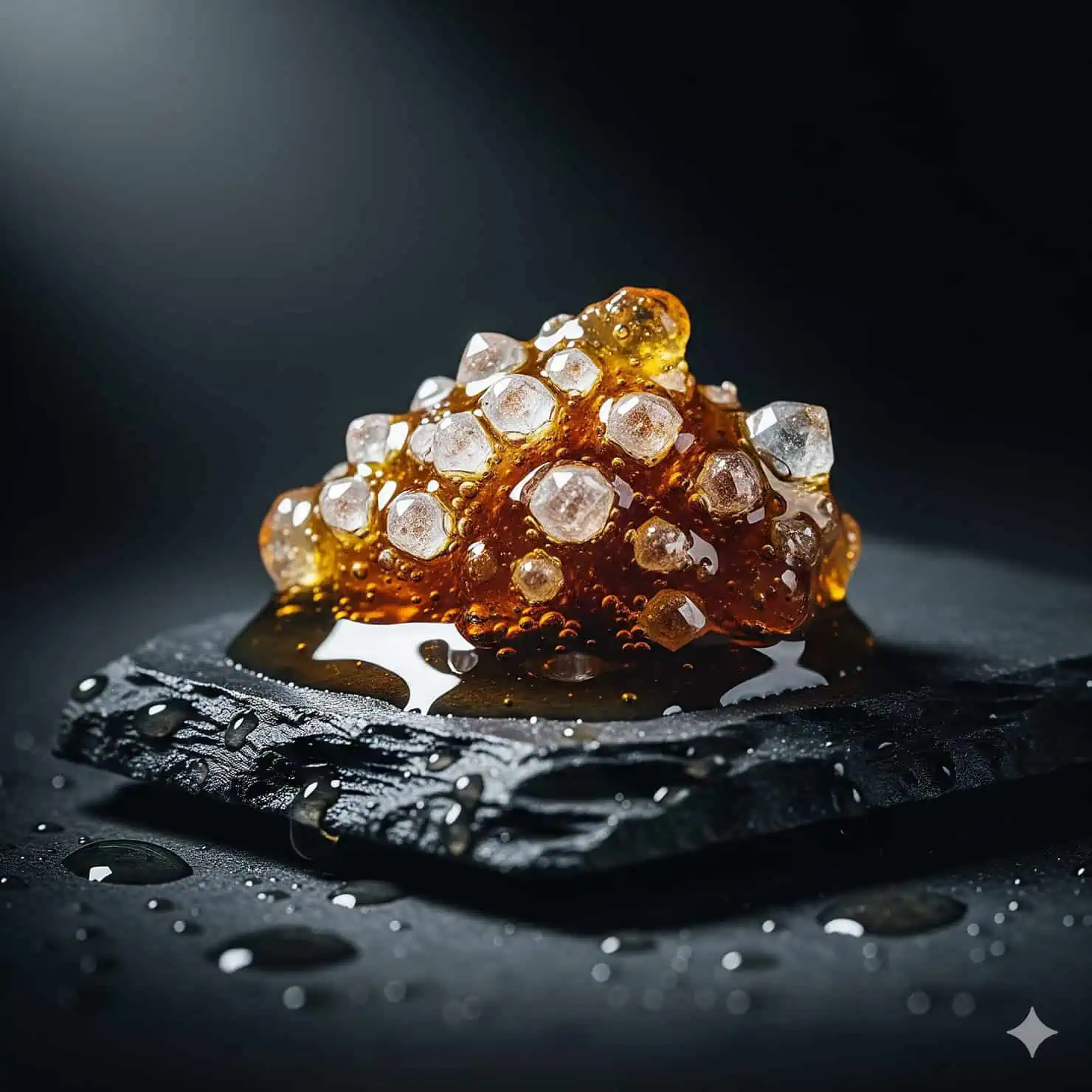
Extraction methods vary widely, from solvent-based (butane, ethanol, CO2) to solventless (ice water hash, rosin pressing). Each produces different textures, potencies, and flavors.
Rosin requires no solvents. ✅ True
Rosin is created by pressing cannabis under heat and pressure, producing a solventless extract that is prized for purity.
RSO (Rick Simpson Oil) is used for medical purposes. ✅ True
RSO is a highly concentrated cannabis oil originally popularized for cancer treatment. While research is ongoing, many patients use RSO for conditions like chronic pain, seizures, and inflammation.
Cannabis Jobs: True or False
Budtender is the most common cannabis job. ✅ True
Budtenders work in dispensaries, guiding customers through strains, products, and compliance requirements.
You don’t need training to work in cannabis. ❌ False
Most legal states require employees to complete Responsible Vendor Training or Cannabis Worker Permits. Employers also value specialized education, such as a Cannabis Careers Class or certifications.
Cannabis jobs only exist in dispensaries. ❌ False
The industry spans cannabis cultivation, extraction labs, marketing, compliance, education, and cannabis law—making it one of the fastest-growing employment sectors in North America.
Interesting Fact: As of 2024, the U.S. cannabis industry employed over 428,000 full-time workers, more than the coal industry.
CBD: Facts and Misconceptions
CBD gets you high. ❌ False
CBD (cannabidiol) is non-intoxicating. It does not cause a high but may promote relaxation, stress relief, and pain management.
CBD is only legal in some states. ❌ False
Thanks to the 2018 Farm Bill, hemp-derived CBD is federally legal, though some states still impose restrictions.
All CBD products are created equal. ❌ False
CBD products vary in quality and formulation:
- Full-spectrum includes all cannabinoids (with trace THC).
- Broad-spectrum has multiple cannabinoids but no THC.
- Isolate contains only CBD.
Interesting Fact: The FDA has only approved one CBD-based prescription drug—Epidiolex, used for rare seizure disorders.
Hemp: True or False
Hemp and marijuana are the same thing. ❌ False
Both are cannabis, but hemp is defined as cannabis with less than 0.3% THC, while marijuana contains more.
Hemp can replace plastic. ✅ True
Hemp fibers and cellulose can be used to produce biodegradable plastics, paper, textiles, and even building materials like hempcrete.
Hemp seeds contain cannabinoids. ❌ False
Hemp seeds are highly nutritious, packed with omega-3 and omega-6 fatty acids, but they contain little to no cannabinoids like THC or CBD.
Fascinating Cannabis Facts
- The U.S. government still grows cannabis at the University of Mississippi for research purposes.
- Cannabis is the most widely used illicit substance in the world, with over 200 million users globally.
- The first U.S. flag was allegedly made from hemp fabric.
- George Washington grew hemp at Mount Vernon.
- In some cultures, cannabis was historically used as part of religious rituals, including among Hindus during Holi and Rastafarians in Jamaica.
FAQs About Cannabis
Is medical cannabis legal everywhere in the U.S.?
No. While most states have medical cannabis programs, some states still prohibit any form of cannabis use.
Can hemp-derived CBD make me fail a drug test?
Yes. Even trace amounts of THC in full-spectrum products may show up on drug tests.
Is synthetic cannabis the same as natural cannabis?
No. Synthetic cannabinoids like “K2” or “Spice” are lab-made chemicals that mimic THC but can be dangerous and unpredictable.
What is the difference between indica and sativa?
Traditionally, indica strains are associated with relaxation and body effects, while sativas are thought to promote energy and creativity. However, modern hybrids often blur these lines.
Does cannabis really help with cancer?
Cannabis may help manage symptoms (like nausea, pain, and appetite loss) in cancer patients. While some lab studies show anti-tumor potential, more research is needed before it can be considered a cure.
Is cannabis addictive?
Cannabis can be habit-forming for some users, but it is considered less addictive than substances like alcohol, nicotine, or opioids. The term Cannabis Use Disorder (CUD) is used clinically for problematic use.
Does cannabis kill brain cells?
Research shows cannabis does not kill brain cells, but heavy long-term use—especially starting young—may affect memory, focus, and motivation.
Can you overdose on cannabis?
A fatal overdose from cannabis alone is virtually impossible. However, consuming too much THC can lead to anxiety, paranoia, nausea, and rapid heart rate, commonly called “greening out.”
Is cannabis safe for pets?
No. THC can be toxic to dogs and cats. However, pet-specific CBD products (formulated without THC) are increasingly used for pain and anxiety management.
Conclusion
Cannabis is an ancient plant, a modern medicine, a growing industry, and a cultural icon. While myths still persist, science and history reveal a much more nuanced story.
Whether you’re exploring cannabis for health, business, or curiosity, knowing the truths vs. misconceptions will help you make informed choices in an ever-changing landscape.
Now that you know marijuana myths and common cannabis questions and answers, let's keep that cannabis learning going!
Learn much more about common cannabis questions with online cannabis career training from CTU.

Jeff Zorn
Jeff Zorn, a collegiate basketball player, discovered the transformative power of medical cannabis after a significant injury. He founded Cannabis Training University (CTU), a groundbreaking institution dedicated to disseminating comprehensive information about the cannabis industry. With a team of skilled educators and faculty members, CTU has reached thousands of students worldwide. As an esteemed cannabis business expert, Jeff regularly contributes thought-provoking articles online, providing invaluable guidance to aspiring entrepreneurs. CTU has grown from a single student in 2009 to a global phenomenon with over 80,000 students.
 Jeff was involved in an accident where he endured a traumatic brain injury. He had a week-long stay in ICU where brain surgeons
  100% risk free money back guarantee within 48 hours after purchase if student has not completed any of the courses or exams.
