



One of the most common side effects of cannabis use, whether smoked, vaped, or eaten, is weed dry mouth, also known as cottonmouth. While many cannabis consumers expect euphoria, relaxation, or pain relief, they’re often caught off guard by the unpleasant feeling of a sticky, parched mouth and throat.
Dry mouth from weed is generally harmless, but it can affect comfort, hydration, oral health, and even the overall cannabis experience. Many cannabis users experience dry mouth as a result of cannabis consumption.
This guide explores the science of why it happens, who is most at risk, remedies that work, long-term health considerations, and practical tips for prevention.

Chapter 1: What Is Cotton Mouth?
- Definition: Cottonmouth refers to the sensation of oral dryness caused by decreased saliva production. Many people experience dry mouth after cannabis use.
- Symptoms:
- Dry, sticky feeling in the mouth
- Dryness of the tongue
- Difficulty swallowing or speaking
- Increased thirst
- Scratchy throat
- Changes in taste perception
- Why it matters: Saliva is essential for digestion, taste, and maintaining the health of the oral cavity. Chronic dryness increases the risk of cavities, gum disease, and bad breath.
Chapter 2: The Science Behind Dry Mouth from Weed
2.1 Role of the Endocannabinoid System
- Cannabinoids like THC bind to CB1 and CB2 receptors in the body.
- In the salivary glands, cannabinoids bind to cannabinoid receptors located in the submandibular gland and submandibular glands, as well as in the brain, which affects the nervous system and leads to a decrease in saliva production.
- Salivary glands contain CB1 receptors, which regulate saliva secretion. The parasympathetic nervous system normally signals the submandibular gland and submandibular glands to produce saliva, but cannabinoids disrupt this process.
- The submandibular ganglion relays nerve impulses from the brain to the submandibular gland, playing a crucial role in mediating parasympathetic stimulation of saliva production.
- Acinar cells in the salivary glands secrete the initial fluid for saliva, and myoepithelial cells contract to help expel saliva into the ducts; cannabinoids affect the function of both cell types, further reducing saliva secretion.
- When THC activates these receptors, it reduces saliva production, leading to dryness. Cannabis also affects the lacrimal glands, which produce tears, resulting in a decrease in tear production and contributing to dry eyes.
- The brain regulates saliva secretion via the nervous system, and cannabinoids interfere with this regulation, which affects both saliva and tear production.
2.2 Cannabinoids Beyond THC
- CBD: Generally less likely to cause dry mouth, but still interacts with receptors. Several studies have investigated the effects of cannabinoids like CBD, CBN, and CBG on salivary gland function and dry mouth.
- CBN & CBG: Early studies suggest they may influence salivary gland function.
- Terpenes: Myrcene and limonene may enhance or balance dryness effects.
2.3 Methods of Consumption
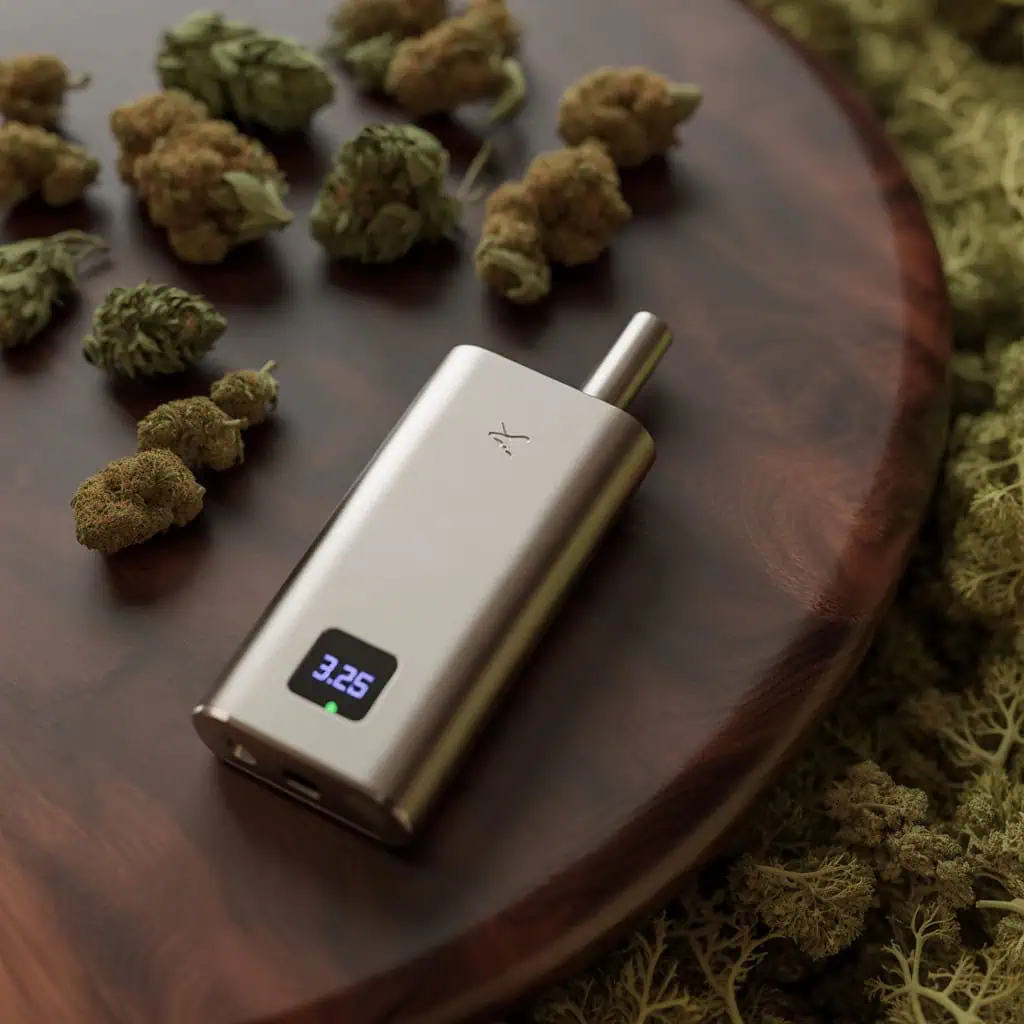
- Smoking/Vaping: Direct heat can worsen dehydration. Smoking weed and smoking cannabis are common methods of cannabis consumption that can significantly increase the risk and severity of dry mouth, or cottonmouth, especially when using marijuana.
- Edibles: Longer-lasting cottonmouth due to extended THC metabolism.
- Tinctures/Sprays: Alcohol-based carriers may further dry tissues.
Chapter 3: Who Gets Cottonmouth the Most?
- Heavy cannabis users: More exposure to THC = greater effect on saliva glands.
- Older adults: Naturally lower saliva production.
- Medical patients: Especially those combining cannabis with other medicines or medications that already cause dry mouth (e.g., antidepressants, antihistamines).
- Dehydrated individuals: Cottonmouth worsens if you’re not drinking enough fluids.
If you experience persistent dry mouth, consult a doctor or dentist for professional advice.
Chapter 4: Remedies for Cannabis Dry Mouth

4.1 Hydration Strategies
- Sip cold water before, during, and after cannabis use, and sip water regularly to keep your mouth moist.
- Avoid diuretics like alcohol and caffeine that worsen dryness.
- Try coconut water or electrolyte drinks for extra hydration.
Staying hydrated is essential to prevent and reduce cottonmouth when using cannabis.
4.2 Saliva-Stimulating Foods
- Chewing sugar-free gum or sugarless gum or mints boosts saliva flow and helps stimulate saliva production.
- Hard candy can also help; sucking on hard candy or mints stimulates saliva production and can relieve dry mouth.
- Citrus fruits (lemons, oranges) naturally stimulate saliva.
- Crisp vegetables like celery and carrots can help.
4.3 Oral Care Products
- Mouthwashes for dry mouth (e.g., Biotène). Specialized mouthwash can help relieve dry mouth, and homemade mouthwashes with baking soda and salt may also help keep the mouth moist and alleviate discomfort.
- Saliva substitutes (OTC sprays or gels).
- Xylitol-based lozenges to reduce bacterial growth.
4.4 Natural Remedies
- Aloe vera juice: Soothes tissues.
- Herbal teas (chamomile, licorice root).
- Essential oils like peppermint (mild stimulation effect).
Chapter 5: Long-Term Health Considerations
- Cavities & tooth decay: Saliva washes away food particles and neutralizes acids. Dry mouth increases the risk of problems with teeth, making them more susceptible to decay.
- Gum disease: Lack of saliva encourages bacteria growth.
- Oral infections: Dry environments allow fungal overgrowth (oral thrush).
- Bad breath (halitosis): Common among chronic cannabis users with dry mouth.
Prevention Tip: Brush, floss, and use fluoride regularly. Schedule dental checkups every 6 months if you consume cannabis frequently.
Chapter 6: Cannabis Strains and Cottonmouth
- High-THC strains are more likely to trigger cottonmouth.
- Balanced THC:CBD strains may lessen dryness while still offering therapeutic effects.
- Terpene influence:
- Limonene-heavy strains: sometimes perceived as less drying.
- Myrcene-heavy strains: may intensify sedation and dryness.
- Limonene-heavy strains: sometimes perceived as less drying.
- Myrcene-heavy strains: may intensify sedation and dryness.
Chapter 7: Myths and Misconceptions
- “Only smoking causes dry mouth” → False. All consumption methods can reduce saliva.
- “CBD doesn't cause cottonmouth” → False. While less severe, CBD can still affect saliva.
- “Drinking water alone fixes it immediately” → Not always; saliva stimulation is key.
Chapter 8: Medical Cannabis Patients & Dry Mouth
- Cancer patients: Often already have xerostomia from chemo or radiation. Cannabis may worsen symptoms but also helps with nausea/pain.
- Multiple sclerosis patients: Report higher cottonmouth frequency with cannabis.
- Chronic pain patients: Often take other medications that dry the mouth further.
Chapter 9: Tips for Preventing Cottonmouth
- Hydrate before consuming cannabis.
- Keep sugar-free gum or mints handy.
- Store mouth-moisturizing products near your stash to help get rid of dry mouth symptoms.
- Avoid dry, salty snacks while consuming.
- Use vaporizers at lower heat settings to reduce irritation.
- Try strains with balanced cannabinoids to help rid yourself of persistent cottonmouth.
Chapter 10: Future Research
- Pharmaceutical approaches: Developing cannabinoid formulations that reduce psychoactive effects without triggering cotton mouth.
- Salivary gland studies: Understanding exactly how CB1/CB2 receptors regulate saliva.
- Genetic predispositions: Some people may be more prone to cottonmouth based on DNA.
Weed Dry Mouth-Cotton Mouth FAQ's
Does dry mouth from weed last long?
Usually only a few hours, depending on dose, method, and hydration.
Is cottonmouth dangerous?
No, but it increases oral health risks over time if untreated.
What drinks help the most for dry mouth from weed?
Water, coconut water, and sugar-free electrolyte drinks are best. Avoid alcohol and soda.
Does CBD cause dry mouth?
Yes, but usually less severe than THC.
Can cannabis mouth sprays make dryness worse?
Yes, alcohol-based tinctures can irritate oral tissue.
What's the fastest way to stop cottonmouth?
Chewing sugar-free gum, sucking on xylitol mints, or citrus slices stimulates saliva quickly.
10 Interesting Facts About Weed Dry Mouth (Cotton Mouth Weed)
- Edibles can lead to prolonged dry mouth effects that may persist for several hours.
- The sensation of cotton mouth can last from a couple of hours to several hours after cannabis consumption.
- Using a personal humidifier can help keep your mouth and throat moist.
- Eating soft, moist foods and using sauces can make food easier to chew and swallow for individuals with dry mouth.
- Consult a doctor or dentist if your dry mouth is persistent, as it may be a side effect of medication or an underlying condition.
- Avoid tobacco, alcohol, and dehydrating beverages like coffee to manage dry mouth.
- Breathe through your nose rather than your mouth whenever possible to help with dry mouth.
- Seek immediate medical care for severe symptoms of dry mouth, like difficulty breathing or swallowing.
- Oil pulling with coconut or sesame oil can help alleviate dry mouth symptoms.
- Certain herbal remedies, such as ginseng, may help restore fluid balance in the body.
Conclusion On Dry Mouth Weed
Dry mouth from weed is a common, manageable side effect of cannabis use. While generally harmless, it can be uncomfortable and may contribute to long-term oral health issues if ignored.
By understanding the science behind cottonmouth, practicing hydration strategies, and using saliva-stimulating remedies, cannabis consumers can enjoy their experience while protecting oral health.
As cannabis legalization spreads and more research emerges, expect better strain options, products, and medical guidance to minimize cottonmouth and make cannabis use safer and more comfortable.

Gavin Kushman
Gavin is a worldly adventurer and cannabis connoisseur, embarking on journeys that take him to the far corners of the globe to explore and document the varied effects, flavors, and histories of both renowned and lesser-known strains. From the misty high-altitude farms of the Hindu Kush highlands to the vibrant cannabis cafes of Amsterdam, Gavin's quest for knowledge spans continents. A recognized authority in the cannabis industry, he frequently lends his expertise to leading publications such as Cannabis Training University, where his captivating blog articles chronicle his unique experiences with different cannabis strains.





 Jeff was involved in an accident where he endured a traumatic brain injury. He had a week-long stay in ICU where brain surgeons
  100% risk free money back guarantee within 48 hours after purchase if student has not completed any of the courses or exams.
