For centuries, people have rolled and smoked cannabis in different ways. Among the most popular methods are joints, blunts, and spliffs. While they might seem similar at first glance, these three rolling styles differ in materials, cultural roots, flavor, effects, and health impacts.
This guide goes far beyond surface comparisons. We’ll break down what each one is, their pros and cons, how to roll them step by step, cultural history, advanced rolling techniques, health considerations, troubleshooting tips, and frequently asked questions.
By the end, you’ll have a complete reference to help you or your students master the art of rolling and understand the nuances between joints, blunts, and spliffs. Joint vs Blunt vs Spliff guide.

A joint is cannabis rolled into thin rolling paper and smoked like a cigarette. Weed joints are made by using ground cannabis flower rolled in papers, creating a smokeable product. Unlike spliffs or blunts, joints typically contain only cannabis, making them the purest representation of the plant’s flavor and aroma.
Joints are often considered a healthier option compared to blunts or spliffs because they contain no tobacco.

A blunt is cannabis rolled inside tobacco leaf paper or a cigar wrap, with the cannabis inside the wrapper. Traditionally, smokers would hollow out cigars or cigarillos, remove the tobacco, and refill the shell with cannabis. Today, many use blunt wraps made from tobacco leaf paper or tobacco-free alternatives like hemp, palm, or banana leaves.
The tobacco content in blunts contributes to their unique effects and raises specific health considerations, such as nicotine exposure and increased health risks.
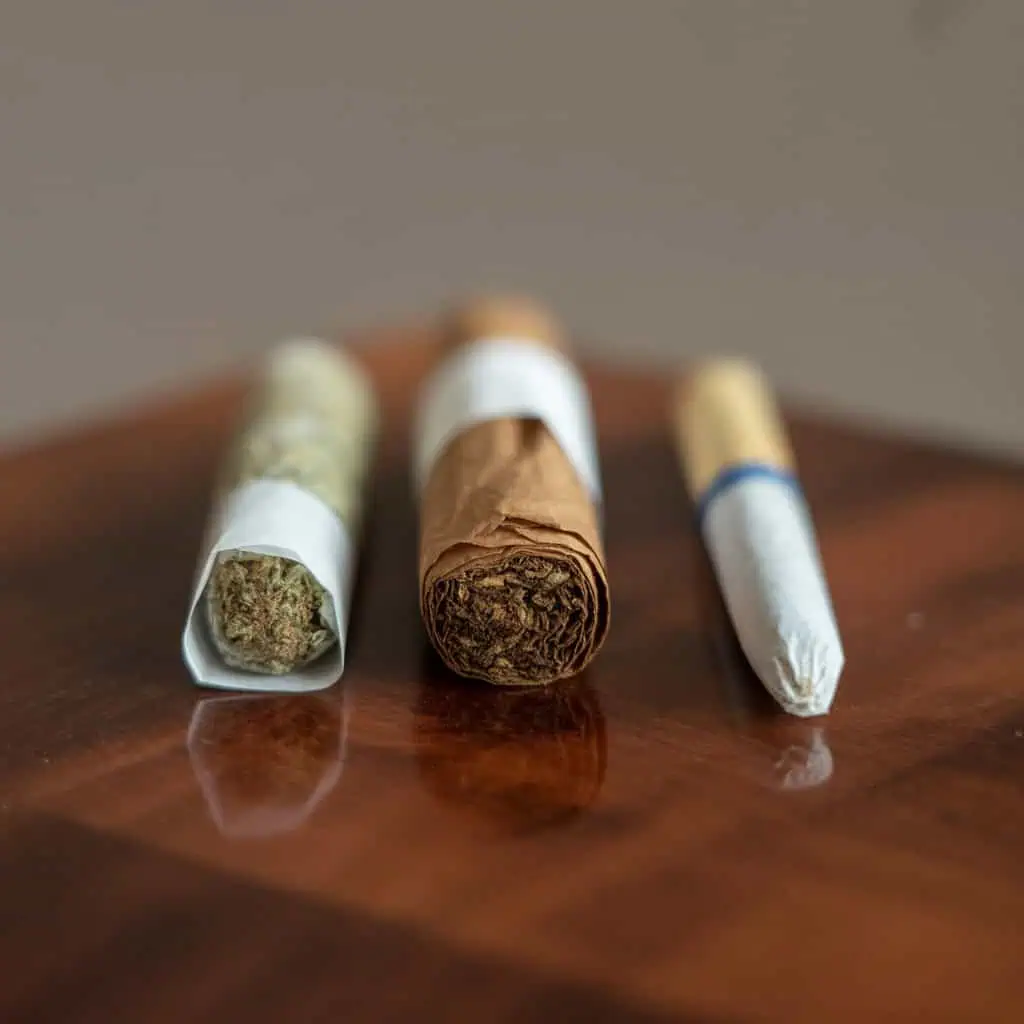
A spliff is a type of joint with tobacco mixed in, rolled with thin rolling paper like a joint but containing a cannabis mixed blend of cannabis and tobacco. Spliffs often contain more tobacco than blunts or joints, and the ratio of tobacco to cannabis can be adjusted to suit individual preferences.
Some spliffs are made with only a little cannabis and more tobacco, depending on what the spliff smokers prefer.

The process of making a spliff is sometimes called tobacco rolled, as both cannabis and tobacco are rolled together. This combination produces unique buzzy effects from the nicotine in the tobacco, which many spliff smokers enjoy. Ratios vary widely — from a pinch of tobacco to a 50/50 mix. Spliffs are especially popular in Europe, where mixing is standard practice.
Before diving into the table, it’s important to understand the key differences between joints, blunts, and spliffs. The difference between joints, blunts, and spliffs lies in their wrappers, contents, and the overall smoking experience.
These distinctions matter because different types of cannabis smokers may prefer one method over another based on flavor, nicotine content, and cultural associations.
Feature | Joint | Blunt | Spliff |
|---|---|---|---|
Wrapper | Rolling paper | Cigar/leaf wrap | Rolling paper |
Contents | Cannabis only | Cannabis only (traditionally) | Cannabis + tobacco |
Burn Time | Fast | Slow | Medium |
Flavor | Pure cannabis | Cannabis + tobacco wrap flavor | Cannabis + tobacco mix |
Nicotine | None | Yes (unless hemp wrap) | Yes |
Size | Small to medium | Medium to large | Small to medium |
Culture | Universal | U.S./hip-hop | Europe |
Selecting the right paper or wrap is essential for crafting your ideal smoking experience. When rolling joints, the type of rolling paper you choose can make a big difference.
Thin rolling papers made from hemp or rice are favored by many cannabis enthusiasts for their ability to burn evenly and let the natural flavor profile of the cannabis shine through.
These papers provide a smooth, clean smoke and are less likely to interfere with the taste of your ground cannabis flower.
On the other hand, thicker papers—often made from wood pulp—can add a more robust flavor to your marijuana smoke, though they may burn a bit faster and sometimes impart a papery aftertaste. For those who enjoy rolling blunts, the tobacco leaf wrap is a defining feature.
Blunt wraps, such as those from Swisher Sweets or Dutch Masters, are known for their thicker texture and ability to burn slower, delivering a dense, flavorful smoke with a hint of tobacco.
The tobacco leaf not only affects the burn rate but also adds a distinct layer to the overall flavor profile, making blunts a favorite among those who appreciate a more complex smoking experience.
When choosing between rolling papers and blunt wraps, consider the type of cannabis you’re using, your desired flavor, and whether you want the added effects of tobacco.
Whether you prefer the subtlety of thin rolling papers or the boldness of a tobacco leaf wrap, the right choice can elevate your session and help you enjoy cannabis to the fullest.

What You Need: rolling papers, ground cannabis, crutch/filter, grinder, packing tool.
Tip: For an even burn and to avoid burns lengthwise, make sure to pack your cannabis evenly and roll with consistent pressure. This helps prevent runs and ensures your joint burns uniformly from end to end.
Note: Choosing rolling papers that burn uniformly is important for a consistent and enjoyable session.
Final tip: Careful rolling and proper technique are key to achieving a smooth smoking experience.
What You Need: blunt wrap or cigarillo, ground cannabis, grinder, packing tool.
There are different techniques for rolling blunts, such as how you open cigars, pack cannabis, or handle tobacco wraps. Experimenting with these methods can help you achieve the desired burn and flavor.
What You Need: rolling papers, ground cannabis, loose tobacco, crutch/filter.
If you prefer convenience or simply want to skip the rolling process, pre-rolled joints and blunts are widely available at licensed dispensaries.
These pre rolled joints and blunts are crafted by professionals using high-quality cannabis and carefully selected rolling papers or tobacco leaf wraps, ensuring a consistent and enjoyable smoking experience every time.
When shopping for pre-rolled options, you’ll find a variety of choices to suit your preferences. Some pre rolled joints contain only pure cannabis, offering a clean and traditional cannabis high.
Others feature blunts rolled in a tobacco leaf wrap, providing a robust flavor and a slower burn. For those who enjoy a mix, spliffs with both cannabis and tobacco are also available, delivering a unique blend of effects and taste.
Before making a purchase, consider the type of cannabis used, the potency level, and the flavor profile you’re seeking. Pre-rolled products are perfect for those who want to enjoy cannabis without the hassle of rolling, or for anyone who prefers convenience when on the go.
Whether you’re new to cannabis or a seasoned smoker, pre-rolled joints and blunts make it easy to enjoy cannabis and explore different combinations of cannabis and tobacco.
Cannabis culture today often blends all three, with preferences varying by region, social setting, and personal taste.
Cannabis culture and consumption methods differ significantly around the world, with each region developing its own traditions and preferences. In the United States, joints are the go-to choice for many, celebrated for delivering a traditional cannabis high and allowing the pure flavors of cannabis flower to come through.
Across Europe, however, spliffs—where ground cannabis is mixed with a little tobacco—are far more common, reflecting local customs and a preference for stretching cannabis supplies.
In some regions, blunts are favored for their robust flavor and the slower burn provided by a thick tobacco leaf wrap. This method is especially popular among those who enjoy a more intense, layered smoking experience.
Ultimately, the choice of consumption method comes down to personal preference, with cannabis enthusiasts around the world selecting joints, blunts, or spliffs based on their desired effects, flavor, and social setting.
Understanding these global preferences not only highlights the diversity within cannabis culture but also helps you make informed choices about how you want to enjoy cannabis.
Whether you’re seeking the clean taste of traditional cannabis, the mixed effects of a spliff, or the boldness of a blunt, there’s a consumption method to match every taste and occasion.
Joints — smaller, simpler, and contain no nicotine.
Not necessarily. They hold more cannabis, but nicotine can make the high feel more intense.
Both contain tobacco. Spliffs usually contain less, so nicotine exposure may be lower.
Yes. Sprinkling kief, adding hash, or coating papers with oil (“twaxing”) boosts potency.
Joints: 0.5–1 g. Blunts: 1–3 g. Spliffs: depends on your cannabis-to-tobacco ratio.
Blunts burn longest due to thicker wraps and larger size.
The choice between a joint, blunt, or spliff comes down to personal preference, cultural background, and tolerance for tobacco.
There are also many other ways to consume cannabis beyond smoking, such as using vape pens for convenience and discretion, or enjoying cannabis baked goods like brownies and cookies for a flavorful, easy-to-dose edible experience.
Whichever you choose, Joint vs Blunt vs Spliff, remember: rolling is an art, and practice makes perfect. Explore different papers, wraps, and ratios to find your ideal experience.
More in Cannabis 101

Check your state's cannabis laws

 IACET Accredited Provider · online cannabis education
Since 2009 • 50,000+ students trained worldwide
IACET Accredited Provider · online cannabis education
Since 2009 • 50,000+ students trained worldwide



Copyright Cannabis Training University, a subsidiary of Online Training Providers. © 2026. All Rights Reserved.
Medical Disclaimer: The information on this website is for informational purposes only and is not intended to be a substitute for professional medical advice, diagnosis, or treatment.
Always seek the advice of a physician or other qualified health provider with any questions you may have regarding a medical condition.
Legal Compliance: Cannabis remains federally illegal. Products and information are intended only for jurisdictions where cannabis use and possession is legal.
By using this site, you affirm that you are of legal age (21+) and responsible for understanding your local laws.