Your guide to the business and culture of legal cannabis. This hub collects our practical guides to how the legal market works day to day: what weed costs and why prices vary, what it takes to open and run a dispensary, how purchases are tracked, where to find lounges and events, and plain-English explainers for products you'll see on the shelf. Start with the section that matches your question below, or, if you're building a career in the industry, see our Master of Cannabis certification program.





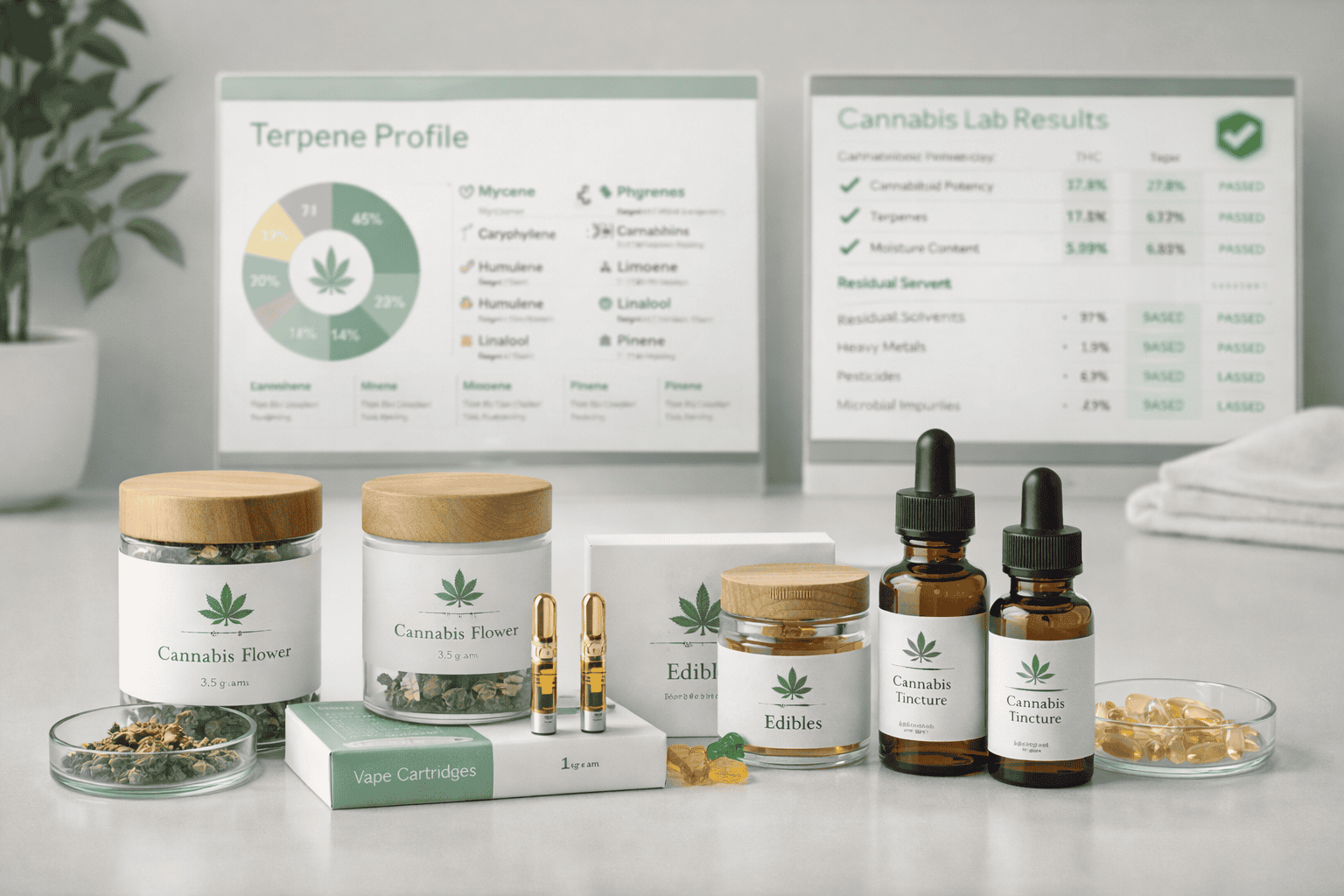

No, it remains federally illegal. However, cannabis is unlike traditional industries because the plant remains federally illegal while the cannabis industry operates under a unique patchwork of state-level regulatory systems.
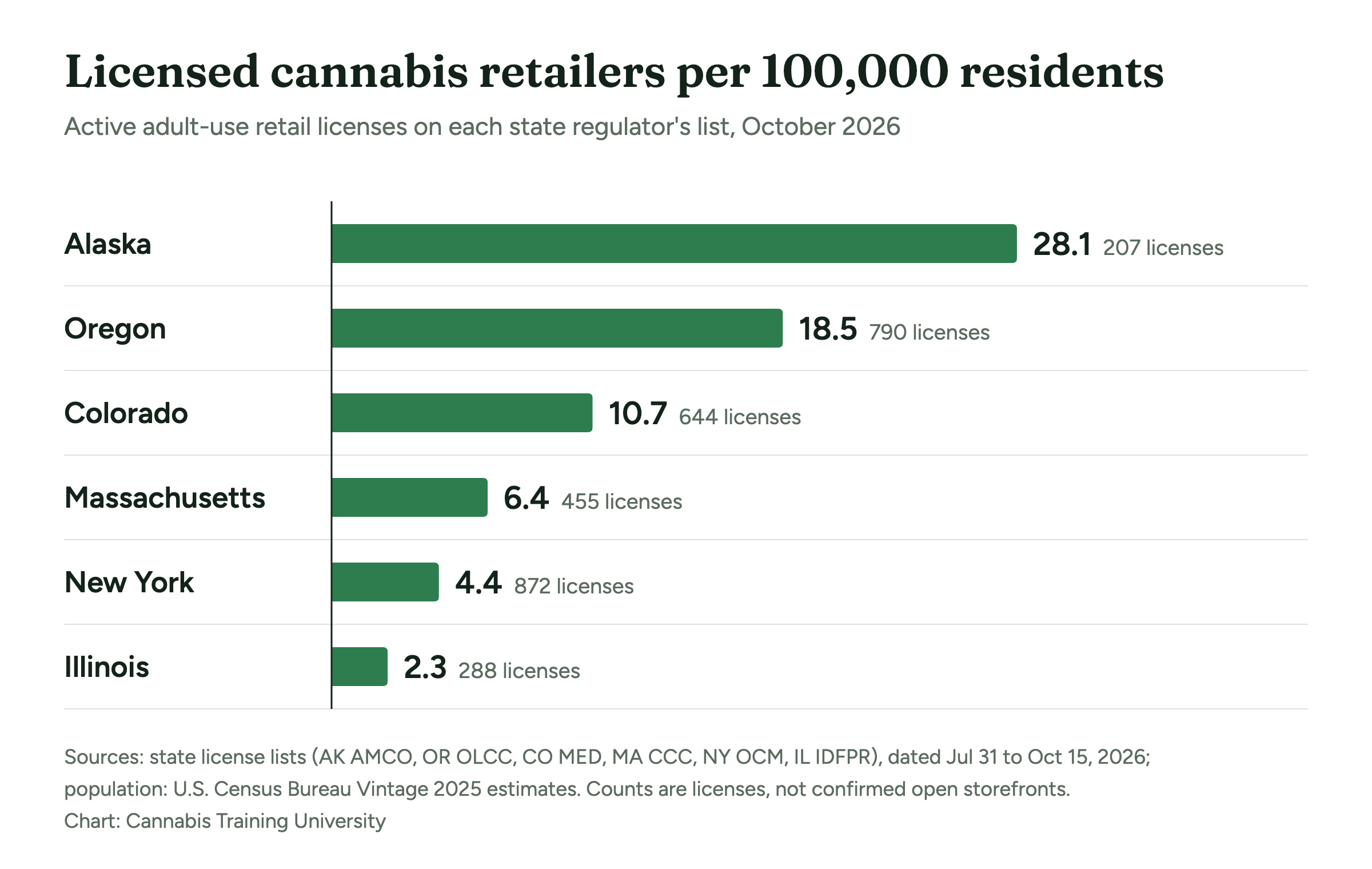
Through state regulatory agencies. Each state designs its own licensing system. Common models include limited license states with fixed number of available licenses and competitive application process, and open license states with no strict license caps and lower barriers to entry. Some states require vertical integration, meaning a company must control multiple parts of the supply chain.
Profitability varies by state, tax structure, and market maturity. Cannabis businesses face layered taxation structures including state excise taxes, wholesale transfer taxes, retail sales taxes, and local municipality taxes. Additionally, federal tax code Section 280E prevents cannabis businesses from deducting normal operating expenses because cannabis remains federally illegal. This significantly reduces net profit margins compared to other industries.
Because of federal illegality and public health considerations. Cannabis businesses operate under strict compliance regimes including seed-to-sale tracking systems, inventory audits, security surveillance, packaging and labeling mandates, employee background checks, and advertising restrictions. Regulatory agencies conduct routine inspections, and violations can result in fines, license suspension, or license revocation.
Limited access exists, but restrictions remain. Because cannabis remains federally illegal, many financial institutions refuse to serve cannabis businesses. This creates limited access to loans, cash-heavy operations, higher security risk, and restricted credit access. Some state-chartered banks and credit unions provide limited services, but access remains constrained.
Multi-State Operators (MSOs) operate licensed facilities in multiple states. As markets mature, consolidation increases. Advantages of MSOs include access to capital, scalable branding, vertical integration, and operational efficiency. However, consolidation can create challenges for small independent operators.
As new states legalize cannabis, early markets often experience high pricing due to limited supply. Over time, production increases, more licenses are issued, competition grows, and wholesale prices decline. This process is known as price compression. Price compression can reduce profit margins, force operational efficiency, drive consolidation, and eliminate undercapitalized operators.
Future developments may include federal rescheduling or descheduling, interstate commerce, banking reform, corporate consolidation, and international trade expansion. As legal frameworks evolve, operational models may shift significantly. However, regulatory complexity will likely remain a defining feature. The cannabis industry will likely remain one of the most regulated sectors in the economy.



 IACET Accredited Provider · online cannabis education
Since 2009 • 50,000+ students trained worldwide
Copyright Cannabis Training University, a subsidiary of Online Training Providers. © 2026. All Rights Reserved.
Medical Disclaimer: The information on this website is for informational purposes only and is not intended to be a substitute for professional medical advice, diagnosis, or treatment.
Always seek the advice of a physician or other qualified health provider with any questions you may have regarding a medical condition.
Legal Compliance: Cannabis remains federally illegal. Products and information are intended only for jurisdictions where cannabis use and possession is legal.
By using this site, you affirm that you are of legal age (21+) and responsible for understanding your local laws.