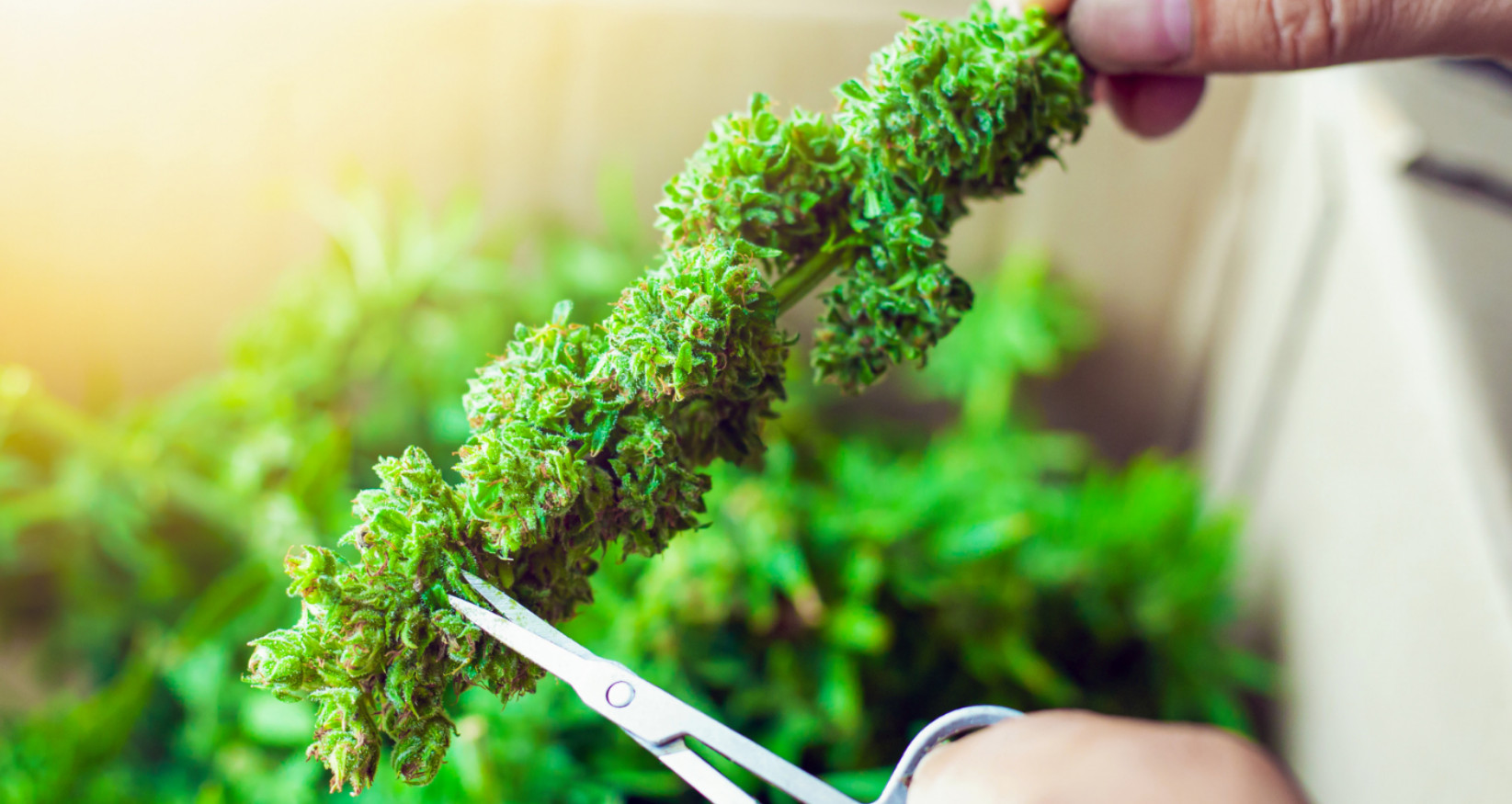
Indoor and outdoor cannabis growing are two distinct methods of cultivating cannabis plants, each with its own set of advantages and challenges.
Grow it right the first time
Stop guessing. Learn to grow from seed to harvest.
The Indoor & Outdoor Cannabis Growing Certificate covers nutrients, pH, lighting, pests and harvest, with video lessons and a certificate when you finish.
See the Growing Certificate →Free Cannabis Cultivation Guide (ebook)IACET-accredited · 7-day money-back guarantee
Indoor cultivation allows for precise control over environmental factors such as temperature, humidity, light intensity, and air circulation. Growers can create optimal conditions for cannabis plants, which can result in higher yields and potency.
Outdoor cultivation relies on natural sunlight and environmental conditions. Growers have limited control over these factors, and the plants are subject to seasonal changes and weather fluctuations.
Artificial lighting, such as high-intensity discharge (HID) lamps, LEDs, or fluorescent lights, is used to simulate sunlight during the vegetative and flowering stages. This allows for year-round cultivation regardless of the outdoor season.
Cannabis plants rely on natural sunlight, which follows a natural photoperiod. Outdoor growing is typically seasonal, with plants maturing during the late summer or fall.
Indoor cultivation often results in higher-quality buds and more predictable yields since growers have more control over the growing conditions. It is also possible to have multiple harvests in a year.
Outdoor cultivation can yield larger quantities of cannabis but may be more susceptible to environmental factors. The quality of the final product can vary based on weather conditions and soil quality.
Indoor environments are generally more controlled and less susceptible to pests and diseases. However, pests can still be an issue, and growers may need to implement preventive measures.
Outdoor crops are exposed to a wider range of potential pests and diseases, making pest management more challenging. Natural predators and organic methods are often used to control issues in outdoor cultivation.
Indoor cultivation typically requires a higher initial investment due to the cost of equipment (lights, ventilation, grow tents, etc.) and ongoing electricity costs. It also demands more attention and resources to maintain the controlled environment.
In general, outdoor cultivation is less expensive to set up and maintain over time. It uses less energy because it is dependent on natural resources like soil and sunshine. However, pests and illnesses could pose a threat to crops grown outside.
The decision between growing cannabis inside and outdoors ultimately comes down to the objectives of the grower, the resources at hand, and local laws.
Some producers even decide to combine the two approaches, using light-deprivation or greenhouse techniques to get the benefits of both indoor and outdoor cultivation.
To learn more about how to grow indoor cannabis and outdoor cannabis, take a look at the Cannabis Training University.
More in Growing

Check your state's cannabis laws

Indoor + outdoor growing careers
 IACET Accredited Provider · online cannabis education
Since 2009 • 50,000+ students trained worldwide



Copyright Cannabis Training University, a subsidiary of Online Training Providers. © 2026. All Rights Reserved.
Medical Disclaimer: The information on this website is for informational purposes only and is not intended to be a substitute for professional medical advice, diagnosis, or treatment.
Always seek the advice of a physician or other qualified health provider with any questions you may have regarding a medical condition.
Legal Compliance: Cannabis remains federally illegal. Products and information are intended only for jurisdictions where cannabis use and possession is legal.
By using this site, you affirm that you are of legal age (21+) and responsible for understanding your local laws.