Seasoned cannabis growers can instantly tell if a plant is marijuana or looks like weed. However, beginners or those who aren’t familiar with the cannabis plant’s anatomy and structure may confuse plants that look like marijuana for the real thing.
In some cases, law enforcement has raided and destroyed crops that look like weed, only to find out the plant wasn’t cannabis at all. If you’re curious about plants that look like weed, we’ve created a list of the top plants, so you can know the difference.
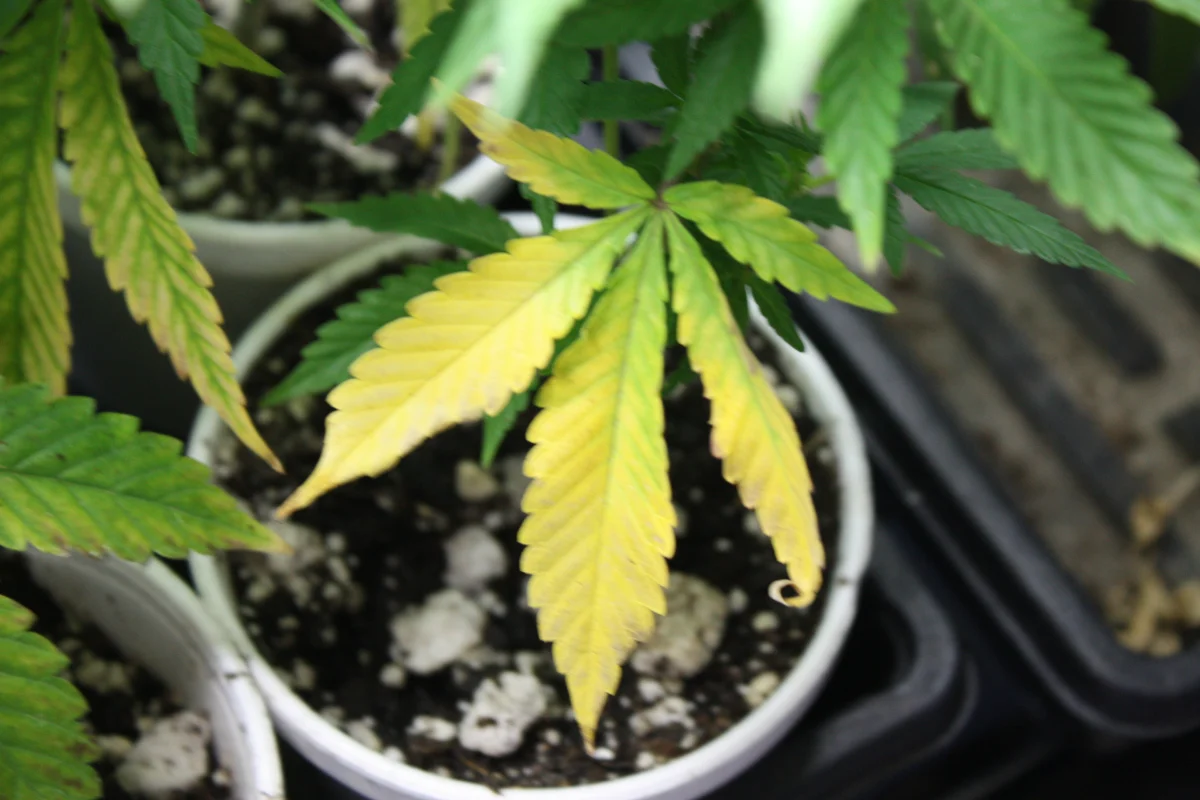
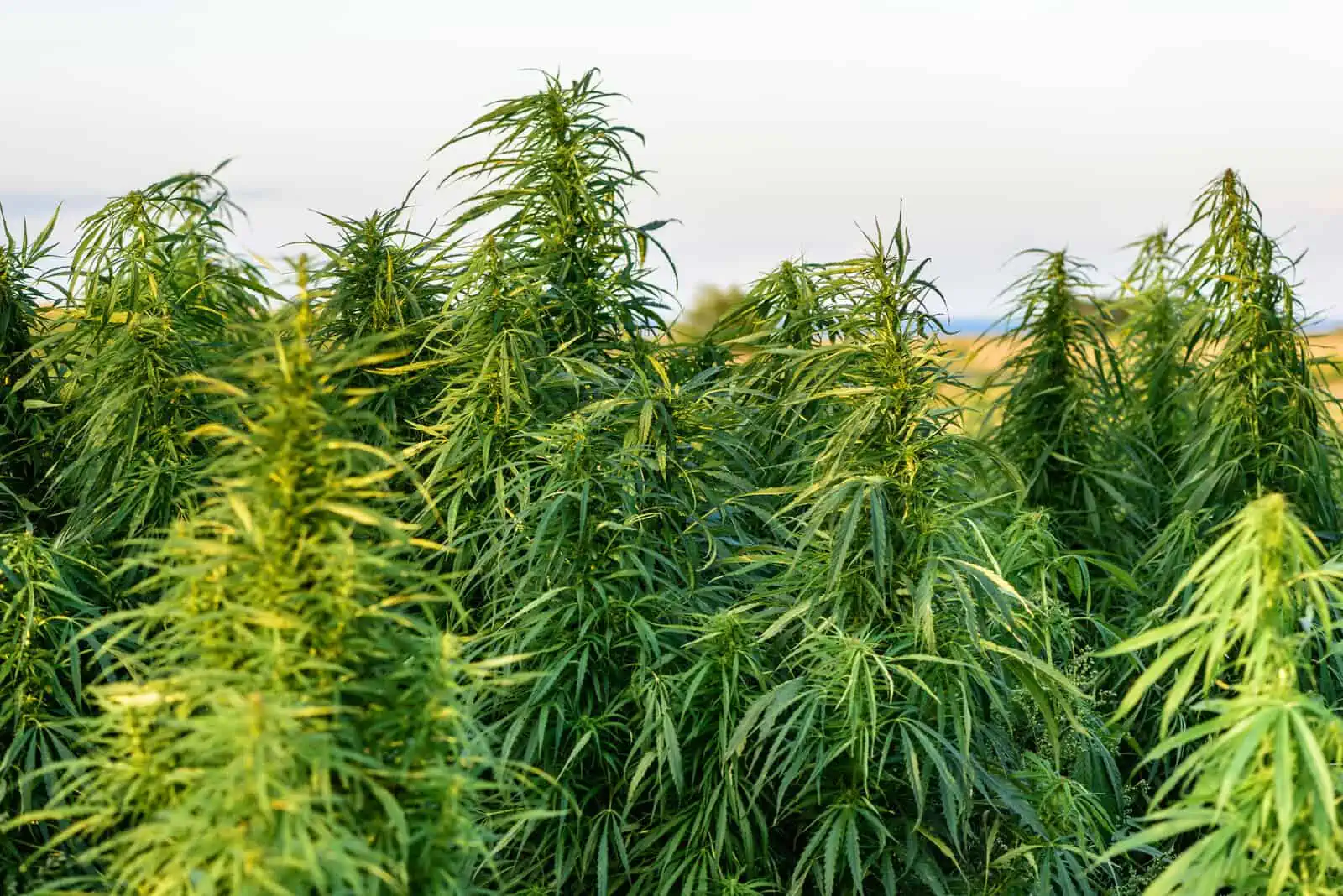
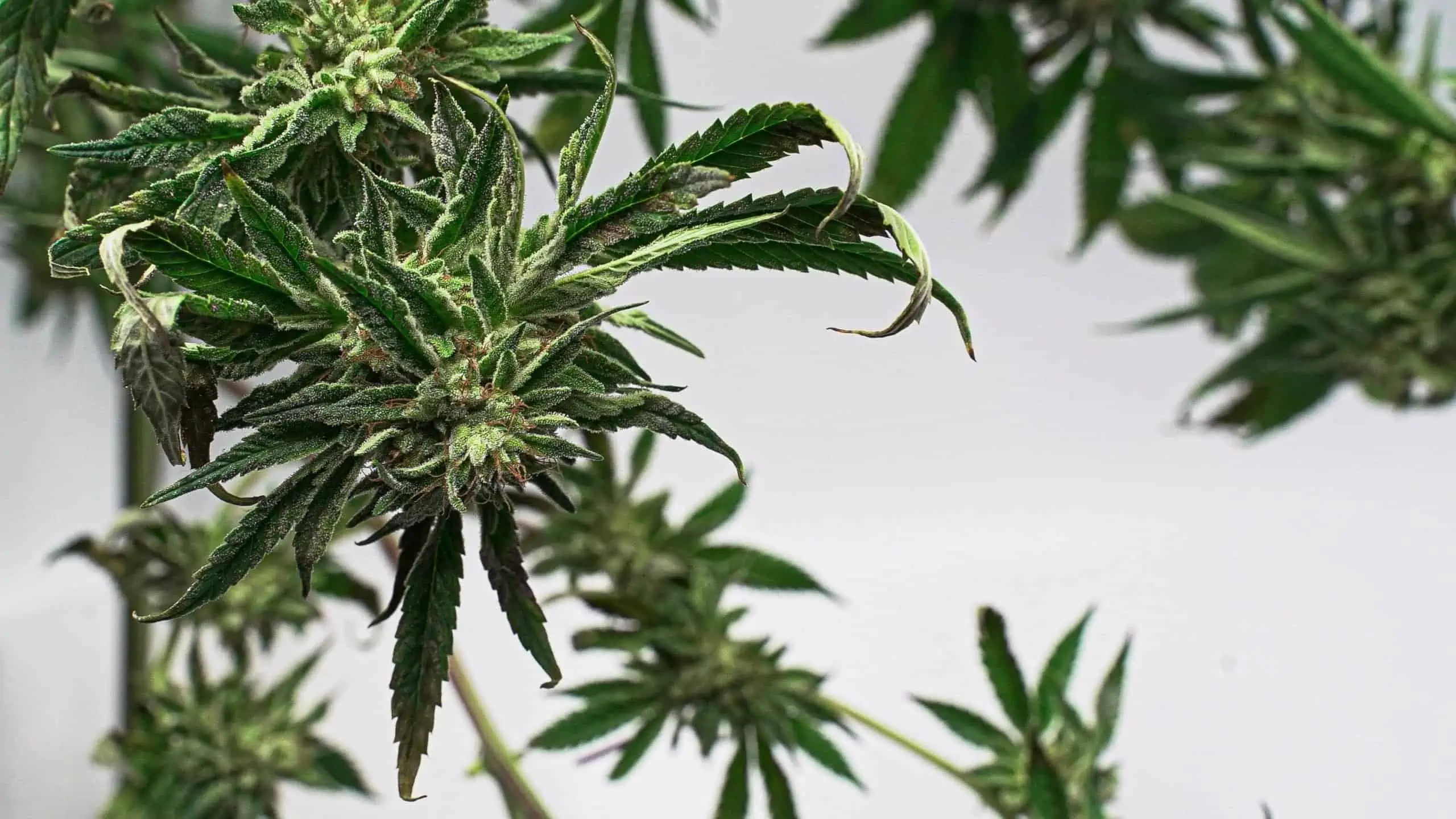
Cannabis leaves have a distinct shape that many people, including law enforcement officers, mistake for other plants. Generally, it has long and slender or broad leaflets in varying shades of green, depending on the strain variety.
Cannabis can also produce blue, purple, or red leaves, depending on its growing environment and genetics. Cannabis leaves grow from the central stalk and can grow up to eight inches in length. They are serrated and have pointed “fingers” or leaflets.
In some cases, cannabis can have a purple, pink, or reddish color due to genetic and environmental factors. As it grows, cranberry hibiscus leaves resemble the reddish varieties of cannabis. In its later stages, cranberry hibiscus has broader leaves like maple leaves more than marijuana leaves.

You may have heard of cassava root’s therapeutic power when cooked. The cassava leaves grow off the plant’s red stems and look similar to marijuana leaves with a light green color. However, cassava leaves are not serrated like marijuana leaves.
It’s not uncommon for people to confuse Japanese maple for marijuana. Both plants can be grown indoors and outdoors. Japanese maple leaves resemble cannabis’ green leaves with five or seven fingers during its growth stage in the spring.
Japanese maple is native to Korea, Japan, and central China and available in different varieties with various leaf shapes and colors. In the summer, the main cultivars turn red, pink, and purple shades.
The kenaf plant looks almost identical to a weed plant in its growing stages. Kenaf has the same star-like leaves with serrated edges and 7 “fingers.” In fact, kenaf has many similarities with hemp since it produces strong fibers. However, when it blooms, it produces a light yellow flower.

If you’ve ever grown okra in your garden, you may have noticed its leaves and buds look eerily similar to cannabis. However, this edible plant produces broader leaves. Okra thrives in tropical and warm climates and is used in various Asian and Indian dishes.
In its growing phase, Texas star hibiscus, also known as scarlet rosemallow, produces leaves similar to cannabis leaves. Its leaves are green, slender, and serrated. When it blooms, Texas star hibiscus has white or crimson star-shaped flowers.
Cleome spinosa, also known as spider flower, produces wide leaves that look like indica’s broad leaves, although not serrated. However, when the spider flower plant blooms, it produces flowers with a red and purple hue.
Like many other plant varieties, the chaste tree resembles cannabis during its immature phase. During this time, the tree produces long, slender, and serrated leaves. Each stem has between five to six leaves, similar to cannabis plants.
However, the chaste tree can grow up to 12 feet tall and produces violet-colored flowers when fully grown. Its leaves have a distinct earthy aroma. Its flowers can attract bees and butterflies.
The coral plant, also known as Jatropha Multifida, has leaves that resemble cannabis. They are bright green and thin but are usually longer than most cannabis leaves. Once it flowers, however, its vibrant blooms differentiate it from cannabis. This plant thrives in tropical environments, particularly in Central America and Mexico.

This low-growing shrub resembles a fern but is an invasive weed that can take over your garden. Its leaves may look like marijuana leaves but are narrow and have several pairs of oblique lobes and pointed or blunt tips.
Also known as Muster-John-Henry, tagetes minuta grows to a similar height as cannabis. Its leaves are long and serrated, just like weed leaves. When rubbed, the leaves produce a licorice-like aroma. When fully grown, the leaves of tagetes minuta produce white and yellow flowers.
Multiple plants resemble marijuana, especially in leaf shape or structure. This includes:
Certain cultivars of Japanese Maple (Acer palmatum) feature cannabis-like leaves.
Kennef (Hibiscus cannabinus): This hibiscus-related plant features cannabis-like leaves.
Spider flower (Cleome spp.) has a leaf form and growth pattern that resembles marijuana from afar.
Hemp (Cannabis sativa L.): Similar to marijuana but grown industrially and with little THC.
Okra (Abelmoschus esculentus): Young okra leaves resemble cannabis.
Some plants appear identical, but they differ:
Cannabis leaves are palmate and complex with serrated leaflets. Despite similar leaf shapes, look-alikes differ in texture, growth pattern, and finer features.
Cannabis plants have male and female flowers, with female plants producing buds. Flower structures vary in look-alikes.
Most look-alikes cannot match marijuana’s scent, especially as it matures.
Many of these plants have uses:
Japanese Maple is a popular decorative tree for its foliage and form.
Kenaf is used for paper, fiber, and animal feed.
Cleome is a popular ornamental garden plant with beautiful flowers and foliage.
Hemp fibers, seeds, and oils have industrial, nutritional, and medical uses.
Okra pods are cooked for their texture and nutrients.
While growing these plants in your garden can increase the risk of attracting unwanted attention from neighbors and law enforcement, some growers use these similar-looking plants to disguise their cannabis plants within their foliage.
Learn how to grow indoors and outdoors without drawing negative attention by enrolling in Cannabis Training University’s online cannabis training.
More in Cannabis 101

Check your state's cannabis laws

 IACET Accredited Provider · online cannabis education
Since 2009 • 50,000+ students trained worldwide



Copyright Cannabis Training University, a subsidiary of Online Training Providers. © 2026. All Rights Reserved.
Medical Disclaimer: The information on this website is for informational purposes only and is not intended to be a substitute for professional medical advice, diagnosis, or treatment.
Always seek the advice of a physician or other qualified health provider with any questions you may have regarding a medical condition.
Legal Compliance: Cannabis remains federally illegal. Products and information are intended only for jurisdictions where cannabis use and possession is legal.
By using this site, you affirm that you are of legal age (21+) and responsible for understanding your local laws.