


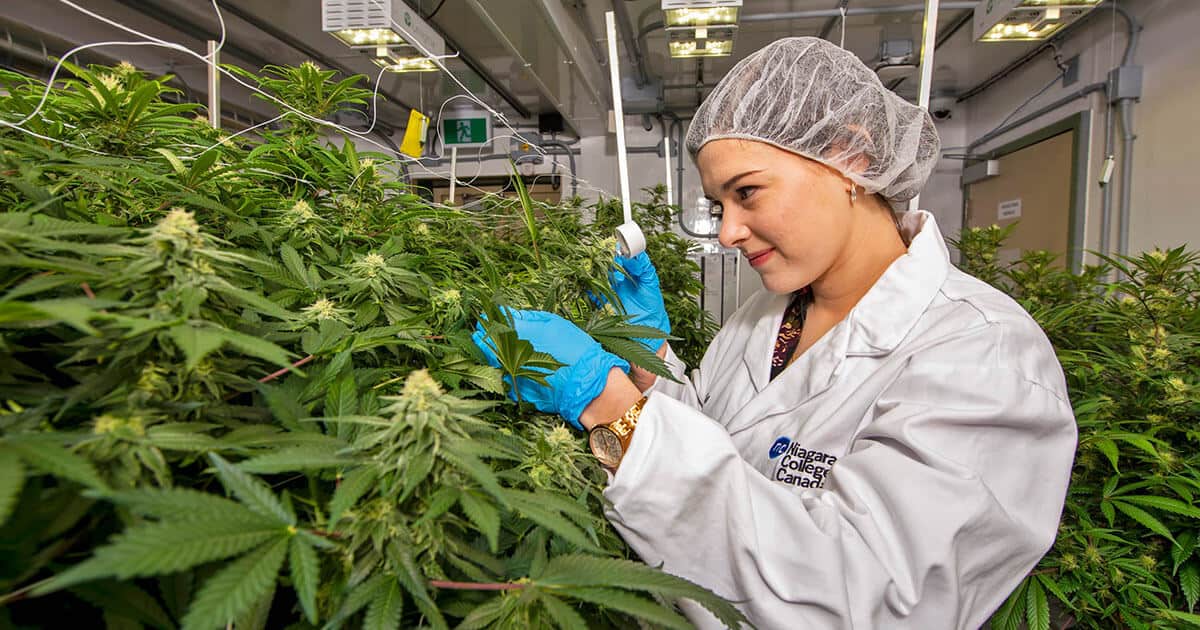
Understanding the weed plant in detail is the cornerstone of becoming a skilled grower. This article serves as a guide to the parts of the cannabis and marijuana plant anatomy, helping you understand each component's function and importance.
Every part of the plant, from its roots to its trichomes, plays a vital role in growth, potency, and yield.
By learning cannabis plant anatomy, you can better manage nutrition, lighting, training, and harvesting to get the most from your grow. The whole weed plant is made up of specialized structures that work together to support healthy development. Let’s take a deep dive into the major parts of a weed plant.
Introduction to Cannabis Plants
Cannabis plants are fascinating, multifaceted organisms that have captured the attention of growers, researchers, and medical professionals worldwide. The plant is made up of roots, stems, leaves, and flowers, each playing a unique role in the growth process and the production of medical marijuana and other cannabis products.
Whether you’re cultivating for personal use, breeding new strains, or simply curious about cannabis, understanding the structure and function of each part of the plant is the first step toward unlocking its full potential.
Quick Reference Table: Cannabis Plant Parts & Functions
Part of Plant | Location | Main Function | Grower Insight |
|---|---|---|---|
Roots (cannabis roots) | Below soil | Absorb water & nutrients; anchor plant | Keep soil aerated; avoid overwatering; use beneficial microbes. A healthy root system and main root (taproot) are crucial for plant stability. |
Stem / Stalk (main stalk) | Center | Structural support; transport nutrients; vascular system moves water and nutrients throughout the plant | Strong stems = stronger bud support; train early |
Branches & Nodes | Off the stem | Sites of leaves, buds, pre-flowers | Monitor internode spacing; pre-flowers show sex |
Fan Leaves (cannabis leaf) | Large leaves | Photosynthesis, energy production | Indicator of plant health; don’t defoliate too early |
Sugar Leaves | Inside buds | Trichome-rich; aid photosynthesis | Save trim for hash or edibles |
Cotyledons | First leaves | Seed energy storage; early photosynthesis | Often fall off naturally as seedling matures |
Buds / Flowers (cannabis flower) | Branch ends | Cannabinoid & terpene production | Harvest at peak trichome maturity for best potency |
Pistils & Stigmas | Within buds | Female reproductive parts | Color change signals maturity; avoid pollination |
Calyx & Bracts | Base of bud | Protect reproductive organs; trichomes | Dense, resinous = high-quality bud |
Colas | Top clusters | Large bud groups; main harvest sites | Train for multiple colas with topping/SCROG |
Trichomes | Bud surface | Produce cannabinoids & terpenes | Harvest based on trichome color (clear, cloudy, amber) |
Stipules | Near nodes | Protective structures | No major role for growers, but used for ID |
Male Pollen Sacs | Nodes | Release pollen for fertilization | Remove early unless breeding |
Seeds (fertilized) | Within buds | Reproduction, genetics | Only desirable when breeding |
Note: Indica leaves are typically broader, thicker, and fatter, while sativa leaves are thinner, lighter, and more fingered. These differences in cannabis leaf shape help growers and enthusiasts identify plant types and understand their genetic and environmental adaptations.
Deep Dive Into Cannabis Plant Anatomy
Roots

The root system forms the lifeline of the cannabis plant. The main root, or taproot, is the first to emerge and anchors the plant, with other cannabis roots branching from it. They draw in water and nutrients, anchor the plant firmly, and interact with beneficial microorganisms.
Healthy white cannabis roots indicate strong uptake. Brown, mushy roots indicate overwatering or root rot. Aeration, proper drainage, and balanced pH are critical.
Main Stem / Stalk
The main stem, also known as the main stalk, is the backbone of the plant, responsible for transporting water and sugars. The main stalk contains the plant's vascular system, which includes xylem and phloem that transport water, nutrients, and sugars throughout the plant.
A thick, sturdy stalk supports heavy buds later in flowering. Many growers strengthen stems by using fans to mimic wind, encouraging natural resistance and durability.
Branches & Nodes

Nodes are the points where a new branch grows from the main stem or another branch, and where branches and leaves emerge.
Nodes are also the points where one branch or other branches extend from the main stem or another branch.
They determine how bushy or tall your plant becomes. Short internodal spacing creates compact, high-yield plants. Pre-flowers (tiny growths at nodes) help identify male vs. female plants during the vegetative stage.
Leaves
- Cotyledons: The first leaves, small and rounded, providing early energy. The cannabis leaf is a key feature of plant morphology, with its structure varying by strain.
- Fan Leaves: Large, iconic leaves that capture light and drive photosynthesis. They absorb carbon dioxide through their stomata, supporting the plant's growth. Fan leaves are nutrient “banks” and show early deficiency signs. Sativa leaves are typically thinner, lighter, and more fingered, while indica leaves are broader, thicker, and fatter, reflecting their genetic and environmental adaptations.
- Sugar Leaves: Smaller leaves that poke through buds and are coated in trichomes. They’re not as potent as buds but excellent for extracts and edibles.
Flowers (Buds)

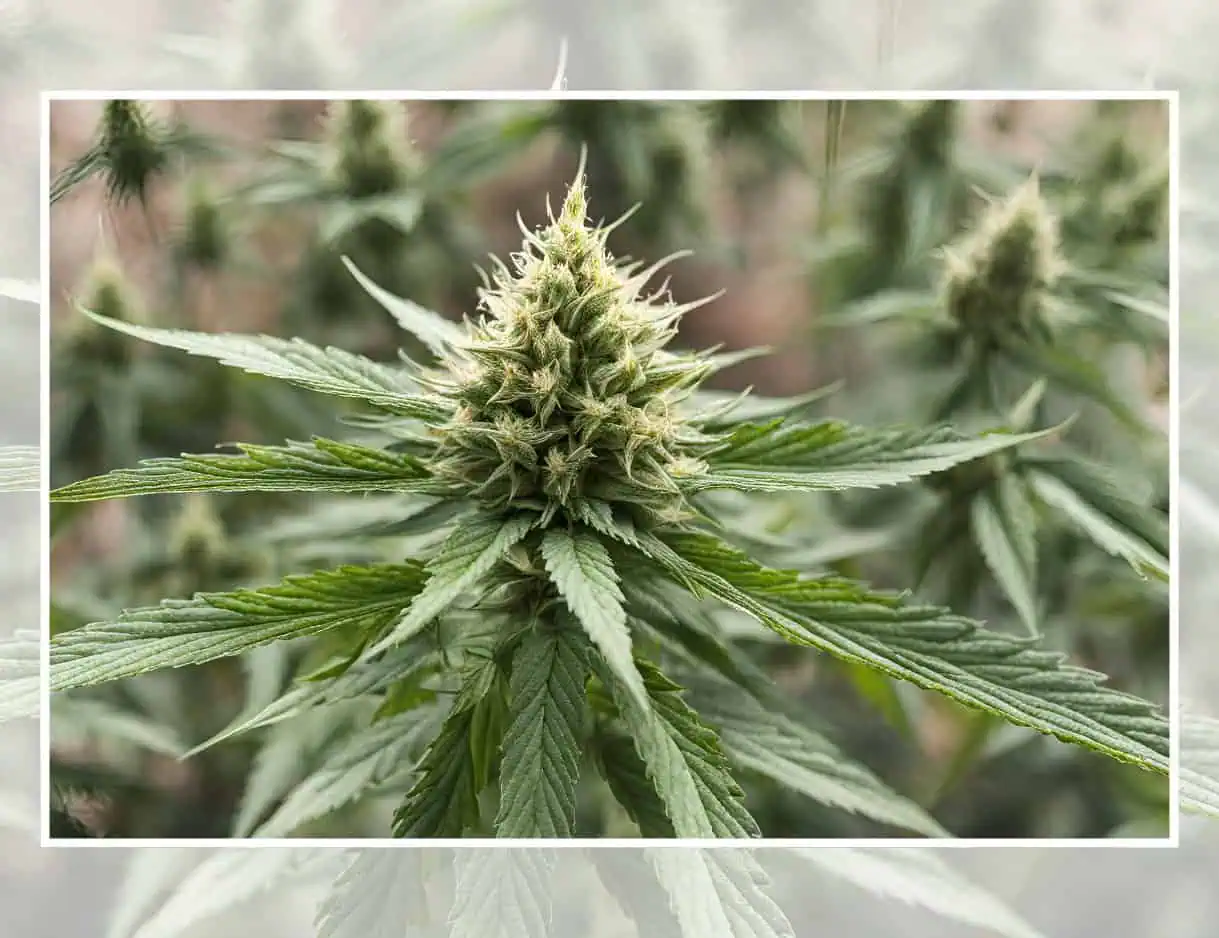
The cannabis flower is the prized part of the cannabis plant. Buds contain the highest concentration of cannabinoids and terpenes. Bracts and calyxes protect the reproductive organs and carry much of the resin. The bracts can also be considered a type of seed pod that protects developing seeds.
Buds form around sugar leaves and are heavily covered in tiny crystals (trichomes), which contribute to their potency. Buds grow in clusters (colas), with the largest often found at the main stem top.
Pistils & Stigmas
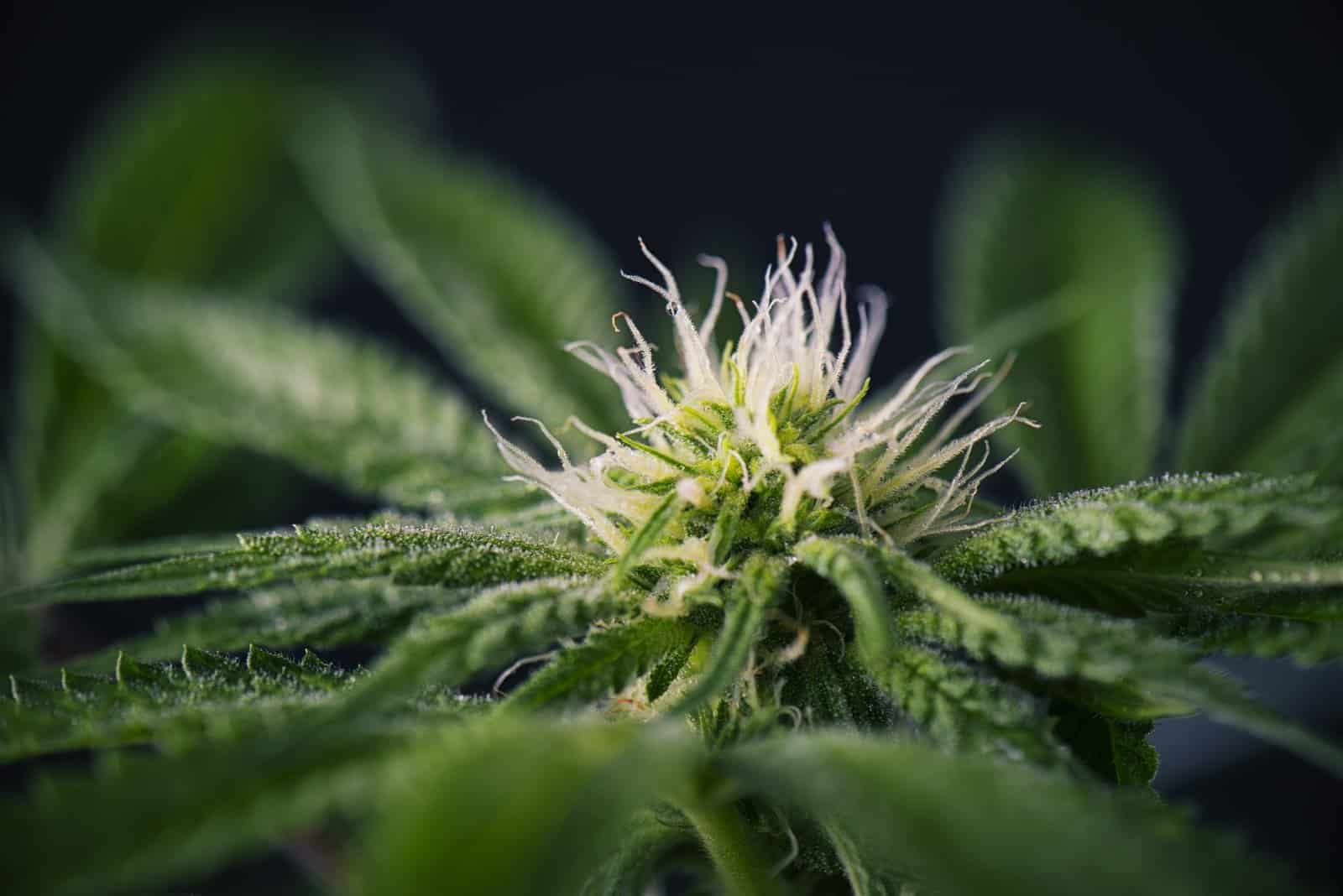
Pistils are the female reproductive organs of cannabis plants. Their hair-like structures, called stigmas, appear as white hairs early in bloom. The primary function of stigmas is to collect pollen from male plants for fertilization.
As buds mature, these stigmas change color from white to orange, red, or brown. While not directly linked to potency, they help signal maturity.
Trichomes
Trichomes are tiny crystals that heavily cover the buds and sugar leaves. They produce cannabinoids (THC, CBD, CBG) and terpenes (myrcene, limonene, pinene). Clear trichomes signal immaturity, cloudy trichomes indicate peak THC, and amber trichomes lean toward sedative, body-heavy effects.
Colas
Colas are dense bud clusters that grow at branch tips. The main cola forms at the top of the plant. With training (topping, FIM, SCROG), growers can develop multiple large colas instead of just one.
Stipules
Tiny, leaf-like appendages at the nodes. Similar structures, known as stipules, are also found in other plants such as roses. They have little role in yield or potency but are part of plant structure.
Male Structures & Pollen Sacs

The male cannabis plant develops male sex organs known as pollen sacs at the nodes. These pollen sacs are a key feature for identifying a male marijuana plant.
When the sacs mature and burst, the male plant releases pollen, which is collected by the stigmas of female plants to produce seeds. This fertilization process leads to seed formation and reduces cannabinoid production in the buds.
Growers who wish to breed new strains may collect pollen from male marijuana plants for controlled pollination. However, unless breeding is the goal, male marijuana plants should be identified and removed early to prevent unwanted pollination.
Seeds
Seeds form when female flowers are pollinated, leading to seed production. Cannabis is typically a dioecious plant, meaning there are separate male and female plants, and pollination between them allows female plants to produce seeds.
However, monoecious plants can also occur, where both male and female reproductive organs are present on the same plant, often due to genetics or stress.
While seeds reduce smokable bud quality, they are essential for breeding projects and genetic preservation. The seed pod (bract) protects the developing seed during this process.
Life Cycle of the Cannabis Plant
The life cycle of a cannabis plant is a remarkable journey, unfolding in four main stages: germination, seedling, vegetative growth, and flowering. It all begins with a seed, which, when exposed to moisture and warmth, cracks open and sends out a taproot during germination.
As the cannabis plant enters the seedling stage, it produces its first pair of cotyledon leaves—tiny, rounded leaves that provide the initial energy for growth.
The vegetative stage follows, marked by rapid development of stems, roots, and iconic cannabis leaves, as the plant builds its structure and prepares for flowering.
Finally, during the flowering stage, the cannabis plant shifts its energy toward producing resin glands and forming dense, aromatic buds. Each phase of the life cycle is crucial, shaping the plant’s health, potency, and yield.
Advanced Insights for Growers
How Anatomy Affects Training
- Topping/FIM: Redirects growth by cutting above a node, creating multiple new branches and colas.
- Low-Stress Training (LST): Bends stems and branches to expose more bud sites.
- SCROG Netting: Uses branch flexibility to create a flat canopy, maximizing light exposure.
Environmental Interactions
- Light: Strong light reduces internodal spacing and produces dense buds.
- Temperature: Excessive heat can wilt leaves and dry out buds; cold can slow metabolism.
- Humidity: High humidity during flower encourages mold. Control airflow to keep colas safe.
Harvest Timing
- Trichomes: Harvest when trichomes are mostly cloudy with some amber.
- Pistils: Around 70–90% of pistils should have darkened.
- Bud Density: Buds should be firm and sticky, not airy.
Weed Plant Care Essentials
Caring for weed plants requires attention to several key factors to ensure robust growth and high-quality yields. Maintaining the right temperature, humidity, and light levels is essential for healthy development at every stage.
Cannabis plants also need a balanced supply of water and nutrients to support their rapid growth and flowering. Regular pruning and training techniques help shape the plant, improve airflow, and maximize bud production.
Vigilant monitoring for pests and diseases is equally important, as early detection can prevent serious damage. By providing these essentials, growers can help their plants reach their full potential and produce top-tier cannabis.
Common Mistakes to Avoid When Caring For Weed Plants
- Overwatering Roots: Drowns them, causes rot.
- Ignoring Leaf Signals: Leaves show deficiencies before buds suffer.
- Skipping Training: Without topping or LST, plants often yield less.
- Harvesting Too Early: Reduces potency and weight.
- Letting Males Pollinate: Creates seeds, lowers resin production.
Parts Of A Weed Plant FAQ's
Which parts of a weed plant produces THC?
THC is primarily produced in the trichomes, which cover buds, sugar leaves, and calyxes.
What's the difference between fan leaves and sugar leaves?
Fan leaves are large, broad leaves that drive photosynthesis, while sugar leaves are smaller, resin-coated leaves within the buds.
How can I tell if my plant is male or female?
Look at the nodes. Female plants develop pistils (tiny hairs), while male plants form pollen sacs.
What role do roots play in cannabis potency?
Indirectly, roots determine how well the plant takes up nutrients and water. Healthy roots = stronger growth and better cannabinoid production.
How do I know when to harvest cannabis buds?
Check trichomes with a magnifier, mostly cloudy with 10–20% amber indicates peak harvest time.
Do stipules affect bud quality?
No, stipules are small, protective structures that don't influence yield or potency.
Why are colas so important?
Colas are dense clusters of buds where most of the harvest weight and cannabinoid concentration is found.
Can I use sugar leaves after harvest?
Yes. Sugar leaves are rich in trichomes and are excellent for making hash, edibles, or concentrates.
Conclusion On Parts Of A Weed Plant
In conclusion, a deep understanding of cannabis plant anatomy is invaluable for anyone involved in growing, breeding, or enjoying cannabis. Every part of the cannabis plant, from the roots to the pistils, contributes to its overall health, development, and the production of cannabinoids and terpenes.
By mastering the details of cannabis plant anatomy, cultivators can refine their techniques, breeders can innovate new varieties, and consumers can better appreciate the complexity of this extraordinary plant.
Whether you’re just starting out or have years of experience, knowledge of the cannabis plant’s structure is the key to unlocking its many benefits and possibilities. Learn how to grow weed at CTU.

Luis Cordova
Luis Cordova is a distinguished author, and renowned expert in cannabis cultivation, who possesses a Master's degree in Plant Biotechnology and Pharmaceutical Science. As a valued contributor to highly esteemed publications such as Cannabis Training University and Maximum Yield Magazine, Luis has emerged as a trusted source of guidance and knowledge in the cannabis industry. Having written thousands of informative articles, Luis is widely recognized for his comprehensive expertise on cultivating cannabis, both indoors and outdoors.

 Jeff was involved in an accident where he endured a traumatic brain injury. He had a week-long stay in ICU where brain surgeons
  100% risk free money back guarantee within 48 hours after purchase if student has not completed any of the courses or exams.
