


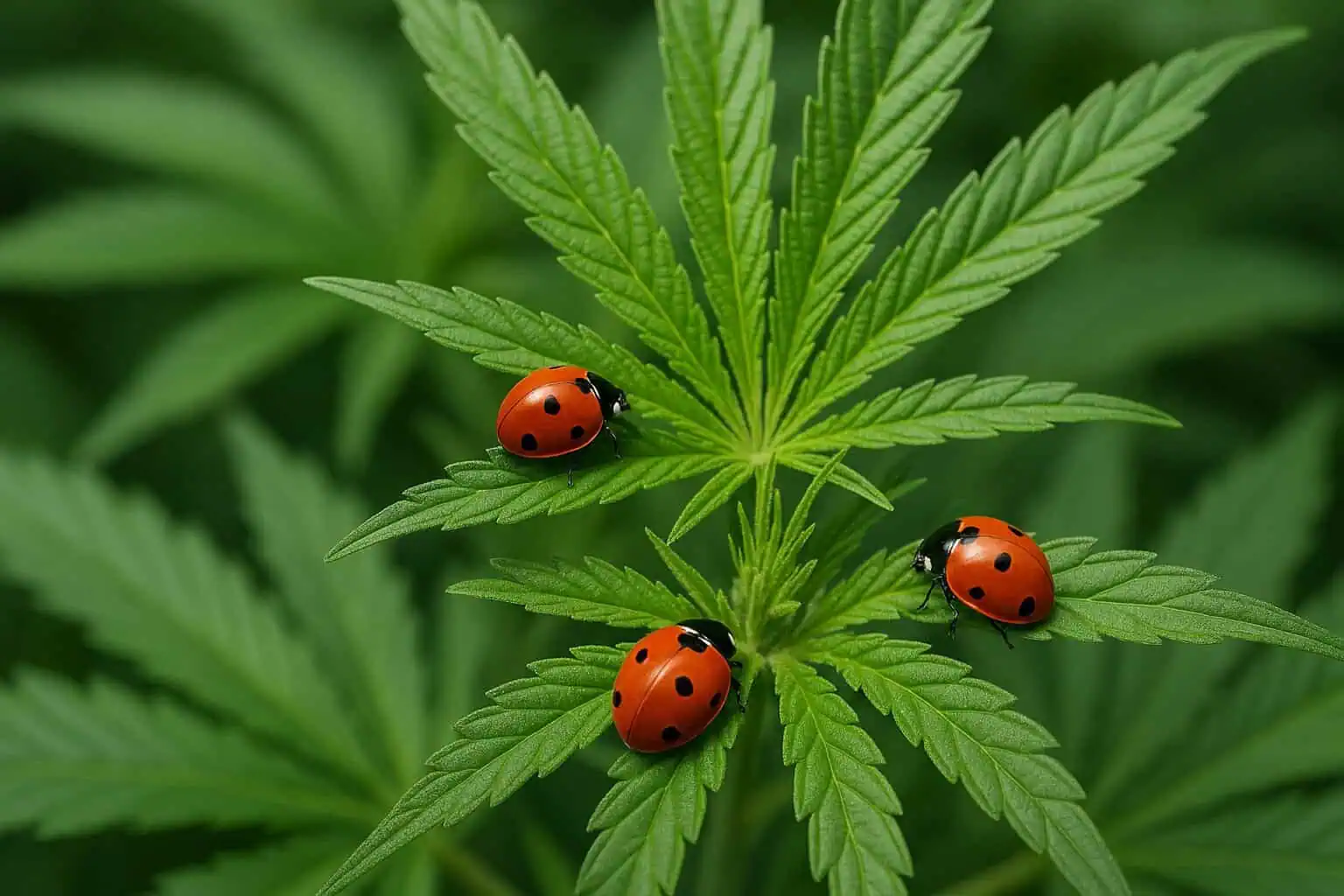
Ladybugs, also called ladybirds or lady beetles, are one of nature’s most recognizable insects, with their bright red shells and distinctive black spots. For centuries, gardeners and farmers have celebrated these tiny beetles for their natural pest-control abilities.
But when it comes to growing cannabis, many cultivators ask: Are ladybugs good to have on my cannabis plant?
The short answer is yes, ladybugs can be a grower’s best friend. They are voracious predators of aphids, mites, and other soft-bodied pests that can devastate cannabis crops. However, there are nuances to consider.
This guide explores the benefits, facts, and alternatives to using ladybugs in your cannabis garden, while also answering common FAQs and offering expert insight.
Why Ladybugs Are Good for Cannabis Plants
1. Natural Pest Control
Ladybugs primarily feed on aphids, one of the most common and destructive cannabis pests. A single adult ladybug can eat 50 aphids per day, while its larvae may consume even more. In addition to aphids, they target:
- Spider mites
- Whiteflies
- Mealybugs
- Thrips
By introducing ladybugs, growers reduce the need for chemical pesticides, which can harm cannabis plants, alter terpene profiles, or leave unwanted residues.
2. Sustainable & Organic Growing
Organic cannabis cultivation is increasingly important for both home growers and commercial farms. Ladybugs fit seamlessly into this philosophy by providing biological pest management. They’re non-toxic, environmentally friendly, and help maintain ecological balance.
3. Easy to Use
Unlike some predatory insects that require specialized environments, ladybugs can be introduced directly into cannabis grow rooms, greenhouses, or outdoor gardens. With proper handling, they will begin feeding almost immediately.
4. Beneficial for Plant Health and Yields
By reducing pest populations, ladybugs indirectly:
- Improve plant vigor
- Boost photosynthesis efficiency (fewer pests blocking stomata or sucking sap)
- Support better bud development
- Increase final yields and potency
Interesting Facts About Ladybugs
- There are over 5,000 species of ladybugs worldwide, but the most commonly used for pest control is the Hippodamia convergens species (the convergent lady beetle).
- Ladybugs lay clusters of yellow eggs on the underside of leaves, often near aphid colonies.
- Ladybug larvae look nothing like adults, they resemble tiny black-and-orange alligators but are even hungrier than mature beetles.
- In many cultures, ladybugs are seen as symbols of good luck and prosperity, making them a favorite among growers.
- A single ladybug may consume 5,000 pests in its lifetime.
How to Introduce Ladybugs to Cannabis Plants
- Purchase from a trusted supplier – Most garden centers and online shops sell live ladybugs in refrigerated packs.
- Release at dusk or early evening – Ladybugs fly less when it’s cooler, making them more likely to stay on your plants.
- Mist plants with water beforehand – Ladybugs are attracted to moisture, which encourages them to settle and feed.
- Avoid pesticides before release – Residual chemicals can harm ladybugs or reduce their effectiveness.
- Provide pollen sources – While pests are their main food, ladybugs also enjoy pollen and nectar. Planting companion plants like dill, cilantro, or marigolds helps them thrive.
Downsides and Considerations
While ladybugs are highly beneficial, growers should keep in mind:
- They may fly away: Unless conditions are perfect, some ladybugs may leave your garden.
- Limited indoors effectiveness: In sealed grow rooms without enough pests, ladybugs may die off quickly.
- Not a cure-all: Ladybugs mainly target soft-bodied insects. They may not control every pest problem, such as fungus gnats or root aphids.

Alternatives to Ladybugs for Cannabis Pest Control
If ladybugs aren’t the right fit for your garden, other beneficial insects and methods can be used:
1. Praying Mantises
- Highly aggressive predators.
- Eat a wide variety of pests, including caterpillars and grasshoppers.
- Downside: They may also eat beneficial insects like bees or even other mantises.
2. Predatory Mites
- Excellent for controlling spider mite infestations.
- Species like Phytoseiulus persimilis are tailored to cannabis pest issues.
3. Green Lacewings
- Larvae are nicknamed “aphid lions” for their appetite.
- Effective against aphids, mealybugs, and thrips.
4. Nematodes
- Microscopic worms that attack soil-dwelling pests such as fungus gnat larvae and root aphids.
5. Companion Planting
- Growing plants like basil, lavender, and marigold around cannabis helps repel pests while attracting beneficial insects.
6. Neem Oil and Insecticidal Soaps
- Non-toxic sprays that deter pests, though they must be used carefully to avoid harming beneficial insects.
Expert Quote on Ladybugs on Cannabis Plants
“Ladybugs are one of the most cost-effective and natural tools for cannabis growers. They fit perfectly into an organic or low-intervention growing strategy and can save a crop from pest devastation. However, growers should view ladybugs as part of a broader integrated pest management plan, not a standalone solution.”
— Jeff Zorn, CEO of Cannabis Training University
FAQs-Are Ladybugs Good To Have On My Cannabis Plant?
Will ladybugs damage cannabis plants?
No. Ladybugs only feed on pests and pollen; they do not harm cannabis plants themselves.
Can I keep ladybugs in my indoor cannabis grow tent?
Yes, but their effectiveness depends on pest availability. If pests are scarce, ladybugs may not survive long indoors.
Where can I buy ladybugs?
They are widely available online and at garden centers, usually sold in packs of 500–1,500.
How long do ladybugs live?
Adult ladybugs typically live for about one year, though this depends on conditions and food availability.
Are ladybugs better than chemical pesticides?
For organic growers, yes. Ladybugs eliminate the need for harmful sprays, preserve terpenes, and reduce environmental impact. However, pesticides may still be necessary for severe infestations.
What should I do if my ladybugs fly away?
Make sure plants are moist, pests are present, and the environment is cool at the time of release. Planting flowers nearby helps retain them.
Do ladybugs eat spider mites?

Yes, but they are not as effective as predatory mites. Ladybugs mainly excel at controlling aphids and whiteflies.
Can I use ladybugs during flowering?
Yes. Unlike chemical sprays, ladybugs won’t leave residues on buds. In fact, they’re ideal for late-stage pest control.
Integrated Pest Management (IPM) With Ladybugs
For the best results, ladybugs should be used as part of an IPM strategy, which combines multiple pest-control methods:
- Regular plant inspections
- Environmental controls (humidity, airflow, cleanliness)
- Biological controls (ladybugs, predatory mites, lacewings)
- Safe sprays if necessary (neem, insecticidal soaps)
This layered approach prevents outbreaks from spiraling out of control and ensures cannabis plants stay healthy throughout the grow cycle.
Conclusion-Are Lady Bugs Good To Have On My Cannabis Plant?
Ladybugs are an invaluable ally for cannabis growers. Their natural pest-control abilities, environmental friendliness, and cost-effectiveness make them an ideal addition to both indoor and outdoor gardens.
While they are not a one-size-fits-all solution, they can drastically reduce the need for pesticides and protect cannabis plants during critical growth phases.
For growers committed to organic, sustainable cultivation, ladybugs are not just good to have on your cannabis plants—they’re a vital part of the ecosystem you’re creating.

Fred Hernandez
Fred Hernandez is a highly accomplished and versatile writer, boasting an extensive background in the cannabis industry. With an in-depth understanding of various sectors including cultivators, processors, retailers, and brands, Fred's expertise spans across the entire cannabis landscape. As a prominent contributor to CTU, he consistently delivers insightful articles exploring the latest developments, news, and regulations shaping the cannabis industry. Whether it's delving into the intricacies of cannabis products, cannabis strain reviews, or providing comprehensive analyses of cannabis laws, or sharing expert insights on cannabis cultivation techniques, Fred's wealth of knowledge positions him as an invaluable writer and educator for all cannabis-related subjects.








 Jeff was involved in an accident where he endured a traumatic brain injury. He had a week-long stay in ICU where brain surgeons
  100% risk free money back guarantee within 48 hours after purchase if student has not completed any of the courses or exams.
