


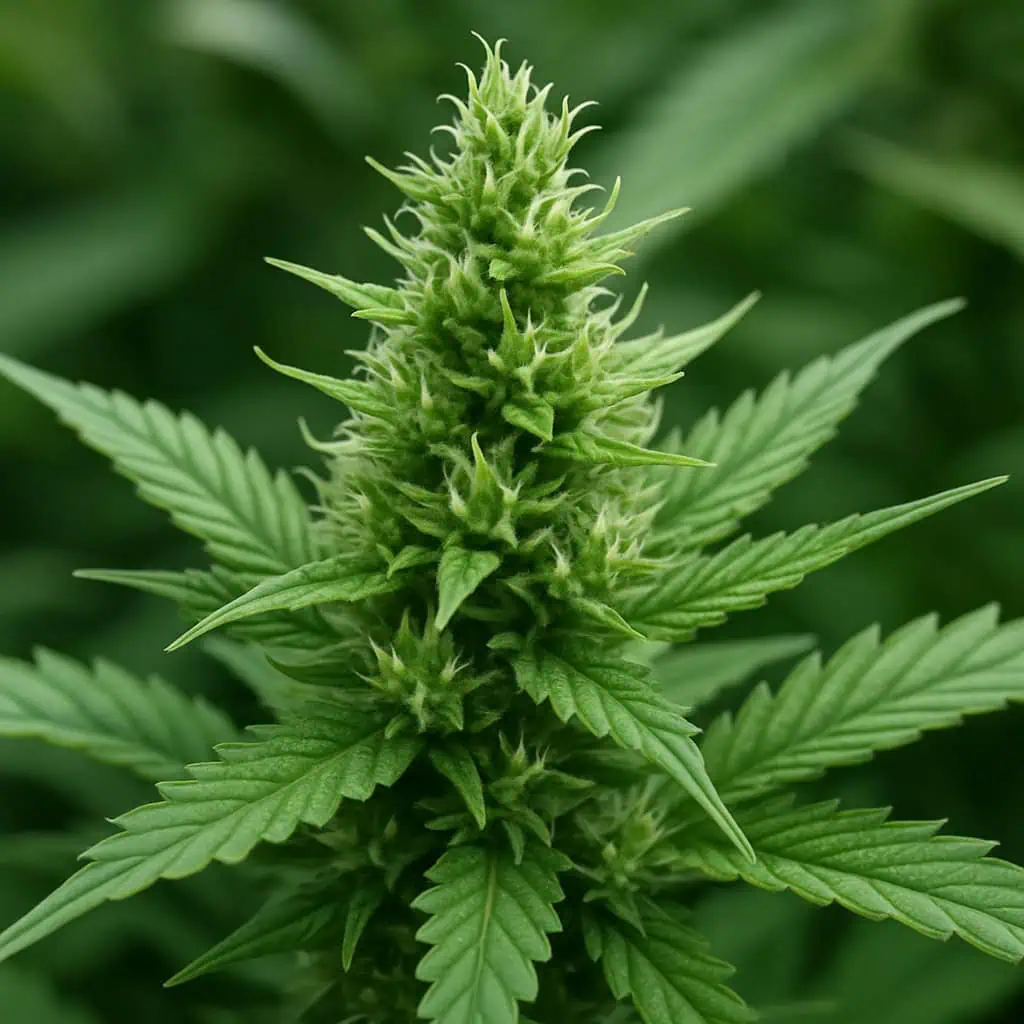
What is cannabis foxtailing? Why does it happen? Cannabis cultivation is an art and science. Growers carefully manage light, nutrients, airflow, and genetics to produce healthy plants with dense, resin-coated buds.
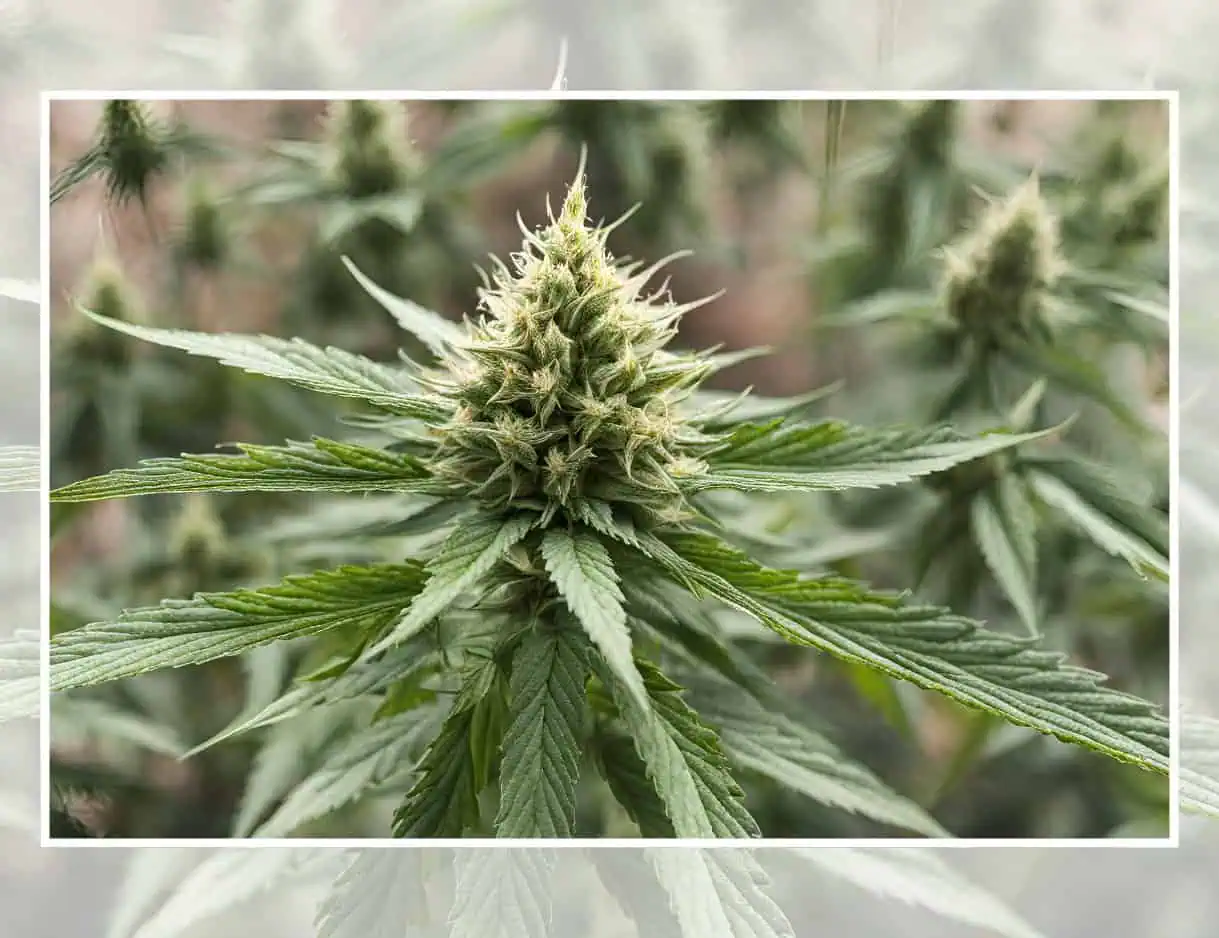
Yet sometimes, instead of compact colas, a grower notices unusual elongated, spiky growths sprouting from the top of the buds on the cannabis plant. This phenomenon is known as foxtailing. These cannabis foxtails appear as elongated, stacked buds, and can significantly alter the shape and density of cannabis flowers.
Foxtailing has sparked heated debate in the cannabis community. Is it a bad sign of grower error? Is it just genetics? Can foxtailing buds still deliver potent effects and rich flavors?
Whether foxtailing is a bad thing depends on the context, some growers may find it undesirable due to its impact on appearance or yield, while others may not mind if quality is unaffected. The answer depends on the cause.
This guide breaks down everything you need to know about cannabis foxtailing: what it is, why it happens, how to prevent it, and what to do if your plants start to foxtail.
What is Cannabis Foxtailing?
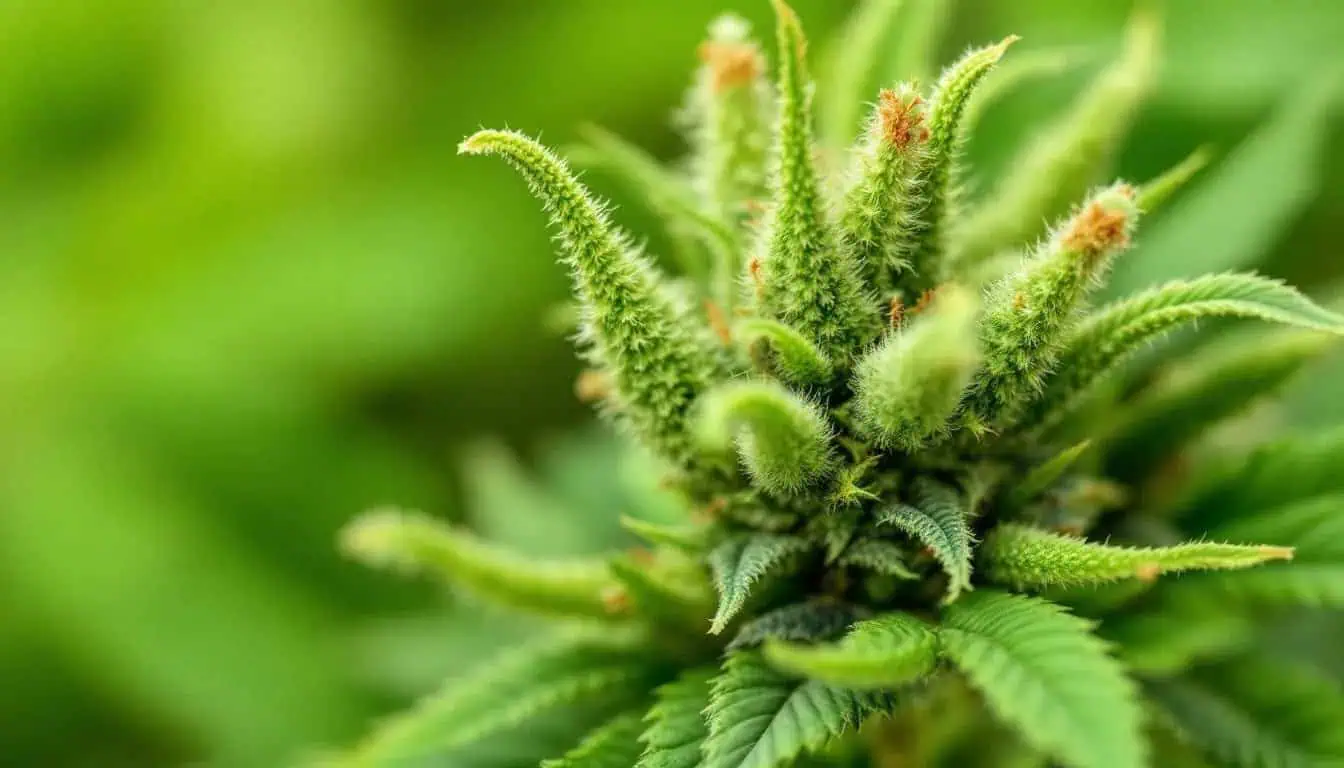
Cannabis foxtailing (referring also to fox tailing as an alternative spelling) refers to the formation of elongated, tower-like calyx growths that resemble a fox’s tail sticking out of the bud. Instead of forming dense, symmetrical nugs, the plant continues to push out clusters of new calyxes on top of existing flowers, resulting in what are known as foxtail buds.
Foxtailing can occur in two forms:
- Genetic Foxtailing (Normal)
- Some cannabis strains naturally foxtail due to their genetic blueprint, and the choice of seeds can influence the likelihood of this trait.
- These buds may appear unusual, sometimes forming distinct fox tails, but are perfectly healthy.
- Examples: certain sativa-leaning landraces and exotic hybrids.
- Stress-Induced Foxtailing (Problematic)
- Triggered by environmental factors such as excess heat, light stress, or nutrient imbalances, with heat often being the main factor affecting the crop.
- Can reduce bud density, yield, and aesthetic quality, leading to foxtailing weed that may look different from typical weed.
- Often a sign of grow conditions needing adjustment, especially during the developing and flowering stages when abnormal growth can occur. During late flowering, an internode bloom or even a second internode bloom may develop near harvest, further altering bud structure.
As foxtailing develops during the flowering stage, growers may notice elongated calyxes and the appearance of fox tails as a result of stress or genetics. This can impact the final product, with foxtailing weed sometimes being less dense but still usable.
Understanding the root causes of foxtailing is key to prevention. If you notice foxtailing, don’t worry, it can be a natural trait or a manageable stress response.
Regularly tend to your plants, monitor your growing space, and adjust lighting (including hanging heights) and temperature, especially in greenhouses or during summer when heat stress is more likely.
Choosing LED lights that emit less heat and ensuring proper heat dissipation can help. Pay attention to the seedling phase for early temperature control, and protect roots from unrestrained grazing. With good practices, you can enjoy happy growing!
Causes of Cannabis Foxtailing
Foxtailing in cannabis plants is most often the result of environmental stressors that disrupt normal bud development. One of the main factors is light stress, when cannabis plants are exposed to excessive light intensity or improper light spectrum, especially during the flowering stage, they may develop foxtailing buds as a stress response.
Too much heat is another common culprit; high temperatures in the grow room or greenhouse can cause foxtailing cannabis, particularly if heat builds up around the canopy during the critical flowering phase.
Root zone health also plays a significant role. If the root zone is compromised—whether by poor drainage, lack of oxygen, or imbalanced nutrients—plants can experience root stress, which may trigger foxtailing.
Environmental stress, such as sudden heat waves or inconsistent climate control, can further exacerbate the problem, causing cannabis buds to grow in elongated, spiky shapes rather than dense clusters.
Genetics are another important factor. Some strains are naturally more prone to foxtailing, and even under ideal conditions, these genetics may express themselves in the form of foxtailing buds. For most growers, understanding these causes is key to preventing foxtailing and ensuring healthy, robust cannabis crops.
Light Stress & Cannabis Foxtailing
One of the most common culprits is excessive light intensity and improper lighting management.
- High-intensity grow lights (HPS, MH, or even strong LEDs) too close to the canopy can stress the plant.
- The buds respond by stretching calyxes upward, producing foxtails.
- Light spectrum imbalance, especially high blue/UV, can also contribute.
Proper hanging heights for your grow lights are crucial for managing light intensity and distribution. Keeping lights at the correct distance helps prevent light stress and foxtailing by ensuring plants receive optimal PPFD levels.
LED lights are often preferred for growing cannabis because they emit less heat, which helps maintain optimal temperatures and reduces the risk of foxtailing.
Tip: Keep lights at manufacturer-recommended distances and use a PAR meter if possible
Heat Stress & Cannabis Foxtailing
Temperatures above 82–85°F (28–29°C) during flowering can trigger foxtailing, especially in greenhouses where heat can quickly build up.
- Hot air near light sources worsens the effect, and the size and features of the growing space play a significant role in how much heat accumulates, increasing the risk of foxtailing.
- Poor ventilation and air circulation reduce heat dissipation, amplifying heat stress on the crop. This is particularly important during summer, when high outdoor temperatures make foxtailing more likely.
Nutrient Imbalances & Cannabis Foxtailing
- Excess nitrogen in late flowering can cause abnormal bud growth, including foxtailing.
- Overfeeding in general stresses the plant and triggers irregular calyx stacking.
Genetics
- Certain strains are predisposed to foxtail. The genetics of the seeds you choose can influence the likelihood of foxtailing, as seed selection determines many plant traits.
- Long-flowering sativas often show natural foxtailing, especially when grown indoors under intense lights.
- Breeders sometimes select for this trait because it increases bud surface area and trichome production.
Extended Flowering
If a cannabis grower leaves plants flowering for too long, new calyxes can continue sprouting as part of the plant’s survival mechanism, creating foxtails. This late-stage growth is often referred to as a second internode bloom, which can occur near the harvest point.
The optimal point for harvest is typically determined by checking trichome maturity, as waiting too long can lead to these stress-induced changes.
Role of Harmful Microbes in Cannabis Foxtailing
Harmful microbes lurking in the root zone can wreak havoc on cannabis plants, often going unnoticed until symptoms like foxtailing buds appear. Nematode invasion and other pathogenic organisms disrupt the delicate microbial balance that healthy cannabis roots rely on.
When these harmful microbes take hold, they interfere with the symbiotic relationship between roots and beneficial microorganisms, reducing the plant’s ability to absorb vital nutrients.
This root stress leads to overall plant stress, which can manifest as abnormal bud growth, including foxtailing. Cannabis crops suffering from compromised root zones may show stunted growth, yellowing leaves, and, notably, the development of foxtailing cannabis.
To prevent this, growers should focus on maintaining a healthy root zone by encouraging beneficial microbes, monitoring for signs of nematode invasion, and ensuring proper soil conditions. By protecting the roots, growers can reduce plant stress and help their cannabis plants produce dense, healthy buds instead of foxtailing.
Why Cannabis Foxtailing Matters
Foxtailing isn’t always a bad thing. Whether it is considered undesirable depends on the cause, the grower’s goals, and the intended appearance or quality of the cannabis flowers.
When It's Harmless or Beneficial
- Genetic foxtailing doesn't reduce potency or terpene profile.
- Unique appearance can even make buds stand out.
- More calyx surface can mean more trichome production, which boosts resin content.
When It's Problematic
- Stress-induced foxtailing leads to the formation of foxtail buds, which reduces bud density and makes the weed flowers airy and less appealing.
- Can lower bag appeal in commercial grows due to the unusual appearance of foxtail buds.
- Signals environmental issues that may affect plant health overall and impact the final weed yield.
How to Prevent Cannabis Foxtailing
Light Management
- Adjust lighting distance based on plant height and stage of growth, as proper lighting is a key factor in foxtailing prevention.
- Adjust hanging heights to optimize light distribution and ensure plants receive the correct PPFD levels, which helps prevent foxtailing.
- Use dimmers if available on LED fixtures.
- Monitor PPFD levels (600–900 μmol/m²/s during flower is optimal for most strains).
Temperature & Humidity
- Maintain temps between 70–80°F (21–27°C) during flower, especially during summer when high outdoor temperatures can put your crop at risk of foxtailing.
- Nighttime temps should be 5–10°F cooler.
- Use oscillating fans and exhaust systems to prevent hot spots and promote heat dissipation throughout the growing space. In greenhouses, proper ventilation, vents, and shading are essential for managing heat and protecting plants. Choosing equipment that emits less heat, such as LED lighting, can also help maintain optimal temperatures. The size and features of your growing space, whether it's a greenhouse, grow tent, or outdoor area, will impact how effectively you can regulate temperature and prevent heat stress.
Nutrient Control
- Avoid high nitrogen in late flowering.
- Balance phosphorus and potassium for bud development.
- Use organic or slow-release nutrients to reduce risk of overfeeding.
Strain Selection
- Research genetics before growing. Selecting the right seeds with stable genetics can help prevent foxtailing.
- Choose indica-dominant or hybrid strains if you want dense, non-foxtailing buds.
Harvest Timing
- Don’t leave plants flowering for too long past the optimal harvest point, which is determined by trichome maturity.
- Check trichomes with a loupe; when most are cloudy/milky with some amber, you’ve reached the ideal harvest point.
What to Do If Your Plants Start Foxtailing
If you notice foxtailing, don’t panic or worry—this can be a natural occurrence.
- Identify the Cause – Check light distance, temps, and nutrients.
- Adjust Environment – Raise lights, lower temps, balance feed.
- Monitor Trichomes – Harvest when mature, regardless of foxtail shape.
- Quality Assurance – Even foxtailed buds can be potent and flavorful.
Harvesting and Drying Foxtailing Cannabis
When it’s time to harvest foxtailing cannabis, growers should focus on the same key indicators as with any cannabis buds—primarily the maturity of the trichomes. Harvest time is best determined by checking that trichomes are cloudy or amber, signaling peak potency.
Despite their unusual shape, foxtailing buds can be just as potent and flavorful as traditional buds if harvested at the right moment.
After harvest, it’s important to dry foxtailing buds slowly and evenly. Their unique structure can sometimes trap moisture, so careful monitoring is essential to prevent mold or bacterial growth. Hang the buds in a well-ventilated, dark space with controlled humidity, and check them regularly to ensure even drying.
By following these steps, growers can preserve the potency, aroma, and quality of their foxtailing cannabis, turning an unusual growth pattern into a successful harvest.
Cannabis Foxtailing and Potency
The relationship between foxtailing and potency in cannabis buds is complex. In some cases, the abnormal growth pattern of foxtailing buds can lead to a lower concentration of cannabinoids, as the plant’s energy is diverted into producing new calyxes rather than dense, resin-rich flowers.
However, this isn’t always the case, many foxtailing cannabis crops still yield high-potency buds, especially if the underlying strain is known for strong cannabinoid production.
Potency is influenced by several factors, including the genetics of the strain, the level of plant stress experienced during growth, and the overall health of the plant. Growers can maximize potency by minimizing stress, maintaining optimal growing conditions, and choosing strains less prone to fox tailing.
Even if cannabis fox tailing occurs, careful attention to these factors can help ensure that the final product remains potent and enjoyable. By understanding how fox tailing interacts with growth and potency, growers can make informed decisions and consistently produce high-quality cannabis.
FAQs About Cannabis Foxtailing
Does cannabis foxtailing mean my buds are ruined?
No. Potency and terpenes are usually unaffected if you harvest at the right time.
Is foxtailing on cannabis plants more common indoors or outdoors?
More common indoors due to artificial light intensity, but it can happen outdoors in hot climates.
Can I smoke foxtailed buds?
Absolutely. Foxtailing weed may look unusual, with elongated, tail-like buds, but it is fully smokable.
How do I know if foxtailing is genetic or stress-induced?
If all colas consistently develop cannabis foxtails across multiple grows of the same strain, it’s likely genetic. If only top buds near the light show cannabis foxtails, it’s likely stress-induced.
Does cannabis foxtailing affect yield?
Stress-induced foxtailing can lower density and yield, while genetic foxtailing typically does not.
Expert Quote on Cannabis Foxtailing
“Foxtailing is often misunderstood. In some cases, it's just the plant showing off its genetics. In others, it's a sign of stress. The key is to recognize the difference and adjust your grow accordingly.”
Jeff Zorn, Cannabis & Horticulture Expert
Expert Tips to Handle Cannabis Foxtailing
- Invest in a PAR Meter – Helps dial in light levels for optimal growth.
- Use Training Techniques – LST and SCROG reduce canopy height and prevent light stress.
- Check Environment Daily – Small fluctuations in temp/light can trigger foxtailing.
- Tend to Your Plants Daily – Regularly tend to your plants by adjusting lights, monitoring pH, and managing environmental conditions to help prevent foxtailing.
- Document Your Grows – Keep notes to learn which strains are prone to it.
- Don’t Chase Perfection – Sometimes foxtails just happen; focus on trichome maturity.
Fun Facts About Foxtailing
- The term “foxtailing” is also used in horticulture outside of cannabis to describe spiky flower mutations.
- Some cannabis breeders intentionally select for foxtail-like traits to increase resin exposure.
- Natural foxtailing occurs more often in sativa landraces grown near the equator.
- Foxtailing weed is a morphological variation where cannabis buds grow in elongated, tail-like shapes, resembling a fox's tail.
- The appearance of weed can vary significantly due to foxtailing, which can be influenced by genetics or environmental factors.
- Foxtailing buds may look “ugly” to the untrained eye but often test just as potent as normal buds.
- In cannabis competitions, foxtailed buds are usually penalized for bag appeal, not chemistry.
- In the cannabis community, foxtailing weed is sometimes seen as a unique trait, with some growers appreciating its unusual look while others prefer traditional bud shapes.
Avoiding Foxtails
Here’s a step-by-step prevention checklist for growers:
- Week 1–2 Flower
- Lower nitrogen, increase bloom nutrients.
- Ensure canopy is even for consistent light.
- During the seedling phase, maintain optimal temperatures (20–25°C) to support healthy developing plants and prevent stress that could lead to foxtailing later.
- Week 3–6 Flower
- Maintain optimal temps (72–78°F).
- Check light distance daily as plants stretch.
- Defoliate lightly to improve airflow.
- Monitor developing buds for any early signs of abnormal growth.
- Week 7–9 Flower
- Watch for foxtail signs, including internode bloom, which may appear as a second bloom from the internodes and can indicate stress or natural late-stage development.
- Use a loupe to monitor trichomes.
- Reduce light intensity slightly if buds are stretching.
- Final Weeks
- Flush nutrients as needed.
- Harvest based on trichome color, not bud shape.
When Foxtailing Isn't a Problem
- If it’s genetic, embrace it. Some of the most exotic strains naturally foxtail, so there’s no need to worry if your plants show this trait.
- If trichomes are cloudy/amber, potency is intact.
- If flavor and aroma are strong, the smoking experience will be excellent.
Conclusion on Cannabis Foxtailing
Cannabis foxtailing is both a mystery and a marker of cultivation skill. While it can be a sign of grower error, it’s just as often a natural expression of genetics.
The key for growers is to distinguish between the two. Stress-induced foxtailing points to environmental adjustments needed, while genetic foxtailing is harmless and sometimes even desirable.
The takeaway: Don’t judge your harvest by bud shape alone. Judge it by trichome maturity, aroma, and overall plant health. Foxtails may not win bag appeal contests, but they can still deliver world-class smoke.

Luis Cordova
Luis Cordova is a distinguished author, and renowned expert in cannabis cultivation, who possesses a Master's degree in Plant Biotechnology and Pharmaceutical Science. As a valued contributor to highly esteemed publications such as Cannabis Training University and Maximum Yield Magazine, Luis has emerged as a trusted source of guidance and knowledge in the cannabis industry. Having written thousands of informative articles, Luis is widely recognized for his comprehensive expertise on cultivating cannabis, both indoors and outdoors.




 Jeff was involved in an accident where he endured a traumatic brain injury. He had a week-long stay in ICU where brain surgeons
  100% risk free money back guarantee within 48 hours after purchase if student has not completed any of the courses or exams.
