


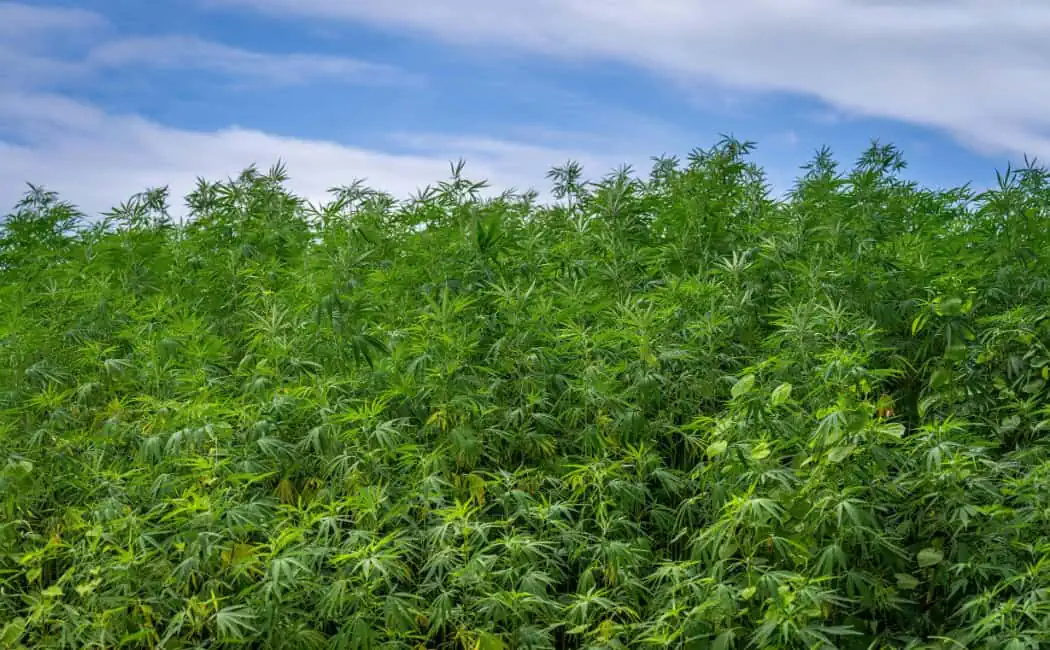
Consumers are paying closer attention to what's in their cannabis and how it is grown.
Some cannabis is grown using organic methods, while a lot of it isn’t.
Knowing the difference can help you make better choices when it comes to quality, safety, and overall experience.
What Does “Organic” Mean for Cannabis?
In general, “organic” means a product is grown without synthetic chemicals, including:
- Pesticides
- Herbicides
- Chemical fertilizers
- Growth regulators
Instead, organic growers rely on:
- Natural compost and soil amendments
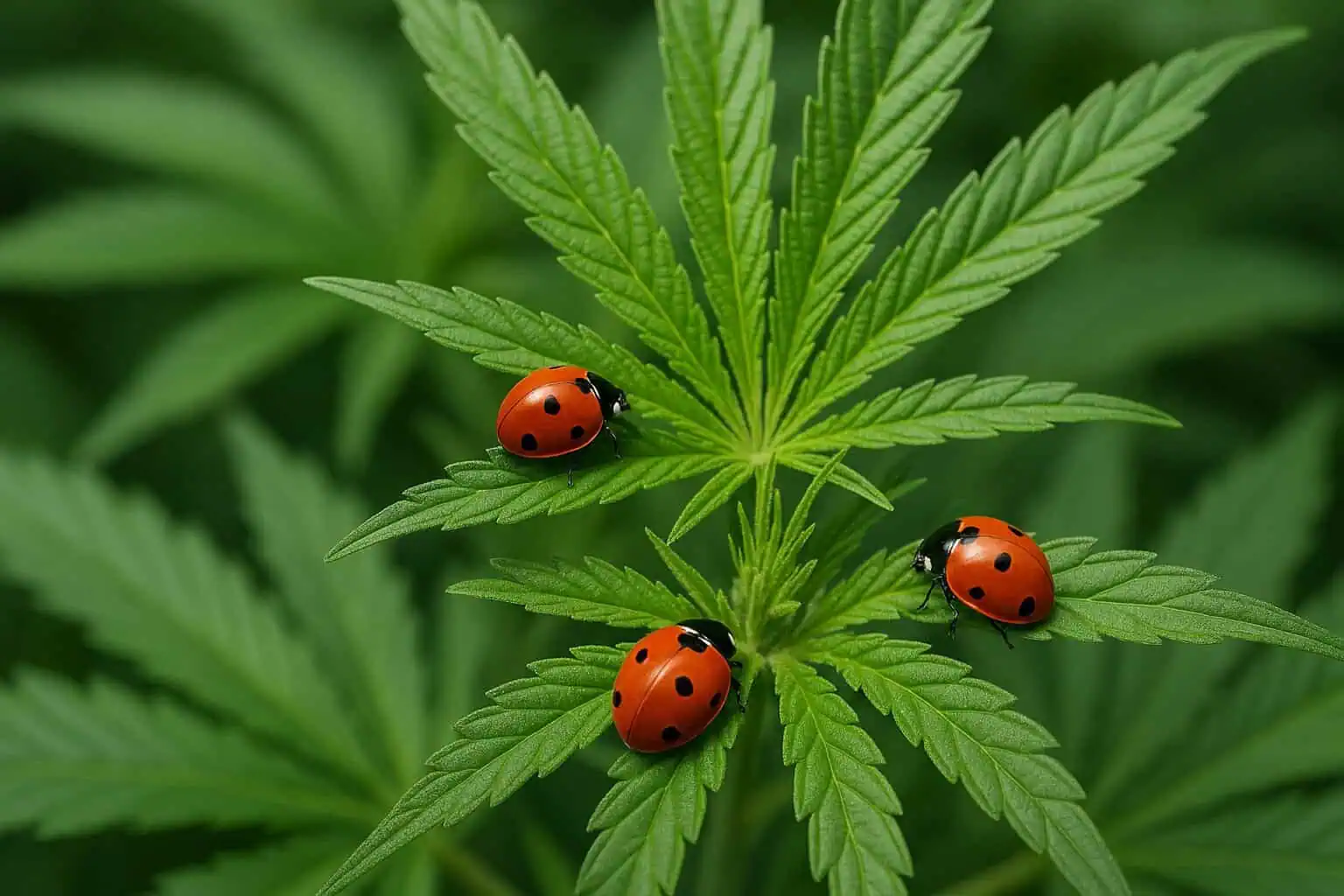
- Beneficial insects (like ladybugs)
- Organic pest control methods
- Living soil ecosystems
Why Most Weed Isn’t Technically “Organic”
Cannabis cannot officially be labeled “USDA Organic.” Because cannabis is still federally illegal in the U.S., it is not eligible for certification by the USDA.
So even if a grower follows organic practices perfectly, they can’t legally use the official “organic” label.
Growers use alternative terms like:
- “Organically grown”
- “Clean green certified”
- “Pesticide-free”
- “Sun-grown”
- “Living soil cannabis”
One of the most respected third-party certifications is the Clean Green Certification, which follows standards similar to organic farming.
Organic vs. Non-Organic Cannabis
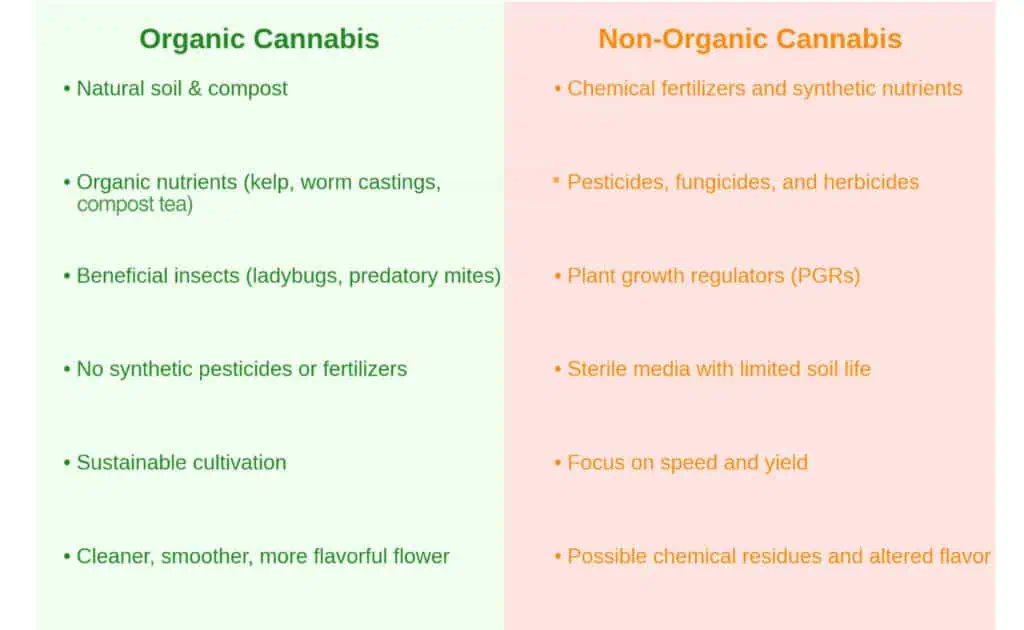
Organic cannabis has many pro's:
- Grown in natural soil
- No synthetic chemicals
- Usually sun-grown
- Rich terpene profile
- More environmentally friendly
Non-organic usually has these qualities:
- Often grown hydroponically
- Uses synthetic chemicals
- May include pesticides
- Highly controlled environments usually indoor grows
- Can produce larger yields
Is Organic Weed Better?
It depends on your priorities, but here’s how they compare:
Health
Organic cannabis reduces exposure to harmful residues from pesticides and chemicals.
Flavor & Aroma
Many consumers report that organic weed has:
- Stronger terpene profiles
- Better taste
- Smoother smoke
Environmental Impact
Organic growing methods:
- Protect soil health
- Reduce chemical runoff
- Support biodiversity
How to Tell If Your Weed Is Organic
Since there’s no official label, you’ll need to look a little deeper:
1. Ask the Dispensary
Budtenders often know:
- Growing methods
- Whether pesticides were used
- The farm or brand’s reputation
2. Check Lab Results (COAs)
Look for:
- Pesticide testing
- Heavy metals
- Residual solvents
3. Look for Certifications
Such as:
- Clean Green
- State-level “pesticide-free” standards
4. Research the Brand
Some brands are known for organic practices and transparency.
What About “Natural” or “Premium” Weed?
Be careful, these terms can be misleading.
- “Natural” – doesn’t guarantee anything
- “Premium” – often refers to potency or appearance, not growing method
Always verify with lab tests or grower information.
Indoor vs. Outdoor: Does It Matter?
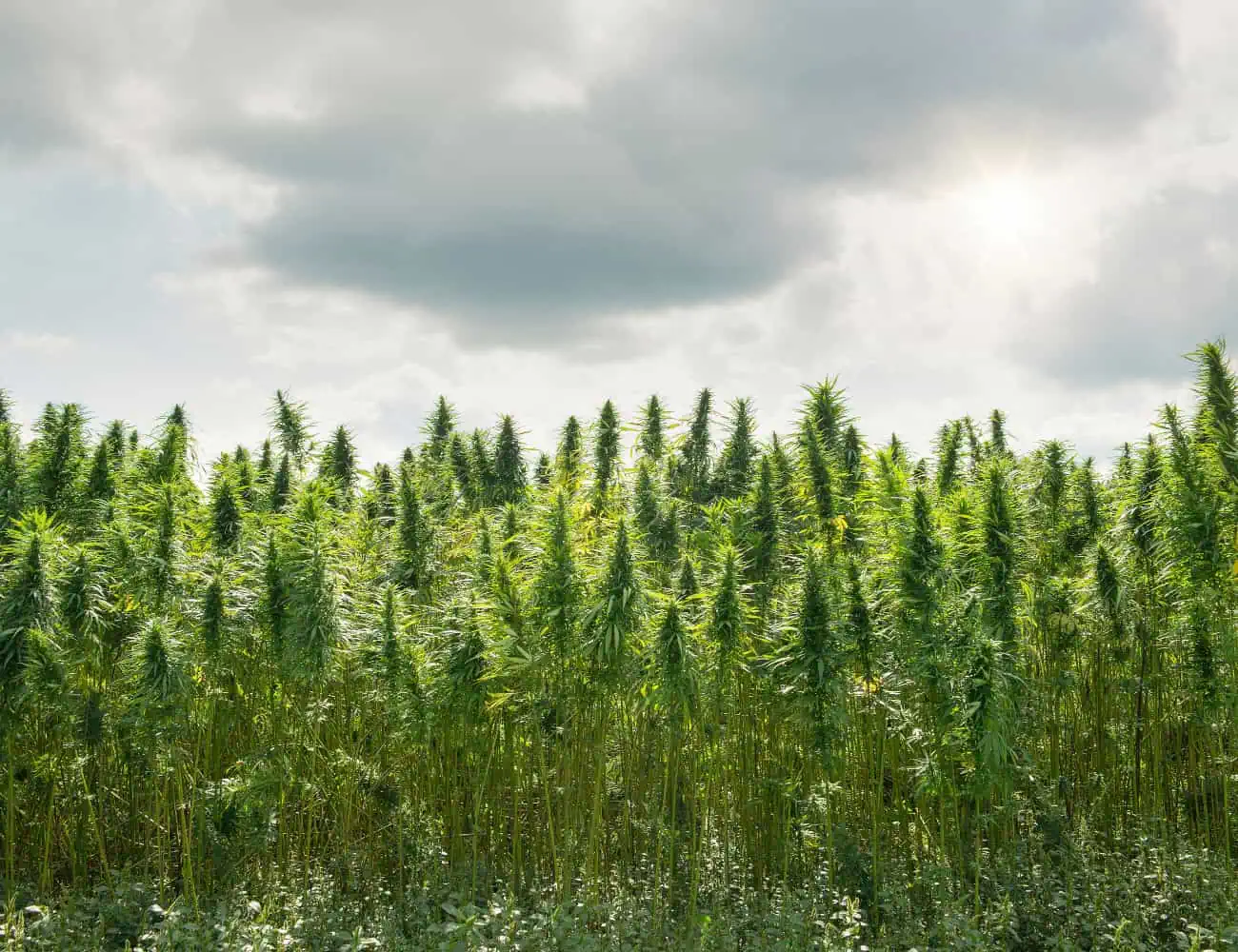
- Outdoor (sun-grown) cannabis is more likely to be organic
- Indoor cannabis can still be organic—but often uses synthetic nutrients
Neither is automatically better, it comes down to how it’s grown, not where.
Final Verdict: Is Weed Organic?
Organic cannabis is all about cleaner inputs, better flavor, and a more natural growing process.
As legalization evolves, we may eventually see true federal organic certification, but for now, it’s up to consumers to stay informed.

Gavin Kushman
Gavin is a worldly adventurer and cannabis connoisseur, embarking on journeys that take him to the far corners of the globe to explore and document the varied effects, flavors, and histories of both renowned and lesser-known strains. From the misty high-altitude farms of the Hindu Kush highlands to the vibrant cannabis cafes of Amsterdam, Gavin's quest for knowledge spans continents. A recognized authority in the cannabis industry, he frequently lends his expertise to leading publications such as Cannabis Training University, where his captivating blog articles chronicle his unique experiences with different cannabis strains.

 Jeff was involved in an accident where he endured a traumatic brain injury. He had a week-long stay in ICU where brain surgeons
  100% risk free money back guarantee within 48 hours after purchase if student has not completed any of the courses or exams.
