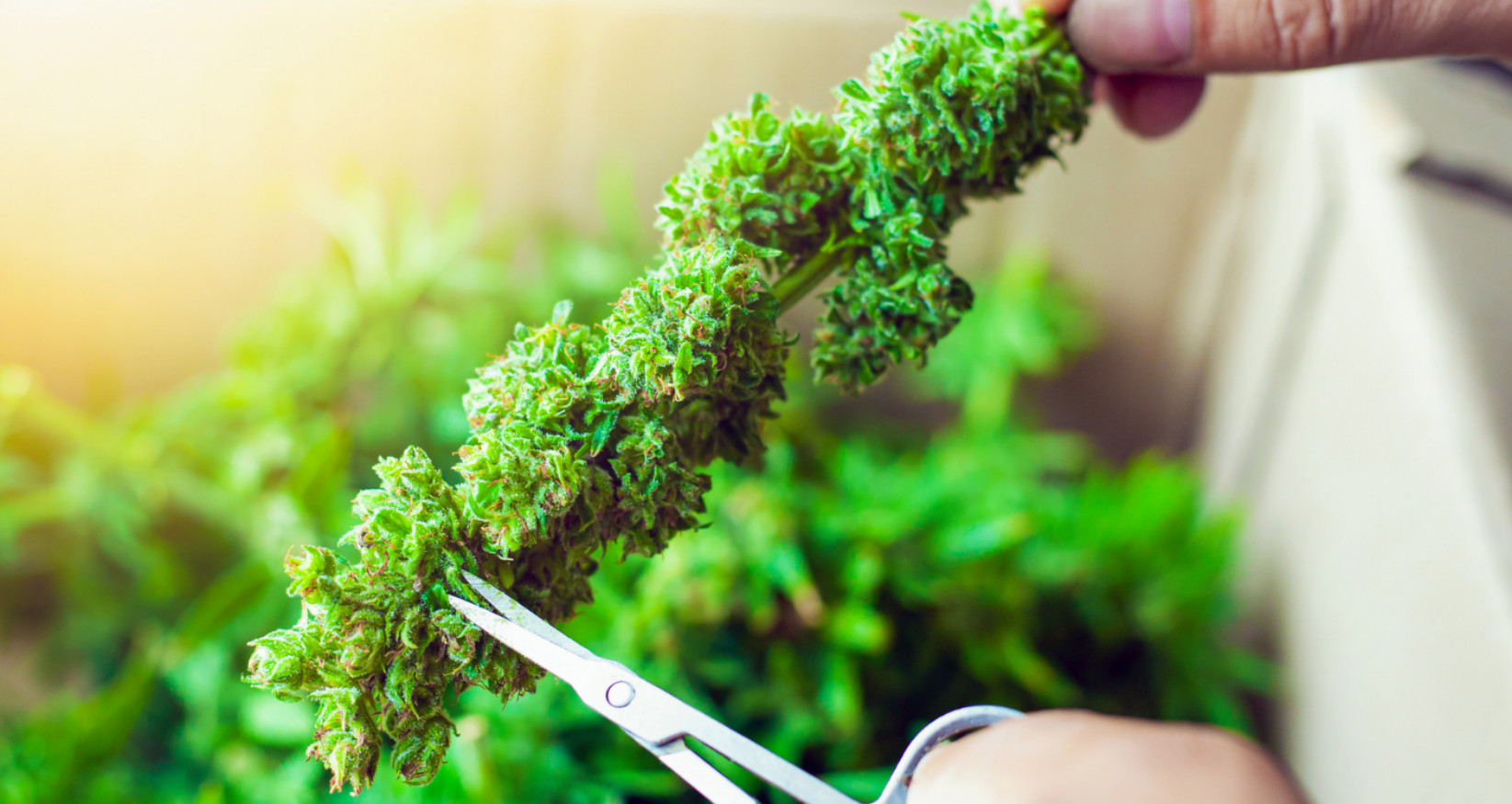
A hydroponics growing system is a method of growing plants without soil, using a nutrient-rich water solution to deliver essential minerals directly to the roots. These systems offer many advantages, including resource efficiency, environmental sustainability, and the ease of indoor gardening.
Many cannabis growers choose hydroponic systems as their way to grow cannabis indoors. Plants grown hydroponically often experience faster growth, leading to higher yields and quicker harvests compared to traditional soil methods.
Hydroponic systems are suitable for growing a variety of crops, including cannabis, herbs, and even fruits, making them versatile for those who want to grow herbs or grow fruits indoors.
There is nothing new about hydroponic growing and the practice has a long history, so this method is not exactly modern, just less common among home cultivators. Indoor hydroponics allows for growing plants indoors year-round, especially in limited or small spaces, and these systems use less space than traditional soil gardening.
While hydroponic systems are ideal for small or limited spaces, those with more space may still prefer traditional soil-based growing outdoors. In this article, we will review some of the best hydroponic systems for different needs and environments.
Grow it right the first time
Stop guessing. Learn to grow from seed to harvest.
The Indoor & Outdoor Cannabis Growing Certificate covers nutrients, pH, lighting, pests and harvest, with video lessons and a certificate when you finish.
See the Growing Certificate →Free Cannabis Cultivation Guide (ebook)IACET-accredited · 7-day money-back guarantee
Growing hydroponic cannabis means cultivating cannabis plants using hydroponic systems, where the plant’s roots are suspended in a nutrient-rich solution instead of traditional soil. This approach allows growers to precisely control the growing environment, including the delivery of nutrients, water, and oxygen directly to the roots.
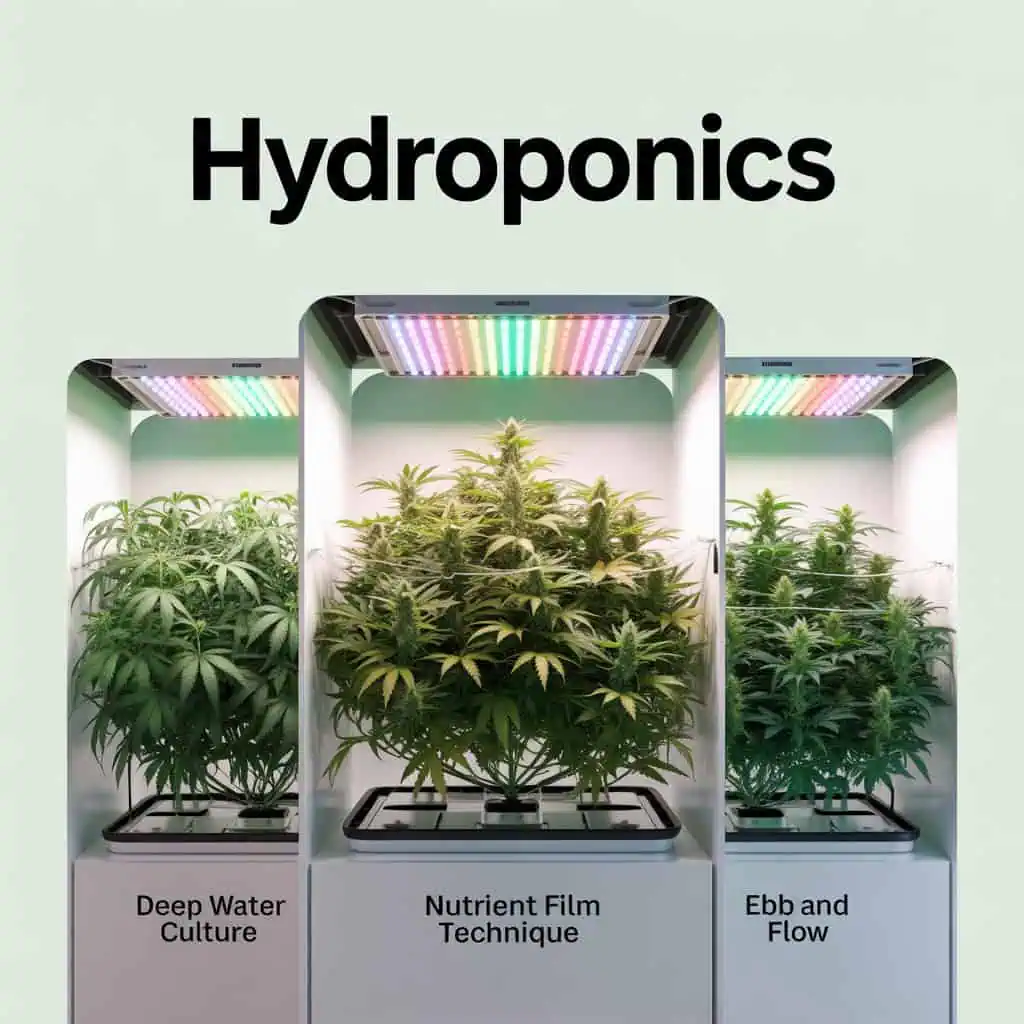
By using hydroponic systems such as the nutrient film technique (NFT) and deep water culture (DWC), both commercial growers and hobbyists can achieve faster plant growth, higher yields, and more consistent results.
These systems eliminate many of the variables associated with soil, making it easier to monitor and adjust nutrients and environmental factors for optimal plant health. As a result, hydroponic cannabis cultivation is becoming increasingly popular for those seeking efficient, high-quality production.
Selecting the best hydroponic system for your garden depends on your goals, available space, and experience level with hydroponic gardening. Consider what types of plants you want to grow—whether it’s cannabis, herbs, or leafy greens—and how much space you have for your setup.
Look for hydroponic systems that are easy to assemble, maintain, and expand as your gardening needs grow. Key factors to evaluate include the type of growing medium, the nutrient solution delivery method, and the level of automation the system offers.
Popular options like ebb and flow systems, NFT systems, and DWC systems are well-suited for growing herbs and leafy greens, offering reliable nutrient delivery and efficient use of space. Energy efficiency is also important; choose grow lights such as LED lights or high-intensity discharge (HID) lights to ensure your plants receive optimal light for growth while keeping energy costs low.
By considering these factors, you can find the best hydroponic system to support healthy, vigorous plant growth in your indoor garden.
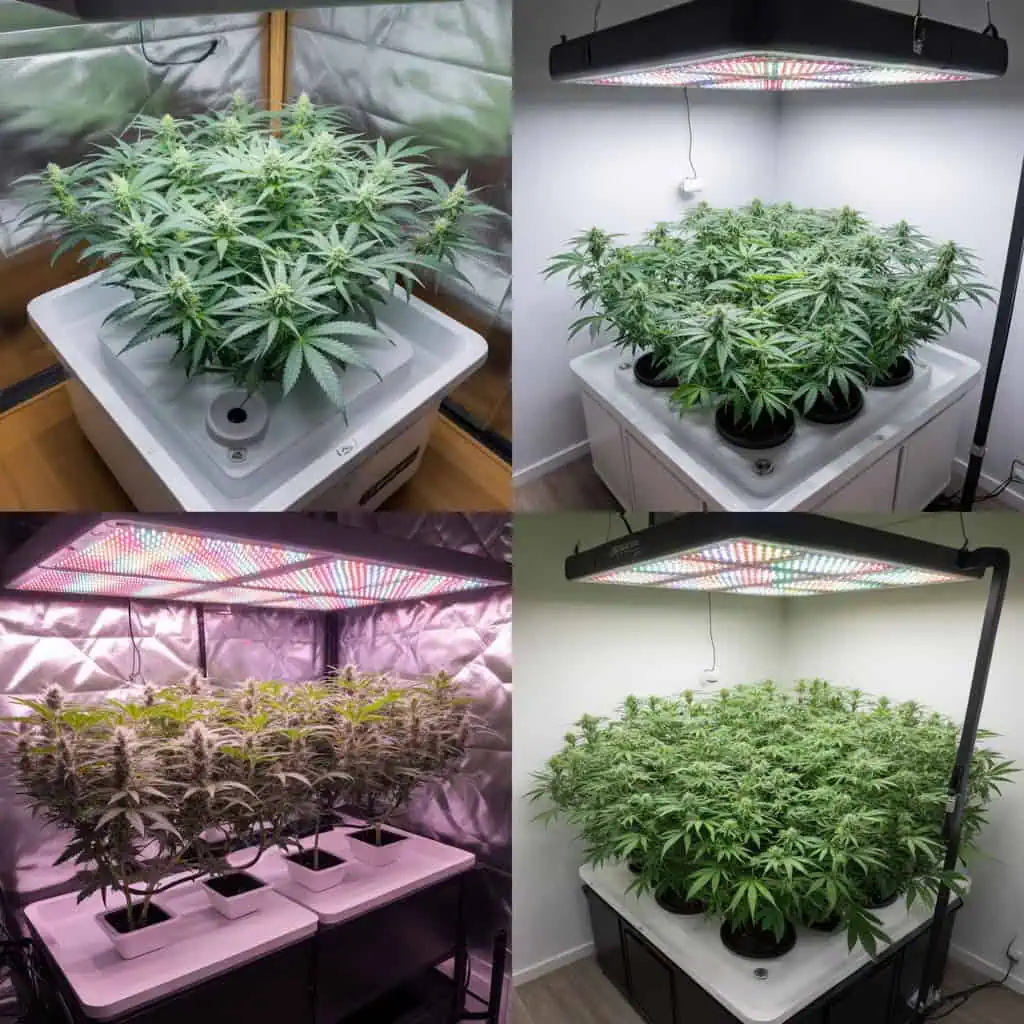
The process of hydroponic cultivation is growing plants in nutrient solutions, usually with an inert medium like coco coir or gravel to provide support. Proper planting techniques, such as inserting seeds into substrates or sponges and ensuring correct seed placement, are important in hydroponic systems to ensure successful germination and growth.
Although some sort of medium is usually used, plants can actually grow straight into the nutrient-rich water, with only the roots submerged.
Growing this way makes it easy to evaluate water quality and make nutritional adjustments quickly if needed. This level of control over the growing environment enables optimal growth and maximizes the quality and quantity of produce.
There are a variety of nutrients on the market, including organic solutions, that are appropriate for growing hydroponic cannabis and were designed specifically for this purpose.
Like some soil nutrients, some hydroponic nutrients have additives that automatically adjust water pH, making meter readings and adjustments unnecessary.
The legal cannabis industry is divided when it comes to which method to use for the best products and highest profits, but both growing methods are alive and well on the commercial level.
Since growing is possible year-round indoors and hydroponic growing is an indoor endeavor the vast majority of the time, indoor commercial cannabis growing will probably see an increase in hydroponic use. The growing cycle can be managed more precisely indoors, allowing for consistent harvests and easier system maintenance.
Soil growing is more flexible and can easily occur either outdoors or indoors, so the use of soil is probably more widespread overall when it comes to commercial cultivation. Growing in soil also allows growers to grow outdoors during the warmer months, which can be more practical and cost-effective for those with more space.
Some hydroponic systems allow growers to use their own seeds, providing flexibility and customization in the types of plants cultivated.
Here we give you a look at seven hydroponic grow systems that will help you maximize yield.
Also referred to as flood and drain, ebb and flow is a popular form of hydroponics because it is easy to use, reliable and forgiving. Ebb and flow systems use an inert medium to anchor the roots and support the plants.
The plants receive water and required nutrients from an aerated hydroponic solution, which alternately floods then drains from the plants. To maintain proper water flow and optimal nutrient delivery, users need to routinely add water to the reservoir as part of regular system maintenance.
There are two types of ebb and flow hydroponic systems:
If you plan to re-use the system or its substrates in closed loop recirculating setups, it is important to clean and sanitize all components to prevent pathogen buildup and maintain system health.
Ebb and flow systems are very flexible, generally low-cost and have few practical drawbacks.
Three recommended ebb and flow systems:
Aeroponic systems rely on an air or mist environment without the use of soil or a medium. This type of grow system is not very forgiving and must be monitored closely. In aeroponic setups, oxygen and nutrients are delivered directly to the plant’s roots, ensuring they receive optimal aeration and support for healthy root development.
Normally closed cell foam or similar product is compressed around the lower stem to support the plant during growth, additional support such as a trellis may also be used to support the growing plants.
Because of the sensitivity of plant root systems, aeroponics is often combined with conventional hydroponics as an emergency backup nutrition and water supply for if the aeroponics system fails.
Two recommended aeroponic systems for cannabis growing are:
This is a very simple hydroponic growing system where the nutrient enriched water system is placed higher than the plants and the water is allowed to flow to the plants by gravity alone and drains to waste or to a catch system for reuse.
This type of hydroponic irrigation system does not need electrical power or pumps, but relies on rather manually or naturally placing the nutrient enriched water reservoir higher than the plants.
This type of hydroponic system most often uses a fibrous mat suspended over a nutrient rich reservoir with a strip of the mat or a wick extending down into the water to draw nutrient-rich water up into the plants.
The plants can also sit on top of the mat or use a wick system to draw the nutrient water up into the plants root system. Mustard greens, swiss chard, and other leafy greens are well-suited for growing in this type of system, making it a versatile choice for cultivating a variety of crops.
This too is a very simple manual system that needs no external power sources, so it’s great for beginners to hydroponics.
In this type of hydroponic system the plants are suspended over an aerated nutrient rich reservoir with the roots hanging down into the water to draw up needed nutrients.
When preparing the nutrient solution for DWC systems, dissolve nutrient powders in warm water before adding them to the reservoir. This helps ensure the nutrients are fully dissolved and available for proper absorption by the plants.
DWC systems are ideal for beginners in hydroponics.
For water culture systems we recommend looking into products from Current Culture H2O.
We recommend you look into hydroponic gardening if you are interested in growing weed and want to know how to get the best yields from your plants.
There are many home systems available that are designed for easy setup and maintenance, making it simple to start your own hydroponic garden indoors. Some of these home hydroponic systems even allow you to plant your own seed, giving you more customization and variety in your indoor gardening.
Although most beginning marijuana growers choose soil for its ease of use and low entry cost, they usually switch to some type of hydroponic method as they get more comfortable with the process of growing marijuana indoors.
There are many grow-light options, and the best lighting choice largely depends on the size of the garden. For indoor hydroponic systems, artificial lighting is essential, especially in regions with limited natural light, such as northern climates. The quality and spectrum of artificial lighting, such as red and blue wavelengths, can significantly influence the amount and quality of produce grown indoors.
Placing systems near windows can help supplement artificial lighting with natural light, further benefiting plant growth. High-intensity discharge (HID) usually in the form of high-pressure sodium or metal halide, compact fluorescent lights (CFL), and light-emitting diode (LED) will all grow cannabis just fine, depending on the grower’s preference and needs.
This important and large piece of equipment will take up much of your growing space. The function of the table and its tray is to contain and return excess water to the reservoir.
The table will have a low point where water collects and travels back to the reservoir before circulating back to the plants again.
Growing hydroponically—or with soil—requires evaluating the water source used and making adjustments if necessary. Water adjustments may prove necessary with pH boosters and reducers.
Hydroponic nutrients are available in liquid and powder form. The majority of cannabis growers prefer organically grown flower, so organic nutrients are the best choice. Bottled nutrients are the easiest to use. There are organic options available—or as close as you can get to organic out of a bottle.
Although the plants are fed directly from the circulating water, a medium is necessary to provide mechanical support of the plants.
A variety of substances are commonly used, including coco coir, gravel, and clay pellets. Rock wool cubes make a good starting foundation for young plants when they first go into the system.
Depending on the scope of the cultivation project, a range of pot sizes will work. Something in the 2- to 7-gallon range should suit your needs.
This reservoir tank holds the water that circulates through the hydroponic grow system. The size of the tank depends on the size of the grow.
The air pump should always be running to guarantee the water is agitated and well oxygenated. You want the water to be oxygenated and moving.
The pump drives the water circulating through the system, so you want to make sure it’s high quality. Again, the appropriate pump largely depends on the number of plants grown. Generally speaking, the larger the size of the pump, the better.
Usually constructed of plastic, tubing will be necessary to keep water circulating throughout the system, moving it between the reservoir and the plants. The plastic tubing will eventually have holes drilled into it and serve as a drip line.
You will want at least one drip-line emitter per plant.
Keeping your hydroponic system in top shape is essential for producing healthy, hydroponically grown plants. Regular maintenance tasks include checking and adjusting the water level, monitoring the pH level, and ensuring nutrient levels are within the optimal range for your plants.
Clean your system frequently to remove plant debris and prevent disease problems that can lead to stunted growth. Inspect the water pump and other components to make sure they are working properly, and replace any parts that show signs of wear.
As your plants grow, provide them with a sturdy support structure and prune them as needed to encourage healthy development and airflow. By staying on top of these maintenance routines, you’ll help your leafy greens and other crops thrive, ensuring a productive and trouble-free hydroponic gardening experience.
Healthy plant roots are the foundation of successful hydroponic gardening. In hydroponic systems, plant roots are immersed in a nutrient solution that supplies all the nutrients and oxygen they need for vigorous growth. To prevent disease problems and stunted growth, it’s important to maintain a clean system and provide the right balance of nutrients.
Keep the water temperature between 65-75°F to support optimal root health, and avoid overwatering, which can cause root rot. Make sure your nutrient solution contains all the essential macronutrients and micronutrients, and monitor the roots regularly for signs of stress or disease.
By focusing on the health of your plant roots, you’ll enjoy robust, hydroponically grown plants with strong growth and high yields.
Modern hydroponic systems benefit greatly from automation and advanced technology, making it easier than ever to achieve optimal plant growth with minimal maintenance.
Automated features such as automatic lights, water pumps, and nutrient dosing systems can help you maintain consistent conditions for your plants, reducing the risk of human error and saving time.
Many hydroponic systems now include sensors that monitor water levels, nutrient concentrations, and pH levels, automatically adjusting them as needed for the best results. LED grow lights and other energy-efficient lighting options provide the right spectrum for plant growth while keeping energy use low.
Some systems even offer wireless connectivity, allowing you to monitor and control your hydroponic setup remotely. According to experts at Cornell University, these technological advancements make hydroponic gardening a highly efficient way to grow leafy greens, herbs, and other crops using less water and space than traditional methods.
By embracing automation, you can create a productive, low-maintenance hydroponic system that delivers impressive results year-round.
| System Type | Difficulty Level | Cost Range | Pros | Cons | Best For |
|---|---|---|---|---|---|
| Deep Water Culture (DWC) | Beginner | $50–$200 | Simple to set up, low maintenance, great for leafy greens | Roots can suffocate if air pump fails | Beginners & small home grows |
| Nutrient Film Technique (NFT) | Intermediate | $150–$400 | Efficient use of water/nutrients, continuous feeding | Roots prone to drying if flow is interrupted | Growers with some experience |
| Ebb and Flow (Flood & Drain) | Intermediate | $200–$600 | Flexible for many crops, scalable | Requires timers/pumps, risk of root rot if not maintained | Mid-sized setups |
| Drip System | Advanced | $300–$800 | Precise nutrient delivery, supports large plants | Clogs can occur, higher monitoring needed | Commercial & serious growers |
| Aeroponics | Expert | $500+ | Fast growth, efficient nutrient absorption, minimal water use | High upfront cost, technical failures impact plants quickly | Advanced growers & research setups |
| Kratky Method | Beginner | <$50 | Easiest, no electricity needed, very low cost | Limited to small plants, not scalable | First-time hydroponic hobbyists |
Here are current deals (2025) on hydroponic grow systems that caught my eye. These are real models you can (or likely can) order today. Use them for comparison or to spot bargains. Always double-check the price and stock before publishing.

LetPot MINI 5‑Pod Smart System
$44.99
Walmart – LetPot Garden

Indoor Hydroponic 10‑Pod System
$69.99

Active Aqua Root Spa 5‑Gal DWC
$46.49
Home Depot + others

LetPot 5.5L Smart Indoor Garden
$118.36
Home Depot + others

VEVOR 6‑Tier Vertical Tower
$159.99
VEVOR + others

AutoPot GeoPot 4 System
$258.20
AutoPot USA + others

OHHSUN 12‑Pod System
$44.99
Walmart

Wally 32 Wall Hydroponic System
$345.00
NatureTech USA + others
Here are some highlights + feature notes:
| # | Model & Brand | Deal Price (approx) | Key Features & Notes |
|---|---|---|---|
| LetPot MINI 5‑Pod Smart Hydroponics System | ~$44.99 | Compact, app / touch-control, automatic watering + LED – good starter system. | |
| Indoor Hydroponic 10‑Pod System | ~$69.99 | Larger pod count, full-spectrum LED, useful for growing herbs/greens in small spaces. | |
| Active Aqua Root Spa 5‑Gal DWC | ~$46-$55 | Classic deep water culture (DWC) bucket system. Simple, reliable for one or few plants. | |
| LetPot 5.5L Smart Indoor Garden | ~$118 | Smart indoor unit with 12 pods, app control, good middle ground between small and advanced. | |
| VEVOR 6‑Tier Vertical Tower | ~$149 | Vertical tower system (30 pods), great for tight footprint but larger production. | |
| AutoPot GeoPot 4 System | ~$217 | Modular system with fabric pots, low maintenance – good for growers wanting scalable design. | |
| OHHSUN 12‑Pod Hydroponics System | ~$44.99 | Budget 12-pod kit, LED + auto timer, good for herbs & small grows. | |
| Wally 32 Wall Hydroponic System | ~$345 | Wall-mounted system, ideal for vertical gardening on walls or small spaces. |
A hydroponics system allows plants to grow without soil, using nutrient-rich water instead. This method can speed up growth, increase yields, and save space compared to traditional soil gardening.
The most common types include deep water culture (DWC), nutrient film technique (NFT), ebb and flow (flood and drain), drip systems, and aeroponics. Each has its pros and cons depending on budget, space, and grower experience.
Hydroponics can produce faster growth and higher yields since nutrients go directly to the roots. However, soil systems are generally more forgiving for beginners and require less monitoring of pH and nutrient levels.
Small starter systems can cost under $100, while advanced setups with automation can run $500 to several thousand dollars. Many mid-range home kits fall between $150–$500.
Deep Water Culture (DWC) and Kratky systems are often considered the simplest for new growers because they require minimal moving parts and are inexpensive to set up.
:With proper nutrients, hydroponic plants can taste just as good as soil-grown ones. Some growers report slightly different flavor profiles due to variations in mineral uptake.
Generally, nutrient solutions should be replaced every 1–2 weeks, depending on the system size, plant type, and stage of growth.
Leafy greens (lettuce, spinach, kale), herbs (basil, cilantro, mint), strawberries, tomatoes, cucumbers, and peppers all thrive in hydroponics.
Yes. Many cannabis growers use hydroponics for faster growth, larger yields, and precise nutrient control, though it requires consistent monitoring.
The biggest challenges are maintaining proper pH, preventing algae and root rot, ensuring nutrient balance, and keeping systems sanitized.
CTU has used all types of methods for growing cannabis and over the years has found the greatest results as far as yield and quick harvest times with hydroponics instead of soil.
Although some people who grow marijuana prefer soil because it produces a better tasting bud and a better smoke, we advise anyone looking for large yields and quick turnarounds to consider growing hydroponically.
For more information on these types of hydroponic systems and to learn insider secrets from industry-recognized growers, enroll in CTU today, the leader in marijuana growing classes.
More in Growing

Check your state's cannabis laws

Indoor + outdoor growing careers
 IACET Accredited Provider · online cannabis education
Since 2009 • 50,000+ students trained worldwide
IACET Accredited Provider · online cannabis education
Since 2009 • 50,000+ students trained worldwide



Copyright Cannabis Training University, a subsidiary of Online Training Providers. © 2026. All Rights Reserved.
Medical Disclaimer: The information on this website is for informational purposes only and is not intended to be a substitute for professional medical advice, diagnosis, or treatment.
Always seek the advice of a physician or other qualified health provider with any questions you may have regarding a medical condition.
Legal Compliance: Cannabis remains federally illegal. Products and information are intended only for jurisdictions where cannabis use and possession is legal.
By using this site, you affirm that you are of legal age (21+) and responsible for understanding your local laws.