Updated October 2026
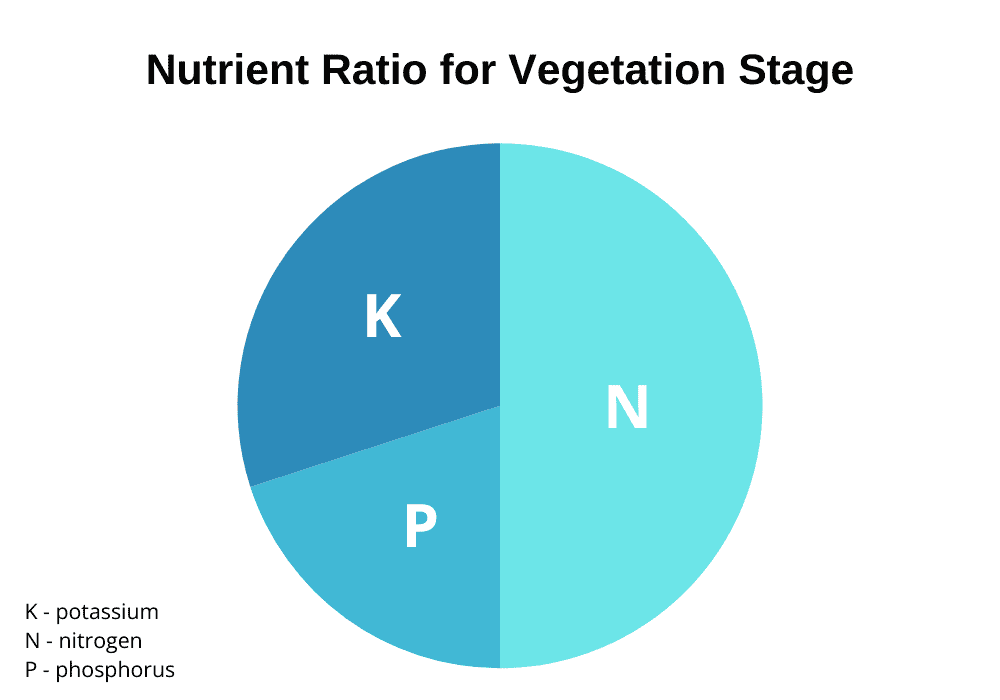
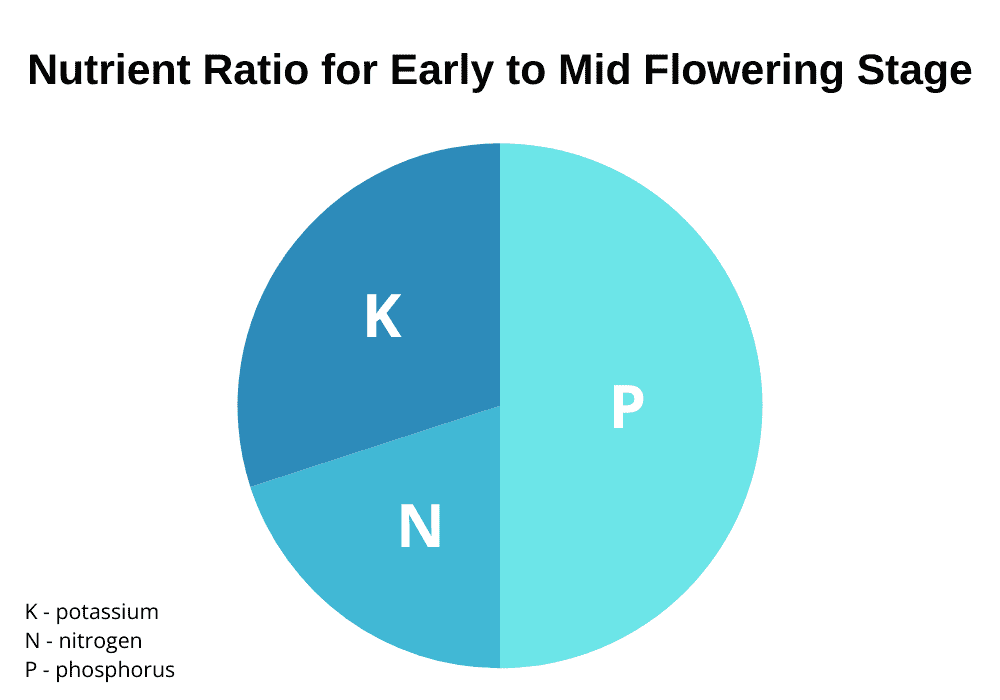
Cannabis plants need three main nutrients, nitrogen (N), phosphorus (P), and potassium (K), plus the secondary nutrients calcium, magnesium, and sulfur and small amounts of micronutrients such as iron, zinc, and manganese. Feed more nitrogen during the vegetative stage, then cut nitrogen back and keep phosphorus and potassium steady in flowering.
Exact needs vary with the strain, the growing medium, and the stage of growth. Here, we’ll help you choose the right nutrient mix for your plants and experience level, and show what recent research says about how much to feed.
Grow it right the first time
Stop guessing. Learn to grow from seed to harvest.
The Indoor & Outdoor Cannabis Growing Certificate covers nutrients, pH, lighting, pests and harvest, with video lessons and a certificate when you finish.
See the Growing Certificate →Free Cannabis Cultivation Guide (ebook)IACET-accredited · 7-day money-back guarantee
When it comes to growing cannabis in soil, it’s important to understand the difference between macronutrients and micronutrients.
Cannabis requires primary macronutrients (nitrogen, phosphorus, and potassium), secondary macronutrients (calcium, magnesium, and sulfur), and micronutrients (iron, manganese, zinc, copper, boron, molybdenum, chlorine, and nickel) for successful growth. Plants also take carbon, hydrogen, and oxygen from air and water.
Macronutrients are responsible for important functions such as photosynthesis, energy storage and transfer, and the development of strong roots and healthy foliage.
Micronutrients are responsible for functions such as enzyme production, chlorophyll formation, and overall plant metabolism.
Most commercially available potting soils have fertilizers and nutrients in them and will not usually require additional fertilizers during the first few weeks of growth. Check the bag: many mixes say how long their starter charge lasts. Soilless mixes such as coco coir and hydroponic systems have almost no nutrients, so plants there need feeding from the start.
Marijuana plants depend on a set of essential elements in varying amounts. Nutrients needed in large amounts are called macronutrients, while micronutrients are needed in small amounts.
Feeding your plant the right amount of nutrients at the right time can prevent deficiencies.

Nitrogen is a critical macronutrient during the growing stage, especially the vegetative stage. Nitrogen is part of chlorophyll, which lets the plant turn sunlight into energy, and it is needed to build proteins and the nucleic acids plant cells use to replicate.
Phosphorus is another essential macronutrient. It is part of ATP, the molecule plants use to store and move energy, and it supports root formation. Healthy roots are the foundation of strong cannabis stems, bud formation, and yield.
Potassium is known to aid in a plant’s water absorption. Potassium regulates the opening of the stomata, which are responsible for taking in CO2 and expelling water and oxygen. Potassium also activates many of the enzymes involved in photosynthesis and in moving sugars through the plant.
If you’re shopping for cannabis nutrient products, you’ll notice every bottle features three numbers such as 2-1-6, 5-0-1, 0-5-4, and so on. These numbers are the percentages of nitrogen, phosphorus (listed as P2O5), and potassium (listed as K2O), in that order.
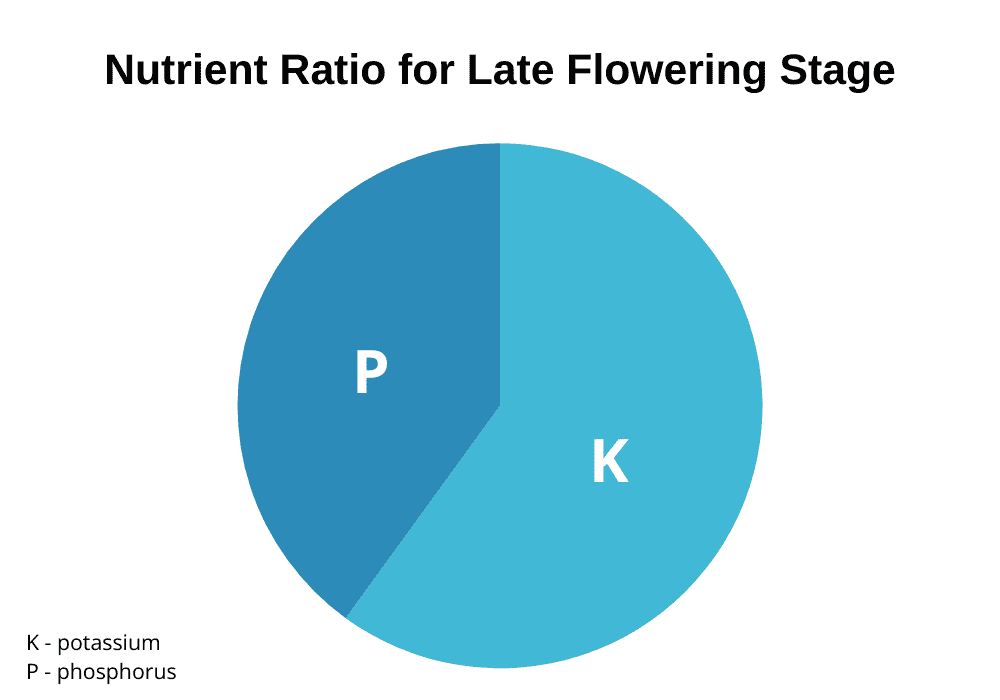
It’s important to buy the right NPK ratio for different stages of plant growth. During the vegetative stage, cannabis plants require a higher level of nitrogen. During the flowering phase, growers traditionally switch to a “bloom” formula with less nitrogen and more phosphorus and potassium.
Cannabis feeding has been studied more closely in the last few years, and the results suggest more is not always better:
These were controlled studies on a few cultivars, so treat them as guide rails, not exact recipes. Start with the label rate (or less), watch the plants, and adjust.
Magnesium is a secondary nutrient that sits at the center of every chlorophyll molecule, so the plant needs it to capture sunlight and make sugars for energy. Magnesium deficiency usually shows as yellowing between the veins of older, lower leaves while the veins stay green.
Calcium is another secondary nutrient, needed to build and support a plant’s cell walls and for healthy new growth and root tips. Because calcium moves poorly inside the plant, deficiency shows first on new leaves as brown spots or distorted growth. Coco coir and soft or filtered water often need a calcium-magnesium (“Cal-Mag”) supplement.
Sulfur, the third secondary nutrient, is needed for some amino acids and proteins. The essential micronutrients are needed only in trace amounts:
Silicon and cobalt are often listed with these, but they are “beneficial” elements rather than essential ones: plants can complete their life cycle without them.
Watch the plants closely for any changes or signs of nutrient deficiencies and disorders. Nutrient deficiencies in cannabis plants occur when the plant is not receiving, or can’t absorb, the nutrients it needs to grow and thrive. Often the nutrient is in the soil but locked out because the pH is off.
These deficiencies can manifest in various ways, including stunted growth, discoloration of leaves, and overall poor health. Some of the most common nutrient deficiencies in cannabis plants include the following:
It’s important to note that the symptoms of nutrient deficiencies can be similar to those caused by other issues, such as pests or diseases, so it’s important to properly diagnose the problem before attempting to treat it.
In addition, sometimes over-fertilization can lead to nutrient burn, which can cause similar symptoms as deficiency.

Fertilizers and amendments used in soil-based systems include organic materials (meals, manures, and plant products) and mineral or synthetic ones. Typical analyses below come from the University of Maryland Extension; check each product’s label, because values vary by batch and processing.
Ammonia – Anhydrous ammonia (NH3) is a gas containing 82% nitrogen. It is a synthetic farm fertilizer injected into field soil with special equipment, not a product for home or container growers, and it is hazardous to handle. Ammonium-based nitrogen in bottled nutrients is the form small growers actually use, and too much of it can burn plants.
Cottonseed Meal – A byproduct of oil extraction from cottonseed with a nitrogen content of about 6%. Generally, it is used as a slow-release nitrogen source in mixed fertilizers. It also supplies smaller amounts of phosphorus and potassium and tends to acidify soil slightly.
Blood Meal – Blood meal is a byproduct of the meatpacking industry and has a nitrogen content of about 12 to 13%. The nitrogen is available quickly, but it does little for the mechanical properties of the soil.
Urea – Urea is a synthetic white crystalline compound containing 46% nitrogen that soil microbes quickly convert to plant-available forms. This affordable form of nitrogen fertilizer is made from ammonia (NH3) and is easy to handle, store and transport, but it is strong enough to burn plants if overused.
Fish Emulsion – Fish emulsion is prepared from non-edible fish and waste from fisheries. It has about 4 to 5% nitrogen, with smaller amounts of phosphorus and potassium and some micronutrients. It acts quickly for an organic product.
Bone Meal – Two kinds: raw and steamed. Steamed bone meal has less nitrogen than raw, but more phosphoric acid. This material releases its nutrients slowly so it can be used without fear of injuring the crop.
Rock Phosphate – Mineral occurring in deposits throughout the world. Its effectiveness depends on how finely it is ground and on soil pH (it works best in acidic soil). It’s a slow-release fertilizer and it can take a long time to break down and become available to the plants.
Super Phosphate – A mineral source of phosphate used in complete fertilizers and as a direct treatment for soils low in phosphorus but well supplied with nitrogen and potassium. It is water-soluble and fast-acting, and it also supplies calcium and sulfur.
Slag – Finely ground byproduct of steel manufacture. Its free lime content makes it of special value in the reclamation of acid soils. It’s a slow-release fertilizer and it can help to improve soil structure.
Wood ashes – Rapidly absorbable form of potassium that will raise pH because it is alkaline. It’s important to be aware that wood ashes also contain high levels of salts that can be harmful if not used in moderation.
Seaweed – Kelp meal and liquid seaweed supply potassium and a range of micronutrients. Kelp meal also adds organic matter that helps soil hold water.
There are more cannabis growth supplements, bloom supplements and stimulants, root stimulators and additives available than can be easily described here.
All supplements and additives must be added with caution to prevent any nutrient disorders, over-fertilization or nutrient burns. We will provide an overview of what is commonly available.
Fulvic Acid – used as a growth stimulator. Fulvic acid is a natural acidic organic polymer that is extracted from humus found in soil, sediment, or aquatic environments.
Humic Acid – a principal component of humic substances, which are the major organic constituents of soil, peat, coal, many upland streams, lakes and ocean water. It is produced by biodegradation of dead organic matter. It is not a single acid; rather, it is a complex mixture of many different acids.
Gibberellic Acid – a hormone found in and extracted from plants. It is a naturally occurring plant growth regulator that makes stems stretch and can speed seed germination. In cannabis, breeders spray it on female plants to make them grow male flowers for producing feminized seed, so it is not a bud booster. Some state cannabis programs restrict plant growth regulators in licensed grows; check your state’s rules.
Amino Acid – the key elements are carbon, hydrogen, oxygen, and nitrogen. Amino acids are critical to life and have many functions in metabolism. One particularly important function is to serve as the building blocks of proteins.
Enzymes – proteins that speed up chemical reactions. Enzyme products for growers are sold to break down dead roots and organic matter in the root zone. There is little published research on them in cannabis.
Carbohydrates – plants need sugars and carbohydrates for energy during flowering and rapid growth, but they make their own through photosynthesis. Many growers add molasses or a bottled carbohydrate product anyway. Plant roots take up very little sugar from the soil.
What molasses mainly does is feed soil microbes, which can help in living organic soil. Claims that carbohydrate additives make buds sweeter or more aromatic have little published evidence behind them.
If you use one, look for a product that is organic and combines easily with the rest of the nutrients being used, and avoid adding sugars to hydroponic reservoirs, where they can feed unwanted microbes.
Silica Based Products – promote healthier and stronger plant growth. When the roots take up silica, it is deposited in the cell walls of the plant as a solid, rigid ‘quartz-like’ matrix. This produces a mechanically stronger plant with sturdier stems and leaves.
In many crops, silicon has been shown to improve tolerance to stresses such as heat stress or wilting, and to fungal diseases such as powdery mildew, partly because silica builds up in cell walls around the points of fungal attack. Research in cannabis specifically is still limited.
Add silica first when mixing a nutrient solution, because it raises pH and can react with other concentrates.
Vitamin Supplements – often sold as stress or transplant aids (for example, products containing vitamin B1). Plants make their own vitamins, and university horticulturists report that vitamin B1 on its own does not stimulate root growth or reduce transplant shock outside the lab (University of Arizona Extension), so treat these as optional.
Minerals – There are many minerals that are either required by the plant or are beneficial for its growth. Below are a few descriptions of minerals available for use.
Calcium – added to the nutrient solution (as calcium nitrate or Cal-Mag) or to soil (as gypsum or lime) when the water or medium is low in calcium. Lime also raises soil pH; gypsum does not.
Citric Acids – can be added as a chelator (binder) for improved availability and plant uptake of nutrients and fertilizers.
Sulfur Based Additives – supply sulfur for proteins and enzymes. Elemental sulfur is also used to lower the pH of alkaline soil slowly.
Mycorrhiza – this is the relationship between the plant roots and beneficial fungi. The fungi extend the root system and can help plants take up phosphorus and water, especially in soil that isn’t heavily fertilized. Results from commercial products vary.
There are many commercially available soil mixes online or at a local grow supply stores that have been specifically developed for growing cannabis both indoors and outdoors.
For the experienced grower who chooses to mix their own soil, consider using this as a starting point for creating cannabis grow medium (soil):
Add more if a deficiency occurs in flowering. It is highly doubtful that it will, but if it does, use a diluted foliar feed.
Apply as recommended per the manufacturer’s instructions.
It is recommended that all the ingredients be mixed together in a large barrel with a tight fitting lid, so as not to breathe in any dust or particles.
Roll the barrel around to mix the ingredients. If mixing the grow medium without a barrel with a lid and instead mixing the ingredients in an open container, a particle or dust mask must be worn.
Slightly moisten the ingredients to help avoid creating too much airborne dust and particles as the ingredients are mixed.
Cannabis requires three primary macronutrients: Nitrogen (N), Phosphorus (P), and Potassium (K). These are supported by secondary nutrients (Calcium, Magnesium, Sulfur) and micronutrients (Iron, Zinc, Boron, Manganese, Copper).
Organic nutrients come from natural sources like compost, bat guano, or worm castings and improve soil health.
Synthetic nutrients are lab-made, act faster, and allow precise control, but can accumulate as salts if not managed properly.
Yes. Overfeeding causes nutrient burn, which shows up as brown or yellow tips on leaves. It’s better to underfeed slightly than risk overfeeding.
Vegetative stage: Higher nitrogen for strong leaf and stem growth.
Flowering stage: Higher phosphorus and potassium to support bud development.
Yes. Hydroponic systems require nutrients to be fully water-soluble and balanced for direct root absorption, while soil grows benefit from nutrients that enrich microbial life.
Nitrogen deficiency is the most common, showing as yellowing of lower leaves. Magnesium and calcium deficiencies are also frequent.
Keep a nutrient log to track feeding schedules, amounts, and results. This helps identify what works best for your strain and environment.
Cannabis cultivation requires a deep understanding of nutrient management, feeding schedules, and troubleshooting deficiencies. Cannabis Training University (CTU) offers complete cultivation certification, covering:
Starting an indoor or outdoor cannabis garden can be a rewarding and fulfilling experience, but it is important to have a solid understanding of the plant’s specific nutrient requirements. At Cannabis Training University (CTU), you can learn the knowledge and skills needed to grow your own cannabis where home growing is legal (check your state’s law).
CTU offers a wide range of courses for individuals of all experience levels, from beginner to advanced. Whether you are interested in growing cannabis for personal use or for a commercial operation, CTU’s curriculum covers the training and resources to get started.
To learn how to grow robust, healthy cannabis plants from seed to harvest, enroll in Cannabis Training University’s marijuana courses.
More in Growing

Check your state's cannabis laws

Indoor + outdoor growing careers
 IACET Accredited Provider · online cannabis education
Since 2009 • 50,000+ students trained worldwide



Copyright Cannabis Training University, a subsidiary of Online Training Providers. © 2026. All Rights Reserved.
Medical Disclaimer: The information on this website is for informational purposes only and is not intended to be a substitute for professional medical advice, diagnosis, or treatment.
Always seek the advice of a physician or other qualified health provider with any questions you may have regarding a medical condition.
Legal Compliance: Cannabis remains federally illegal. Products and information are intended only for jurisdictions where cannabis use and possession is legal.
By using this site, you affirm that you are of legal age (21+) and responsible for understanding your local laws.