


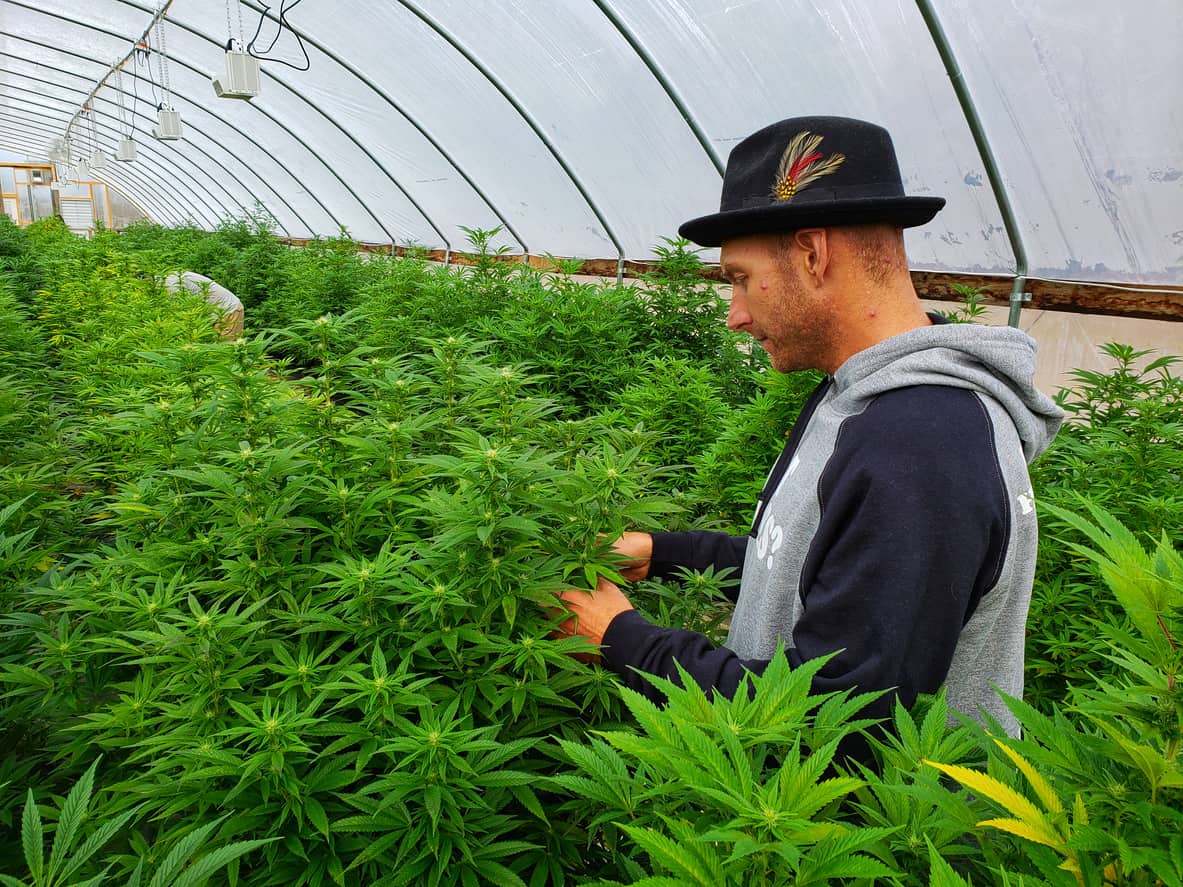
Designing and setting up a commercial weed grow room is no small task. The industry has matured, regulations are stricter, and competition is tougher than ever.
A weed grow room today needs more than just lights and fans. It requires careful facility planning, strict compliance with state regulations, and highly controlled environments that support healthy plants from seed to harvest.
Planning with your budget in mind is crucial to ensure you choose cost-effective solutions that meet your needs without compromising on quality or functionality.
This guide walks you through everything you need to know about creating a professional weed grow room. It's important to start with a clear idea or blueprint for your grow room layout and equipment placement to streamline setup and troubleshooting.
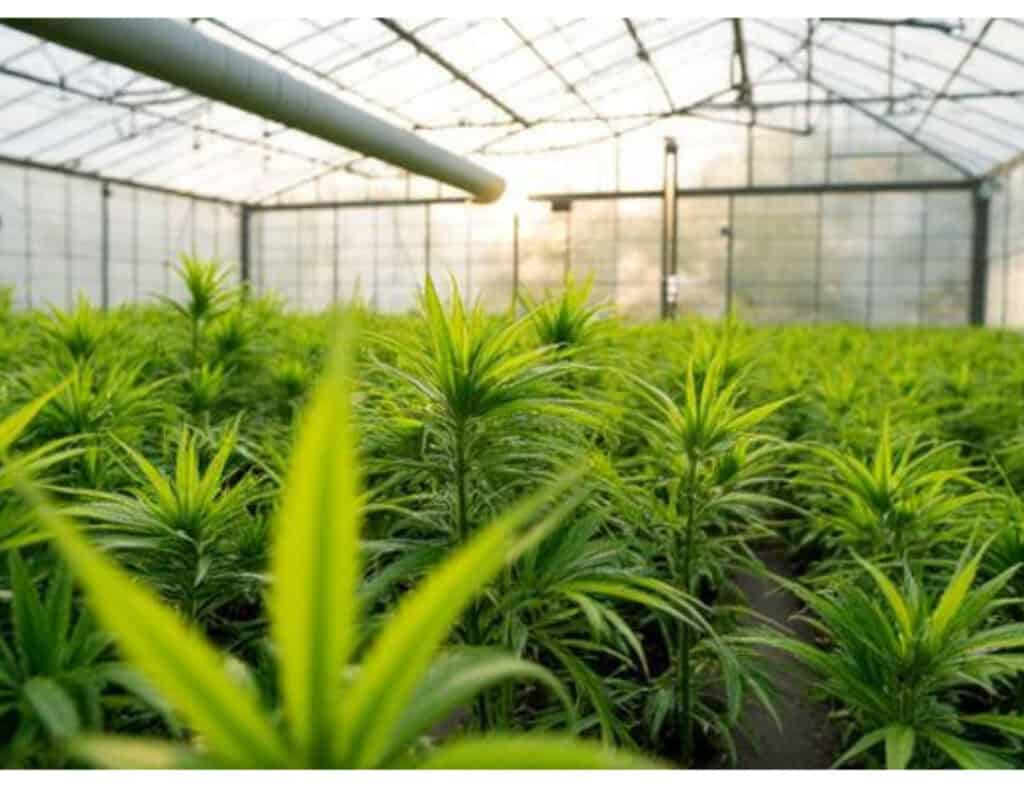
You'll also find guidance on how to find the best options for your specific needs and constraints. From licensing requirements and layout design to HVAC systems, staffing, and real-world grower case studies, this is your complete playbook for building a profitable and compliant grow operation.
Introduction to Commercial Cannabis Growing
Commercial cannabis growing is a sophisticated endeavor that demands meticulous planning and a deep understanding of both plant biology and regulatory requirements.
As the cannabis industry continues to expand, growers are under increasing pressure to maximize yields, maintain quality, and operate within strict legal frameworks.
At the core of any successful operation is the grow room—a carefully designed environment where every component, from lighting to temperature control, plays a vital role in the health and productivity of the plants.
Effective planning begins with a thorough assessment of available space and a clear vision for how to build a grow room that supports every stage of the plant’s life cycle. Growers must consider how to create an environment that not only meets the needs of the plants but also complies with all relevant regulations.
This includes designing for optimal lighting, maintaining precise temperature and humidity control, and implementing robust security measures to protect both the crop and the facility.
By focusing on these essential components and paying close attention to the details of grow room design, commercial growers can create an ideal environment that maximizes yields, minimizes the risk of pests and diseases, and ensures long-term success in a competitive market.
Understanding Regulations for Commercial Weed Grow Rooms
Before you think about equipment or layout, you need to understand the laws that govern commercial cultivation.
In Minnesota, indoor cultivators can grow up to 30,000 square feet of canopy space, while outdoor and greenhouse limits are measured in acres. Every state has its own canopy rules and licensing structure, so knowing the limits where you plan to operate is critical.
To apply for a cultivation license, you’ll need to submit detailed facility diagrams. These must include grow room layouts, canopy sizes, lighting and HVAC design, security systems, odor control, and waste disposal procedures.
Regulators want proof that you can manage the operation responsibly and sustainably. Regulators will also determine whether your proposed setup meets all compliance and operational requirements.
Skipping this step or submitting vague plans can lead to long delays or denials. That’s why most successful operators hire architects and engineers who specialize in weed grow room design and compliance.
Plant Selection and Genetics
Choosing the right plant genetics is a foundational decision for any commercial cannabis grower. With a vast array of strains available, each offering unique characteristics in terms of yield, potency, and resistance to pests or diseases, the selection process can significantly impact the overall success of the crop.
Growers must evaluate which plants are best suited to their specific facility, taking into account factors such as lighting conditions, available space, and the level of environmental control they can achieve.
High-quality seeds or clones are essential for producing consistent, high-yielding crops. It’s important to select genetics that align with the operational goals of the facility—whether that’s maximizing yield, producing a specific cannabinoid profile, or ensuring resilience against common growing challenges.
Some strains thrive under intense lighting and controlled environments, while others are more adaptable to fluctuations in temperature or humidity.
By carefully matching plant genetics to the unique conditions of their grow room, commercial growers can optimize plant health, streamline the growing process, and consistently produce top-tier cannabis that meets market demands.
Designing Your Weed Grow Room for Efficiency and Scale
A good commercial weed grow room is efficient, scalable, and designed with yield in mind.
A common mistake new operators make is trying to maximize canopy space without leaving room for workflow. While you want as much space for plants as possible, you also need clear aisles, service corridors, and designated walkways to optimize workflow and accessibility, ensuring easy access to every plant.
Most experts recommend dedicating around 70% of the floor area to canopy and the remaining 30% to staff movement, utilities, and equipment. This balance allows for strong yields while keeping the operation manageable.
Vertical growing is another popular strategy. By stacking plants in multiple tiers under LED lighting, you can increase yield per square foot dramatically. This is especially effective in urban grow rooms where space is limited. Grow tents of various sizes can also be used to maximize efficiency in smaller or modular spaces.
Finally, design with expansion in mind. Regulations and markets change quickly. If you build a modular weed grow room with a complete set of scalable HVAC, movable benches, and adjustable lighting, you can adapt without tearing everything down.
This approach also allows you to easily upgrade your setup with additional lighting or climate control as your operation grows.
Workflow and Layout of a Commercial Weed Grow Room
The flow of a weed grow room should follow the life cycle of the cannabis plant.
Most commercial facilities separate the following areas:
- Clone and seedling room
- Vegetative room
- Flowering room
- Drying and curing room
- Packaging and storage area
By keeping these zones separate, you reduce contamination risks and make it easier to control temperature and humidity for each growth stage.
Workflow should also be designed for efficiency. The entire process should be organized as a logical line that follows the plant's life cycle from cloning to packaging, ensuring smooth movement through each stage without backtracking. Staff should be able to enter clean areas first, then progress toward “dirtier” areas like processing and storage. This reduces the risk of pests and disease spreading across rooms.
Accessibility is also critical. Every plant should be reachable for watering, pruning, training, or inspection. If employees have to climb over plants or equipment, the design needs adjustment.
Climate Control and HVAC Systems

A weed grow room lives or dies by its climate control.
Cannabis plants are extremely sensitive to environmental stress. Temperature, humidity, and airflow all need to be tightly managed to keep plants healthy and productive. Incorporating effective cooling solutions is crucial to maintain optimal growing conditions and prevent heat stress.
Daytime temperatures should be kept between 68–82°F. Nighttime temperatures can drop slightly, ideally 58–70°F, to encourage terpene production and healthy growth.
Humidity should vary by stage. Seedlings and vegging plants prefer higher relative humidity (60–70%). Flowering plants need lower humidity (40–50%) to reduce the risk of mold and powdery mildew.
Commercial HVAC systems must be designed specifically for cultivation. Standard air conditioners are not strong enough to handle the heat from grow lights and the massive transpiration from thousands of plants. A high-quality exhaust fan should be included as part of the ventilation system to ensure proper airflow and temperature regulation.
Redundancy is essential. A single HVAC failure in a large grow can wipe out millions of dollars in crops. Backup systems and generators are standard in any professional weed grow room.
Odor management is another must-have. Carbon filters, air scrubbers, and negative air pressure systems keep odors inside the facility. Proper venting, including ducting and airflow management, is necessary to ensure air quality and temperature control. Many municipalities require odor mitigation plans as part of the licensing process.
Lighting, Irrigation, and Nutrient Delivery
The backbone of any high-performing commercial grow room lies in its lighting, irrigation, and nutrient delivery systems. These components work together to create the ideal environment for vigorous plant growth and abundant yields.
Modern LED grow lights are a popular choice among commercial growers, offering precise control over light spectrum and intensity while minimizing heat output and energy costs. This allows growers to tailor lighting conditions to the specific needs of their plants at each stage of growth.
Efficient irrigation systems are equally important, ensuring that every plant receives the right amount of water and nutrients at the right time.
Automated systems can be programmed to deliver water and nutrients with pinpoint accuracy, reducing waste and preventing issues like overwatering or nutrient deficiencies.
Nutrient delivery must be carefully managed, with balanced formulas that support healthy root development, robust vegetative growth, and optimal flowering.
By integrating advanced lighting, irrigation, and nutrient delivery systems, commercial growers can create a highly controlled environment that maximizes plant health, accelerates growth, and leads to consistently high yields.
Pest Control Strategies for Commercial Weed Grow Rooms
Protecting a commercial grow room from pests is essential to safeguarding both yield and quality. Pests can quickly infiltrate a facility and devastate entire crops if not managed proactively.
Successful cannabis growers implement integrated pest management (IPM) strategies that combine multiple layers of defense.
Physical barriers such as screens and filters help prevent pests from entering the grow room, while strict sanitation protocols reduce the risk of contamination and spread.
Regular monitoring of plants is crucial for early detection of pest issues. Growers should inspect their crop frequently and be prepared to respond swiftly with targeted interventions if pests are found.
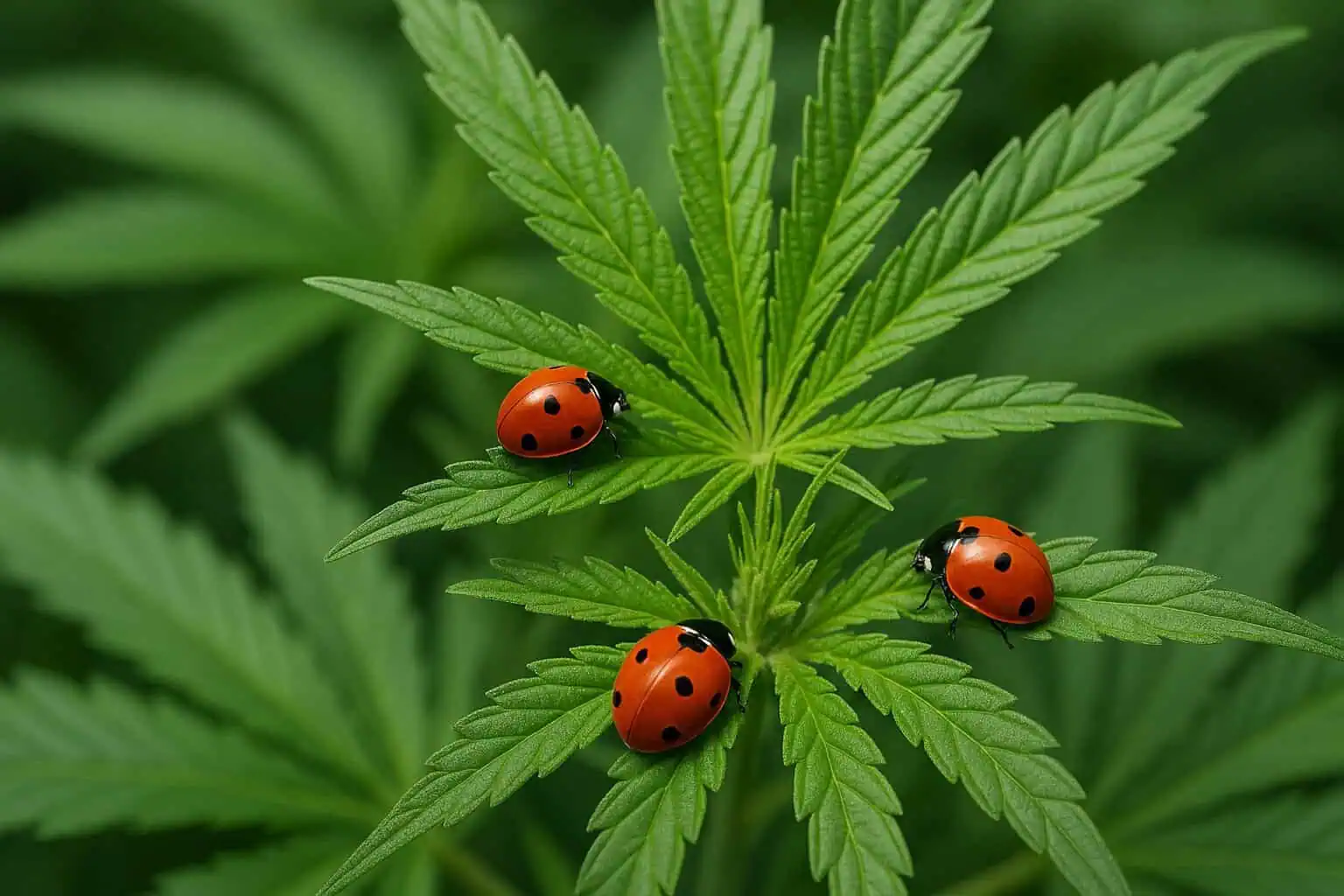
This might include introducing beneficial insects, applying approved treatments, or adjusting environmental controls to make the room less hospitable to unwanted invaders.
By prioritizing pest control and maintaining a clean, well-managed grow room, commercial growers can minimize crop losses, maintain a healthy growing environment, and ensure the ongoing success of their operation.
Technology, Automation, and Data Analytics
In today’s competitive cannabis industry, technology, automation, and data analytics are transforming the way commercial grow rooms operate.
Automated systems now allow growers to precisely control lighting, temperature, humidity, and other environmental factors, creating the perfect conditions for plant growth while reducing the need for constant human intervention.
These systems can respond in real time to changes in the environment, helping to prevent issues before they impact the crop.
Data analytics play a crucial role in optimizing every aspect of the grow operation. By tracking key metrics such as yield, energy usage, and plant health, growers can identify trends, pinpoint inefficiencies, and make data-driven decisions that improve productivity and profitability.
Advanced technologies like artificial intelligence and machine learning are also being used to predict potential problems and recommend adjustments to maximize yield.
For commercial growers, staying up-to-date with the latest advancements in technology and automation is absolutely essential. By embracing these tools, growers can create more efficient, scalable, and resilient operations that are well-positioned to thrive in the evolving cannabis space.
Security, Safety, and Compliance
A commercial weed grow room must meet strict security and safety standards.
Security systems typically include 24/7 surveillance cameras covering every room and access point. Entry is restricted with keycards or biometric systems, and video recordings must often be stored for 30 to 90 days.
It is crucial to select a secure door with appropriate locking mechanisms to enhance security and privacy. Sensitive areas should always be kept locked to prevent unauthorized access.
Alarm systems, motion detectors, and secure storage areas are also required. Regulators want to ensure cannabis doesn’t get diverted to the black market.
Worker safety is just as important. Fire suppression systems, CO₂ monitors, and emergency ventilation must be installed. Staff should have access to sanitation stations, changing rooms, and equipment sterilization areas.
Finally, compliance is ongoing. States require seed-to-sale tracking, regular inspections, and strict recordkeeping. Your weed grow room must be designed with these systems in mind.
The people who run your grow room are as important as the equipment you install.
A commercial grow operation typically requires:
- Cultivation technicians
- Head growers/master growers
- Compliance officers
- Trimmers and processors
- Security staff
- HVAC and maintenance staff
- Packagers and distributors
Hiring people with cannabis experience is a plus, but training is essential for everyone. Certifications from trusted cannabis training programs prepare employees for specialized roles and ensure compliance knowledge.
A commissioning phase before the first planting is strongly recommended. This involves testing lighting, HVAC, irrigation, and security systems under simulated conditions to make sure everything works as planned. Ensure all systems are ready and fully operational before starting your first crop.
Equipment Recommendations
A commercial weed grow room should be outfitted with professional-grade equipment, including:
- Full-spectrum LED lighting systems with adjustable spectrums
- HVAC systems designed for large-scale cultivation
- Commercial dehumidifiers and CO₂ systems
- Automated irrigation and nutrient delivery systems
- Hydro systems or hydroponic equipment for advanced growers seeking efficient water and nutrient management
- Rolling benches or movable tables for canopy flexibility
- Carbon scrubbers and air filtration systems
- Backup generators and redundant systems
- Facility management software for compliance and workflow tracking
For those looking for a turnkey solution, consider purchasing a complete set of components or a modular equipment package that can be easily expanded as your operation grows.
Large-scale commercial grow rooms require tons of materials and equipment, from electrical cables to environmental controls, highlighting the complexity and scale of these operations.
Monitoring systems that provide real-time data on temperature, humidity, and CO₂ are also essential. These allow growers to catch problems early and make immediate corrections.
Quick Checklist for Compliance
Every weed grow room should meet these minimum standards:
- Licensed canopy layout and facility diagram approved by regulators
- HVAC and dehumidification capable of managing plant transpiration loads
- Redundant systems for power, climate control, and irrigation
- Odor mitigation plan with scrubbers or air filtration
- Secure access control and surveillance covering all areas
- Fire suppression and CO₂ monitoring in every grow space
- Workflow design separating clean and dirty areas
- Employee gowning and sanitation stations
- Commissioning completed before planting
- Regularly review compliance protocols and systems to ensure ongoing adherence to regulations
- Continue to monitor and update compliance measures as regulations evolve
Commercial Cannabis Grow Room FAQs
How much space can a commercial weed grow room have?
It depends on the state. In Minnesota, up to 30,000 square feet of canopy is allowed indoors. Grow rooms can be set up in various locations within a house, such as a dedicated room, a closet for a discreet and convenient option, or by using a grow tent to create a controlled environment. When choosing a room, consider the presence of windows, as you may need to manage light and security with blackout curtains or shutters.
How long does licensing take?
It can take several months, depending on the state and how prepared your design and compliance documents are.
Do I need backup HVAC?
Yes. Redundancy is critical. Without backup systems, a single failure could destroy your entire crop.
What lighting is best for large-scale grows?
LED lighting is the gold standard in 2025. It offers high efficiency, adjustable spectrums, and lower heat output compared to HPS systems.
How do I control odor?
Use a layered system: carbon filters, HEPA filters, negative pressure rooms, and advanced scrubbers.
Can I design a grow room with a regular architect?
Yes, but it’s best to work with architects and engineers who understand cannabis regulations and grow room requirements. If you’re setting up in a residential house, consider privacy, security, and access to utilities when selecting your grow room location. When it comes to equipment compatibility or setup, you don’t have to worry if you choose a complete grow tent kit—these kits are designed to ensure all components work seamlessly together, making setup straightforward.
5 Interesting Facts About Commercial Weed Grow Room Setup
-Proper spacing allows adequate exposure to light, which encourages bud formation.
-Many growers prefer basement areas for their grow rooms due to consistent temperatures.
-An unfinished concrete floor is ideal for a grow room as it is easier to clean.
-Modular grow rooms can be fully operational and automated upon delivery.
-Two-tier shelving systems can double the growing area and improve working conditions.
Conclusion on Commercial Cannabis Grow Room Setup
Setting up a commercial weed grow room takes more planning, investment, and expertise than ever before. From licensing and compliance to HVAC systems and staff training, every detail matters.
A well-designed grow room doesn’t just meet regulations—it produces high yields, keeps costs manageable, and scales with the business.
By learning from real-world case studies, working with experienced professionals, and designing with efficiency in mind, you can build a weed grow room that thrives in today’s competitive industry.
The future of cannabis cultivation belongs to operations that prioritize compliance, efficiency, and long-term sustainability. If you build your grow room on those principles, you’ll be well-positioned for success.

Luis Cordova
Luis Cordova is a distinguished author, and renowned expert in cannabis cultivation, who possesses a Master's degree in Plant Biotechnology and Pharmaceutical Science. As a valued contributor to highly esteemed publications such as Cannabis Training University and Maximum Yield Magazine, Luis has emerged as a trusted source of guidance and knowledge in the cannabis industry. Having written thousands of informative articles, Luis is widely recognized for his comprehensive expertise on cultivating cannabis, both indoors and outdoors.



 Jeff was involved in an accident where he endured a traumatic brain injury. He had a week-long stay in ICU where brain surgeons
  100% risk free money back guarantee within 48 hours after purchase if student has not completed any of the courses or exams.
