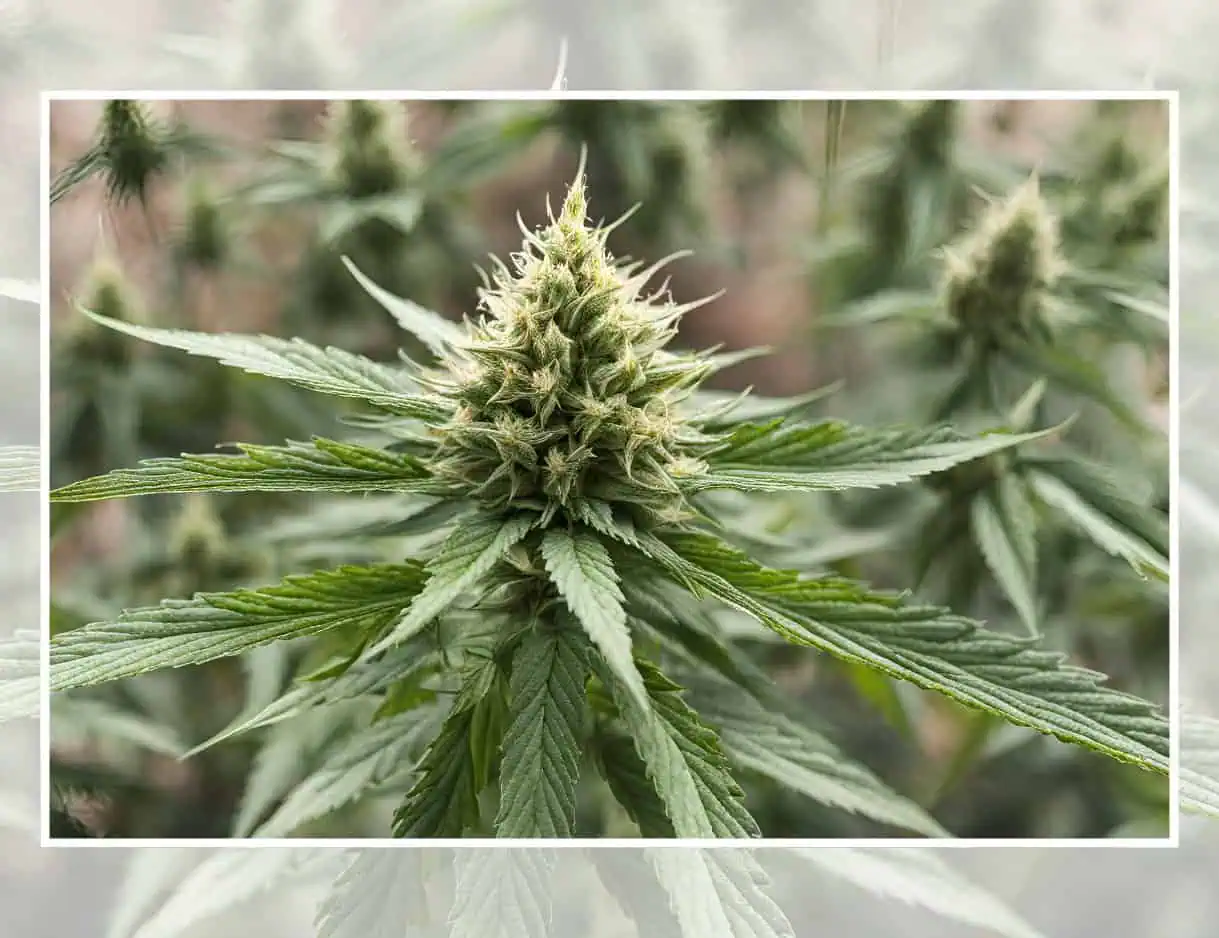
By Gavin Kushman, Strain Expert at Cannabis Training University (IACET Accredited Provider)
Grow it right the first time
Stop guessing. Learn to grow from seed to harvest.
The Indoor & Outdoor Cannabis Growing Certificate covers nutrients, pH, lighting, pests and harvest, with video lessons and a certificate when you finish.
See the Growing Certificate →Free Cannabis Cultivation Guide (ebook)IACET-accredited · 7-day money-back guarantee
When most people think of cannabis, they immediately picture Indica or Sativa. But there’s a third, lesser-known branch of the cannabis family tree: Cannabis Ruderalis.
Though it isn’t as famous for recreational use, Ruderalis is the hidden backbone behind autoflowering genetics, revolutionizing the modern cannabis industry.
I’ve spent years studying strains, breeding practices, and the science of cannabis at CTU. Today, I’ll take you deep into everything you need to know about Cannabis Ruderalis, from its wild origins in Central Asia to why it’s critical for growers today.

The Ruderalis leaf is one of its most distinguishing features:
This makes Ruderalis easy to spot in the wild—and useful for breeders creating stealthy, compact strains.
On its own, Ruderalis is rarely smoked recreationally due to its low THC. But its CBD-rich profile offers therapeutic effects:
Because of this, it’s often used in CBD oil production and in breeding programs to balance high-THC strains.
While pure Ruderalis isn’t common in dispensaries, its genetics power many autoflowering hybrids. Examples include:
These strains combine Ruderalis genetics with Indica or Sativa to produce balanced potency, resilience, and speed.

Cannabis Ruderalis is the genetic foundation of today’s autoflowering strains. While the article explained the basics, here’s a more hands-on guide:
Here are some popular autoflowering strains with Ruderalis genetics:
Commercial Benefits
Ruderalis allows growers to achieve multiple harvests per year due to its short lifecycle. For commercial operations, this means faster turnover, continuous production, and reduced risk of crop failure due to seasonal issues.
Its resilience to pests and harsh climates also makes it attractive for outdoor cultivation in northern latitudes.
Medicinal Applications
Ruderalis-dominant hybrids typically produce higher CBD content, making them excellent candidates for patients seeking therapeutic relief without a strong psychoactive effect. Conditions that may benefit include:
-Anxiety and stress disorders
-Chronic pain and inflammation
-Epilepsy and seizure management
Not very. It’s naturally low in THC but higher in CBD.
Because it lacks the potency of Indica or Sativa. It’s mainly used for breeding.
It means the plant flowers automatically with age, instead of depending on light cycles.
Absolutely. Autoflowering hybrids are especially popular with indoor growers.
Legality depends on your region, but it’s treated the same as other cannabis species.
Cannabis Ruderalis may not be the star of the show when it comes to THC potency, but it is the backbone of the autoflower revolution. Its unique genetics have allowed both home growers and commercial producers to simplify cultivation and expand access to fast, resilient strains.
By understanding not only the history and characteristics of Ruderalis but also the practical steps to cultivate it, the profiles of popular hybrids, and its economic and medicinal potential, you’ll gain a deeper appreciation for why this humble species has become a cornerstone of modern cannabis breeding.
Want to learn more? Enroll at Cannabis Training University (CTU), the IACET-accredited leader in cannabis education, and become a certified cannabis expert.
More in Growing

Check your state's cannabis laws

Indoor + outdoor growing careers
 IACET Accredited Provider · online cannabis education
Since 2009 • 50,000+ students trained worldwide
IACET Accredited Provider · online cannabis education
Since 2009 • 50,000+ students trained worldwide



Copyright Cannabis Training University, a subsidiary of Online Training Providers. © 2026. All Rights Reserved.
Medical Disclaimer: The information on this website is for informational purposes only and is not intended to be a substitute for professional medical advice, diagnosis, or treatment.
Always seek the advice of a physician or other qualified health provider with any questions you may have regarding a medical condition.
Legal Compliance: Cannabis remains federally illegal. Products and information are intended only for jurisdictions where cannabis use and possession is legal.
By using this site, you affirm that you are of legal age (21+) and responsible for understanding your local laws.