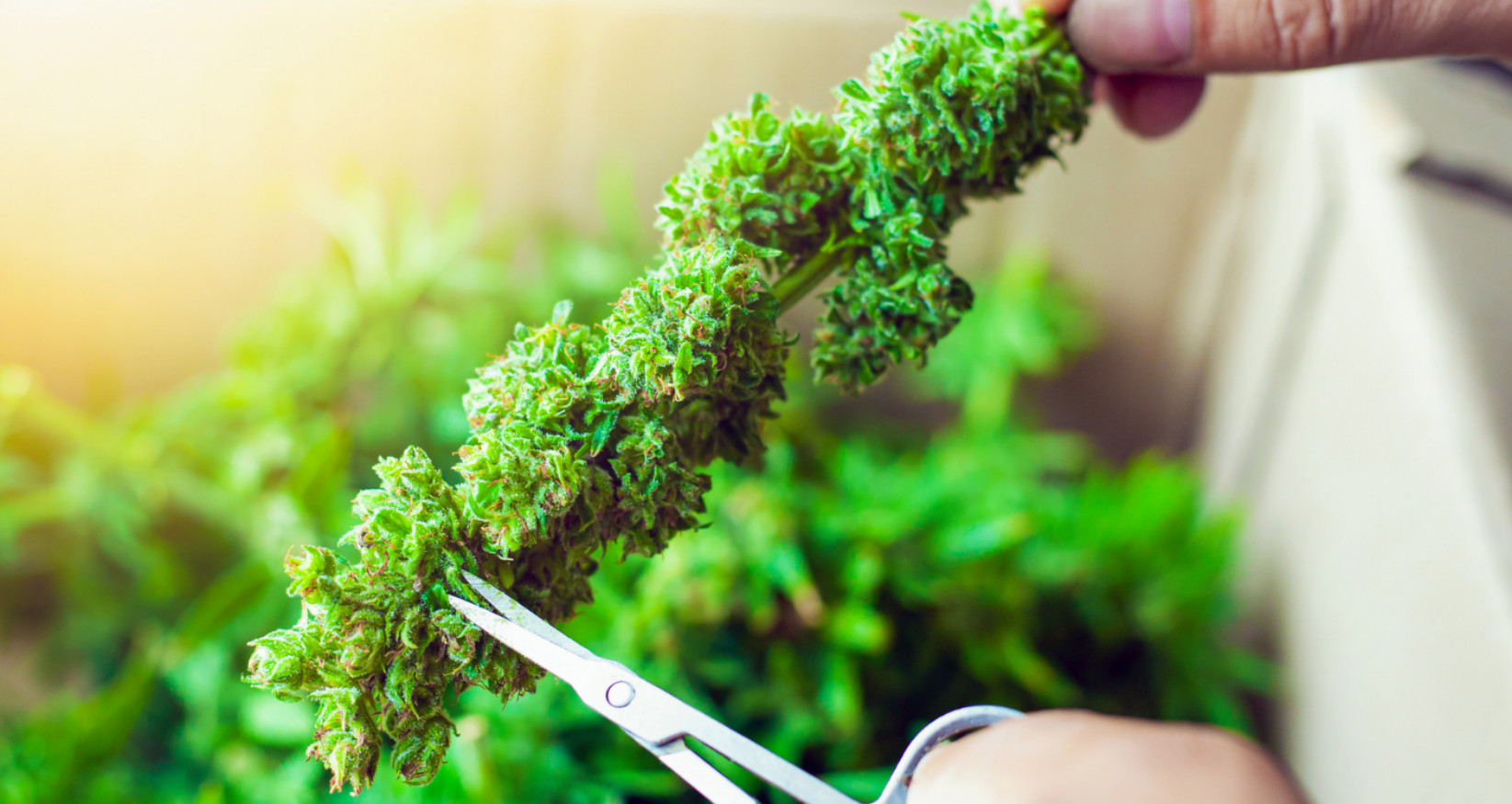
The Screen of Green (SCROG) technique is a popular growing method in which you train the plant to grow outwards instead of upwards using a screen.
The SCROG technique is a popular approach for growing cannabis, especially for those seeking higher yields in limited spaces. By utilizing the Screen of Green Method (ScrOG) growers can effectively manage plant growth, optimize light distribution, and ultimately increase overall yield of the cannabis plant.
Grow it right the first time
Stop guessing. Learn to grow from seed to harvest.
The Indoor & Outdoor Cannabis Growing Certificate covers nutrients, pH, lighting, pests and harvest, with video lessons and a certificate when you finish.
See the Growing Certificate →Free Cannabis Cultivation Guide (ebook)IACET-accredited · 7-day money-back guarantee
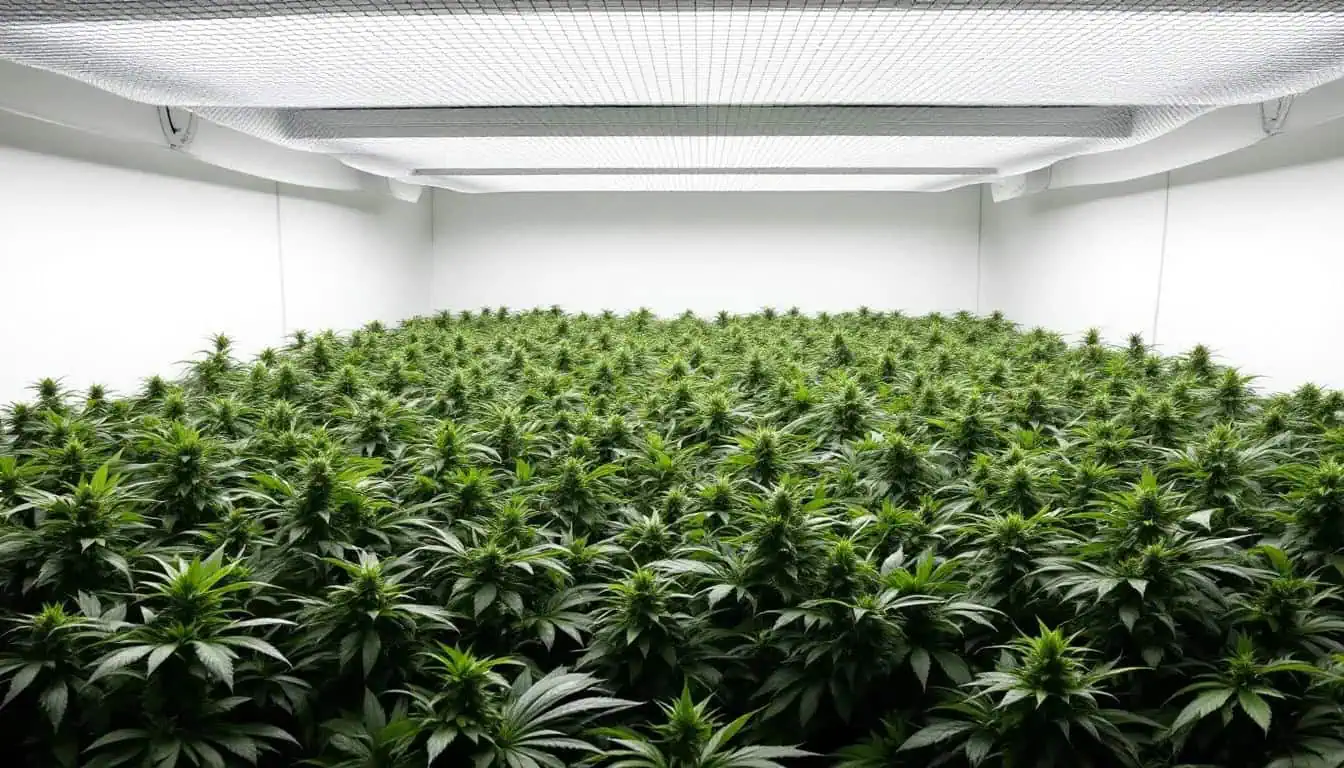
Cannabis plants naturally grow tall and slender. The ScrOG method encourages the plant to grow wider, allowing more parts of the plant to receive sunlight. To scrog marijuana plants, growers train them to grow through a screen, creating an even canopy for better light exposure and bigger yields.
The goal is to depict how the plant grows.
Cannabis plants grow one main cola at the top of the plant. This method trains the plant to grow in a way that produces multiple colas, resulting in more flower.
In many states with legal weed, adults are only allowed to grow a limited number of plants. Determining how many plants to use in a SCROG setup is important for maximizing yield and complying with regulations.
The ScrOG method is the perfect low-stress training technique to maximize yield with minimal plants and space. Choosing the right strain is crucial, as some strains respond better to SCROG training due to their growth characteristics.
On average plants can produce 20% more yield using the ScrOG method.
By creating a flat canopy the sunlight hits more of the plant resulting in more uniformed and larger buds. Having multiple colas along an even top allows for more flower.
Another benefit is the open structure of the Screen of Green method. This enhances air circulation around the plants, minimizing the risk of mold and pests.

Assembling a complete SCROG set with a screen, frame, and support materials is essential for successful training. The ScrOG method can work well with seeds or clones. This method can be used indoors or outdoors, but it is typically used indoors due to space constraints.
You first want to adhere your screen above your plants. An ideal screen is a trellis with square openings around 2 inches in diameter. Many cannabis growers use PVC pipe to build a sturdy, customizable frame for their SCROG set. You can find many screens online made specially for the Screen of Green method.
The ideal height of the screen is between 7-8 inches above the base of your plant.
Once your plants reach the screen, consistently tuck and weave the branches under the screen to maintain an even canopy. Cable ties can be used to secure branches to the screen and guide their horizontal growth. Prune any unnecessary growth below the screen.
Once the screen is filled, let the plants grow vertically through it. As the plants enter the flowering stage, further training and adjustments may be needed. Continue to monitor and adjust as necessary.
It is good to note that the screen of green method is an easy training technique.
While both trellis nets and SCROG nets are used to support marijuana plants, they serve slightly different purposes. Trellis nets mainly provide vertical support, while SCROG nets actively train plants to spread horizontally. SCROG is more labor-intensive but delivers superior yields and light distribution for weed grown indoors.
Achieving optimal light distribution and plant spacing is at the heart of the SCROG (Screen of Green) method, and it’s what sets this training technique apart for cannabis growers aiming to maximize yields and bud quality.
By encouraging cannabis plants to grow horizontally through a mesh screen, the SCROG process creates an even canopy that ensures every bud site receives adequate light exposure.
This approach not only boosts the number of bud sites but also leads to better light penetration, resulting in more buds and bigger yields across the entire plant.
During the vegetative stage, it’s crucial to train the main stem and branches to grow horizontally, weaving them through the mesh screen. This training process helps control vertical growth and allows the plant to fill out the grow space efficiently.
Most growers find that using 1-4 plants per screen, depending on the size of the growing space and the growth characteristics of the chosen strain, provides the best results.
Keeping the screen height adjustable is also important, as it lets you maintain the ideal distance between the canopy and your light source, ensuring every part of the plant gets adequate light.
Proper plant spacing is essential for healthy growth and maximizing yield potential. Overcrowding can lead to poor air circulation and reduced light distribution, which can hinder bud development and increase the risk of mold.
Using fabric pots or well-ventilated containers can further enhance air circulation around the roots, supporting vigorous growth and healthy stems. Pruning lower branches and leaves beneath the screen helps direct the plant’s energy to the top bud sites, where it matters most for heavy buds and increased yields.
Strain selection also plays a key role in the success of the SCROG technique. Choose strains with a natural tendency for horizontal growth and multiple colas, as these will respond best to training methods like SCROG. Sativa-dominant varieties, in particular, often thrive in this setup due to their flexible branches and vigorous growth during the vegetative phase.
Regular maintenance is vital throughout the SCROG process. As your plants grow, continue to tuck and train new shoots under the screen, and adjust the screen height if needed to keep the canopy even. In the flowering stage, this even canopy allows for superior light distribution, ensuring that all bud sites develop fully and uniformly.
Adequate airflow, achieved through proper spacing and pruning, further supports healthy growth and helps prevent common issues like mold or mildew.
By mastering light distribution and plant spacing with the SCROG method, cannabis growers can unlock the full potential of their plants. This training technique not only maximizes yields but also improves the overall health and quality of your marijuana plants.
Whether you’re just starting to grow cannabis or looking to refine your skills, the SCROG method offers a reliable path to a thriving, productive garden filled with potent, high-quality flowers.
-Regular pruning under the screen is necessary to direct more energy to the main buds.
-The best time to train cannabis plants in a SCROG method is when branches are 2 to 3 inches above the screen.
-Common mistakes when SCROGing include overcrowding plants and neglecting to maintain even canopies.
-Once the screen is filled, it’s important to prune any growth from below the net to redirect energy to the top buds.
-After setting up the screen, growers top the plants by cutting off the main stem to encourage bushy, lateral growth.
-The scrogging technique is not recommended for autoflowering strains, which have a very short vegetative period.
1. Setting the SCROG net too high or too low
2. Overcrowding your marijuana plants
Packing too many weed plants under a single SCROG net can cause shading, poor airflow, and a higher risk of mold. Start small — one to four plants per net, depending on tent size.
3. Skipping defoliation and pruning
A SCROG canopy works best when energy is directed to top bud sites. Failing to trim leaves and branches beneath the net wastes plant energy and reduces airflow. Regular pruning keeps the marijuana canopy healthy.
4. Flipping to flower too early
If you switch to the flowering stage before your cannabis SCROG net is at least 70–80% full, you’ll miss out on maximizing yield. Be patient and let the canopy spread before initiating bloom.
5. Forcing branches instead of gently training
Scragging requires patience. Forcing weed branches through the SCROG net can cause breaks or stress. Always tuck gently and guide them over several days.
6. Ignoring airflow under the canopy
A thick Screen of Green canopy can trap moisture and invite mold. Always maintain fans and ventilation under and above the net to keep marijuana plants healthy.
7. Not securing the SCROG net properly
If your SCROG net sags or shifts, your cannabis training will be uneven. Use sturdy supports or tent poles to keep the net tight and in place.
SCROG stands for Screen of Green, a growing technique that uses a net or screen to train marijuana plants into a flat, even canopy for maximum light exposure and yield.
They’re the same thing. “Scrogging” is simply a slang term some growers use for the SCROG (Screen of Green) method. Both involve weaving cannabis branches through a net.
While any strong net could work, elastic SCROG nets or nylon nets designed for weed growing are best. They’re durable, easy to adjust, and sized to fit standard grow tents.
Place your SCROG net when cannabis plants are still in the vegetative stage, typically after 4–6 nodes of growth. This gives you enough time to guide branches before switching to flowering.
Yes, but it’s less common. SCROG nets are mainly used indoors where light distribution is more limited. Outdoor growers may prefer trellis nets for vertical support instead of the flat canopy style of SCROG.
Sativa-dominant strains with long, flexible branches work especially well. However, many indica and hybrid strains also respond positively to Screen of Green training.
Most growers install SCROG nets about 8–12 inches above the base of the cannabis plants. This allows for proper training and good airflow underneath the canopy.
Trellis nets mainly provide support. SCROG nets actively train marijuana plants horizontally, creating a uniform canopy and significantly improving yields and light efficiency.
Yes, but it requires patience and consistent training. For new growers, starting with one or two cannabis plants under a SCROG net is a good way to learn before scaling up.
More in Growing

Check your state's cannabis laws

Indoor + outdoor growing careers
 IACET Accredited Provider · online cannabis education
Since 2009 • 50,000+ students trained worldwide
IACET Accredited Provider · online cannabis education
Since 2009 • 50,000+ students trained worldwide



Copyright Cannabis Training University, a subsidiary of Online Training Providers. © 2026. All Rights Reserved.
Medical Disclaimer: The information on this website is for informational purposes only and is not intended to be a substitute for professional medical advice, diagnosis, or treatment.
Always seek the advice of a physician or other qualified health provider with any questions you may have regarding a medical condition.
Legal Compliance: Cannabis remains federally illegal. Products and information are intended only for jurisdictions where cannabis use and possession is legal.
By using this site, you affirm that you are of legal age (21+) and responsible for understanding your local laws.