


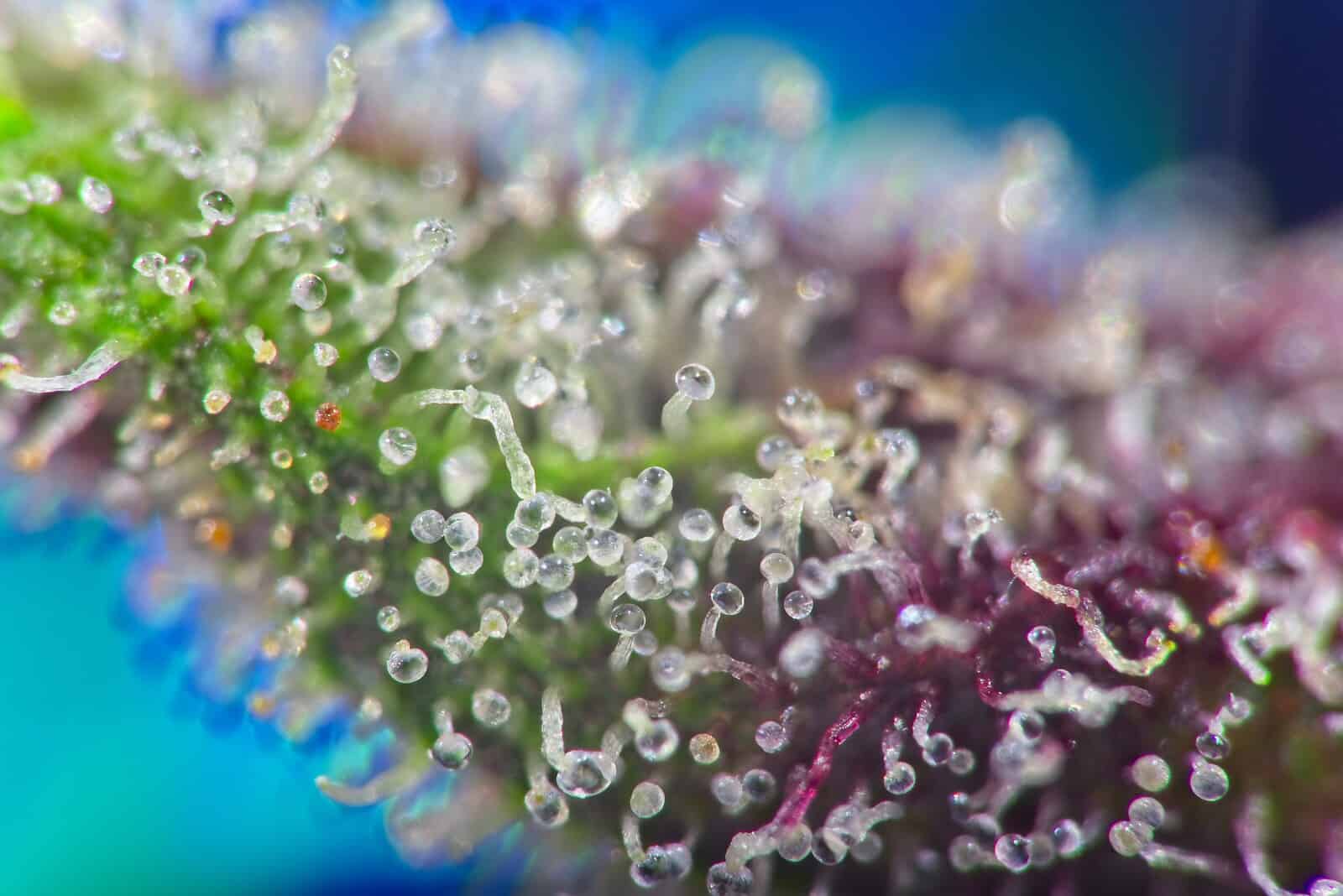
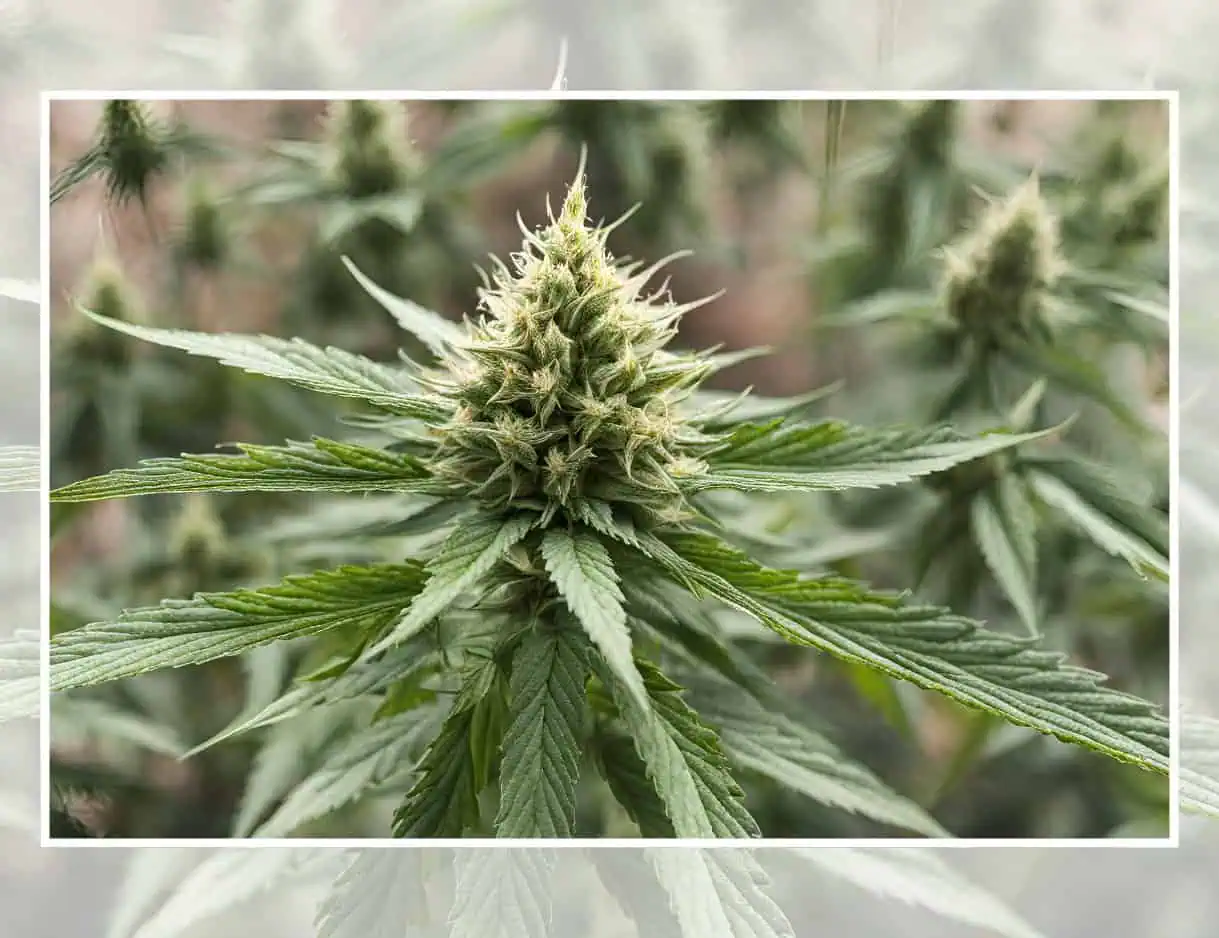
Trichomes on cannabis are specialized glandular structures, also known as glandular hairs that produce cannabinoids such as THC and CBD, as well as other cannabinoids, terpenes, and active compounds.
The resin produced by these glandular hairs contains THC and CBD, along with other cannabinoids, which contribute to the plant's potency, effects, and aroma.

The plant's trichomes serve as a defense mechanism, protecting plant organs from environmental stressors like UV light, pests, and water loss.
Cannabis glandular trichomes contain secretory cells within the trichome head, which are responsible for the biosynthesis of cannabinoids and terpenes.
Trichome formation and development are influenced by plant cell processes, transcription factors, and environmental factors such as UV light and stress response.
Higher concentrations of cannabinoids and terpenes are found in mature trichomes, and more trichomes can be produced through selective breeding and cultivation techniques.
A magnifying glass is often used to inspect trichome maturity, looking for milky white or amber coloration in the trichome head. Both glandular and non glandular trichomes exist on cannabis, but only glandular trichomes produce cannabinoids.
Sessile presenting trichomes are an early stage in trichome development, which later evolve into stalked forms as the cannabis plant matures.
Plant material, including sugar leaves and flowers, is rich in trichomes, which contribute to the overall quality and value of the cannabis crop. These glands define the potency, aroma, flavor, and medicinal qualities of each strain, as trichomes contribute to the plant's unique profile.
For cultivators, mastering the understanding of trichomes is essential. Harvest too early and the result is weak, underdeveloped buds. Harvest too late and THC begins to degrade into CBN and other cannabinoids, creating more sedative effects.
For consumers, trichomes are what deliver the experience, from an uplifting sativa high to the calming, body-heavy buzz of an indica.
This guide will cover what trichomes are, why they exist, the different types, how to examine them, when to harvest, how to preserve them, and what the latest research tells us about these powerful resin glands.
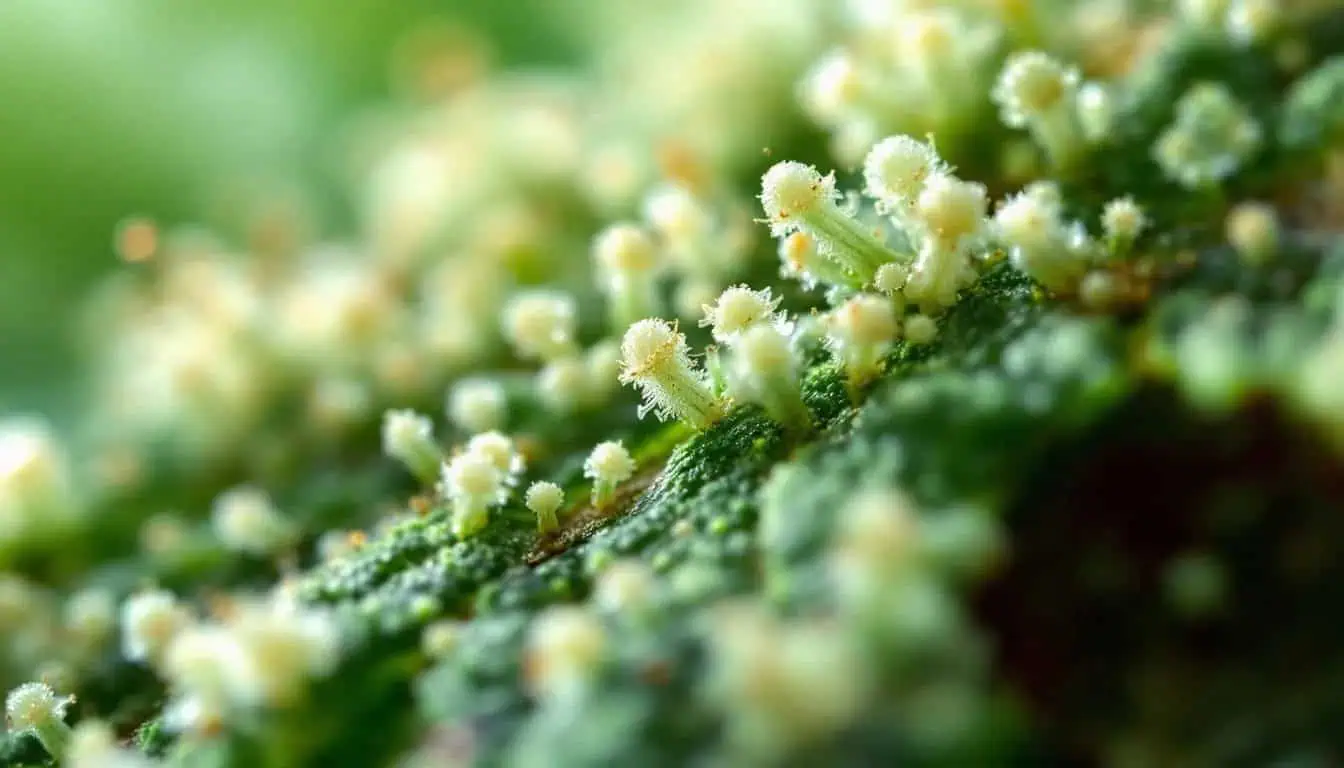
What Are Cannabis Trichomes and Why They Matter
Secretory cells within the trichome head are responsible for the biosynthesis and storage of these compounds at the plant cell level.
These compounds not only influence the high but also the medical effects and therapeutic potential of the plant.
Trichomes are essential to the cannabis experience because they house the very chemistry that makes cannabis valuable.
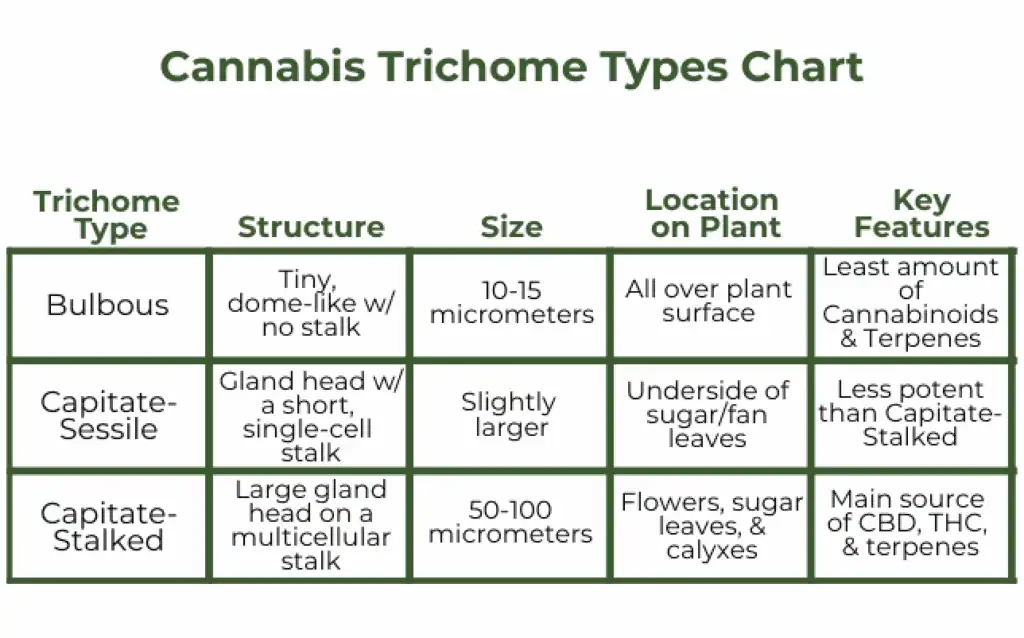
There are three main categories of trichomes found on cannabis. Bulbous trichomes are extremely small and can only be seen under magnification. Capitate-sessile trichomes are larger and feature a short stalk with a round head.
Capitate-stalked trichomes are the most visible and recognizable, shaped like tiny mushrooms, and are the primary source of cannabinoids and terpenes. Trichomes contribute to the plant's potency, aroma, and therapeutic effects by producing and storing these active compounds.
The Role of Trichomes in Nature
Trichomes serve as a survival mechanism. They protect the cannabis plant from harmful UV rays, act as a deterrent against insects and herbivores with their bitter taste and sticky texture, and help guard against mold and fungal infections.
In hot, dry climates, trichomes help retain water and shield reproductive organs to ensure the plant’s survival.
As a stress response to environmental factors such as UV radiation and herbivory, cannabis plants can produce higher concentrations of cannabinoids and terpenes.
These higher concentrations play a vital role in the plant's survival by protecting the plant's reproductive organs and overall health, enhancing the plant's defense mechanisms.
This evolutionary advantage explains why trichomes are densest on flowers, where seeds would develop if pollinated. By coating the plant’s most critical tissues in resin, trichomes maximize reproductive success.
Types of Cannabis Trichomes
Cannabis trichomes are the tiny, resinous glands that give cannabis plants their frosty, sticky appearance. These specialized structures are found on the surface of cannabis flowers, sugar leaves, and even stems, and are responsible for producing the cannabinoids and terpenes that define each strain’s potency, aroma, and flavor.
There are three main types of trichomes found on cannabis: bulbous trichomes, capitate sessile trichomes, and capitate stalked trichomes. Each type plays a unique role in the plant’s defense mechanism and the overall quality of the cannabis flower.
Bulbous trichomes are the smallest and most difficult to see without magnification. These tiny glandular outgrowths are scattered across the entire cannabis plant, including stems and leaves.
Although they are less abundant and produce lower concentrations of cannabinoids and terpenes, bulbous trichomes still contribute to the plant’s protective barrier, helping to deter pests and shield against environmental stress.
Capitate sessile trichomes are larger than bulbous trichomes and feature a rounded gland head that sits directly on the plant surface, without a noticeable stalk. These sessile trichomes are more concentrated on the sugar leaves and the outer parts of the cannabis flower.
They play a significant role in cannabinoid and terpene production, acting as mini factories for essential oils and secondary metabolites that contribute to the plant’s aroma and therapeutic effects.
Capitate stalked trichomes are the most prominent and recognizable type of trichome found on cannabis plants. With a long stalk and a large glandular head, these trichomes are most abundant on mature cannabis flowers, especially during the flowering stage.
Capitate stalked trichomes are the primary source of the sticky resin that contains the highest concentration of cannabinoids and terpenes. Their structure not only maximizes resin production but also serves as a powerful defense mechanism, protecting the plant’s reproductive organs from UV radiation, herbivores, and pathogens.
Together, these three types of trichomes work in harmony to safeguard the cannabis plant and produce the potent, aromatic compounds that make cannabis unique.
Understanding the differences between bulbous trichomes, capitate sessile trichomes, and capitate stalked trichomes helps growers and enthusiasts appreciate the complexity of trichome development and the science behind cannabis quality.
Trichome Development and Harvest Stages
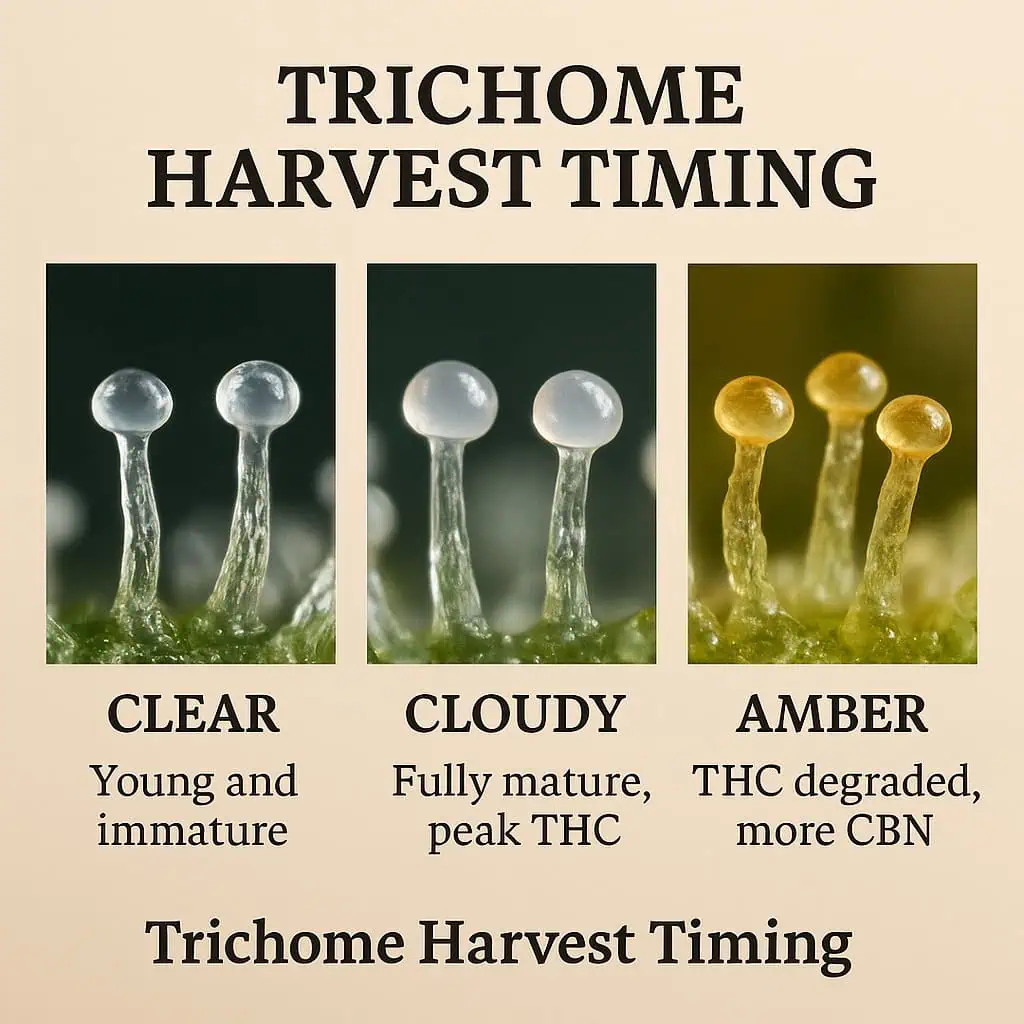
Trichome formation is a key part of cannabis plant development, beginning with sessile forms and progressing as trichomes grow and mature on the plant material.
Trichomes develop throughout the flowering cycle and provide visual clues about harvest readiness. Growers generally categorize trichomes into three maturity stages:
Clear trichomes are immature and not fully loaded with cannabinoids. As the plant matures, the trichome head changes color from clear to milky white to amber, providing visual cues for harvest. Buds harvested during the clear stage are weak and often unpleasant to smoke.
Cloudy or milky white trichomes indicate peak THC production. This is the prime harvest window for maximum potency, delivering a more energetic and euphoric high.
Amber trichomes form as THC oxidizes and degrades into CBN. Buds with more amber trichomes tend to produce a heavier, sedative effect often preferred for nighttime use.
Many growers aim for a ratio of mostly cloudy trichomes with about 10–20 percent amber for balanced effects. Careful observation of plant material, especially the trichome head, is essential for determining optimal harvest timing. Harvesting when trichomes are mostly clear is rarely recommended.
When to Harvest Cannabis Based on Trichomes
Timing harvests by trichomes is the gold standard for growers. As the plant matures, trichome color shifts from clear to milky white to amber, signaling the optimal harvest window. Here’s how to use trichome color as a practical harvest guide:
- Mostly Clear: Plants are still developing. Harvesting now produces weak, short-lived effects and harsh smoke.
- Mostly Cloudy: This is the sweet spot for many growers. Trichomes appear milky white when THC levels are at their peak, and the effects are energetic, euphoric, and uplifting. Great for daytime use.
- Mix of Cloudy and Amber: Balanced effects. This is ideal for growers who want potency plus a relaxing, well-rounded high. Perfect for hybrids.
- Mostly Amber: Sedating, couch-lock style effects. This stage appeals to medical patients seeking pain relief, insomnia support, or calming relaxation.
The percentage of cloudy vs amber trichomes depends on personal preference. Many growers harvest at 80–90% cloudy and 10–20% amber for a balance between potency and body relaxation.
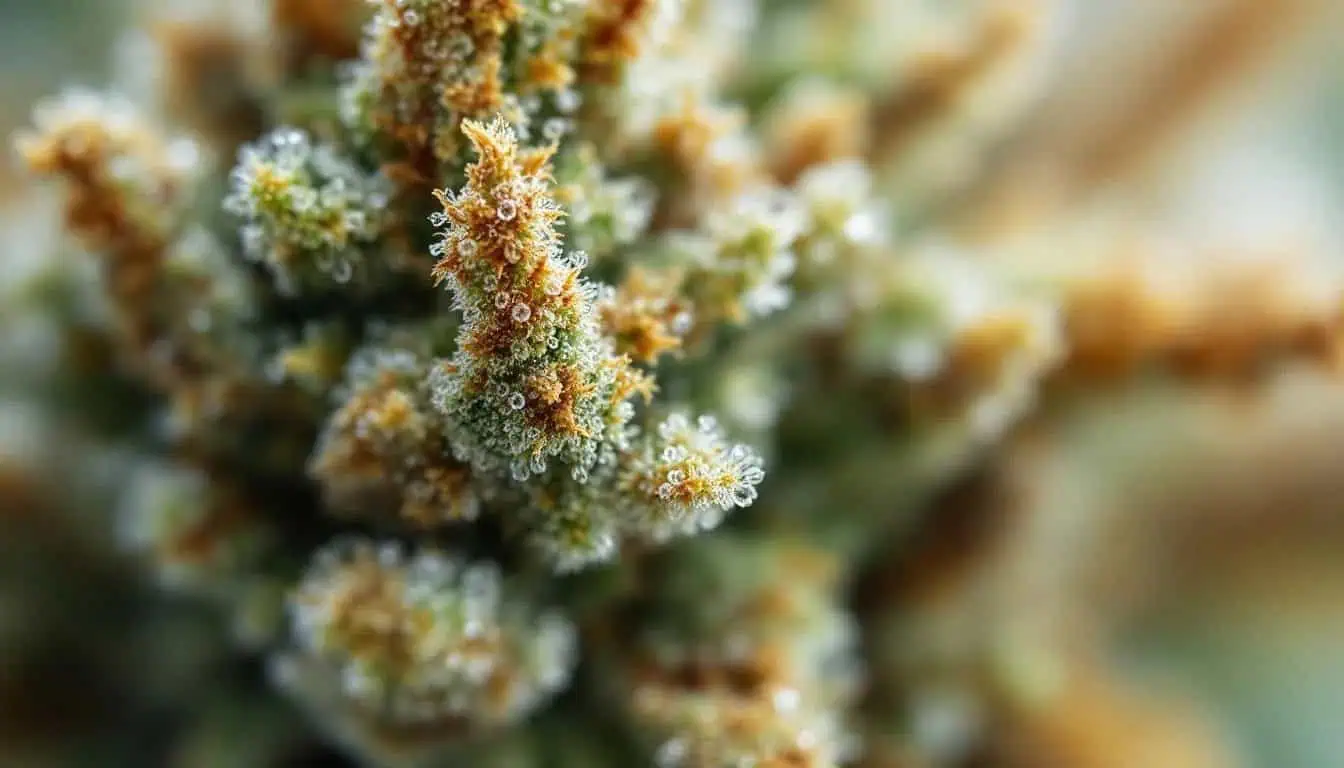
Tools for Trichome Inspection
Because trichomes are so small, magnification is required to evaluate them properly. A magnifying glass is a simple and effective tool for beginners to inspect trichomes and assess their maturity. Jeweler’s loupes are inexpensive and portable, providing basic magnification.
USB digital microscopes offer sharper images and even video capture, making them popular with hobbyists and professionals. Smartphone macro lenses can also work as a budget-friendly option for beginners.
Experienced growers often keep digital microscopes handy because they allow comparison across plants and harvests, ensuring consistent timing and results.
Indoor Versus Outdoor Trichome Production
Indoor cannabis often produces more visually striking trichomes due to controlled environments. Without rain, wind, or environmental stress stripping the resin, indoor buds maintain a frosty, picture-perfect look.
Outdoor cannabis, however, can produce a more complex terpene and cannabinoid profile thanks to exposure to full-spectrum sunlight, including UV light.
Outdoor cannabis exposed to natural UV light often develops a higher concentration of cannabinoids and terpenes as a protective adaptation.
Indoor buds may look more photogenic, while outdoor buds often deliver more robust aromas and flavors. Both methods can produce exceptional cannabis, but trichomes behave slightly differently depending on environment.
Preserving Trichomes After Harvest
Trichomes are delicate and can be easily damaged or degraded after harvest. Careful handling of plant material is essential to preserve the integrity of trichomes and maintain potency. Proper drying, trimming, and storage are essential to maintaining potency and flavor.
Dry cannabis slowly in a dark room at 60–70°F with humidity between 45–55 percent for 7–14 days. Avoid rushing the process with high heat.
Trim buds carefully. Many growers prefer dry trimming to wet trimming because handling wet buds can knock off trichomes.
Cure dried cannabis in airtight jars at 60–65 percent humidity, opening the jars daily for two weeks to release moisture. Proper curing preserves cannabinoids and terpenes for months or even years.
Store cured cannabis in a cool, dark place. Light, heat, and air exposure degrade THC and can cause trichomes to lose potency and aroma. Learn more about freezing marijuana as a storage method and what you should consider before attempting it.
Extraction and Trichome Use
Cannabis extracts and concentrates are essentially concentrated trichomes. Extraction methods like ice water extraction, dry sifting, and solvent-based techniques all aim to isolate trichomes from plant material to produce potent cannabis extracts. Products like bubble hash, kief, live rosin, and wax are direct expressions of trichome content.
The growing popularity of solventless extracts is linked to consumer demand for products that preserve the natural terpene and cannabinoid profile of intact trichomes.
Modern Cultivation Practices to Enhance Trichomes
Growers use a variety of methods to increase trichome production, including:
-Optimizing light intensity with modern full-spectrum LEDs
-Maintaining ideal temperature and humidity throughout flowering
-Providing supplemental UV lighting to trigger resin defense responses
-Flushing plants before harvest to remove excess nutrients and improve resin flavor
-Applying low-stress training techniques to improve light penetration to lower bud sites
-Selecting strains known for high resin content and using cultivation techniques that encourage more trichomes and improved resin quality
Optimizing environmental conditions not only maximizes resin production and quality, but also supports proper trichome formation.
This helps trichomes grow from sessile presenting trichomes to mature stalked forms during cannabis plant development, which is essential for cannabinoid and terpene production.
Trichome FAQs
What percentage of trichomes should be amber before harvest?
Most growers prefer 10–20 percent amber for a balanced high, though some indica enthusiasts wait for up to 40 percent.
Do trichomes keep producing cannabinoids after harvest?
No. Once the plant is cut, the glandular hairs (glandular structures) found on specific plant organs, such as flowers and leaves, no longer synthesize or store many cannabinoids. Instead, THC gradually degrades if not stored properly.
Can trichomes be seen without magnification?
Yes, the capitate-stalked trichomes are visible to the naked eye as a frosty coating, but magnification is needed to judge maturity.
Do strains differ in trichome density?
Absolutely. Some strains are naturally frostier due to genetics, and breeders often select for resin production as a key trait. Both glandular and non glandular trichomes exist on cannabis plants, but only glandular types are responsible for cannabinoid production.
Why do trichomes fall off during trimming?
Mishandling and excessive touching can knock off resin glands. Gentle trimming and proper drying conditions help preserve them.
How can I maximize trichome preservation?
Handle buds gently, dry and cure in controlled environments, and avoid long-term exposure to light, heat, or oxygen.
5 Interesting Facts About Trichomes
-Only capitate-stalked trichomes are generally visible to the naked eye.
-Capitate-sessile trichomes can mature into capitate-stalked trichomes as the plant ages.
-Cannabinoids such as THC and CBD are most concentrated in the trichomes located on the flower buds.
-Extraction techniques for trichomes include mechanical dry sifting practices that produce kief.
-High-stress training techniques like super-cropping can induce a stress response that boosts trichome production.
Conclusion on Trichomes
Trichomes are the essence of cannabis potency and flavor. They protect the plant in nature while producing the cannabinoids and terpenes that humans prize.
For growers, learning how to read trichomes is the single most important skill for harvesting at the perfect time. For consumers, understanding trichomes reveals why some buds sparkle with frosty resin and others appear less potent.
By focusing on trichome development, using proper tools, practicing careful harvesting, and storing correctly, cultivators can ensure top-quality cannabis every time.
In today's competitive market, trichomes are more than just decoration — they are the true measure of cannabis excellence.

Luis Cordova
Luis Cordova is a distinguished author, and renowned expert in cannabis cultivation, who possesses a Master's degree in Plant Biotechnology and Pharmaceutical Science. As a valued contributor to highly esteemed publications such as Cannabis Training University and Maximum Yield Magazine, Luis has emerged as a trusted source of guidance and knowledge in the cannabis industry. Having written thousands of informative articles, Luis is widely recognized for his comprehensive expertise on cultivating cannabis, both indoors and outdoors.





 Jeff was involved in an accident where he endured a traumatic brain injury. He had a week-long stay in ICU where brain surgeons
  100% risk free money back guarantee within 48 hours after purchase if student has not completed any of the courses or exams.
