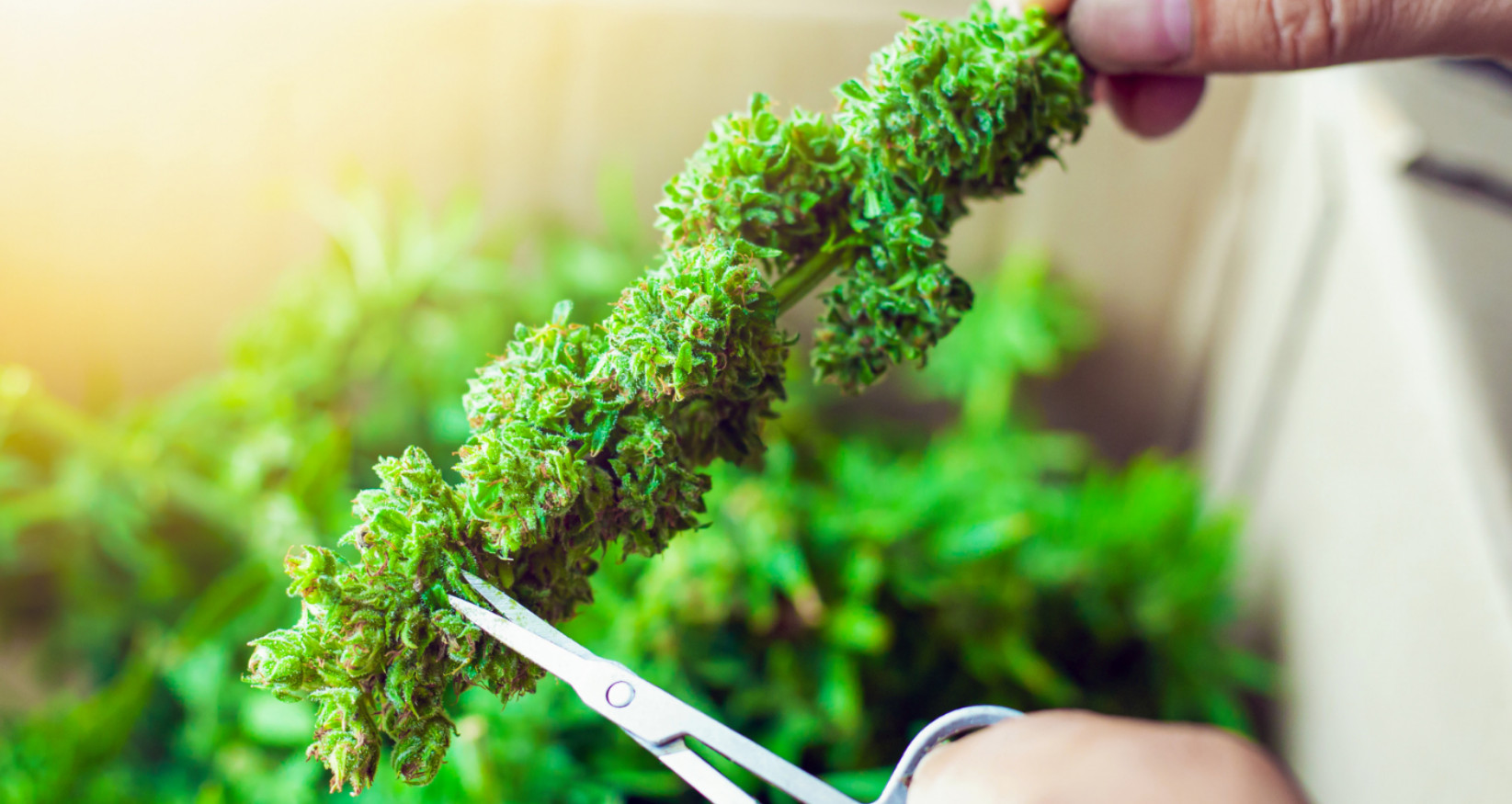
Powdery mildew (PM), otherwise known as white powdery mildew (WPM) or cannabis mold, is a type of rapidly reproducing fungus known to eat up affected cannabis plants.
The visible sign of its presence is the formation of white or sometimes gray spots and flour-like powdery patches on the leaves of your cannabis plants.
Powdery mildew is most common in areas with moderate temperature, high humidity, and low light intensity.
It often attacks young cannabis plants that are only a few weeks old.
Powdery mildew hinders photosynthesis and cripples the harvest.
Grow it right the first time
Stop guessing. Learn to grow from seed to harvest.
The Indoor & Outdoor Cannabis Growing Certificate covers nutrients, pH, lighting, pests and harvest, with video lessons and a certificate when you finish.
See the Growing Certificate →Free Cannabis Cultivation Guide (ebook)IACET-accredited · 7-day money-back guarantee
Here are some of the symptoms you can expect to see when powdery mildew occurs on marijuana:
Seeing how powdery mildew spreads and attacks your cannabis plantation, prevention is most reasonable. Whether you’re an outdoor or indoor marijuana grower, the best and ultimate approach to getting rid of powdery mildew is by prevention.
Begin by allowing enough space between each plant while planting or while transferring the young plants from the nursery beds to their primary location on the farm.
Clean new clones of or take them to a lab where they’ll be examined before introducing them into the farm.
This approach ensures you bring in only plants that are not infected into the fold. In other words, you can maintain a quarantined cannabis growing environment by ensuring new plants have a clean bill of health before planting them.
Poor airflow can be detrimental to the health of your marijuana plants, just as excessive wind can be. If you’re growing your cannabis in an enclosed facility, be sure to create room for the free flow of air.
The plants, too, should be adequately spaced apart as a powdery mildew outbreak can result from poorly ventilated environments.
Contaminants should be kept out of the growing facility as much as possible. You can use hydrogen peroxide to decontaminate all equipment whenever you use them.
Decontamination also applies to personnel just as much as it does to equipment.
You should establish a proper and efficient method of dealing with humidity in the environment. This is essential for cannabis cultivation. Excessive humidity, for instance, is not ideal for growing cannabis plants.
To create an environment with the right humidity level for cannabis cultivation, you might need to consult a HVAC technician.
Cannabis growers can check the spread of diseases and unfavorable conditions, such as powdery mildew, by maintaining the right humidity within the growing environment.
To learn how to grow cannabis indoors and how to grow massive healthy cannabis plants outdoor, make sure to enroll at Cannabis Training University.
To start your own marijuana garden and learn how to prevent common problems that most new growers experience, sign up at Cannabis Training University, an IACET Accredited Provider, today!
More in Growing

Check your state's cannabis laws

Indoor + outdoor growing careers
 IACET Accredited Provider · online cannabis education
Since 2009 • 50,000+ students trained worldwide



Copyright Cannabis Training University, a subsidiary of Online Training Providers. © 2026. All Rights Reserved.
Medical Disclaimer: The information on this website is for informational purposes only and is not intended to be a substitute for professional medical advice, diagnosis, or treatment.
Always seek the advice of a physician or other qualified health provider with any questions you may have regarding a medical condition.
Legal Compliance: Cannabis remains federally illegal. Products and information are intended only for jurisdictions where cannabis use and possession is legal.
By using this site, you affirm that you are of legal age (21+) and responsible for understanding your local laws.