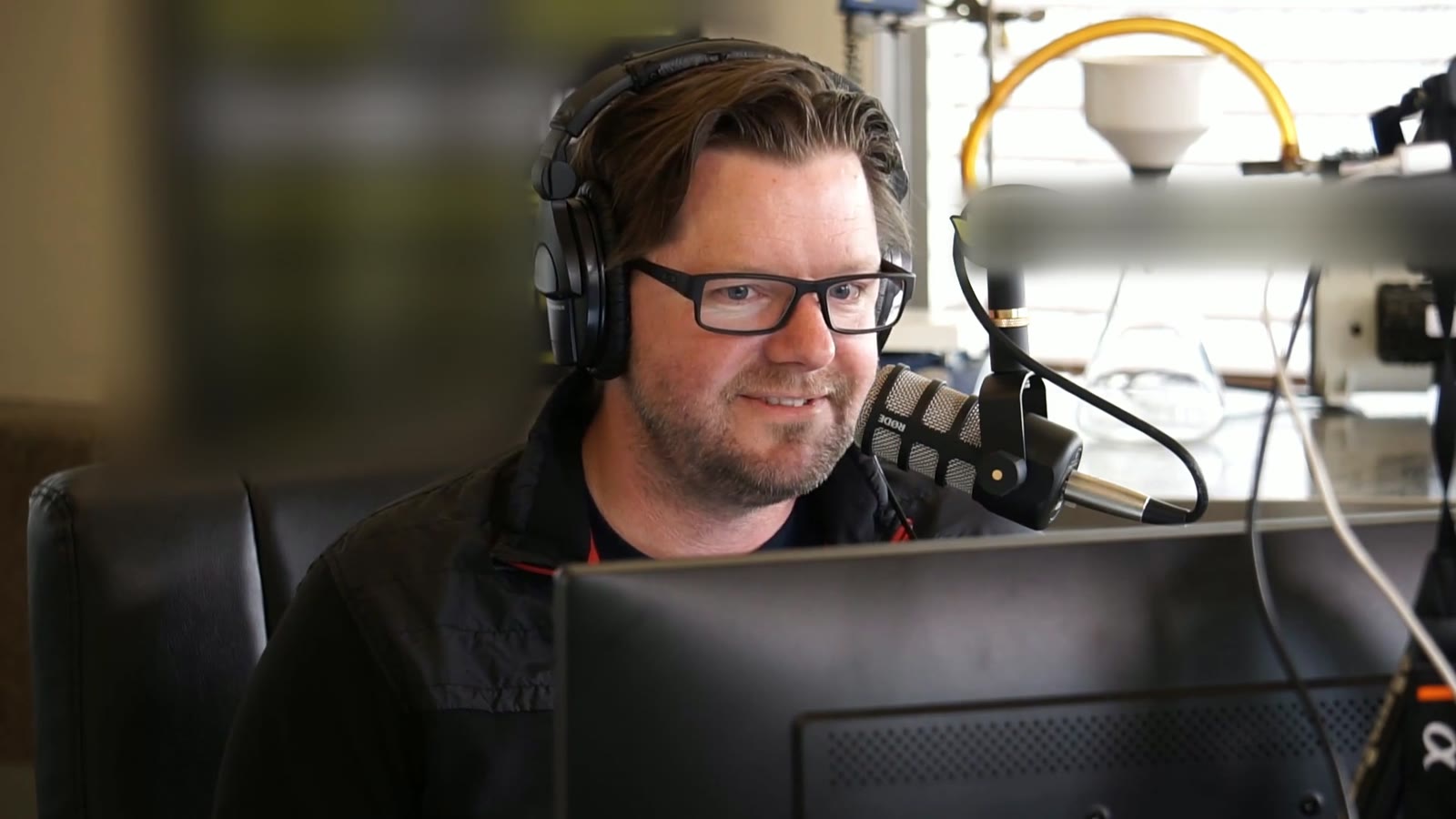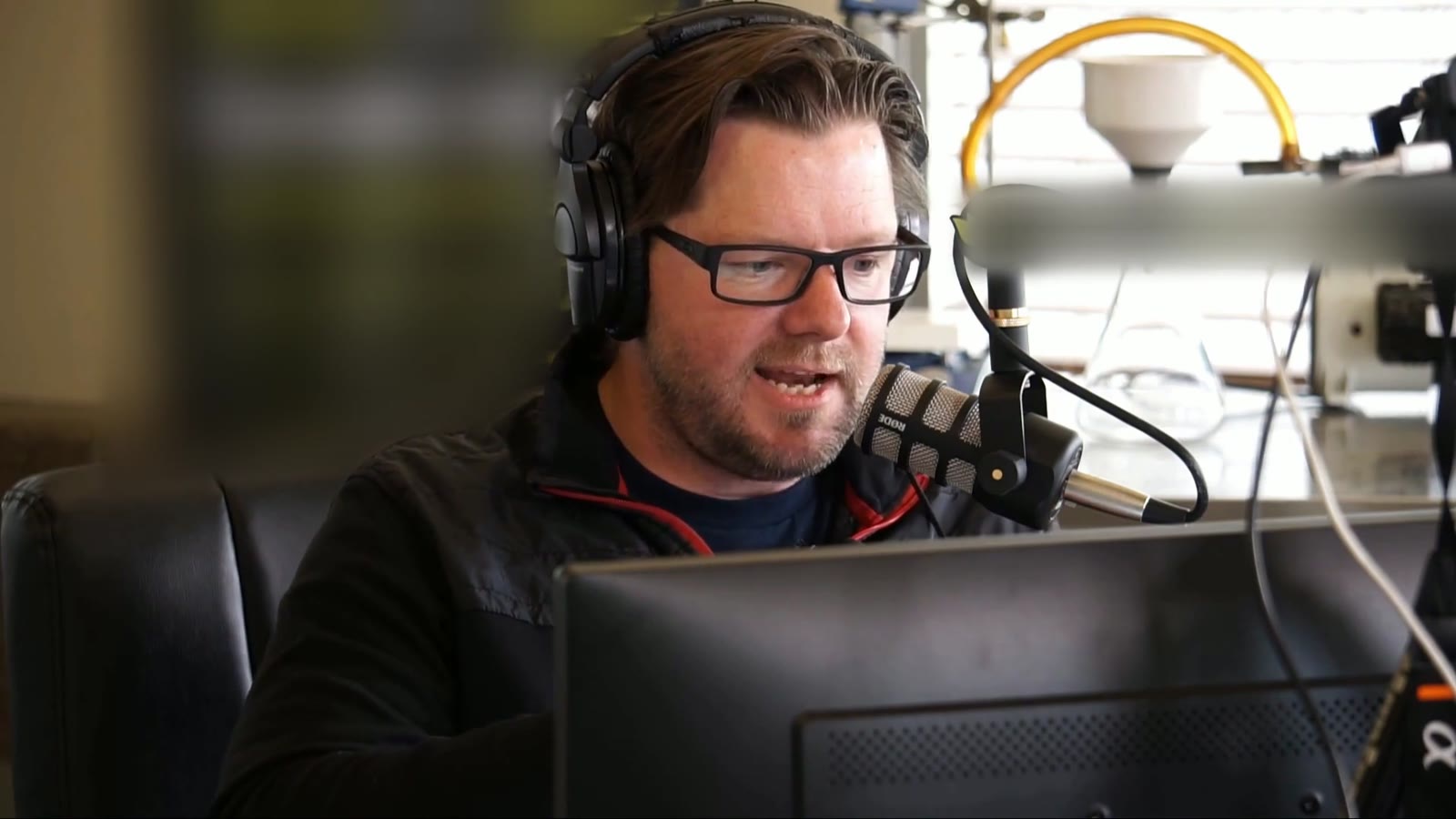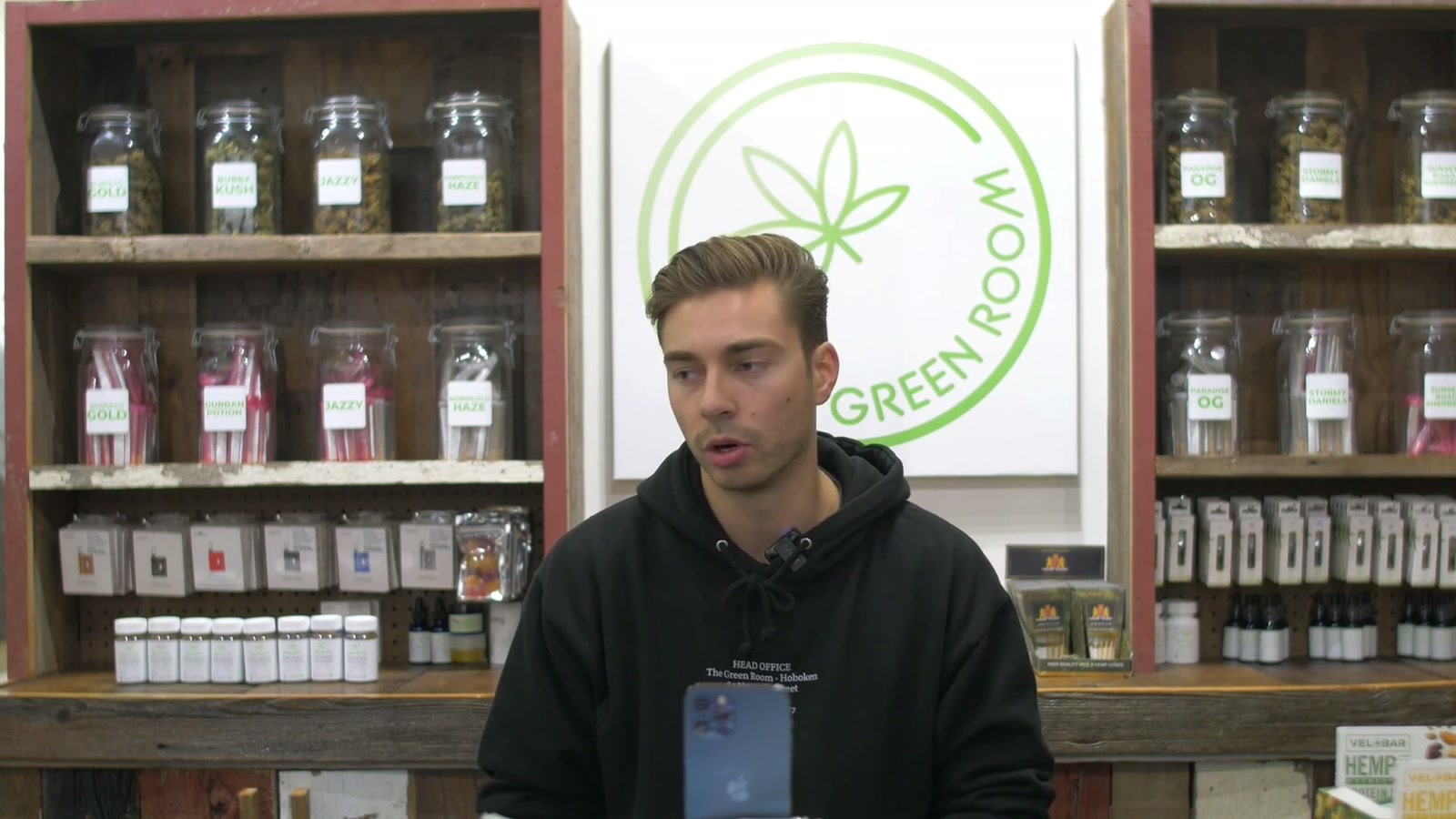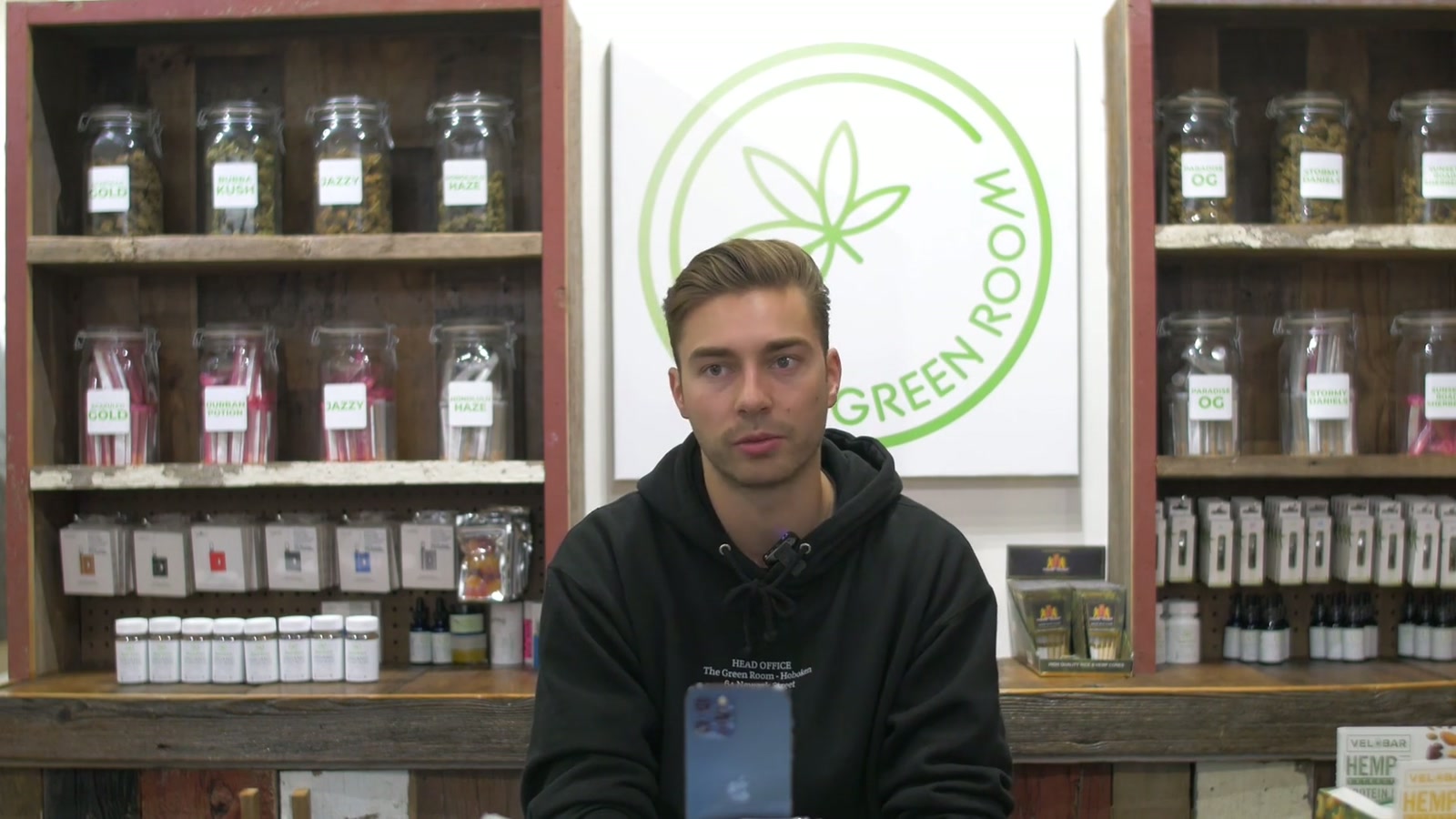
The cannabis industry has evolved dramatically in recent years, and traditional marketing restrictions have made cannabis influencers essential partners for brands seeking growth and visibility.
As paid advertising remains heavily limited across major platforms, businesses in the cannabis space are turning to authentic voices and trusted content creators to reach their target audiences.
Cannabis influencers have emerged as powerful advocates, educators, and marketing partners who can navigate platform restrictions while building genuine connections with cannabis lovers and industry professionals.
From micro-influencers with dedicated niche followings to celebrity advocates with millions of followers, these content creators are reshaping how cannabis brands connect with consumers.
This comprehensive guide will walk you through everything you need to know about working with cannabis influencers in 2025, from identifying the right partners to maximizing your return on investment while staying compliant with evolving regulations.
Free download
The Budtender Career Guide
The resume, interview and licensing basics for landing your first dispensary job — sent straight to your inbox, free.
Get the Free GuideCannabis influencers are content creators who use social media platforms to promote cannabis products, brands, education, and culture.
These individuals have built significant online audiences through platforms like Instagram, TikTok, LinkedIn, YouTube, and Twitter, despite ongoing restrictions on cannabis content across many major social networks.
Unlike traditional influencers in other industries, cannabis influencers serve multiple roles within the cannabis community.
They function as educators, sharing knowledge about cultivation techniques, product effects, and consumption methods.
Many serve as advocates, working to destigmatize cannabis use and promote cannabis legalization efforts. Others focus on lifestyle content, integrating cannabis into broader wellness and recreational narratives.
The cannabis space has created unique opportunities for influencers to fill information gaps that traditional media and advertising cannot address.
These content creators help normalize cannabis consumption while providing valuable education about products, industry trends, and evolving legislation.
Their authentic approach to cannabis content has proven particularly effective at building trust with audiences who may be new to cannabis or seeking reliable information about products and brands.
Cannabis influencers operate across diverse platforms, each offering different advantages for reaching specific audience segments.
Instagram remains popular for visual product reviews and lifestyle content, while LinkedIn has become a hub for B2B cannabis industry networking and thought leadership.
TikTok attracts younger demographics with creative, educational content, and YouTube allows for longer-form reviews and detailed tutorials.
These influencers represent diverse roles within the cannabis industry, from cultivation experts and business leaders to medical advocates and lifestyle personalities.
This diversity allows brands to find partners whose expertise and audience align perfectly with their specific marketing goals and target demographics.
The cannabis influencer landscape encompasses a wide array of content creators, each bringing unique expertise and audience connections to potential brand partnerships.
Understanding these different categories helps businesses identify the most effective collaborators for their specific marketing objectives.
Industry leaders and entrepreneurs represent one of the most valuable segments for B2B cannabis marketing. Figures like Kyle Sherman, CEO of Flowhub, and Steve DeAngelo, a pioneer in the legal cannabis industry, command significant respect within professional circles.
These thought leaders share insights about business strategy, regulatory changes, and industry trends that resonate with dispensary owners, cultivators, and other cannabis businesses.
Celebrity advocates have leveraged their massive followings to promote cannabis normalization and their own cannabis brands.
Wiz Khalifa’s Khalifa Kush brand and Seth Rogen’s Houseplant company demonstrate how entertainment industry figures can successfully translate their fame into authentic cannabis business ventures. These partnerships offer brands access to millions of consumers while benefiting from the credibility that comes with celebrity endorsement.
Lifestyle and culture influencers like Koala Puffs and That High Couple create content that integrates cannabis into everyday life.
Their product reviews, tutorials, and lifestyle content appeal to cannabis lovers seeking authentic recommendations and community connection. These creators often maintain high engagement rates with dedicated followers who trust their product opinions and lifestyle choices.
Business and finance experts including Emily Paxhia from Poseidon Investment Management and Kenya Alexander-Davis from Green to Green Solutions provide specialized insights for industry professionals.
Their content focuses on investment opportunities, financial planning, and business development within the cannabis sector, making them valuable partners for B2B brands and professional service providers.

Partnering with cannabis influencers offers unique advantages that address the specific challenges facing cannabis brands in today’s restricted advertising environment.
These benefits extend far beyond simple product promotion, creating opportunities for authentic community building and sustainable business growth.
The most significant advantage is overcoming traditional marketing restrictions by leveraging organic networks of cannabis enthusiasts.
While major platforms like Facebook and Google continue to prohibit paid cannabis advertising, influencer partnerships operate within earned media frameworks that platform algorithms and moderators treat differently.
This allows brands to reach their target audiences through trusted voices rather than direct promotional content.
Cannabis influencers provide access to highly targeted audiences that align perfectly with specific business goals.
Dispensary owners can partner with local lifestyle influencers to drive foot traffic, while cannabis tech companies can collaborate with industry leaders to reach B2B decision-makers.
This targeting precision often delivers better results than broad advertising campaigns, especially when working with micro-influencers who maintain engaged, niche communities.
Authentic brand relationships built through influencer partnerships maintain the trust that drives purchasing decisions in the cannabis space.
Unlike traditional advertising, which consumers often view skeptically, influencer recommendations carry the weight of personal endorsement.
Research indicates that 50% of Millennials trust influencer product recommendations as much as advice from friends or family, a trend particularly strong among cannabis consumers who value authentic experiences and peer recommendations.
The reach potential through influencer networks is substantial, with top cannabis influencers commanding audiences in the millions.
Dope As Yola’s YouTube channel alone has over 1.9 million subscribers, while celebrity advocates like Seth Rogen reach tens of millions across multiple platforms. Even micro-influencers with 10,000-50,000 followers often deliver higher engagement rates than larger accounts, making them cost-effective partners for brands with limited marketing budgets.
Cannabis influencer partnerships generate measurable business results that extend beyond immediate sales.
Successful campaigns have resulted in organic search increases up to 4x for specific product lines, demonstrating the long-term SEO benefits of influencer content.
Additionally, industry data suggests that cannabis influencer campaigns typically deliver ROI multiples of 4x to 12x compared to marketing spend, significantly outperforming traditional advertising approaches where available.
The community-building aspect of influencer partnerships creates lasting value for brands willing to invest in long-term relationships. Influencers who authentically integrate brands into their content help create loyal customer bases that continue engaging with products long after initial campaigns end.
This organic advocacy often leads to user-generated content, word-of-mouth referrals, and sustained brand awareness within cannabis communities.
Successfully identifying and partnering with cannabis influencers requires a strategic approach that balances audience alignment, engagement quality, and compliance considerations.
The process involves both organic discovery methods and specialized platforms designed for the cannabis industry.
Platform search strategies form the foundation of influencer discovery. LinkedIn has become particularly valuable for finding B2B cannabis influencers, with industry leaders sharing insights about cultivation, retail operations, and regulatory developments.
Instagram and TikTok remain strong for lifestyle and product-focused creators, despite ongoing content restrictions. Twitter serves as a hub for real-time industry news and policy discussions, making it ideal for finding advocacy-focused influencers.
When searching these platforms, focus on cannabis-related hashtags and keywords to identify active content creators.
Terms like #cannabis, #cannabiscommunity, #weed, and industry-specific tags help surface relevant influencers. Pay attention to engagement patterns, comment quality, and audience demographics rather than focusing solely on follower count numbers.
Specialized influencer marketplace platforms like Hi-Curious have emerged to connect cannabis brands with vetted creators.
These platforms understand the unique compliance requirements and audience characteristics of the cannabis space, making them valuable resources for brands seeking efficient influencer partnerships.
They often provide detailed analytics about creator audiences, engagement rates, and previous campaign performance.
Audience demographic research is crucial for ensuring partnership success. The most effective cannabis influencer collaborations occur when creator audiences align closely with brand target markets.
This includes geographic considerations for location-specific businesses like dispensaries, as well as interest alignment for product categories. A CBD wellness brand might partner with health and fitness influencers who discuss cannabis as part of broader wellness routines.
Engagement rate analysis often proves more valuable than follower count when evaluating potential partners.
Micro-influencers with smaller but highly engaged audiences frequently deliver better conversion rates than macro-influencers with larger but less engaged followings. Look for creators whose audiences actively comment, share content, and demonstrate genuine interest in cannabis-related topics.
Building authentic partnerships requires moving beyond transactional relationships toward collaborative approaches.
The most successful cannabis brands treat influencers as long-term partners rather than temporary promotional vehicles. This might involve co-creating products, hosting joint events, or developing ongoing content series that provide consistent value to both the influencer’s audience and the brand’s marketing objectives.
Contract and compliance considerations are particularly important in cannabis influencer marketing. Ensure that partnership agreements include clear disclosure requirements, content guidelines that comply with platform policies, and provisions for regulatory changes.
Many successful brands work with legal teams to develop template agreements that protect both parties while ensuring compliance with FTC guidelines and state-specific cannabis regulations.
The cannabis industry has produced numerous influential leaders who command significant respect and following across professional networks.
These individuals offer valuable insights into business strategy, industry trends, and regulatory developments, making them ideal partners for B2B cannabis marketing efforts.
Kyle Sherman stands out as CEO of Flowhub, where he shares dispensary growth strategies and insights from his military background. His LinkedIn presence focuses on helping dispensary owners optimize operations and navigate regulatory challenges. Sherman’s content consistently addresses practical business concerns, making him valuable for cannabis tech companies and service providers seeking to reach retail operators.
Krista Raymer, founder of Vetrina Group, specializes in dispensary profitability and budtender training programs. Her content provides actionable advice for retail cannabis businesses looking to improve sales performance and customer experience. Raymer’s expertise in retail operations makes her an ideal partner for brands targeting dispensary owners and managers.
Taylor Stafford leads CASA as CEO, focusing on retail inventory and data management solutions. His insights about cannabis retail technology and operations appeal to dispensary owners seeking to modernize their businesses. Stafford’s technical expertise positions him as a trusted voice for B2B cannabis technology companies.
Lauren Carpenter brings retail cannabis and entrepreneurship experience as Co-Founder of Embarc. Her content addresses the challenges facing cannabis entrepreneurs and retail operators, providing valuable insights for businesses navigating the complex cannabis regulatory environment.
Elliot Lewis, founder of Catalyst Cannabis Co., shares industry commentary and business insights that resonate with cannabis entrepreneurs and investors. His perspective on market trends and business development makes him valuable for companies seeking thought leadership partnerships.
Jorge Cervantes has achieved global recognition as an expert in indoor, outdoor, and greenhouse cannabis growing. His decades of experience and educational content make him the definitive authority on cannabis cultivation techniques. Cervantes’ influence extends across all aspects of cannabis growing, from home cultivation to commercial operations.
Anthony Domangue, founder of Southern Roots Genetics, shares cultivation tips and genetics knowledge with growers seeking to improve their operations. His technical expertise and breeding insights make him valuable for cultivation equipment manufacturers and genetics companies.
Kevin Jodrey operates Wonderland Nursery and co-founded The Ganjier, bringing deep industry insights and cultivation expertise to his content. His influence spans cultivation education and cannabis industry development, making him valuable for a wide array of cannabis businesses.
BigMike Straumietis founded Advanced Nutrients and advocates for cannabis legalization while sharing cultivation innovation insights. His long-standing presence in the cannabis cultivation space provides credibility for nutrient companies, equipment manufacturers, and cultivation service providers.
Emily Paxhia serves as Managing Director of Poseidon Investment Management, sharing financial news and market trends that influence cannabis investment decisions. Her insights help businesses understand market dynamics and investment opportunities within the cannabis sector.
Morgan Paxhia co-founded Poseidon and hosts the Higher Exchanges podcast, focusing on cannabis investing and market analysis. His content provides valuable insights for businesses seeking investment or understanding market trends.
David Kram brings decade-plus cannabis industry experience as an investment banker specializing in licensing and financial strategy. His expertise helps businesses navigate complex financial and regulatory requirements.
Kenya Alexander-Davis leads Green to Green Solutions as CEO, providing fractional CFO services for cannabis businesses. Her financial expertise and focus on cannabis business development make her valuable for service providers and businesses seeking financial guidance.
Celebrity cannabis influencers leverage their massive followings to promote cannabis normalization and products, offering brands access to mainstream audiences that might otherwise be difficult to reach through cannabis-specific marketing channels.
Wiz Khalifa has built an authentic cannabis brand empire that extends far beyond music. His Khalifa Kush premium cannabis brand represents one of the most successful celebrity cannabis ventures, while his HotBox restaurant and Weed Farm mobile game demonstrate creative brand extensions. Khalifa’s genuine passion for cannabis culture and consistent advocacy have made him one of the most trusted celebrity voices in the cannabis space.
Seth Rogen has positioned himself as a sophisticated cannabis advocate through his Houseplant brand, which focuses on luxury smoking accessories and cannabis normalization. His approach emphasizes quality and design, appealing to consumers who view cannabis as part of an elevated lifestyle. Rogen’s advocacy work and authentic enthusiasm for cannabis culture make him particularly effective at reaching mainstream audiences.
Baby Bash (Ronnie Rey) brings credibility as a six-time HighTimes Cannabis Cup winner with 529K Instagram followers. His music industry connections and authentic cannabis expertise make him valuable for brands seeking to reach both music fans and cannabis enthusiasts.
These celebrity influencers offer unique advantages for cannabis brands willing to invest in high-profile partnerships.
Their mainstream appeal helps normalize cannabis consumption among broader audiences, while their authentic engagement with cannabis culture provides credibility within the cannabis community. However, celebrity partnerships require larger budgets and more complex negotiations than working with smaller creators.
The key to successful celebrity cannabis influencer partnerships lies in finding authentic alignment between the celebrity’s public persona and the brand’s values.
Seth Rogen’s focus on quality and design aligns perfectly with premium cannabis brands, while Wiz Khalifa’s hip-hop credibility appeals to younger demographics seeking authentic cannabis experiences.

Lifestyle and culture cannabis influencers create content that integrates cannabis into everyday life, offering brands opportunities to reach consumers through authentic product reviews, tutorials, and community-building content.
Dope As Yola has built one of the largest cannabis audiences on YouTube with over 1.9 million subscribers. His strain reviews, Push Trees Clothing line, and The Dopest Shop demonstrate successful monetization strategies that extend beyond traditional influencer partnerships. Yola’s authentic approach to product reviews and cannabis culture has created a loyal community that trusts his recommendations.
That High Couple, featuring Alice and Clark Campbell, has been educating cannabis-loving couples since 2016. Their content focuses on relationship dynamics within cannabis culture, product reviews, and lifestyle integration. Their unique positioning in the cannabis couples niche makes them valuable for brands targeting relationship-focused demographics.
Kimmy Tan operates as a YouTuber, tattoo artist, and founder of Dragon Network, which supports emerging cannabis creators. Her diverse skill set and focus on creator development make her valuable for brands seeking to reach both cannabis consumers and aspiring cannabis content creators.
Koala Puffs (Anjela) has built a substantial following through product reviews, tutorials, and her own cannabis line and subscription boxes. Her entrepreneurial success demonstrates the business potential of authentic cannabis influencer marketing, while her product recommendations carry significant weight with her dedicated audience.
Anna Li, known as The Cannabinista, specializes in cannabis recipe development that blends food culture with cannabis education. Her content appeals to consumers interested in cannabis edibles and cooking, making her valuable for cannabis food brands and kitchen product companies.
Shonitria Anthony, the Blunt Blowin’ Mama, advocates for cannabis normalization among mothers and families. Her content addresses stigma around parental cannabis use while providing product recommendations for adult consumers. Her unique positioning helps brands reach parent demographics that traditional cannabis marketing often overlooks.
Raw Rolling Papers, led by founder Josh Kesselman, has built a massive following through World Rolling Championship events and authentic engagement with cannabis culture. The brand’s social media presence demonstrates how cannabis accessory companies can build influencer-level followings through authentic community engagement.
These lifestyle influencers offer brands opportunities to reach cannabis consumers through authentic, relatable content that integrates products into everyday life. Their success often comes from building genuine communities around shared interests and values, rather than focusing solely on product promotion.
Medical cannabis and advocacy influencers play crucial roles in cannabis education and policy reform, offering brands opportunities to associate with credible, science-based content while supporting important social causes.
Dr. Rachna Patel has established herself as a leading physician specializing in medical cannabis patient education and wellness. Her evidence-based approach to cannabis medicine helps patients understand treatment options while providing healthcare professionals with reliable information about cannabis therapeutics. Her medical credentials and patient-focused content make her valuable for medical cannabis companies and wellness brands.
Raquel Roberts APRN CRNA brings nursing and anesthesia expertise to medical cannabis advocacy. Her healthcare background provides credibility for medical cannabis content while her advocacy work helps normalize cannabis within medical communities. Her influence extends to both healthcare professionals and patients seeking evidence-based cannabis information.
Dr. Adie Rae focuses on cannabis and psychedelics research with an emphasis on education and harm reduction. Her scientific background and research expertise make her valuable for companies developing cannabis-based therapeutics or seeking to establish scientific credibility for their products.
Steve DeAngelo, often called the “father of the legal cannabis industry,” co-founded Last Prisoner Project and continues advocating for criminal justice reform related to cannabis. His decades of industry leadership and social justice focus make him valuable for brands seeking to align with progressive cannabis policies and social responsibility initiatives.
Don Murphy represents a unique voice as a conservative advocate supporting cannabis reform. His government relations expertise and ability to reach across political divides make him valuable for brands seeking bipartisan support for cannabis legalization efforts. His conservative credentials help normalize cannabis among traditional political demographics.
Tom Agnell brings 20 years of cannabis reform journalism experience as editor of Marijuana Moment. His reporting on cannabis policy and legislation provides essential industry intelligence while his advocacy work supports broader legalization efforts. His media connections and policy expertise make him valuable for brands seeking to influence cannabis legislation.
Wanda L. James operates as CEO of Simply Pure and holds the distinction of being the first Black-owned veteran cannabis license holder. Her advocacy for social equity and criminal justice reform makes her valuable for brands supporting diversity initiatives and social justice causes within the cannabis industry.
These medical and advocacy influencers offer brands opportunities to associate with credible, mission-driven content that supports both business objectives and social progress. Their influence often extends beyond immediate sales to include policy influence and community building around important social issues.

Each social media platform presents unique opportunities and challenges for cannabis influencer marketing, requiring tailored strategies that maximize reach while maintaining compliance with platform policies.
Instagram strategies must navigate the platform’s complex relationship with cannabis content. While direct product promotion remains restricted, lifestyle integration and educational content often perform well. Successful cannabis influencers on Instagram focus on behind-the-scenes content, cultivation education, and wellness integration rather than direct product sales. Story features and IGTV allow for longer-form educational content that builds authority while avoiding algorithmic suppression.
LinkedIn has emerged as the premier platform for B2B cannabis marketing and industry networking. Cannabis industry leaders use LinkedIn to share insights about regulatory changes, business strategy, and market trends. The platform’s professional focus allows for more direct discussion of cannabis business topics, making it ideal for reaching dispensary owners, cultivators, and industry service providers. Thought leadership content and industry analysis perform particularly well on LinkedIn.
TikTok creative content reaches younger cannabis audiences through viral marketing potential, despite platform restrictions on cannabis content. Successful cannabis creators on TikTok focus on education, activism, and creative storytelling rather than direct product promotion. The platform’s algorithm rewards engaging content, making it possible for cannabis educators and advocates to reach large audiences organically.
Twitter serves as a hub for real-time industry news, policy updates, and thought leadership within the cannabis community. Cannabis advocates and industry leaders use Twitter to share breaking news, engage in policy discussions, and build professional networks. The platform’s real-time nature makes it particularly valuable for staying informed about rapidly changing cannabis regulations and market conditions.
Each platform requires different content strategies and compliance approaches.
Instagram demands subtle integration and lifestyle focus, while LinkedIn allows for direct business discussion. TikTok rewards creativity and education, YouTube enables detailed analysis, and Twitter facilitates real-time industry engagement.
Successful cannabis brands develop platform-specific strategies that leverage each network’s unique strengths while maintaining consistent brand messaging across all channels.
Implementing effective cannabis influencer marketing requires careful attention to compliance, authenticity, and long-term relationship building. These best practices help brands maximize their influencer partnerships while avoiding common pitfalls that can damage reputation or violate regulations.
Compliance with platform policies and local cannabis regulations forms the foundation of successful cannabis influencer marketing.
Every piece of content must be reviewed for adherence to FTC disclosure requirements, platform community guidelines, and state-specific cannabis advertising laws. Successful brands develop content review processes that include legal oversight and platform-specific guidelines to ensure all influencer content meets regulatory requirements.
Building long-term relationships with influencers aligned with brand values creates more authentic partnerships than transactional arrangements. Brands that invest in ongoing collaborations often see better results than those pursuing one-off promotional posts. Long-term partnerships allow influencers to develop genuine familiarity with products and brands, leading to more authentic recommendations and higher audience trust.
Measuring success through engagement rates, brand awareness, and audience growth provides better insights than focusing solely on immediate sales metrics.
Cannabis influencer marketing often generates long-term benefits including improved SEO, increased brand recognition, and community building that extend beyond immediate conversion rates. Successful brands track multiple metrics including engagement quality, audience sentiment, and organic search improvements.
Micro-influencer strategies often deliver higher engagement and more cost-effective results than partnerships with macro-influencers.
Creators with 10,000-50,000 followers frequently maintain higher engagement rates and stronger audience relationships than larger accounts. Their audiences tend to be more niche-focused and loyal, leading to better conversion rates for brands willing to work with multiple smaller creators rather than single large accounts.
Authentic partnership development requires brands to provide real value to influencer audiences rather than focusing solely on promotional content. This might include exclusive access to new products, educational resources, or behind-the-scenes content that enhances the influencer’s ability to provide valuable information to their followers.
Brands that help influencers create better content often see more enthusiastic promotion and authentic integration.
Content diversity across multiple formats and platforms helps maximize reach while reducing dependence on any single channel or algorithm.
Successful cannabis brands work with influencers to create varied content including video reviews, educational posts, lifestyle integration, and behind-the-scenes content across multiple platforms. This approach provides multiple touchpoints with target audiences while reducing risks associated with platform policy changes.
The cannabis influencer marketing landscape continues evolving as legalization spreads and platforms adapt their policies.
Brands that stay informed about regulatory changes, platform updates, and industry trends position themselves for long-term success in this dynamic marketing environment. Regular strategy reviews and adaptation ensure that influencer partnerships remain effective as the cannabis industry matures.
Working with cannabis influencers in 2025 represents one of the most effective strategies for overcoming traditional marketing restrictions while building authentic connections with cannabis communities.
From micro-influencers creating lifestyle content to industry leaders sharing business insights, these partnerships offer cannabis brands unprecedented opportunities for growth and community engagement.
The diverse landscape of cannabis influencers provides options for every type of cannabis business, whether seeking to reach B2B professionals through LinkedIn thought leaders or connect with consumers through YouTube product reviewers.
Success requires careful partner selection, authentic relationship building, and consistent attention to compliance requirements across all platforms and content types.
As the cannabis industry continues expanding and platform policies evolve, influencer marketing will likely become even more central to cannabis brand success.
Businesses that invest in building genuine influencer relationships now will be positioned to capitalize on this growth while contributing to the broader goal of cannabis normalization and education.
The key lies in treating influencer partnerships as long-term investments in community building rather than short-term promotional tactics. Brands that focus on providing value to influencer audiences while supporting creator success will build the authentic relationships that drive sustained business growth in the cannabis space.
Start building your cannabis influencer marketing strategy today by identifying creators whose audiences align with your target market and whose values match your brand mission.
Focus on education, authenticity, and compliance to create partnerships that benefit your business, your influencer partners, and the broader cannabis community seeking reliable information and quality products.
More in Jobs

Check your state's cannabis laws

Budtender / dispensary roles
 IACET Accredited Provider · online cannabis education
Since 2009 • 50,000+ students trained worldwide
IACET Accredited Provider · online cannabis education
Since 2009 • 50,000+ students trained worldwide


Copyright Cannabis Training University, a subsidiary of Online Training Providers. © 2026. All Rights Reserved.
Medical Disclaimer: The information on this website is for informational purposes only and is not intended to be a substitute for professional medical advice, diagnosis, or treatment.
Always seek the advice of a physician or other qualified health provider with any questions you may have regarding a medical condition.
Legal Compliance: Cannabis remains federally illegal. Products and information are intended only for jurisdictions where cannabis use and possession is legal.
By using this site, you affirm that you are of legal age (21+) and responsible for understanding your local laws.