


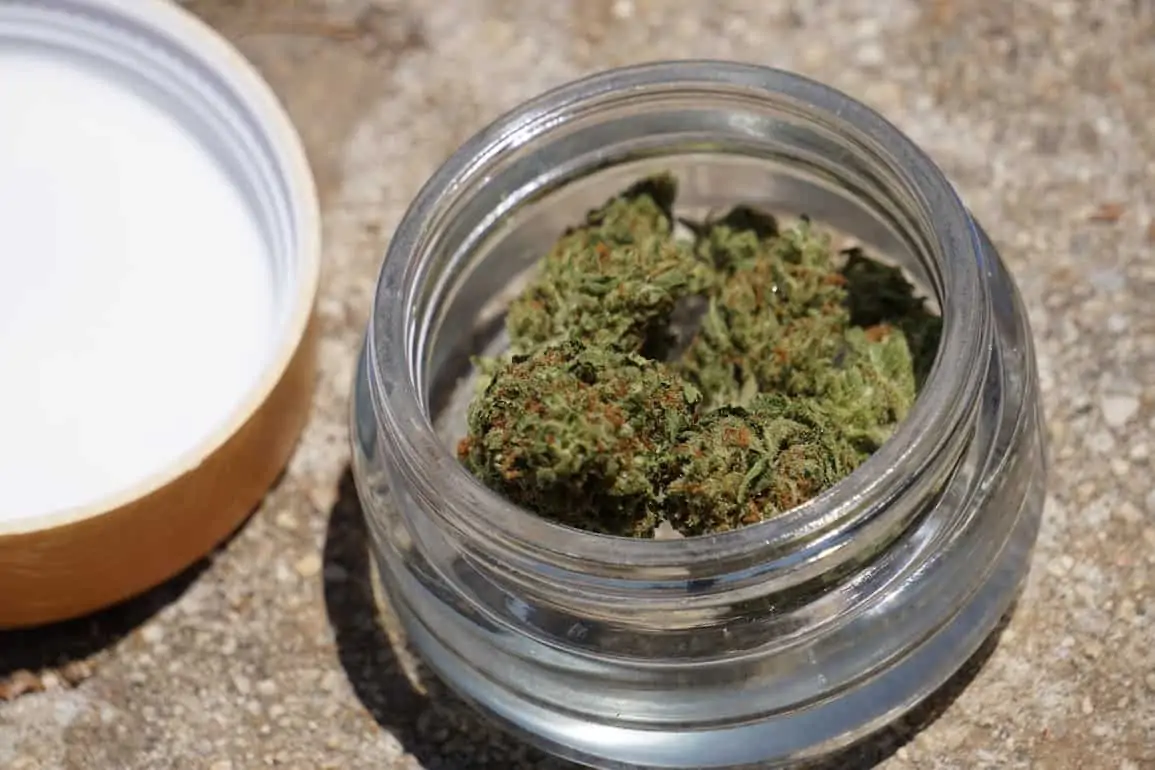
How to work at a dispensary is a commonly asked question for job seekers. Cannabis dispensaries have become one of the most visible symbols of the legal marijuana industry.
They are often the first stop for consumers, patients, and curious newcomers looking to explore the benefits of cannabis. Behind the counters, however, are professionals who juggle compliance, customer service, sales, and deep product knowledge every single day.
This guide will walk you through every aspect of working in a dispensary. We’ll go far beyond the basics, covering compensation, benefits, day-to-day life, required skills, career ladders, interview prep, compliance realities, and frequently asked questions.
Whether you are a complete beginner or an experienced professional considering a transition into cannabis retail, this article will prepare you to succeed.
Working at a cannabis dispensary can be more than a job; it’s an entry point into one of the fastest-growing industries in North America. Cannabis sales generate billions annually, and dispensary workers are the direct link between that revenue and the consumer experience.
Don’t miss the opportunity to start your career in the cannabis industry and be part of this exciting growth.
Some reasons people choose dispensary careers include:
- Passion for cannabis: You’ll be immersed in a product you love and believe in.
- Education: You get to teach people how to use cannabis safely and effectively.
- Community impact: Dispensaries often provide access to medical patients who rely on cannabis for relief.
- Career opportunities: Retail can be a stepping stone to corporate, cultivation, or product development roles.
- Growing industry stability: As legalization spreads, demand for trained, compliant staff continues to rise.
Introduction to the Dispensary Work Environment
The dispensary work environment is unlike any other in retail or healthcare. As a vital part of the cannabis industry, dispensaries offer a fast-paced, collaborative setting where passionate individuals can make a real difference in the lives of patients and customers.
Whether you’re drawn to medical cannabis for its health benefits or excited by the chance to join a growing market, dispensaries provide a variety of career opportunities for people committed to helping others.
Teamwork is at the heart of every successful dispensary. Employees work together to ensure patients and customers have access to safe, effective cannabis products, while also supporting each other in a dynamic and ever-changing environment.
From assisting patients with product selection to managing sales and inventory, every role plays a part in creating a positive experience and building strong connections within local communities.
As the demand for medical cannabis continues to rise across the state, dispensaries are expanding their teams and looking for individuals who are passionate about health, wellness, and cannabis education.
If you’re interested in a career that combines your passion for cannabis with the opportunity to help others, working at a dispensary could be the perfect fit.
Cannabis Dispensary Job Requirements and Qualifications
To thrive in a dispensary career, you’ll need more than just an interest in cannabis—you’ll need a blend of skills, knowledge, and the right mindset.
Most dispensaries in the cannabis industry look for candidates who can communicate clearly, work effectively as part of a team, and demonstrate a solid understanding of cannabis products and their effects.
A basic knowledge of medical cannabis is often required, including how different products can benefit patients and any potential interactions with other medications.
Attention to detail and accuracy are crucial, especially when handling sensitive information or processing transactions. Integrity and professionalism are also essential, as you’ll be trusted with both patient data and valuable products.
If you’re interested in a dispensary position, take time to research the specific requirements for the job you want. Be prepared to learn and grow—this industry evolves quickly, and those who stay curious and committed to expanding their knowledge will find the most rewarding career opportunities.
Application and Hiring Process
Landing a job in the cannabis industry starts with understanding the application and hiring process. Most dispensaries require candidates to submit a resume and cover letter tailored to the specific position. Highlight your relevant experience, especially any customer service, sales, or compliance work, and be sure to showcase your passion for cannabis and commitment to the industry.
Depending on the role, you may be asked to complete an assessment or participate in one or more interviews. Many dispensaries also conduct background checks and may request references to verify your experience and reliability. T
o stand out, use platforms like LinkedIn to find job openings, connect with current employees, and learn more about the company culture.
Persistence is key—competition can be strong, but by preparing thoroughly and customizing your application materials, you’ll increase your chances of finding the right career fit in this exciting and rapidly growing field.
Understanding Compensation: More Than Just Base Pay
Most people think of a budtender salary as an hourly wage, but total compensation in cannabis retail has many moving parts.
Base Pay
- Budtenders / Sales Associates: Typically $15–$20/hr in developing markets, $18–$25/hr in mature states.
- Inventory Specialists: $17–$23/hr.
- Assistant Managers: $20–$28/hr.
- Store Managers: $50,000–$90,000 per year depending on market and store volume.
Tips: The Hidden Income Stream
In many dispensaries, tips are a significant supplement. Customers often tip $1–$5 per transaction, and in busy shops, that can add up to $6–$12 per hour in extra take-home pay. Over a month, tips can equal hundreds of dollars. Some dispensaries allow individual tip jars, while others pool and split them among all staff.
Bonuses & Incentives
High-performing dispensaries often reward employees with:
- Sales bonuses for hitting revenue targets.
- Upselling incentives for promoting higher-margin products.
- Compliance bonuses when audits return clean.
- Profit-sharing or holiday bonuses for team performance.
Benefits & Perks
The best employers also offer:
- Health, dental, and vision insurance.
- Paid time off and sick leave.
- Retirement plans.
- Employee discounts (sometimes 25–50% off).
- Paid training, certifications, and education stipends.
- Wellness perks such as gym memberships or mental health support.
Not every dispensary offers a full package, but benefits often make the difference between a “job” and a sustainable career.
Geographic Variation
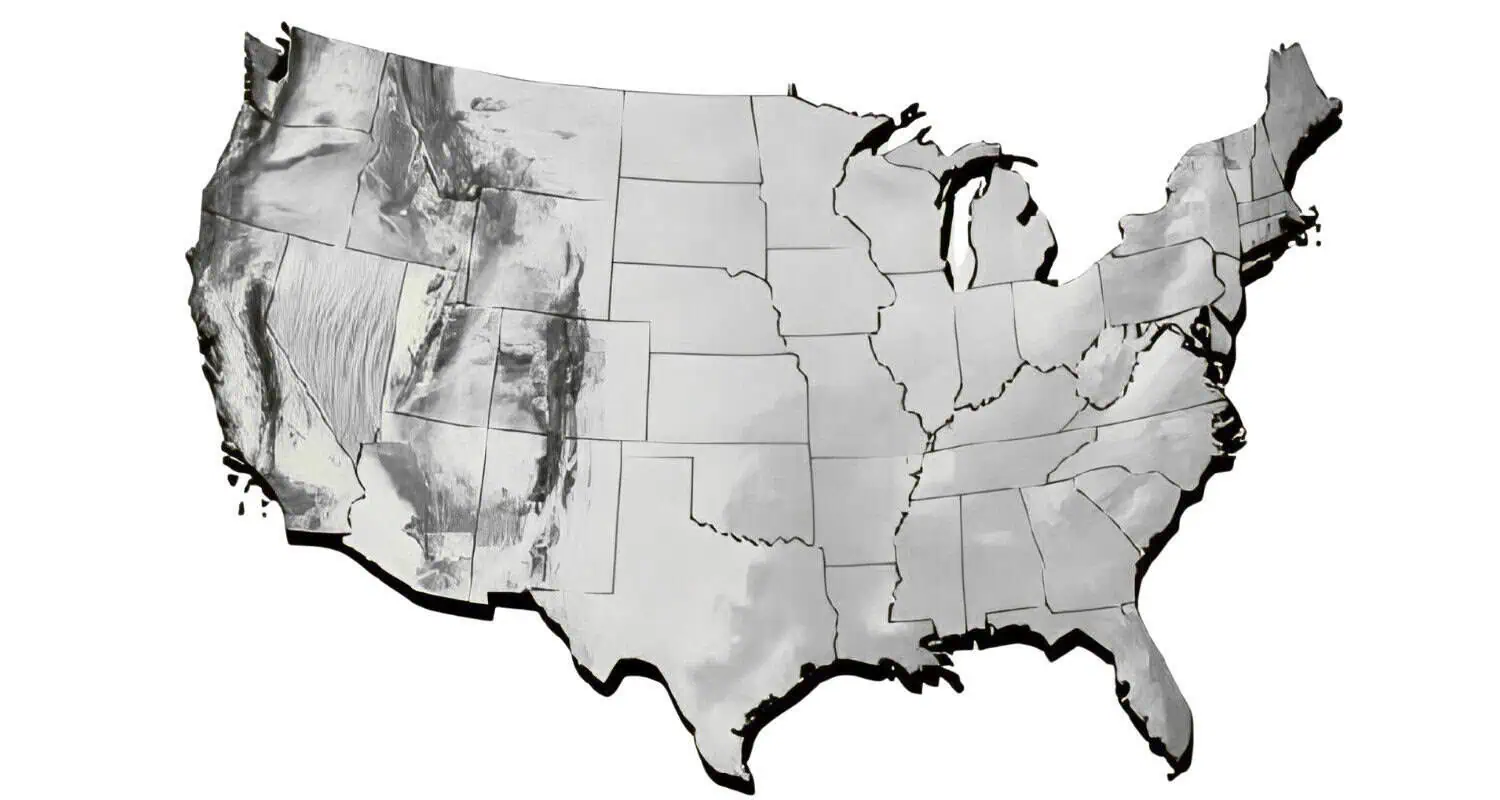
Salaries vary widely depending on market maturity and cost of living:
- Established markets like California, Colorado, Oregon, and IL (Illinois) tend to pay higher wages because competition for talent is strong.
- Emerging markets like Missouri or New Jersey may start lower but can offer rapid advancement as businesses expand.
- High-cost urban areas often provide higher wages to match local living expenses.
Day-to-Day Realities of Dispensary Jobs

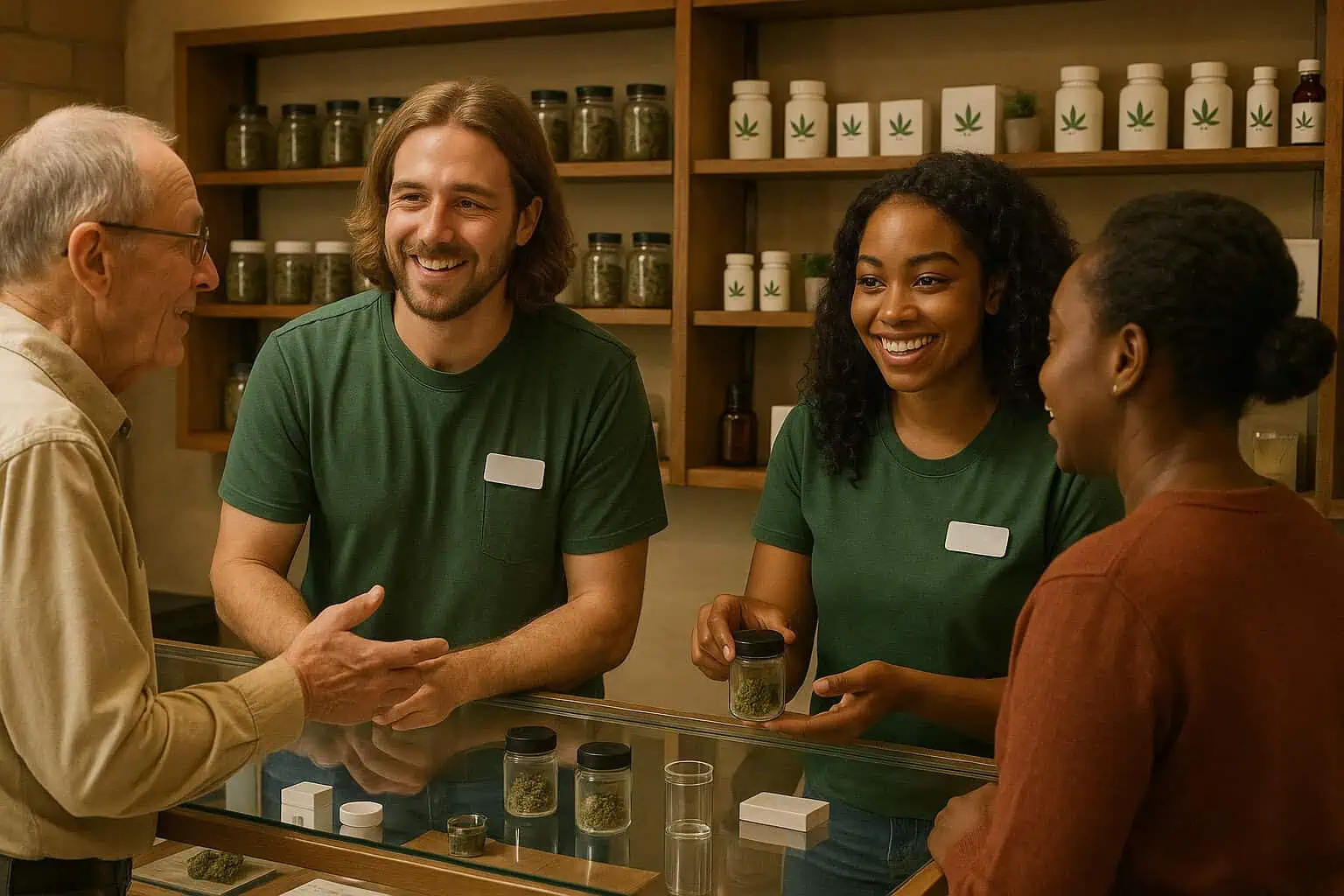
Working in cannabis retail is exciting, but it’s also demanding. The person who excels in dispensary jobs is typically professional, adaptable, and demonstrates strong leadership qualities, thriving in a team-oriented environment. Let’s explore the most common roles.
Budtender: The Frontline Educator
Daily Responsibilities:
- Greeting customers and checking IDs.
- Explaining products, strains, and dosing.
- Processing sales through the POS system.
- Managing cash and reconciling tills.
- Maintaining displays and rotating inventory.
- Staying current on new products and industry trends.
Soft Skills Needed:
- Patience with first-time customers.
- Ability to simplify complex product information.
- Upselling without being pushy.
- Emotional intelligence and empathy.
- Team communication.
Challenges:
Budtenders must juggle long lines, constantly shifting menus, and customers with wildly different needs. It can be fast-paced and stressful, but also rewarding when customers return with positive feedback
Inventory & Compliance Specialist: The Unsung Hero
Daily Responsibilities:
- Receiving shipments and verifying Certificates of Analysis.
- Entering products into seed-to-sale tracking systems.
- Conducting daily counts and monthly audits.
- Preparing reports for state regulators.
- Monitoring expiration dates and batch numbers.
- Coordinating product transfers between locations.
Soft Skills Needed:
- Meticulous attention to detail.
- Integrity and accountability.
- Analytical problem-solving.
- Clear communication with managers and regulators.
Challenges:
Even a single error in data entry can trigger fines or investigations. Specialists must be accurate under pressure and prepared for surprise inspections.
Assistant Manager: The Bridge Between Staff and Management
Daily Responsibilities:
- Coaching budtenders on compliance and customer service.
- Handling escalated customer issues.
- Scheduling and approving shift swaps.
- Monitoring sales metrics and staff performance.
- Assisting with marketing and merchandising.
Soft Skills Needed:
- Leadership and mentorship.
- Conflict resolution.
- Multitasking.
- Data interpretation.
Challenges:
You're both a peer and a supervisor, which can create tension. Balancing discipline with camaraderie is key.
Store Manager: The CEO of the Floor

Daily Responsibilities:
- Overseeing revenue, expenses, and profitability.
- Hiring, training, and conducting performance reviews.
- Liaising with regulators and auditors.
- Approving promotions, discounts, and loyalty programs.
- Maintaining compliance across all departments and utilizing resources such as the New York State Department of Labor (NYSDOL) for employment support.
Soft Skills Needed:
- Executive decision-making.
- Crisis management.
- Regulatory knowledge.
- Motivational leadership.
Challenges:Managers carry the ultimate responsibility. A single compliance misstep can risk the entire license. Strong managers balance risk with growth.
Security and Safety Protocols
Security and safety are top priorities in every dispensary, especially when it comes to medical cannabis. Dispensaries must protect sensitive patient information, manage cash securely, and safeguard valuable cannabis products.
To create a safe environment for both patients and staff, dispensaries implement strict protocols, including surveillance cameras, alarm systems, and secure storage areas.
Employees are required to follow detailed procedures for handling products and cash, as well as verifying patient identities and documentation before any medical cannabis is dispensed.
Maintaining accurate records and adhering to all health and safety regulations is essential—not only to protect the business, but also to ensure patients receive the care and products they need.
By prioritizing security and safety, dispensaries build trust with their communities and create a welcoming, professional atmosphere where patients and employees can feel confident and supported.
Working with Medical Cannabis
Working with medical cannabis is both a responsibility and a privilege. Employees in this field must have a deep knowledge of cannabis products, including their THC and CBD content, and understand how different formulations can support patient health.
Advising patients requires compassion, accuracy, and a commitment to ongoing education, as the cannabis industry is constantly evolving with new research and products.
Dispensary staff play a crucial role in helping patients navigate their options, select the right products, and use them safely and effectively. Maintaining detailed patient records and complying with all legal requirements ensures that care is both personalized and compliant with state regulations.
If you’re passionate about health and interested in making a positive impact in your community, a career working with medical cannabis offers the chance to help patients improve their quality of life while building your own expertise in a rapidly growing industry.
Career Growth: From Budtender to Industry Leader
Dispensary jobs are stepping stones to long-term cannabis careers.
Typical Career Path
- Budtender
- Lead Budtender / Shift Lead
- Inventory Specialist or Assistant Manager
- Store Manager
- District or Regional Manager
- Director of Retail Operations
Lateral Opportunities
- Cultivation: Move into growing, trimming, or managing harvests.
- Processing & Extraction: Work with concentrates, edibles, and new formulations.
- Marketing & Branding: Use customer insights to develop campaigns.
- Wholesale Sales: Sell products from cultivation facilities to dispensaries.
- Corporate Compliance: Oversee policies across multiple locations.
- Education & Training: Become a staff trainer or course developer.
Dispensary experience gives you an unmatched foundation in compliance, consumer behavior, and product knowledge — skills that are valuable throughout the cannabis supply chain.
Interview Preparation: How to Stand Out
Dispensary interviews test both product knowledge and customer service ability.
It's important to prepare all necessary application documents, such as resumes and cover letters, to effectively showcase your skills.
Common Questions
- “Why do you want to work in cannabis retail?”
- “Explain the difference between indica, sativa, and hybrid strains.”
- “A customer wants help sleeping but is sensitive to paranoia. What do you recommend?”
- “How would you handle a customer trying to purchase more than the legal limit?”
- “Tell me about a time you calmed down a frustrated customer.”
Tips
- Do your research on the dispensary's menu and mission.
- Use the STAR method (Situation, Task, Action, Result) for behavioral answers.
- Stay compliance-focused in all responses.
- Show willingness to learn — no one expects you to know everything on day one.
- Ask smart questions about tip policy, benefits, and training programs.
Compliance and Legal Realities
Cannabis remains federally illegal, so dispensaries must follow strict state and local rules.
- Seed-to-Sale Tracking: Every product must be tracked from cultivation to sale.
- Purchase Limits: Customers can only buy a set amount per day.
- ID Verification: Only valid, unexpired government IDs are accepted.
- Packaging & Labeling: Products must follow child-resistant and warning requirements.
- Audits & Inspections: Regulators can visit at any time, and employees must cooperate.
- Recalls & Destruction: If products fail lab tests, they must be removed, logged, and destroyed according to law.
Employees should expect ongoing compliance training and must be ready to adapt quickly to rule changes. The Office of Cannabis Management is a key regulatory agency overseeing compliance and enforcement in the cannabis industry.
Frequently Asked Questions: How To Work At A Dispensary
Do I need prior cannabis experience to work at a dispensary?
No. Many dispensaries hire people with retail, hospitality, or compliance backgrounds. Passion and reliability go a long way.
Can I use cannabis on the job?
Absolutely not. Most employers prohibit consumption during shifts and may enforce drug-free policies.
Are background checks required?
Usually yes. Felonies, especially drug trafficking convictions, may disqualify you depending on state law.
What training or certifications help?
Cannabis education courses, Responsible Vendor Training, and familiarity with tracking systems like Metrc are highly valued.
Is this a safe job?
Yes. Licensed dispensaries are secure facilities. However, employees must remain vigilant with cash handling and compliance.
How do I apply for a dispensary job?
To apply for a dispensary job, submit your application materials—such as your resume and cover letter—through the dispensary’s website or job portal. Follow the hiring process outlined by the dispensary and apply as soon as possible to take advantage of new opportunities.
The Future of Dispensary Careers
As legalization expands, dispensary work is evolving. Here are some trends shaping the future:
- Technology Integration: Self-serve kiosks, digital menus, and AI-driven product recommendation tools.
- Delivery Services: Expansion of online ordering and home delivery, requiring new driver and logistics roles.
- Medical Specialization: Staff trained in patient care and product dosing for specific conditions.
- Multi-State Operators: Larger chains standardizing training and career ladders.
- Equity & Inclusion Programs: Many states incentivize hiring from disproportionately affected communities.
For employees, this means more opportunities, more professionalization, and more chances to grow.
Quotes From Industry Professionals
- “Being a budtender is about more than sales. It's about trust. You're helping people make health decisions, so knowledge and honesty matter as much as friendliness.” — Dispensary Manager, Colorado
- “Inventory compliance is the backbone of the store. If you get it wrong, nothing else matters. Accuracy is what protects the license.” — Compliance Specialist, Illinois
- “I started as a budtender in 2016. Now I manage three locations. This industry rewards people who show up, learn quickly, and care about the customer experience.” — Regional Manager, California
Checklist for Landing Your First Dispensary Job
- Learn the basics of cannabis strains, cannabinoids, terpenes, and consumption methods.
- Take an online cannabis education course or state-mandated Responsible Vendor Training.
- Prepare a strong resume highlighting customer service and compliance experience.
- Research local dispensaries — know their menu and reputation before applying.
- Practice interview scenarios around compliance and customer service.
- Ask about compensation details — tips, bonuses, benefits, and advancement opportunities.
- Stay adaptable — regulations and product lines change quickly.
10 Interesting Facts About Working At A Dispensary (Weed Jobs)
- Many states mandate that dispensary workers complete state-approved Responsible Vendor Training to ensure they understand local laws for legal and safe sales.
- Many states require dispensary employees to obtain a specific license, badge, or agent card, which often involves an application fee and fingerprinting.
- Most employers will require you to pass a criminal background check to work at a dispensary.
- The minimum age to work in a cannabis dispensary is typically 21, although some states permit employees as young as 18.
- Entry-level positions in dispensaries often include roles such as budtender, receptionist, or packager.
- Compliance officers ensure dispensaries adhere to all relevant laws and conduct internal audits.
- Dispensary managers oversee daily operations, ensuring compliance with regulations and managing staff.
- The New York State Department of Labor provides no-cost job search services for cannabis job seekers.
- Many employers in the cannabis industry value production management experience.
- Experience with cash management and proficiency with point-of-sale (POS) systems are essential skills for dispensary roles.
Conclusion on Working At A Dispensary
Working at a dispensary offers more than a paycheck. It's a front-row seat to one of the fastest-growing industries in the world.
With the right preparation, mindset, and willingness to learn, you can start as a budtender and work your way to management, corporate roles, or even launching your own cannabis business.
The key is to treat dispensary work as a career, not just a job. Focus on customer care, compliance, and continuous learning — and you'll be positioned to grow with the industry for years to come.

Fred Hernandez
Fred Hernandez is a highly accomplished and versatile writer, boasting an extensive background in the cannabis industry. With an in-depth understanding of various sectors including cultivators, processors, retailers, and brands, Fred's expertise spans across the entire cannabis landscape. As a prominent contributor to CTU, he consistently delivers insightful articles exploring the latest developments, news, and regulations shaping the cannabis industry. Whether it's delving into the intricacies of cannabis products, cannabis strain reviews, or providing comprehensive analyses of cannabis laws, or sharing expert insights on cannabis cultivation techniques, Fred's wealth of knowledge positions him as an invaluable writer and educator for all cannabis-related subjects.


 Jeff was involved in an accident where he endured a traumatic brain injury. He had a week-long stay in ICU where brain surgeons
  100% risk free money back guarantee within 48 hours after purchase if student has not completed any of the courses or exams.
