



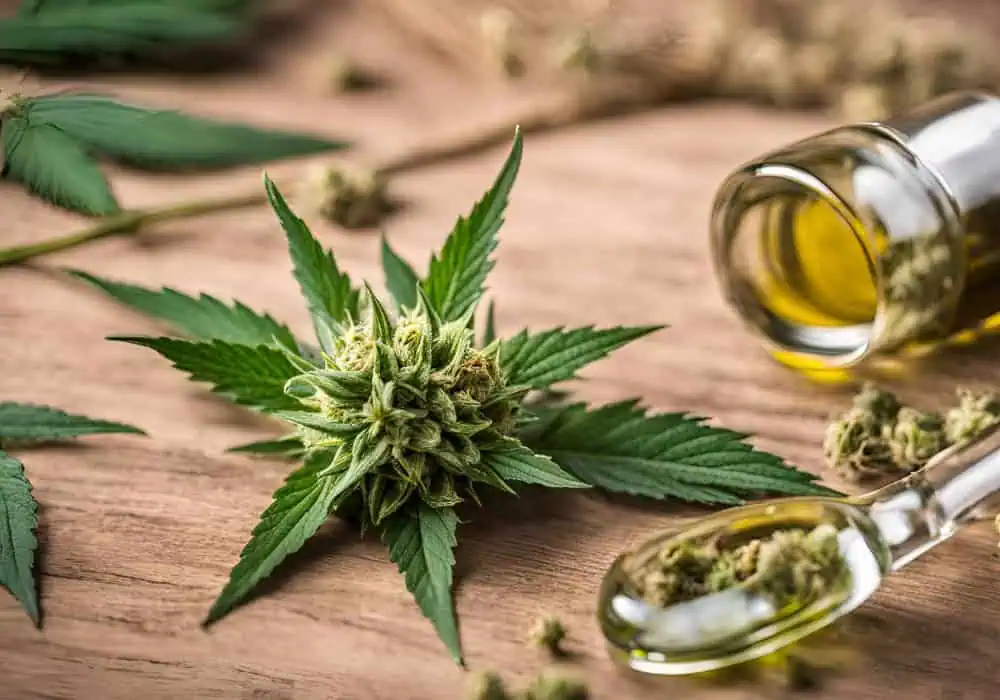
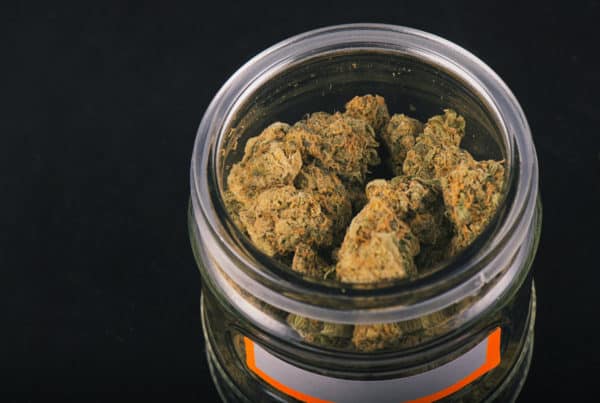
Pot trimming jobs, often called bud trimming, weed trimming, or cannabis manicuring, is one of the most important jobs in the post-harvest process. Every bud that makes it to dispensary shelves must be carefully shaped and cleaned by a trimmer's hands (or machines supervised by them).
For those looking to enter the legal cannabis industry, pot trimming remains one of the best entry-level positions that provides hands-on experience with the plant and a clear path to career growth.
Role & Responsibilities Of A Pot Trimmer

Cannabis trimmers work directly with harvested plants. Their main responsibilities include:
- Removing fan leaves and excess sugar leaves.
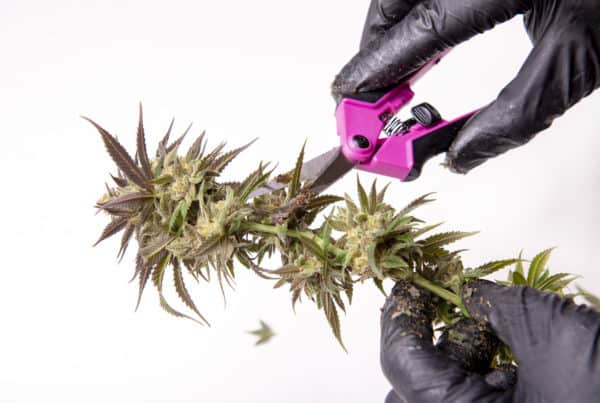
- Removing or trimming branches, including lower branches, to optimize plant structure and prepare buds for processing.
- Shaping buds to be uniform and visually appealing.
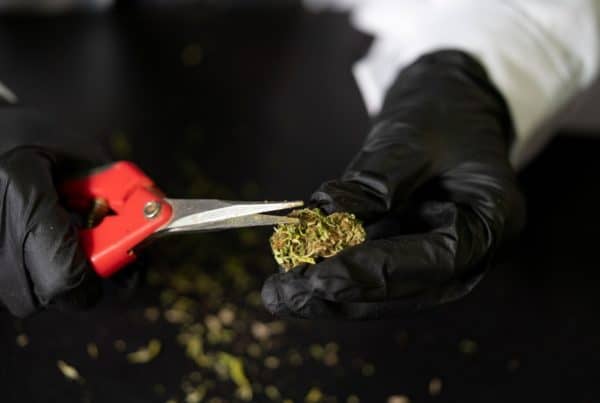
- Using sharp scissors for precise trimming of buds and heavy-duty shears for cutting thick branches and stems.
- Ensuring product is free of stems, pests, or mold.
- The trim job includes preparing cannabis flowers and ensuring the quality of the trimmed flowers.
- Weighing, sorting, and packaging trimmed flower.
- Maintaining sanitation and compliance in the trimming space.
- Recording yields and working under supervisors or head trimmers.
Trimming requires precision, speed, and stamina. It is repetitive but vital work that affects both the market value and consumer appeal of cannabis. A quality trim job on cannabis flowers and branches directly impacts the final product's appearance and value.
Requirements & Licensing For Pot Trimmer Jobs
Most states require trimmers to:
- Be 21 years or older.
- Pass a criminal background check.
- Obtain a cannabis worker permit or occupational license where required.
- Have good manual dexterity, patience, and attention to detail.
- Work long shifts in repetitive environments.
Formal education is not required, but completing cannabis training programs, such as CTU's Master of Cannabis curriculum, helps candidates understand plant anatomy, trimming methods, compliance, and workplace expectations.
Pay & Salary in 2026
As of 2026, cannabis trimming pay continues to grow:
- Average wage: $16–$18 per hour.
- Range: $14–$23 per hour, depending on state, employer, and productivity.
- Some trimmers are paid per pound, earning between $150–$200 per finished pound.
- Experienced or lead trimmers can make $40,000–$50,000 per year, with benefits at larger companies.
While trimming is often a seasonal harvest role in outdoor states, year-round indoor grows and multi-state operators now employ permanent trimming staff.
Pot Trimming Laws & Compliance (2026 Update)
- Cannabis trimmers must work in licensed facilities only.
- All trimmed product must remain in secured, restricted areas.
- Surveillance, chain-of-custody documentation, and waste disposal are required by state law.
- Some states (like Colorado, Michigan, and California) require employees to carry state-issued worker badges at all times.
- Federal prohibition still applies, meaning trimming jobs exist only in regulated state markets.
How to Trim Weed (Step-by-Step)

Tools Needed:
- Sharp trimming scissors or shears (spring-loaded preferred). For cutting thick branches and stems, consider using heavy-duty pruning shears.
- Trim tray or bin to catch excess material.
- Gloves (to protect trichomes and reduce stickiness).
- Isopropyl alcohol for cleaning tools.
Set up your trimming room in a clean, well-ventilated area. Using an exhaust fan or a grow tent can help control odor and maintain proper airflow during the trimming process.
Step 1: Prepare the Workstation
Sanitize all tools and surfaces. Ensure bright lighting for optimal light penetration when trimming, and arrange comfortable seating.
After trimming, allow the branches to rest briefly before moving to the next step.
Step 2: Remove Large Fan Leaves
Big fan leaves should be removed first, as they contain little to no cannabinoids and are often discarded or used for extracts. Some trimmers choose to remove all the leaves during this step to enhance bud appearance and reduce harshness, while others prefer to leave as many leaves as possible to help the plant retain more energy for healthy growth.
A common guideline is to remove about half of the fan leaves before flowering, which can encourage bud production and optimize yield.
Pruning or removing leaves at this stage helps the plant direct its energy toward bud development. To prune cannabis plants effectively, focus on removing damaged or diseased leaves and excess foliage, while ensuring enough healthy leaves remain to support photosynthesis and overall plant vitality.
Step 3: Shape the Bud
Trimming involves removing small leaves, also known as sugar leaves, to expose the bud sites and enhance the appearance of the flowers. Trimmers must recognize a few different types of leaves and plant parts when shaping the bud, ensuring only the excess material is removed.
Carefully snip away sugar leaves while preserving trichome-rich calyxes, and rotate the bud as you go to ensure uniform trimming. Careful trimming buds and cannabis flowers helps produce a high-quality final product. Proper trimming of flowers maximizes yield and improves overall appearance.
Step 4: Refine and Finish
Remove stems and refine the bud shape, collecting the trimmed material for further processing such as making hash, edibles, or capsules. Careful trimming preserves more bud and allows the plant to direct more energy to healthy growth. A quality trim job ensures the best possible product, improving shelf appeal and maximizing price per gram.
Step 5: Sort & Weigh
Some growers sort and weigh full branches or even the entire plant before trimming. Trimmed buds are weighed, labeled, and sent for curing or packaging. In some operations, growers harvest cannabis by cutting down the whole plant, while others process individual branches. The way the plant is harvested and trimmed can affect the amount of product produced. Excess “trim” can be collected for concentrates.
Weed Trimming Methods
- Wet Trim: Trimming immediately after harvesting the cannabis plant while buds are still fresh and moist. Wet trim allows for easier leaf removal but can be stickier work. Many growers and cannabis cultivation experts recommend deciding when to start trimming based on the strain, the grower's goals, and whether you begin at the end of the vegetative stage or at the beginning of the flowering stage. Timing is important—some growers begin trimming as early as the first week of the flowering stage to optimize bud production and plant health.
- Dry Trim: This method involves waiting until the buds have dried for several days before trimming. Dry trim is often used by growers who prefer a slower, more controlled process, as it produces buds that are dried with leaves still attached or partially attached. This can help with slow, even drying and optimal curing, which is important for flavor and potency. The choice between wet trim and dry trim can depend on the strain, growing cannabis methods, and whether you are harvesting the whole cannabis plant or just the lower branches.
- Machine Trimming: Large-scale operations may use trimming machines for efficiency, especially in a fast paced environment during peak harvesting periods, but final hand-finishing is often still required to produce high-quality buds.
Pruning, including removing lower branches and excess stalks, is essential for healthy marijuana plants and helps the cannabis plant produce optimal yields. Healthy roots, strong seeds, and even pollen play a role in the overall cannabis cultivation process.
Different strains and growing cannabis techniques may require specific trimming and pruning approaches, so it's important to follow guidance from experienced growers and cannabis cultivation experts to properly prune cannabis plants for the best results.
Cannabis Career Advancement Opportunities
Trimming is often just the first step. From here, workers can advance into:
- Lead Trimmer or Trim Supervisor
- Cultivation Technician (plant care and growing)
- Harvest Manager
- Processing or Extraction Technician
- Quality Assurance Specialist
- Dispensary Operations
- Grower or Cannabis Cultivation Expert (overseeing plant growth, training, and harvest)
Advancing to roles such as grower or cannabis cultivation expert allows workers to produce higher quality cannabis, manage larger operations, and apply expert strategies used by experienced growers.
With training and experience, many former trimmers move into six-figure cultivation management or processing roles within a few years.
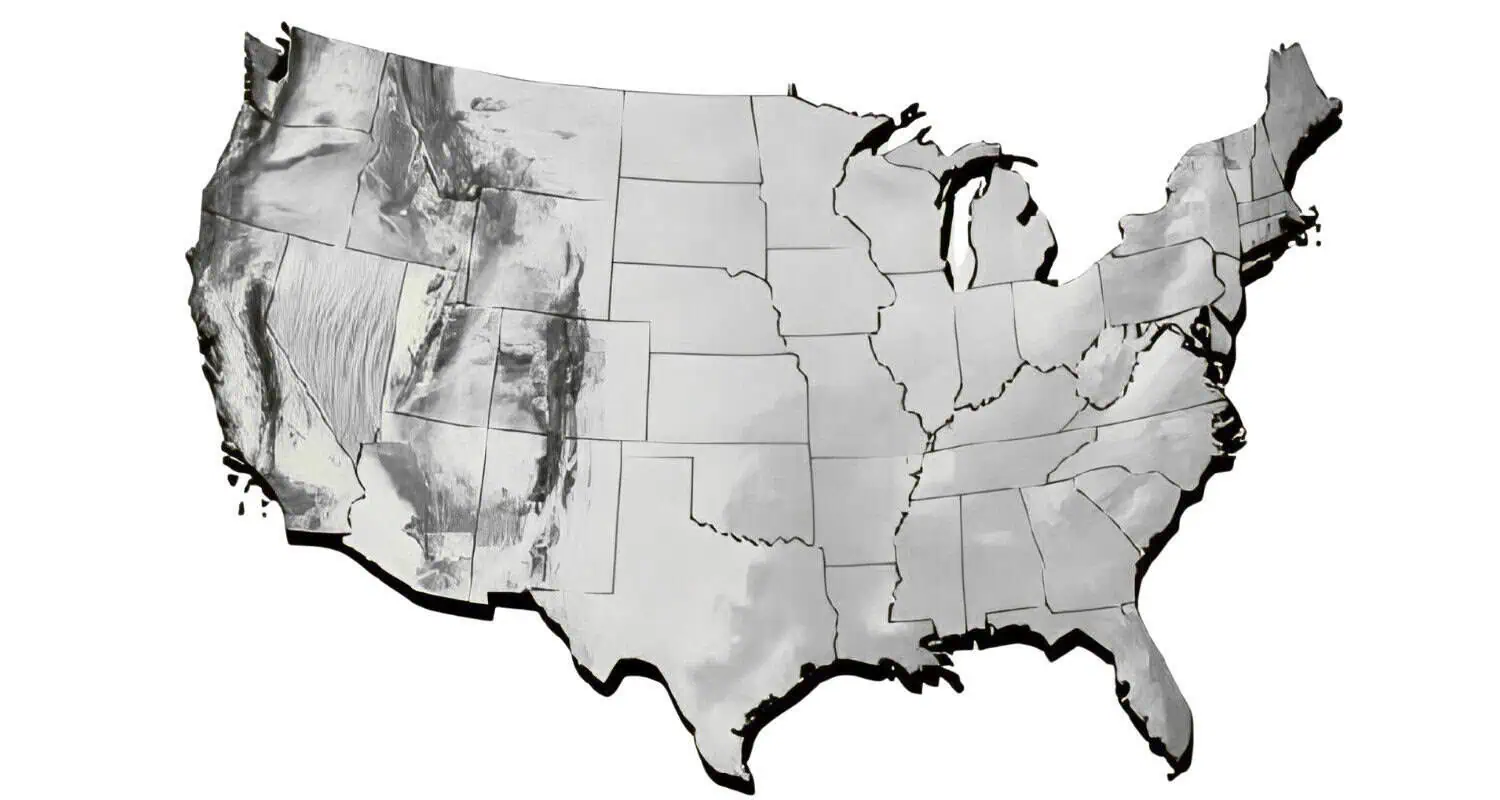
States Hiring Weed Trimmers
Cannabis trimming jobs are widely available in states with legal cannabis industries. Major markets hiring include:
- California (largest industry, seasonal & permanent trimming jobs)
- Colorado
- Oregon
- Washington
- Nevada
- Arizona
- New Mexico
- Michigan
- Illinois
- Massachusetts
- New Jersey
- New York
- Maryland
- Missouri
- Maine
- Connecticut
In addition, newly legalized states such as Ohio, Minnesota, and Delaware are building cultivation facilities that will increase trimming job demand in 2026–2027.
In-Depth Job Search and Application Strategy
Finding trimming jobs isn’t just about location—it’s also about how you present yourself.
Resume & Application Tips:Even without prior cannabis experience, highlight transferable skills such as fast-paced production, assembly line work, fine detail tasks, or endurance in long shifts.
Employers value candidates who can work efficiently in a fast paced environment, as trimming often requires maintaining accuracy and productivity under time-sensitive conditions. They also look for attention to detail, reliability, and the ability to follow strict compliance rules.
Networking and Job Boards:Look beyond general job sites. Cannabis-specific job boards and state-level industry forums are where most trimming jobs get posted. Attending local cannabis expos or job fairs can also connect you directly to employers.
The Trimmer Interview:Common interview questions include:
- “How do you handle repetitive tasks?”
- “What is your trimming speed goal?”
- “Why is wet vs. dry trimming important?” Show that you understand the demands of a trim job, including the need for speed and accuracy, while protecting bud quality. Demonstrating your awareness of the fast paced environment and the importance of proper trimming techniques can set you apart.
Unpaid or Volunteer Trimming:In states where home cultivation is legal, consider trimming for personal grows to gain hands-on practice. This helps build speed and gives you real-world experience to showcase when applying for paid jobs.
Ergonomics and Health for Bud Trimmers
Trimming is repetitive and can be physically demanding. Protect your body by working smart.
Ergonomics and Posture:
- Sit in a supportive chair with your workstation at elbow height.
- Keep wrists straight to avoid strain.
- Adjust lighting and seating to reduce slouching or twisting.
Tool Selection:
- Straight blades are best for rough trimming.
- Curved blades provide precision around flower contours.
- Spring-loaded scissors reduce fatigue.
- Clean and sharpen blades regularly to avoid sticky buildup.
Preventing “Trimmer's Claw”:
Stretch hands and wrists every hour, rotate shoulders, and take scheduled breaks. Simple exercises—like spreading fingers wide or making gentle fists—can prevent long-term issues.
State-Specific Licensing
Each state uses different names and processes for cannabis worker permits. Examples include:
- Colorado: MED Badge
- Washington: Marijuana Worker Permit
- Oregon: Cannabis Worker Permit
- Nevada: Dispensary Agent Card
- Illinois & Massachusetts: Cannabis Agent Registration
Application Steps (Typical):
- Fingerprinting and background check.
- Pay a state fee (usually $75–$150).
- Submit application to the state cannabis agency.
- Wait 4–8 weeks for approval.
Having your badge in hand makes you a much stronger candidate.
Advanced Pot Production Metrics
Employers track both speed and quality when evaluating trimmers.
Quality vs. Speed:Faster trimming isn’t always better. Sloppy trimming reduces product value. A balance between clean manicuring and steady output is ideal.
Pay Structures:
- Hourly pay: Most common in indoor facilities—stable and predictable.
- Per-pound pay: Common in outdoor seasonal grows—great for trimmers who are both quick and precise.
Key Performance Indicators (KPIs):
- Grams per hour (GPH).
- Trim waste (how much usable flower is lost; efficient trimming helps produce more bud and higher yields by minimizing waste).
- Quality inspection pass rates.
- Consistency across multiple batches.
Tools & Brands Used by Trimmers
- Fiskars Pruning Scissors – ~$20–$30
Designed for precision trimming, some models are also suitable for cutting thick branches during harvest. - Trim Bin by Harvest More – ~$50
Used to collect trimmed material, making it easy to gather trimmings for further processing into hash, edibles, or capsules. - Chikamasa B-500 Series Shears – ~$25–$35
- GreenBroz Trimming Machines – starting at ~$4,000
- Twister Trimmers – industrial models up to ~$15,000
Pot Trimming Jobs FAQ
Is trimming cannabis legal everywhere?
No. It's only legal in licensed states. Working as a trimmer in non-legal states is illegal.
Do I need prior experience for a pot trimmer job?
Not necessarily. Many employers train on the job, though experience or cannabis education increases your chances.
Is pot trimming year-round or seasonal?
Outdoor farms hire seasonally (fall harvest). Indoor grows and MSOs hire full-time, year-round.
How fast should I trim pot?
Entry-level quotas are about 100–200 grams per hour. Skilled trimmers may exceed 1 pound per day.
Do pot trimming jobs include benefits?
Some full-time roles at large companies offer health insurance and PTO, while seasonal gigs often do not.
Is weed trimming hard work?
It requires focus, repetitive hand motions, and long hours. Ergonomic tools and good posture are essential.
What's the difference between wet and dry weed trimming?
Wet trimming happens right after harvest (faster, stickier). Dry trimming is done after drying (cleaner, slower).
Can pot trimming lead to higher-paying jobs?
Absolutely. Many cannabis cultivation managers, extractors, and QA specialists started as trimmers.

Fred Hernandez
Fred Hernandez is a highly accomplished and versatile writer, boasting an extensive background in the cannabis industry. With an in-depth understanding of various sectors including cultivators, processors, retailers, and brands, Fred's expertise spans across the entire cannabis landscape. As a prominent contributor to CTU, he consistently delivers insightful articles exploring the latest developments, news, and regulations shaping the cannabis industry. Whether it's delving into the intricacies of cannabis products, cannabis strain reviews, or providing comprehensive analyses of cannabis laws, or sharing expert insights on cannabis cultivation techniques, Fred's wealth of knowledge positions him as an invaluable writer and educator for all cannabis-related subjects.



 Jeff was involved in an accident where he endured a traumatic brain injury. He had a week-long stay in ICU where brain surgeons
  100% risk free money back guarantee within 48 hours after purchase if student has not completed any of the courses or exams.
