The appearance of a cannabis plant can vary widely. Factors such as genetics, environment, and cultivation techniques influence its size, shape, coloration, and flower structure.
By observing these characteristics, growers can gain valuable insight into the plant’s health, growth stage, and potential growing conditions.
Grow it right the first time
Stop guessing. Learn to grow from seed to harvest.
The Indoor & Outdoor Cannabis Growing Certificate covers nutrients, pH, lighting, pests and harvest, with video lessons and a certificate when you finish.
See the Growing Certificate →Free Cultivation Guide (ebook)IACET-accredited · 7-day money-back guarantee
A cannabis plant goes through several important growth stages. During the seedling stage, the plant is small and only has a few leaves. Its main job is to establish its root system before developing.
In the vegetative stage, the plant experiences rapid growth and produces leaf fans. During this period, the plant focuses on building stems, branches and foliage. There is little to no flower formation yet.
During the flowering stage, white pistils, often called “hairs,” begin to appear. The buds start developing and swelling as the plant directs its energy toward reproduction.
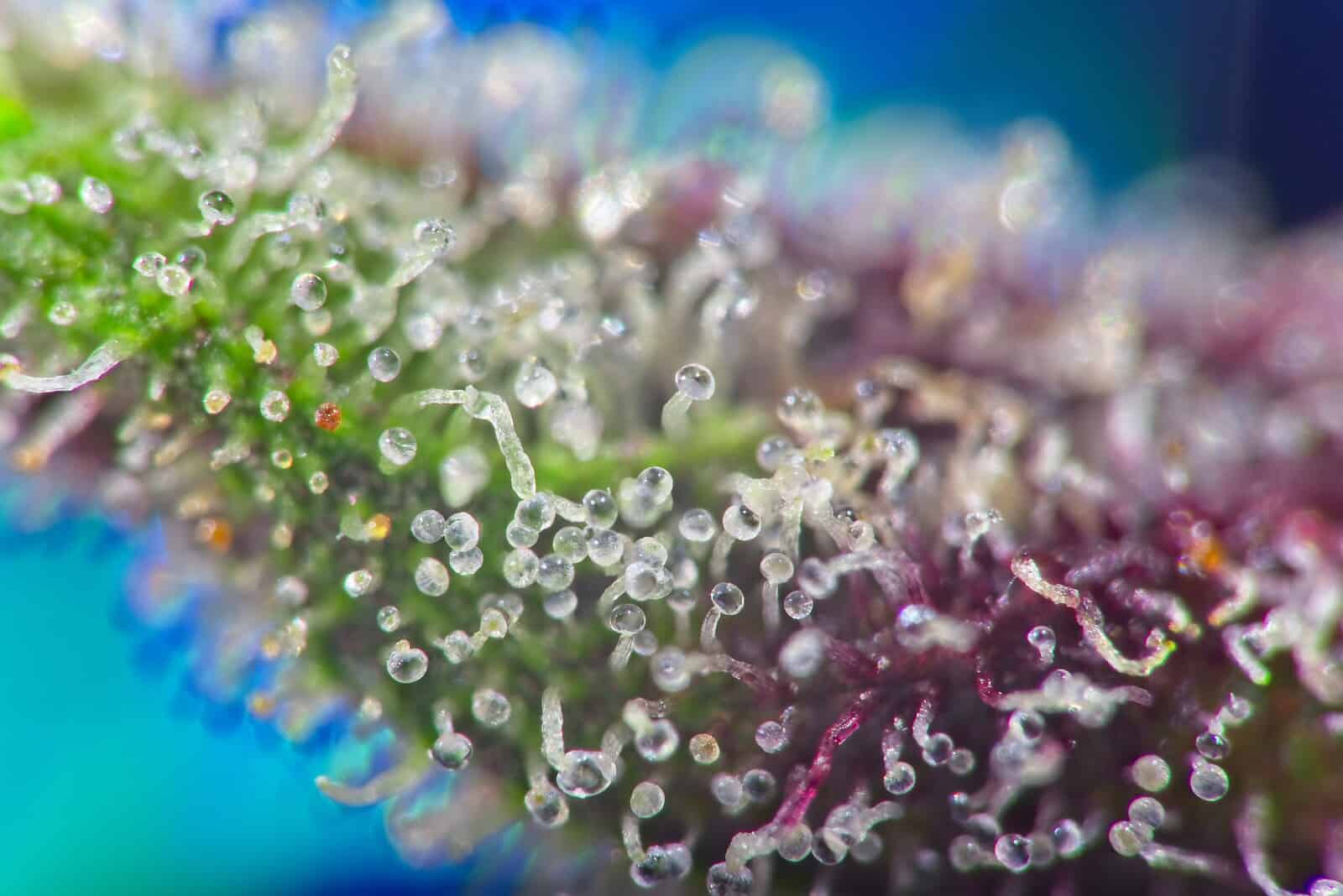
This is when the trichomes become increasingly visible.
Appearance of a cannabis plant alone cannot tell you the exact effects it will give you but it can give you some intel.
The plant’s chemical profile (THC, CBD, terpenes, other cannabinoids) determines effects, and those can’t be accurately judged just by looking.
But you can usually tell from appearance if a plant is a sativa or indica strain:

The way the trichomes look can give you clues about where the plant is in the growth cycle.
The resin glands (trichomes) can give you information on when harvest time is approaching:
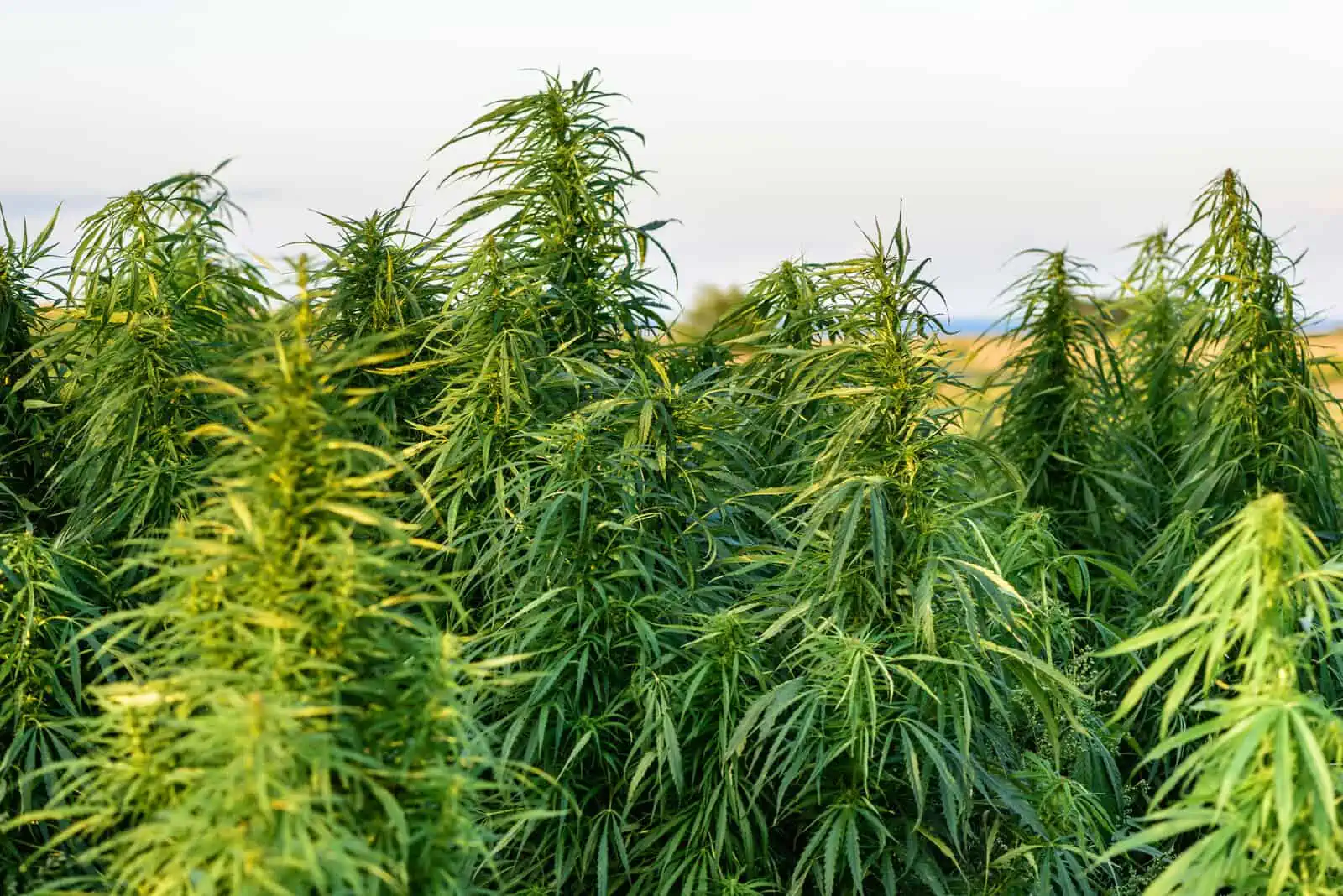
A healthy cannabis plant displays several visual characteristics that indicate it is growing under optimal conditions.
It typically has vibrant green leaves, upright stems and foliage, and shows consistent, vigorous growth.
It should be free of major spots, holes, discoloration, or other visible signs of damage.
Several visual indicators can suggest that a plant is experiencing stress or health problems.
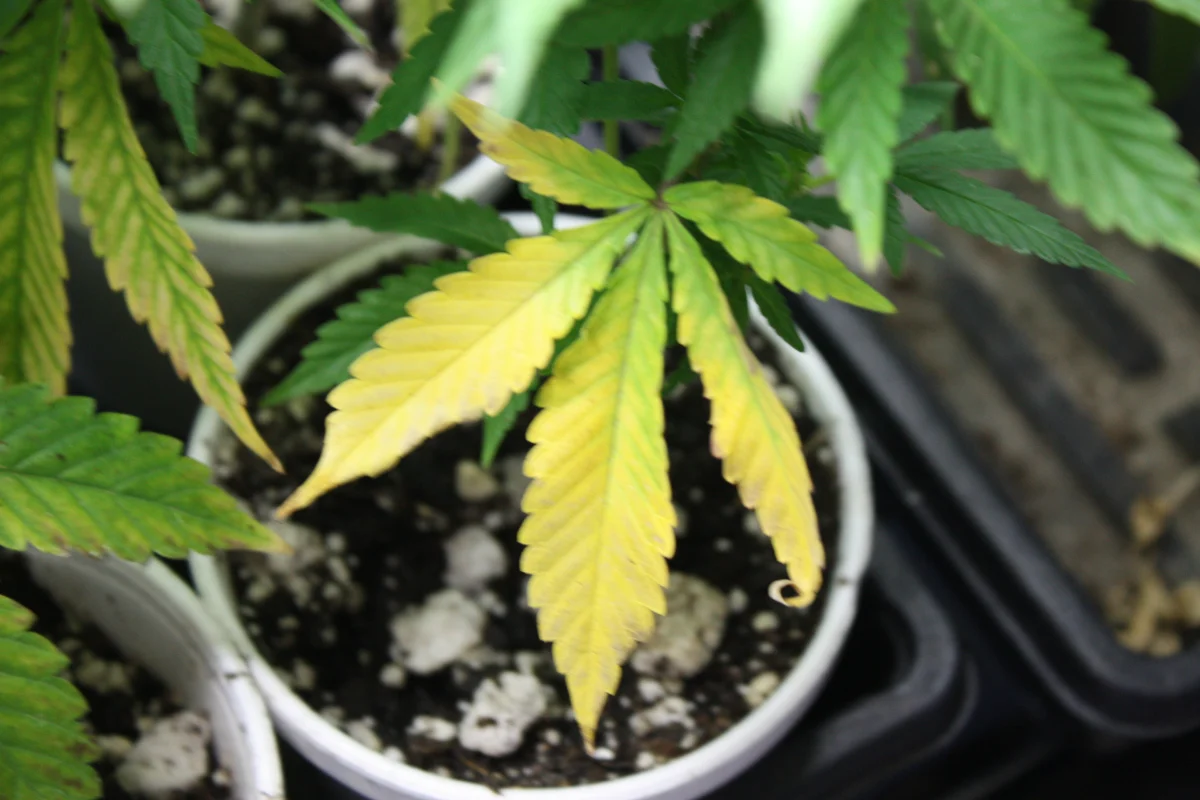
Yellowing leaves may be caused by nutrient deficiencies, overwatering, or the natural fading that occurs late in the flowering stage.
Brown or rust-colored spots can indicate calcium deficiencies, pH imbalances, or certain plant diseases.
Drooping leaves are often a sign of watering issues or root-related problems.
Leaves that curl downward into a claw-like shape are commonly associated with excess nitrogen.
Evidence of pest infestations may include holes in the leaves, speckled or stippled patterns, webbing, or the presence of visible insects.
Consistent growth is another sign of good plant health. New leaves should emerge regularly, and the plant should maintain a balanced structure without signs of stunted growth.
During flowering, healthy plants produce well-formed buds and develop a noticeable coating of trichomes.
More in Growing

Check your state's cannabis laws

Indoor + outdoor growing careers
 IACET Accredited Provider · online cannabis education
Since 2009 • 50,000+ students trained worldwide



Copyright Cannabis Training University, a subsidiary of Online Training Providers. © 2026. All Rights Reserved.
Medical Disclaimer: The information on this website is for informational purposes only and is not intended to be a substitute for professional medical advice, diagnosis, or treatment.
Always seek the advice of a physician or other qualified health provider with any questions you may have regarding a medical condition.
Legal Compliance: Cannabis remains federally illegal. Products and information are intended only for jurisdictions where cannabis use and possession is legal.
By using this site, you affirm that you are of legal age (21+) and responsible for understanding your local laws.