When cannabis is grown organically, it means it was cultivated without synthetic chemicals or genetically modified organisms (GMOs).
Organic farming methods prioritize the use of natural and sustainable approaches.
The goal of organic cannabis growing is to reduce its negative effects on the environment while enhancing the wellbeing of the plant, the soil, and the ecosystems around it.
In the modern era of legal cannabis, organic cultivation has gained widespread acceptance. A growing number of private and commercial growers are now endorsing and practicing organic methods.

Grow it right the first time
Stop guessing. Learn to grow from seed to harvest.
The Indoor & Outdoor Cannabis Growing Certificate covers nutrients, pH, lighting, pests and harvest, with video lessons and a certificate when you finish.
See the Growing Certificate →Free Cultivation Guide (ebook)IACET-accredited · 7-day money-back guarantee
Organic growers focus on maintaining healthy soil. By using organic additives like compost and manure, crop rotation, and composting, organic cannabis growers aim to keep their soil healthy.
To guarantee that your plants are not genetically engineered, start with non-GMO cannabis seeds or clones.
To help manage diseases and pests without using artificial pesticides, use integrated pest management (IPM) strategies.
To aid in pest management, introduce beneficial insects like ladybugs or predatory mites. Employ physical barriers to keep pests out, such as screens or row covers.
To reduce pests and enhance soil health, use companion planting. For instance, growing marigolds can aid in pest repellency.
Steer clear of synthetic pesticides, herbicides, and fertilizers.
Growing cannabis organically may be a fruitful and long-lasting enterprise. Here’s a step-by-step tutorial to get you going.
Please be aware that local laws pertaining to cannabis production differ greatly from place to place, so before moving forward, make sure you are in compliance.
Step 1: Legal Aspects
Make sure you are able to legally cultivate cannabis in your location before you begin. Acquire the required licenses or permissions and familiarize yourself with the particular laws that govern your area.
Step 2: Select Your Growing Conditions
Make a decision regarding your cannabis growing strategy: indoor, outdoor, or greenhouse. Select the option that best fits your goals and resources from the list of options, each with pros and cons.
Step 3: Choose a Strain of Cannabis
Select a cannabis strain based on your desired effects, growing conditions, and level of experience. Take into account elements such as plant size, flowering period, and disease and insect resistance.
Step 4: Set Up Your Environment for Growth
Make sure the area you have selected is well-ventilated and completely cleaned. Establish the right environmental factors for cannabis growth, such as enough ventilation, humidity, temperature, and illumination.
Step Five: Germination
Start with organic seeds or clones of superior quality. Use the instructions that came with your clones to germinate the seeds, or place them in a moist paper towel until they sprout.
Step 6: Readying the Soil
Make use of nutrient-rich organic potting soil. To improve the soil’s quality, add organic amendments such as compost and worm castings. Maintain adequate drainage to avoid soggy roots.
Step 7: Planting
Place your clones or germinated seeds into the prepared soil. Take care not to harm the roots. Plants should be spaced according to their anticipated size.
Step 8: Management of Nutrition and Feeding
Give your cannabis plants organic fertilizer that is appropriate for each stage of growth—vegetative and flowering. Observe the guidelines provided by the manufacturer and refrain from overfertilizing.
Step 9: Applying Water
When the top inch of soil appears dry, water your plants. Use water with a pH balance to avoid nutrient lockout. Take caution when overwatering as this might cause root rot.
Step 10: Lighting
Assign the appropriate amount of light to the growing conditions you have selected. You can use high-quality HPS or LED grow lights indoors. Make sure your plants receive 6 to 8 hours of direct sunlight each day if they are outside.
Step 11: Pruning and Low Stress Training
In order to increase airflow and light penetration, prune and train your plants as necessary. You may help shape your plants and enhance yields by using techniques like topping, defoliation, and low-stress training.

Step 12: Management of Insects and Diseases
Managing diseases and pests organically is essential to a good crop. To reduce issues, take preventive steps include introducing beneficial insects, companion planting, and upholding a clean atmosphere.
If problems persist, think about applying neem oil, diatomaceous earth, or insecticidal soap—organic insecticides or fungicides.
Step 13: Phase of Flowering
To encourage flowering, convert to a 12/12 light cycle (12 hours of light and 12 hours of darkness). During this stage, keep a close eye on your plants as they can need varied nutritional ratios.
Step 14: Harvesting
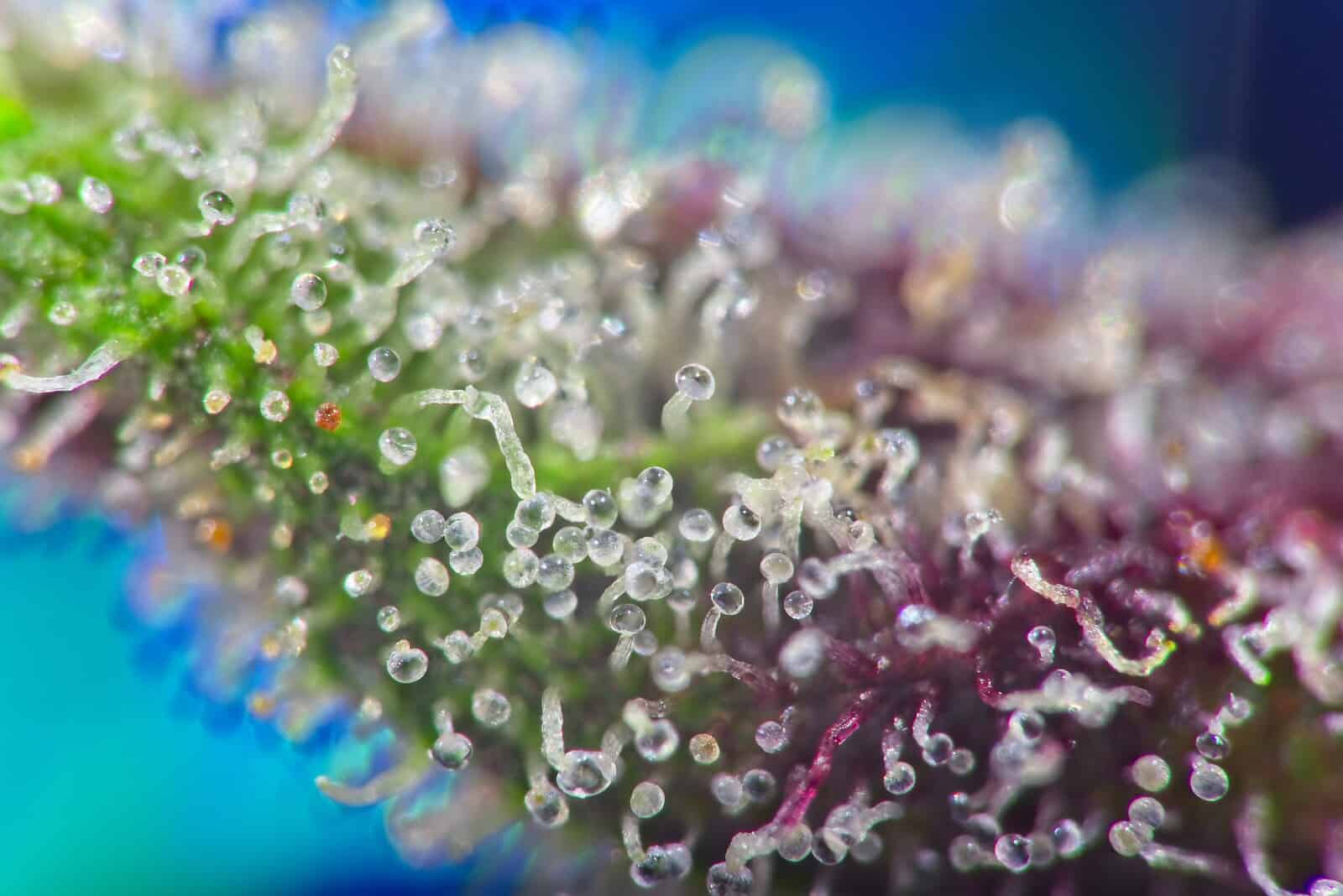
Harvest when the pistils (hairs) change color and the trichomes (resin glands) on the buds become hazy or amber. After trimming the buds with sharp scissors, hang them to dry for one to two weeks in a room that is well-ventilated and dark.
Step 15: Curing
Cure your cannabis buds in glass jars for a minimum of two weeks once they have dried. To attain the ideal scent, taste, and intensity, give the jars a daily burp to release moisture.
Step 16: Savor Your Organic Cannabis
Your organic cannabis is ready to be consumed once it has healed. Keep it somewhere cold and dark, and use it sensibly.
Naturally grown flower tastes better, and is often more potent as well. The compelling reason to choose organic products and cannabis include the following.

As organic growing practices evolve and advance, yield can sometimes surpass when it can be grown with conventional practices. Since yield is a huge factor for commercial growers, there is no factual reason for them to opt for anything other than organic cultivation.
Contrary to once-popular belief, the yield from organically grown cannabis crops can meet and even surpass that of crops grown with synthetics.
Organic soil is richer in nutrients and beneficial compounds and microbes that benefit cannabis. There’s a reason advanced gardeners who use compost in their gardens and crops refer to it as “black gold.”
Creating an organically power-packed soil from compost and other natural soil ingredients will result in natural mixture that’s second to none.
Organic compost and soils are now readily available at nurseries for those who don’t care to make their own. Organic soil is full of beneficial bacteria, fungi, and microscopic organisms like nematode worms that are sorely lacking in comparatively sterile soil full of synthetic additives.
Once you try organically grown flower, there’s no disputing that the terpenes that result from this cultivation method are superior to those from conventional cultivation.
The rich flavors of each strain reach their full expression and potential when flower is grown organically.
The optimal micro-environment of organic soil promotes superior growth and terpene development and expression. The end result is an increase in delicious flavors and aromas second to none.
For the least amount of environmental impact, outdoor organic cultivation is the way to go.
For indoor growers, though, organic cultivation still results in less impact. The processing of conventional synthetic fertilizers requires energy, usually in the form of fossil fuels, that the creation of organic soil amendments do not require.
Cultivating cannabis indoors requires a great deal of energy, so doing everything possible to minimizing the carbon footprint associated with it is an important contribution.
Since organic cannabis has superior flavor and aromas from superior terpene and trichome development, it has a boost in potency as well.
Organic cannabis is superior to conventionally grown cannabis in every way. A more robust naturally grown plant with superior flower development has an advantage over its average counterpart.
Cannabis has highly complex needs throughout the growing process that organic cultivation meets. Most synthetic fertilizers fall short of sufficiently meeting these critical needs.
Some people use compost tumblers to store their compost and make the mixing process easier.
There are a number of online sites devoted to compost and creating your own compost pile.

The desire to obtain organic cannabis is already ingrained in cannabis culture. Clearly, there should be a way to reward these practices and concerns about cannabis consumer health and satisfaction.
To bypass USDA certification, a growing number of legal cannabis states began their own organic certification guidelines and practices. Washington, California, and Colorado were a few of the first states to develop organic cannabis certification programs. There are programs that even certify on the national level.
One such program is the Clean Green Certified program, which opened its doors in 2004 under the leadership and direction of Chris VanHook. In 2003, VanHook had a vision to bring organic cannabis to consumers.
To make this goal a reality, he founded the Clean Green Certified Program, which was the only nationally recognized third-party organic cannabis certification company. As with many worthwhile endeavors, it posed its own set of unique challenges.
“In 2003, I was asked by the Cannabis industry if I could certify its Cannabis as organic,” VanHook explained. “California said yes, the USDA said no. The industry came back with ‘Can’t you develop a certification program for us, it is sorely needed?’” With that, the ball was put in motion to deliver a service to an industry deeply in need of compliance, organization, and regulation. VanHook developed Clean Green Certified using a variety of models.
Healthy soil is the foundation of organic cannabis cultivation. Here are some tried-and-true recipes that beginners can use:
Basic Organic Soil Mix (per 5 gallons of soil):
Optional Additives:
Mix well, moisten lightly, and let the soil “cook” for 2–4 weeks before planting to activate microbial activity.
Prevention is the best medicine in organic growing. A solid IPM program can save your harvest.
Common Cannabis Pests & Organic Solutions:
Sample Preventative IPM Schedule:
Composting:
Save kitchen scraps and yard waste to create nutrient-rich compost. Mixing your own compost not only reduces waste but ensures a sustainable nutrient cycle.
Compost Teas:
Brew a compost tea by soaking compost or worm castings in aerated water with molasses for 24–48 hours. This creates a microbial-rich liquid fertilizer that boosts soil health and plant immunity.
Cover Cropping:
Plant clover or vetch between cannabis cycles to fix nitrogen, protect soil, and prevent erosion.
Companion Planting:
Grow basil, marigolds, or mint alongside cannabis to repel pests naturally and attract beneficial insects.
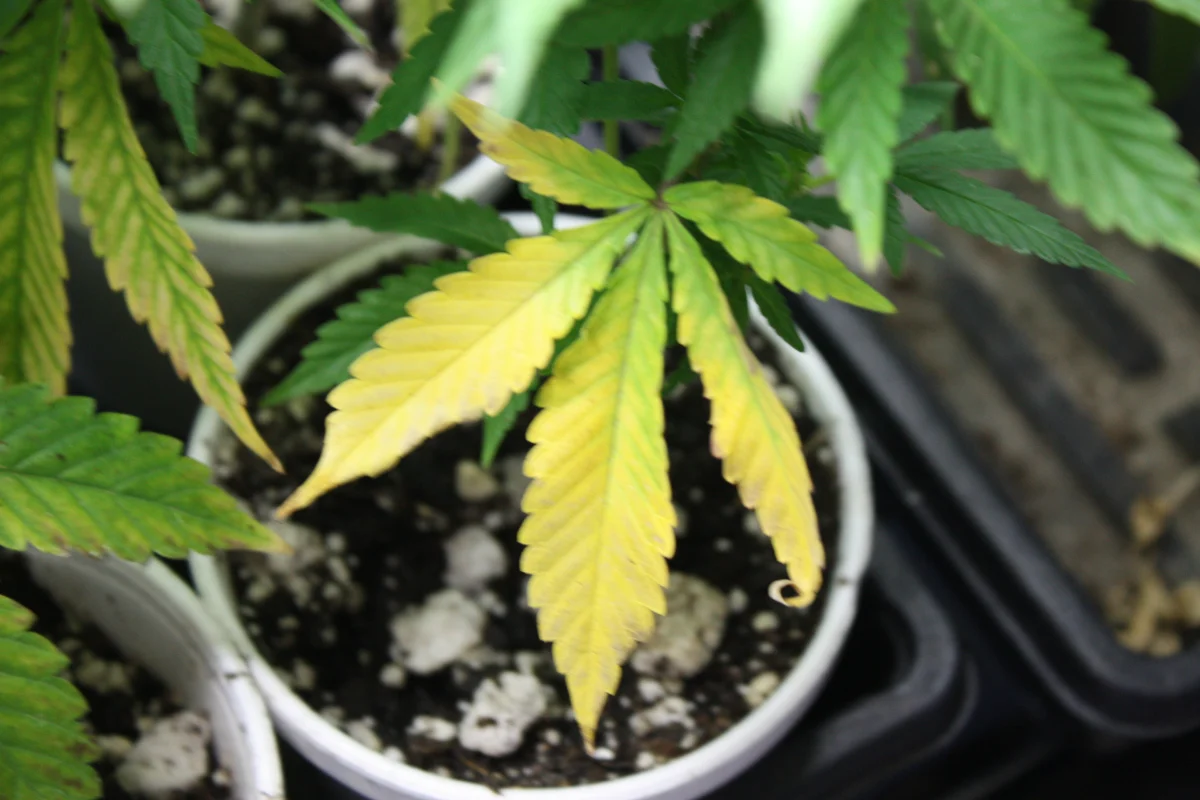
Common Issues & Organic Fixes:
Encourage growers to keep a grower’s journal to log issues and solutions for future crops.
Organic growing depends heavily on water quality and soil pH.
Best Practices:
With living soils, the microbial activity often buffers pH naturally, but it’s still wise to check periodically.
Yes, but dechlorinate it first by letting it sit out for 24 hours or using a carbon filter.
Bat guano, bone meal, and compost teas rich in phosphorus and potassium are highly effective
Regular neem oil sprays, introducing beneficial insects, and maintaining clean grow spaces are the best preventative steps
Yields can be similar once growers master soil building and pest management. Organic buds are often prized for their terpene richness and flavor.
“Organic cannabis growing is about more than avoiding chemicals—it’s about working with nature. When you feed the soil, the soil feeds the plant.”
— Jeff Zorn, Cannabis Training University
The superior yield potency and flavors that result from organic cannabis cultivation are significantly superior to crops produced by conventional methods.
So, what are you waiting for? A superior grow is just a few months away!
To learn step-by-step how to grow cannabis, indoors, outdoors, organic, or not, enroll at Cannabis Training University, an IACET Accredited Provider, and get your master grower certification online.
More in Growing

Check your state's cannabis laws

Indoor + outdoor growing careers
 IACET Accredited Provider · online cannabis education
Since 2009 • 50,000+ students trained worldwide



Copyright Cannabis Training University, a subsidiary of Online Training Providers. © 2026. All Rights Reserved.
Medical Disclaimer: The information on this website is for informational purposes only and is not intended to be a substitute for professional medical advice, diagnosis, or treatment.
Always seek the advice of a physician or other qualified health provider with any questions you may have regarding a medical condition.
Legal Compliance: Cannabis remains federally illegal. Products and information are intended only for jurisdictions where cannabis use and possession is legal.
By using this site, you affirm that you are of legal age (21+) and responsible for understanding your local laws.