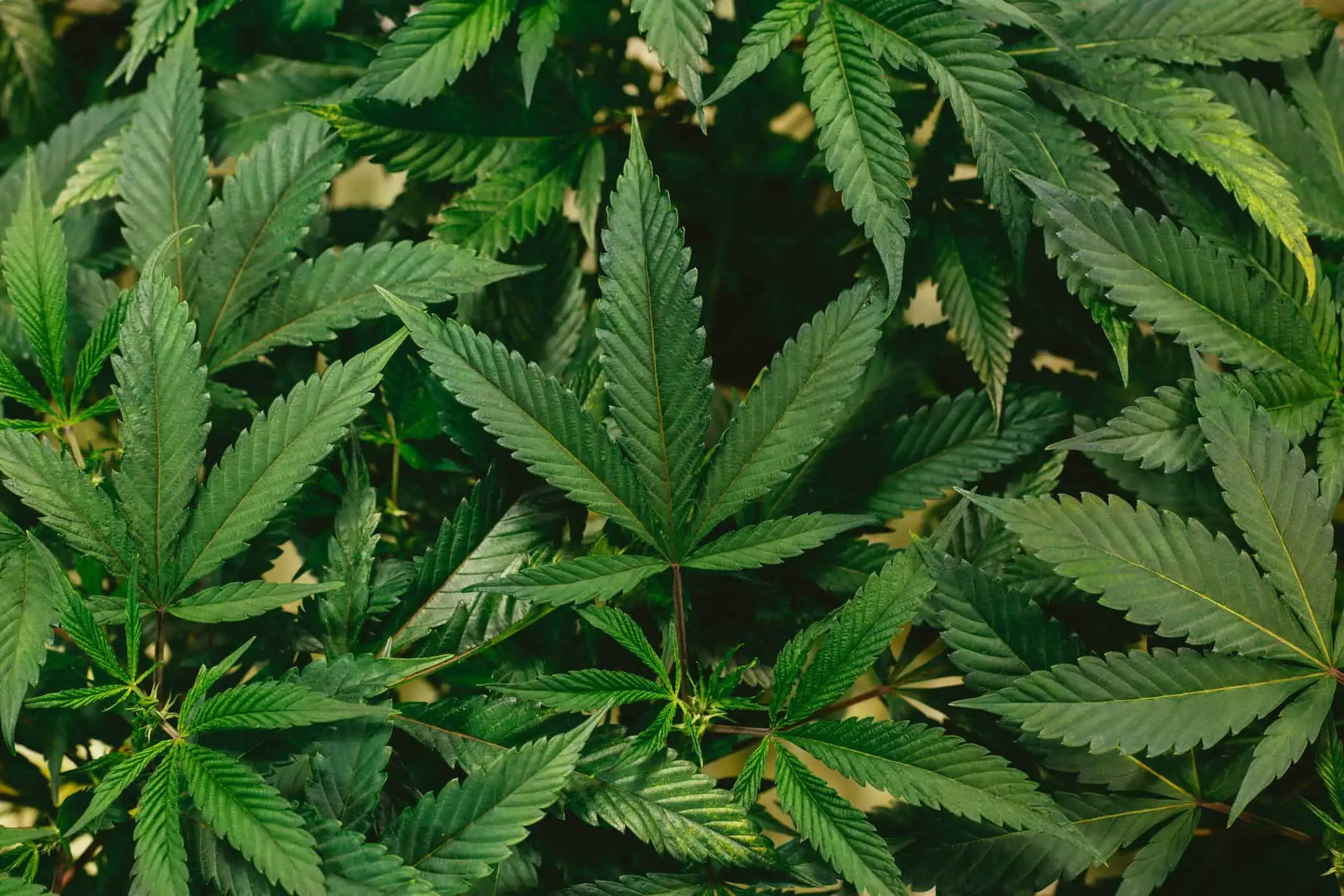
How many leaves does a marijuana plant have? If you’ve ever looked closely at a cannabis plant, you’ve probably noticed the iconic fan-shaped leaves—often associated with the classic seven-point silhouette.
But here’s the thing: cannabis plants don’t always have seven leaf fingers. In fact, marijuana plants can have anywhere from 1 to 13 leaflets depending on genetics, growth stage, and environmental conditions.
The physical characteristics of marijuana leaves, such as size, color, and shape, can vary widely between different cannabis strains. These cannabis strains exhibit a range of leaflet counts and appearances, contributing to the diversity seen in marijuana plants.
This guide will walk you through how marijuana leaves develop, what different leaflet numbers mean, and when you should (and shouldn’t) worry about unusual leaf patterns. If you’re concerned about the safety of your cannabis, be sure to check out our advice on how to tell if weed is laced.
Grow it right the first time
Stop guessing. Learn to grow from seed to harvest.
The Indoor & Outdoor Cannabis Growing Certificate covers nutrients, pH, lighting, pests and harvest, with video lessons and a certificate when you finish.
See the Growing Certificate →Free Cannabis Cultivation Guide (ebook)IACET-accredited · 7-day money-back guarantee
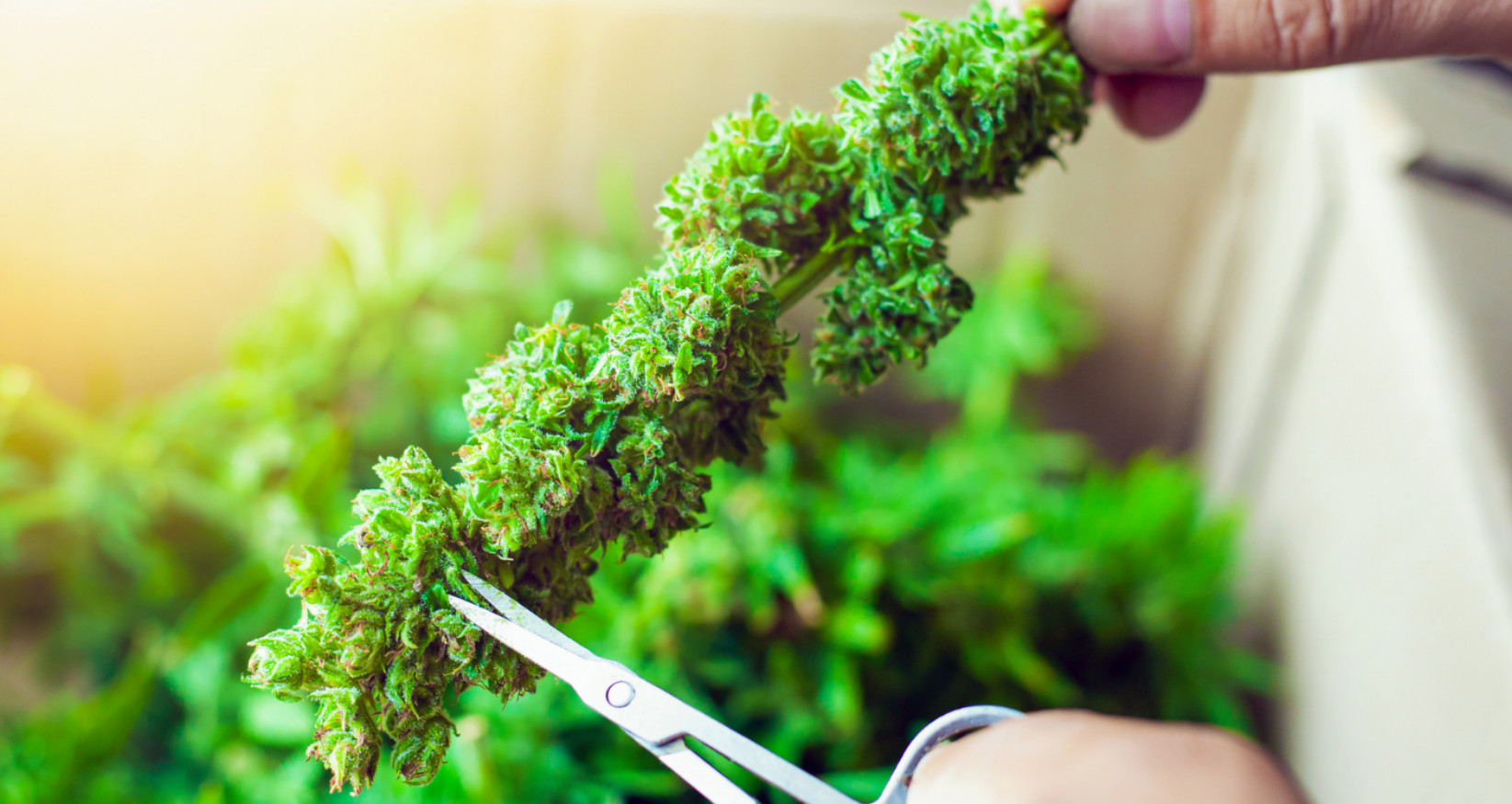
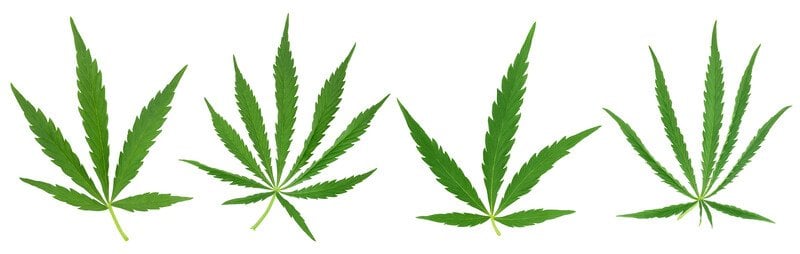
Many new growers confuse leaves with leaflets (also called fingers, lobes, or segments). A fan leaf is the large, photosynthesis powerhouse of the plant, while leaflets are the individual “fingers” that make up that leaf. The condition of the leaf tips on these leaflets can be an important indicator of plant health.
For example:
Some cannabis leaves, especially in early growth stages or in certain varieties, may have fewer leaflets. The number of leaflets can be an identifying feature among different cannabis types.
Additionally, the arrangement of leaves and leaflets on the stem, known as cannabis leaf phyllotaxy, follows specific patterns that can change during growth or under different environmental conditions.
The cannabis leaf is one of the most recognizable and essential features of the cannabis plant, serving as the primary engine for photosynthesis and a key indicator of plant health. Unlike simple leaves, cannabis leaves are typically compound, meaning each leaf is made up of multiple leaflets—often referred to as fingers.
Depending on the cannabis strain and stage of growth, a cannabis leaf can have anywhere from three to thirteen leaflets, each contributing to the plant’s ability to capture light and produce energy.
The arrangement of these leaflets follows a fascinating pattern. In the early stages of growth, cannabis leaves usually emerge in an opposite decussate pattern, where each new leaf pair grows at a right angle to the previous pair. As the cannabis plant matures and approaches the flowering cycle, you may notice a shift to an alternate pattern, with leaves emerging singly along the stem.
This change in leaf arrangement is a natural part of the plant’s development and can help growers track the plant’s progress.
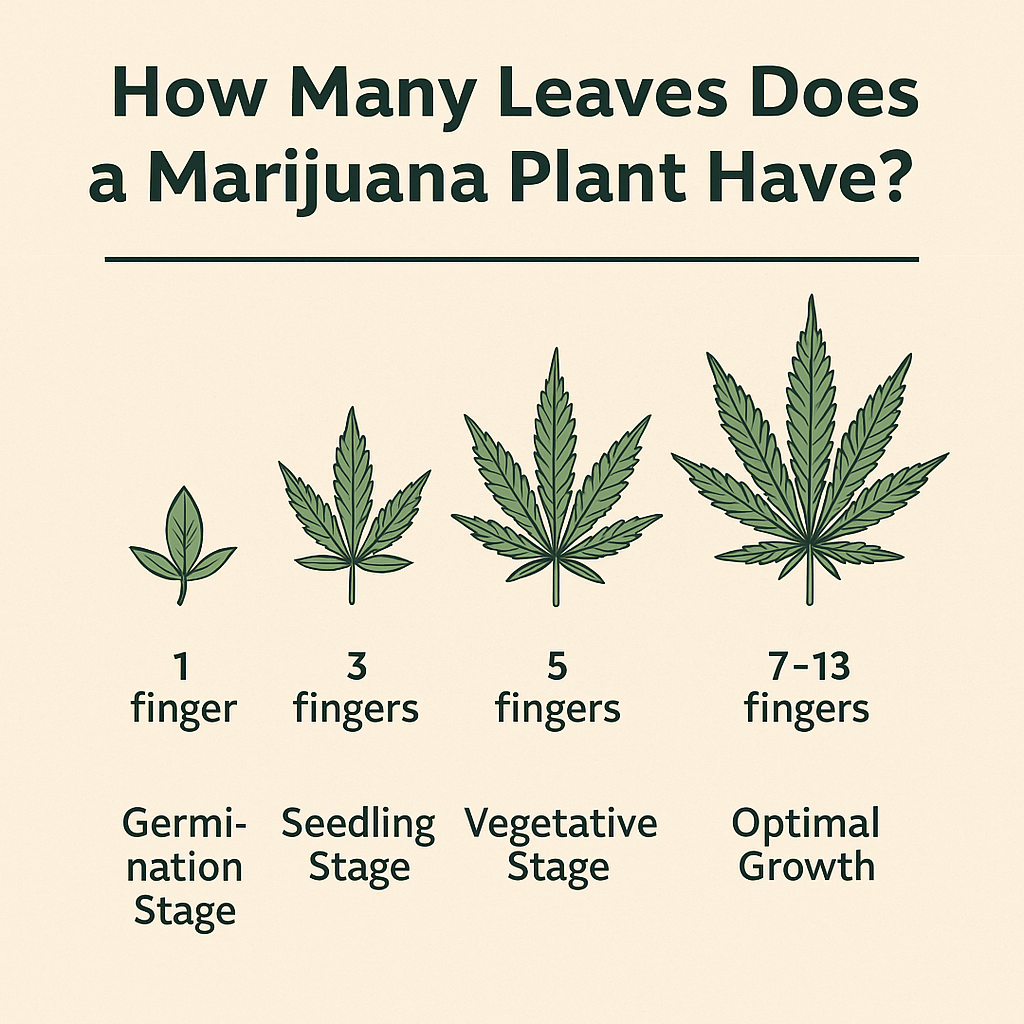
The number of leaflets increases as the cannabis plant matures:
Female plants, which are typically cultivated for their buds, may show different leaflet development patterns compared to male plants.
Fun Fact: Sativa plants are more likely to produce leaves with 9–13 fingers and have more, thinner leaflets, while indica plants tend to have fewer, broader leaflets and are adapted to survive in less favorable climates.
| Plant Stage | Typical Leaflet Count |
|---|---|
| Cotyledon | 0 fingers (smooth leaves) |
| Seedling | 1 finger |
| Early Veg | 3 fingers |
| Mid Veg | 5 fingers |
| Mature Veg | 7 fingers |
| Optimal Growth | 9–13 fingers |
Note: The ruderalis leaf typically has 3–5 prominent fingers, which distinguishes it from indica and sativa varieties that often develop more leaf points at maturity.
While variations are normal, extreme or sudden changes can signal stress or other issues. Leaves may also turn yellow if the plant is experiencing stress or a deficiency in essential nutrients, which can affect leaflet count. Here’s what to know:
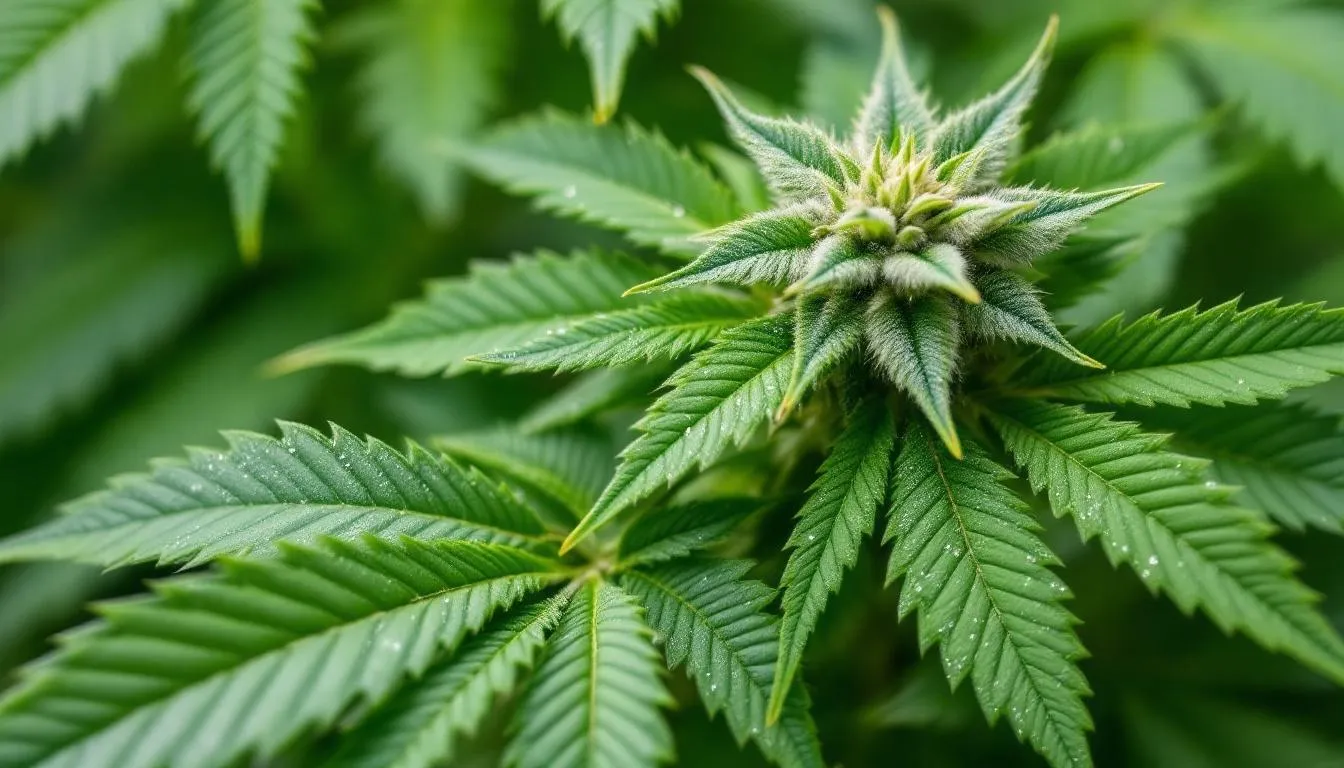
When you look at a cannabis plant, you’ll notice it has two main types of leaves: fan leaves and sugar leaves. Each plays a unique role in the plant’s growth and the production of cannabis products.
Fan leaves are the large, broad leaves that give the marijuana leaf its instantly recognizable shape. These leaves grow out from the main branches and are essential for the cannabis plant’s health, as they capture sunlight and drive photosynthesis—the process that turns light into energy for the plant.
Because of their size and abundance, fan leaves are often used to make cannabis leaf tea, which many believe offers potential health benefits thanks to the plant’s natural compounds.

Some people also use marijuana fan leaves for smoking marijuana leaves, either as a milder alternative to buds or by using the leaves themselves as a substitute for rolling paper. Marijuana fan leaves can be used in place of commercial rolling paper to roll joints, offering a natural and unique smoking experience.
Many growers either discard their fan leaves or find creative ways to use them, such as making tea, edibles, or using them for smoking.
Sugar leaves, on the other hand, are much smaller and are found nestled among the cannabis buds. These leaves get their name from the sparkling layer of trichomes that coat them, making them look as if they’ve been dusted with sugar.
While sugar leaves aren’t as iconic as fan leaves, they’re highly valued for their high concentration of cannabinoids and terpenes. After harvest, sugar leaves are often collected to make potent cannabis oil, hash, and other concentrates.
In summary, both fan leaves and sugar leaves are vital to the cannabis plant. Fan leaves support the plant’s overall health and energy production, while sugar leaves contribute to the potency and quality of cannabis products.
Whether you’re brewing a cup of cannabis leaf tea or extracting cannabis oil, understanding the difference between these two types of leaves can help you make the most of your plants and enjoy their many potential health benefits.
Several factors influence leaflet count:
There’s no set number. It depends on plant size, strain, and growth stage. Large, healthy plants can have dozens of fan leaves.
No. Potency is determined by genetics, trichome density, and cannabinoid content, not leaflet count.
Not necessarily. Check for stress factors or recent changes in lighting. If everything else looks healthy, it may just be a growth quirk.
Yes, but use selective defoliation. Removing too many can reduce photosynthesis and slow growth.
Sativa-heavy strains like Thai, Durban Poison, and Super Silver Haze often have 11–13 fingers.
A deep red coloration in stems or branches can indicate nutrient issues, such as overfeeding, or stress. It may also be a genetic trait in some strains, but if accompanied by other symptoms, check your feeding regimen.
Thai sticks are a traditional method of preparing cannabis by tying buds onto sticks or skewers and wrapping them in leaves. Sometimes, hash oil or other substances are added for extra potency. Thai sticks have historical significance and can be made at home with the right materials.
Yes, sugar leaves can be used to make CBD oil. However, the potency of the oil will depend on the cannabinoid content of the leaves, and full-spectrum CBD oil is often made from organic hemp for enhanced therapeutic benefits.
-Sativa leaves tend to be longer with thinner blades compared to indica leaves. Cannabis sativa is known for its tall stature and narrow, long leaves, which are well-adapted to sunny environments.
-Indica strains are characterized by broad, dark green leaves, while indica varieties are adapted to cooler climates and have a characteristic leaf structure. The indica leaf is typically broad, with fewer leaflets—usually 7-9—and a deep olive-green color.
-Ruderalis leaves usually have three to five prominent fingers.
-The largest leaves of cannabis plants are known as fan leaves, which have fewer trichomes compared to sugar leaves.
-Hybrid cannabis leaf types combine features from both indica and sativa leaves, resulting in a balanced shape that is neither too slender nor too stubby.
-Marijuana leaves usually exhibit opposite decussate phyllotaxy, meaning leaves grow in pairs at alternating angles along the stem.
-Healthy cannabis plants typically have vibrant green leaves due to high chlorophyll content, which is a sign of good plant health.
-Marijuana leaves can be a valuable indicator of plant health, showing signs of problems such as yellowing, curling or dryness.
-Yellowing leaves can be a sign of nutritional deficiencies, such as a lack of nitrogen, overwatering, and root rot.
-Common pests like spider mites and whiteflies can lead to significant damage and poor health of marijuana leaves if not controlled.
-Powdery mildew manifests as a white, powdery coating on marijuana leaves and can significantly damage them if not treated.
-Marijuana butter can be made using leaves and is used in various edible recipes.
-Marijuana leaves can be used to make infusions and teas. As part of medical marijuana, leaves can be used in edibles and teas for health benefits.
-Marijuana leaves can also be incorporated into salad dressing, showcasing their culinary versatility.
-Dry and brittle leaves can result from heat stress, especially in indoor environments with proximity to light sources.
-Marijuana leaves can be juiced and combined with fruits or vegetables for potential health benefits.
-Sugar leaves are ideal for making hash or marijuana butter due to their trichome content.
-Consuming marijuana leaves in tea form avoids psychoactive effects and provides health benefits.
-Raw marijuana leaves are high in vitamins K and C, iron, fiber, and antioxidants.
-Cannabis leaves can be compound, meaning they have multiple leaflets, and are typically arranged in an opposite decussate pattern.
-Indica leaves are thought to assist rapid bloom times due to high levels of chlorophyll.
-Sativa leaves often allow light to penetrate to lower levels due to their thin structure.
-Indica leaves can prevent light from penetrating too far down into the plant due to their wide, broad structure.
-Australian Bastard cannabis is a rare mutation first observed in Sydney in the 1970s, notable for its small, shiny, and unusually shaped leaves that resemble a garden herb or shrub.
-Composting discarded marijuana leaves enriches soil with nutrients, improving fertility and reducing waste in cultivation practices.
Leaflet counts on cannabis plants are a fascinating way to track growth stages, but they’re not a definitive sign of plant health. By understanding normal variations and potential causes of unusual counts, growers can better care for their marijuana plants and optimize yields.
Whether you’re growing a short, bushy indica or a tall, airy sativa, healthy leaves = a healthy plant. Keep your environment stable, your lighting consistent, and your nutrients balanced, and your plants will reward you with lush foliage and potent buds.
Learn how to grow marijuana plants at home with online cannabis training.
If you’re also interested in understanding quantifiable aspects of cannabis, such as purchasing and consuming the right amounts, check out our Ultimate Guide to Weed Measurements and Costs.
More in Growing

Check your state's cannabis laws

Indoor + outdoor growing careers
 IACET Accredited Provider · online cannabis education
Since 2009 • 50,000+ students trained worldwide
IACET Accredited Provider · online cannabis education
Since 2009 • 50,000+ students trained worldwide



Copyright Cannabis Training University, a subsidiary of Online Training Providers. © 2026. All Rights Reserved.
Medical Disclaimer: The information on this website is for informational purposes only and is not intended to be a substitute for professional medical advice, diagnosis, or treatment.
Always seek the advice of a physician or other qualified health provider with any questions you may have regarding a medical condition.
Legal Compliance: Cannabis remains federally illegal. Products and information are intended only for jurisdictions where cannabis use and possession is legal.
By using this site, you affirm that you are of legal age (21+) and responsible for understanding your local laws.