



Over the past two decades, few innovations have reshaped cannabis cultivation as much as auto cannabis seeds.
Originally dismissed as a novelty with weak potency and tiny yields, autoflowering plants have matured into a respected option for beginners and commercial producers alike.
Their defining feature, flowering based on age, not light cycles, makes them faster and simpler to manage.
Today, autoflowers can rival photoperiod strains in potency, terpene richness, and overall appeal.
Breeders have combined ruderalis genetics with elite indica and sativa lines to create autoflowers that deliver everything from high-THC cerebral strains to CBD-rich medicinal cultivars.
This guide explores everything about auto cannabis seeds: what they are, how they work, how to grow them, where to buy them, their advantages and drawbacks, reviews from the community, and even what the science says about the genetics behind the “day-neutral” trait.
Introduction to Auto Cannabis Seeds

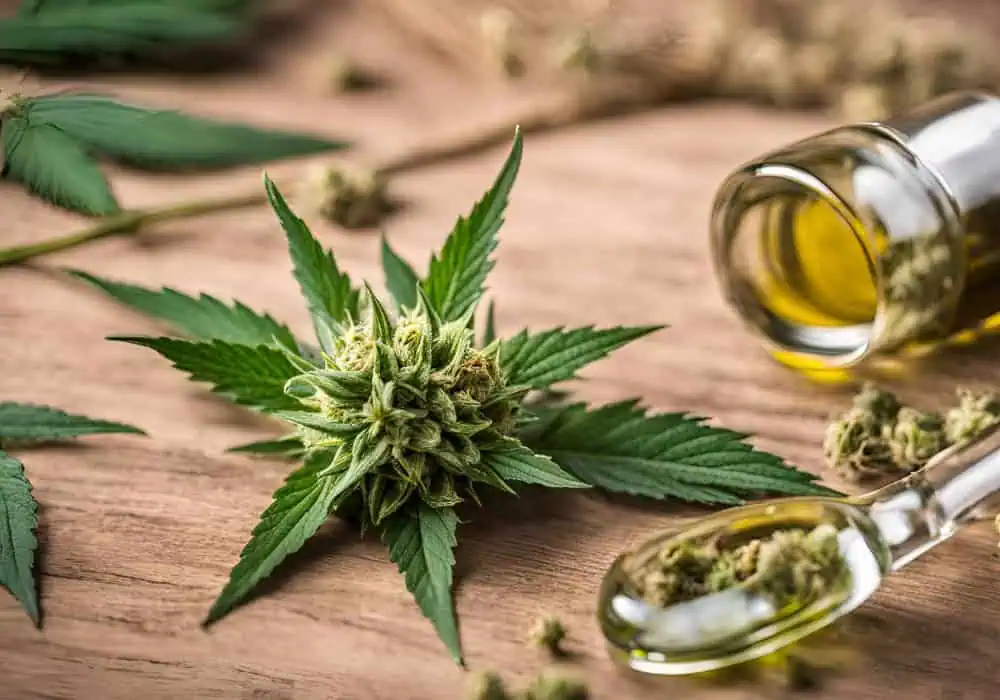
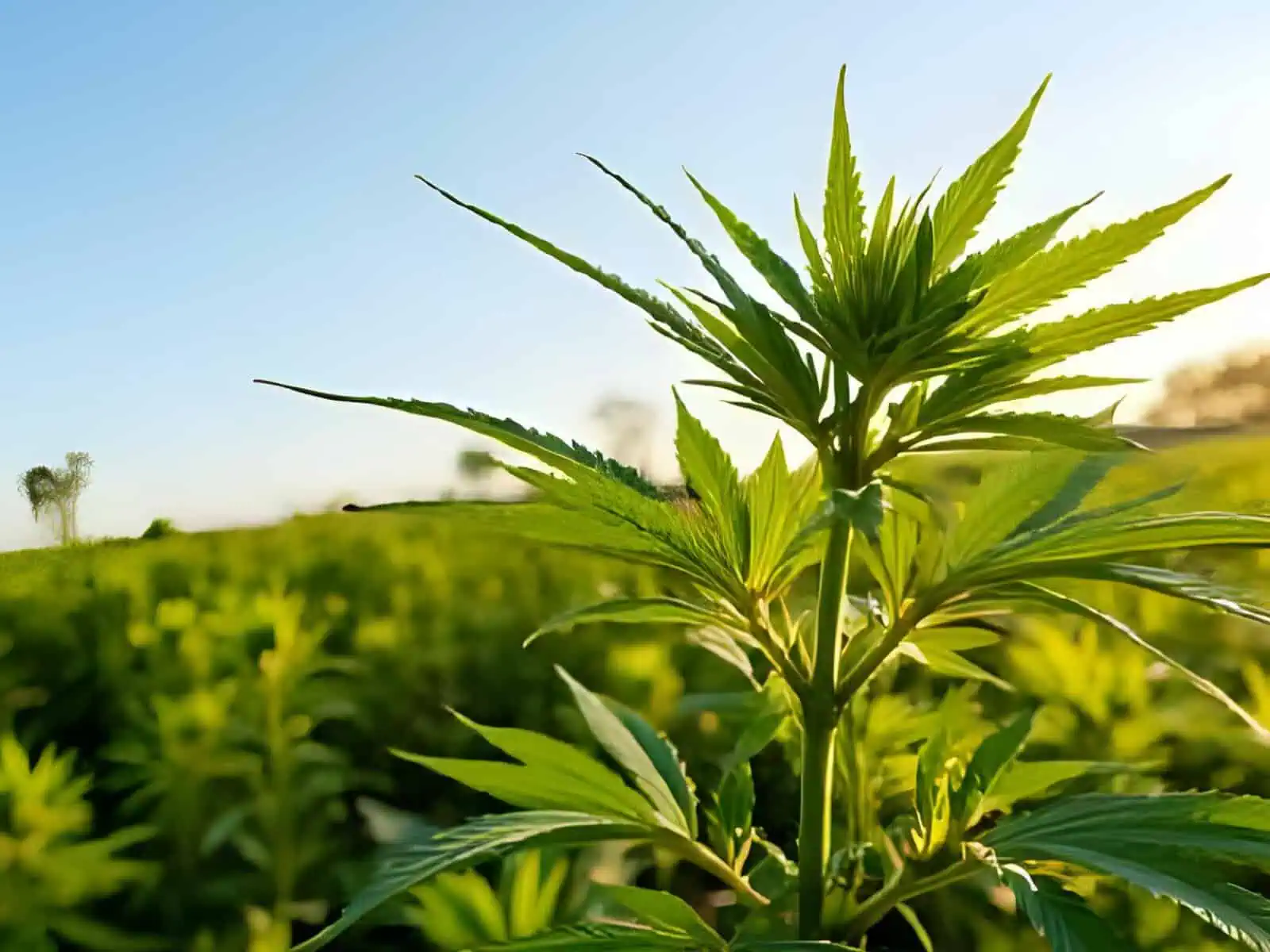
Auto cannabis seeds, short for autoflowering cannabis seeds, are a type of seed that grows into plants which flower automatically after a set period of time, usually three to four weeks after sprouting, regardless of how much light they receive.
This trait comes from Cannabis ruderalis, a subspecies that evolved in the harsh climates of Central Asia and Russia.
In those regions, short summers meant plants couldn’t rely on seasonal daylight changes to reproduce. Instead, they adapted to flower based on age and maturity, ensuring survival in unpredictable environments.
When breeders began crossing ruderalis with indica and sativa varieties, the result was autoflowering hybrids: plants that combined potency and resin production with ruderalis’ automatic flowering ability.
How Autos Work: The Genetics Behind the Magic
Cannabis typically requires a change in photoperiod, shifting from long summer days to shorter autumn days, to trigger flowering.
Autoflowers bypass this entirely. Their internal “clock” is set to initiate flowering after a certain number of weeks, whether they’re under 12 hours of light, 18 hours, or even 24 hours.
Recent scientific studies have mapped flowering-time genes in cannabis.
Researchers identified key flowering genes, including FT (FLOWERING LOCUS T), that are linked to the day-neutral trait. Interestingly, it appears that autoflowering arose multiple times in cannabis evolution, meaning not all autos share a single ancestor.
What matters to the grower is this: autos are genetically hard-wired to flower quickly. You can keep the lights on 18 to 20 hours a day, and the plant will still complete its life cycle in about 70 days from seed.
Auto vs. Feminized vs. Photoperiod Seeds
To appreciate autos, it’s useful to compare them to other seed types.
- Regular Photoperiod Seeds
Produce both male and female plants. Require sexing, and males must be removed unless breeding. Need a strict 12/12 light cycle to flower indoors. - Feminized Photoperiod Seeds
Engineered to produce nearly 100% female plants. Still require light-cycle changes to flower, but eliminate the guesswork of male removal. - Autoflower Seeds
Nearly all autos sold today are feminized, so they produce female plants almost exclusively. They flower automatically after about three to four weeks, regardless of light cycle.
In short: Feminized photoperiod seeds give you predictability with sex, but not with timing. Autoflower seeds give you predictability with both sex (female) and timing (set lifecycle).
Advantages of Auto Cannabis Seeds
- Speed
From seed to harvest in as little as 8 to 10 weeks. This allows two or three harvests in one outdoor season in some climates. - Simplicity
No need to change light schedules indoors. Just plant, water, feed, and wait. - Stealth
Autos are usually compact and discreet, making them perfect for balconies, tents, and micro-grows. - Resilience
Thanks to ruderalis ancestry, many autos tolerate cold, pests, and stress better than sensitive photoperiod plants. - Continuous Light Advantage
Because they can flower under 18–24 hours of light, they keep photosynthesizing and stacking buds even during “flower.” - Modern Potency
Early autos were weak, but modern lines now reach THC levels over 25%, rivaling or surpassing traditional strains.
Drawbacks to Consider
- Smaller Yields Per Plant
With less time in veg, plants don’t grow as large as photoperiods. Yields per plant are usually lower, though multiple harvests can offset this. - Less Recovery Time
If you stunt an auto early (through overwatering, nutrient burn, or topping), it doesn’t have time to recover before flowering begins. - Limited Training Options
High-stress training like topping or mainlining is risky. Gentle low-stress training (LST) works best. - Breeder Variability
Some auto lines are more stable than others. Always check grower reviews and community feedback before buying.
Step-by-Step Guide: How to Grow Autoflowers
1. Germination
- Soak seeds for 12–24 hours, then plant directly in final pots (3–5 gallons recommended).
- Autos dislike transplant shock, so avoid multiple moves.
2. Early Seedling Stage (Week 1)
- Keep temperature around 75–80°F.
- Use gentle light (LEDs or CFLs at proper distance).
- Light cycle: 18–20 hours of light daily.
3. Vegetative Stage (Weeks 2–3)
- Feed lightly; autos require less nitrogen than photoperiods.
- Avoid overwatering—water in small amounts around the edges of the pot.
4. Transition to Flower (Weeks 3–4)
- The plant begins showing pistils.
- Switch to bloom nutrients higher in phosphorus and potassium.
- Begin light training if desired (bending, tying down branches).
5. Flowering Stage (Weeks 5–8)
- Maintain consistent light (18–20 hrs).
- Keep humidity around 50–60% to prevent mold.
- Support heavy branches as buds swell.
6. Harvest (Weeks 8–12)
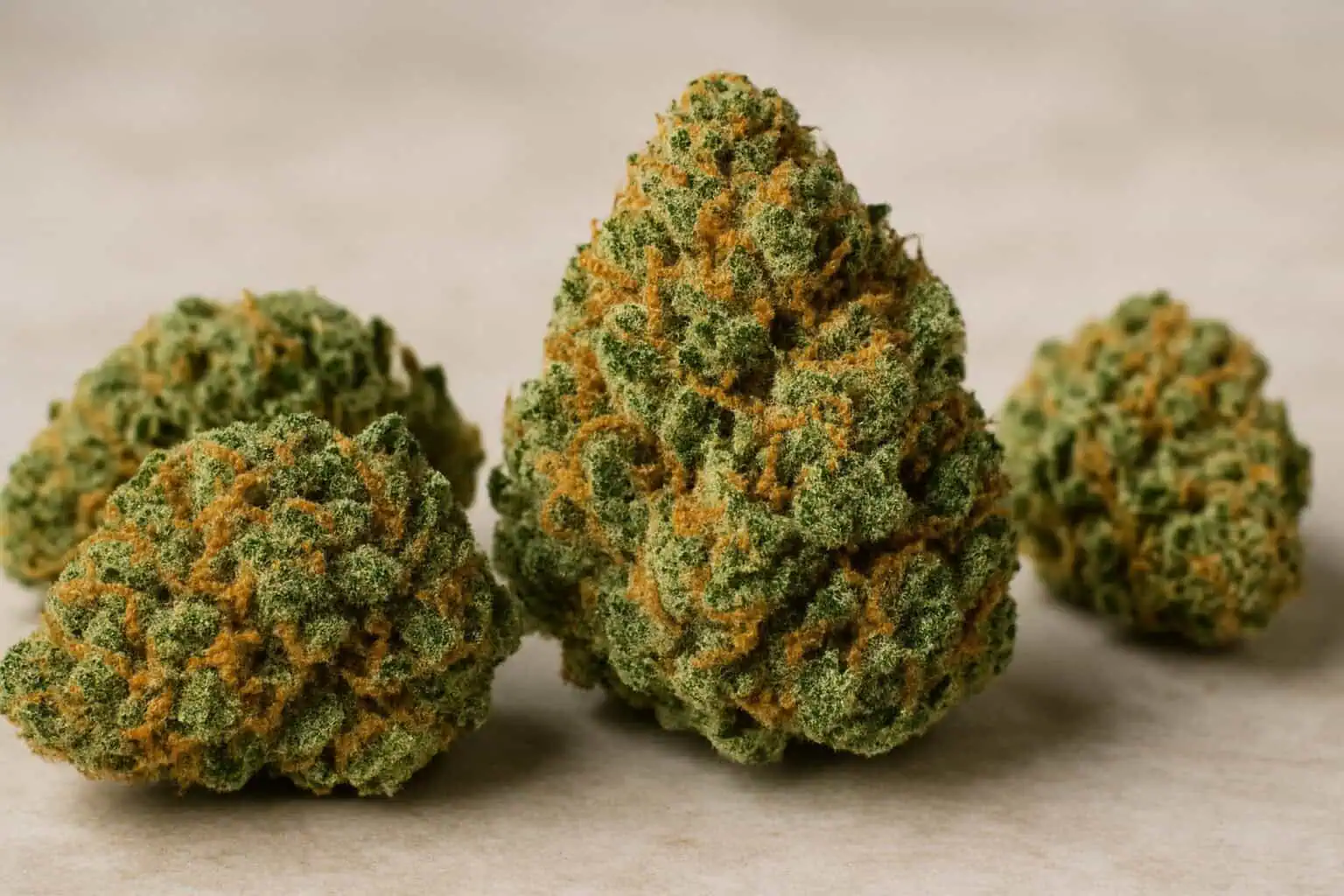
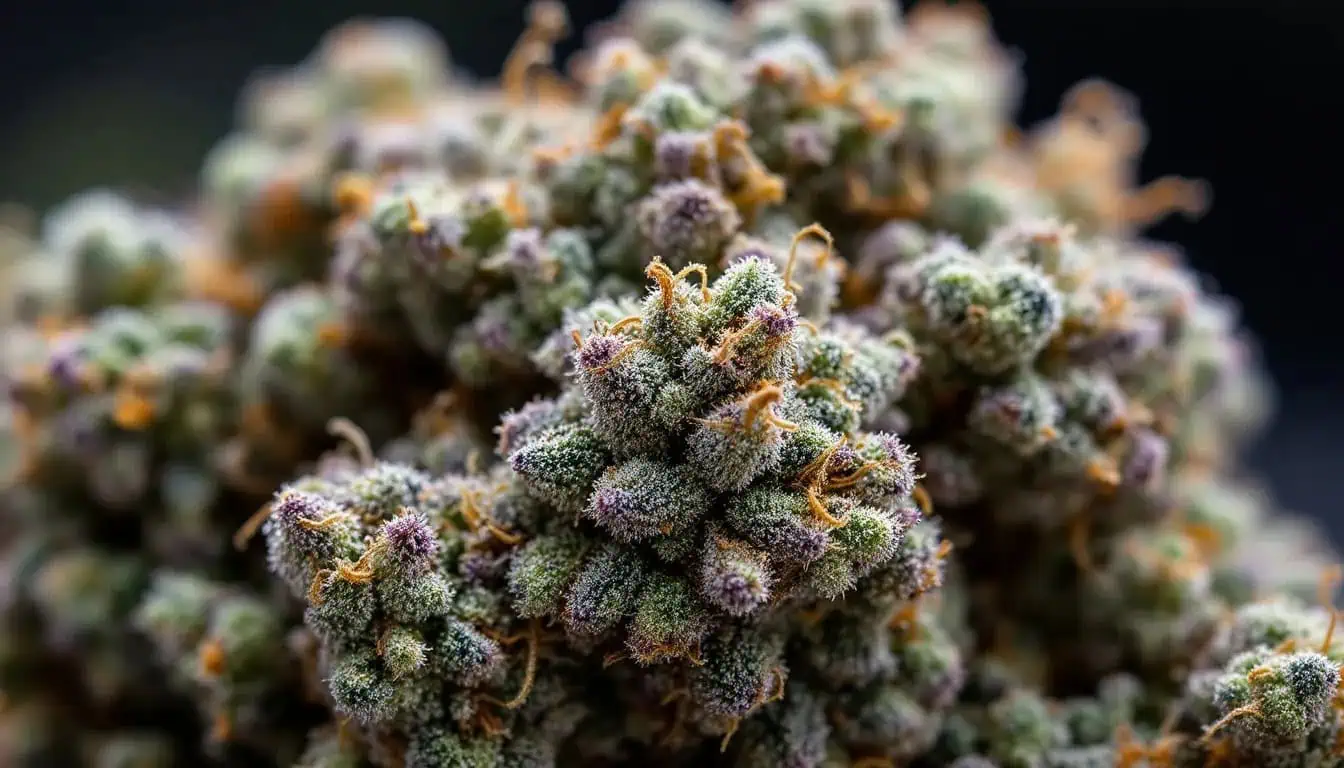
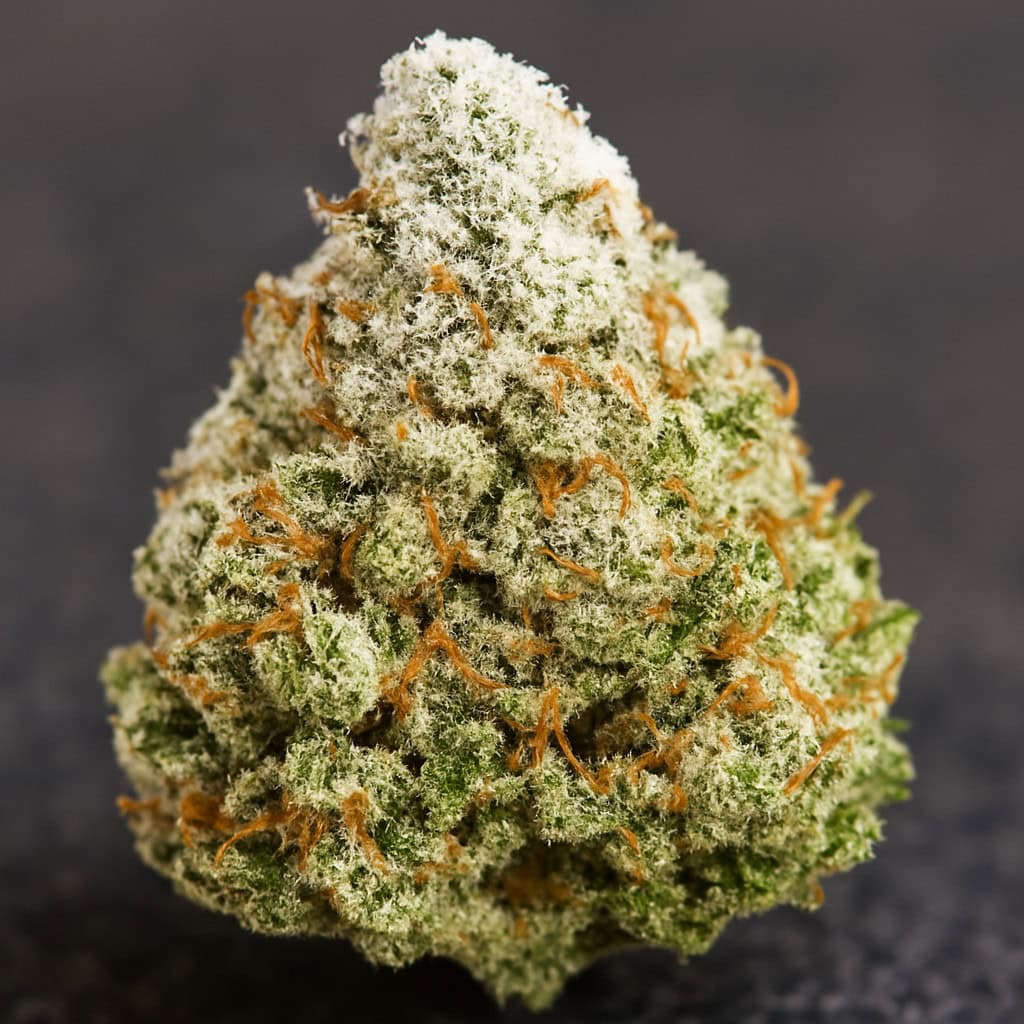
- Check trichomes with a loupe: cloudy trichomes indicate peak THC, amber signals more sedative effects.
- Flush with plain water for the last 7–10 days if desired.
- Dry and cure buds for best flavor and potency.
Expected Effects
Autos do not feel different just because they are autoflowering. Their effects depend entirely on genetics. Autoflowers can deliver the full spectrum: uplifting sativas, heavy indicas, or balanced hybrids.
Modern auto strains reach 20–25% THC, and breeders also offer CBD-rich autos for patients seeking relief from anxiety, pain, inflammation, or seizures.
Who Sells Auto Cannabis Seeds?
- Royal Queen Seeds – Large European breeder with an extensive autoflower catalog.
- Fast Buds – Known for dozens of autos, including Gorilla Glue Auto and Girl Scout Cookies Auto.
- Mephisto Genetics – A boutique breeder focused solely on autoflowers, popular with connoisseurs.
- Atlas Seed – U.S. breeder offering production-oriented autos for commercial growers.
These companies ship worldwide where legal, though laws differ. Always check your country’s regulations before ordering.
Where to Buy Autoflower Seeds
Autoflower cannabis seeds are sold online by major seed banks and directly from breeders. In regions where cannabis is legal, many dispensaries and hydro stores also carry them.
For beginners, it’s often best to purchase from a reputable seed bank with germination guarantees and customer support.
Feminized Autos: What You Need to Know
Nearly all autos sold to home growers today are feminized, meaning they produce only female plants. Regular autos (with both male and female seeds) are still produced but are mostly of interest to breeders.
This means new growers can start with confidence, knowing their autoflower seeds will almost certainly produce buds, not pollen.
Autoflower Yield and Quality in 2026
Modern autoflowers can yield anywhere from 30 grams to 200 grams per plant indoors, depending on pot size, lighting, and care. Outdoors in full sun, some XL autos can produce even more.
Quality has improved dramatically. Early autos rarely exceeded 10% THC.
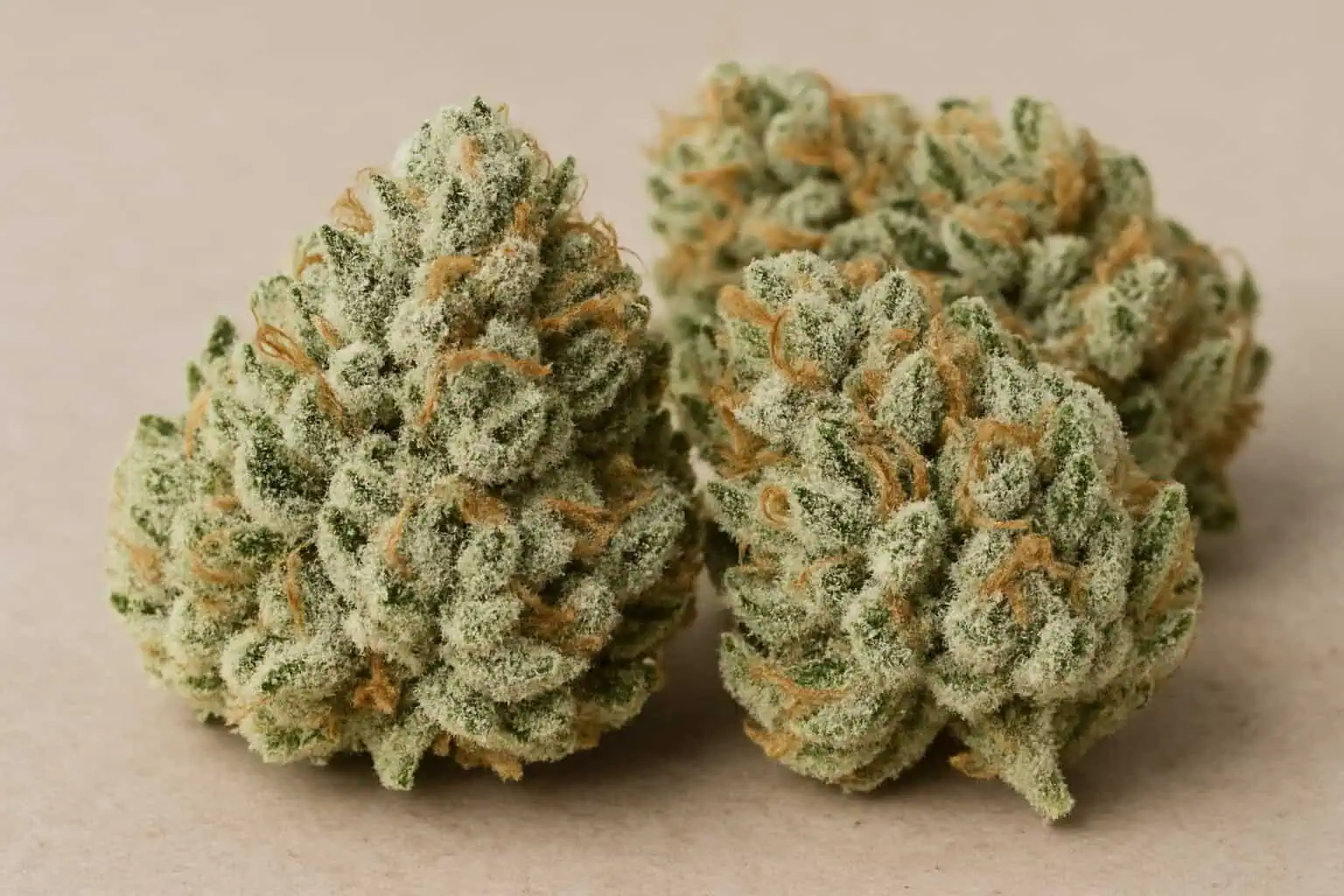
Today, autos regularly test at 20% THC and higher, with robust terpene profiles. Many users can no longer tell the difference between autos and photoperiod strains in taste, potency, or effects.
Community Reviews
Grower feedback on autos is overwhelmingly positive, especially for beginners. New growers appreciate the simplicity, while experienced cultivators use them for quick harvests between photoperiod runs.
Some criticisms remain about yield compared to big photoperiod plants, but breeders continue to push autos toward larger sizes without sacrificing speed.
The Economic and Medicinal Value of Auto Cannabis Seeds
- Commercial Benefits: Autos allow multiple harvests per year, even outdoors. This makes them attractive for commercial producers in regions with short growing seasons. Their rapid turnover also reduces risk from mold, pests, and early frosts.
- Medicinal Applications: CBD-rich autos offer patients quick access to therapeutic cannabis. Conditions that benefit include anxiety, chronic pain, inflammation, insomnia, epilepsy, and PTSD. The ability to grow discreetly and harvest quickly makes autos especially appealing to medical users in personal-cultivation states.
Reviews of Popular Autoflower Strains
- Blueberry Auto – Sweet berry flavor, relaxing body effects, moderate yields.
- Amnesia Haze Auto – Energetic and uplifting, citrus aroma, popular among daytime users.
- Northern Lights Auto – Classic indica effects, pain-relieving, compact structure.
- Gorilla Glue Auto – Potent, resinous buds with strong euphoric effects.
Auto Cannabis Seeds FAQs
Are autoflowers weaker than photoperiods?
Not anymore. Modern autos can rival or surpass photoperiod strains in THC and terpene content.
What’s the best light schedule for autos?
Most growers use 18–20 hours of light daily from start to finish. Some run 24 hours continuously.
Can you top or train cannabis autos?
Light low-stress training works well. Avoid aggressive topping unless experienced.
Do cannabis autos need darkness?
No. They will flower under continuous light. Darkness can help balance metabolism but isn’t required.
How big do autos get?
Most autos stay between 1–3 feet tall, though XL varieties can reach 4–5 feet.
How long do they take?
On average, 8–12 weeks from seed to harvest, depending on strain.
The Future of Autoflowers
As breeding continues, autos are closing the last gaps with photoperiod strains. We now see autos bred for high terpene expression, exceptional potency, and even commercial scalability. Some seed companies are releasing autoflowering clones and stable F1 hybrid autos, promising even greater uniformity.
The once-mocked autoflower is now a staple of cannabis cultivation, proof that innovation and persistence in breeding can transform the industry.
Auto Cannabis Seeds Conclusion
Auto cannabis seeds are more than a convenience; they’re a revolution in cannabis cultivation. For beginners, they provide a forgiving path to a successful first harvest. For experienced growers, they offer speed, flexibility, and unique strategic advantages.
For medical patients, they provide a fast and discreet way to access therapeutic cannabis.
As Jeff Zorn of CTU put it:
“Autoflowers are proof that cannabis is constantly evolving. They’ve made growing more accessible than ever, and they continue to get better every year.”
If you want to grow cannabis with confidence and efficiency, auto cannabis seeds are an excellent place to start.

Jeff Zorn
Jeff Zorn, a collegiate basketball player, discovered the transformative power of medical cannabis after a significant injury. He founded Cannabis Training University (CTU), a groundbreaking institution dedicated to disseminating comprehensive information about the cannabis industry. With a team of skilled educators and faculty members, CTU has reached thousands of students worldwide. As an esteemed cannabis business expert, Jeff regularly contributes thought-provoking articles online, providing invaluable guidance to aspiring entrepreneurs. CTU has grown from a single student in 2009 to a global phenomenon with over 80,000 students.



 Jeff was involved in an accident where he endured a traumatic brain injury. He had a week-long stay in ICU where brain surgeons
  100% risk free money back guarantee within 48 hours after purchase if student has not completed any of the courses or exams.
