When I first discovered Cannatonic, I quickly realized it wasn’t your average cannabis strain. Unlike the high-THC heavyweights that dominate dispensary shelves, Cannatonic was created with something much more purposeful in mind, healing through CBD.
Over the years, it’s become one of the most influential cannabis strains ever released, helping to spark the CBD movement and reshape how people see marijuana.
In this guide, I’ll walk you through everything you need to know about Cannatonic, its genetics, effects, flavor, aroma, growing traits, seeds, yield, and even the similar strains you might enjoy if you fall in love with it like I did.

Love Cannatonic? Grow it yourself
Learn to grow Cannatonic at home.
The Indoor & Outdoor Cannabis Growing Certificate takes you from seed to harvest: genetics, nutrients, lighting, pests and curing, with video lessons and a certificate when you finish. Learn at your own pace.
See the Growing Certificate →Free Cannabis Cultivation Guide (ebook)IACET-accredited · 7-day money-back guarantee
Cannatonic was originally bred by Resin Seeds in Spain. Its parentage is unique:
By crossing these two, breeders created one of the first strains bred intentionally for high CBD content. Instead of chasing THC percentages, Cannatonic carved out a new category of cannabis designed to provide therapeutic relief without intense intoxication.
Typical cannabinoid profile:
This groundbreaking balance paved the way for dozens of other CBD strains that followed.
Here’s where Cannatonic shines:
I often describe it as a functional cannabis strain—something I can use in the middle of a workday if I’m feeling stressed or achy, and still remain sharp, present, and productive.
Best suited for:

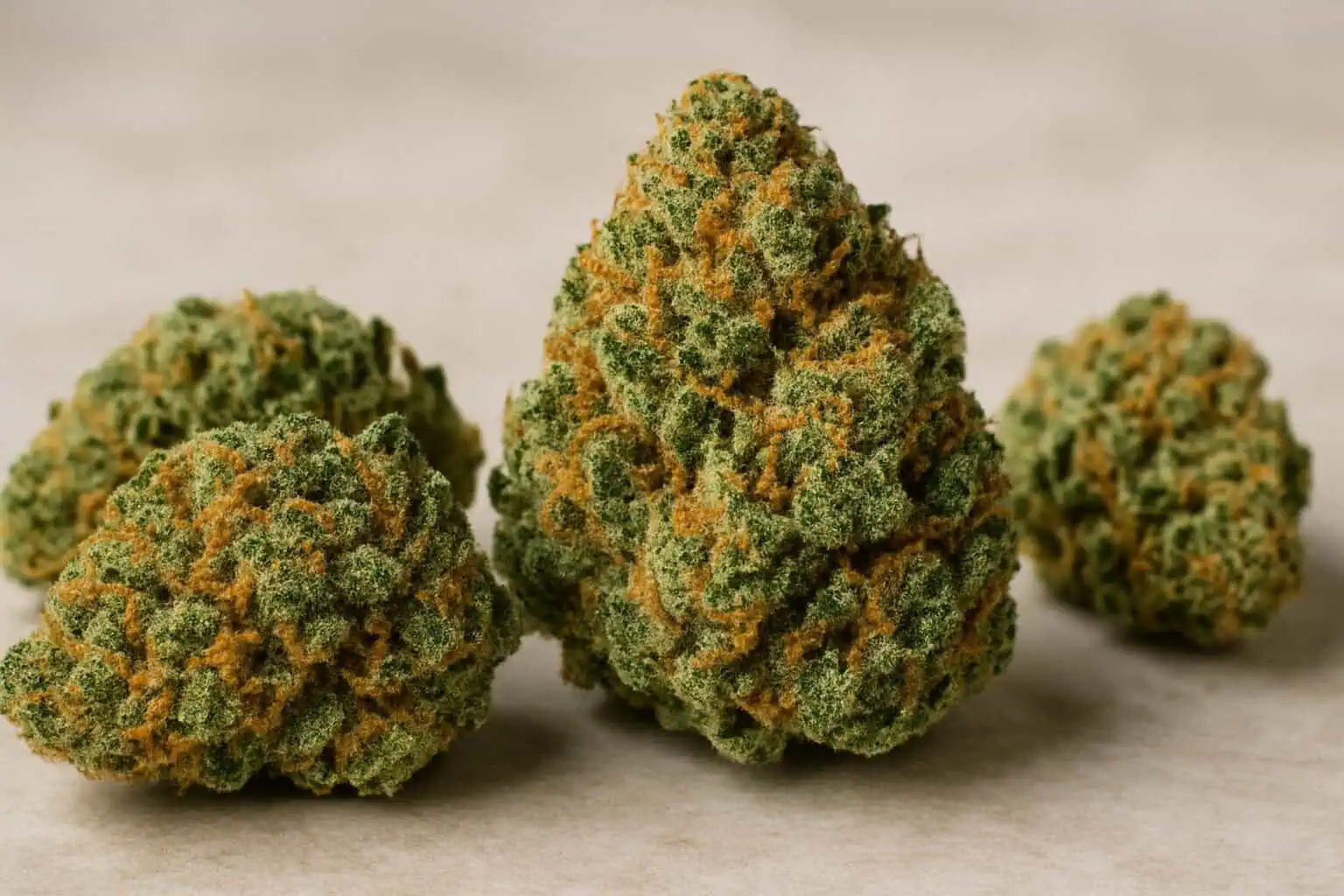
Open a jar of Cannatonic and you’ll notice a refreshing blend of earthy, citrus, and pine aromas. Its scent is slightly herbal with woody undertones, sometimes accented by a hint of sweet diesel inherited from NYC Diesel.
When smoked or vaped, the flavor leans citrus-forward with tangy lemon and orange notes, balanced by earthiness and a touch of spice. It’s not overpowering, which makes it approachable for new users who may be sensitive to harsh flavors.
Growing Cannatonic can be rewarding but requires attention:
Because of its dense buds, Cannatonic can be prone to mold and mildew. I recommend strong airflow, good pruning, and monitoring humidity levels closely.
For home growers, this isn’t a strain that rewards neglect, it asks for a little love, but the high-CBD payoff is worth it.
Cannatonic is available in feminized seeds, though supply is sometimes limited because it’s considered a specialty strain. Its offspring, like ACDC and Harlequin, are easier to find and widely grown in the U.S.
Important Note: Canna tonic plants produce variable phenotypes. Some express CBD:THC ratios close to 20:1, while others lean closer to 1:1. If you’re growing for medical purposes, testing your plants is essential to know exactly what you’re getting.
The first time I tried Canna tonic, I wasn’t expecting much, I thought low THC meant “weak.” But within minutes, I felt my shoulders drop, my breathing slow, and my mind clear. It was a calm without sedation, a relief without intoxication.
Since then, I’ve used it as a go-to strain for daytime stress and migraines. It’s a lifesaver when I want relief but can’t afford to be hazy or unfocused.
“Cannatonic was the spark that lit the CBD revolution. Without it, the industry might still think cannabis is just about getting high.”
– Jeff Zorn, Cannabis Training University
If you enjoy Cannatonic, you’ll likely love these other CBD-rich strains:
Pro tip: If you’re exploring CBD strains for medical use, try a few different ratios—your body may respond best to 1:1 balance or a nearly THC-free option.
It’s a balanced hybrid with slightly indica-leaning effects.
Usually between 2–6%.
Often 6–17%, depending on phenotype.
Only mildly. Its focus is therapeutic relaxation, not intoxication.
Anxiety, migraines, pain, inflammation, muscle spasms, and PTSD.
Absolutely, it’s a perfect starter strain thanks to its mild psychoactivity and strong therapeutic benefits.
Yes, but it requires careful monitoring of humidity and mold prevention.
Cannatonic isn’t just another strain, it’s a milestone in cannabis breeding. It proved that cannabis can heal without overwhelming intoxication, and it continues to help patients worldwide manage pain, stress, and chronic conditions.
For me, Cannatonic is a gentle giant—a reminder that balance matters more than potency. Whether you’re new to cannabis, a medical patient, or just someone curious about CBD, Canna tonic is absolutely worth trying. Learn how to grow cannabis indoors and out with online training from CTU.
More in Strain Guides

Check your state's cannabis laws

Cannabis 101, labeling, retail education
 IACET Accredited Provider · online cannabis education
Since 2009 • 50,000+ students trained worldwide



Copyright Cannabis Training University, a subsidiary of Online Training Providers. © 2026. All Rights Reserved.
Medical Disclaimer: The information on this website is for informational purposes only and is not intended to be a substitute for professional medical advice, diagnosis, or treatment.
Always seek the advice of a physician or other qualified health provider with any questions you may have regarding a medical condition.
Legal Compliance: Cannabis remains federally illegal. Products and information are intended only for jurisdictions where cannabis use and possession is legal.
By using this site, you affirm that you are of legal age (21+) and responsible for understanding your local laws.