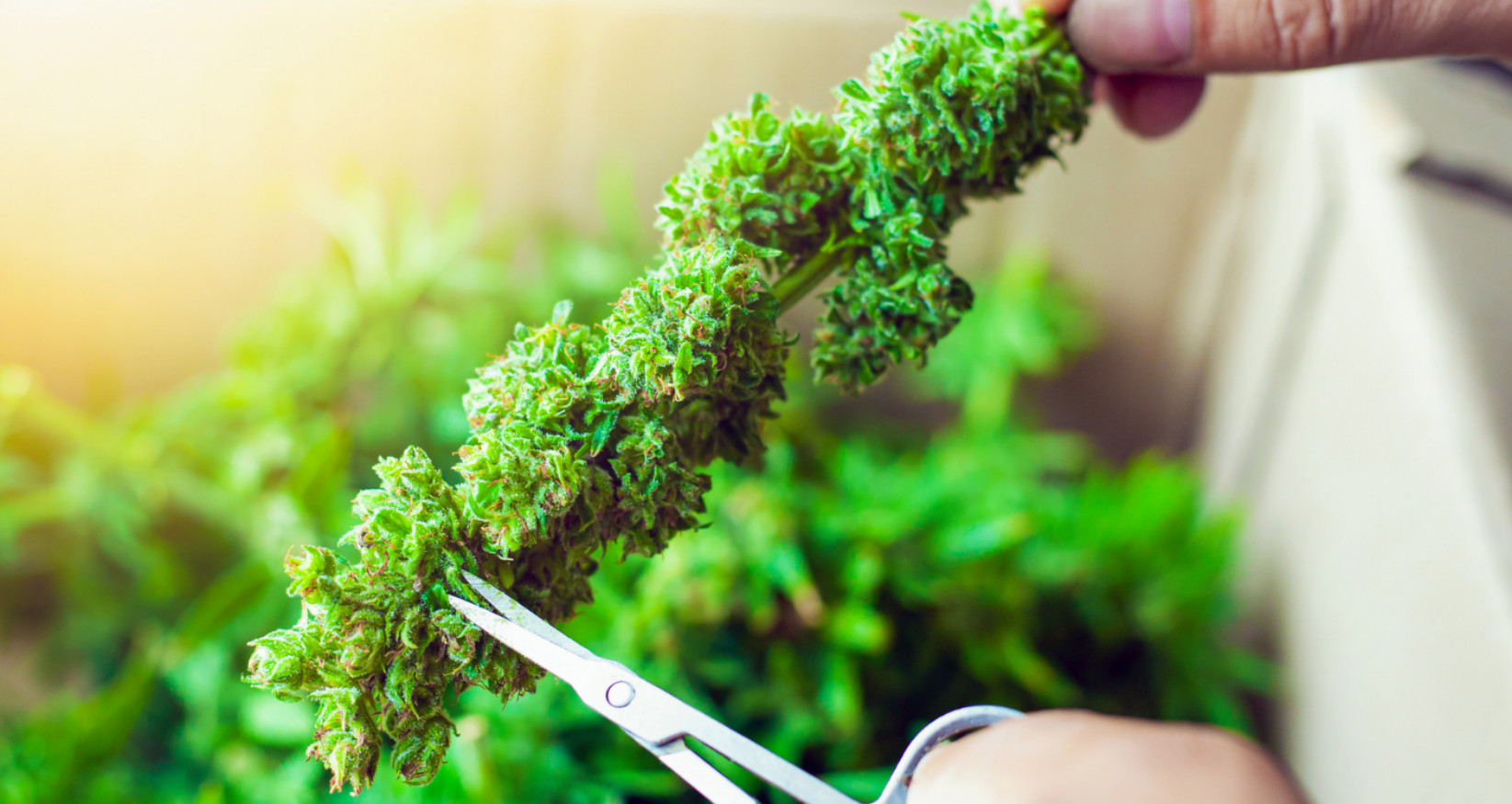
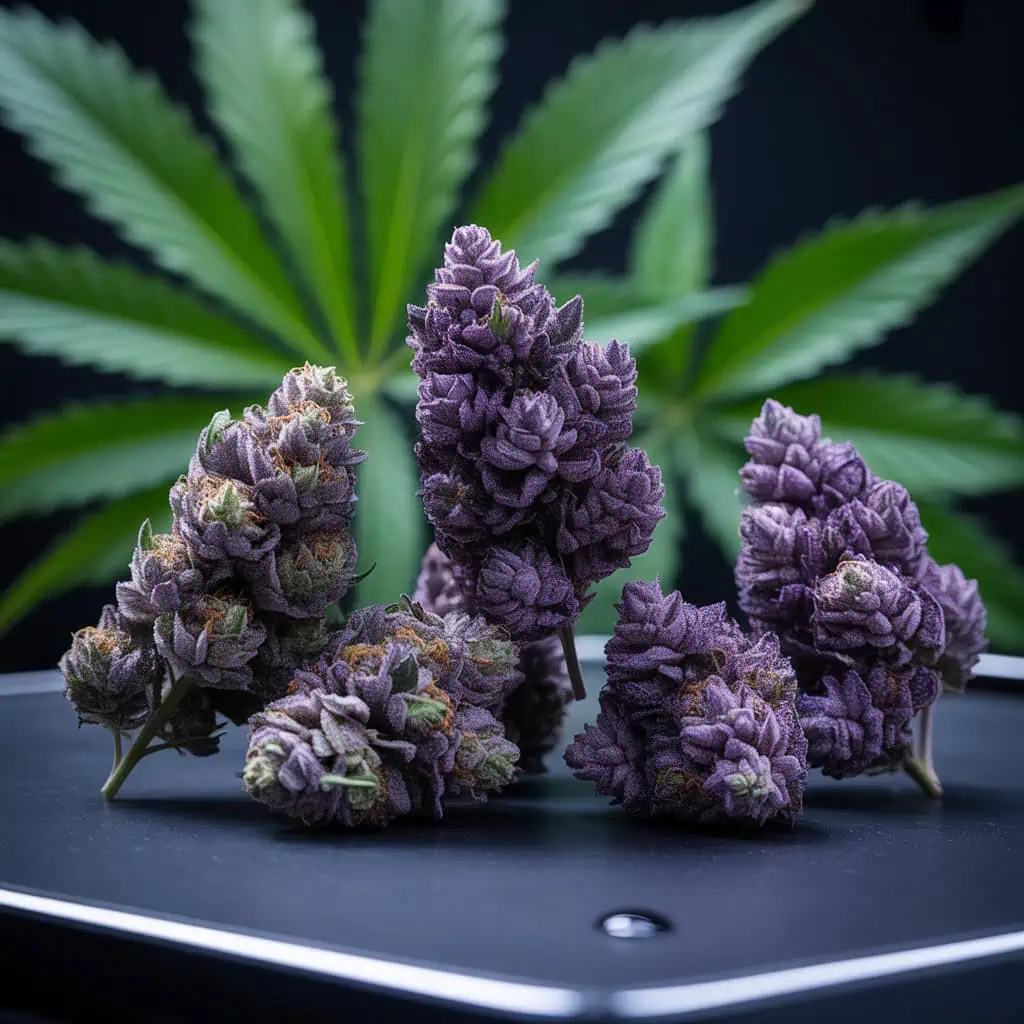
Purple cannabis remains one of the most visually stunning categories in marijuana.
Whether it’s the shimmering violet hues of Granddaddy Purple, a legendary strain within cannabis culture, the legendary Purple Haze, or the sugary grape-flavored Purple Punch, these strains are as much about aesthetics as they are about potency and flavor.
Purple strains have achieved iconic status in cannabis culture, influencing trends and preferences due to their unique appearance, storied histories, and celebrated effects.
But what makes weed purple? Do purple strains hit harder? Are they mostly indicas or sativas? And what are the best purple weed strains you can buy, grow, or smoke? This guide goes deep into those questions, covering genetics, THC levels, effects, growing tips, FAQs, and a master comparison chart.
Why Does Weed Turn Purple?
Love this strain? Grow it yourself
Learn to grow strains like this at home.
The Indoor & Outdoor Cannabis Growing Certificate takes you from seed to harvest: genetics, nutrients, lighting, pests and curing, with video lessons and a certificate when you finish. Learn at your own pace.
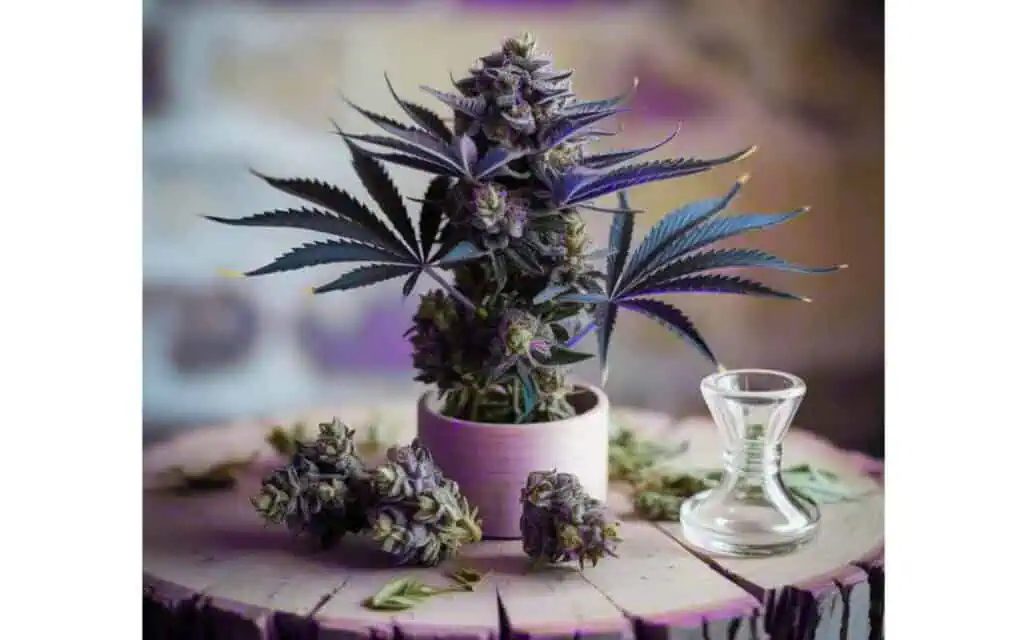
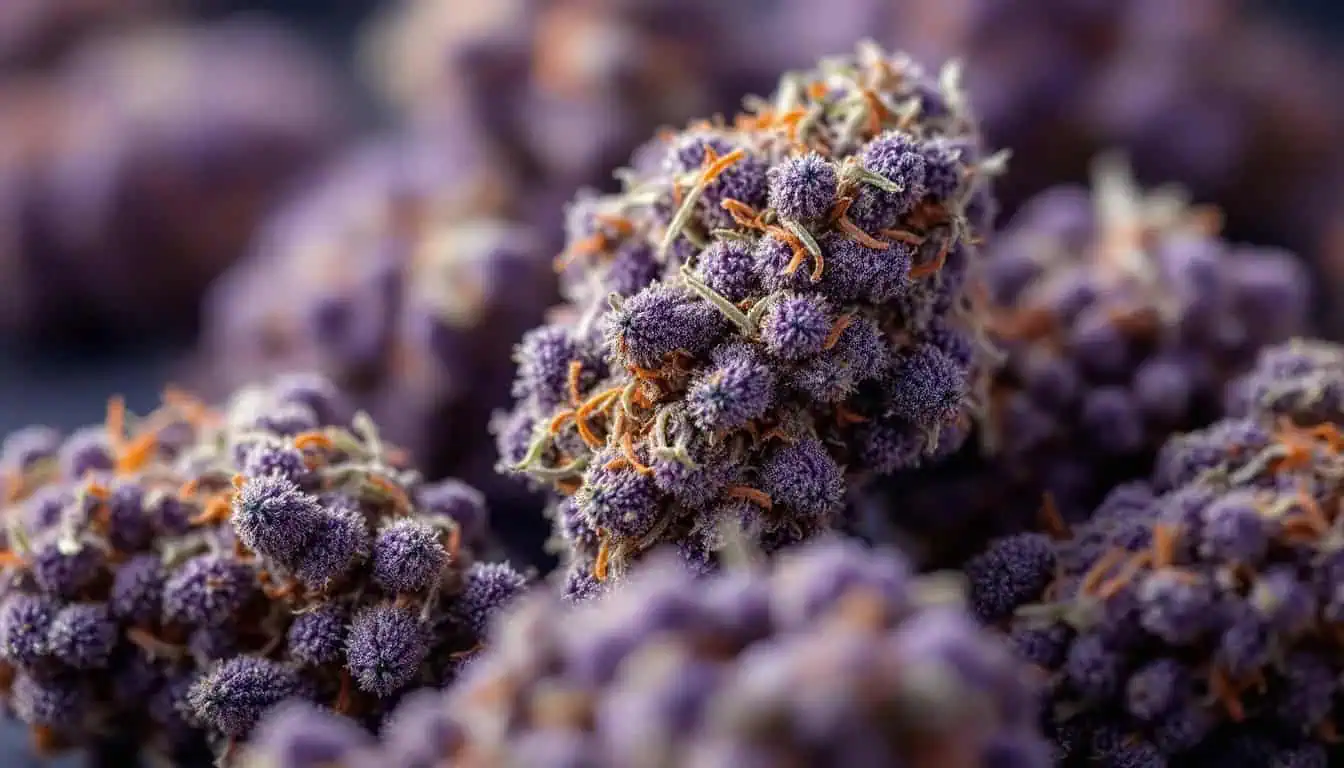
The purple hues in cannabis plants come from a family of purple pigments called anthocyanins. These water-soluble flavonoids can appear red, blue, or purple depending on pH. In cannabis, the purple color is a result of anthocyanin accumulation, which leads to purple pigmentation in the plant tissues.
The genetic makeup of certain cannabis strains determines their ability to produce higher levels of anthocyanins, especially when exposed to cooler temperatures or specific environmental conditions.
Not all cannabis plants develop a purple color, but certain cannabis strains with the right genetic makeup and environmental factors will display these vibrant hues. Anthocyanins are the same compounds that make blueberries blue and grapes purple.
Factors Influencing Purple Cannabis
Genetics:
Some strains are genetically predisposed to purple coloration. Strains like Purple Kush or Mendo Purps will show purple even in normal grow conditions.
Breeders selectively cross purple parents to create hybrids that reliably display violet shades.
2. Temperature:
Cooler nighttime temperatures (especially around 55–65°F) during the flowering stage or flowering phase can stimulate anthocyanin production, resulting in vibrant purples and vibrant purple color in cannabis buds. These cooler temperatures are a key factor in developing vibrant color, as they enhance the expression of anthocyanins, much like autumn leaves changing color.
Controlled drops late in flowering can further enhance purple expression, though extreme stress can hurt yield. These environmental adjustments not only boost vibrant color but can also contribute to heavy resin production in some strains.
3. pH Balance:
Soil and nutrient pH influence anthocyanin visibility. Slightly acidic conditions can enhance purple expression.
4. Harvest Timing:
Harvesting too early may show muted colors, while harvesting at peak maturity can maximize color vibrancy.
Myth vs. Reality
Myth: Purple weed is always stronger.
Reality: Color does not equal potency. THC content depends on genetics, growing conditions, and cannabinoid profile—not anthocyanins. The purple color does not affect potency; many purple strains are just as strong as green strains. In fact, many purple strains are known for their high THC content and potent effects, so color alone does not determine strength.
The Appeal of Purple Marijuana
Purple cannabis appeals for more than just looks. Many popular purple strains are celebrated for their rich flavors, including grape-like aroma, berry-like flavor, earthy flavors, and earthy undertones, which create a complex and memorable sensory experience.
Many purple weed strains carry distinctive flavor profiles dominated by fruity, berry, or grape-like terpenes.
The most purple strains and top purple strains are among the most sought-after and vibrant strains in the market, prized for their potent effects, relaxing effects, and, in some cases, energetic effects. This makes them popular among both recreational users and connoisseurs.
Common Terpenes in Purple Strains
Myrcene: Sedating, earthy, and musky; common in indica strains like GDP.
Pinene: Adds a pine aroma, balancing fruity sweetness.
Linalool: Floral, lavender-like notes that enhance calming effects.
Caryophyllene: Peppery spice that can add complexity to grape-heavy profiles.
While effects vary by strain, many purple cannabis strains are indica dominant hybrids known for deep relaxation and pain relief. However, the dominant strain type, whether a sativa dominant strain, indica strain, or pure indica strain, greatly influences the effects.
For example, legendary sativa dominant strains like Purple Haze offer energetic, euphoric, and uplifting effects, showing that purple isn’t exclusive to sedatives. In contrast, a pure indica strain such as Purple Kush is celebrated for its long-lasting euphoric and relaxing effects, making it ideal for pain and muscle tension relief.
Indica Dominant Hybrid Purple Strains: Deep relaxation, pain relief, and unique flavor profiles. Suitable for leisure or creative activities.
Pure Indica Strains: Strongly relaxing, body-heavy, and sleep-promoting. Best for evening use.
Sativa Dominant Strains: Uplifting, creative, energetic. Better for daytime, socializing, and creative pursuits.
Hybrid Purple Strains: Balanced effects combining cerebral uplift with body relaxation.
20 Best Purple Weed Strains (Detailed Profiles)
Below are the 20 best purple marijuana strains in 2025, with THC levels, genetics, and effects. This curated list features some of the most popular strains and best purple weed options for cannabis enthusiasts, covering both classic and new purple varieties, as well as other strains with purple-related characteristics.
1. Granddaddy Purple (GDP)
Genetics: Purple Urkle x Big Bud
THC: 17–24%
Effects: Relaxation, euphoria, deep body stone, potent sedative effects, relief from chronic stress and muscle spasms
Flavor: Grape, berry, earthy sweetness
Why it’s iconic: The ultimate purple strain, GDP is a West Coast legend known for its sedative effects, couch-lock, and insomnia relief. Its potent sedative effects make it a go-to for those seeking deep relaxation, especially at night, and for managing chronic stress, muscle spasms, and sleep issues.
2. Purple Haze
Genetics: Purple Thai x Haze
THC: 16–20%
Effects: Uplifting, psychedelic, creative; as a sativa dominant strain, Purple Haze is especially known for its energetic effects that inspire mental alertness and creativity.
Flavor: Sweet, earthy, berry
Why it’s iconic: Popularized by Jimi Hendrix, this sativa-dominant purple weed strain is ideal for daytime use. Its uplifting and creative high sets it apart from other strains, making it a standout among purple varieties and sativa hybrids.
3. Purple Kush
Genetics: Hindu Kush x Purple Afghani. Purple Kush is a pure indica strain and a classic indica strain.
THC: 19–22%
Effects: Sedation, full-body relaxation, long-lasting euphoric and relaxing effects. Known for pain and muscle tension relief.
Flavor: Sweet, earthy, grape. Renowned for its rich flavors that combine earthy notes with a sweet grape taste.
Why it’s iconic: 100% indica with legendary Kush lineage. A classic sleep strain and one of the most iconic pure indica strains.
4. Purple Punch
Genetics: Larry OG x Granddaddy Purple
THC: 18–22%
Effects: Euphoric, sleepy, stress-relieving
Flavor: Grape Kool-Aid, sweet berries, candy, with a grape-like aroma, berry-like flavor, and earthy undertones
Why it’s iconic: Prized for its dense purple bud and heavy resin production, Blackberry Kush offers beautiful coloration and calming effects perfect for pain and insomnia.
6. Grape Ape
Genetics: Mendocino Purps x Skunk x Afghani
THC: 17–23%
Effects: Relaxed, euphoric, body-heavy
Flavor: Strong grape flavor, earthy sweetness
Why it’s iconic: As one of the most vibrant purple strains, Grape Ape stands out for its vibrant color and striking appearance. Its grape-candy aroma and deep purple buds make it instantly recognizable.
7. Mendo Purps
Genetics: Landrace Mendocino cultivar
THC: 15–20%
Effects: Relaxed, euphoric, uplifting
Flavor: Sweet, earthy, berry
Why it’s iconic: A California original with award-winning genetics. Its unique genetic makeup sets it apart among cannabis plants, contributing to its distinctive purple coloration.
8. Purple Urkle
Genetics: Mendocino Purps phenotype
THC: 18–21%
Effects: Sedative, stress relief, heavy relaxation
Flavor: Grape soda, skunky sweetness
Why it’s iconic: Famous for its intense purple pigmentation, which comes from high levels of purple pigments in the buds, giving it dense purple buds with a grape soda flavor.
9. Forbidden Fruit
Genetics: Cherry Pie x Tangie
THC: 16–22%
Effects: Euphoric, calming, body-mind balance
Flavor: Tropical fruit, citrus, berry
Why it’s iconic: One of the most flavorful purple weed strains on the market.
10. Black Cherry Soda
Genetics: Unknown, but recognized as a sativa dominant strain and a dominant strain in its category
THC: 15–20%
Effects: Balanced, creative, social
Flavor: Sweet soda-like grape flavor
Why it’s iconic: Striking purple-red coloration and soda aroma.
11. Purple Diesel
Genetics: Sour Diesel x Purple Kush
THC: 16–22%
Effects: Energetic, uplifting, social
Flavor: Grape diesel funk
Why it’s iconic: A rare purple sativa-hybrid with strong cerebral buzz.
12. Lavender
Genetics: Super Skunk x Big Skunk Korean x Afghani Hawaiian
THC: 15–19%
Effects: Relaxed, calming, stress-relief
Flavor: Floral, herbal, sweet lavender
Why it’s iconic: Stunning purple buds with floral aroma.
13. Purple Ice
Genetics: Purple Kush x Ice
THC: 18–21%
Effects: Balanced, euphoric, relaxing
Flavor: Earthy, fruity
Why it’s iconic: Frosty, shimmering buds with purple undertones.
14. Black Domina
Genetics: Northern Lights x Ortega x Hash Plant x Afghani
THC: 18–24%
Effects: Heavy, couch-lock, nighttime
Flavor: Spicy, earthy, woody
Why it’s iconic: One of the darkest purple strains, nearly black buds.
15. Purple Starburst
Genetics: Starburst x Purple Indica cross
THC: 17–20%
Effects: Euphoric, creative, balanced
Flavor: Candy-sweet, fruity
Why it’s iconic: Vibrant colors and candy flavor make it a new favorite.
16. Plushberry
Genetics: Black Cherry Soda x Space Queen
THC: 16–20%
Effects: Relaxed, mellow, uplifting
Flavor: Sweet, berry, fruity
Why it’s iconic: A TGA Subcool Seeds creation with excellent purple bag appeal.
17. Dark Star
Genetics: Purple Kush x Mazar I Sharif
THC: 18–22%
Effects: Relaxed, sleepy, pain relief
Flavor: Earthy, pine, subtle grape
Why it’s iconic: Heavy indica perfect for chronic pain and insomnia.
18. Purple Skunk
Genetics: Skunk #1 x Purple #1
THC: 16–21%
Effects: Happy, creative, euphoric
Flavor: Skunky grape aroma
Why it’s iconic: Combines old-school Skunk funk with purple visuals.
19. Double Purple Doja
Genetics: Black Russian x Purple Urkle cross
THC: 18–20%
Effects: Relaxed, euphoric, giggly
Flavor: Fruity, spicy, herbal
Why it’s iconic: A boutique strain bred for deep purple hues.
20. Purple Cream
Genetics: Unknown indica-dominant
THC: 14–18%
Effects: Gentle relaxation, mild mood lift
Flavor: Sweet cream, subtle berry
Why it’s iconic: A beginner-friendly purple strain with smooth effects.
Growing Purple Weed: Tips for Cultivators
Genetics First: Start with strains known for purple phenotypes. Breeders like Sensi Seeds have developed notable purple strains such as Purple OG Kush and Purple Trainwreck, which are popular among cultivators for their unique traits and vibrant colors.
Temperature Control: Drop night temps slightly during the flowering phase to stimulate anthocyanin production.
pH and Soil Health: Slight acidity can enhance anthocyanin expression.
Harvest Timing: Wait until colors peak to capture maximum purple hues.
Anthocyanins may add antioxidant benefits, though more research is needed.
Purple cannabis often has grape, berry, or wine-like terpenes, making it highly marketable.
Quote
“Purple strains are more than just eye candy. They’re a fusion of genetics, environment, and careful cultivation. The color draws attention, but it’s the flavor and effects that keep enthusiasts loyal.” — Jeff Zorn, Cannabis Training University
FAQs — Purple Weed Strains
Does purple weed mean higher THC?
No. Potency depends on genetics and cannabinoids, not color.
Can any strain be made purple?
Only strains with the right genetics reliably turn purple. Environmental tweaks can enhance color but not create it from scratch.
Are purple strains mostly indicas?
Many are indica-dominant, but some, like Purple Haze, are sativa-leaning
Do purple cannabis strains taste different?
Yes. Many carry grape or berry terpenes, adding a fruity sweetness.
Which is the best purple strain for beginners?
Purple Cream offers mild effects, while Granddaddy Purple is a classic but stronger option.
Comparison Chart: 20 Best Purple Strains (2025)
Strain
Genetics
THC %
Dominance
Effects
Flavor
Difficulty
Granddaddy Purple
Purple Urkle x Big Bud
17–24%
Indica
Sedative, euphoric
Grape, berry
Medium
Purple Haze
Purple Thai x Haze
16–20%
Sativa
Energetic, creative
Sweet, earthy
Medium
Purple Kush
Hindu Kush x Purple Afghani
19–22%
Indica
Sleep aid, relaxing
Grape, earthy
Easy
Purple Punch
Larry OG x GDP
18–22%
Indica
Euphoric, sleepy
Candy, grape
Easy
Blackberry Kush
Afghani x Blackberry
16–20%
Indica
Relaxing, pain relief
Berry, hashy
Medium
Grape Ape
Mendo Purps x Skunk x Afghani
17–23%
Indica
Relaxed, heavy
Grape candy
Easy
Mendo Purps
Landrace
15–20%
Indica
Euphoric, relaxing
Sweet, earthy
Medium
Purple Urkle
Mendocino Purps phenotype
18–21%
Indica
Sleepy, stress relief
Grape soda
Medium
Forbidden Fruit
Cherry Pie x Tangie
16–22%
Hybrid
Euphoric, flavorful
Tropical fruit
Medium
Black Cherry Soda
Unknown
15–20%
Hybrid
Balanced, social
Soda-sweet
Medium
Purple Diesel
Sour Diesel x Purple Kush
16–22%
Sativa
Uplifting, cerebral
Grape diesel
Hard
Lavender
Super Skunk x Afghani cross
15–19%
Indica
Relaxing, floral
Herbal lavender
Medium
Purple Ice
Purple Kush x Ice
18–21%
Hybrid
Balanced, uplifting
Fruity, earthy
Medium
Black Domina
NL x Ortega x Afghani cross
18–24%
Indica
Heavy, couch-lock
Spicy, earthy
Hard
Purple Starburst
Starburst cross
17–20%
Hybrid
Euphoric, creative
Candy-sweet
Medium
Plushberry
Black Cherry Soda x Space Queen
16–20%
Hybrid
Relaxed, mellow
Fruity, berry
Medium
Dark Star
Purple Kush x Mazar
18–22%
Indica
Sedative, heavy
Earthy, grape
Easy
Purple Skunk
Skunk #1 x Purple #1
16–21%
Hybrid
Happy, euphoric
Funky grape
Easy
Double Purple Doja
Black Russian x Urkle
18–20%
Hybrid
Relaxed, euphoric
Fruity, spicy
Medium
Purple Cream
Unknown indica-dom
14–18%
Indica
Gentle, mellow
Creamy berry
Easy
8 Interesting Facts About Purple Strains
Purple strains are often recommended for beginners due to their relatively easy cultivation aspects.
Some purple strains require longer flowering times up to 70 days.
Purple cannabis strains typically benefit from a well-balanced soil rich in organic matter.
Common mistakes when growing purple strains include overfeeding and not controlling temperature correctly.
Purple strains often require careful monitoring of nutrient intake to prevent dull coloration.
Purple cannabis plants thrive best in a continental climate with cooler climates during flowering.
Certain terpenes like myrcene are commonly found in purple strains and contribute to their unique aroma and effects.
Purple strains like Purple Urkle and Purple OG Kush have higher CBD content than many other strains.
Jeff Zorn is the founder of Cannabis Training University (CTU), an online cannabis school with 50,000+ students since 2009. CTU is an IACET Accredited Provider, and its courses cover cannabis cultivation, business, medical cannabis, budtending, cooking, extraction and industry regulations.
Jeff focuses on breaking down complex cannabis topics, like cannabinoids, terpenes, growing techniques and legal frameworks, into clear, practical guidance readers can apply right away. His articles are written for beginners, entrepreneurs and professionals who want to understand cannabis and make informed decisions.
He regularly publishes educational articles on cannabis science, cultivation methods and industry changes, with an emphasis on real-world application, responsible use and staying current in a fast-changing market.
The information on this website is for educational purposes only and is not intended as medical advice. Always consult a qualified healthcare professional.
Legal Compliance Disclaimer
Cannabis remains illegal under U.S. federal law. Education provided is intended only for jurisdictions where cannabis activity is legal. Users are responsible for understanding local laws.
Medical Disclaimer: The information on this website is for informational purposes only and is not intended to be a substitute for professional medical advice, diagnosis, or treatment. Always seek the advice of a physician or other qualified health provider with any questions you may have regarding a medical condition. Legal Compliance: Cannabis remains federally illegal. Products and information are intended only for jurisdictions where cannabis use and possession is legal. By using this site, you affirm that you are of legal age (21+) and responsible for understanding your local laws.
Divider Text
7-day money-back guarantee. See our Refund Policy at /refund-policy/.




 IACET Accredited Provider · online cannabis education
Since 2009 • 50,000+ students trained worldwide
IACET Accredited Provider · online cannabis education
Since 2009 • 50,000+ students trained worldwide