Getting certified by a renowned certification program is one of the best resume qualifications you can have.
As the second-largest cannabis market in the world, Canada is ripe with cannabis business and employment opportunities.
Only the most knowledgeable and skilled applicants are chosen to enter the workforce. Let’s dive deeper into what makes CTU the Canada Cannabis College of choice.
Cannabis Training University is the most distinguished and affordable cannabis industry education institute in the world.
While not a requirement, CTU certification is recognized across the globe. Industry certification from CTU can help hobbyists and career-oriented individuals propel their skills growing, cooking, extracting, and working in the industry. Newcomers to the cannabis industry will love the affordable extensive cannabis training courses at CTU:
CTU benefits include:
Learn about every major aspect of the industry from industry professionals including studies in medical cannabis.
Up-to-date information about the latest techniques and regulations gives you the knowledge you need to get ahead in Canada’s cannabis industry.
Currently, provinces and territories have different requirements to work in the cannabis industry. Provinces and territories can require certain employees and owners to undergo industry training provided by an approved educator.
Usually, the program only covers safe selling practices. The training helps students understand the legal requirements of working in a cannabis facility.
While CTU’s cannabis training program is not a requirement, it features even more educational resources covering everything from cannabis cultivation to cooking with cannabis. Certification from CTU (on top of the required training, if any) can empower you to start growing weed for the first time or start working in the industry. No other Canada cannabis education gives the value that Cannabis Training Universit does! DO not be fooled, it will cost you many thousands of dollars if you do!
Many people in Canada have signed up at Cannabis Training University to learn all about the fast-growing cannabis industry. In a highly-competitive job market, earning your stripes at CTU will give you the competitive edge you need.
CTU is often called the cannabis community college of choice in Canada, with online courses covering all aspects of the booming medical cannabis industry.
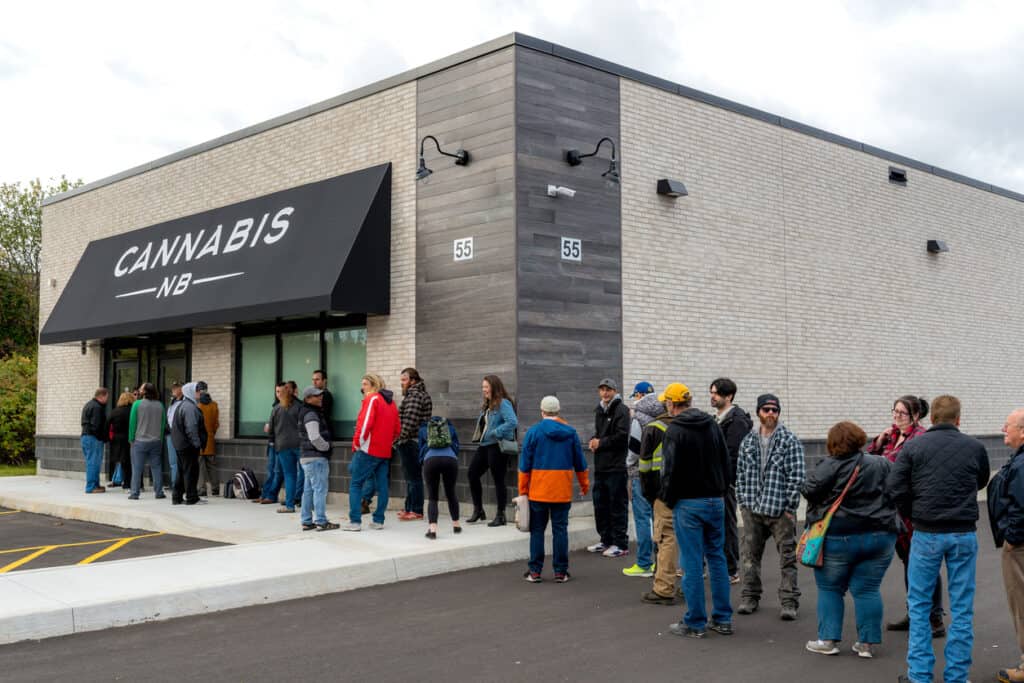
Canada’s medical and recreational cannabis market is always looking for talented employees in retail, cultivation, manufacturing, distribution, testing, extraction, and other segments. From entry-level work to management positions, the industry is looking for talent of all skill levels and backgrounds.
Canada’s retail segment requires a cast of friendly and knowledgeable employees who can help customers find the right products. Here are a few of the most common dispensary jobs:
Help large-scale commercial farms grow cannabis flower and harvest them for processing. Cannabis flower is the foundation for all of the industry’s variety of products. Here are a few key jobs available in cultivation:
In Canada, everything from flower to oil to edibles is legal. Cannabis processors convert raw material into a range of therapeutic products. Some of the most common jobs include:
CTU, an IACET Accredited Provider that has trained 50,000+ students, is known for the large amount of information included in its Master of Cannabis certification program, and the amazingly low cost of admission. Learn all about cannabis cultivation, cannabis cooking, cannabis extraction, cannabis careers, cannabis medicine, and so much more!
Steven Bryant, a CTU graduate from British Columbia said “I was looking for a cannabis college in Canada and the first one I found was many thousands of dollars. I did not want to spend that much. Then I found Cannabis Training University. It was low cost, plus it had more content included in the program so it was a no-brainer at that point for me.”
When students enroll at CTU’s Canada Cannabis College, they will learn a wealth of invaluable information through informative and entertaining videos and e-books. Some of the topics covered include (but aren’t limited to):
Cannabis Training University is the leading Canadian cannabis college, with more students, more graduates, more information, and the lowest price.
“I mistakenly enrolled at Niagara College in Canada and took some cannabis courses which cost me thousands of dollars. Afterwards I heard about the cannabis training from CTU and signed up, only to find the much less expensive courses at Cannabis Training University where much more informative than the ones at Niagara College!” Kevin K, Ottawa.
CTU’s online learning platform caters to students who value their time and want to fit in cannabis education into their busy schedules. CTU’s courses are available all day, everyday during your access period.
Online education can eliminate boring commutes and provide access to students all over the world as long as you have an internet connection.
At the end, passing a final exam earns you the most coveted industry certification to date.
If you’re looking to get a cannabis job in Canada, you must first meet the minimum age requirement (varies by province and territory). In most provinces, the minimum age is 19.
Here are some tips to help you land a cannabis industry job in Canada:

Canada is making waves in the cannabis industry with its newly implemented cannabis regulations. Set to go live in 2023, Canada’s plan will put the country at the forefront of cannabis sales and consumption.
This major shift aims to not only serve Canada’s thriving medicinal and recreational markets, but also to embrace the opportunity that Canada has as one of the first countries to legalize adult-use cannabis on a federal basis.
Canada’s marijuana policy will bring a careful setting of rules and regulations that encourages research and development, while hardening enforcement against any illegal actions taken by participants in the cannabis industry.
Ultimately, Canada’s policies for 2023 will ensure more consistent oversight across the sector as it embarks on a journey towards greater political and fiscal stability within the country.
Following the Cannabis Act of 2018, Canada became the first G7 nation to make recreational adult-use of cannabis legal. Canada also joins Uruguay as one of the few countries that allows sales of non-medical cannabis products on a national level.
This change stands to have far-reaching economic implications for Canada, particularly since Canada recently recorded the biggest annual growth rate compared to other G7 nations for their cannabis industry: 122 percent!
With Canada’s reliable safety regulations and well-established agricultural sector, industry experts predict that Canada will top $7 to 9 billion in revenues from sales of cannabis by the end of 2023.
Canada has been in the news frequently since Canada legalized cannabis nationwide in 2018, but 2023 has been an especially exciting year for Canada’s cannabis industry. Major investment firms are now pouring money into Canada’s cannabis sector, boosting both government and private enterprise sales.
Canada’s Minister of Health has reported significant development on the medical side of Canada’s cannabis industry as well, including breakthroughs in cannabinoid-derived treatments for a number of debilitating illnesses.
The legal recreational market is also doing well as Canadian citizens become increasingly comfortable with cannabis products.
All across Canada, people are discussing their favorite new businesses, products and innovations regularly, leading to a vibrant Canada cannabis news culture that has quickly grown from nothing to something over only a few short years. It looks like it will be an exciting continued development for Canada’s economy!
Canada Cannabis Act 2023 will be a landmark piece of legislation that marks Canada’s evolution in terms of cannabis regulation. This legislation seeks to protect Canada’s youth while still allowing adults access to products related to cannabis.
Canada Cannabis Act 2023 takes multiple steps forward, such as requiring specific labeling on all cannabis sold, including accurate potency information, and also outlining the criminalization penalties for any cannabis-related activities involving minors. It also outlines regulations for production, importation, exportation, sale and possession of cannabis.
Canada Cannabis Act 2023 is a step forward for Canada in terms of regulating the drug safely and effectively, thus promoting public safety while still allowing adults the ability to possess and use this substance responsibly.
Canada’s cannabis industry has entered a new era of rapid expansion, with the launch of Canada’s recreational cannabis market in 2018. The Canada cannabis market outlook 2023 and beyond is that the market is projected to grow significantly over this period, driven by increased access points, further product innovation and Canada becoming one of the most significant cannabis markets globally.
This is perpetuated by Canada embracing marijuana tourism and an influx in the number of licenses already granted in 2020.
As Canada looks ahead to the next few years, there are many opportunities for businesses to identify and capitalize on economic growth across Canada’s diverse population as more provinces move toward legalization. Consequently, it will be important for stakeholders in Canada’s growing cannabis sector to remain agile, anticipate emerging trends and prepare for potential changes in regulation.
Canada’s cannabis market has grown exponentially over the past few years as Canada led the way in becoming the largest legal marijuana market in the world.
The country already boasts some of the best quality weed in its provinces, and new research shows that Canada may expand its recreational marijuana usage soon due to increased accessibility, regulatory compliance and product safety measures.

Canada is expected to generate an impressive amount of revenue from cannabis sales in the next two years. With Canada legalizing adult-use cannabis nationwide back in 2018, it opened up a lucrative new taxation stream for Canadian governments at all levels.
Recent reports suggest that Canada’s cannabis market generated nearly $8 billion in 2022 and is on pace to do more than $9 billion by the end of 2023 from retail spending alone. This massive influx of capital will surely contribute greatly to Canada’s GDP for years to come, benefiting citizens and businesses throughout the nation.
The cannabis industry in Canada has been growing steadily since the legalization of recreational cannabis in 2018. This growth has led to a variety of job opportunities in the sector. Here’s a list of some popular jobs in the industry and their approximate salaries as of 2022. Keep in mind that salaries can vary based on experience, location, and company:
These figures provide a general overview and can fluctuate based on the dynamics of the market, regional differences, company sizes, and the specific experiences of individuals.
Since the nationwide legalization of recreational cannabis in 2018 under the Cannabis Act (Bill C-45), the regulatory landscape has continued to evolve. In 2025, new amendments were implemented to streamline requirements for license holders, reduce unnecessary red tape, and allow for more flexibility in product formats and packaging.
These changes reflect a federal push to balance public safety with market competitiveness, ensuring producers can innovate while staying compliant.
Reforms in 2025 also updated license thresholds for cultivation and processing:
These changes open more opportunities for small businesses and entrepreneurs while keeping operations regulated and safe.
CTU’s Canada Cannabis College curriculum integrates all of these updates to prepare students for the real market conditions in 2025 and beyond. Students will now receive in-depth training in:
The Cannabis Act is reviewed periodically, and the 2025 changes are part of that ongoing process. Future updates may include:
Each province sets its own rules for retail sales, store operations, and public consumption. In 2025, several provinces eased restrictions on store displays and public visibility. Some provinces are also revisiting zoning and lounge laws to permit more cannabis-friendly spaces.
Recent Supreme Court decisions confirmed that provinces may regulate or restrict home cultivation, even where federal law allows it. This precedent reinforces the importance of understanding provincial rules in addition to federal laws.
“The Canadian cannabis market is dynamic, not static. 2025’s rule changes show that regulators are listening, but it’s up to trained professionals to interpret and apply these changes responsibly.”
— Gwen Taylor, Licensed Producer Compliance Manager
Canada’s cannabis market continues to mature and evolve. With the 2025 amendments, businesses and professionals must adapt quickly to new rules around packaging, waste, cultivation, and processing. For students, CTU’s Canada Cannabis College offers training that reflects these changes in real time, preparing graduates for meaningful careers in cultivation, retail, compliance, and beyond.
“Success in Canada’s cannabis industry depends on continuous learning. The law changes, the market shifts, and professionals who stay educated lead the way.”
— Jeff Zorn, CTU Founder
Cannabis Training University is an IACET Accredited Provider!
Come take our online cannabis certificate programs and learn all you need to grow your own cannabis or land a cannabis career.
Look here to see some of our cannabis community college reviews.
Cannabis became legal in Canada for recreational purposes on October 17th, 2018, under the Cannabis Act.
Yes. In Canada adults can grow up to four cannabis plants per household. Licensed production of cannabis is controlled by the Canadian federal government.
Yes. Cannabis Training University is an IACET Accredited Provider, and its online courses are open to students in Canada. CTU’s online cannabis courses include all the updated laws and regulations for Canada, just as they do for the USA and 48 other countries worldwide.
Yes. Cannabis Training University is an IACET Accredited Provider.
Yes. When someone living in Canada signs up at Cannabis Training University the funds are converted from USD to CAD and will show as CAD once completed in your bank.
Yes, Cannabis Training Canada is offered by Cannabis Training University. CTU is Canada’s leading online marijuana course provider and has been since 2009.
Cannabis Training University has all the updated Canadian laws and regulations included in it’s online cannabis courses and is the preferred cannabis college for Canadian job training.
The Cannabis Act (Bill C-45), implemented in 2018, is Canada’s federal framework for cannabis. It was amended in 2025 to streamline regulations.
Federally, up to four plants per household are allowed. However, provinces such as Quebec and Manitoba prohibit or restrict home growing.
Expanded packaging flexibility, removal of the 1-gram pre-roll limit, adjustments to micro and nursery license limits, new allowances for ethyl alcohol in extracts, and simplified labeling requirements.
Yes. Courts have confirmed that provinces have the authority to restrict or ban home growing if they choose.
Producers must fully transition to new label standards by March 2026. Until then, older compliant labels may still be in circulation.
The increased grow area (800 square meters) gives small businesses more room to scale without needing a full commercial license.
Compliance literacy, knowledge of current regulations, cultivation skills, extraction knowledge, and the ability to adapt to ongoing legal changes.
Export remains tightly restricted, permitted mainly for medical, scientific, or hemp-related products. Recreational cannabis export is not yet permitted.
More in Training


Brand-search defense
Keep at the very bottom or exclude from hub
 IACET Accredited Provider · online cannabis education
Since 2009 • 50,000+ students trained worldwide
IACET Accredited Provider · online cannabis education
Since 2009 • 50,000+ students trained worldwide



Copyright Cannabis Training University, a subsidiary of Online Training Providers. © 2026. All Rights Reserved.
Medical Disclaimer: The information on this website is for informational purposes only and is not intended to be a substitute for professional medical advice, diagnosis, or treatment.
Always seek the advice of a physician or other qualified health provider with any questions you may have regarding a medical condition.
Legal Compliance: Cannabis remains federally illegal. Products and information are intended only for jurisdictions where cannabis use and possession is legal.
By using this site, you affirm that you are of legal age (21+) and responsible for understanding your local laws.