


Cannabis can thrive both indoors and outdoors, but the debate over indoor vs outdoor weed has raged for decades. Outdoor cultivation benefits from the free and powerful energy of the sun, while indoor growing allows for total environmental control and year-round harvests.
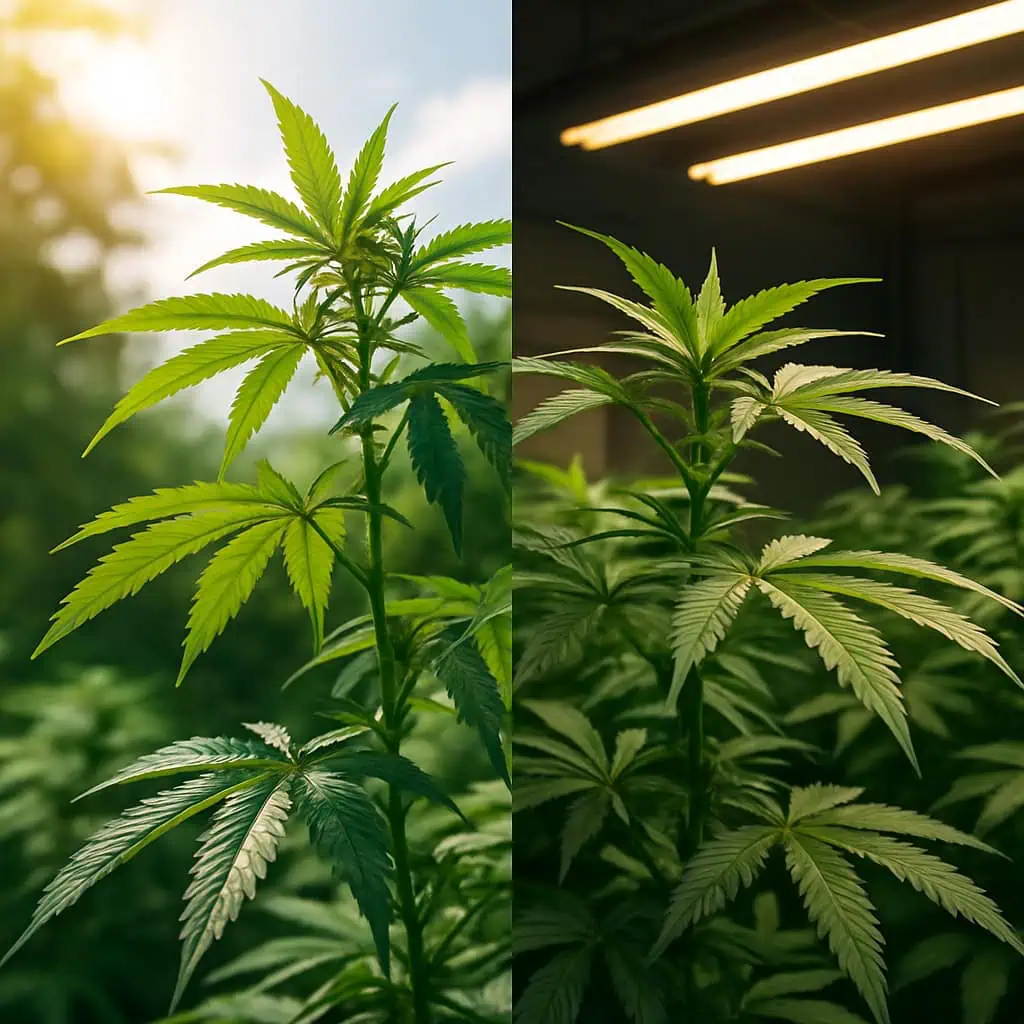
So, which is better: indoor cannabis or outdoor cannabis? The truth depends on your goals, resources, location, and desired outcome. This guide breaks down the differences in yield, potency, flavor, sustainability, and cost. It also explores greenhouse growing as a hybrid approach, adds reviews from real cultivators, and answers FAQs.
Outdoor Weed: Sunlight-Grown Cannabis
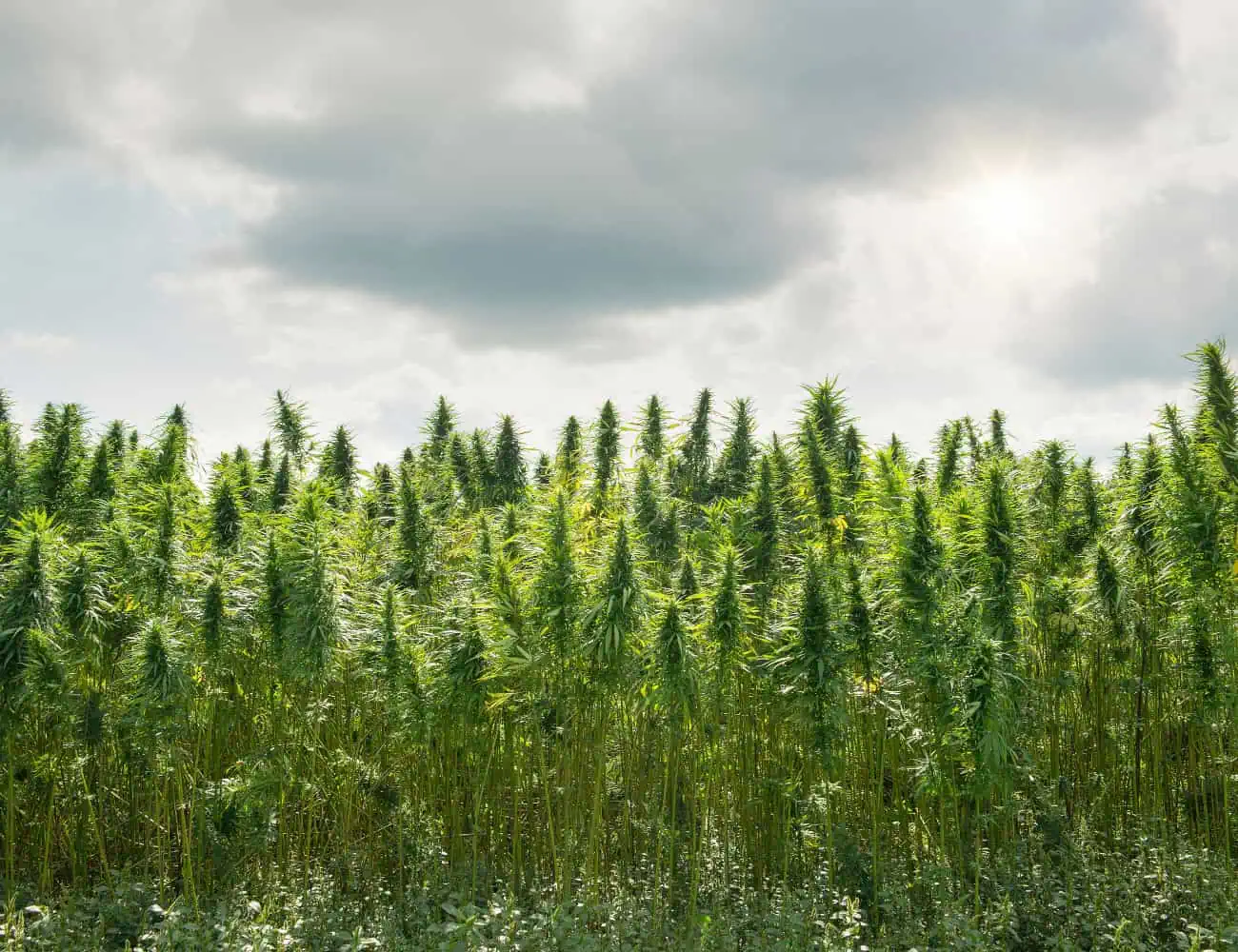
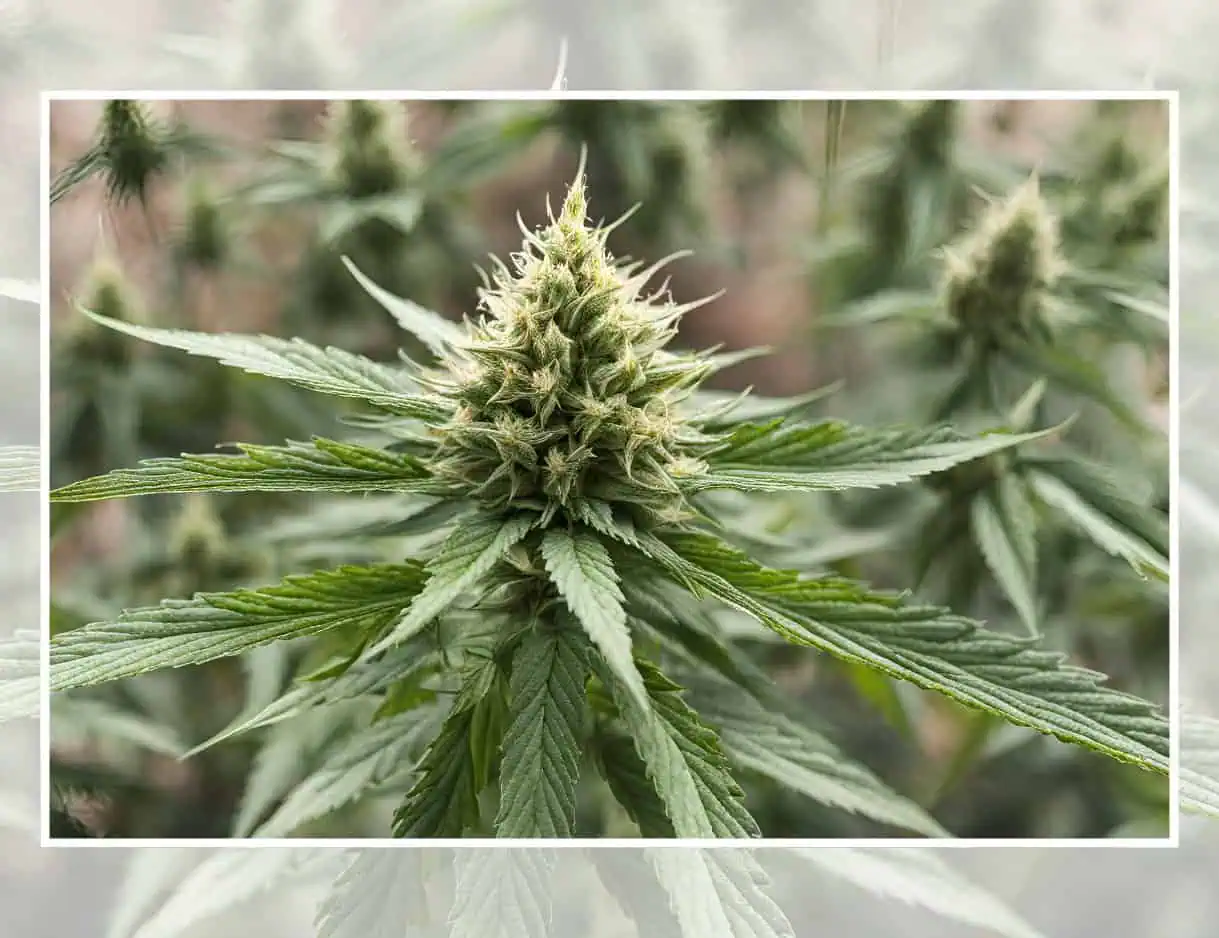
Outdoor cannabis cultivation uses the full power of natural sunlight. Plants can grow massive, sometimes towering over 10 feet tall, with the potential to yield pounds per plant in the right conditions.
Benefits of Outdoor Growing
- Free energy source: Sunlight is full-spectrum, delivering UV and infrared rays that boost trichome production, resin, and terpene complexity.
- Larger plants & yields: With enough soil and root space, outdoor plants can produce much larger harvests than indoor plants.
- Sustainability: Growing outdoors uses fewer resources, lower electricity, and has a smaller carbon footprint.
- Rich flavor and aroma: Many growers claim outdoor cannabis expresses a wider terpene profile, leading to more complex flavors.
Challenges of Outdoor Growing
- Climate limitations: Outdoor weed depends on the local climate and season. Cold, wet, or short summers reduce yields.
- Pests & mold: Outdoor crops are vulnerable to insects, mildew, and environmental diseases.
- Security & legality: Outdoor grows can be visible and may not be legal everywhere.
- Less control: Weather, daylight, and environmental changes are outside the grower’s control.
Indoor Weed: Artificial Light & Controlled Growing
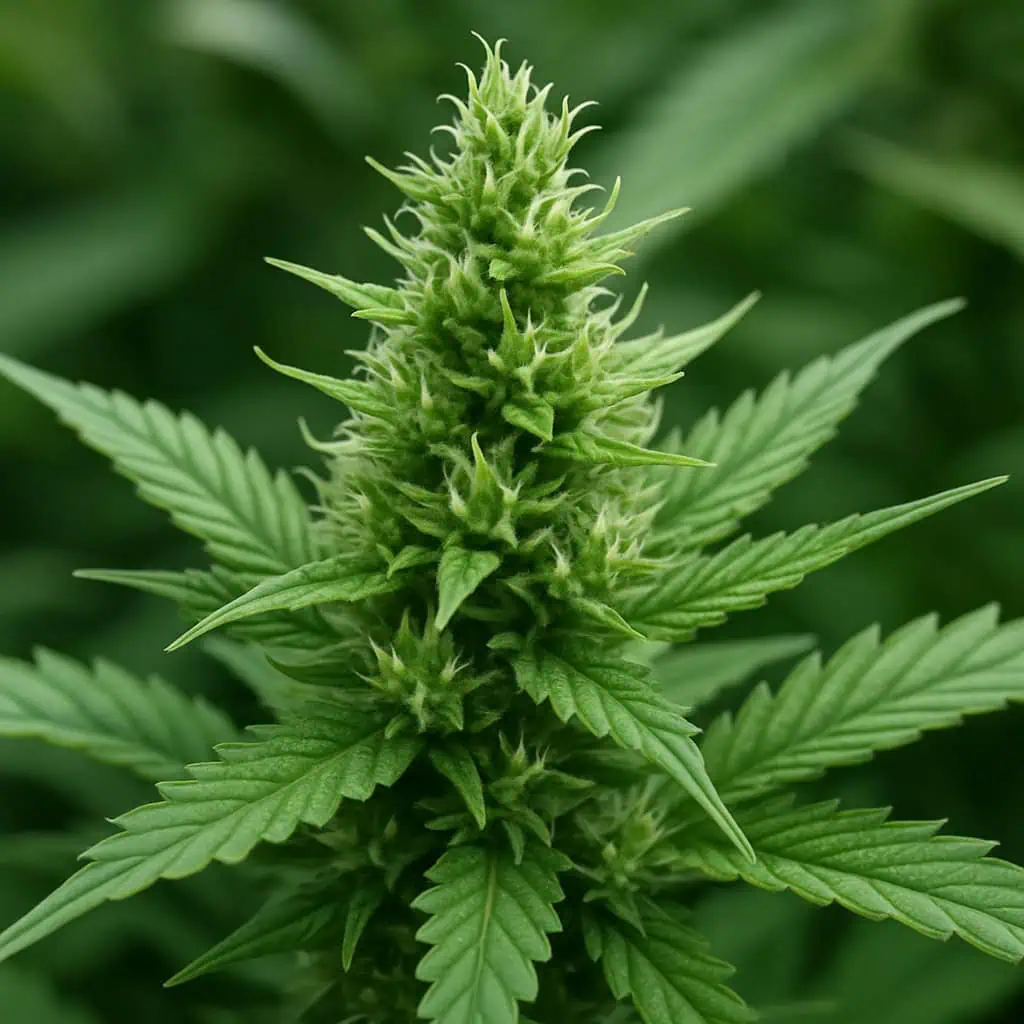
Indoor cannabis relies on artificial grow lights such as LEDs, HPS, or CMH. Plants are cultivated in controlled tents or rooms, where every factor — from humidity to CO₂ — can be optimized.
Benefits of Indoor Growing
- Year-round harvests: No reliance on seasons. Indoor growers can harvest multiple times per year.
- Environmental control: Indoor setups allow precise control over light cycles, temperature, humidity, and airflow.
- Consistency: Uniform bud quality, tighter structure, and frosty trichomes.
- Stealth & security: More discreet than outdoor growing, especially with carbon filters.
Challenges of Indoor Growing
- Cost: Lighting, fans, nutrients, and electricity bills can be expensive.
- Smaller plant size: Indoor plants are usually smaller than outdoor plants.
- Environmental footprint: Indoor grows consume significant power.
- Learning curve: Requires more technical knowledge of equipment and plant management.
Greenhouse Weed: The Hybrid Solution
Greenhouse cultivation combines the power of the sun with the control of artificial lights. It’s a middle-ground option used by many commercial growers.
Advantages
- Harnesses natural sunlight while supplementing with artificial lights when needed.
- Extends growing seasons in colder regions.
- Energy savings compared to full indoor grows.
- Protection from extreme weather and some pests.
Challenges
- Higher upfront cost for greenhouse construction.
- Temperature swings must be managed with ventilation, shading, or heating.
- Still requires security measures and regulatory compliance.

Indoor vs Outdoor Weed: Key Comparisons
Yield
- Outdoor: Plants can yield pounds each if conditions are ideal.
- Indoor: Plants yield less per plant, but more harvests per year can balance it out.
Potency
- Outdoor: UV exposure can increase resin and terpene diversity.
- Indoor: Controlled environments often produce higher THC percentages and denser buds.
Flavor & Terpenes
- Outdoor: More complex terpene expression, earthy and varied.
- Indoor: Cleaner, more consistent flavors with photogenic buds.
Cost
- Outdoor: Cheapest, as the sun is free.
- Indoor: Expensive, with high startup and electricity costs.
Sustainability
- Outdoor: Environmentally friendly, minimal resources.
- Indoor: Energy intensive but highly efficient and controlled.
Expert & Grower Reviews
“My outdoor plants gave me huge yields and complex flavors, but indoor buds looked picture-perfect and tested higher in THC.”
“Indoor weed gave me the consistency I needed for medical use — I can’t risk weather or mold destroying my supply.”
“Outdoors under the sun, my cannabis tasted richer. The terpene profile was way stronger than my indoor harvest.”
“Switching from HPS to LED for indoor growing cut my electricity bill and produced dense, resin-coated buds that rival any outdoor crop.”
Scientific Insights
- UV exposure in sunlight stimulates secondary metabolite production (resin and cannabinoids).
- Controlled LED spectrums can outperform HPS and rival sunlight for cannabinoid output.
- Outdoor cannabis often shows higher terpene complexity, while indoor cannabis typically shows higher THC percentages.
Indoor vs Outdoor Weed: Which is Better for You?
- Choose outdoor weed if: you have access to secure land, a long enough season, and want the lowest costs.
- Choose indoor weed if: you value consistency, control, multiple harvests, and dense, frosty buds.
- Choose greenhouse weed if: you want the best of both worlds — natural sunlight and supplemental control.
Indoor vs Outdoor Weed: Potency, High, Strains, Price, and Quality
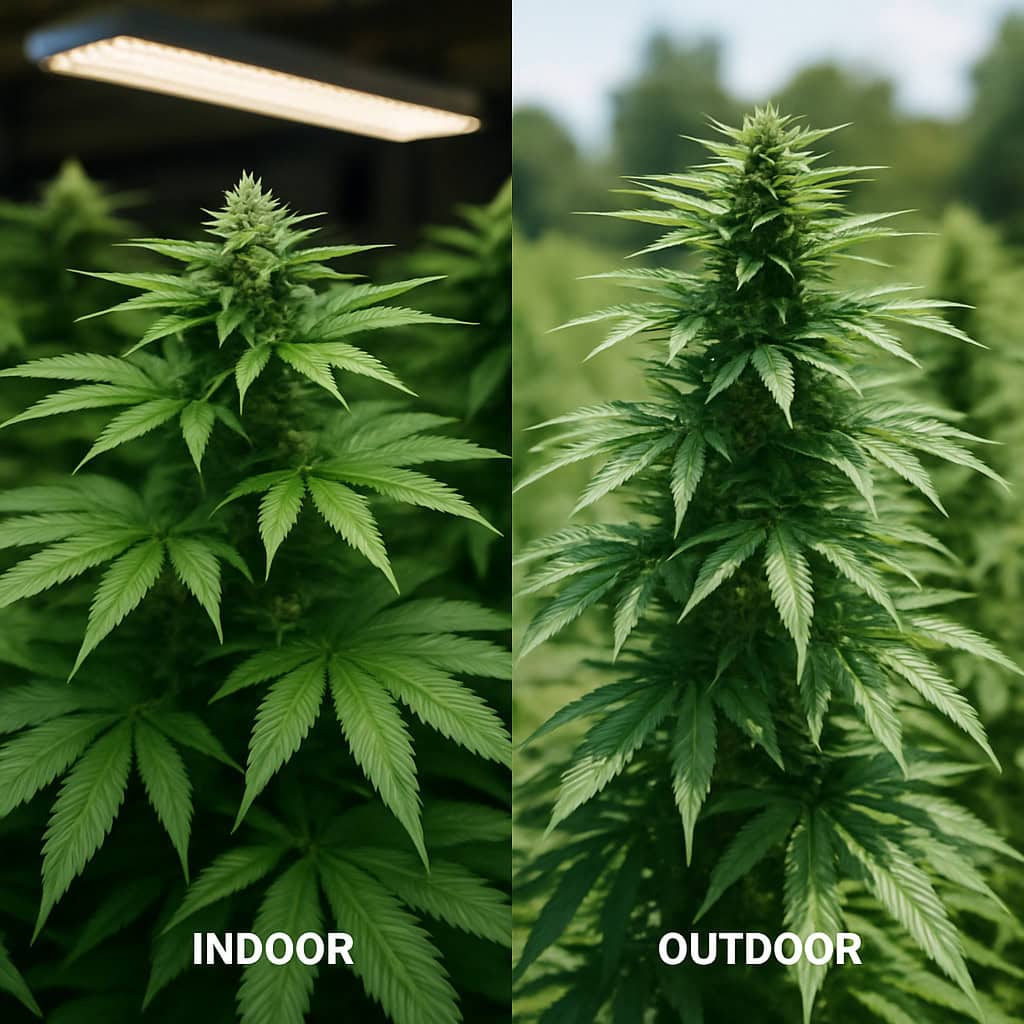
When comparing indoor vs outdoor weed, most growers and consumers focus on potency, the type of high, strain differences, cost, and overall quality. Here’s how each stacks up.
Potency
Indoor weed is often considered more potent because of controlled light cycles, stable environments, and optimal feeding. Many indoor buds test at 20–30% THC, while outdoor cannabis can be just as strong but may show slightly lower averages if grown in poor climates.
However, sunlight-grown weed benefits from UV exposure, which boosts cannabinoid and terpene diversity, sometimes making the effects feel stronger even if lab numbers are similar.
The High
- Indoor high: Generally clean, sharp, and powerful, often hitting fast due to dense trichome production.
- Outdoor high: Sometimes described as more “rounded” or “natural,” with a longer-lasting body component thanks to a richer terpene mix.
Both deliver excellent highs — indoor may feel more intense, while outdoor may feel more balanced.
Strains
Almost any strain can be grown indoors or outdoors, but some thrive better in certain environments.
- Indoor strains: Hybrids and indica-dominant plants do especially well because they stay short and compact.
- Outdoor strains: Sativas can reach their full potential outside, stretching tall and producing very high yields.
Price
Price is one of the biggest differences:
- Outdoor weed: Usually cheaper because the sun is free and energy costs are minimal.
- Indoor weed: More expensive due to lighting, equipment, and electricity bills. Indoor cannabis often sells at a premium because of its bag appeal and consistency.
Quality Differences
- Indoor: Buds tend to be denser, frostier, and more visually appealing. Great for dispensary shelves.
- Outdoor: May look rougher, sometimes “airier,” but often delivers richer, more complex flavor. Many connoisseurs argue outdoor weed has the best terpene expression.
FAQs On Indoor vs Outdoor Weed
Is indoor weed stronger than outdoor?
Often, yes. Indoor cannabis typically tests higher for THC due to controlled environments.
Does outdoor weed taste better?
Many growers believe outdoor weed has more complex flavors due to UV and full-spectrum sunlight.
Which cannabis cultivation method is cheaper, indoor or outdoor?
Outdoor is cheapest. Indoor growing requires investment in equipment and higher ongoing costs.
Which produces more weed, indoor or outdoor growing?
Outdoors, plants can yield pounds. Indoors, plants yield less but multiple harvests per year balance total output.
Which is better for medical cannabis?
Indoor weed is often preferred for medical use because it’s more consistent and free from outdoor contaminants
Final Thoughts on Indoor vs Outdoor Weed
So, is indoor weed or outdoor weed better? The answer is: it depends on your priorities. Outdoor grows excel in sustainability, cost, and terpene diversity, while indoor grows shine in potency, consistency, and year-round production.
Both have unique advantages, and many commercial operations use greenhouse setups that blend sunlight and artificial lighting for maximum efficiency.
For hobbyists and small-scale cultivators, the choice comes down to space, budget, and goals. If you’re after maximum yields with minimal cost, go outdoors. If you want consistent, frosty, premium buds, go indoors.
Learn how to grow weed indoors, and how to grow weed outdoors here at CTU.

Luis Cordova
Luis Cordova is a distinguished author, and renowned expert in cannabis cultivation, who possesses a Master's degree in Plant Biotechnology and Pharmaceutical Science. As a valued contributor to highly esteemed publications such as Cannabis Training University and Maximum Yield Magazine, Luis has emerged as a trusted source of guidance and knowledge in the cannabis industry. Having written thousands of informative articles, Luis is widely recognized for his comprehensive expertise on cultivating cannabis, both indoors and outdoors.


 Jeff was involved in an accident where he endured a traumatic brain injury. He had a week-long stay in ICU where brain surgeons
  100% risk free money back guarantee within 48 hours after purchase if student has not completed any of the courses or exams.
