



Canada cannabis jobs are in fire! The amount of marijuana jobs in Canada has been growing every year since 2001.
Canada’s bustling legal adult-use marijuana market is becoming profitable and cannabis job salaries are higher compared to the average job in Canada.
A November 2024 report by Statistics Canada found that cannabis-related jobs pay $29.58 per hour compared to the Canadian average of $27.03 per hour.
In terms of annual wages, that’s a difference of $5,304. Based on those numbers, a cannabis-related job in Canada pays about $63,094 each year. The average Canadian job pays $56,222 per year.
Cannabis industry salaries can even exceed six figures. For example, British Columbia’s Liquor and Distribution Branch has listed positions reaching up to $112,000 a year.
What are the Cannabis Laws in Canada?
Canada stands apart from the rest of the world as a powerhouse in the cannabis industry.
As a progressive nation, Canada became the second country in the world (after Uruguay) to legalize weed on a national level in 2018 after passing Bill C-45. Canada allowed its recreational market to begin in October of the same year.
Canada's medical cannabis program has been around since 2001.
In the Great White North, you are able to possess, carry, and share up to 30 grams of cannabis. Age requirements in Canada depend on the province. In most provinces, however, the legal age to purchase and consume is 19. In Alberta, the legal age is 18 and in Quebec it is 21.
Cannabis laws vary by province including how much you can purchase. In almost every province (except Nunavut) marijuana is sold in a government-run retail shop, a privately owned dispensary, or a mix of both. Some provinces allow you to order online and get it delivered.
Cannabis Employment Opportunities in Canada

As a result of Canada's leading position in the global marketplace, Canada's employment opportunity in this industry has exploded.
As of May 2024, Canada's legal marijuana industry had brought in $3.96 billion USD to the country's gross domestic product since the start of legalization in October 2018.
As of January 2025, approximately 24,200 people were employed in the Canadian cannabis industry. This represents significant growth since legalization in 2018, reflecting the expansion and maturation of the sector over the past few years.
Average Cannabis Salaries in Canada
- Budtender: CAD $40,000 – $50,000 annually.
- Cultivation Technician/Grower: Entry-level is CAD $40,000 – $50,000, and experienced growers can earn CAD $80,000 or more.
- Extraction Technician: CAD $50,000 – $60,000 annually.
- Dispensary Manager: CAD $50,000 – $70,000 annually.
- Compliance Officer: CAD $60,000 – $90,000 annually.
- Edibles Chef: CAD $50,000 – $70,000 annually.
- Sales Representative: The salary varies widely but might range from CAD $40,000 to CAD $100,000+.
- Trimmer: CAD $35,000 – $45,000 annually or paid by weight/hourly.
- Quality Assurance: CAD $60,000 – $100,000+.
Dispensary Jobs in Canada
Cannabis dispensary jobs are one of the most popular employment opportunities in the industry for entry-level positions.
One of the most recognized positions is the budtender. Retail stores employ dispensary managers, assistant managers, lead budtenders, and a staff of budtenders, also known as sales associates.
Much like a bartender, a budtender serves a customer their product of choice and may even recommend an alternative. In order to be a budtender, you must have extensive knowledge of cannabis including the different strains, products, delivery methods, and more nuances of the consumption process to enlighten customers.
As a budtender, you'll be on your feet most of the day helping customers find a product and completing the transaction using a POS system.
Budtenders must balance a busy dispensary’s long line while also answering any question a customer may have. They must be friendly, outgoing, and must remain calm with overwhelmed or rude customers.
Budtenders can quickly move their way up to manage a team of budtenders and become a lead sales associate. If you are loving the retail scene, you can continue to accrue experience, and hopefully, one day be promoted to assistant manager or a manager position.
Cannabis Cultivation Jobs in Canada
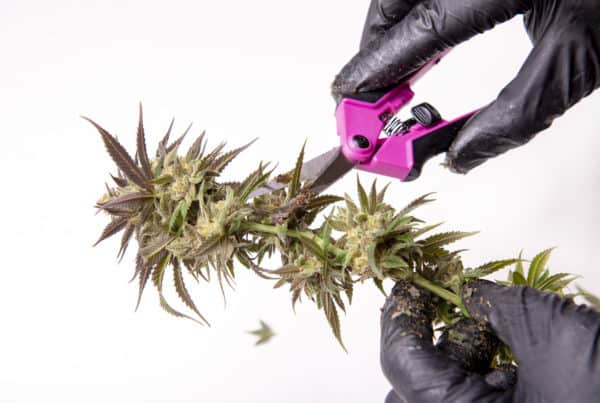
Canada's growing industry requires a lot of help in the cultivation sector. Cannabis cultivation is the starting point for many cannabis products. Entry-level work involves a lot of physical labor moving soil, walking around facilities, checking the health of plants, and cleaning up to maintain an organized work environment.
As an entry-level trimmer or cultivation assistant, you are in charge of following the master growers’ orders and performing various activities throughout the growth cycle including relocating plans, watering plants, preparing plants for hydroponic environments, replacing light bulbs, and other important and routine tasks.
With enough experience and expertise, a cultivation assistant or trimmer can work their way up to higher-paying positions such as a master or lead grower.
As a master grower, you must be specialized in the cannabis cultivation and breeding process to ensure a successful harvest and many new strains for the cannabis producer.
Manufacturing Jobs in Canada
Ever since cannabis 2.0 hit the scene in Canada, Canada's edible, beverage, and concentrate market has kicked off. As a result, many edible producers and extraction companies are hiring people to help out in the kitchen and lab, respectively.
Edible producers make a range of cannabis-infused products including chocolates and other sweet treats.
Cannabis extraction companies are responsible for distilling the cannabinoids and terpenes from the plant biomass and creating a range of concentrates for consumption or use in edibles and topicals alike.
Master extractors and extraction techniques are responsible for running the closed-loop equipment and work with solvents that can become dangerous is handled improperly.
In most commercial cannabis companies, quality is crucial to meet the province’s regulations. Quality assurance managers in the processing and manufacturing space are in high demand.
QA managers are responsible for ensuring batches of cannabis products are safe and ready for sale to the customer.
Marijuana Ancillary Jobs in Canada
You don't have to work directly with the plant to work alongside cannabis industry professionals. A number of ancillary positions help support and maintain this fast-growing industry. If you're an applicant with experience helping businesses stay afloat, you can find work in marijuana.
Cannabis ancillary positions can be found in cannabis law, web development, digital marketing, accounting, real estate, IT, and so many more pertinent positions.
Where to Find Canada Marijuana Jobs
If you live in Canada, there are many job opportunities in the industry depending on where you live. Large cities will have more cannabis job opportunities than rural locations, generally.
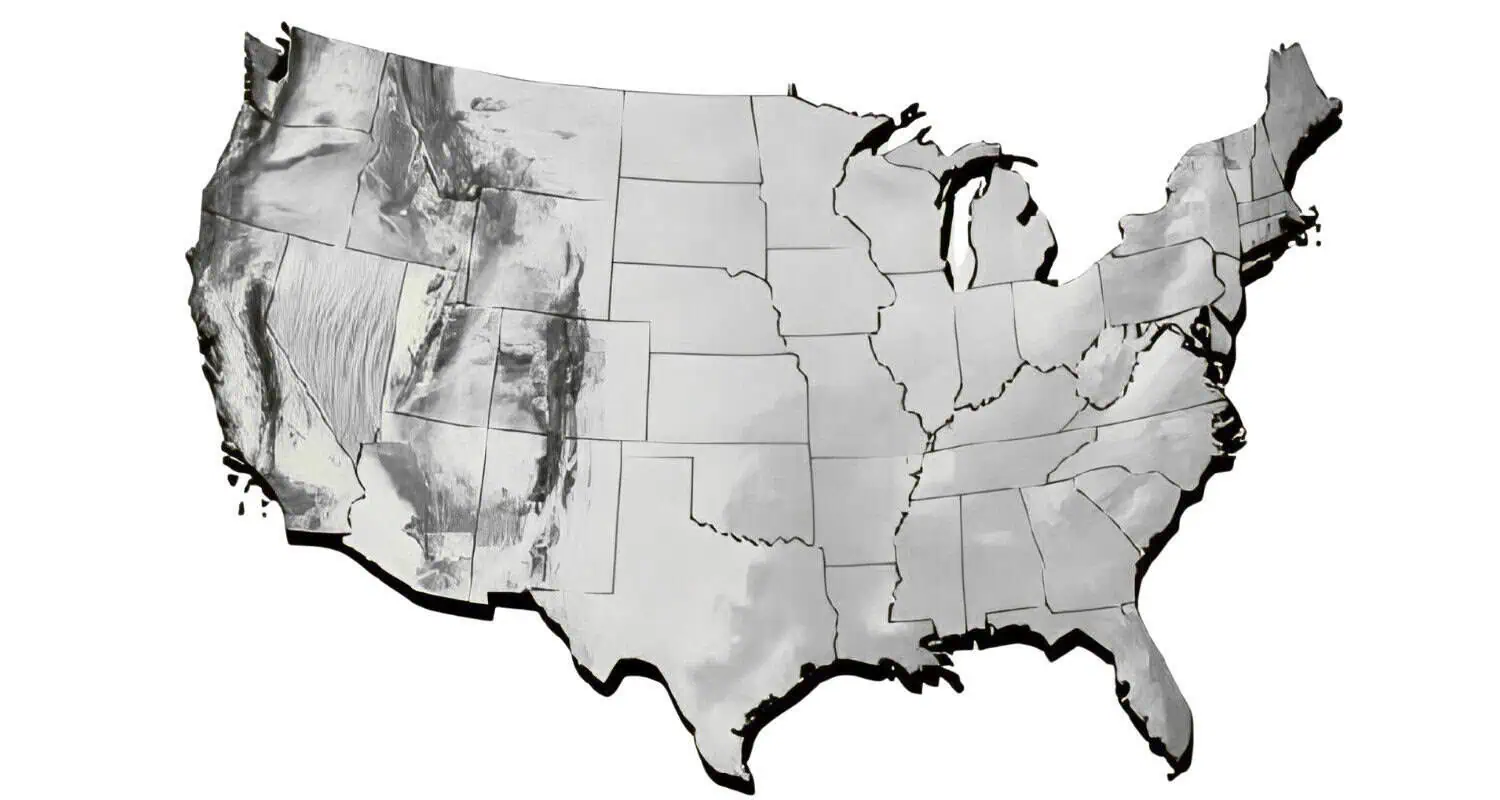
Currently, Ontario and Alberta have the most cannabis jobs available, specifically Toronto and Edmonton, respectively. Other hot spots include:
- Vancouver, B.C.
- Smith Falls, ON
- Calgary, AB
- Burnaby, BC
- John’s, NL
- Ottawa, ON
- Kelowna, BC
- Pitt Meadows, BC
- Leamington, ON
- Delta, BC
- Kamloops, BC
- Mirabel, QC
- Richmond, BC
Brendon Bernard, an Indeed Canada economist said, “A greater share of job-seeker interest in Ontario is directed toward production-related roles, while retail jobs capture a larger share of cannabis-related clicks in Alberta and B.C.”
“This likely reflects a larger footprint among major licensed producers like Canopy Growth in Ontario than elsewhere. However, the pattern could change somewhat as brick-and-mortar retailers expand operations in Ontario,” he continued.
Based on the data, here are the top marijuana jobs, ranked by clicks per million:
- Sales Associate (84)
- Marijuana Budtender (43)
- Grower (41)
- Technician (36)
- Quality Assurance Analyst (28)
- Educator (26)
- Sales Representative (26)
- Trimmer (25)
- Store Manager (24)
- Customer Service Representative (22)
How to Get a Marijuana Job in Canada
Obtaining a cannabis job in Canada is relatively easy if you know what you're doing. Begin by researching your province and local laws to determine if you are able to work in the industry and what you can expect from working there if you've never held a cannabis position.
Start by preparing your resume and cover letter for the position you're applying for. An updated resume with the right transferable skills and a cover letter showing your personality and passion for the plant can make or break your application.
Canadians can search online for cannabis jobs on online job boards such as indeed.ca (Canada’s version) and other industry-specific job boards. Applicants may also find jobs in industry publications and attend networking at trade events to find work.
For those missing the right experience in terms of job or industry knowledge, you can sign up for an online training class to catch up on the latest the industry has to offer. CTU offers a comprehensive curriculum so you can decide where you fit into the industry and be prepared to excel in it.
Canadian Cannabis Industry Growth and Employment
Since legalization in 2018, Canada’s cannabis industry has grown into one of the largest legal markets in the world. By early 2025, the industry directly employed more than 24,000 people, with thousands more in supporting roles such as logistics, packaging, compliance, and marketing.
Cannabis now contributes billions of dollars annually to the national economy and continues to create opportunities across cultivation, retail, extraction, research, and business management.
The employment outlook remains strong for 2025–2026. Job postings across the country regularly number in the hundreds, with openings in every province. While cultivation and retail roles remain the most common, professional and specialized roles in compliance, marketing, product development, and laboratory sciences are steadily increasing.
Salary Ranges in the Cannabis Industry
- Entry-Level Roles (budtenders, production assistants, packaging): CA$34,000 – CA$40,000 per year
- Mid-Level Roles (cultivation technicians, sales representatives, compliance officers): CA$40,000 – CA$60,000 per year
- Specialist Roles (extraction technicians, QA/QC staff, consultants): CA$55,000 – CA$75,000 per year
- Management Roles (store managers, cultivation managers, product development): CA$75,000 – CA$120,000 per year
These ranges vary by province and company size, but on average, cannabis salaries are competitive with other entry-level industries, with the advantage of offering rapid growth opportunities as the market matures.
Key Career Pathways in Canada’s Cannabis Industry
- Retail and Sales
- Budtenders
- Store Managers
- Territory Managers
- Production and Cultivation
- Cultivation Technicians
- Trimmers
- Grow Supervisors
- Extraction and Manufacturing
- Extraction Technicians
- Lab Assistants
- Processing Supervisors
- Quality and Compliance
- QA/QC Analysts
- Licensing Specialists
- Regulatory Compliance Officers
- Corporate and Strategic
- Product Development Managers
- Marketing Specialists
- Cannabis Consultants
Tailored Cannabis Training Paths by Province
While cannabis is federally legal in Canada, each province sets its own rules for licensing, distribution, and employee training. Understanding provincial requirements is key to securing a job.
British Columbia
- Strong cannabis culture and thriving cultivation sector.
- Mandatory training: “Selling It Right” for retail employees.
- Competitive edge: Pair provincial training with broader cannabis education in cultivation, extraction, and consulting to move into management.
Alberta
- One of Canada’s most competitive retail markets.
- Mandatory training: “SellSafe Cannabis Staff Training.”
- Career path: With additional cannabis training, retail staff can progress into sales management or compliance roles.
Ontario
- The largest cannabis market in Canada.
- Mandatory training: CannSell certification for retail employees.
- Path to success: Add national cannabis certifications to complement CannSell and prepare for leadership in retail, wholesale, or brand development.
Quebec
- Government-run retail model under the SQDC.
- Training provided internally, with strict limitations on products and advertising.
- Candidates with additional certifications in compliance and cannabis consulting stand out for roles beyond provincial retail.
Manitoba and Saskatchewan
- Privately run retail systems, giving opportunities for independent retailers.
- Saskatchewan requires a Cannabis Retail Worker Permit.
- Building a career here benefits from training in cannabis business operations, helping workers move from entry-level into ownership or management roles.
Atlantic Provinces
- Government-run retail systems in most provinces.
- Internal training is standard for retail employees.
- Additional education in cultivation and extractions is valuable for those seeking work in licensed producers across Nova Scotia, New Brunswick, Newfoundland and Labrador, and Prince Edward Island.
Northern Territories
- Smaller markets in Yukon, Northwest Territories, and Nunavut, mostly government controlled.
- Training provided in-house, but opportunities are limited.
- National cannabis training programs give flexibility to work locally or relocate to larger markets.
Why Cannabis Training University (CTU) is the Best Choice
No matter the province, Cannabis Training University offers the most comprehensive and affordable cannabis education program in the industry. CTU’s Master of Cannabis Certificate Program covers all essential areas, including:
- Cannabis cultivation, from seed to harvest
- Cannabis extraction and concentrates
- Retail operations and budtending
- Cannabis law and compliance
- Cannabis as medicine
- Business and consulting
Advantages of CTU Training:
- 100% online and accessible across all provinces and territories
- Affordable and recognized by thousands of students worldwide
- Provides well-rounded knowledge beyond mandatory provincial certifications
- Helps candidates stand out in a competitive job market
- Equips workers to advance into leadership, consulting, or entrepreneurship
CTU prepares students for long-term career growth. It bridges the gap between meeting basic provincial requirements and achieving mastery in cultivation, retail, compliance, and business operations.
Strategies to Land a Cannabis Job in Canada
- Complete Required Provincial Certification: This is the first step to becoming eligible for retail roles.
- Add Comprehensive Training Through CTU: Go beyond the basics and gain mastery across all cannabis sectors.
- Network with Industry Professionals: Join industry associations, attend cannabis expos, and connect with employers on professional platforms.
- Tailor Your Resume: Highlight both your provincial certification and CTU training to show readiness for retail, compliance, or management.
- Stay Current on Cannabis Law: Regulations evolve, and staying educated shows employers you’re serious about compliance and professionalism.
The Future of Cannabis Jobs in Canada
The cannabis industry in Canada is shifting from start-up chaos to professionalized stability. As companies mature, the demand for specialized roles in compliance, research, and product development continues to rise.
Provinces with larger populations—like Ontario, Alberta, and British Columbia—remain the most fertile job markets, but opportunities exist nationwide in cultivation facilities, retail stores, and production plants.
Those who combine provincial certifications with national-level cannabis training through CTU are best positioned to thrive, regardless of where they live.
Final Thoughts on Canada Cannabis Jobs
Canada’s cannabis industry is one of the most exciting employment sectors of the decade, offering opportunities for people from all backgrounds—hospitality, agriculture, science, retail, or business. The key to success is combining mandatory provincial training with industry-leading education from Cannabis Training University.
This powerful combination sets candidates apart, opens doors to promotions and leadership, and provides the knowledge to one day start a cannabis business of their own.
Enroll in Canada Marijuana College
Canada’s cannabis industry is ripe with employment opportunities for the right individual. From entry-level positions to get your foot in the door to advanced careers requiring a college degree, there's a little something for everyone in the industry.
One of the best ways to stand out from the crowd is to enroll in an online cannabis training institution. Learn the tricks of the trade to have a better chance of getting hired by cannabis recruiters by completing budtender training, cultivation training, and more training modules in Canada.

Fred Hernandez
Fred Hernandez is a highly accomplished and versatile writer, boasting an extensive background in the cannabis industry. With an in-depth understanding of various sectors including cultivators, processors, retailers, and brands, Fred's expertise spans across the entire cannabis landscape. As a prominent contributor to CTU, he consistently delivers insightful articles exploring the latest developments, news, and regulations shaping the cannabis industry. Whether it's delving into the intricacies of cannabis products, cannabis strain reviews, or providing comprehensive analyses of cannabis laws, or sharing expert insights on cannabis cultivation techniques, Fred's wealth of knowledge positions him as an invaluable writer and educator for all cannabis-related subjects.






 Jeff was involved in an accident where he endured a traumatic brain injury. He had a week-long stay in ICU where brain surgeons
  100% risk free money back guarantee within 48 hours after purchase if student has not completed any of the courses or exams.
