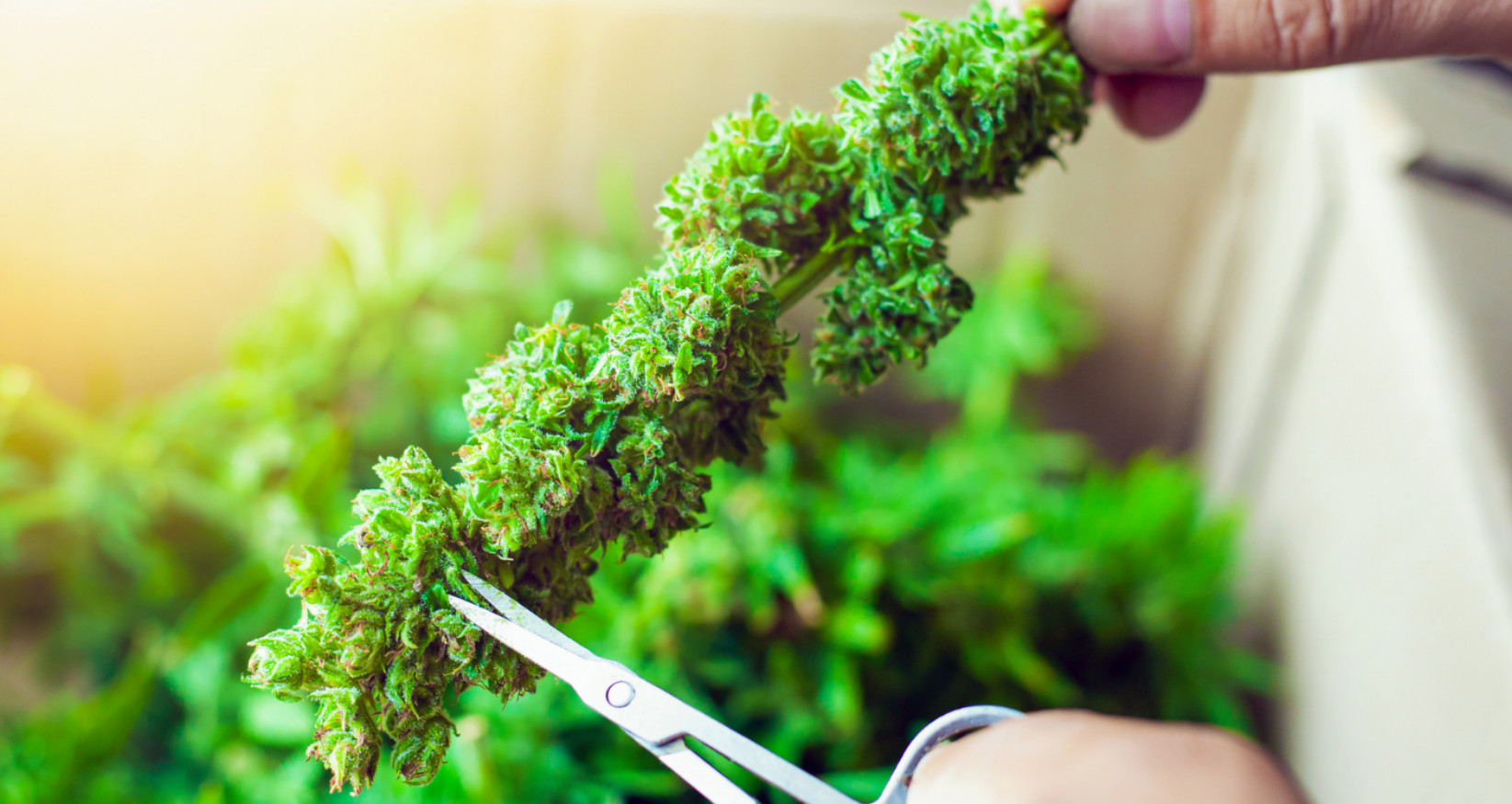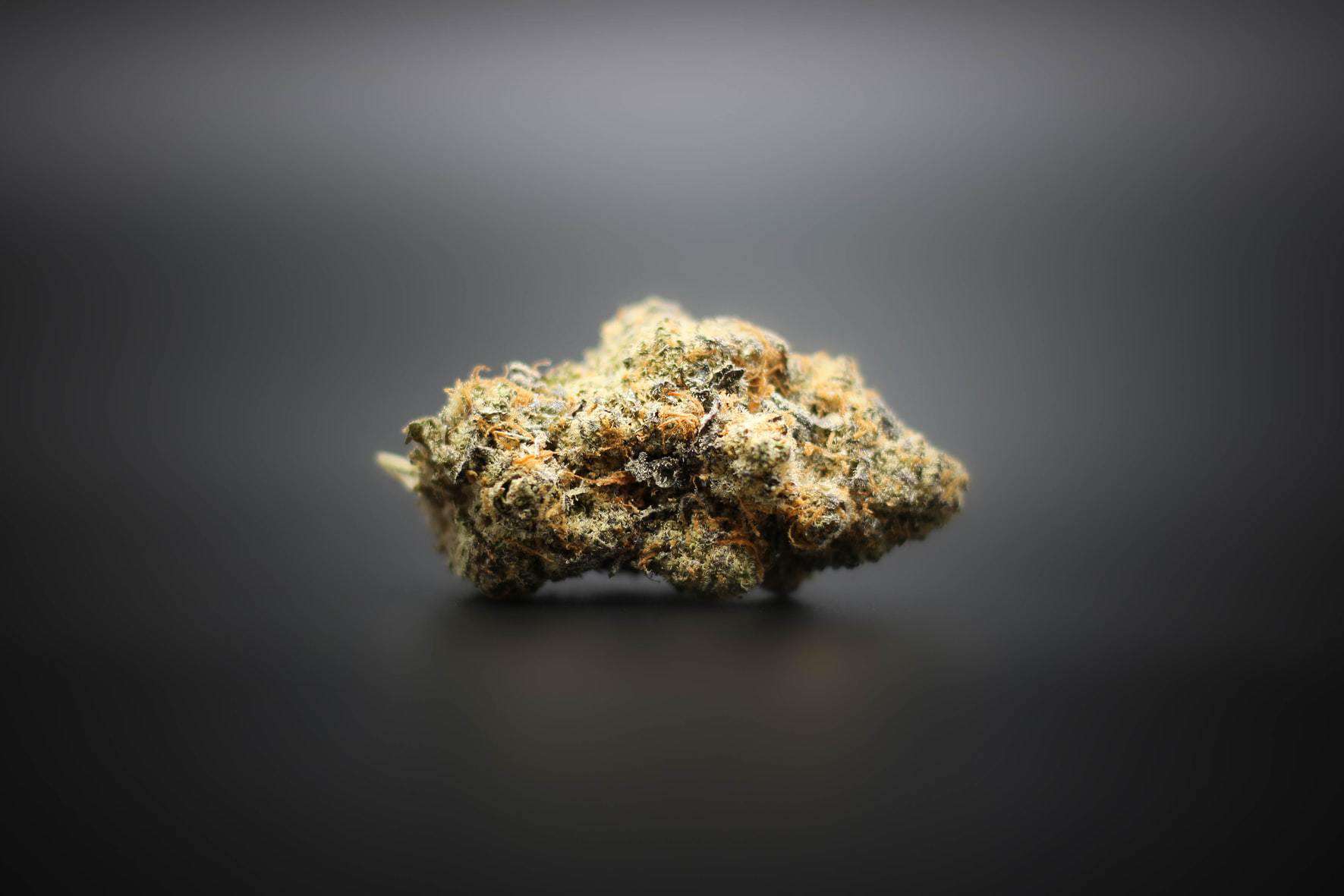
The term Delta 9 strain doesn’t just refer to one cannabis strain — it refers to delta-9-tetrahydrocannabinol (THC), the most well-known psychoactive compound in cannabis. When people say Delta 9 strains, they are talking about cannabis varieties that contain high concentrations of delta-9 THC.
With Delta 8 and Delta 10 hemp-derived products flooding the market, many consumers are asking:
Love this strain? Grow it yourself
Learn to grow strains like this at home.
The Indoor & Outdoor Cannabis Growing Certificate takes you from seed to harvest: genetics, nutrients, lighting, pests and curing, with video lessons and a certificate when you finish. Learn at your own pace.
See the Growing Certificate →Free Cannabis Cultivation Guide (ebook)IACET-accredited · 7-day money-back guarantee
Delta 9 strains are cannabis varieties bred to produce high levels of delta-9 THC, typically ranging from 15% to 30% THC. Unlike Delta 8 and Delta 10, which are often lab-converted from hemp-derived CBD, Delta 9 strains occur naturally in cannabis.
These strains are the foundation of both the medical cannabis industry and recreational markets worldwide.
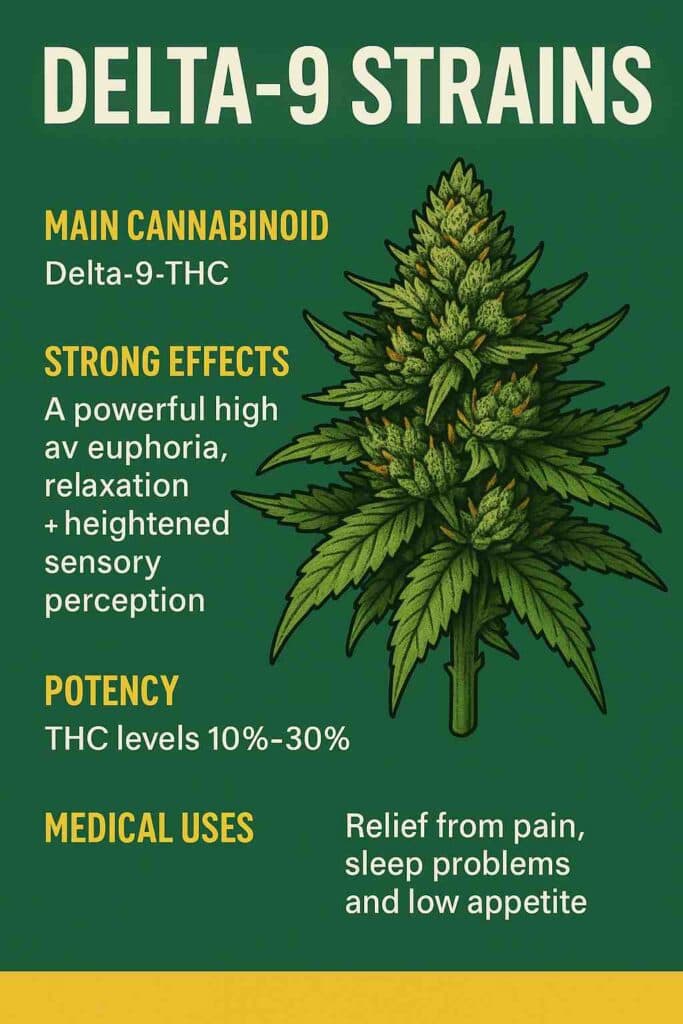
If you’re looking for naturally THC-rich cannabis strains, here are some of the most popular Delta 9-dominant varieties:
These strains have been tested for decades and remain staples in dispensaries for their potency and terpene-rich profiles.
| Cannabinoid | Potency | Effects | Best For |
|---|---|---|---|
| Delta 9 THC | Strongest | Euphoric, creative, relaxed, appetite-stimulating | Pain, stress, recreation, sleep |
| Delta 8 THC | ~50–60% as strong as Delta 9 | Calming, body relaxation, less anxiety | First-time users, mild anxiety |
| Delta 10 THC | Lightest | Uplifting, focused, energetic | Daytime, creativity |
Because of their high THC content, Delta 9 strains are often chosen for:
For anyone using cannabis medicinally, understanding strain selection and dosing is essential. The Cannabis as Medicine Certification at Cannabis Training University teaches you how to use cannabinoids like Delta 8, 9, and 10 for real therapeutic results.
Cultivating Delta 9-rich strains requires care to maximize THC and terpene production.
Pro grower tips:
Learn everything from seed to harvest in CTU’s How to Grow Cannabis Course.
Growing cannabis strains high in Delta-9 THC requires careful planning and attention to detail throughout the entire lifecycle of the plant. While genetics determine the potential potency, the way you nurture the plant will decide its actual cannabinoid and terpene profile.
1. Germination (1 week):
Start with high-quality seeds from a reputable breeder. Germinate seeds using moist paper towels, rapid rooter plugs, or directly in soil. The goal is to maintain a warm, dark, and humid environment so taproots emerge within a few days.
2. Seedling Stage (2 weeks):
Seedlings require gentle care, low-intensity light (fluorescent or LED), and careful watering to avoid root rot. A humidity dome can help maintain 65–70% humidity. Nutrients should be minimal at this stage—just enough nitrogen to support leaf development.
3. Vegetative Growth (4–8 weeks):
During this stage, plants require abundant light (18–24 hours per day), higher nitrogen fertilizers, and consistent training to maximize canopy exposure. Low-stress training (LST) and topping can create more bud sites. Monitor for pests like spider mites and fungus gnats—introduce beneficial insects such as ladybugs or predatory mites for natural pest control.
4. Flowering (8–10 weeks):
Switch lighting to a 12/12 cycle. Plants will stretch and begin producing flowers covered in trichomes rich in Delta-9 THC. Use bloom nutrients higher in phosphorus and potassium. Control humidity (40–50%) to avoid mold. By weeks 6–8, resin production should be visible, and terpenes will become more pronounced.
5. Harvest:
Trichome monitoring is essential—clear trichomes indicate immaturity, cloudy trichomes represent peak THC levels, and amber trichomes suggest more sedative effects due to THC converting into CBN. Harvest carefully, dry slowly (60–65°F, 50% humidity), and cure buds in glass jars for 2–4 weeks to maximize potency and flavor.
While Delta-9 strains are sought after for their potency, users should be aware of possible side effects:
Mitigation strategies include starting with low doses, choosing balanced strains with CBD, and avoiding consumption on an empty stomach.
Delta-9 THC can be consumed in multiple ways, each with different onset times and durations:
Beginner dosing guidelines:
Here’s a quick-reference guide to popular Delta-9 rich strains:
| Strain | Avg. THC % | Dominant Terpenes | Common Effects | Flavor Profile |
|---|---|---|---|---|
| OG Kush | 20–26% | Myrcene, Limonene | Relaxing, euphoric | Earthy, pine, citrus |
| Blue Dream | 18–22% | Myrcene, Pinene | Creative, uplifting | Berry, sweet, herbal |
| Gelato | 20–25% | Caryophyllene, Limonene | Balanced, euphoric | Sweet, creamy, citrus |
| Sour Diesel | 19–23% | Limonene, Caryophyllene | Energizing, cerebral | Diesel, pungent, citrus |
| Granddaddy Purple | 20–27% | Myrcene, Pinene | Sedative, relaxing | Grape, berry, sweet |
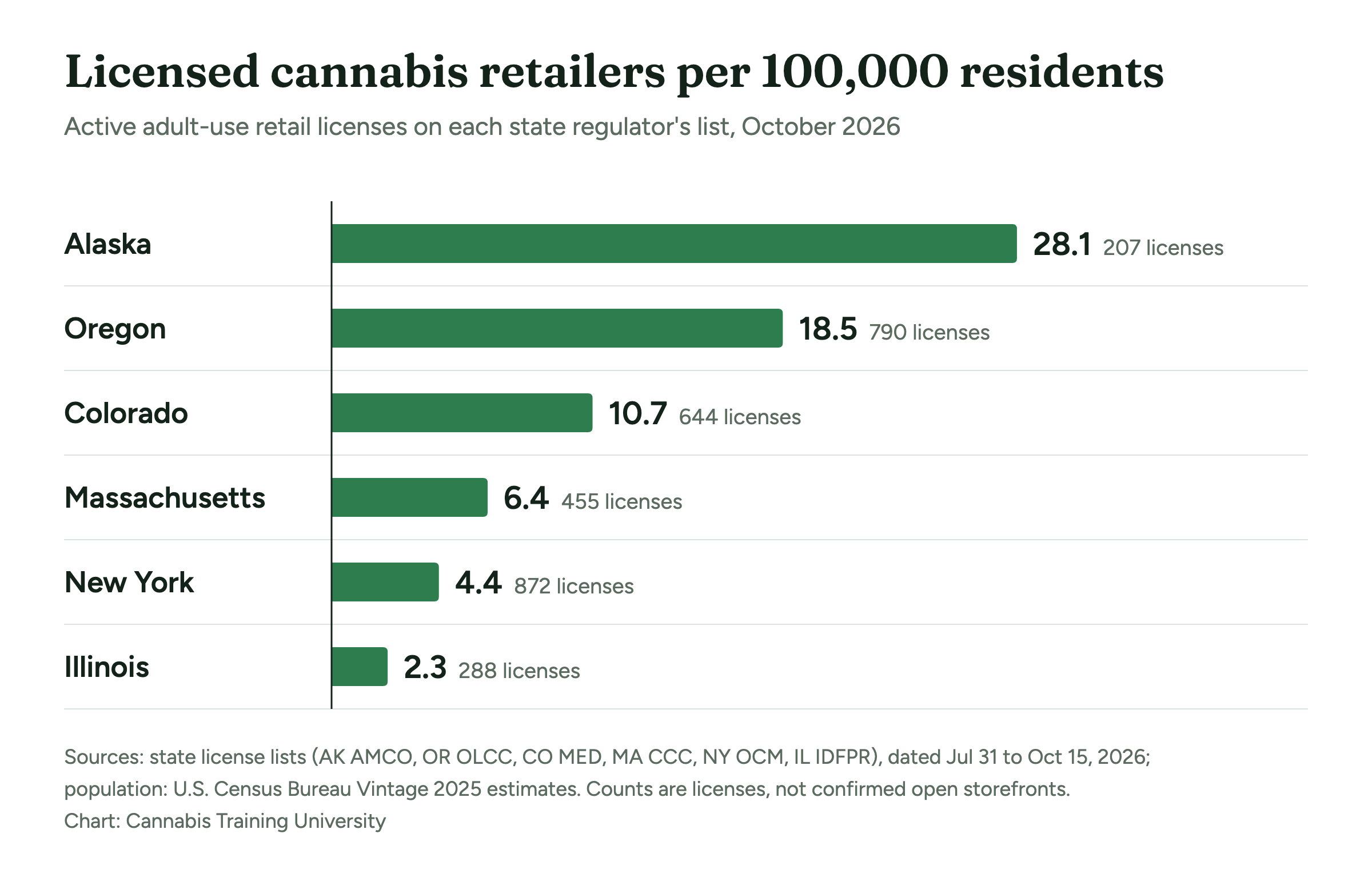
As of 2026, cannabis legality continues to shift rapidly:
⚠️ Always check local laws before cultivating, purchasing, or traveling with cannabis.
Delta-9 THC has been extensively studied for its interaction with the endocannabinoid system (ECS), particularly the CB1 receptors in the brain and central nervous system. Research indicates:
Peer-reviewed journals like Frontiers in Pharmacology and Journal of Cannabis Research provide up-to-date studies on medical applications.
Delta 9 strains remain the benchmark of cannabis. While Delta 8 and Delta 10 offer unique hemp-derived alternatives, nothing compares to the potency, flavor, and therapeutic power of true Delta 9-dominant strains.
As laws evolve and research continues, Delta-9 will remain at the forefront of cannabis science and industry. Whether for recreational use, therapeutic relief, or cultivation, the world of Delta-9 strains offers an ever-expanding field of discovery for cannabis enthusiasts in 2025 and beyond.
To go deeper into cannabis knowledge — from cannabinoids to cultivation — enroll in the Master of Cannabis Certification Program at Cannabis Training University and become a cannabis expert.
More in Strain Guides

Check your state's cannabis laws

Cannabis 101, labeling, retail education
 IACET Accredited Provider · online cannabis education
Since 2009 • 50,000+ students trained worldwide
IACET Accredited Provider · online cannabis education
Since 2009 • 50,000+ students trained worldwide



Copyright Cannabis Training University, a subsidiary of Online Training Providers. © 2026. All Rights Reserved.
Medical Disclaimer: The information on this website is for informational purposes only and is not intended to be a substitute for professional medical advice, diagnosis, or treatment.
Always seek the advice of a physician or other qualified health provider with any questions you may have regarding a medical condition.
Legal Compliance: Cannabis remains federally illegal. Products and information are intended only for jurisdictions where cannabis use and possession is legal.
By using this site, you affirm that you are of legal age (21+) and responsible for understanding your local laws.