


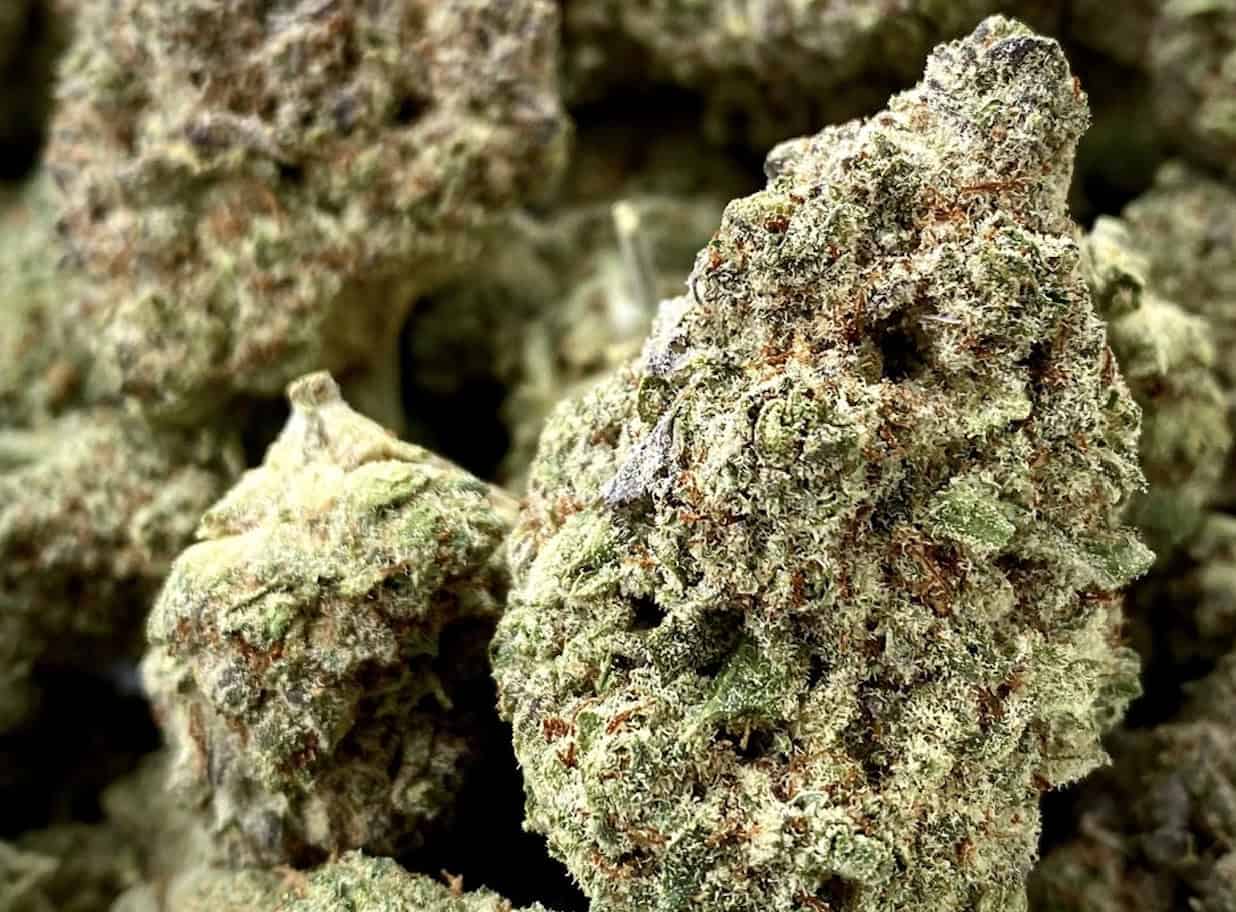
OG Kush is one of the most popular marijuana strains on the market. It is well known for its unique profile and potent effects.
Genetics of OG Kush
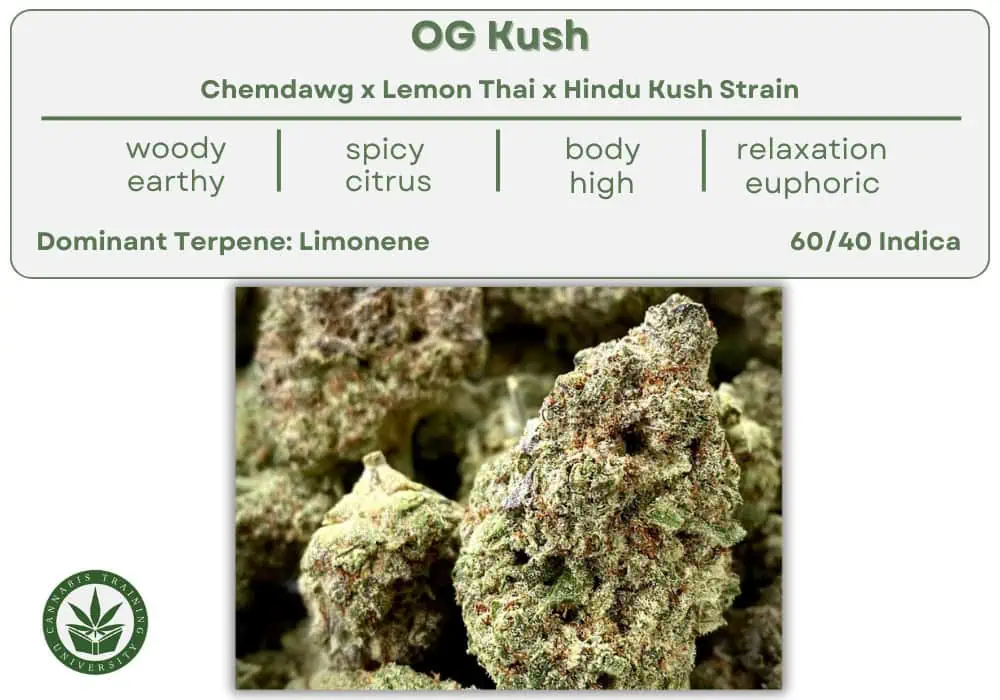
The exact genetics of OG Kush are a mystery but it is believed it is a cross of Lemon Thai, Chemdawg and a Hindu Kush strain.
It delivers a balanced high that merges both mental and physical sensations.
It can bring on feelings of euphoria, relaxation, and happiness. This makes it ideal for both recreational and medicinal purposes.
It can lean slightly to the indica side.
Characteristics of OG Kush
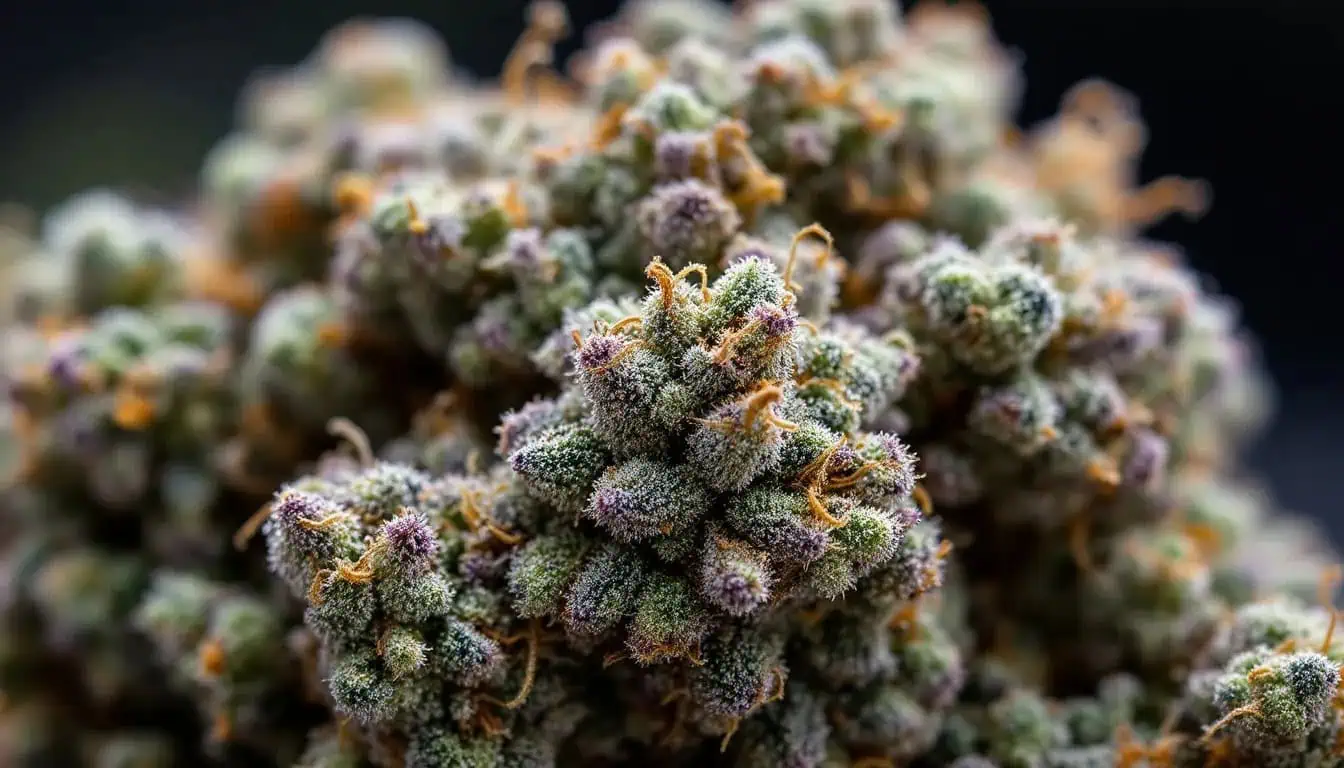
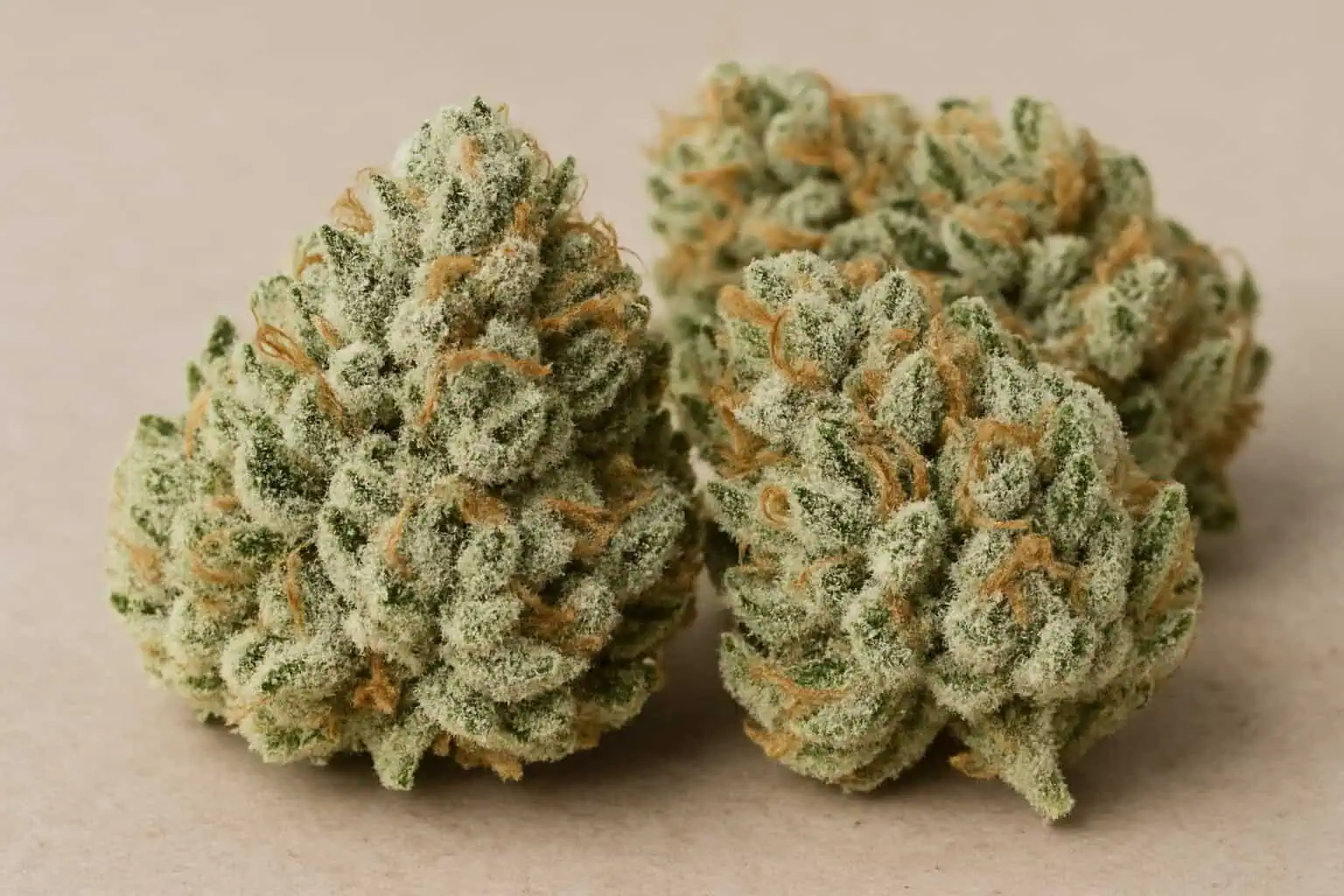
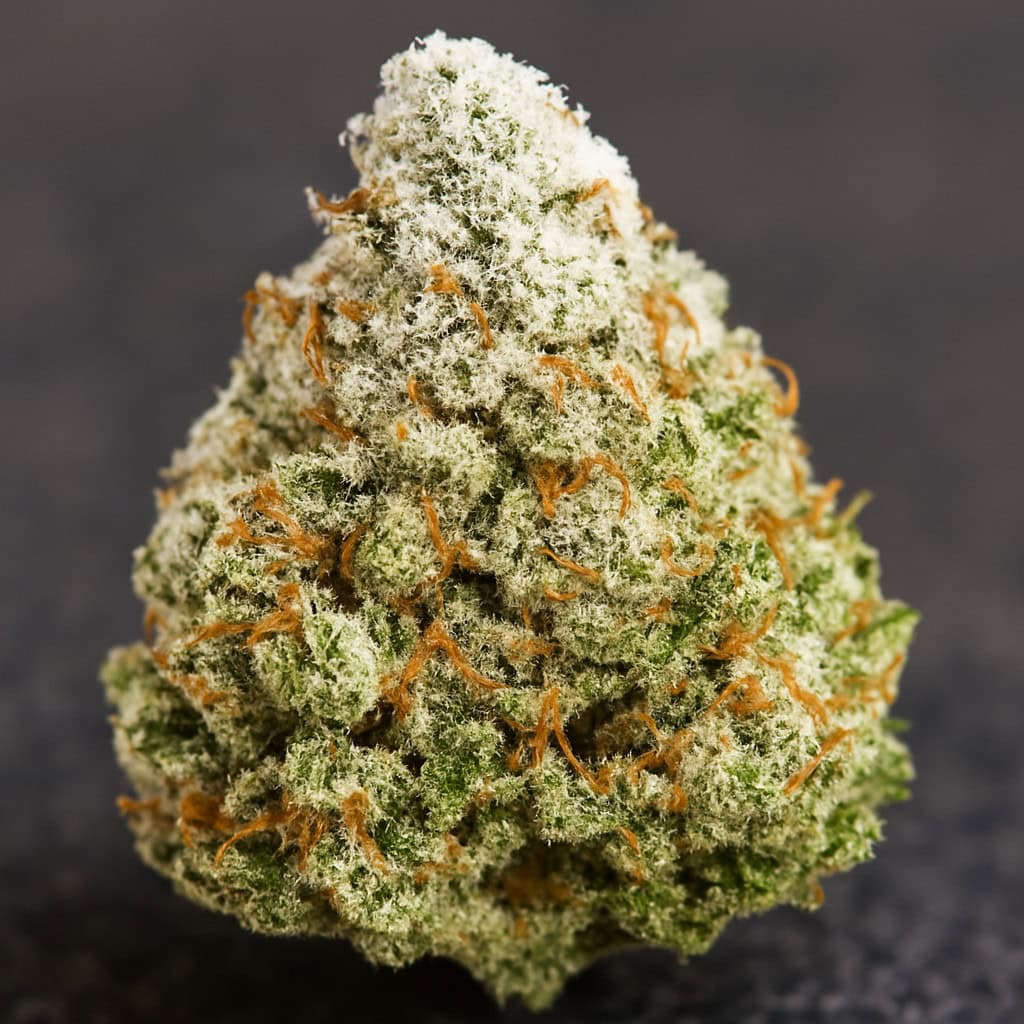
OG Kush buds are typically dense and sticky, with vibrant green leaves and bright orange pistils. The buds are often coated in a generous layer of trichomes, giving them a frosty, crystalline appearance.
OG Kush is typically described as having an earthy, piney smell and aroma with subtle hints of citrus or spice.
THC percentages can range from 20-26% making it a potent strain.
The top terpenes found in OG Kush are linalool, limonene, and humulene.
This is not an ideal strain for rookie growers. It is better suited for the more experienced grower. It prefers a perfect growing condition.
The Full Story of the OG Name
OG Kush is one of the most popular and mysterious strains in cannabis history. While the article highlights its rise to prominence, the cultural lore surrounding its name deserves a closer look.
“Original Gangster” vs. “Ocean Grown”
For years, cannabis enthusiasts have debated the true meaning of “OG.”
- Original Gangster: Some claim “OG” is short for Original Gangster, highlighting the strain’s powerful, classic reputation and its deep roots in hip-hop culture.
- Ocean Grown: Many growers and historians argue “OG” actually means Ocean Grown, a reference to its cultivation near the Pacific Ocean in Southern California. This story is reinforced by the strain’s strong presence in California’s early cannabis scene.
The Florida Connection
Another layer to the myth is that OG Kush may have originated in Florida before making its way west. If true, the term Ocean Grown could ironically trace back to the Atlantic — further muddying the water on this legendary strain’s name.
In-Depth Terpene Analysis and the Entourage Effect
OG Kush’s effects aren’t just from THC; its terpene profile creates the unique “OG experience.”
| Terpene | Aroma Profile | Contribution to OG Kush Effect |
|---|---|---|
| Linalool | Floral, lavender, spicy | Produces calming, anti-anxiety, and sedative effects, contributing to the famous “body melt.” |
| Limonene | Citrus, lemon, bright | Lifts mood, enhances euphoria, and keeps the Indica heaviness from being overwhelming. |
| Humulene | Hops, wood, earth | Anti-inflammatory and may help suppress appetite, balancing THC’s munchies effect. |
The Synergy
Together, these terpenes create OG Kush’s signature: deep physical relaxation (Linalool) balanced by uplifted mood (Limonene), with Humulene adding medicinal depth. This balance explains why OG Kush locks you to the couch but doesn’t always put you straight to sleep.
The OG Kush Family Tree (Genetic Influence)
OG Kush is arguably the most influential cannabis strain of the last two decades, acting as a parent to dozens of household names.
Famous Descendants
- Girl Scout Cookies (GSC): (OG Kush x Durban Poison) – launched a whole new wave of dessert-flavored strains.
- Headband: (OG Kush x Sour Diesel) – cerebral effects with strong relaxation.
- Kosher Kush: (OG Kush phenotype) – popularized as one of the strongest phenos available.
- Fire OG: (OG Kush phenotype) – renowned for potency and fiery orange hairs.
The “Kush” Misnomer
Not all strains with “Kush” in the name are direct relatives. The original “Kush” comes from landrace genetics in the Hindu Kush mountains. OG Kush is a modern hybrid that borrowed the name — and spawned hundreds of imitators.
Specific Cultivation Challenges From OG Kush
OG Kush is legendary for consumption — but notorious for cultivation. This strain is not beginner-friendly, and here’s why:
- Nutrient Sensitivity: OG Kush requires careful feeding. Over-fertilization easily causes nutrient burn.
- Growth Structure & Yield: It’s a stretchy plant with relatively low yields compared to modern hybrids. Training methods like topping, Screen of Green (ScrOG), and trellising are often necessary.
- Pest & Mold Risks: Its dense bud structure makes it prone to bud rot (Botrytis) in humid conditions. Cultivators must ensure excellent airflow and humidity control.
For professional cannabis growers, these challenges are worth it — but rookies may struggle to produce high-quality OG Kush harvests.
FAQs About OG Kush
What does the “OG” in OG Kush stand for?
The debate continues. Some say it means Original Gangster; others insist it stands for Ocean Grown, referencing its Southern California roots.
Where did OG Kush originate?
While most agree it rose to fame in California, some stories trace its early genetics back to Florida before moving west.
Why is OG Kush so popular?
Its balanced effects — a mix of relaxation, euphoria, and mood lift — make it versatile for both recreational and medical users. It also spawned dozens of popular hybrid descendants.
What makes OG Kush difficult to grow?
It is nutrient-sensitive, produces modest yields, and is highly susceptible to mold. Proper training techniques and environmental control are essential.
What strains come from OG Kush?
Notable descendants include Girl Scout Cookies (GSC), Headband, Kosher Kush, and Fire OG — all staples on modern dispensary menus

Gavin Kushman
Gavin is a worldly adventurer and cannabis connoisseur, embarking on journeys that take him to the far corners of the globe to explore and document the varied effects, flavors, and histories of both renowned and lesser-known strains. From the misty high-altitude farms of the Hindu Kush highlands to the vibrant cannabis cafes of Amsterdam, Gavin's quest for knowledge spans continents. A recognized authority in the cannabis industry, he frequently lends his expertise to leading publications such as Cannabis Training University, where his captivating blog articles chronicle his unique experiences with different cannabis strains.




 Jeff was involved in an accident where he endured a traumatic brain injury. He had a week-long stay in ICU where brain surgeons
  100% risk free money back guarantee within 48 hours after purchase if student has not completed any of the courses or exams.
