


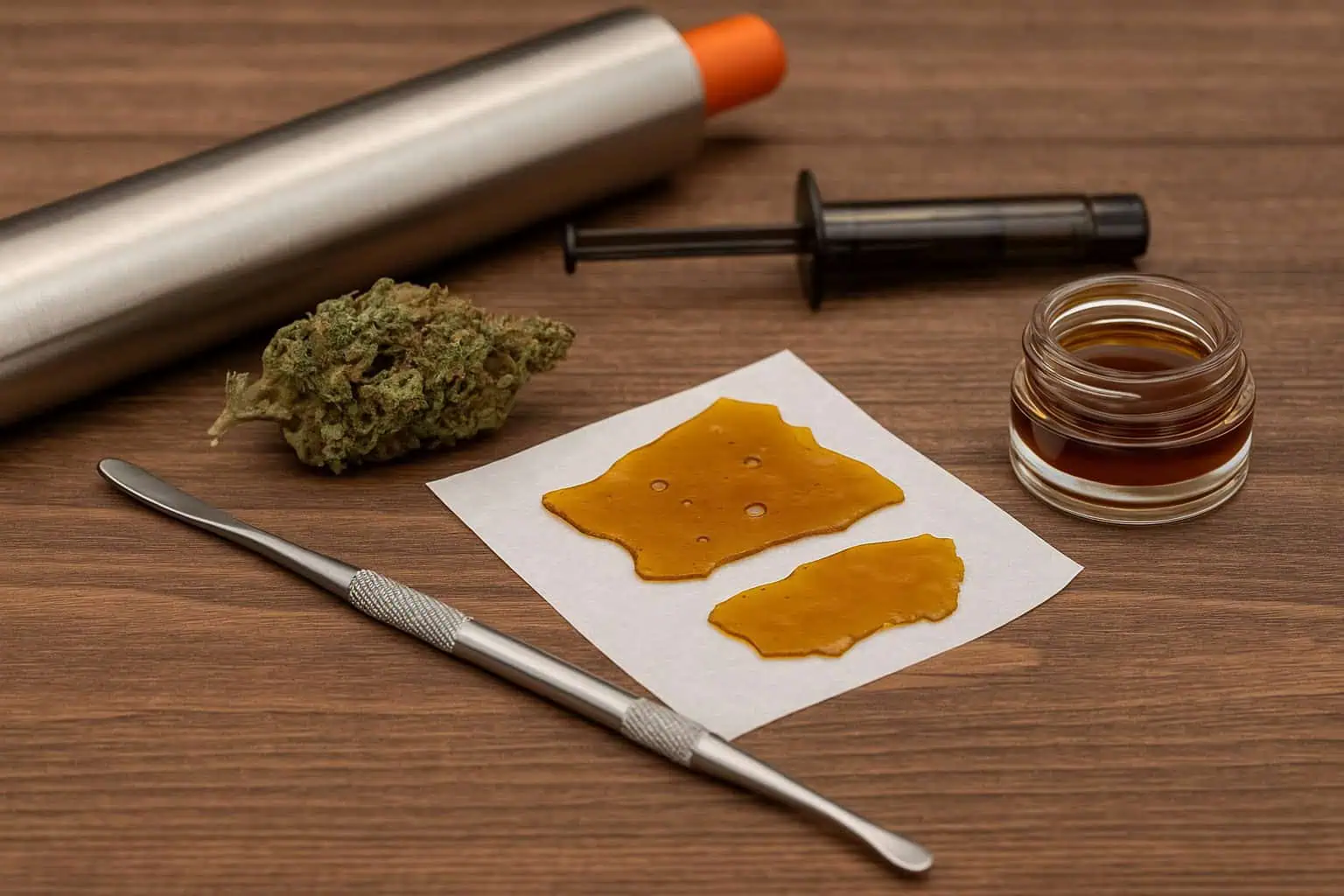
Introduction: What Is Butane Hash Oil?
Butane Hash Oil (BHO), sometimes called butane honey oil, is one of the most popular cannabis concentrates in the world. Made by running butane solvent through cannabis flower or trim, it extracts THC, CBD, terpenes, and other cannabinoids into a sticky, potent oil.
BHO is famous for its wide range of textures and consistencies, including:
- Shatter – brittle, glass-like
- Wax – soft and crumbly
- Budder – creamy, whipped texture
- Crumble – dry and honeycomb-like
- Live Resin – extracted from fresh-frozen flower, preserving terpenes
- Sauce / HTE (High Terpene Extracts) – rich in liquid terpenes
Consumers use BHO for dabbing, vaping, edibles, and topicals. While it is incredibly popular for its potency (often 70–90% THC), the process of making it has sparked both innovation and controversy.
This guide explores everything about BHO extraction: history, science, methods, equipment, safety, legality, brands, consumer tips, FAQs, and more.
The History of BHO
- Early Days: BHO first appeared in the early 2000s on cannabis forums. DIY extractors experimented with “open blasting,” running butane through cannabis in makeshift setups.
- Rise of Dabbing: The introduction of dab rigs made BHO popular with consumers seeking high-potency hits. Competitions like the Cannabis Cup featured BHO products, fueling its fame.
- Controversy: Explosions from unsafe home extractions made headlines. Governments cracked down, and many states passed laws against open blasting.
- Today: Licensed labs use closed-loop extraction systems, making BHO safer, more consistent, and highly regulated.
The Science of Butane Extraction
How It Works
- Butane Injection: Liquid butane is pushed through cannabis.
- Cannabinoid Dissolution: THC, CBD, and terpenes dissolve into the butane.
- Collection: The solution drips into a chamber.
- Evaporation: Butane is evaporated, leaving behind cannabis oil.
- Purging: The oil is purged of solvents in a vacuum oven.
Why Use Butane?
- Non-polar solvent – Targets cannabinoids and terpenes, avoiding chlorophyll.
- Efficient – High extraction yields.
- Versatile – Different textures can be created by manipulating temperature and pressure.
Types of BHO
| Type | Texture | THC Range | Best For |
|---|---|---|---|
| Shatter | Glassy, brittle | 70–90% | Dabbers who like clean hits |
| Wax | Soft, crumbly | 65–80% | Beginners, easy to handle |
| Budder | Whipped, creamy | 70–85% | Flavor chasers |
| Crumble | Dry, honeycomb | 60–80% | Budget-friendly |
| Live Resin | Sticky, aromatic | 65–90% | High terpene preservation |
| Sauce/HTE | Terp-rich liquid | 60–80% | Mix of potency + flavor |
How to Make BHO

⚠️ Warning: Making BHO at home using butane is extremely dangerous. Open blasting has caused numerous fires and injuries. Professional labs use closed-loop systems with fire suppression, ventilation, and recovery equipment.
Equipment Needed
- Closed-loop extractor
- High-purity n-butane (preferred over iso-butane)
- Recovery pumps
- Collection chamber
- Vacuum oven for purging
- Heat mats and gauges
Step-by-Step Extraction
- Pack extractor column with cannabis.
- Inject butane into the column.
- Collect liquid extract in chamber.
- Recover butane using a recovery pump.
- Purge extract in a vacuum oven at low heat.
- Stabilize oil into desired texture (shatter, wax, budder).
Yield Expectations
- Yields average 10–20% of input weight.
- Example: 100g cannabis → 10–20g BHO.
- Live resin yields may be slightly lower due to water weight.
Safety Risks of BHO
Open Blasting Dangers
- Butane vapors are heavier than air and can pool invisibly.
- One spark can cause an explosion.
- Dozens of serious accidents have been reported worldwide.
Residual Solvent Concerns
- Poorly purged BHO may contain butane.
- Safe levels: <500 ppm residual solvent.
- Always buy lab-tested products.
Health Risks of High-THC Dabs
- Tolerance buildup and potential dependence.
- Paranoia or anxiety in sensitive users.
- Respiratory irritation from inhaling hot vapor.
BHO vs Other Extraction Methods
| Method | Solvent | Pros | Cons |
|---|---|---|---|
| BHO | Butane | High yield, great flavor, versatile | Dangerous if unsafe |
| CO2 Oil | CO2 | Clean, scalable, safer | Expensive, less flavorful |
| Rosin | Heat & pressure | Solventless, safe | Lower yield, higher cost |
| Ethanol Extraction | Alcohol | Cheap, effective | Pulls chlorophyll, needs winterization |
| Ice Water Hash | Water & ice | Solventless, traditional | Low yield, labor-intensive |
BHO Laws and Regulations
- United States:
- Licensed labs only.
- Open blasting banned.
- BHO legal in states with cannabis programs.
- Canada: Fully legal for licensed producers.
- Europe: Varies by country — tolerated in some, banned in others.
- Global Outlook: Likely to remain important in commercial markets, but solventless products may grow in popularity.
BHO Consumer Guide

How to Use BHO
- Dabbing with a rig or e-nail.
- Vaping in cartridges.
- Edibles (must be decarboxylated first).
Storage Tips
- Keep in airtight jars.
- Store shatter in parchment, wax/budder in silicone jars.
- Avoid light and heat to protect terpenes.
Identifying Quality BHO
- Golden to amber color.
- Strong aroma of terpenes (not chemicals).
- Stable texture for its category.
- Lab-tested for solvent and pesticide safety.
Advanced Science of BHO
Solvent Choice
- n-Butane preferred for purity.
- Propane sometimes blended to capture more terpenes.
Purging
- Done in vacuum ovens at low heat.
- Takes hours to days depending on consistency.
Post-Processing
- Winterization removes fats/waxes.
- Decarboxylation activates THC for edibles.
- Distillation produces THC distillate.
BHO in Consumer Trends
- Live resin dominates concentrate sales.
- Diamonds + sauce jars are trending.
- Cartridges make BHO convenient.
- Solventless rosin is gaining popularity but remains pricier.
Leading Brands in BHO
Extraction Equipment Brands
- Precision Extraction Solutions – Industry leader.
- Across International – High-quality ovens.
- Bhogart – Closed-loop systems.
- Best Value Vacs – Affordable lab equipment.
Cannabis Concentrate Brands
- 710 Labs – Live resin specialists.
- Raw Garden – Affordable terpene-rich BHO.
- Moxie – One of the first licensed BHO producers.
- West Coast Cure – Known for wax and crumble.
- Guild Extracts – Diamonds and sauces.
Expert Insight on Butane Hash Oil (BHO)
“BHO extraction has come a long way from its early days of open blasting and unsafe practices. Today, in licensed labs, it’s a precise, controlled process that produces some of the most flavorful and potent concentrates on the market. At Cannabis Training University, we emphasize that education and safety should always come first, whether you’re a consumer or working in the industry.”
— Jeff Zorn, CEO of Cannabis Training University
FAQs About BHO
What is the difference between BHO and PHO?
BHO uses butane, PHO uses propane. Propane often enhances terpene retention.
What is open blasting?
An unsafe, outdated method where butane is vented into the air. Illegal in most areas.
What is live resin BHO?
Extract made from fresh-frozen cannabis, preserving maximum terpenes.
Is BHO stronger than flower?
Yes. Flower = 15–25% THC. BHO = 65–90% THC.
Is BHO safe to smoke?
Only if lab-tested and properly purged. Avoid black-market products.
Can you make edibles with BHO?
Yes, but it must be decarboxylated first.
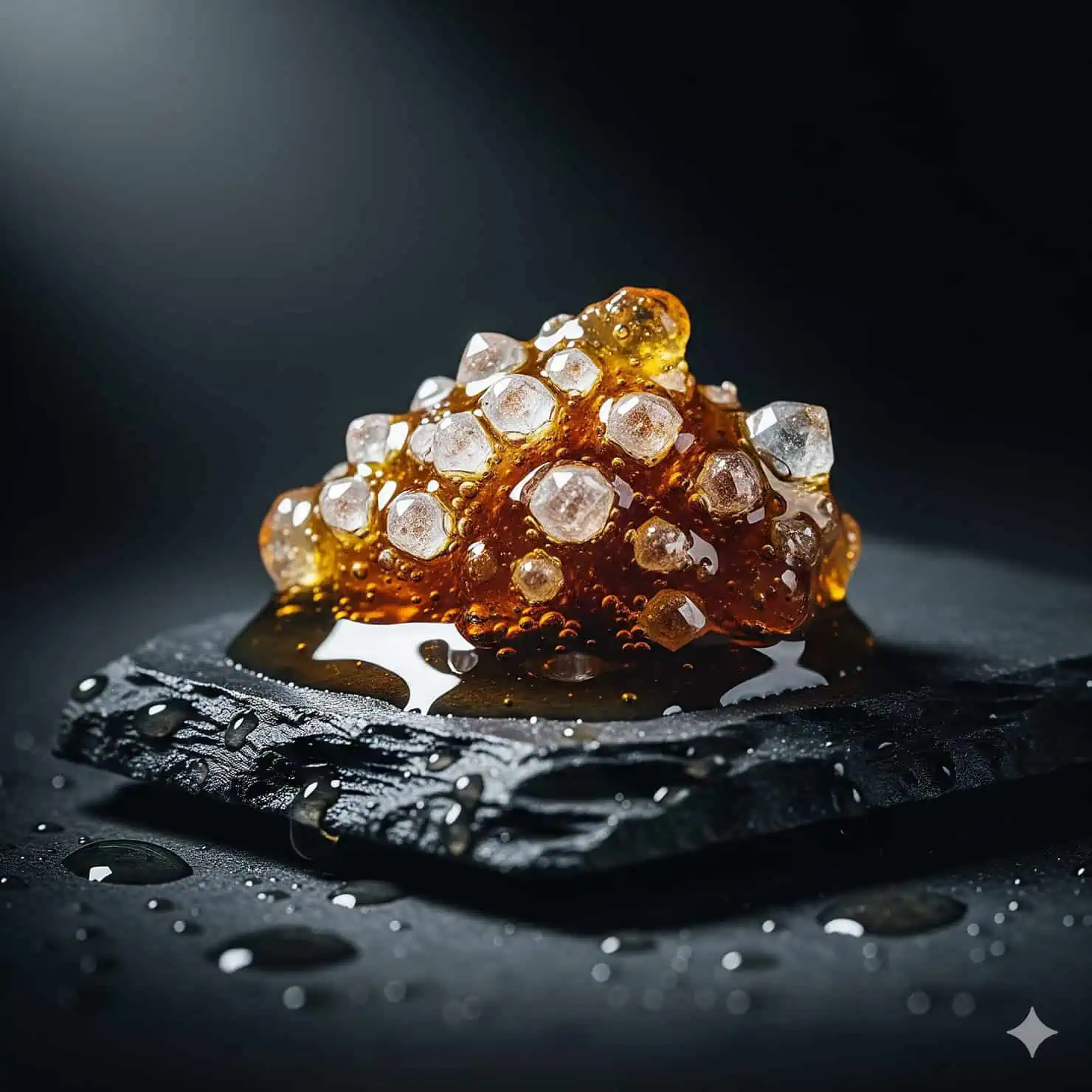
What is BHO sugar?
A crystalline-textured extract with terpene-rich syrup.
How do dispensaries ensure safety?
Through lab testing for solvents, pesticides, and heavy metals.
Is BHO legal?
Only in regulated cannabis markets. Federally illegal in the U.S.
Which is better, BHO or rosin?
Depends. BHO = higher yield, lower cost. Rosin = solventless purity.
Final Thoughts on BHO
Butane Hash Oil is both legendary and controversial. Once tied to unsafe home extractions, it is now a cornerstone of the legal cannabis industry.
- For consumers, BHO offers unmatched potency and variety.
- For businesses, it remains one of the most cost-efficient extraction methods.
- For the industry, education, safety, and transparency are key to BHO’s future.
As Jeff Zorn notes, safety and education should guide every step. With innovation continuing, BHO will remain a dominant cannabis concentrate for years to come. Compare BHO and FECO as well. Learn how to make cannabis extracts with online training from CTU.

Fred Hernandez
Fred Hernandez is a highly accomplished and versatile writer, boasting an extensive background in the cannabis industry. With an in-depth understanding of various sectors including cultivators, processors, retailers, and brands, Fred's expertise spans across the entire cannabis landscape. As a prominent contributor to CTU, he consistently delivers insightful articles exploring the latest developments, news, and regulations shaping the cannabis industry. Whether it's delving into the intricacies of cannabis products, cannabis strain reviews, or providing comprehensive analyses of cannabis laws, or sharing expert insights on cannabis cultivation techniques, Fred's wealth of knowledge positions him as an invaluable writer and educator for all cannabis-related subjects.



 Jeff was involved in an accident where he endured a traumatic brain injury. He had a week-long stay in ICU where brain surgeons
  100% risk free money back guarantee within 48 hours after purchase if student has not completed any of the courses or exams.
