


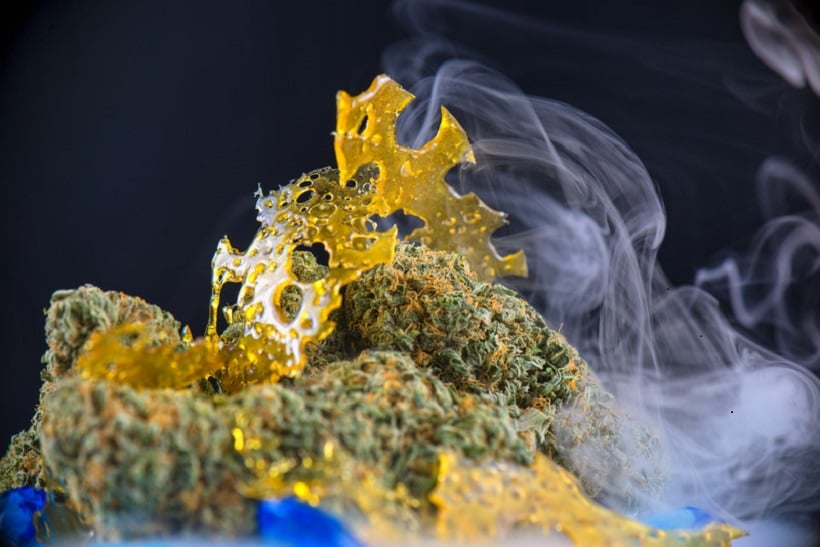
- Crumble has a cheese-like consistency and is made with higher moisture levels than shatter.
2. Dabbing devices, often referred to as rigs, consist of essential parts including a nail and a dome.
3. Badder wax can be consumed by using a dab tool and inhaling the vapor from a heated surface.
4. Certain cannabis concentrates, like the Drool Syringe RSO, are available in wax form.
5. Cannabis concentrates can contain extraordinarily high THC levels ranging from 40 to 80 percent.
6. Cannabis concentrates can be up to four times stronger in THC content than high-grade marijuana, which normally measures around 20 percent THC levels.
7. The average THC content of cannabis concentrates ranges from 55-70% per gram. Extremely potent!
8. The use of marijuana concentrates can increase heart rate and blood pressure, similar to the effects of plant marijuana.
9. The long-term effects of marijuana concentrate use are not yet fully known, but users may experience paranoia, anxiety, panic attacks, and hallucinations.
10. Marijuana concentrates require significantly less product for the desired effects, offering savings in time, energy, and money.
Cannabis concentrates are quickly becoming one of the most popular categories in the cannabis industry.
These products provide extremely high levels of cannabinoids and terpenes, offering both medical patients and recreational users a way to experience cannabis in its most potent and flavorful form.
Cannabis concentrates are a highly concentrated form of cannabis, resulting in more intense effects compared to traditional plant material.
Whether you are brand new to concentrates or looking to refine your knowledge, this comprehensive guide will walk you through what they are, how they are made, how to consume them, and the safety considerations to keep in mind.
While traditional cannabis flower is often compared to concentrates, smoking remains the most popular form of cannabis ingestion, but concentrates offer a more potent alternative.
Introduction to Cannabis Concentrates
Cannabis concentrates are highly potent extracts derived from the cannabis plant, designed to deliver a concentrated form of THC and other cannabinoids, primarily from the trichomes.
These products, commonly referred to as marijuana concentrates, have surged in popularity among users seeking a more intense and customizable cannabis experience.
From honey oil and hash oil to wax, shatter, and live resin, each marijuana concentrate offers a unique combination of texture, potency, and flavor.
The concentrated mass of cannabinoids and terpenes found in these products means users can achieve powerful effects with a much smaller amount compared to traditional cannabis flower.
Whether you’re interested in the smooth, flavorful hit of live resin or the glass-like purity of shatter, understanding the basics of cannabis concentrates is essential for finding the product best suited to your needs and preferences.
Trichomes are the small, resinous glands on the flower that contain cannabinoids like THC and CBD, as well as the terpenes responsible for aroma and flavor.
The resulting substance is much more potent than the original plant material. While cannabis flower may average 15–25% THC, concentrates can range anywhere from 40% to over 90% THC, making them significantly stronger.
The goal of concentrating cannabis is to deliver high potency in a smaller quantity while preserving or enhancing the plant’s unique chemical profile.
Depending on the extraction method, concentrates can be full-spectrum (retaining a wide range of compounds from the plant) or more refined, isolating THC, CBD, or other specific cannabinoids.
The extract process can involve distillation, pressing, or solvent-based techniques to isolate cannabinoids and terpenes, resulting in a variety of potent and flavorful concentrates.
There are dozens of different cannabis concentrates, and new varieties continue to appear as extraction methods evolve.
R.Greenleaf has 16 locations across New Mexico for cannabis concentrate purchases, and offers a weekly Wax Wednesday promo where customers save 10% on all Pharmers Quality Go Pens.
History and Origins of Cannabis Concentrates
The use of cannabis concentrates stretches back thousands of years, with early civilizations such as those in India, Persia, and China crafting hashish by compressing the resinous trichomes of the cannabis plant.
This ancient form of concentrate was valued for its medicinal, spiritual, and recreational properties. The modern era of concentrates began in the 20th century, marked by the development of butane hash oil (BHO) and other solvent-based extraction techniques.
These innovations allowed for the creation of potent products like hash oil and honey oil, revolutionizing the way users could experience cannabis.
Today, the industry has expanded to include both solvent-based and solventless methods, such as rosin pressing, resulting in a diverse array of concentrates with varying consistencies, potencies, and flavors.
This evolution reflects both advances in extraction technology and the growing demand for high-quality, specialized cannabis products.
Types of Cannabis Concentrates

The world of cannabis concentrates is incredibly diverse, offering a range of products to suit different preferences and experiences.
Some of the most popular types of cannabis concentrates include wax, shatter, live resin, rosin, and hash. Each type is crafted using specific extraction methods that influence its texture, THC content, and overall potency.
For example, live resin is celebrated for its rich terpene profile and fresh, aromatic flavor, making it a favorite among users who prioritize taste.
Shatter, on the other hand, is known for its glass-like consistency and high purity, delivering a powerful punch of THC. Wax and rosin offer a softer, more pliable texture, while traditional hash provides a classic, earthy experience.
The type of cannabis plant used, along with the extraction and processing techniques, all play a role in shaping the final product.
By understanding the different types of cannabis concentrates, users can better tailor their cannabis experience to their desired effects and preferences.
Solvent-Based Extracts
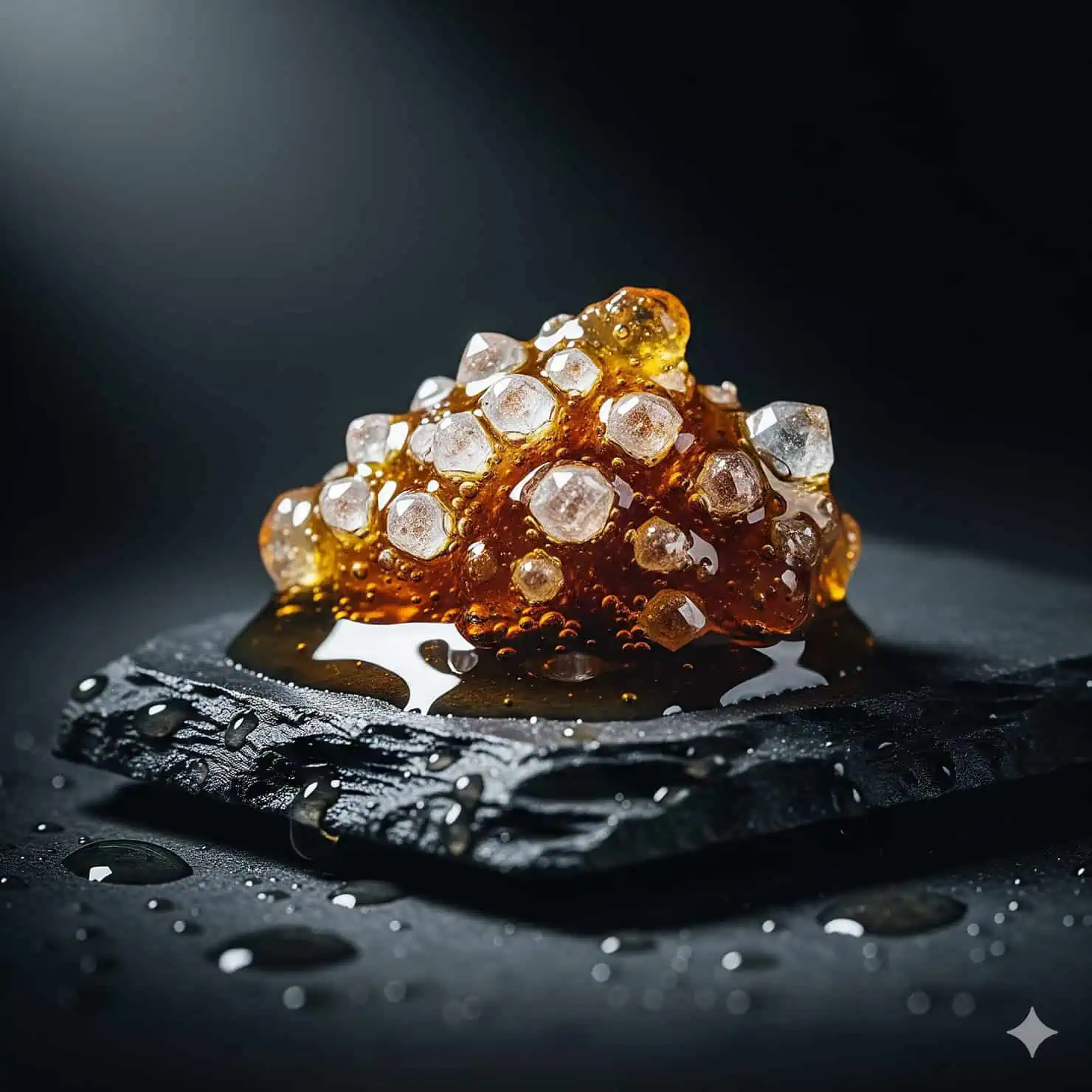
Shatter: Known for its glass-like, brittle texture, shatter is usually amber or golden in color. It is made using solvents such as butane or propane. Shatter is highly potent and favored by dabbers for its purity. Shatter is a form of BHO (butane hash oil), which is also commonly referred to as butane honey oil.
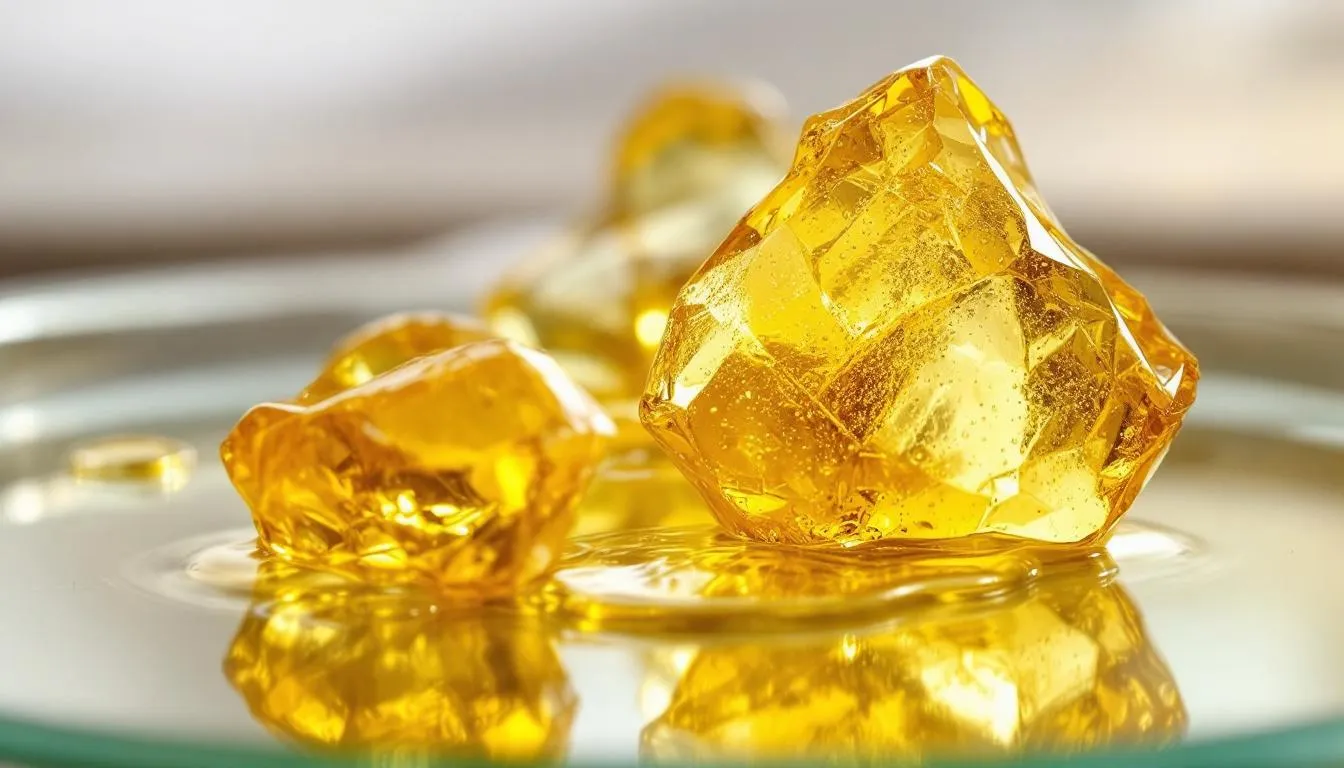
Wax and Budder: These extracts are softer and more pliable than shatter. They range in consistency from sticky wax to smooth, whipped budder. They are created with similar solvent extraction techniques but purged differently, resulting in their unique textures.
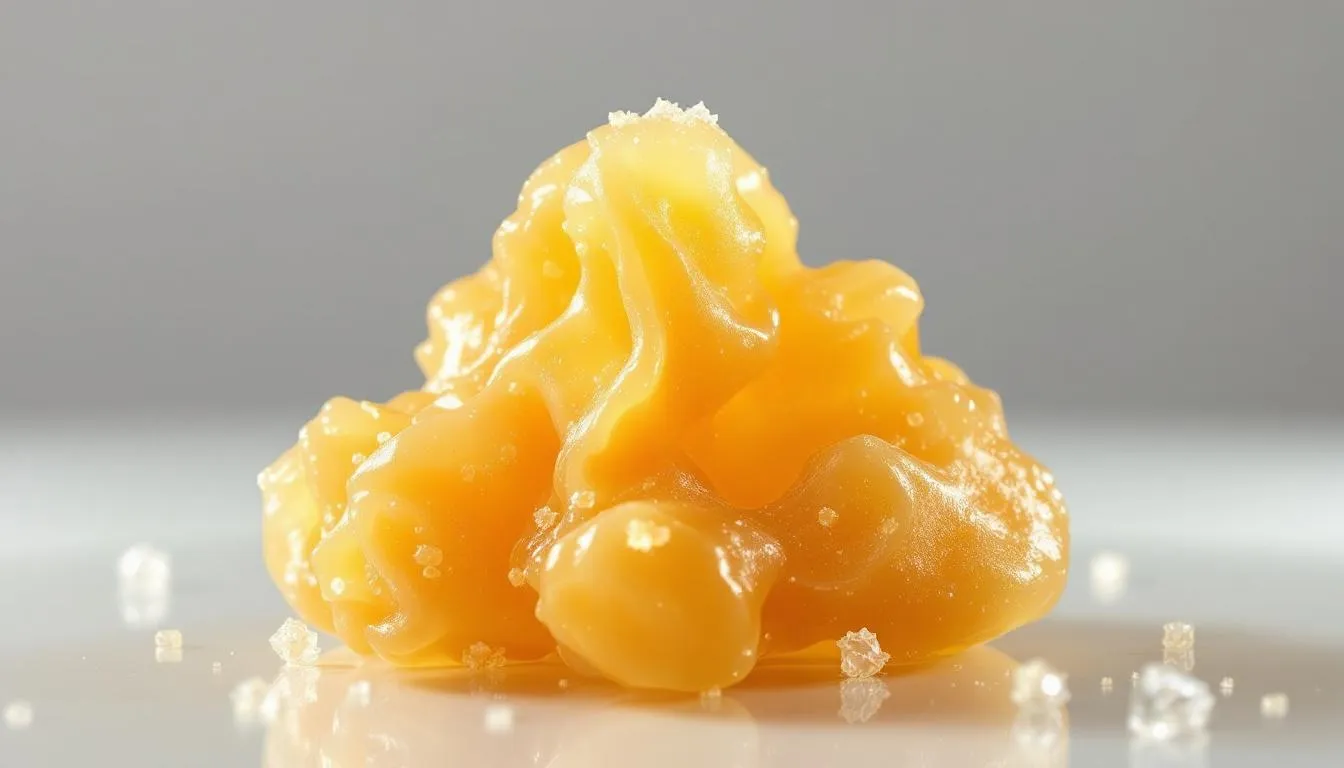
Live Resin: Produced from freshly harvested, flash-frozen cannabis plants, live resin retains a high terpene content, delivering exceptional flavor and aroma. This makes it one of the most sought-after concentrates for connoisseurs.
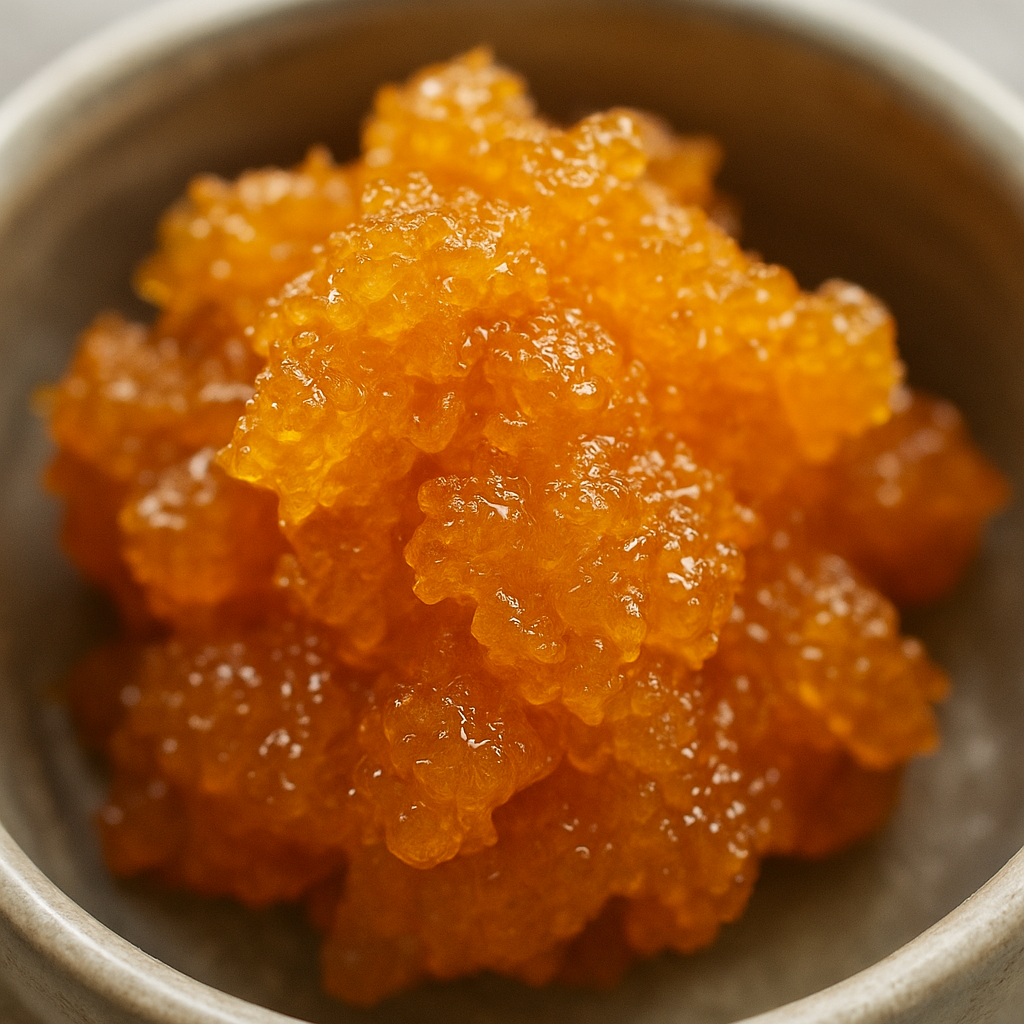
Distillate: Created using molecular distillation, distillate is highly refined and can be nearly pure THC or CBD. It is often used in vape cartridges, edibles, and tinctures because it is versatile and often flavorless. Distillate is a type of cannabis oil, known for its potency and versatility.
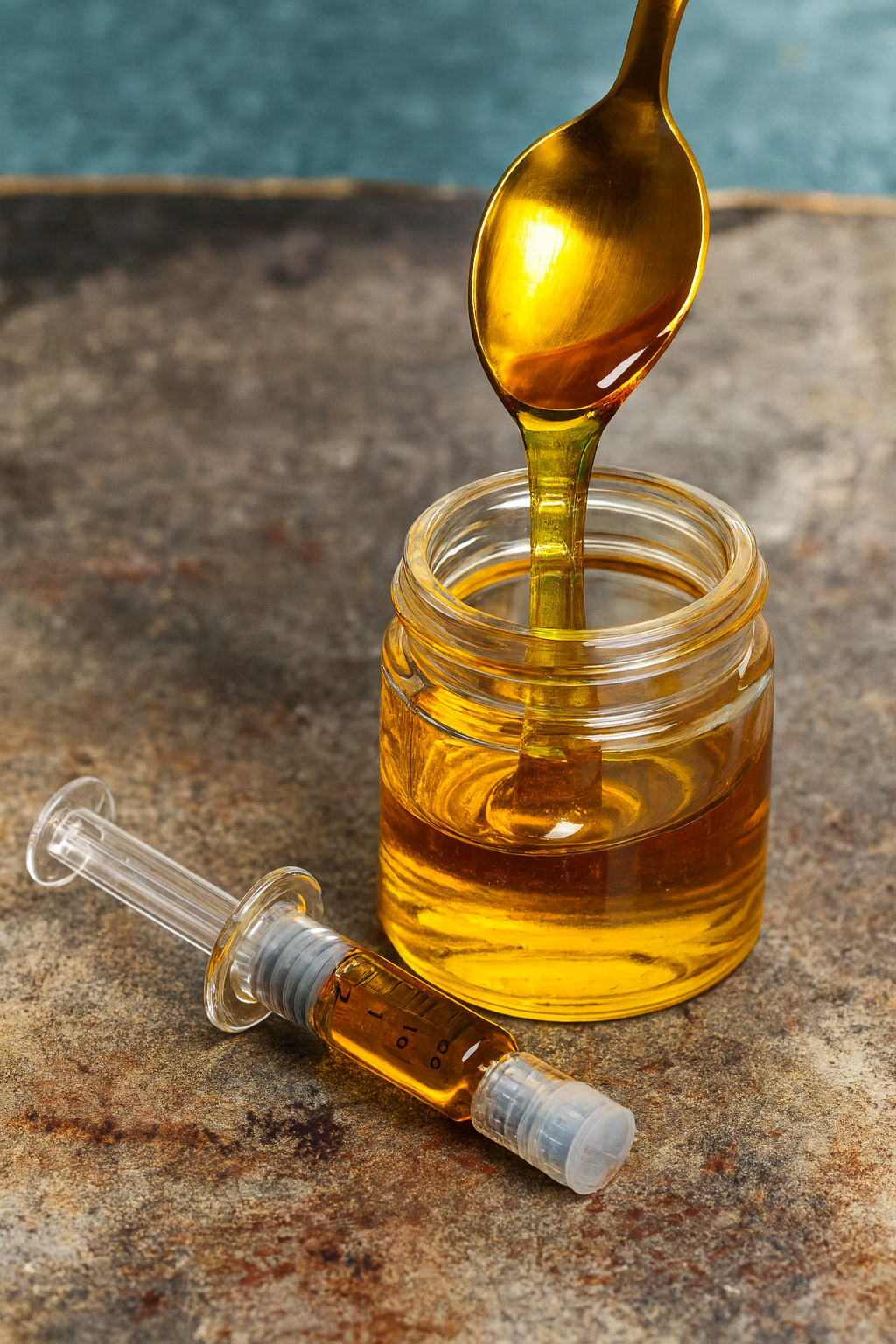
Hash Oil: A liquid form of concentrate, hash oil is versatile and can be used in vape pens, edibles, or topically. Hash oil is also referred to as cannabis oil, and is recognized for its high THC content and strong effects.
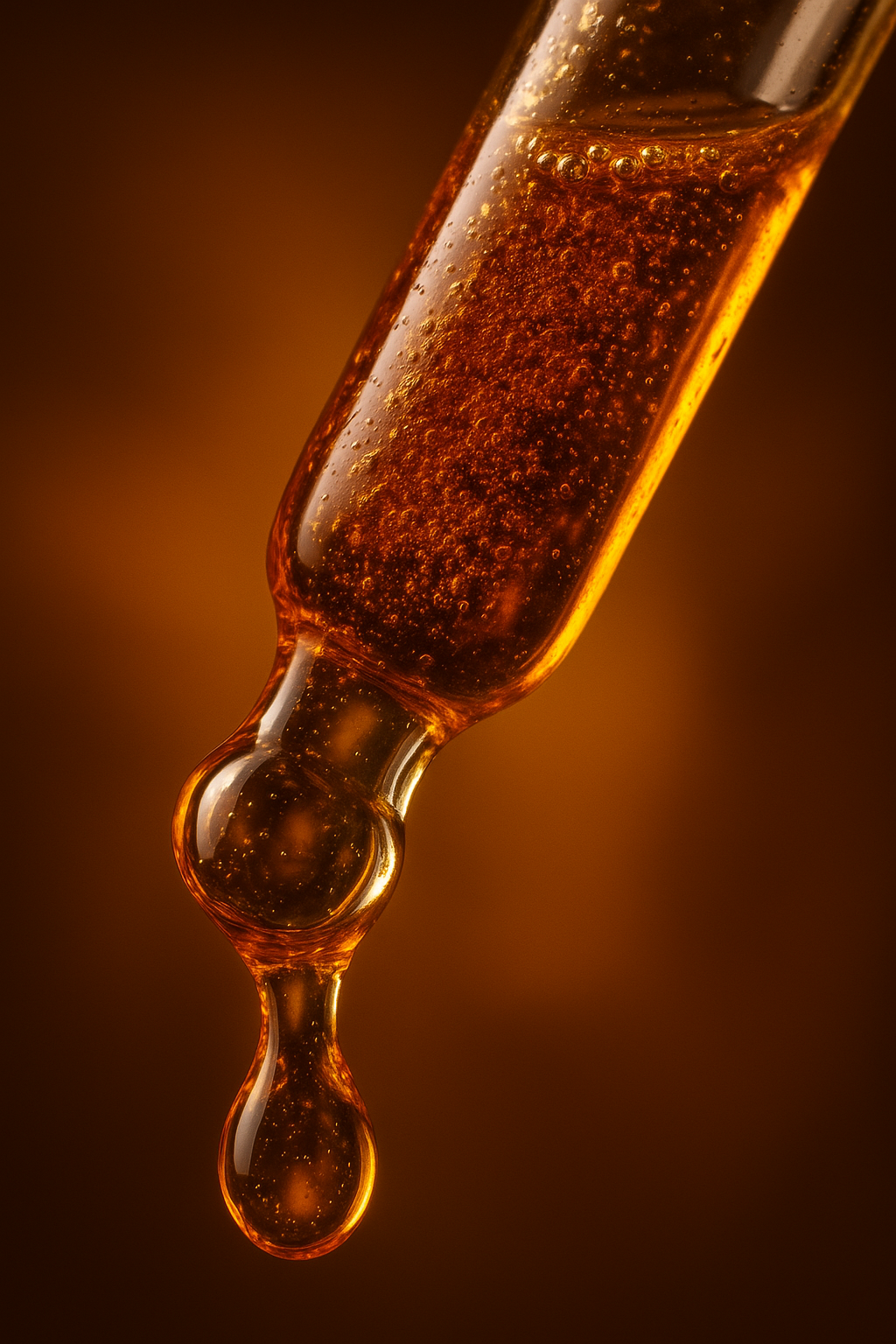
When dabbing or vaporizing these concentrates, the user heats the product on a hot surface or device, which produces vapor for inhalation.
Solventless Extracts
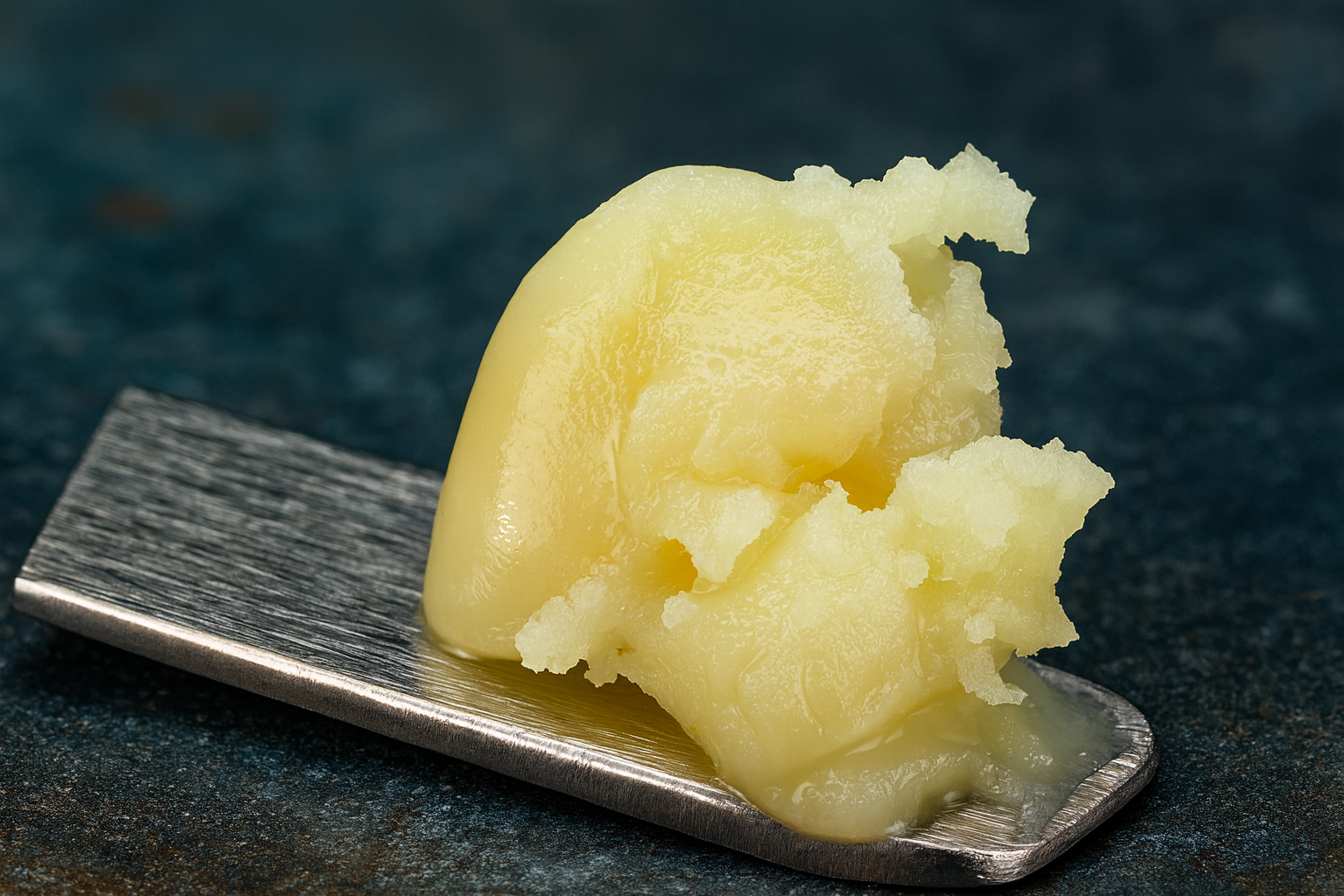
Rosin: Made by pressing dried cannabis flower, kief, or hash between heated plates, rosin offers a clean, solvent-free product.
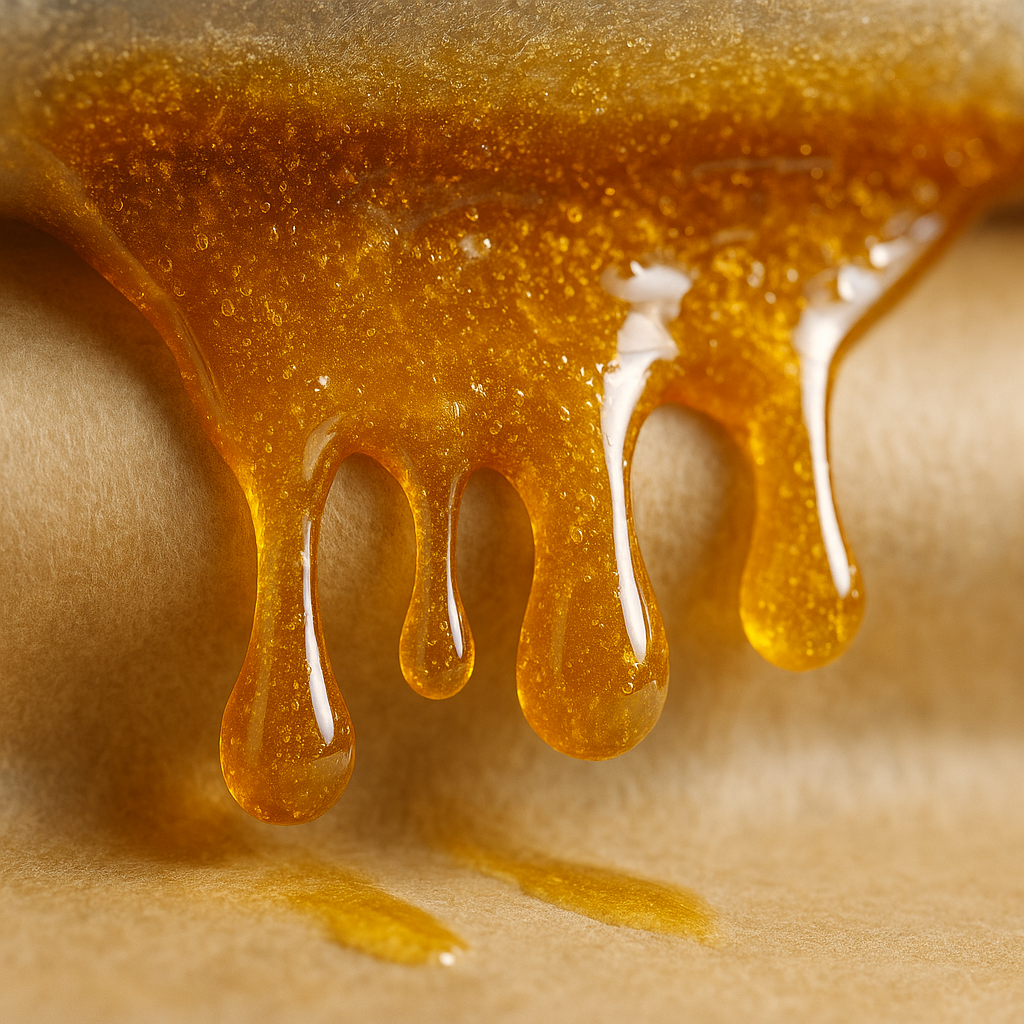
It is popular with both medical and recreational users who want purity without residual solvents. Some slang or street names for concentrates include ‘ear wax' and ‘black glass', which refer to certain types of cannabis extracts similar to wax or shatter.
Live Rosin: Made from freshly frozen cannabis instead of dried flower, live rosin offers the same solvent-free advantages as regular rosin but with higher terpene retention. This results in a flavorful, aromatic product.
Bubble Hash: To begin making bubble hash, use ice water and agitation to separate trichomes, which are then collected by filtering through fine mesh screens. The result is a resinous concentrate that can be smoked, vaporized, or pressed into rosin.
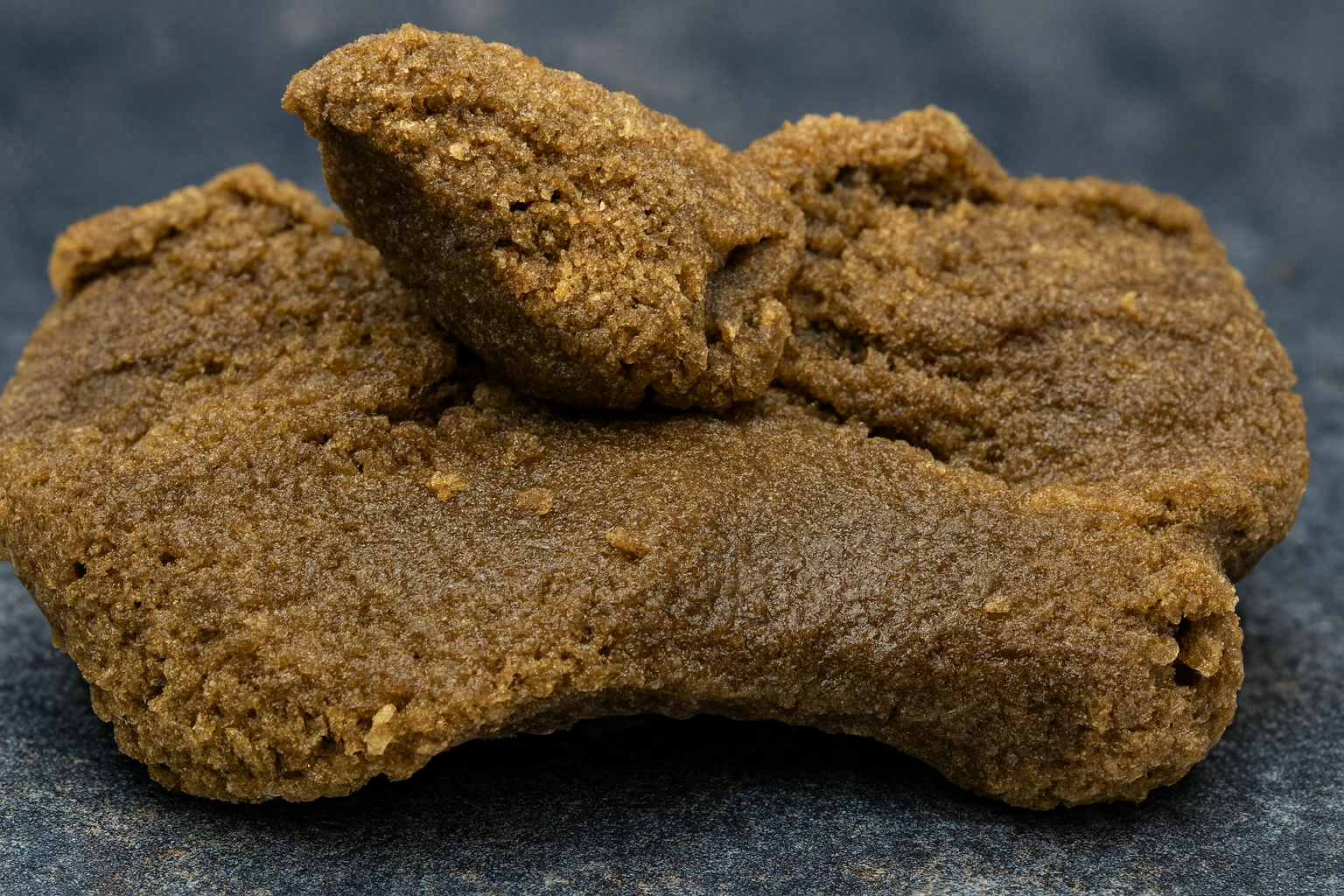
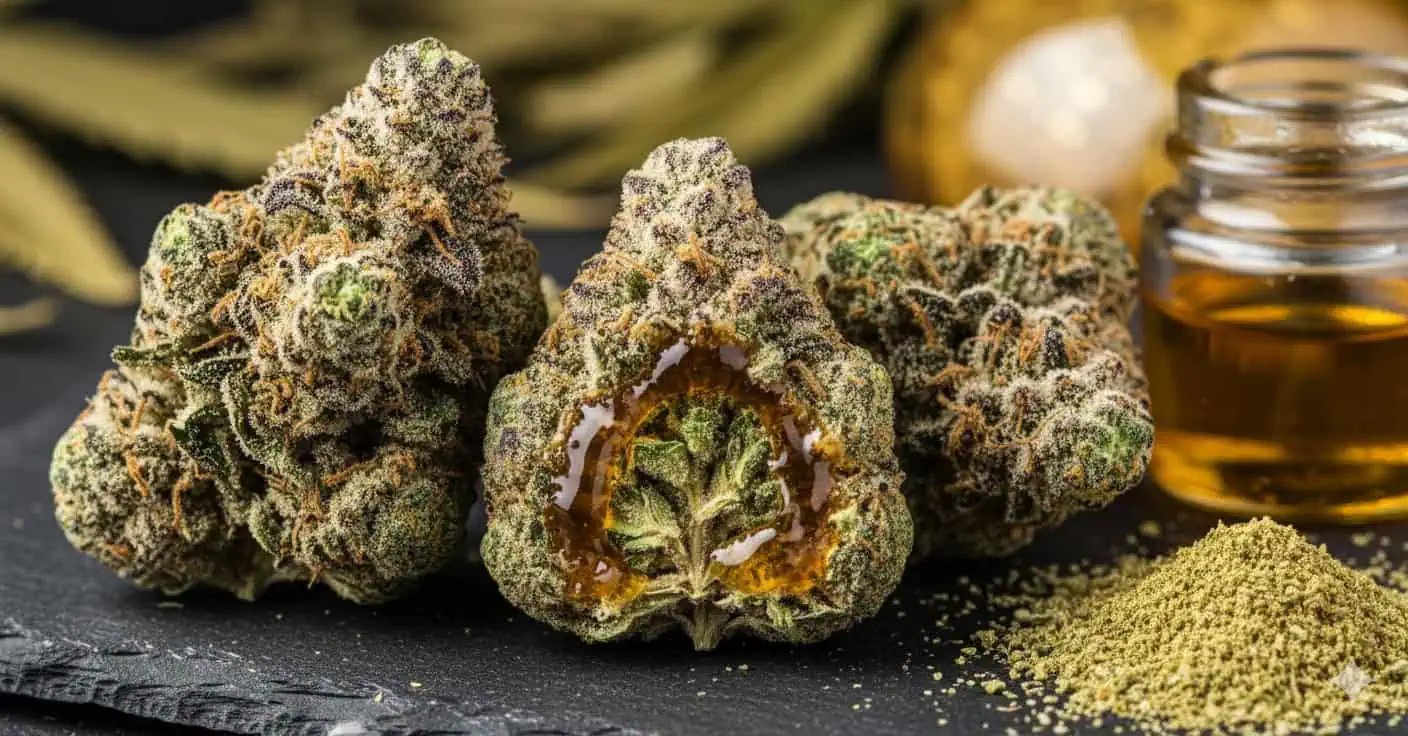
Moon Rocks: These are cannabis flower buds coated in hash oil and rolled in kief, creating an extremely potent product.
The Science of Cannabis Concentrates
The creation of cannabis concentrates is rooted in science, specifically the extraction of cannabinoids and terpenes from the cannabis plant. This process can involve solvents like butane or CO₂, or solventless methods such as heat and pressure.
The goal is to separate and concentrate the most desirable compounds, resulting in a product that can be consumed in much smaller amounts for a more potent effect.
The potency and consistency of cannabis concentrates depend on several factors, including the strain of the cannabis plant, the extraction method used, and the quality control measures in place during production.
Advances in extraction technology have led to products with higher purity and more reliable effects, making concentrates a preferred option for many users seeking a powerful and consistent cannabis experience.
Chemistry of Concentrates
At the heart of every cannabis concentrate is a complex blend of cannabinoids, terpenes, and other natural compounds from the cannabis plant.
THC, the primary psychoactive component, is responsible for the intense effects that concentrates are known for, while other cannabinoids like CBD and CBG can offer additional therapeutic benefits.
Terpenes, which give cannabis its distinctive aroma and flavor, also play a significant role in shaping the user’s experience and may even influence the effects of the concentrate.
The precise chemical makeup of a concentrate can vary widely depending on the extraction method and the original cannabis strain, giving users a broad spectrum of options to explore.
By understanding the chemistry behind cannabis concentrates, users can make more informed choices and appreciate the nuanced differences between products.
How to Consume Cannabis Concentrates
One of the benefits of cannabis concentrates is that there are multiple ways to enjoy them, each providing a different experience. Users can ingest marijuana concentrates through a variety of methods, depending on their preferences for discretion, potency, and convenience.
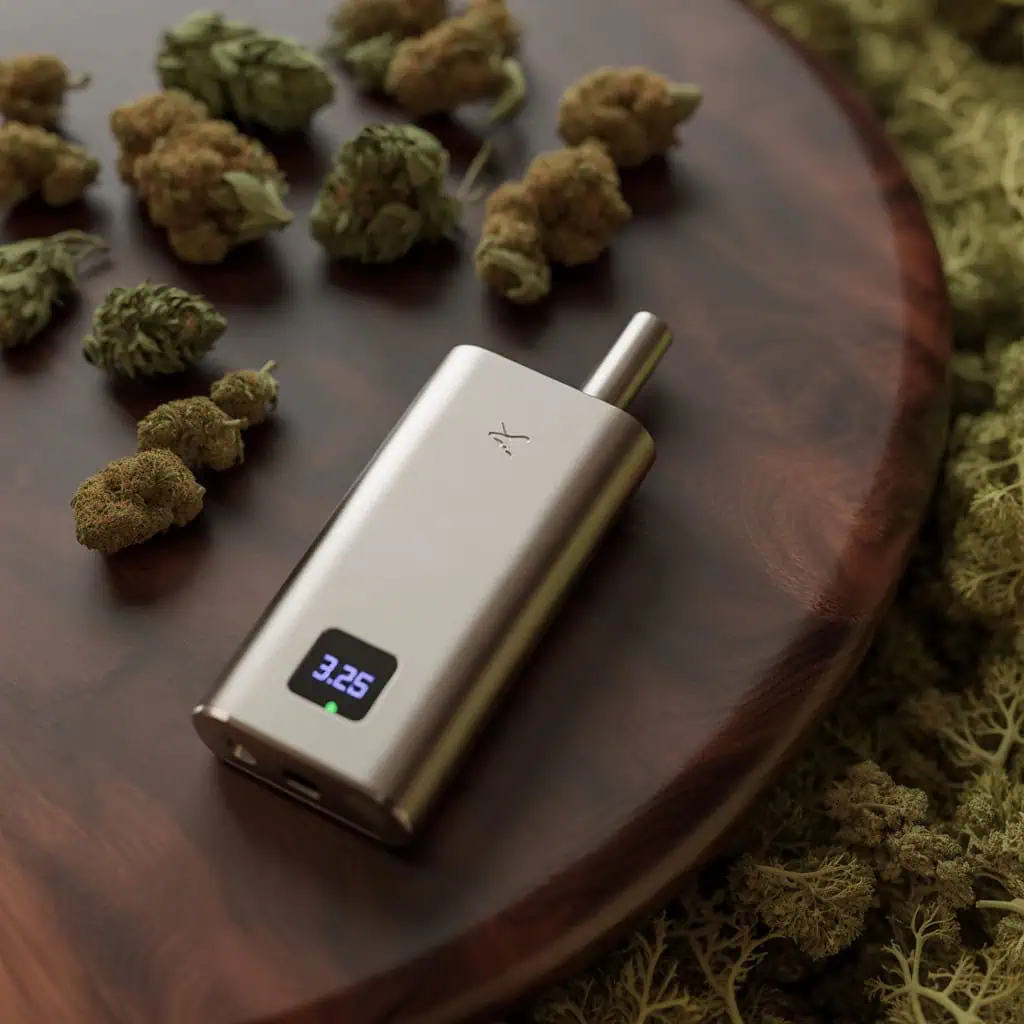
Dabbing: Dabbing involves heating a nail or banger on a dab rig, which is a type of water or oil pipe, and applying a small amount of concentrate. When the user takes a dab, the concentrate is heated to produce vapors, which are inhaled for rapid and intense effects.
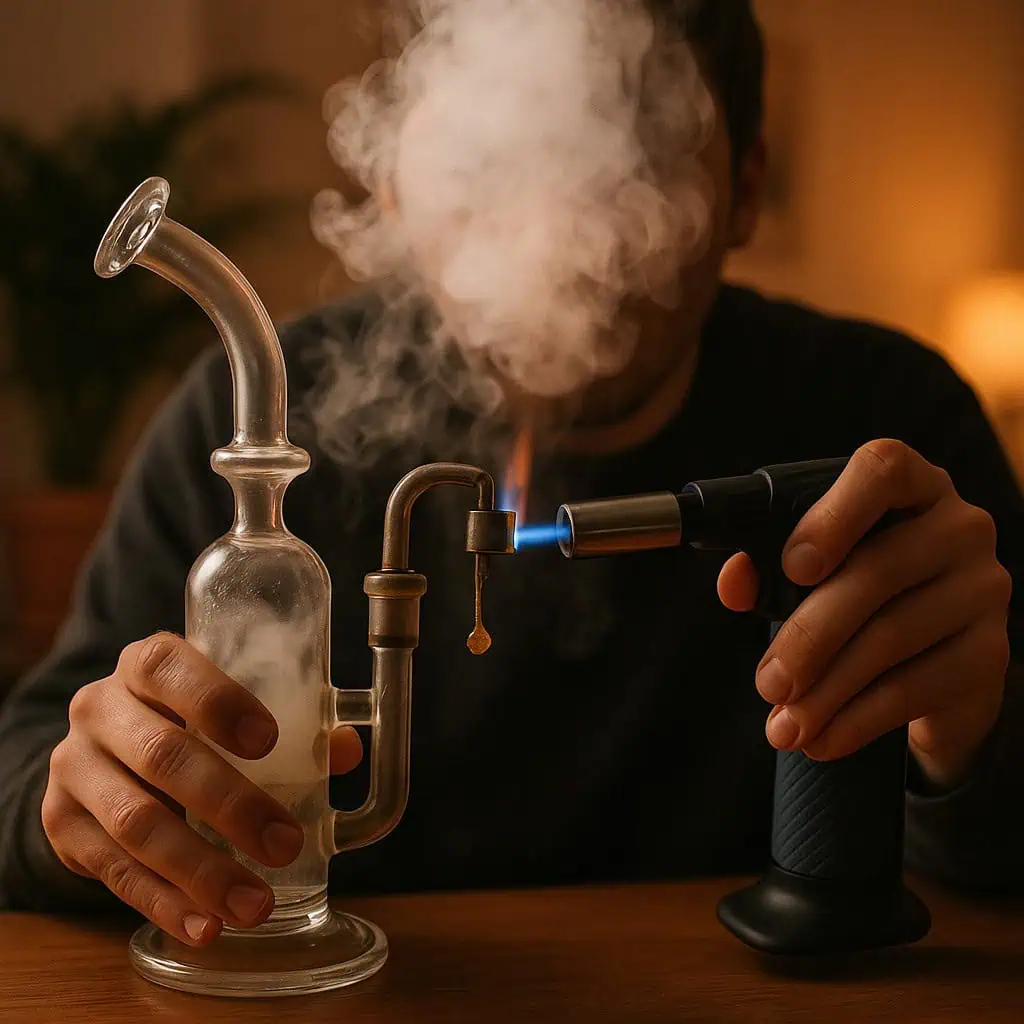
Some users prefer dabbing for its convenience and the ability to hide use, as the process can be more discreet than traditional smoking. Dabbing delivers intense effects quickly and is often the go-to method for heavy users. However, the rapid ingestion and potency of dabbing can increase the potential for abuse.
Vape Pens and Cartridges: Pre-filled cartridges containing distillate, live resin, or other concentrates are popular for convenience and discretion. Vape pens and electronic cigarettes are commonly used to ingest marijuana concentrates, especially among younger users.
These methods are smokeless and often odorless, making them easy to hide and preferred by users seeking discretion. Vape pens provide consistent dosing and portability, making them ideal for beginners.
Edibles and Infusions: Concentrates can be infused into butter, oils, and other ingredients to create potent edibles like brownies, gummies, or chocolates. Infusing marijuana concentrates into food and drinks is a popular method of ingestion, allowing users to discreetly ingest marijuana concentrates.
For example, hash brownies are a classic edible where decarboxylated hash or concentrate is mixed into brownie batter.
Tinctures and Sublingual Drops: Concentrates can be suspended in alcohol or oil to create tinctures. These are usually consumed sublingually (under the tongue) for faster absorption.
Topicals: Concentrates are infused into balms, lotions, and salves for localized relief without psychoactive effects.
Water or oil pipes, including oil pipes, are also popular devices for consuming marijuana concentrates, as they provide an efficient and sometimes discreet way to ingest these substances.
Many users prefer smokeless and odorless methods, such as vaporizers and electronic cigarettes, because they are easy to hide and reduce the risk of detection.
The vapors produced by these devices allow users to ingest marijuana concentrates quickly and discreetly. Abuse of marijuana concentrates can occur, particularly with potent forms and rapid ingestion methods like dabbing or vaping.
Dosing and Calculations
Because concentrates are much stronger than flower, dosing carefully is essential.
- Dabbing: A tiny dab, often less than 0.1 grams, can deliver 50–100 mg of THC depending on potency. Beginners should start with very small amounts to ensure the desired effects are achieved with careful dosing.
- : Many cannabis cartridges are labeled with potency and provide consistent draws. Beginners should start with just one or two inhalations.
- Edibles: Always start low and go slow. Concentrates used in edibles must be decarboxylated (heated to activate THC or CBD). A typical starting dose for edibles is 2.5–5 mg of THC, even though many brownies or cookies may contain much more.
- : These allow more precise dosing by counting drops or measuring with a dropper.
Extraction Methods: Hot vs Cold
Extraction methods determine purity, potency, and safety.
Cold Methods: Ice water extraction (bubble hash) and rosin pressing use minimal heat and no solvents, preserving terpenes and cannabinoids. CO₂ extraction is another clean method often used in commercial production.
Hot Methods: Butane hash oil, ethanol, and RSO (Rick Simpson Oil) use higher heat and solvents. These methods can create highly potent concentrates but carry risks if improperly made.
Safety and Quality Considerations
Not all concentrates are created equal. Safety depends on how they are made and tested.
- Residual Solvents: Poorly made concentrates may contain leftover butane, propane, or ethanol, which can be harmful when inhaled.
- Contaminants: Pesticides, mold, and heavy metals can sometimes be present. Always purchase from licensed, regulated dispensaries where products are lab-tested.
- DIY Risks: Attempting to make solvent-based concentrates at home can be extremely dangerous due to explosion risks. Solventless methods like rosin pressing are much safer for personal use.
Benefits of Cannabis Concentrates
- Potency: Users can experience strong effects with very small amounts.
- Flavor: Many concentrates retain or even amplify terpene profiles for enhanced taste and aroma.
- Medical Applications: Concentrates can provide fast relief for chronic pain, nausea, and anxiety.
- Versatility: They can be consumed in many different ways, from vaping to eating.
Risks of Cannabis Concentrates
- Overconsumption: Due to high THC content, it's easier to consume too much and experience unpleasant side effects such as anxiety, paranoia, or dizziness.
- Tolerance: Frequent concentrate use can quickly increase THC tolerance, making it harder to enjoy the effects of flower.
- Health Effects: Concentrates that are smoked may still carry risks for lung irritation. Edibles, while smoke-free, can last much longer and be overwhelming if too much is consumed.
Responsible Use Tips
- Start with a very small dose when trying concentrates for the first time.
- Use concentrates in a safe, comfortable environment.
- Avoid mixing with alcohol or other substances that may amplify impairment.
- Always keep cannabis products out of reach of children and pets.
- If you are using cannabis medically, consult with a healthcare provider to find the right concentrate and dosing method for your condition.
Frequently Asked Questions About Cannabis Concentrates
What are cannabis concentrates?
They are highly potent extracts of cannabis trichomes that contain concentrated cannabinoids and terpenes.
What are the types of cannabis concentrates?
The main categories are solvent-based (shatter, wax, live resin, distillate) and solventless (rosin, live rosin, bubble hash).
What is the best form of cannabis concentrate?
This depends on your goals. Live rosin is favored for flavor and purity, while distillate is prized for precision and versatility.
How do you make cannabis concentrates?
Safe methods include rosin pressing or ice water extraction. Solvent-based methods should only be performed in professional lab settings.
What are hash brownies?
They are brownies infused with cannabis concentrate such as hash or oil.
Can you freeze hash brownies?
Yes, freezing helps preserve potency and freshness.
How long do the effects of concentrates last?
Smoked or vaped concentrates last 2–3 hours, while edibles like hash brownies can last 6–8 hours.
What are some street names for cannabis concentrates?
Common street names for cannabis concentrates include “ear wax,” “black glass,” and “butane honey oil.” These street terms are often used to refer to different types of marijuana extracts in informal or underground settings.
Why is ‘710' used as a code word for oil?
The term “710” is a code word for cannabis oil because when you flip “OIL” upside down, it reads as “710”—in other words, “OIL” spelled backwards. This code is popular in cannabis culture to discreetly refer to concentrates.



Fred Hernandez
Fred Hernandez is a highly accomplished and versatile writer, boasting an extensive background in the cannabis industry. With an in-depth understanding of various sectors including cultivators, processors, retailers, and brands, Fred's expertise spans across the entire cannabis landscape. As a prominent contributor to CTU, he consistently delivers insightful articles exploring the latest developments, news, and regulations shaping the cannabis industry. Whether it's delving into the intricacies of cannabis products, cannabis strain reviews, or providing comprehensive analyses of cannabis laws, or sharing expert insights on cannabis cultivation techniques, Fred's wealth of knowledge positions him as an invaluable writer and educator for all cannabis-related subjects.



 Jeff was involved in an accident where he endured a traumatic brain injury. He had a week-long stay in ICU where brain surgeons
  100% risk free money back guarantee within 48 hours after purchase if student has not completed any of the courses or exams.
