


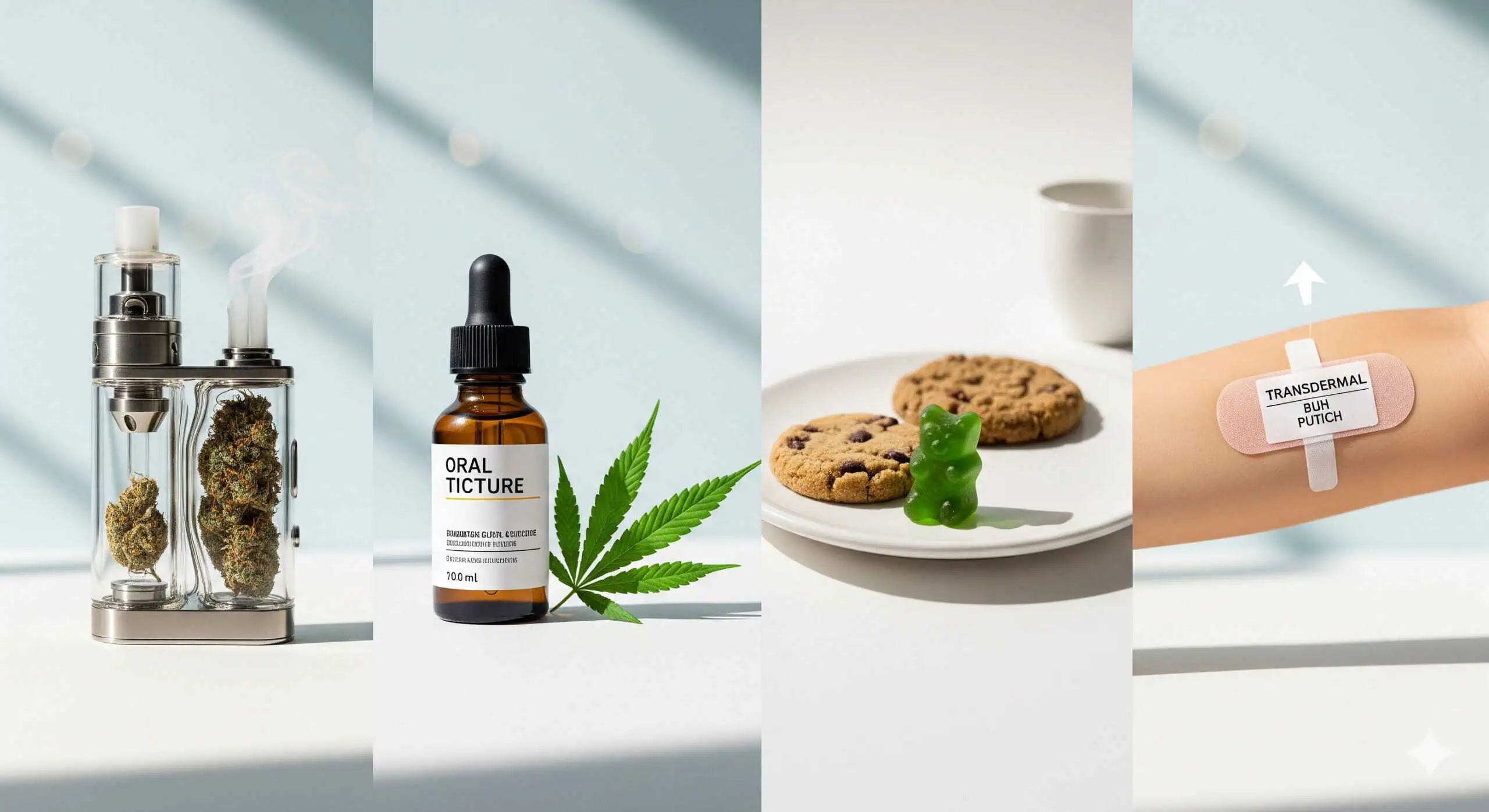
Cannabis has been consumed for thousands of years, but our understanding of health has never been as advanced as it is today.
Ancient cultures burned cannabis as incense, smoked it in ritual pipes, or infused it into oils and teas. What is the healthiest way to smoke weed? Out of all the ways to ingest, smoke, and experience?
Fast-forward to 2026, and we now know the risks of smoke inhalation, the science of vaporization, and the potential benefits of alternatives like tinctures, topicals, and edibles.
Yet one question remains at the center for both recreational users and medical patients: what is the healthiest way to enjoy cannabis without sacrificing its benefits?
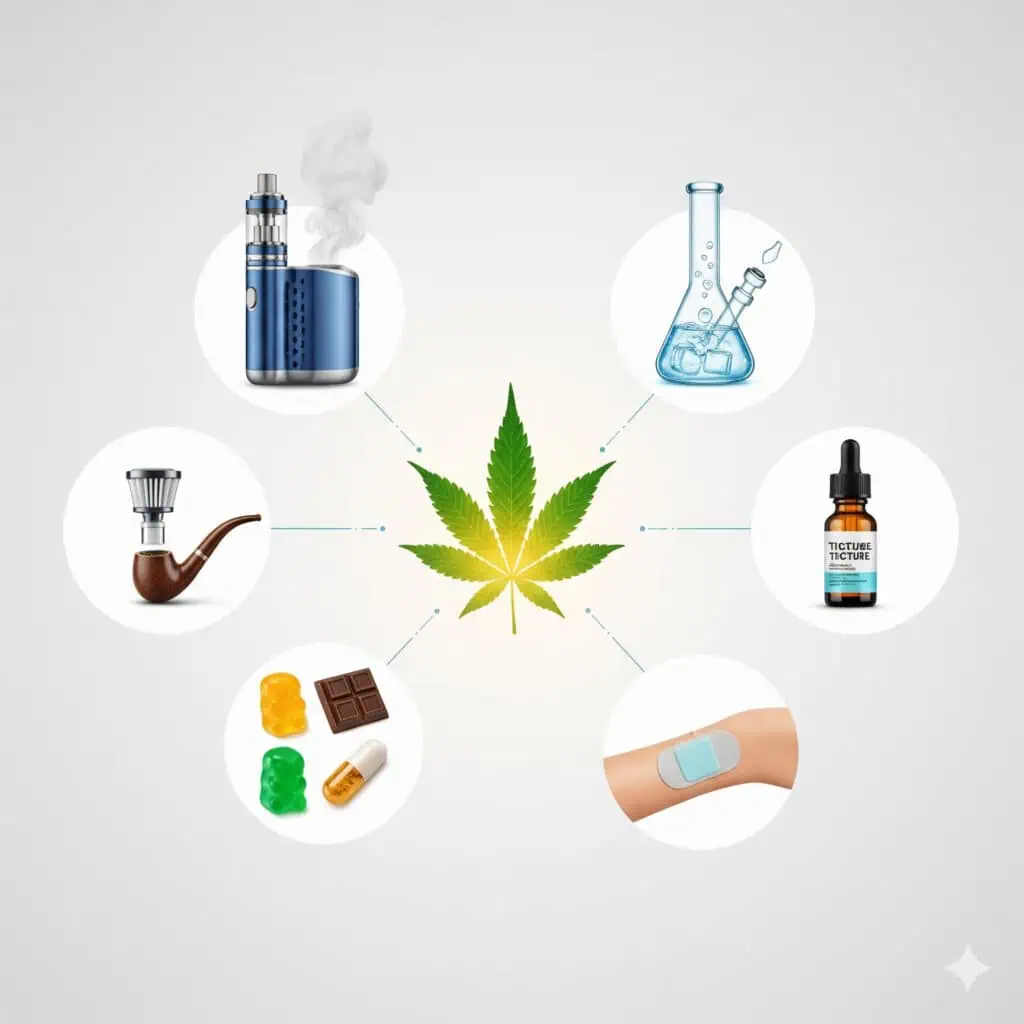
This guide explores cannabis consumption from every angle: traditional smoking, vaporization, edibles, tinctures, concentrates, and even innovative approaches like transdermal patches. Along the way, you’ll learn about temperature science, device hygiene, product quality, and harm-reduction strategies.
To bring it to life, you’ll also hear from Jeff Zorn, CEO of Cannabis Training University, and Gavin Kushman, cannabis expert, who share professional and personal insights.
By the end, you’ll not only understand the healthiest way to smoke weed, and other ways to consume, you’ll have a complete playbook to implement them in daily life.
Part 1: The Risks of Traditional Cannabis Smoking
Combustion and the Body
When cannabis is burned, whether rolled in a joint or packed in a pipe, it releases hundreds of chemical compounds. Some are therapeutic, like THC and CBD. Others, like tar, carbon monoxide, and benzene, are harmful to the lungs.
The major issue is combustion. Whenever plant matter burns, it produces smoke, and smoke contains particulates and toxins. Even if cannabis doesn’t contain nicotine, its smoke can irritate the lungs in much the same way tobacco does.
Common Cannabis Smoking Methods
- Joints: Rolled cannabis in thin paper. Convenient and traditional, but deliver direct smoke without filtration.
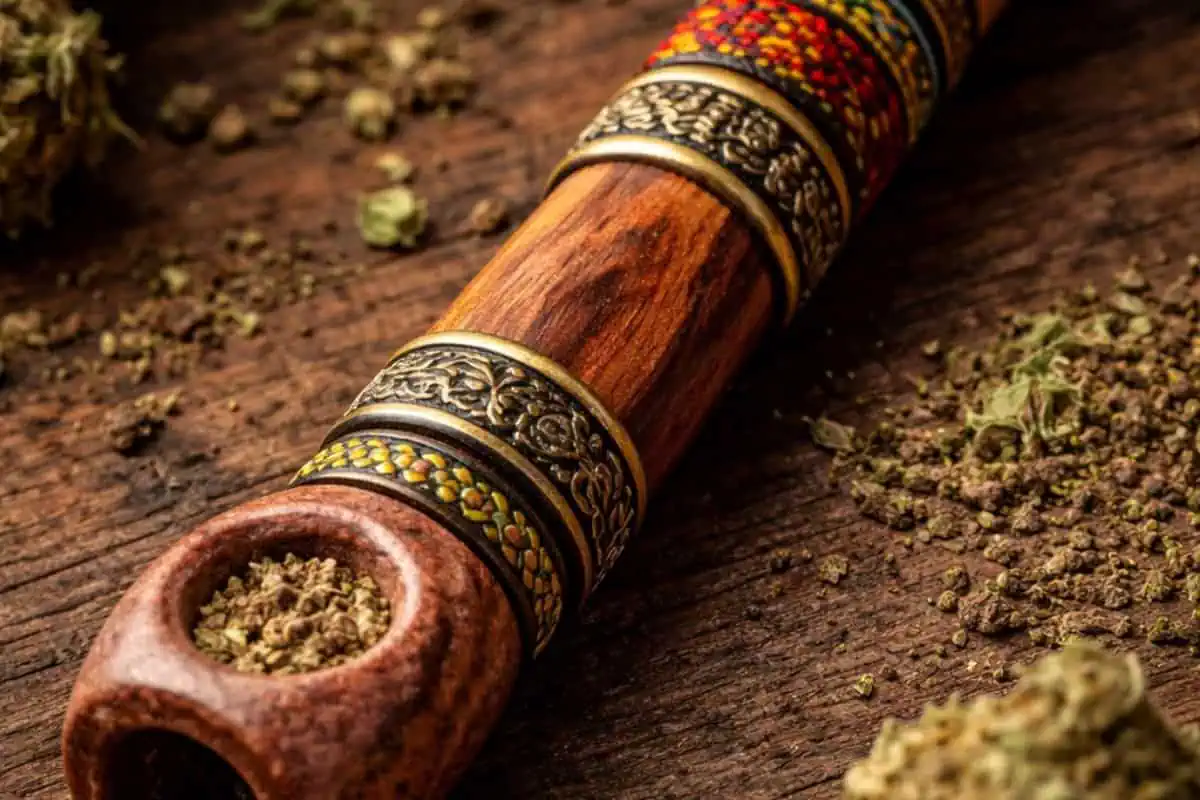
- Pipes: Small and simple, but concentrate hot smoke in a short airway.
- Blunts: Rolled in tobacco leaf wrappers. Contain nicotine, which adds risks of dependency and increases exposure to harmful chemicals.
- Homemade Devices: Soda cans, plastic bottles, and aluminum foil introduce risks of inhaling toxic fumes.
Respiratory Risks When Smoking Weed
- Short-Term: Coughing, throat irritation, chest tightness.
- Medium-Term: Bronchitis-like symptoms, wheezing, phlegm buildup.
- Long-Term: Potential for reduced lung capacity, increased risk of chronic inflammation, and greater susceptibility to infection.
Important Note: Research has not shown a strong link between cannabis smoking and lung cancer, but absence of evidence does not equal safety. Regular smoke exposure undeniably stresses the lungs.
Part 2: Vaporization in Depth
Why Vaporizers Are Safer
Unlike smoking, vaporizers heat cannabis to a controlled temperature below combustion. This releases cannabinoids and terpenes as vapor without creating most harmful byproducts.
Benefits include:
- Reduced Lung Damage: Fewer toxins inhaled.
- Better Flavor: Terpenes survive at lower temps.
- Controlled Experience: Temperature adjustments let you fine-tune effects.
The Science of Temperature
Cannabinoids and terpenes each have unique boiling points. By controlling temperature, you can prioritize certain effects.
| Temperature (°F) | Compounds Released | Effects |
|---|---|---|
| 285–320 | Caryophyllene, pinene | Alertness, anti-inflammatory |
| 320–340 | Limonene, early THC release | Mood boost, creativity |
| 340–356 | THC, CBD, myrcene | Balanced high, body relaxation |
| 356–374 | Full THC, linalool | Sedating, calming |
| 374–392 | Full cannabinoid spectrum | Strong, heavy high |
| >392 | Combustion begins | Smoke, tar, toxins |
Key Rule: Stay below 392°F (200°C) to avoid combustion.
Devices Compared
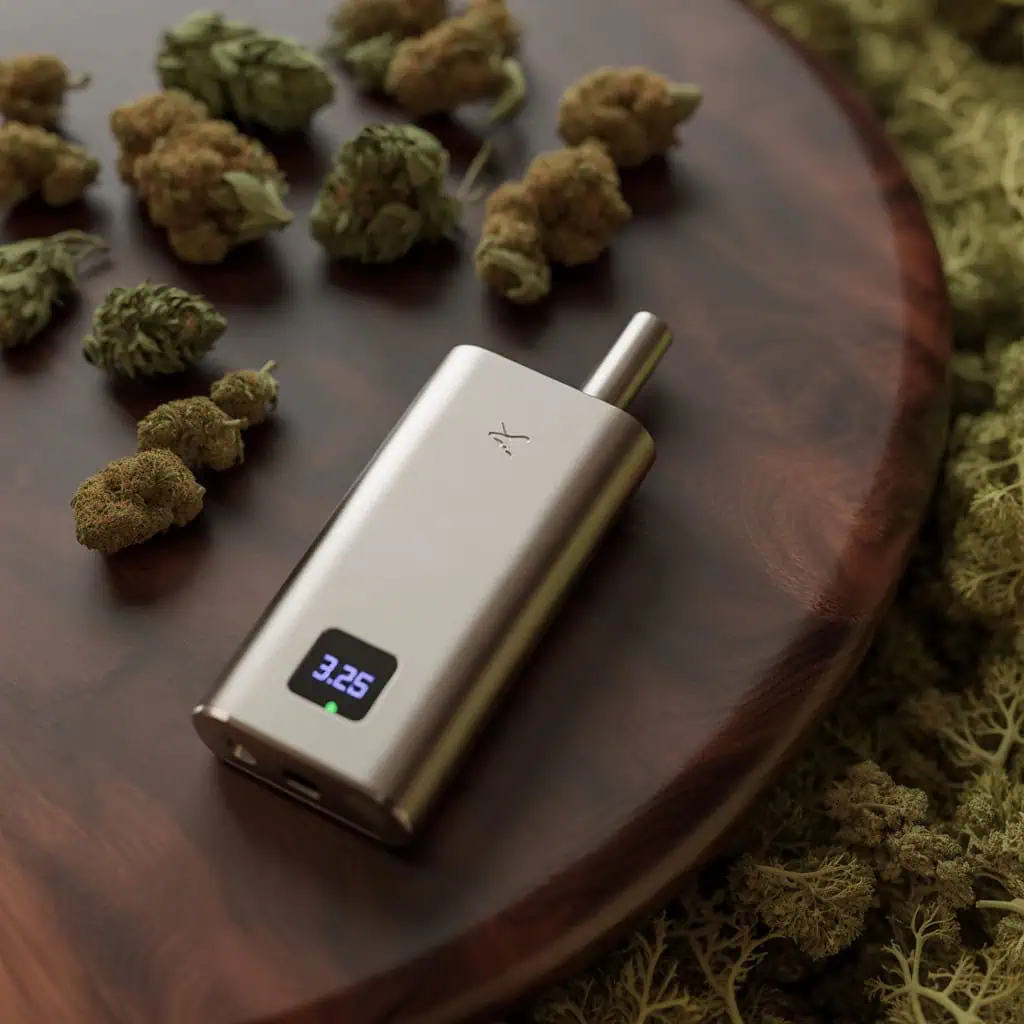
- Desktop Vaporizers: Best precision and vapor quality. Great for medical patients.
- Portable Vaporizers: Discreet and user-friendly, require frequent cleaning.
- Pen-Style Vaporizers: Work well with concentrates but only safe if product is lab-tested and free of additives.
Cleaning and Maintenance
A vaporizer is only as healthy as it is clean. Residue can degrade into harmful compounds if not removed.
- Flower Vaporizers: Brush out chambers after each use. Deep clean weekly with isopropyl alcohol.
- Mouthpieces: Wash or replace regularly.
- Concentrate Pens: Wipe away sticky residue to prevent clogging and overheating.
Material Safety
- Glass: Neutral and easiest to sterilize.
- Metal: Durable but can alter taste.
- Plastic/Silicone: May degrade or harbor bacteria if not cleaned thoroughly.
Part 3: Edibles, Tinctures, and Oils
Edibles
When cannabis is ingested, the liver converts THC into 11-hydroxy-THC, which is more potent and long-lasting.
- Pros: No smoke, discreet, long duration.
- Cons: Harder to dose, delayed onset.
Safe Dosing Strategy:
- Beginners: Start at 2.5–5mg THC.
- Wait at least 2 hours before redosing.
- Keep high-THC edibles labeled and stored securely.
Tinctures
Tinctures are alcohol or oil-based cannabis extracts taken under the tongue.
- Absorption: Faster than edibles (15–30 minutes).
- Duration: 2–4 hours.
- Benefits: Easy to dose, discreet, versatile.
Topicals and Transdermals
- Topicals: Creams, lotions, balms applied to skin. Non-psychoactive. Great for localized pain.
- Transdermal Patches: Deliver cannabinoids through skin into bloodstream. Provide long-lasting systemic effects.
Part 4: Cannabis Concentrates and Cartridges
Benefits
Concentrates offer high cannabinoid levels, meaning stronger effects with smaller doses.
Risks
- Additives: Vitamin E acetate, propylene glycol, and PEG are dangerous when heated.
- Heavy Metals: Cheap cartridges may leach lead or other metals.
- Overconsumption: High potency can overwhelm new users.
Safety Checklist
- Always ask for a COA.
- Verify testing for pesticides, heavy metals, and microbials.
- Avoid unlicensed street cartridges.
Part 5: Harm Reduction and Daily Practices
Even if you prefer smoking, you can make it safer:
- Use Filters: Activated carbon tips reduce tar.
- Don’t Hold Smoke: THC is absorbed instantly; holding smoke only increases toxin exposure.
- Stay Hydrated: Water reduces dryness and throat irritation.
- Alternate Methods: Rotate between vaping and edibles.
- Clean Devices Weekly: Dirty pipes harbor bacteria and mold.
Part 6: Culture, Ritual, and Mindful Use
Cannabis has always been more than consumption, it’s ritual, relaxation, and connection. Approaching use mindfully can also reduce harm.
- Set Intentions: Ask what you want from each session (relaxation, focus, relief).
- Track Dosage: Note how much you consume and the effects felt.
- Listen to Your Body: Coughing, tightness, or irritation are signals to adjust your method.
Part 7: Healthiest Way to Smoke Weed
No matter how you approach it, smoking involves combustion, and combustion always produces harmful byproducts. That means there’s no completely healthy way to smoke weed. Still, some approaches are noticeably less harmful than others, and small adjustments can make a big difference.
When smoking, choose clean glass over paper or tobacco wraps. Glass pipes and bongs don’t add extra chemicals, and water pipes at least help cool the smoke, making it easier on your lungs. Just remember to change the water often to avoid mold and bacteria buildup.
Avoid blunts entirely, they introduce nicotine and additional carcinogens, and they increase the risk of dependency.
The quality of the flower matters, too. Properly cured, lab-tested cannabis burns more evenly and produces a cleaner smoke, while poorly grown or contaminated flower can release toxins you don’t want in your body. Even how you light your cannabis matters, using a hemp wick or a clean lighter reduces the risk of inhaling fumes.
Another simple but overlooked tip: don’t hold smoke in your lungs. THC is absorbed almost instantly, so holding your breath only increases your exposure to tar and toxins. Inhale smoothly, exhale naturally, and let the plant do its work.
Perhaps the most important part of smoking healthily is practicing moderation. For many, smoking is about ritual or social connection, and it doesn’t need to be the daily default. Rotating with vaporizers, edibles, or tinctures can reduce stress on your lungs while still allowing you to enjoy smoking when the occasion feels right.
Part 8: Healthiest Ways To Smoke Weed-FAQ's
Do dry herb vaporizers work with concentrates?
Some are designed for both, but most work best with flower. Using concentrates in a device not designed for them can cause clogging or damage.
Is flower safer than concentrates?
Yes, typically. Flower is less likely to contain cutting agents. Concentrates are more potent, increasing risks of overuse.
Are homemade edibles safe?
Yes, if handled properly. The main risk is dosing inconsistency. Use precise recipes and test small amounts first.
How can I spot a fake cartridge?
Red flags include low prices, lack of lab testing, unprofessional packaging, and oil that looks overly thick or discolored
Should I use ceramic or metal vape coils?
Ceramic coils heat more evenly and don’t alter flavor as much as metal. They’re generally considered the healthier choice.
Does strain type matter for lung health?
Not significantly. The method of consumption (combustion vs vaporization) has a far bigger impact than whether the strain is sativa or indica.
Is vaping always safer than smoking?
Generally, yes—vaping avoids combustion, which produces harmful byproducts. However, safety depends on the product. A high-quality vaporizer with tested flower is much safer than an illicit vape cartridge cut with Vitamin E acetate.
Does bong water filter out toxins?
Not effectively. It cools smoke and may trap some particulates, but it does not filter tar, carbon monoxide, or carcinogens. Think of it as comfort, not true harm reduction.
Should I hold smoke in longer for a stronger high?
No. Nearly all THC absorption happens within the first few seconds. Holding smoke longer only exposes lungs to more tar and toxins. It’s a myth that holding your breath makes you “higher.”
What’s the healthiest edible dose?
The healthiest dose is the lowest effective one. For new users, 2.5–5mg THC is recommended. Experienced users may go higher, but excessive dosing increases anxiety and discomfort. Remember, edibles are metabolized differently—effects are stronger and longer-lasting.
Do hemp wraps reduce harm compared to tobacco wraps?
Yes, hemp wraps avoid nicotine and associated risks. However, they still involve combustion, so they’re not as safe as vaping or edibles.
Should I buy organic cannabis?
Organic cannabis may reduce pesticide exposure, but “organic” is not always regulated. What matters most is lab testing. Always check the COA for pesticide and heavy metal screenings.
Can CBD offset the harm of smoking?
CBD has anti-inflammatory properties and may ease irritation, but it cannot cancel out tar and toxins. It’s better to switch methods than rely on CBD to balance harm.
Are vaporizers worth the cost?
Yes. A quality vaporizer is an investment in health. Over time, the improved experience, reduced coughing, and better flavor are worth the upfront cost.
Can I clean a vaporizer with water?
Only removable, non-electronic parts. Always check manufacturer instructions. Isopropyl alcohol is the safest cleaning solution for most chambers and glass attachments.
Conclusion On Healthiest Ways To Smoke Weed
Cannabis can be enjoyed in many ways, but not all methods are equal when it comes to health.
- Healthiest: Tinctures, topicals, and edibles (no smoke at all).
- Very Healthy: Vaporization at controlled temperatures (below 392°F).
- Moderate: Water pipes, if cleaned daily.
- Least Healthy: Joints, pipes, and especially blunts due to tobacco content.
The path to healthier cannabis use is about balance, knowledge, and intention. With the right methods, you can protect your body while still experiencing the benefits and joys of cannabis.

Fred Hernandez
Fred Hernandez is a highly accomplished and versatile writer, boasting an extensive background in the cannabis industry. With an in-depth understanding of various sectors including cultivators, processors, retailers, and brands, Fred's expertise spans across the entire cannabis landscape. As a prominent contributor to CTU, he consistently delivers insightful articles exploring the latest developments, news, and regulations shaping the cannabis industry. Whether it's delving into the intricacies of cannabis products, cannabis strain reviews, or providing comprehensive analyses of cannabis laws, or sharing expert insights on cannabis cultivation techniques, Fred's wealth of knowledge positions him as an invaluable writer and educator for all cannabis-related subjects.

 Jeff was involved in an accident where he endured a traumatic brain injury. He had a week-long stay in ICU where brain surgeons
  100% risk free money back guarantee within 48 hours after purchase if student has not completed any of the courses or exams.
