Reviewed by Jeff Zorn, founder of Cannabis Training University (since 2009, 50,000+ students) · LinkedIn
Jeff Zorn is the founder of Cannabis Training University (CTU), an online cannabis school with 50,000+ students since 2009. CTU is an IACET Accredited Provider, and its courses cover cannabis cultivation, business, medical cannabis, budtending, cooking, extraction and industry regulations.
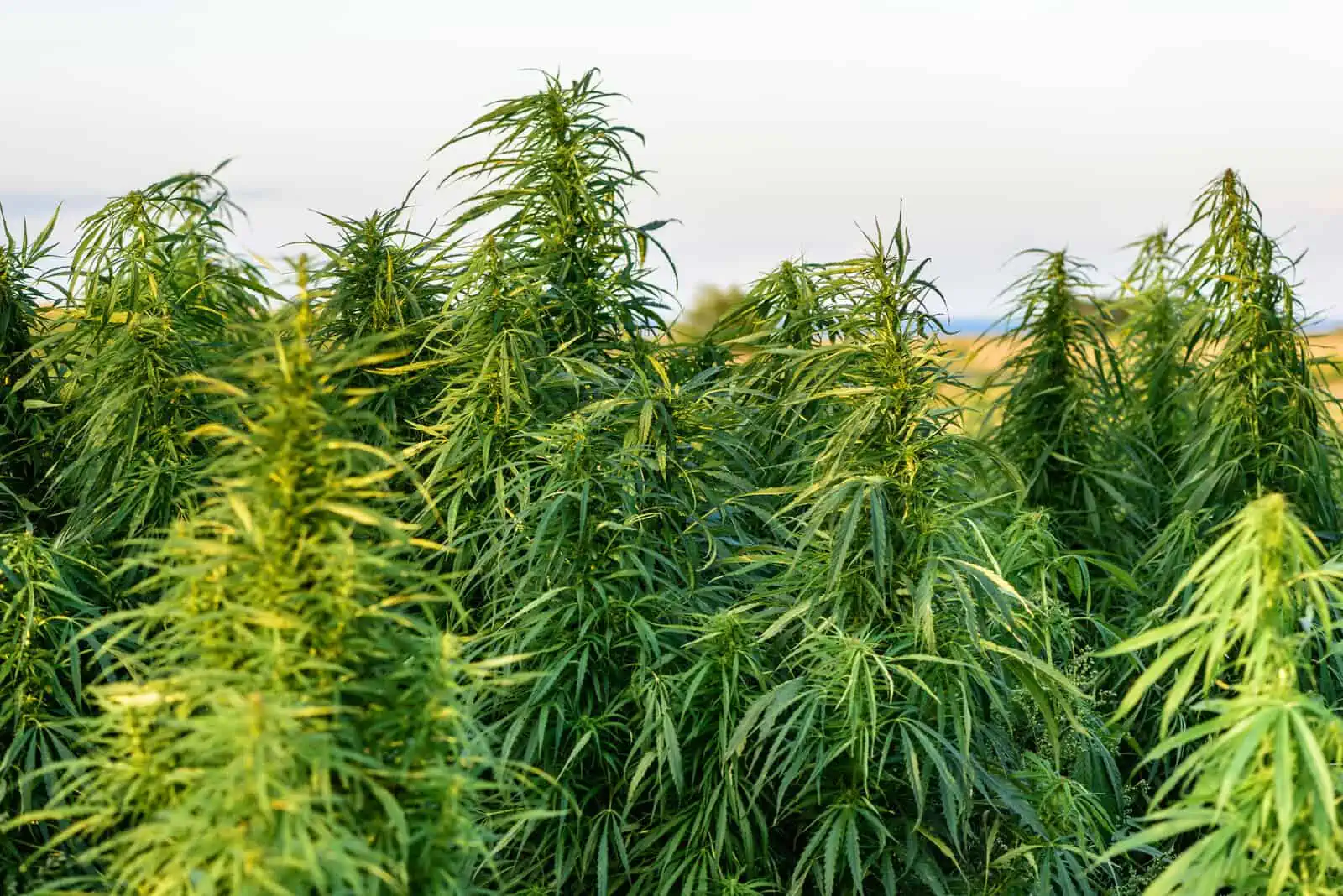
Understanding the different stages of marijuana growth enables growers to optimize yields and enhance overall plant quality.
Each stage of development requires specific environmental conditions, nutrient requirements, and cultivation practices to support healthy growth and optimal results
Cannabis growth stages timeline
How long are the cannabis growth stages?
About 18 weeks from seed to harvest for a photoperiod plant grown indoors and about 11 for an autoflower, then 3–6 weeks to dry and cure.
Photoperiod plants stay in veg while days are long (18/6) and flower when the light drops to 12/12. Autoflowers flower with age, so they keep one light schedule. These are typical indoor timelines from grower practice; the strain, your setup and how long you veg all change them.
Checked October 2026 · Sources below
Seed to harvest: about 18 weeks. Switch the lights to 12/12 at about week 9.
Typical indoor timeline, grower practice; the CTU growth stages guide below gives the ranges. Light and flowering: Zhang et al. 2021; Spitzer-Rimon et al. 2019; Dowling et al. 2024; Rodriguez-Morrison et al. 2021. Checked October 2026.
What to watch: Warmth and moisture without waterlogging. A white taproot appears first; don't handle it.
What to watch: Stretching, which means light that is too weak or too far away, and overwatering a small root system.
What to watch: Fast leaf and stem growth and a higher need for nitrogen. This is the window for topping and low-stress training. Sex usually shows in late veg, about 4–6 weeks from seed.
What to watch: Single flowers at the nodes appear as the plant matures: white pistils on females, pollen sacs on males (Spitzer-Rimon et al. 2019). Remove males and leave headroom, because plants keep stretching after the switch.
What to watch: Light leaks during the dark period on photoperiod plants, high humidity inside dense buds (bud rot) and branches that need support.
What to watch: Trichome color under a loupe, from clear to cloudy to amber, and pistils darkening and curling in.
What to watch: Slow, even drying until small stems snap rather than bend, then sealed jars opened briefly at first. Grower practice is about 60 °F and 60% humidity. Check for mold. A 2022 review calls drying the most important post-harvest step (Das et al. 2022).
Sources: Zhang, M., Anderson, S.L., Brym, Z.T. and Pearson, B.J. (2021), "Photoperiodic Flowering Response of Essential Oil, Grain, and Fiber Hemp (Cannabis sativa L.) Cultivars", Frontiers in Plant Science 12:694153 (doi; University of Florida). Spitzer-Rimon, B. et al. (2019), "Architecture and Florogenesis in Female Cannabis sativa Plants", Frontiers in Plant Science 10:350 (doi). Dowling, C.A. et al. (2024), "A FLOWERING LOCUS T ortholog is associated with photoperiod-insensitive flowering in hemp", The Plant Journal 119(1): 383–403 (doi). Rodriguez-Morrison, V., Llewellyn, D. and Zheng, Y. (2021), Frontiers in Plant Science 12:646020 (doi; University of Guelph). Das, P.C. et al. (2022), "Postharvest Operations of Cannabis and Their Effect on Cannabinoid Content: A Review", Bioengineering 9(8):364 (doi). Durations, 18/6 and 20/4 schedules and drying conditions are common grower practice, not research findings. All checked October 2026.
Grow it right, stage by stage
The Indoor & Outdoor Growing course covers every stage from seed to cure, lights and schedules included, with a certificate at the end.
Grow it right the first time
Stop guessing. Learn to grow from seed to harvest.
The Indoor & Outdoor Cannabis Growing Certificate covers nutrients, pH, lighting, pests and harvest, with video lessons and a certificate when you finish.
See the Growing Certificate →Free Cultivation Guide (ebook)IACET-accredited · 7-day money-back guarantee
There are 4 primary stages of plant growth:
Each stage of growth brings important changes to the plant, and the decisions you make along the way can have a major impact on the final result.
When you understand what your cannabis plants need, you’ll be better equipped to produce healthy plants and a harvest full of potent, aromatic flowers.
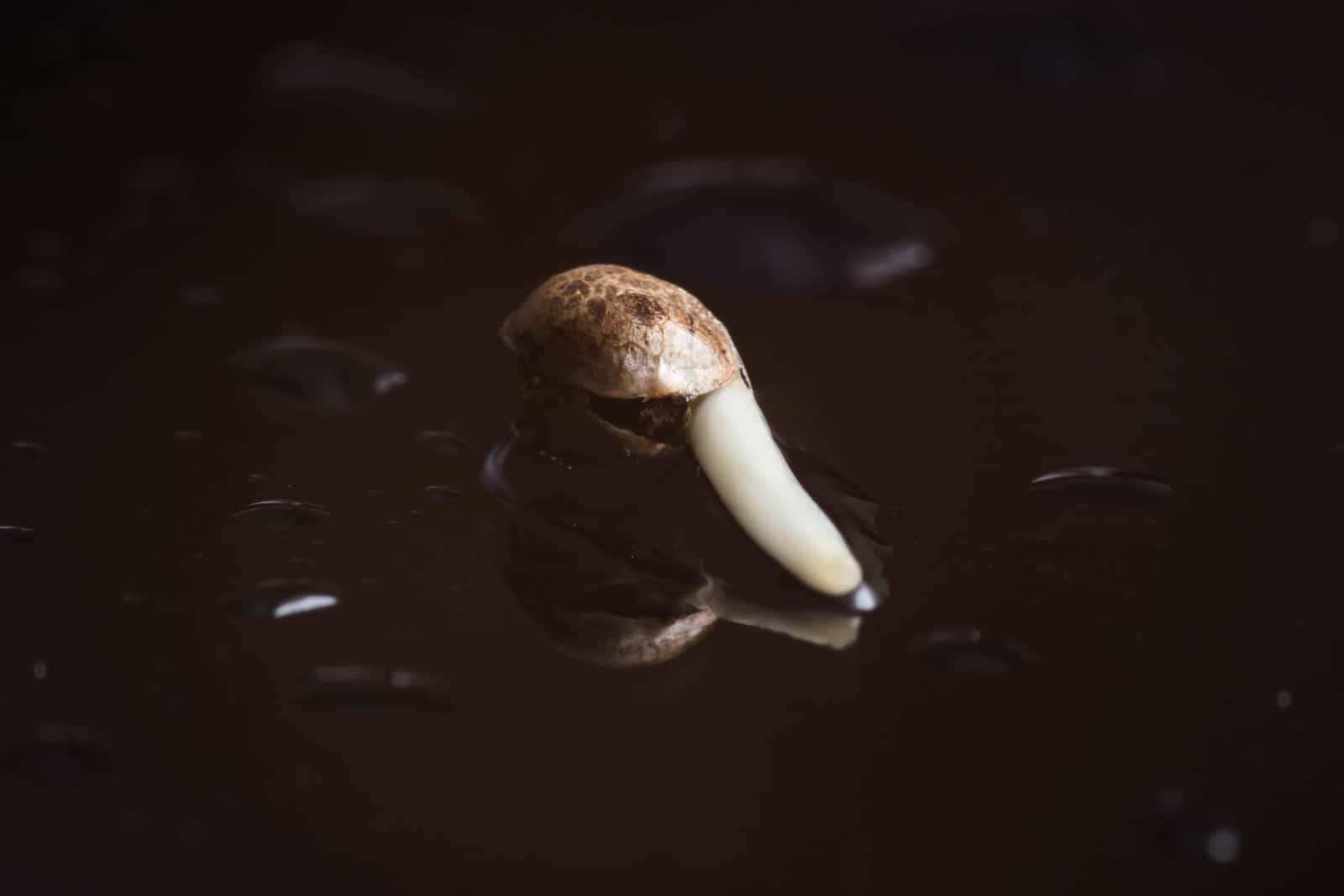
The cannabis life cycle begins with germination. During this stage, a seed absorbs moisture and begins to sprout.
A small white root, known as the taproot, emerges from the seed shell and starts seeking nutrients and water.
The germination stage is one of the most critical parts of a cannabis plant’s life cycle because young seedlings are extremely fragile.
At this stage, even small mistakes can cause serious damage. Too much or too little heat, strong winds, accidental bumps, or rough handling can quickly kill a seedling before it has a chance to establish itself.
Cannabis seeds germinate once they’ve been exposed over time to water and heat. These factors are essential to creating the biochemical process that “activates” the seed to start growing.
Depending on the germination method used and environmental conditions, this stage typically lasts between 3 and 10 days.
As germination begins, the seed cracks open and a small white root, known as the radicle, emerges. The radicle is the plant’s first root and serves as the foundation for future growth and for absorbing water and nutrients.
Shortly afterward, a shoot emerges and pushes upward toward the surface. In most cases, the seed shell falls away naturally as the shoot breaks through the soil. If the shell remains attached, avoid removing it by hand and allow it to come off on its own.
Once both the root and shoot have emerged, the cannabis plant officially enters the seedling stage.
During this period, cannabis plants are highly vulnerable and require careful attention.
Seedlings focus on establishing a strong root system and developing their first sets of serrated fan leaves. Healthy seedlings appear vibrant green and show steady growth each day.
The seedling stage can last anywhere from 14 to 21-days.
Cannabis seedlings do not need a specific amount of light at this point; however, it’s best that they remain under 18-24 hours of continuous light to keep them from stretching.
Over the next two to three weeks, the seedling will continue to develop and produce new sets of leaves. With each new set, you’ll notice an increase in the number of leaflets.
Once the seedling has developed its third set of leaves, growers can usually begin introducing a light nutrient regimen.
After about two weeks, the roots should be well established within the rapid rooter or propagation tray cell. Once this happens, the seedling is ready for a larger container where it can continue developing.
When transplanting, you’ll likely notice that the root system is still relatively small. Because of this, it’s important not to overwater. Young seedlings require only modest amounts of water until their roots become more established.
By the third week, growth often accelerates noticeably. The plant will begin producing leaves more quickly and putting on size as it prepares to enter the vegetative stage.
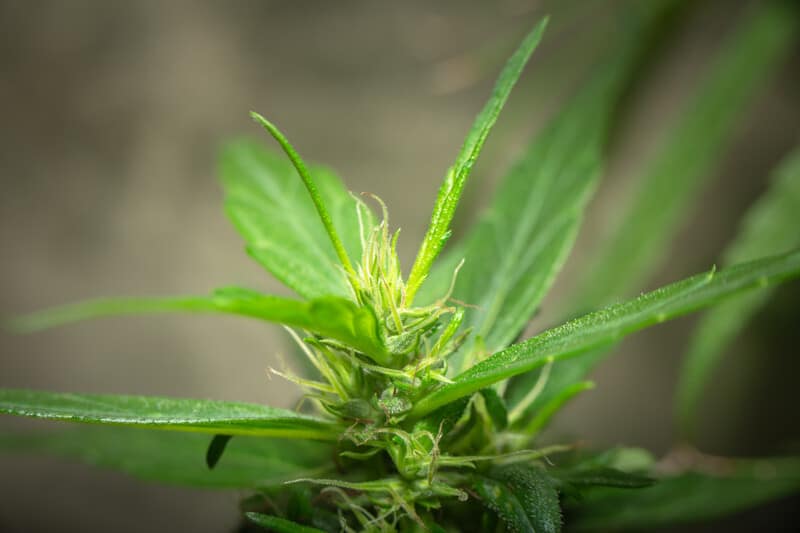
The vegetative stage marks a period of rapid growth and development, during which cannabis plants begin to reveal their sex as either male or female.
For growers, this stage is one of the most important periods, as the care and attention given now can have a major impact on the plant’s overall health, size, and future yield.
Growers focus on building a strong foundation by encouraging vigorous root development, sturdy stems, and healthy foliage.
Depending on the grower’s goals, the vegetative stage can last anywhere from three to eighteen weeks, allowing plants to reach their desired size before transitioning into bloom.
The vegetative stage typically requires at least 18 hours of light per day. Indoor growers often use an 18/6 light cycle (18 hours of light and 6 hours of darkness), while some choose to provide 24 hours of continuous light to maximize growth.
Photoperiod cannabis plants can remain in the vegetative stage indefinitely as long as they receive sufficient light—generally 18 hours or more per day. Flowering is triggered when the light cycle is reduced to approximately 12 hours of light and 12 hours of darkness.
Cannabis plants require nutrients that support leaf, stem, and root development.
The most important nutrient during this phase is nitrogen (N), which fuels strong vegetative growth and healthy green leaves.
Nitrogen is the primary nutrient needed during vegetation. It promotes:
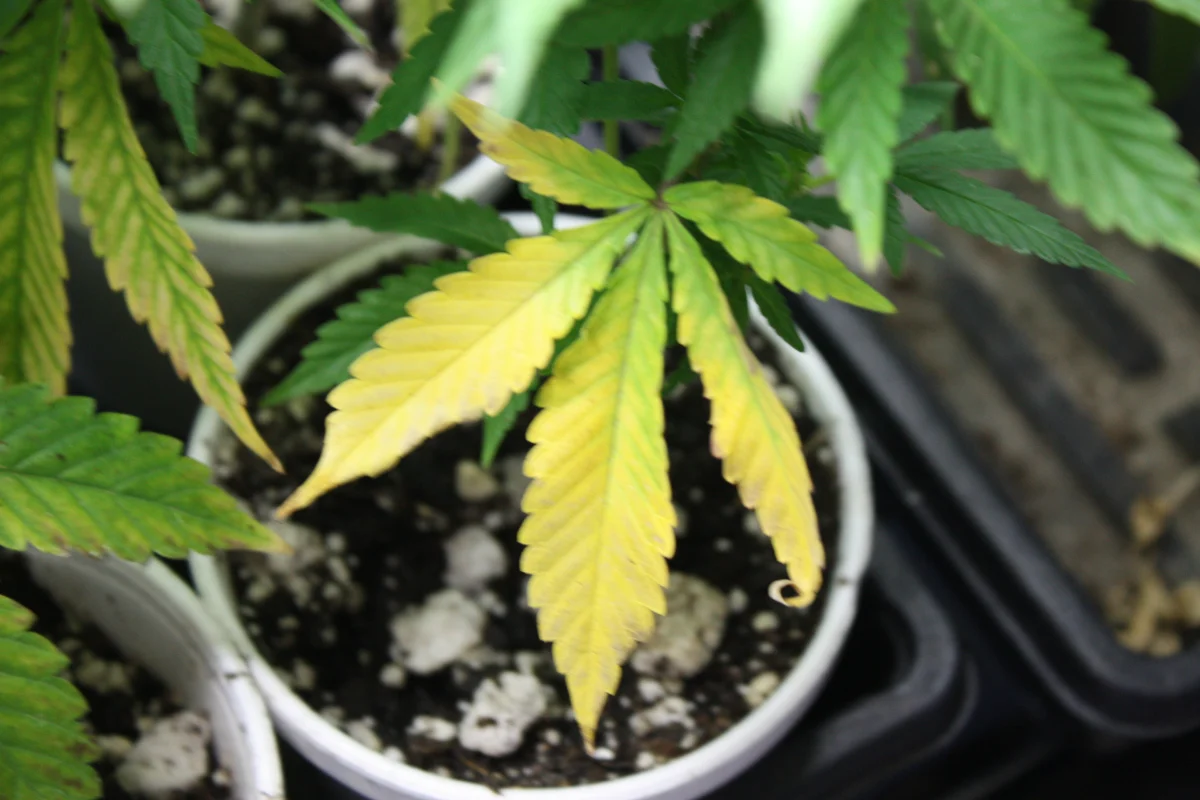
A nitrogen deficiency can cause older leaves to yellow and slow plant growth.
While phosphorus becomes more important during flowering, plants still need moderate amounts during vegetation to support:
Potassium helps regulate:
The vegetative stage is when growers can begin training their plants to fit their growing environment. Techniques like topping, FIMing, low-stress training, Screen of Green, and Sea of Green are commonly used to manage plant shape, improve canopy development, and maximize yields. By guiding growth early on, cultivators can create healthier plants and make more efficient use of their grow space.
A short vegetative period (2–4 weeks) is common when growing many smaller plants using methods like Sea of Green (SOG).
A longer vegetative period (6–10 weeks) is often used to grow larger, bushier plants.
Cannabis plants can be either male or female, but their sex does not become apparent until they reach sexual maturity. In most cases, growers can identify a plant’s sex during the late vegetative stage or early pre-flowering stage, typically four to six weeks after germination.
This is an important milestone, as it allows cultivators to determine which plants will remain in the garden and which should be removed to prevent unwanted pollination.
Male plants often show their sex slightly earlier than females, though development can vary from plant to plant. Before removing any plant, growers should wait until its sex can be identified with confidence.
Once female plants have been identified, any unwanted males can be removed from the grow space. At this point, the remaining plants are generally ready to transition into the flowering stage.
Early sex identification is essential because pollinated female plants redirect much of their energy from flower production to seed development. After weeks or months of care and maintenance, most growers want to avoid ending up with a harvest full of seeded buds.
The flowering stage is the final major phase of the cannabis life cycle. During this period, plants transition from vegetative growth to flower production, forming the buds that growers cultivate for harvest.
For photoperiod cannabis plants, flowering is triggered when the light cycle changes to 12 hours of light and 12 hours of uninterrupted darkness each day. Outdoor plants naturally enter the flowering stage as daylight hours decrease toward the end of summer.
This is the most anticipated stage for growers because it’s when cannabinoids, terpenes, and resin-rich flowers develop.
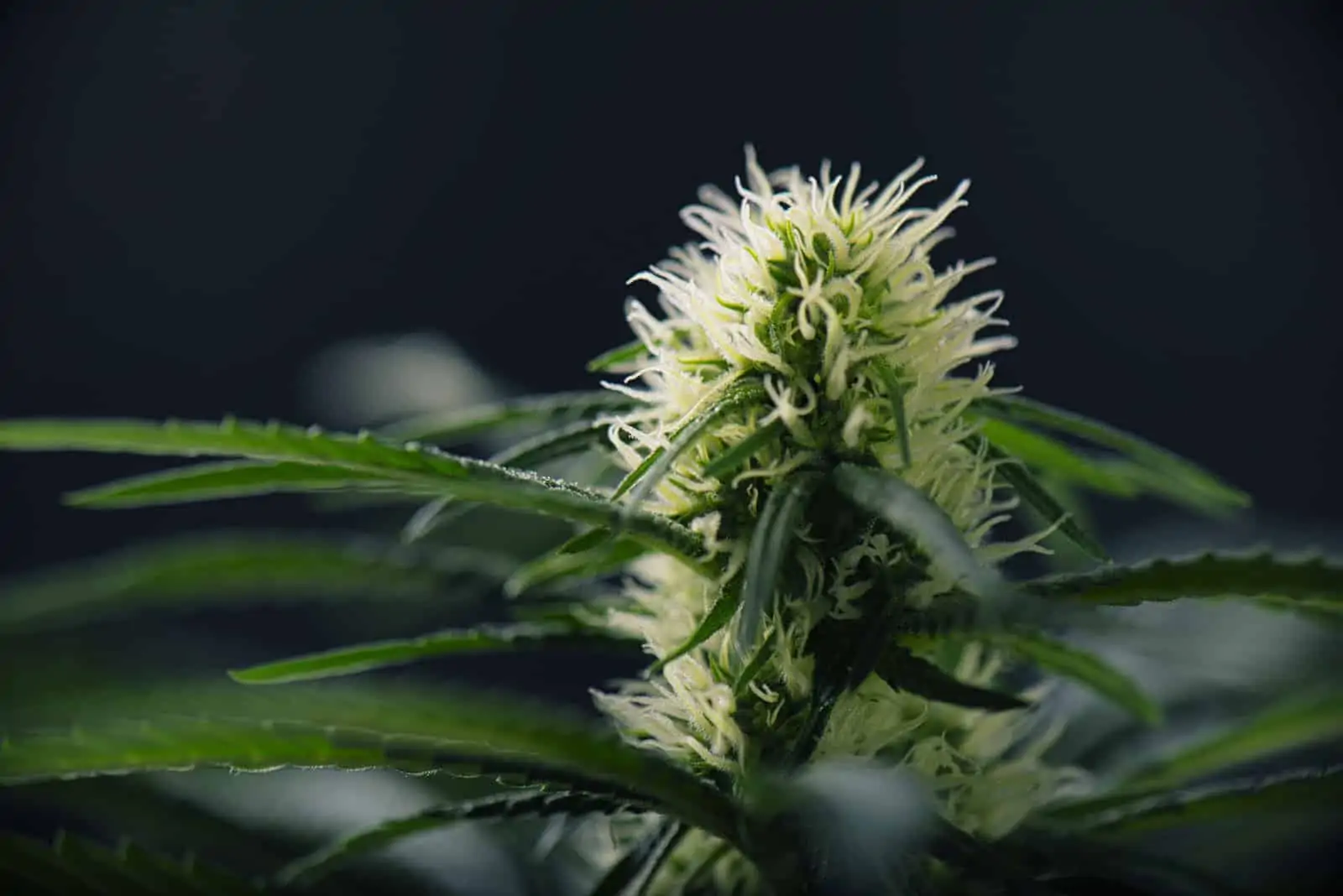
Before cannabis plants fully enter the flowering stage, they go through a short pre-flowering phase. This period is marked by three major changes: the 12/12 stretch, early flower formation, and sexual maturity.Depending on the strain, cannabis plants can increase in size by 50% to 300% during this phase. This rapid growth, often called the flowering stretch, means plants may continue gaining significant height even after the light cycle has been changed.Because of this, growers should avoid letting plants reach their maximum desired height during the vegetative stage. Leaving enough vertical space helps prevent crowding and gives plants room to stretch during early flowering.After switching to a 12/12 light cycle, changes can appear within just a few days. Plants begin stretching upward, and the nodes start showing the first signs of flower development.The pre-flowering phase typically lasts about two weeks. During this time, plants grow quickly, and small clusters of white pistils begin to appear at the nodes. By the end of this period, the plant may be much taller, and flower sites are usually easy to identify.
As flowering continues, these bright white pistils develop into larger buds, which swell and mature until harvest.As cannabis plants enter the flowering stage, their nutritional needs begin to change. To support bud development, growers typically increase phosphorus and potassium levels while reducing nitrogen compared to the vegetative stage.
Phosphorus plays a key role in flower formation and energy transfer, while potassium supports overall plant health, nutrient uptake, and bud growth. Although nitrogen requirements decrease during flowering, cannabis plants still need some nitrogen to maintain healthy foliage.
In addition to the primary macronutrients, a balanced supply of secondary nutrients and micronutrients is essential for keeping plants healthy and productive throughout the flowering stage. Providing the right nutrient balance will help maximize flower quality, yield, and overall plant performance.
Most cannabis strains complete the flowering stage in approximately 8–10 weeks, although some fast-finishing varieties can be ready in as little as 7 weeks, while certain long-flowering strains may require 12–18 weeks to reach full maturity.
As flowering progresses, you’ll notice dramatic changes in bud development from week to week. During the first two weeks after switching to a 12/12 light cycle, small bud sites begin to form at the nodes, signaling the start of flower production.
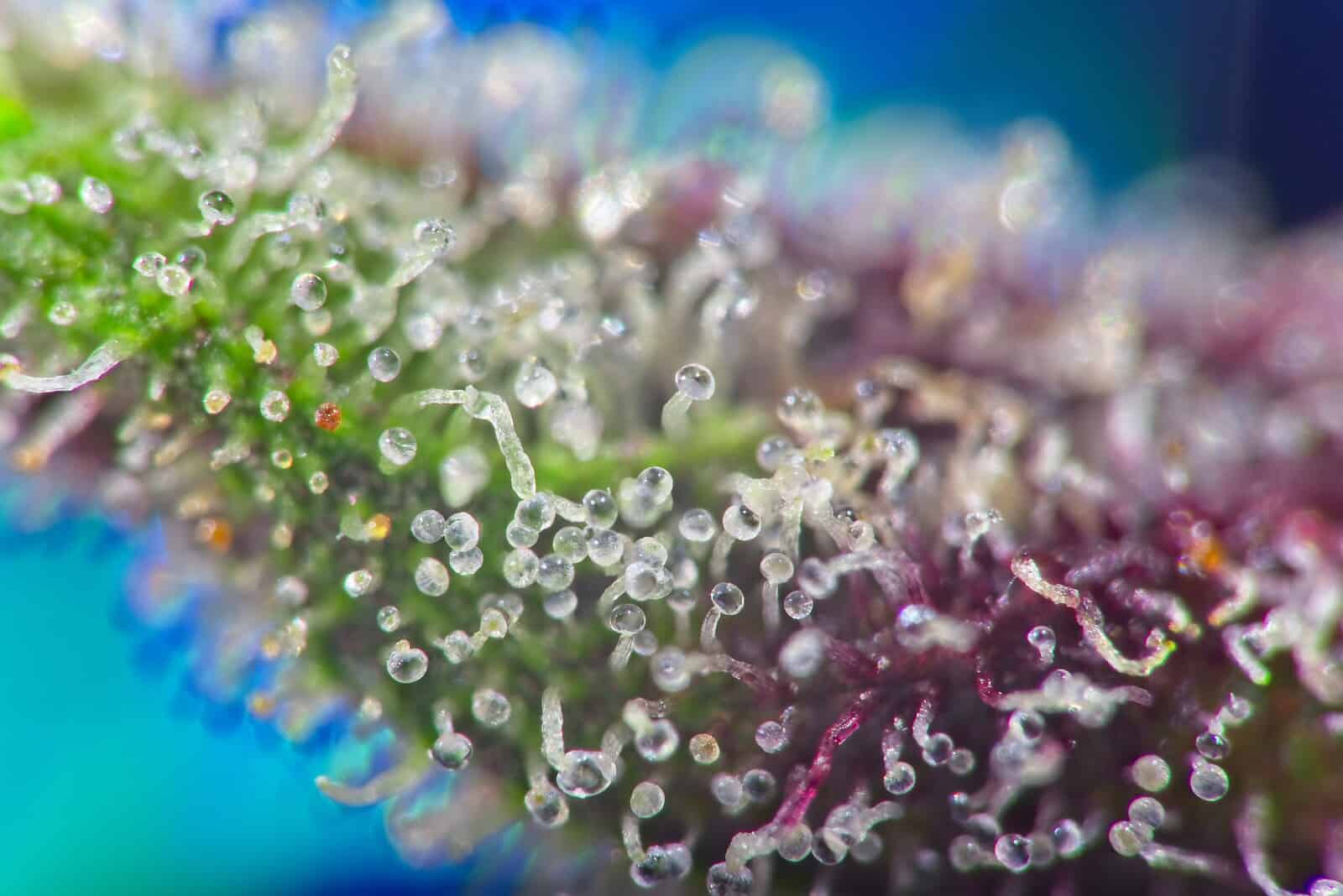
By week 4, these bud sites start to swell as the calyxes expand and fresh white pistils continue to emerge. Around this time, you’ll also begin to notice the first trichomes—tiny resin glands that contain cannabinoids and terpenes—appearing on the flowers and surrounding leaves.
As the flowering stage enters weeks 5 and 6, bud growth accelerates. Flowers become noticeably larger, aromas intensify, and resin production increases. The added weight of developing buds may cause branches to bend, making plant support systems increasingly important.
By week 8, buds should be significantly larger and covered in a thick layer of trichomes. Depending on the strain, flowers may develop into long, spear-shaped colas or remain more compact and exceptionally dense. At this stage, growers should begin monitoring trichome maturity to determine the ideal harvest window.
For strains that continue flowering beyond 10 weeks, buds often reach impressive sizes and exhibit heavy resin production. By the time harvest approaches, flowers should be dense, aromatic, and coated in sticky trichomes—a clear sign that the plant has reached its full potential.
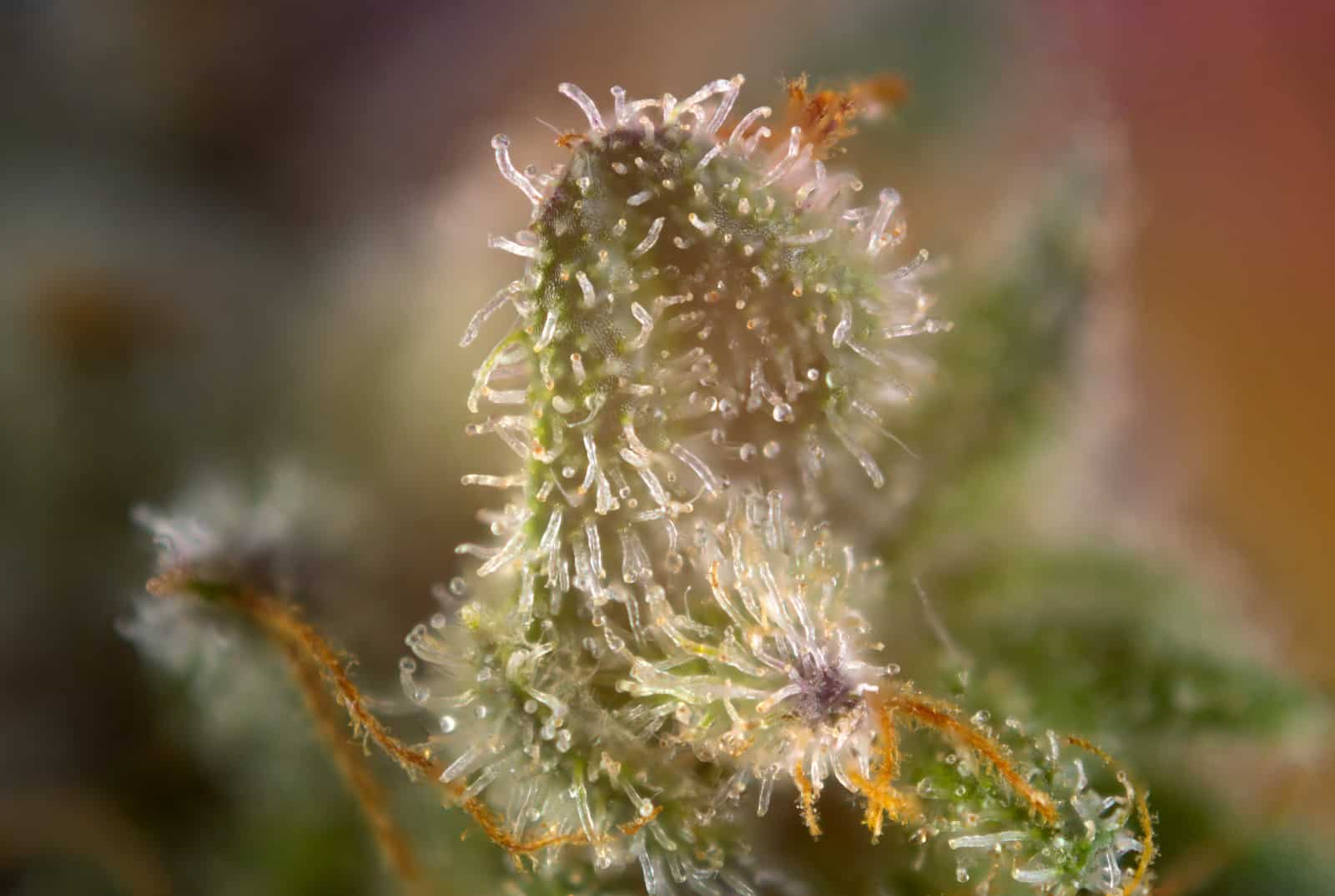
By week 8, buds should be significantly larger and covered in a thick layer of trichomes. Depending on the strain, flowers may develop into long, spear-shaped colas or remain more compact and dense. At this stage, growers should begin monitoring trichome maturity to determine the ideal harvest window.
Once plants are between weeks 8 and 10, it’s essential to take a closer look at the trichomes. These tiny resin glands help growers determine the best time to harvest. Using a jeweler’s loupe or handheld magnifying glass, you can inspect their color and maturity.
Clear trichomes are still young and indicate that the flowers are not ready yet. Cloudy or milky-white trichomes typically signal peak ripeness and potency, while amber trichomes suggest the plant is moving past its prime and cannabinoids are beginning to degrade.
For maximum potency, growers usually begin harvesting when the majority of trichomes are milky white. As trichomes continue turning amber, overall potency may gradually decline, so timing the harvest correctly is key to preserving flower quality.
At last, you’ve reached harvest time. Whether your plants finished flowering in eight weeks or required eleven or more, all the time, effort, and patience you’ve invested are about to pay off.
Harvest is the final reward for successfully guiding your plants through every stage of the growing cycle—from germination and seedling development to vegetation and flowering. Each phase plays an important role in the plant’s overall health, yield, and quality.
That’s why understanding the cannabis growth stages is so important. The decisions you make at every step directly impact the final harvest. With the right care throughout the grow cycle, you’ll be rewarded with healthy plants and a crop of potent, aromatic flowers ready for drying, curing, and enjoyment.
After the growing stages are complete there are two more important stages.
Once you’ve gone through the entire life cycle of your plant, it’s time to reap what you’ve sown. During the harvesting stage, you can cut down branches with buds once they reach peak ripeness.
Some growers will wait until the plants grow white pistils all over, while others will pay close attention to the color of the trichomes to determine when to harvest.
After cutting down the plants, some growers choose to prune their excess foliage to improve the appearance of the bud. In addition, removing the excess plant matter can reduce harshness when smoking or vaping the weed.
Growers can choose between the wet or dry method of trimming their plants. Each trimming method has its own unique pros and cons, but most choose to trim dry cannabis buds.
Once you’ve trimmed all the fan leaves and sugar leaves, you can begin the drying and curing process. During the drying process, plants are kept in a cool, dark, and dry room where all the excess moisture evaporates and the plant’s flavors and aroma come to life.
After the drying process is over, the curing process begins. It involves storing cannabis buds in UV-protected glass jars. Curing can take a couple of weeks or months for the potency, flavor, and aroma to reach peak levels. The curing process is the last stage of growing weed. Congratulations you did it!
By understanding the lifecycle of marijuana plants, you can increase your yield and become a better cultivator over time. Now that you understand how the cannabis plant works – it’s time to get your hands dirty and begin growing your own marijuana!
Sign up today and learn what you need to start your own cannabis grow or a marijuana grower job.
Learn it all, right from your phone, on your own time, with no schedules, all from Cannabis Training University, an IACET Accredited Provider.
Now that you know the marijuana plant growth cycle stages, it’s time to get growing your own cannabis!
More in Growing

Check your state's cannabis laws

Indoor + outdoor growing careers
 IACET Accredited Provider · online cannabis education
Since 2009 • 50,000+ students trained worldwide



Copyright Cannabis Training University, a subsidiary of Online Training Providers. © 2026. All Rights Reserved.
Medical Disclaimer: The information on this website is for informational purposes only and is not intended to be a substitute for professional medical advice, diagnosis, or treatment.
Always seek the advice of a physician or other qualified health provider with any questions you may have regarding a medical condition.
Legal Compliance: Cannabis remains federally illegal. Products and information are intended only for jurisdictions where cannabis use and possession is legal.
By using this site, you affirm that you are of legal age (21+) and responsible for understanding your local laws.