Growing cannabis from seed is both an art and a science. It allows cultivators to explore plant genetics, experiment with cannabis training techniques, and ultimately harvest potent, flavorful buds they nurtured themselves.
When it comes to home cannabis cultivation, it’s important to note that laws and regulations vary by region, so home growers should always be aware of local requirements before starting.
Among the most important factors for success are genetics, environment, and overall cultivation practices, which can greatly influence your results.
Starting with seeds gives you greater control over strain selection, plant health, and yields compared to clones. While it requires patience and attention to detail, the process is deeply rewarding and offers unmatched learning opportunities for new and experienced growers alike.
This article serves as a step-by-step guide to the growing process for anyone looking to grow marijuana or grow weed at home.
This complete guide covers everything you need to know about how to grow weed from seed—from germination and seedlings to vegetative growth, flowering, harvesting, and curing—plus expert grower reviews, FAQs, and insider tips.
Whether you’re new to growing marijuana or an experienced home grower looking to improve your growing weed techniques, this guide is designed to help you succeed.
Grow it right the first time
Stop guessing. Learn to grow from seed to harvest.
The Indoor & Outdoor Cannabis Growing Certificate covers nutrients, pH, lighting, pests and harvest, with video lessons and a certificate when you finish.
See the Growing Certificate →Free Cannabis Cultivation Guide (ebook)IACET-accredited · 7-day money-back guarantee
Not all cannabis seeds are the same. Choosing the right type of seed is the foundation of your grow.
Selecting the perfect grow space is a foundational step in successful cannabis cultivation. Whether you’re growing cannabis indoors or outdoors, the environment you choose will directly impact the health and yield of your cannabis plants.
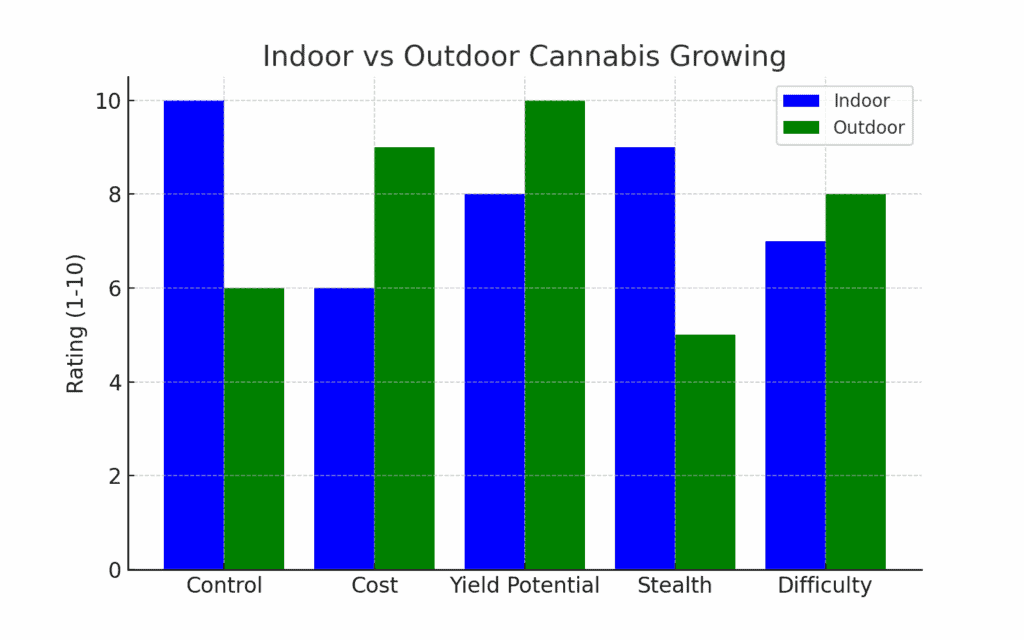
For indoor growing, consider setting up a dedicated grow tent or room equipped with quality grow lights and proper ventilation. This allows you to control the light cycle, temperature, and humidity—crucial factors during both the vegetative and flowering stages.
Good air circulation is essential to prevent mold and bud rot, so make sure your grow space has fans or vents to keep fresh air moving around your plants.
If you prefer outdoor growing, look for a sunny spot with natural airflow and some protection from prying eyes. Outdoor growers should ensure their location is private and secure, as well as compliant with local laws regarding how many plants you can grow for personal use.
The size of your grow space will determine how many plants you can cultivate, so plan accordingly to avoid overcrowding and to give each plant enough room to thrive.
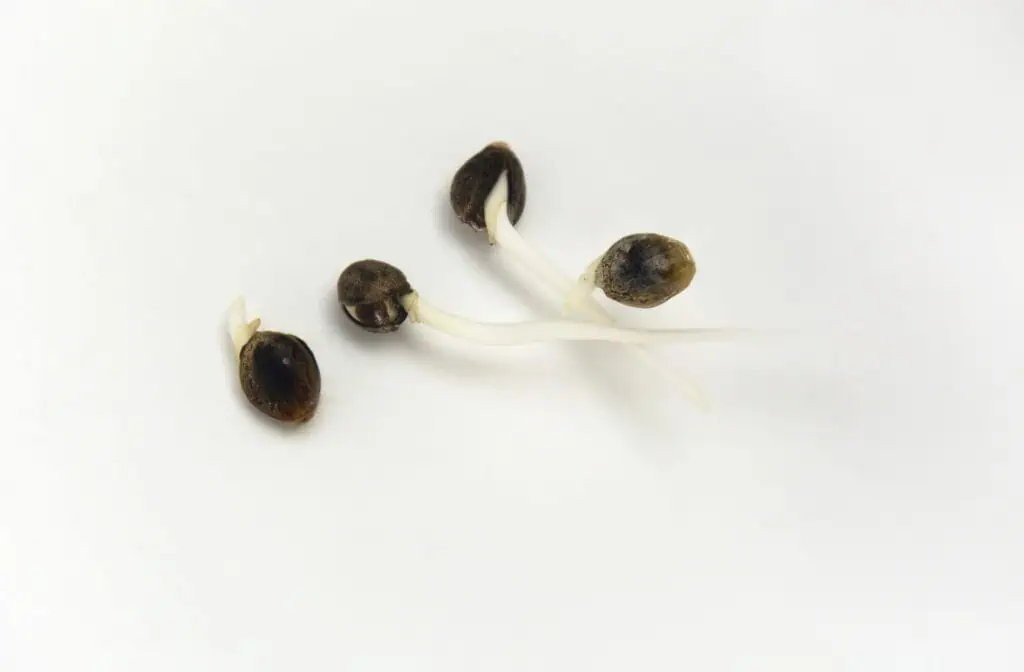
The germination stage is where your cannabis journey begins.
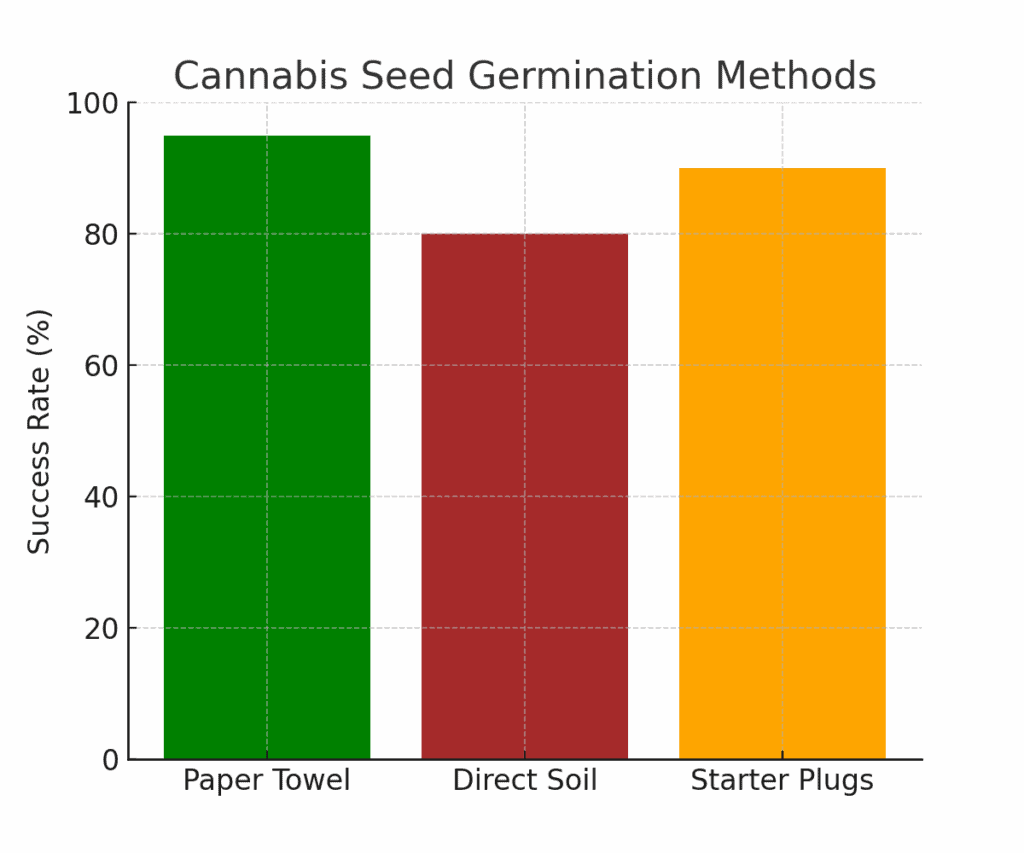
There are several popular methods to germinate cannabis seeds:
Pro Tip: When using the paper towel method, keep an eye out for the taproot. The taproot emerges as the first sign of successful germination, marking the initial step in seedling development.
Pro Tip: Handle seedlings by their leaves, not the fragile taproot, to avoid transplant shock.
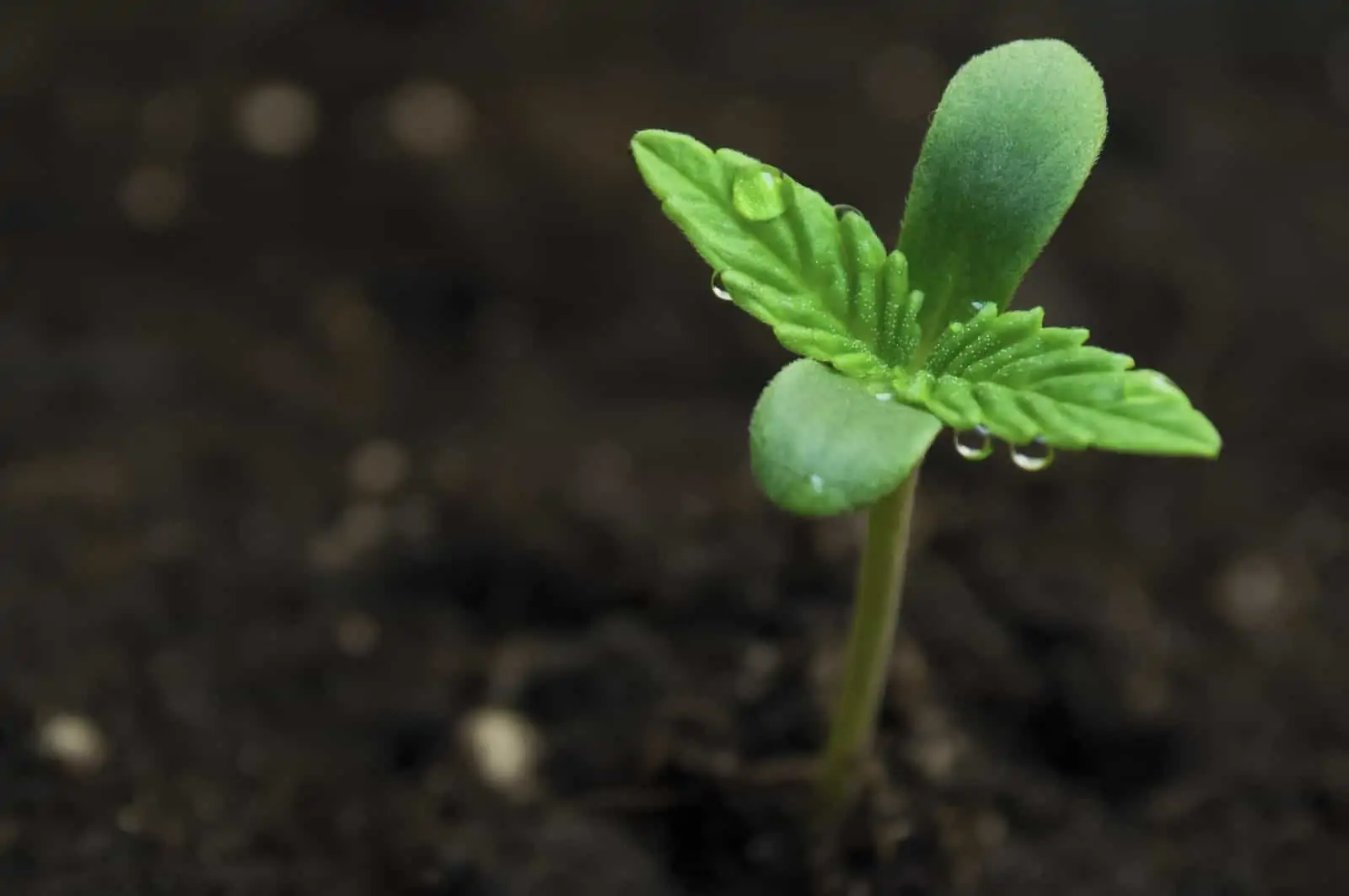
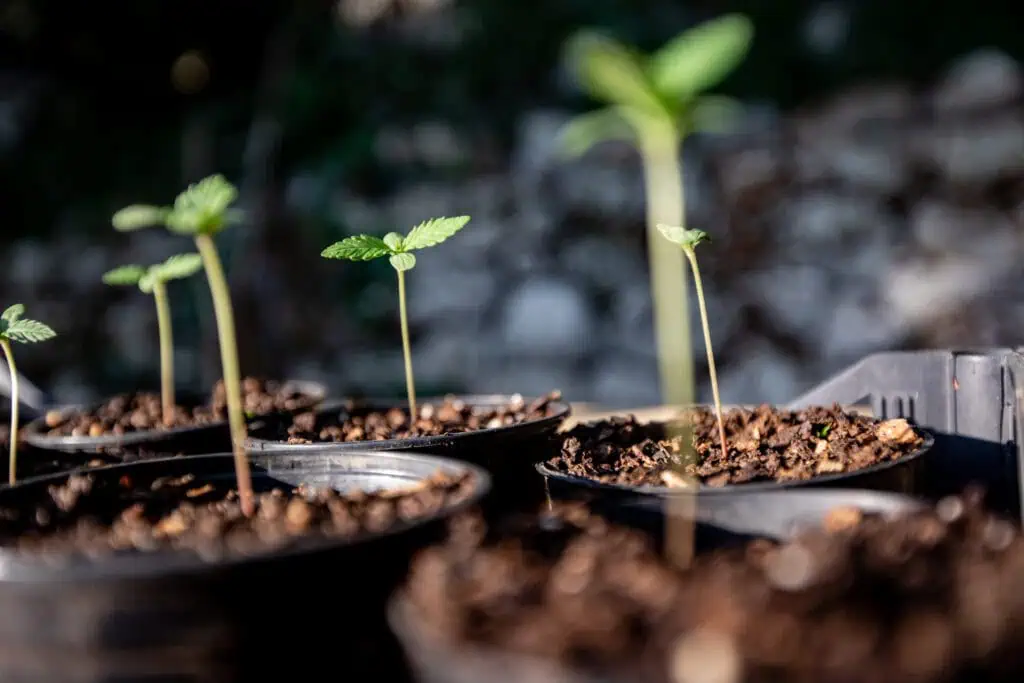
Seedlings are delicate and need careful attention. A stable growing environment is crucial for healthy seedling development.
At this stage, focus on patience and stability. Don’t introduce strong nutrients until the plant has several sets of true leaves.
This is the plant’s vegetative state, the phase of rapid growth. Veg determines overall yield potential.
During the vegetative state, the plant focuses on developing strong roots and foliage to support future flowering.
Growers often extend the veg stage to maximize plant size and future yield. Sativa plants, in particular, are known for their tall stature and narrow leaves.
Plants start flowering when the light cycle changes. For photoperiod strains, growers initiate flowering by switching to a 12/12 light cycle. This is the stage when flowering plants develop buds, and plants flower as they transition from vegetative growth.
Different strains flower at different rates. Indicas may finish in 8 weeks; sativas can take up to 12–14.
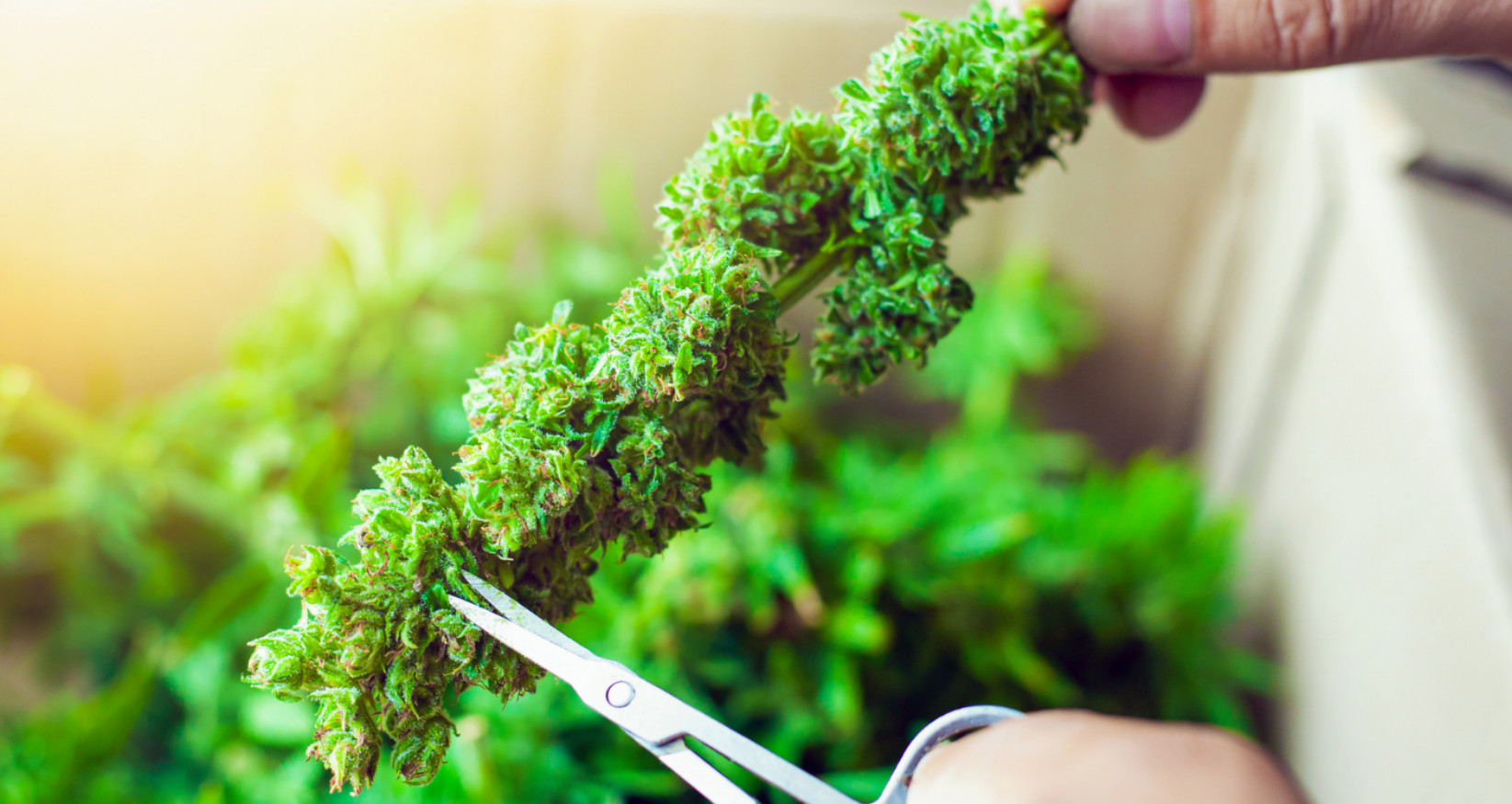
Timing harvest correctly is crucial to ensure you collect high-quality cannabis flower at peak potency.
Cut plants at the base, trim large fan leaves, and prepare for drying.
Hang trimmed branches upside down in a dark, ventilated room (60–70°F, 45–55% humidity).
Place dried buds in airtight glass jars. Open once per day for the first week, then less frequently.
Proper curing enhances flavor, aroma, potency, and smoothness.
When growing cannabis, especially at home, security and privacy are just as important as the cultivation process itself. Protecting your cannabis plants from theft, unwanted attention, legal issues, and ensuring proper storage with the right containers ensures a safe and stress-free growing experience.
For outdoor growing, use privacy screens, tall fences, or natural barriers to keep your plants out of sight. Secure gates and locks can help prevent unauthorized access to your grow space.
If you’re growing cannabis indoors, opt for grow tents or closets that can be locked and concealed, minimizing the risk of discovery.
Discretion is key—avoid discussing your grow with neighbors or on social media, and be mindful of light leaks and strong odors that could attract attention. Using carbon filters and maintaining a clean, organized grow space can help keep your operation under the radar.
“Starting from feminized seeds gave me the best harvest of my life—dense buds, no wasted males.”
“The germination stage was tricky at first, but once I got it down, I had a 100% success rate.”
“Curing is where the magic happens. My flower tasted harsh before curing, but after three weeks in jars, it was smooth and flavorful.”
Strain Selection for Goals:
-The germination phase typically takes 1 to 5 days as the seed cracks open and a taproot emerges.
-Cannabis plants in the seedling stage require high humidity, ranging from 65-70%.
-During the seedling phase, cannabis seedlings benefit from gentle light for 18 hours daily to avoid stress.
-The seedling stage lasts about 2 to 3 weeks and requires high humidity and gentle light.
-Indoor growers must manage issues like mold and pests through controlled environments, which can be more predictable than outdoor conditions.
-Growing cannabis outdoors offers lower operational costs since sunlight is free and abundant, but requires careful planning for local climate and soil conditions.
-In the vegetative stage, the cannabis plant grows taller and develops more leaves, lasting 2 to 8 weeks based on desired plant size.
-The flowering stage lasts 7 to 10 weeks, depending on the strain, and requires a light cycle of 12 hours on and 12 hours off for photoperiod strains.
-Harvesting is determined by checking the trichomes, which should transition from clear to milky or amber to indicate ripeness.
Growing weed from seed is a rewarding process that blends science, patience, and artistry.
From selecting quality genetics to germinating seeds, nurturing seedlings, training plants through veg, flowering under the perfect conditions, and curing for quality—you’ll develop not only top-shelf buds but also a deeper connection to the plant.
For beginners, success comes from simplicity, consistency, and observation. For advanced growers, success comes from refinement and technique. Regardless of experience, the joy of harvesting cannabis you grew from seed is unmatched.
More in Growing

Check your state's cannabis laws

Indoor + outdoor growing careers
 IACET Accredited Provider · online cannabis education
Since 2009 • 50,000+ students trained worldwide
IACET Accredited Provider · online cannabis education
Since 2009 • 50,000+ students trained worldwide


Copyright Cannabis Training University, a subsidiary of Online Training Providers. © 2026. All Rights Reserved.
Medical Disclaimer: The information on this website is for informational purposes only and is not intended to be a substitute for professional medical advice, diagnosis, or treatment.
Always seek the advice of a physician or other qualified health provider with any questions you may have regarding a medical condition.
Legal Compliance: Cannabis remains federally illegal. Products and information are intended only for jurisdictions where cannabis use and possession is legal.
By using this site, you affirm that you are of legal age (21+) and responsible for understanding your local laws.