


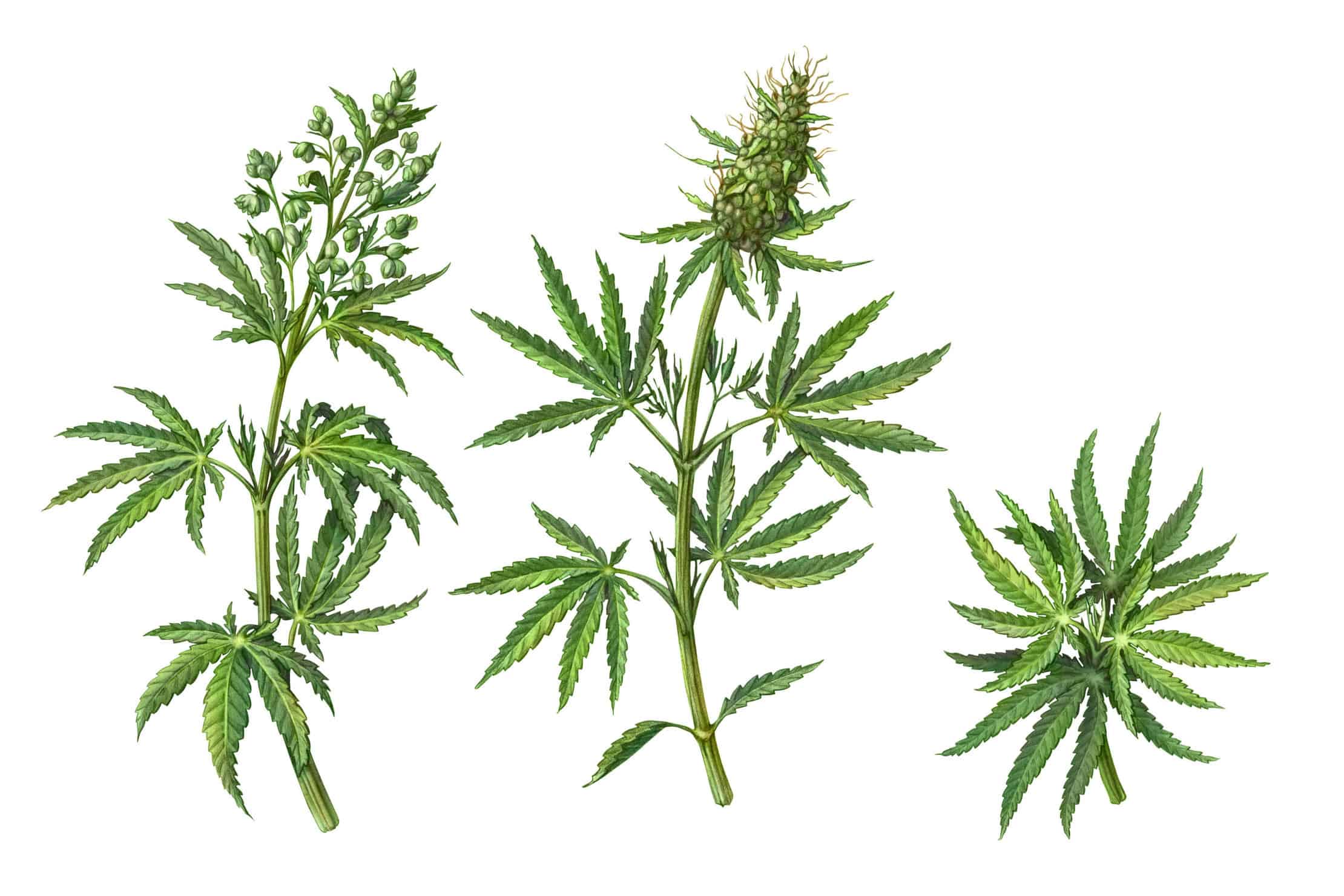
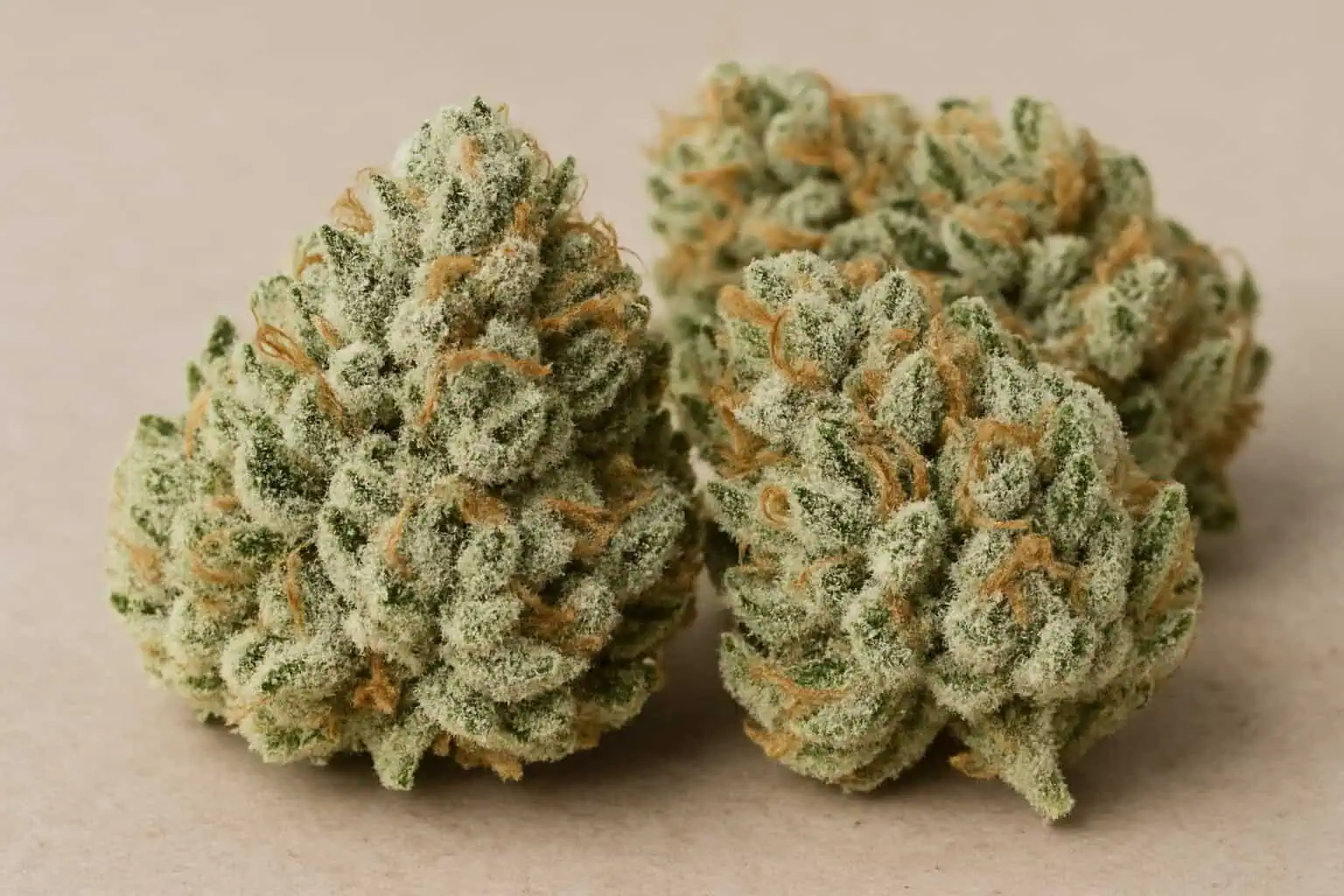
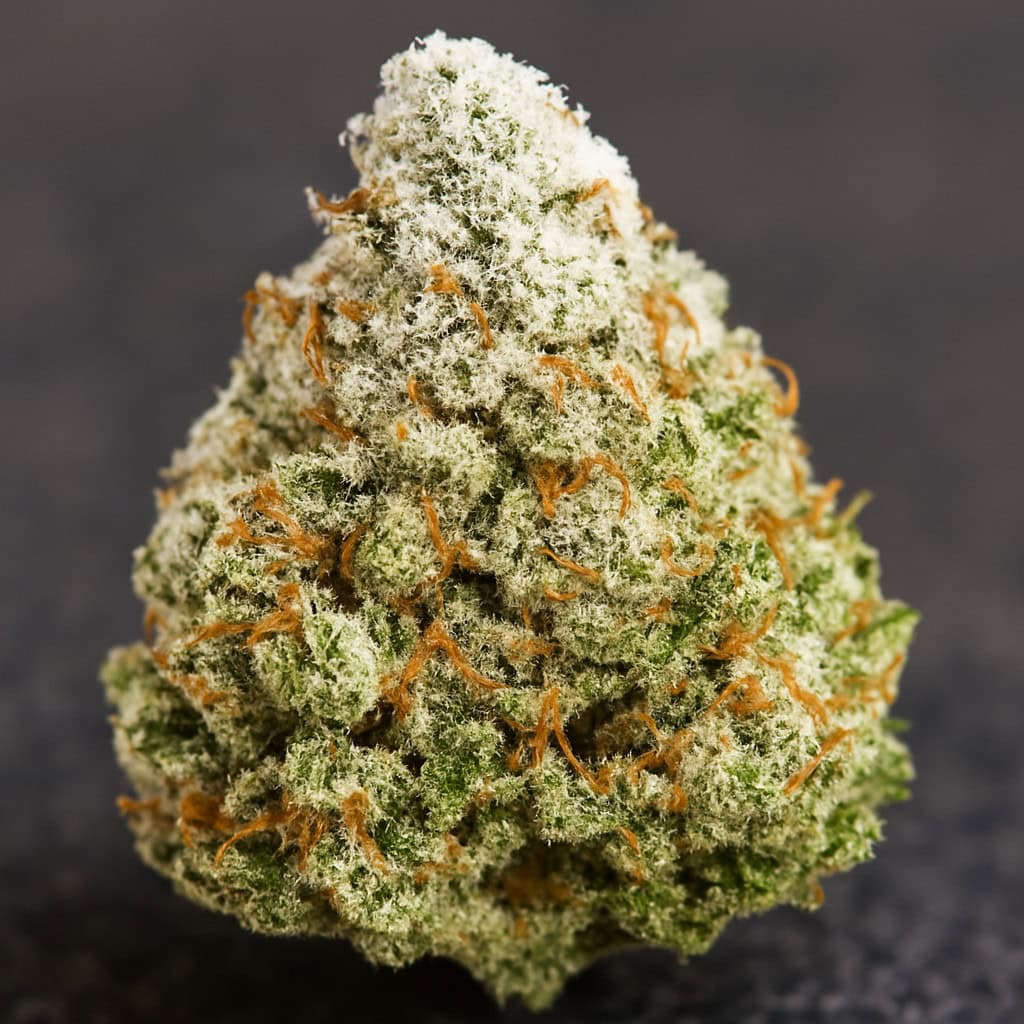
Have you ever purchased the same exact strain from two different stores and you found that they were quite different? Have you ever wondered why? Welcome to the world of weed phenotypes.
A gram of Purple Haze purchased from different dispensaries is likely to have differences with another gram of Purple Haze purchased from another dispensary.
Join us as we explain what causes the differences and what you should look out for.
In cannabis cultivation, the phenotype of a plant is important because it determines the potency of the strain, its taste and even how it looks. An organism's phenotype refers to the observable traits that result from the interaction between its genotype (genetic information) and environmental factors.
Phenotypes can be described as the same genetic material expressing itself differently. The genotype is the underlying genetic code, and the genes within this genotype interact with the environment to produce the plant's physical expression.
Simply put, phenotype describes plants’ inherent traits more accurately. Each cannabis plant represents a unique combination of genetic traits and environmental influences, resulting in diverse phenotypes even among seeds from the same parent plants.
Every strain has two parents. Obviously, these parents are a male and female, Naturally, when the female plant is fertilized by the male plant, the resultant seeds will have genetic phenotypes of both parents.
The cannabis market has grown to include people with varying tastes and preferences, leveraging on these different characteristics is ideal.
FAQ's About Weed Phenotypes
What's the real difference between phenotype and chemotype?
Phenotype includes physical traits, aromas, and effects. Chemotype refers specifically to chemical profile—cannabinoid and terpene makeup. While related, they're distinct: one is the plant's appearance and behavior, the other its chemistry.
How many generations does it take to stabilize a phenotype?
Typically 3–5 generations of backcrossing or cloning. Stability means new offspring consistently match mother plant traits
Should I pheno hunt outdoors only?
It depends on your goals. Outdoor hunts reveal environmental resilience and visual traits; indoor hunts allow controlled comparisons and faster identification.
Can dispensaries label phenotype details?
Legally, many can include phenotype numbers or descriptors on packaging if tracked through their supply chain. It's an advanced practice, but it elevates transparency.
Why does phenotype cost matter?
Elite phenotypes command higher prices from breeders and consumers. If a phenotype is known for exceptional resin production or flavor, that scarcity and quality drive premium pricing.
Introduction to Weed Phenotypes
Weed phenotypes are the observable characteristics that make each cannabis plant unique, from its physical appearance to its growth patterns and even its chemical makeup.
These traits, such as leaf shape, bud structure, color, aroma, and potency, are the result of a complex interplay between the plant’s genetic makeup and the environmental factors it experiences during growth.
Everything from the amount of light, temperature, humidity, and nutrients to the specific growing conditions can influence how a cannabis plant expresses its phenotype.
Understanding cannabis phenotypes is crucial for anyone involved in cannabis cultivation, as it allows breeders and growers to identify and select plants with the most desirable traits.
By paying close attention to these observable characteristics, cultivators can predict how a plant will perform, what effects it might produce, and how it will appeal to consumers.
How to Select Your Own Weed Phenotypes

The process of selecting phenos can be very meticulous. When carrying out the selection process, organization and tracking throughout the growing process is of utmost importance.
For tracking, growers usually mark and number every single phenotype and list its characteristics.
Here is a lay out for the best way to pick the right phenotypes you are looking for.
- When starting out, plant all your seeds, clearly labelling each with a separate tag. For example, if you are growing approximately 10 phenos of Purple Haze, you might assign them PH1, PH2, PH3 etc, until you get to PH10. The order of numbering is not as important as ensuring each phenotype is labelled and stays that way with all updates. Even seeds from the same cannabis strain can have different genotypes, which leads to variability in plant growth and traits.
- Before you consider cloning, ensure each phenotype is about 6-12 inches. On average, the might take 3-6 weeks.
- After cloning, number each clone according to the original of its phenotype. For example, PH3 being the clone of PH3 would also be named PH3, and so on. After the first stage, if you started out having ten seeds, in the end you should have 20 plants which would be 10 seedlings and 10 clones.
- Grow your clones separately in a vegetative state.
- Put the original phenos on a flowering light cycle when they are big enough (after about two months). The flowering light cycle involves 12 hours of light and 12 hours of darkness. In about 8-10 weeks post flowering, the original phenotypess should be ready for you to harvest their buds. You should be careful with these as some might be ready before others, as such give each adequate time.
- As this point, you will look at the quality of the buds and discard those that are not up to par. The ones that are doing well will be kept for future mass production. *An important point to note is that though a lot of the seeds from breeders come pre-feminized, some do not. Because we are looking for buds which only female plants produce, we should determine the sex of the plants first and discard all males. Reproductive organs typically appear a few weeks into the plant’s flowering cycle.
- At the point of harvesting, take meticulous note of the qualities of each phones bud, i.e. its structure, smell, yield, density, flavor, and overall appearance. If a pheno is not up to par, discard both it and its clone that is in the vegetative state. Though some phenos will not make the cut for reproduction, they can still be used to make pre-rolls, extracts, or even to smoke but not as premium flowers.
- Repeat the process. After you have discarded a number of the phenoss and their clones, you can now flower the remaining clones (remember the 12 hours light 12 hours dark schedule?) while at the same time create new cannabis clones to keep at the vegetative state. If you have started out with 10, you probably discarded around 6 and now have 4 remaining. Despite having identical genetics, clones can still show slight differences in physical traits due to environmental factors.
- Because the first generation of clones had been growing vegetatively all along, they will be mature enough to be flipped into flowers. Another option is to leave them to continue the process not heir own I you want bigger flowers.
- After you have flowered the clones of the 4 remaining phenos (for example), harvest them. Test their buds and take more notes.
- Repeat the process of discarding the unfit ones and keeping the winning ones.
- Continue this process until your are down to one star phenotype that you can even name. Though you do not want to discard a phenotype for minor imperfections, keeping a large number will just mean more rounds. To that end, keep meticulous records and focus only on the best. The goal is to select the best phenotypes with the most desirable traits for future cultivation.
In a very general sense, commercial cannabis growers go through at least 3 rounds to end up with a final phenotype they like. Sometimes it even takes longer.
If each round takes 8-10 weeks, 3 rounds would take 24-30 weeks. On top of that, add the extra month needed for germination.
Now you understand the process your favorite phenotype went through before it was ready for you.
What is Pheno Finding?
Pheno finding, also known as pheno hunting, is part of the process we have described above. It is the actual process of trying to select the best plant from a batch of similarly descended phenotypes.
When pheno hunting, you will consider characteristics like plant type and bud type. Each plant may express a unique combination of traits, including cannabinoid content, due to both genetic inheritance and environmental factors.
You will consider factors such as growth speed, resistance and yield, focusing on identifying plants with particular traits that match your goals as a grower.
As previously discussed, the desired traits are usually not expressed in a cannabis plant until it starts flowering. If for example you are hoping to breed shorter plants, after flowering you will be able to tell which of the phenotypes you have most closely met this criteria, and you will thus discard the rest.
When you discard the phenotypes that don’t meet criteria, remember to discard their clones too.
The plants that usually get discarded are those that are not impressive physically and don’t have appealing properties like aroma.
Is Growth Rate a Component of Weed Phenotypes?
Though many other desired traits can only be seen at the point of flowering, growth rate is apparent right from the get-go. Genetic variation among seeds leads to differences in plant growth and development. Additionally, environment influences how these genetic differences manifest in observable traits.
Many professional cannabis breeders and seed banks often go through batches of even a thousand phenotypes looking for that perfect one.
Though a very timely and laborious process, it is necessary in ensuring that only the best genetics get reproduced.
To Use or Not Use Feminized Seeds?
The importance of selecting the best phenotype cannot be stressed enough. If breeders and growers don’t take their time in finding the strongest and best of the breed, there would be a lapse in both potency and productivity.
A key to remember is that using cannabis feminized seeds is much easier, but it will give you less variety. Regular seeds, which then the grower will have to select for females, often display more genetic variations, which can be advantageous for selecting unique traits from diverse parent strains.
Several factors contribute to the variability observed in phenotypes, including genetic variations and breeding methods. Regular seeds usually have stronger characteristics from their parental lineage.
Cannabis Phenotypes and Chemotypes: Understanding the Chemical Profiles
While cannabis phenotypes describe the physical and observable traits of a plant, they are closely tied to chemotypes, the unique chemical profiles that define each cannabis plant.
Chemotypes refer to the specific combination of cannabinoids and terpenes present in a plant, which ultimately determine its effects, flavor, and aroma.
Different phenotypes, even within the same strain, can produce varying levels of THC, CBD, and other cannabinoids, as well as distinct terpene profiles that give each plant its signature scent and taste.
By analyzing these chemical profiles, breeders and cultivators can identify which phenotypes possess the most desirable traits, such as a particular terpene blend or cannabinoid ratio.
This understanding allows for the development of new cannabis varieties tailored to specific preferences or therapeutic needs, making the relationship between phenotypes and chemotypes a key focus in modern cannabis breeding.
Cannabis Strains and Cross-Breeding: How New Phenotypes Emerge
The diversity seen in cannabis strains is largely the result of cross-breeding, where breeders combine the genetic material of two or more parent strains to create new hybrids. This process introduces a wide range of genetic possibilities, allowing for the emergence of new phenotypes with unique traits and characteristics.
Environmental factors and growing conditions further influence which traits are expressed in each plant, making every cross-breeding project an exploration of genetic potential.
By carefully selecting parent strains with desirable attributes and controlling environmental conditions, breeders can encourage the development of phenotypes that exhibit improved potency, flavor, resilience, or other sought-after qualities.
This ongoing process of selection and refinement is how new cannabis strains are born, each with its own set of unique traits shaped by both genetics and environment.
Breeding for Desired Traits: The Art and Science
Breeding cannabis for specific traits is both an art and a science, requiring a deep understanding of cannabis genetics and the environmental factors that influence plant development.
Breeders aim to enhance particular characteristics—such as high resin production, unique terpene profiles, or increased resistance to pests—by selecting parent plants that already exhibit these traits.
Through careful cross-breeding and selection, they can develop new phenotypes that consistently express the desired qualities.
This process involves not only scientific knowledge of genetics and inheritance but also an intuitive sense for how certain traits might interact under different environmental conditions.
By mastering both the technical and creative aspects of breeding, cultivators can produce cannabis plants that stand out for their exceptional traits and meet the evolving demands of the market.
The Role of a Single Cannabis Seed: Unlocking Unique Potential
Every cannabis seed holds the potential to produce a unique phenotype, thanks to the combination of its genetic makeup and the environmental factors it encounters during growth.
When growing multiple seeds from the same strain, cultivators often discover a surprising range of phenotypes, each with its own set of traits and characteristics.
This genetic diversity is what makes pheno hunting—growing and evaluating multiple seeds to find the best examples—such an important part of cannabis breeding.
By observing how each seed develops under specific environmental conditions, breeders can identify and select the phenotypes that best match their goals, whether that’s a particular flavor, potency, or growth habit.
Understanding the role of a single cannabis seed in unlocking new phenotypes allows breeders to harness the full potential of genetic diversity, driving innovation and variety in the world of cannabis.
Advanced Section: Going Beyond Basics in Weed Phenotypes
Phenotype vs. Landrace vs. Hybrid — Clarifying the Distinctions
While your article covers strain variation thoroughly, it’s worth expanding on how phenotypes relate to landrace varieties and hybrids:
- Landrace strains are geographically stable cannabis populations—like Nepalese indica or Thai sativa—that exhibit consistent phenotypes due to generations of natural adaptation. These landrace varieties are examples of different cultivars that have adapted to their native environments through natural selection. Some landrace indica cultivars are characterized by broad leaves, which help them thrive in specific climates. They serve as the genetic bedrock for most modern hybrids.
- Hybrid strains are deliberately bred by combining landrace or stabilized strains. Phenotypes in hybrids can vary widely until the breeder achieves stability through pheno-hunting and backcrossing.
- Understanding these distinctions helps growers appreciate when variation is intentional (hybrid exploration) versus a sign of genetic inconsistency.
How to Assess Phenotype Stability: Year-One vs. Year-Two Differences
Phenotype expression often differs between the first and second generations grown from seed:
- Year One: Growers might observe wide variation in traits like aroma, flowering time, and structure. That’s normal—even expected.
- Year Two (and beyond): If you clone, backcross, or select runner phenotypes, trait consistency improves. Observing stability over multiple grows is the key to pheno selection for elite cuts. The plant's genotype and underlying genetic code play a crucial role in determining whether these traits remain stable across generations.
Leveraging Lab Testing: Beyond Visual Clues
Phenotypes go far deeper than looks and smells. Modern cultivators benefit from lab testing to distinguish subtle but impactful differences:
- Cannabinoid profiles reveal which phenotypes lean toward THC-dominant, CBD-rich, or balanced chemovars.
- Terpene analysis exposes nuanced profiles—e.g., high limonene vs. high caryophyllene—that guide breeding or patient recommendations.
- Minor cannabinoids like CBG, CBC, and THCV may be present in trace amounts in certain phenotypes, unlocking therapeutic possibilities.
Analyzing the expression of certain genes in different organisms through lab testing helps breeders identify phenotypes with desirable chemical profiles.
Including lab results in pheno selection elevates your professional credibility—demonstrating you’re steering decisions with data, not just observation.
Growing Environments Impact Phenotype Expression — A Deeper Dive
You already discuss environmental influence—but it’s worth emphasizing how microclimates can reveal hidden phenotypic potential:
- Indoor Controlled Environments:
- Offer consistent temperature, humidity, and lighting.
- Ideal for evaluating true genetic expression—serves as a baseline for selecting phenotypes.
- Different cultivation methods, such as hydroponics or organic soil, can also impact phenotype expression and plant structure even in controlled settings.
- Greenhouse/Outdoor Variation:
- UV exposure, natural light cycles, temperature fluctuations—all can amplify certain traits.
- Different environments and cultivation methods outdoors can lead to significant variation in phenotype expression, including changes in plant structure and terpene profiles.
- For example, some phenotypes express purple hues only under cooler night temperatures, while higher temperatures can trigger the expression of other traits, such as increased color development in certain cannabis strains.
- Outdoor grows may bring out resilience and robustness in phenotypes that appear sensitive indoors, highlighting the role of environmental influences in shaping plant characteristics.
This layered approach—testing phenotypes across environments—helps breeders isolate resilient high-performers under real-world conditions.
Phenotypes in Craft Cannabis Branding
For branded cultivators, phenotype selection is a competitive advantage:
- Consistently repeatable phenotypes build brand reliability. Customers know what to expect from “Purple Punch #3,” for instance. Consistent phenotypes also allow brands to market products derived from a single living organism, ensuring product uniformity.
- Specialty phenotypes—like rare “ectomorphic” (slender) or “compact monster bud” expressions—become signature offerings, allowing craft brands to charge premium prices.
- Clear phenotyping enhances traceability: being able to say “this batch came from our #7 pheno, noted for its pinene-led aroma and fast flowering” speaks to quality and transparency.
The Budget Behind Phenohunting
Let’s talk hard numbers—phenohunting isn’t just scientific, it’s resource-intensive:
- Seed packs often contain 10–12 seeds, but in serious phenohunting, breeders may germinate 50+ plants. Each plant represents a unique organism, and evaluating many organisms is necessary to identify the most desirable phenotypes.
- Each plant occupies valuable space, water, and nutrients during grow-out.
- Testing clones across environments doubles the investment.
- For commercial operations, the ROI comes from stable, high-yielding cuts—making phenohunting an upfront cost that pays dividends in consistency and brand value.
Picker's Guide: How to Select a ‘Keeper' Phenotype
Once you’ve grown multiple seedlings of the same strain, here’s a refined checklist for choosing your elite cut:
Trait Category | What to Observe |
|---|---|
Structural Traits | Bud density, node spacing, internode gaps, performance and vigor during the vegetative stage |
Aroma Profile | Unique terpene expression—sweet, skunky, citrusy |
Flowering Duration | Early, middle, or late finishers |
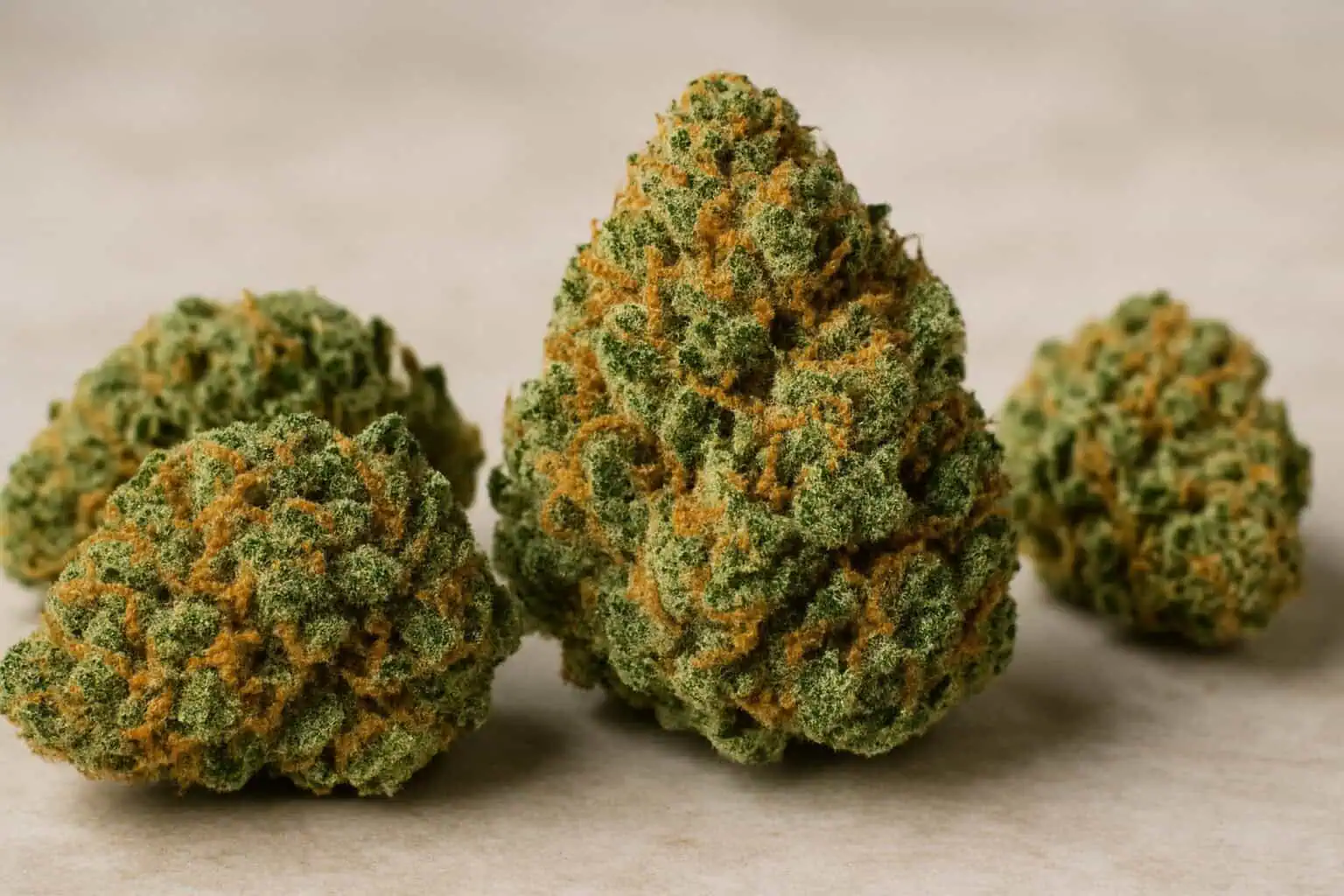
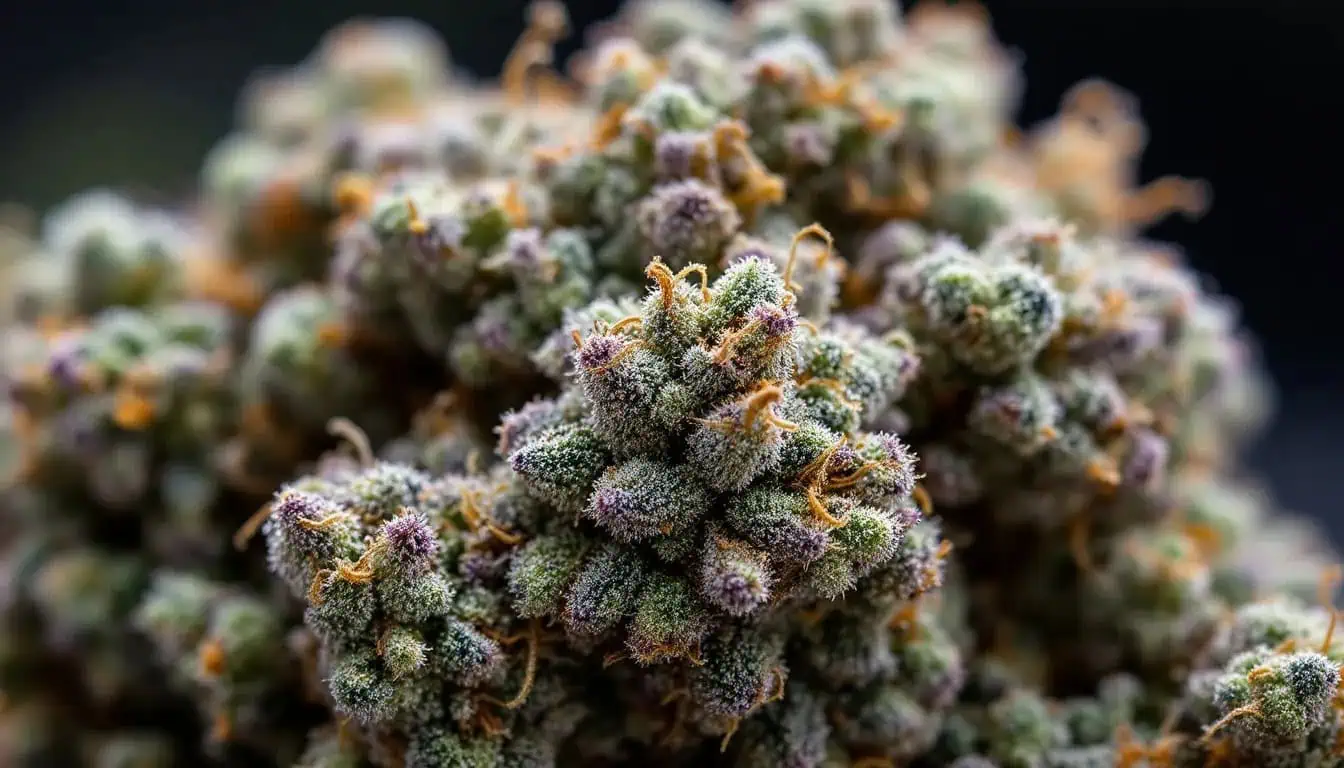
Color & Aesthetics | Not just green—look for purple, orange, variegations |
Canopy Uniformity | Height variation (fewer chop-and-drop needs) |
Test Results | THC/CBD ratio, terpene signature, minor cannabinoids |
Environmental Resilience | Consistency across indoor/outdoor or heat/cold shifts |
Expert Voice
“Phenotypes are the living proof that cannabis is both art and science. I've seen sibling plants from the same packet finish 10 days apart or smell completely different—and those discoveries become the DNA of today's celebrated strains.” — Jeff Zorn, Cannabis & Horticulture Professional
Quick Factoids to Share
- Some elite phenotypes are designated with codes like “#3” because they were the third seed in a breeder's pack that exhibited unique traits.
- Certain strains are so stable that their phenotypes remain nearly identical—like old-school landrace varieties.
- Lab-testing has revealed that even slight terpene shifts between phenotypes can significantly affect perceived effects (e.g., myrcene-heavy vs. pinene-heavy).
- Phenotype instability might undermine medical patient outcomes when they rely on consistent therapeutic effects.
Conclusion on Weed Phenotypes
By experimenting with a wide range of particular strains, a grower can find the perfect weed phenotypes which will have all the properties he/she desires. Learn all about the cannabis plant with online cannabis courses from CTU.

Gavin Kushman
Gavin is a worldly adventurer and cannabis connoisseur, embarking on journeys that take him to the far corners of the globe to explore and document the varied effects, flavors, and histories of both renowned and lesser-known strains. From the misty high-altitude farms of the Hindu Kush highlands to the vibrant cannabis cafes of Amsterdam, Gavin's quest for knowledge spans continents. A recognized authority in the cannabis industry, he frequently lends his expertise to leading publications such as Cannabis Training University, where his captivating blog articles chronicle his unique experiences with different cannabis strains.




 Jeff was involved in an accident where he endured a traumatic brain injury. He had a week-long stay in ICU where brain surgeons
  100% risk free money back guarantee within 48 hours after purchase if student has not completed any of the courses or exams.
