


Cannabis Laws: State & Federal Guide (2026)

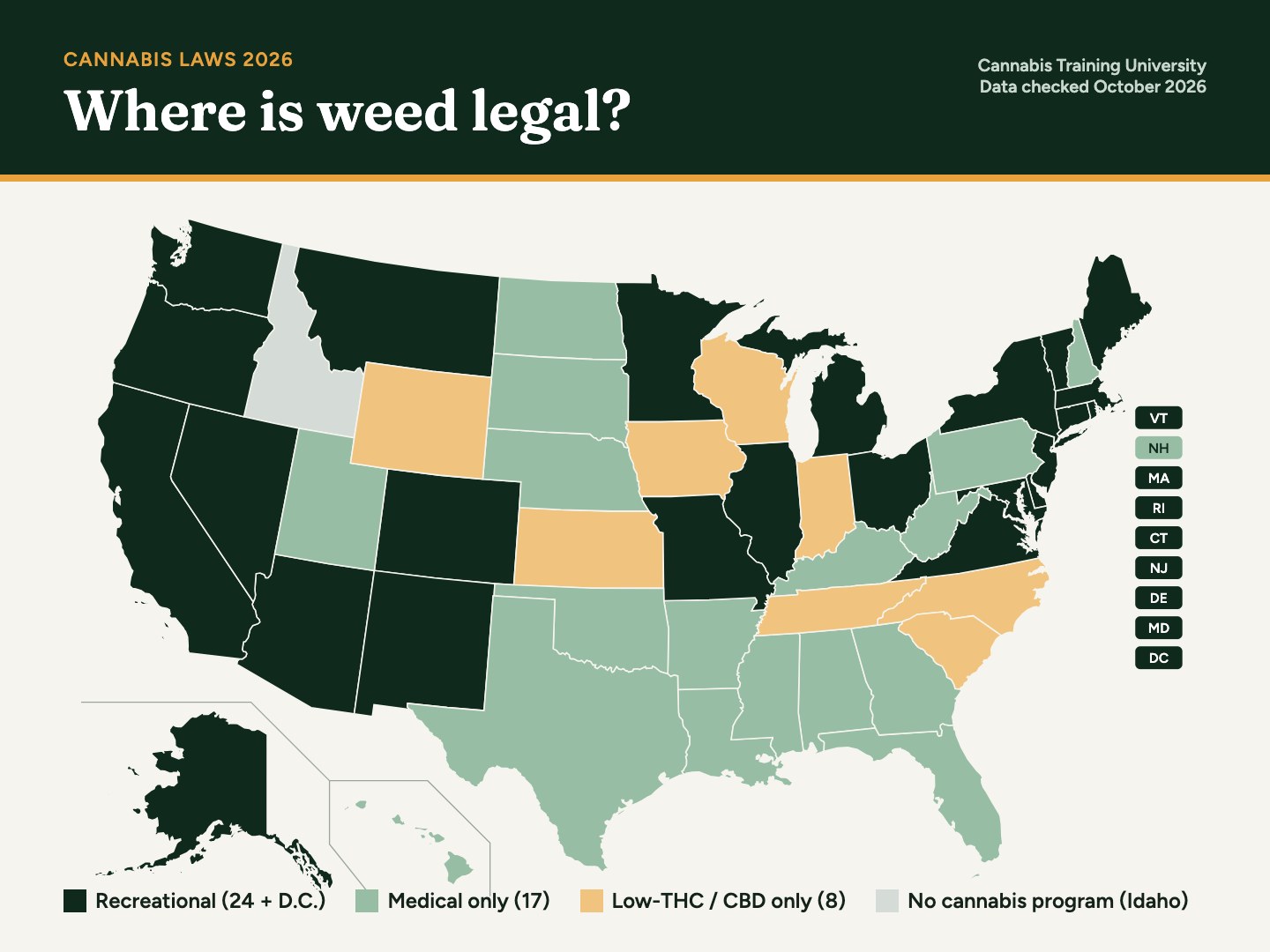
Where is weed legal?Interactive map and cannabis laws for all 50 states + D.C., with official sources.See the State Laws Map →Federal status: Federally, marijuana is still Schedule I, except FDA-approved products and state-licensed medical marijuana, which have been Schedule III since April 28, 2026. Recreational use remains federally illegal. Federal Register final rule 2026-08176
Cannabis laws by state: A–Z (all 50 states + D.C.)
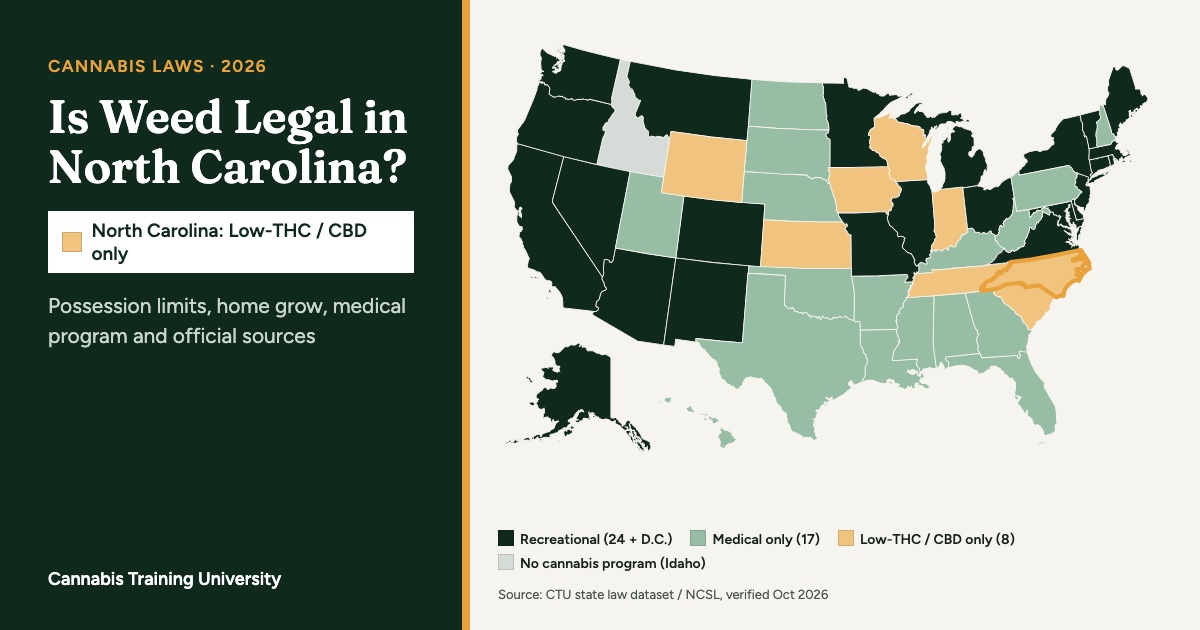
Cannabis laws change from state to state, and federal law sets its own rules on top. Use our state laws map for possession limits, home grow rules and official sources for all 50 states and D.C. Federally, marijuana is still Schedule I, except FDA-approved products and state-licensed medical marijuana, which have been Schedule III since April 28, 2026. Recreational use remains federally illegal.
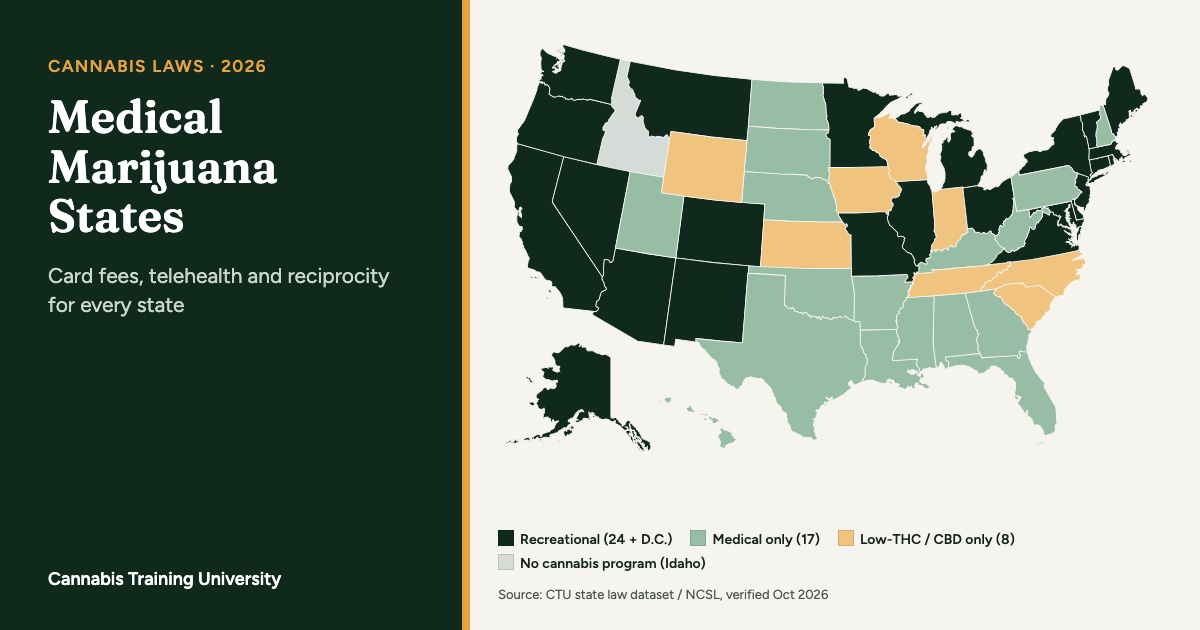
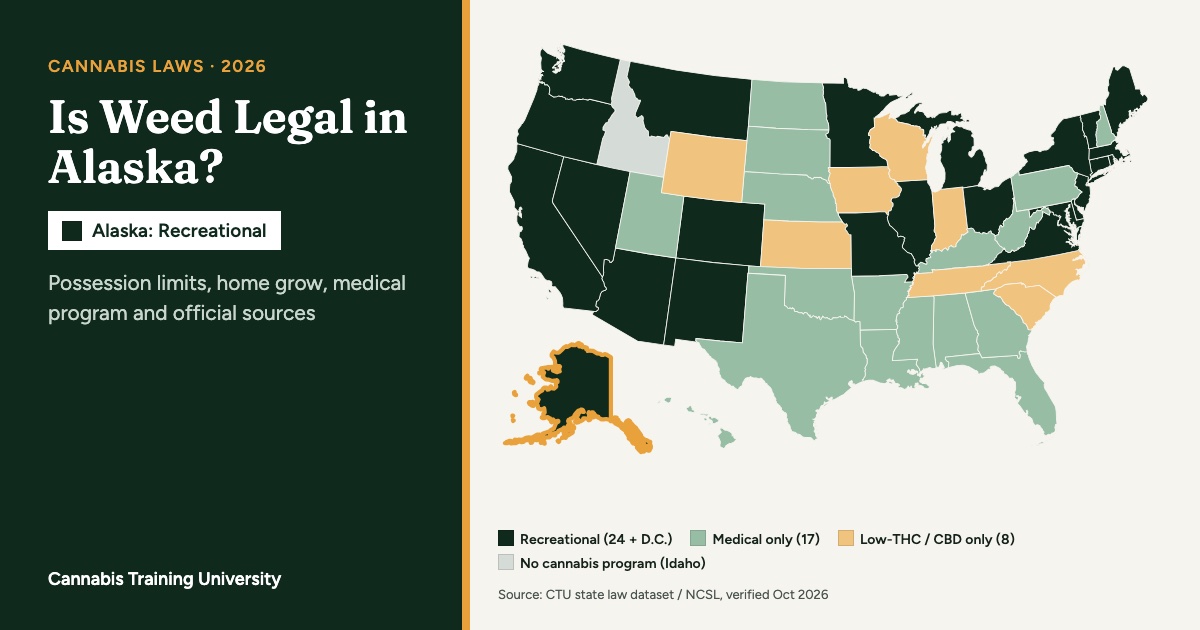
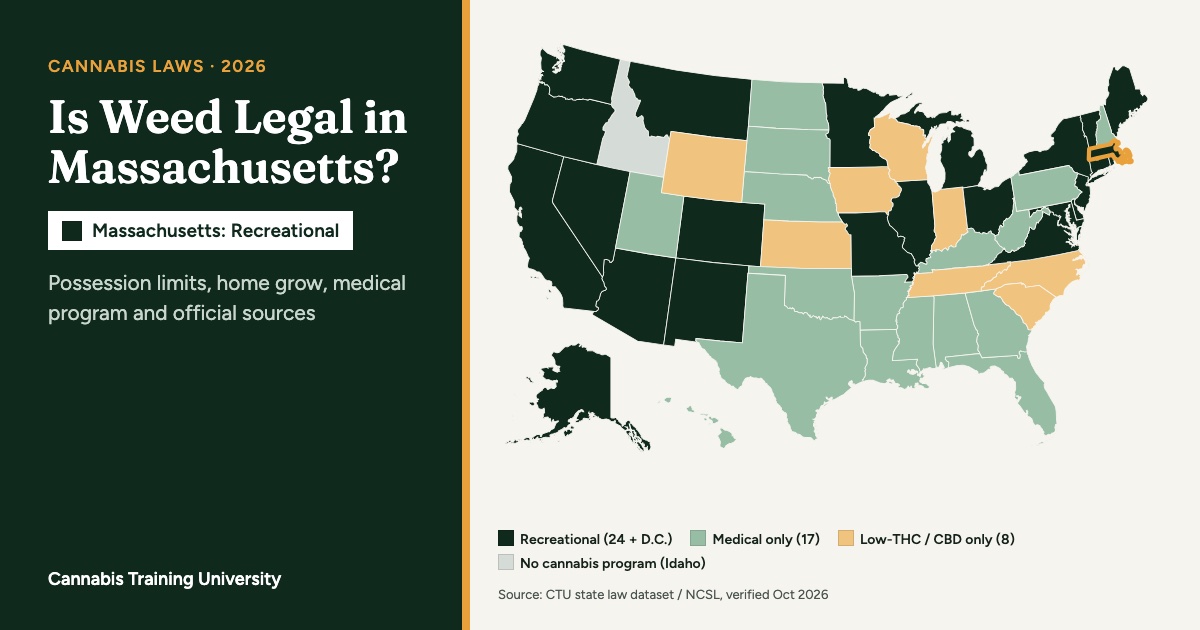
Map of US cannabis laws in 2026: recreational in 24 states and D.C., medical only in 17, low-THC or CBD only in 8, no program in Idaho

Introduction to Cannabis Laws

Cannabis laws in the United States are a patchwork of state legalization, federal prohibition, medical programs, recreational programs, local regulations, and compliance requirements. This creates confusion for consumers, job seekers, business owners, medical patients, and industry professionals who need to navigate different legal frameworks depending on their location and purpose. This hub breaks down cannabis laws into clear, understandable sections, covering federal policy, state-by-state variations, medical versus recreational frameworks, and compliance essentials for cannabis professionals.

State Legalization

Federal Prohibition

Medical Programs

Recreational Programs

Local Regulations

Compliance

Understanding Cannabis Laws

Federal Cannabis Laws Explained

Federally, marijuana is still Schedule I, except FDA-approved products and state-licensed medical marijuana, which have been Schedule III since April 28, 2026. Recreational use remains federally illegal. Federal law also affects banking, interstate commerce, employment and business operations.

State-by-State Cannabis Laws

Every state has its own cannabis laws covering medical legalization, recreational legalization, possession limits, purchase limits, home grow rules, licensing requirements, product restrictions, and testing standards. State laws determine who can buy cannabis and what products are allowed.

Medical vs. Recreational Cannabis Laws

Medical and recreational cannabis programs operate under different legal frameworks. Medical programs require patient registration, doctor recommendations, and medical conditions lists. Recreational programs have age restrictions (21+), higher taxes, and different access rules.

Cannabis Compliance Basics

Compliance is the foundation of every cannabis career. It covers seed-to-sale tracking, testing requirements, packaging and labeling, sales limits, and documentation. Every employee is responsible for compliance, not just management.

How Cannabis Laws Impact Jobs & Businesses

Cannabis laws determine who can work in the industry, what training is required, what businesses must document, how products are sold, and what penalties exist for violations. Employees must follow SOPs, understand compliance basics, and avoid medical claims.

Common Misunderstandings About Cannabis Laws

Cannabis is not legal everywhere. Medical and recreational laws differ significantly. Budtenders cannot give medical advice. Federal law still matters for banking and commerce. Compliance is every employee's responsibility, not just management.

Cannabis Laws Deep Dive

Federal Cannabis Laws Explained

Under federal law, marijuana is still a Schedule I controlled substance, with two exceptions: since April 28, 2026, FDA-approved drug products containing marijuana and marijuana covered by a state medical marijuana license are in Schedule III. Recreational (adult-use) marijuana remains illegal under federal law. A separate proposal to move all marijuana to Schedule III is still pending: DEA set a hearing on it to begin June 29, 2026, and no final rule has been published. Key federal concepts include the Controlled Substances Act (which sets the drug schedules), the Cole Memo (past guidance for states to regulate responsibly), the Rohrabacher–Farr Amendment (limits federal interference with state medical programs), banking restrictions, and the interstate commerce prohibition (cannabis cannot legally cross state lines).
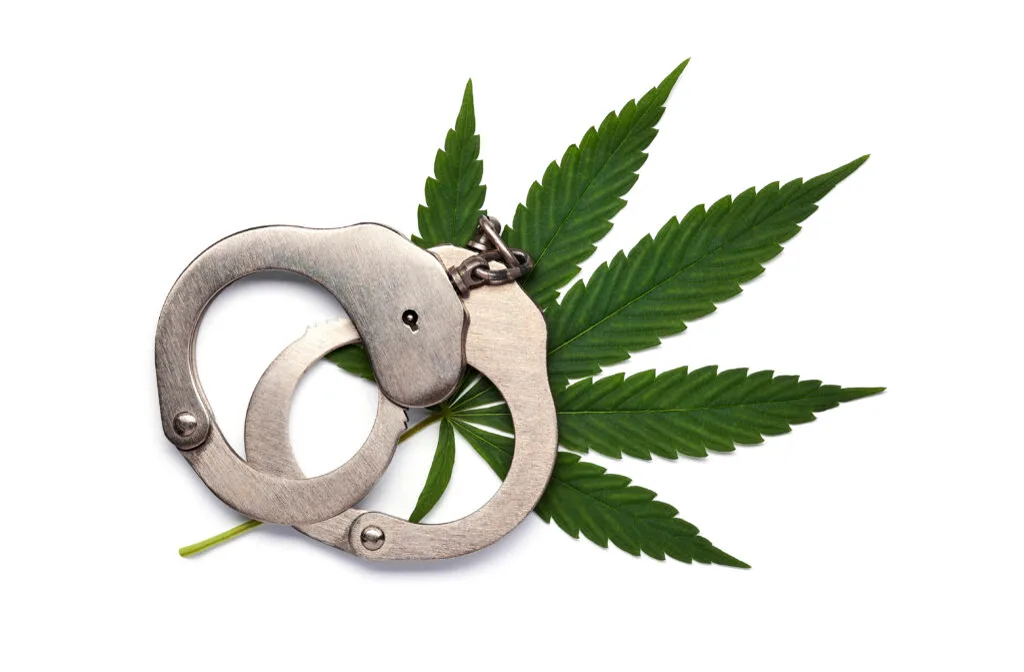
Cannabis leaf and handcuffs on white background
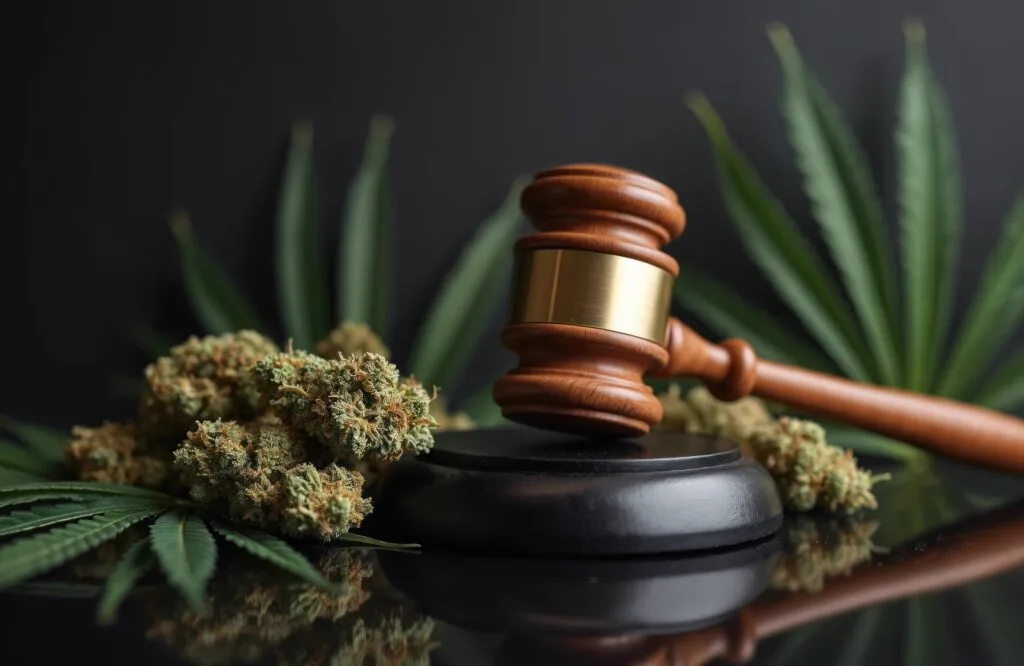
Wooden judge gavel and sound block represent legality of cannabis. Hemp buds and leaf on black mirror background reflect legal and illegal cannabis issues. Represents law and justice.

State-by-State Cannabis Laws

Every state has its own cannabis laws. These laws vary across medical legalization, recreational legalization, possession limits, purchase limits, home grow rules, licensing requirements, product restrictions, and testing standards. State laws determine who can buy cannabis, what products are allowed, how businesses operate, and what compliance rules apply. For example, Puerto Rico allows medical cannabis but recreational use remains illegal. North Carolina prohibits both medical and recreational cannabis. Understanding state-specific laws is essential because what is legal in one state may be completely prohibited in another, and crossing state lines with cannabis violates federal law.

Medical vs. Recreational Cannabis Laws

Medical and recreational cannabis programs operate under different legal frameworks. Medical cannabis laws typically include patient registration, doctor recommendations, medical conditions list, purchase limits, product restrictions, and caregiver rules. Recreational cannabis laws typically include age restrictions (21+), purchase limits, public consumption rules, taxation, and retail licensing. Key differences include age requirements (18+ for medical, varies by state; 21+ for recreational), taxes (lower for medical, higher for recreational), potency (often higher for medical, regulated for recreational), access (patients only for medical, adults 21+ for recreational), and protections (medical rights versus consumer rights).
Dispensary staff talking with customers at a counter lined with cannabis jars
Farm owners and workers who maintain the cannabis plantation. Track the progress of the cannabis flower in the garden. with live broadcast on social media

Cannabis Compliance Basics

Compliance is not optional. It is the foundation of every cannabis career. Compliance affects cultivation, manufacturing, retail, distribution, testing, packaging, and labeling. Core compliance requirements include seed-to-sale tracking (every plant and product must be tracked), testing requirements (cannabis must be tested for potency, contaminants, pesticides, and microbials), packaging and labeling (labels must include THC/CBD content, batch number, testing results, and required warnings), sales limits (retail staff must enforce legal purchase limits), and documentation (every action must be recorded). Understanding and following compliance requirements protects licenses, employees, and business operations.

How Cannabis Laws Impact Jobs & Businesses

Cannabis laws determine who can work in the industry, what training is required, what businesses must document, how products are sold, and what penalties exist for violations. Compliance mistakes don't just affect businesses — they affect employees, licenses, and future opportunities. For employees, requirements include following SOPs, understanding compliance basics, avoiding medical claims, verifying IDs, and following purchase limits. For businesses, requirements include maintaining records, passing inspections, following security rules, complying with testing, and avoiding diversion. Every employee is responsible for compliance, not just management.
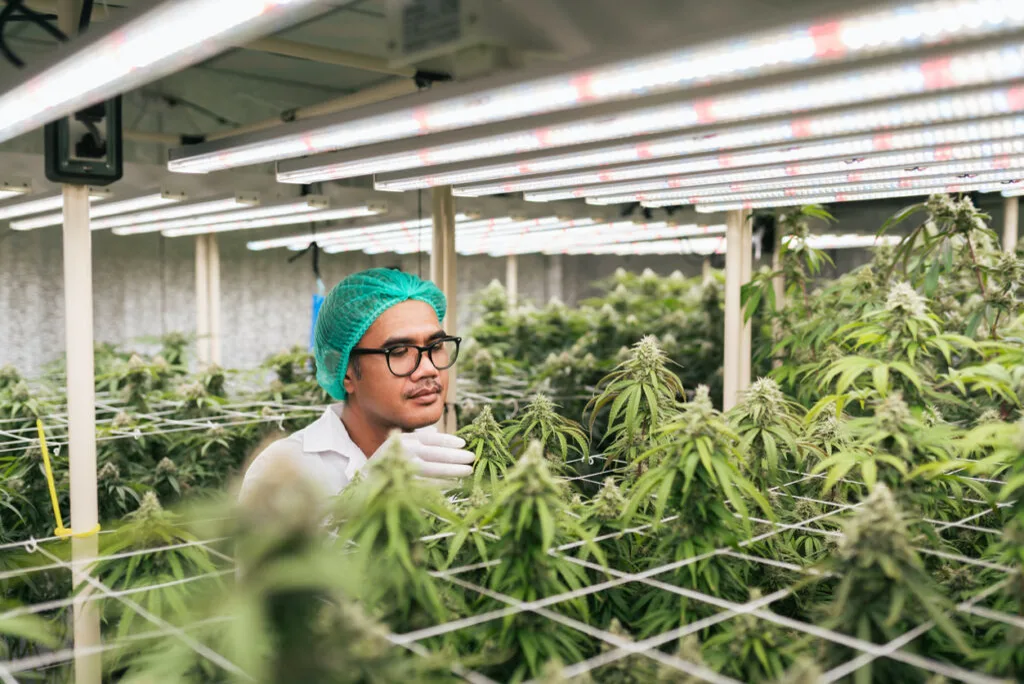
Asian man cannabis researcher checking cannabis flower in lab farm greenhouse.
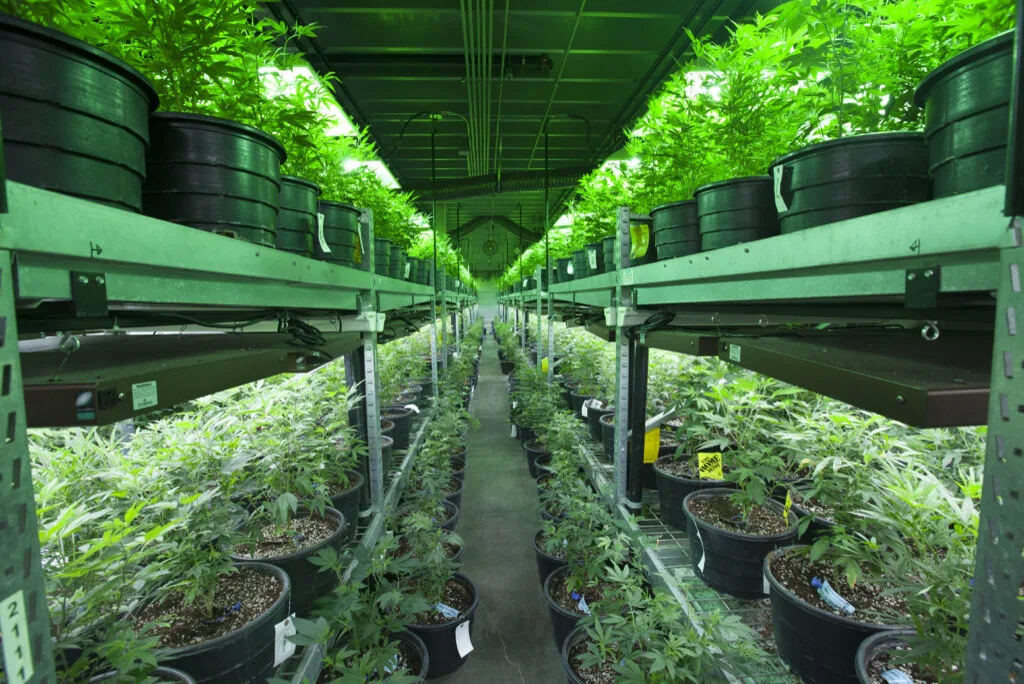
Industrial,Marijuana,Grow,Operation

How to Stay Compliant in a Regulated Industry

Compliance requires training, documentation, awareness, professional communication, and understanding of state rules. Best practices include learning your state's laws, understanding purchase limits, avoiding medical claims, following SOPs, documenting everything, and staying updated as laws change. Common misunderstandings include thinking cannabis is legal everywhere (laws vary dramatically by state), assuming medical and recreational laws are the same (they differ significantly), believing budtenders can give medical advice (this is prohibited in every legal state), thinking federal law doesn't matter (it still affects banking and commerce), and assuming compliance is only management's job (every employee is responsible).
Senior farmer inspecting his cannabis plants in hemp field while using a laptop.

Master Cannabis Laws & Compliance with Professional Training

Cannabis Training University has trained more students than any other online cannabis education provider. Since 2009, CTU has helped cannabis professionals understand federal and state laws, compliance requirements, regulatory frameworks, and professional standards. With comprehensive training covering cannabis legalization, medical versus recreational programs, seed-to-sale tracking, testing requirements, packaging and labeling rules, and how to stay compliant in regulated environments, you'll navigate the legal landscape with confidence. Learn what compliance means for your role, how to avoid common legal misunderstandings, how cannabis laws impact jobs and businesses, and how to protect your career and your employer's license through proper documentation and professional practices.

More Cannabis Law Articles

2026 Cannabis Ballot Measures

2026 Cannabis Ballot Measures

Cannabis measures on the November 3, 2026 ballot (Massachusetts Question 8, Idaho HJR 4) and initiatives that did not qualify, with official state sources.
Read more
Medical Disclaimer
The information on this website is for educational purposes only and is not intended as medical advice. Always consult a qualified healthcare professional.
Legal Compliance Disclaimer
Cannabis remains illegal under U.S. federal law. Education provided is intended only for jurisdictions where cannabis activity is legal. Users are responsible for understanding local laws.
Guarantee
7-day money-back guarantee · Refund Policy
  • Cannabis Training University 600 17th St, Suite 2800 Denver, CO 80202
© 2026 Cannabis Training University. All Rights Reserved. Cannabis Training University® is a registered trademark of Online Training Providers LLC.

Copyright Cannabis Training University, a subsidiary of Online Training Providers. © 2026. All Rights Reserved.

Medical Disclaimer: The information on this website is for informational purposes only and is not intended to be a substitute for professional medical advice, diagnosis, or treatment.
Always seek the advice of a physician or other qualified health provider with any questions you may have regarding a medical condition.
Legal Compliance: Cannabis remains federally illegal. Products and information are intended only for jurisdictions where cannabis use and possession is legal.
By using this site, you affirm that you are of legal age (21+) and responsible for understanding your local laws.


Divider Text
7-day money-back guarantee. See our Refund Policy at /refund-policy/.