


If you’re growing weed at home, knowing when to separate male and female weed plants is one of the most important skills you can learn. The timing of this step can mean the difference between potent, seedless buds and a completely pollinated crop with lower quality and potency.
Understanding cannabis plant gender and cannabis plant sex is essential, as these factors determine the reproductive features and overall success of your cultivation.
Whether you’re starting from feminized weed seeds or regular seeds, understanding sex identification, pre-flower signs, and separation techniques will help you grow healthy, high-yield marijuana plants.
Introduction to Cannabis Plants
Cannabis plants are unique in the plant world because they are dioecious—meaning each cannabis plant is either male or female. For cannabis growers, understanding the difference between male and female cannabis plants is the foundation of a successful harvest.
Most growers prefer female cannabis plants because they produce the resinous buds packed with cannabinoids like THC and CBD, which are prized for their potency and effects.
In contrast, male cannabis plants are mainly valued for breeding, seed production, and, in some cases, for their strong stalks used in hemp fiber.
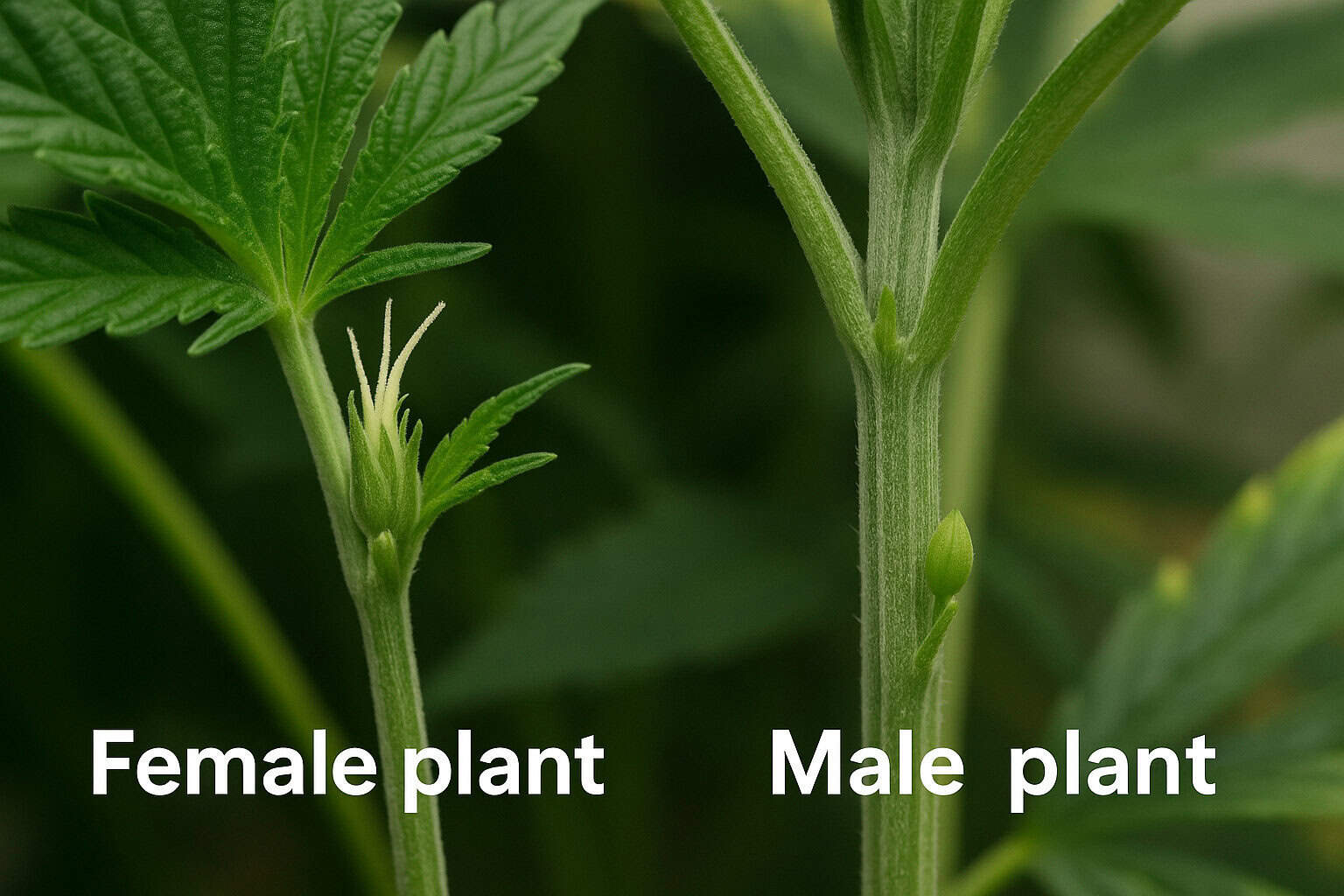
Identifying male and female plants early is essential for anyone growing cannabis. Female plants develop female pre-flowers at the nodes where branches meet the main stem.
These pre-flowers are teardrop-shaped and soon display white hairs, or pistils, which are the first sign that a plant will produce buds.
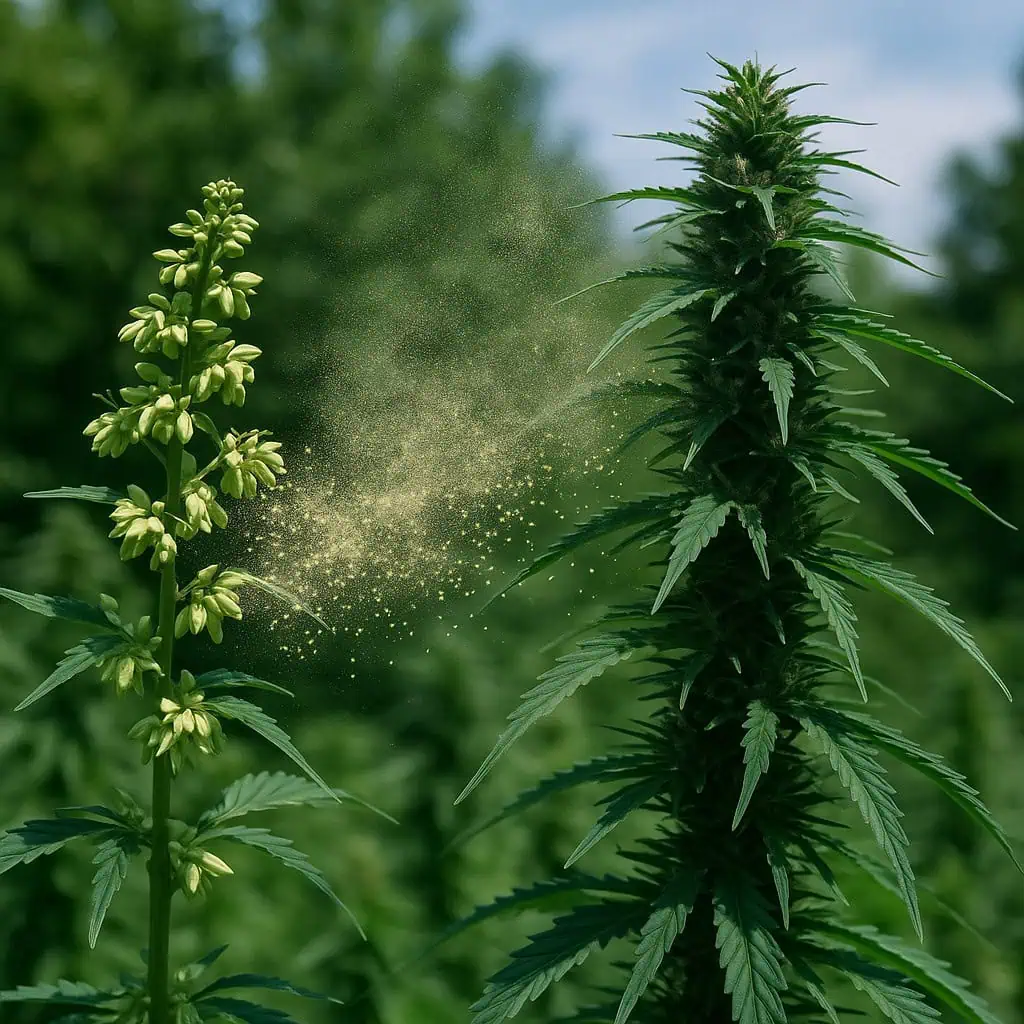
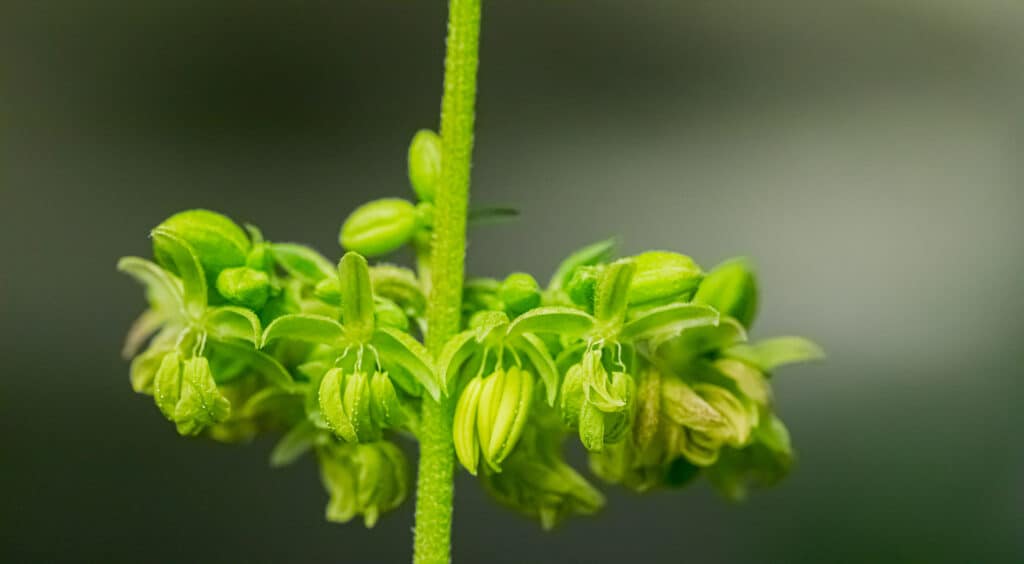
Male plants, on the other hand, develop small pollen sacs—often described as spade-shaped or round balls—that appear a bit earlier than female pre-flowers. These pollen sacs eventually open to release pollen, which can fertilize female plants and trigger seed production.
For most growers, the goal is to produce seedless buds, known as sinsemilla, which are more potent and enjoyable. This is why it’s so important to separate male and female plants as soon as you can identify them.
*If male plants are left in the grow space, their pollen sacs will eventually open, and the male pollen can fertilize female plants, leading to seeded buds and reduced quality.
Most growers remove male plants as soon as they spot male pre-flowers, but some may choose to keep male plants for breeding new strains, producing feminized seeds, or harvesting hemp fiber.
There are several ways to determine the sex of your cannabis plants. The most common is visual inspection of pre-flowers once the plants reach sexual maturity, but some growers use chemical leaf testing for earlier results.
Whichever method you choose, early identification and removal of male plants is key to maximizing your yield of high-quality, seedless buds.
In the following section, we’ll take a closer look at the physical characteristics, growth patterns, and roles of male and female cannabis plants.
You’ll also learn why early identification is so important and get practical tips to help you separate male and female plants for the best possible harvest. Knowing when to separate male and female weed plants is of utmost importance for anyone growing cannabis plants.
Male vs. Female Weed Plants: What’s the Difference?

Weed is a dioecious plant, meaning it grows as either male or female. Each plant plays a unique role: learn more about the best weed strains for sex and how different strains may impact your experience.
- Female Weed Plants – Produce sticky, resin-covered buds rich in THC, CBD, and other cannabinoids. These are the flowers people smoke, vape, or use in edibles. A female cannabis plant is prized for its ability to produce high-quality, resinous buds packed with cannabinoids. Female marijuana plants are essential for growers seeking potent, consumable flowers.
- Male Weed Plants – Produce pollen sacs instead of smokable buds. Their primary purpose is to fertilize female plants for seed production. The male cannabis plant is recognized by its pollen sacs and plays a crucial reproductive role. Male marijuana is important for breeding and seed production, but a male marijuana plant typically has thicker stalks and fewer leaves. Male marijuana plants are generally removed from grow rooms to prevent pollination of females.
Male plants tend to have fewer leaves compared to female plants, making “fewer leaves” a useful trait for distinguishing between the sexes.
Identifying male cannabis plants early is crucial for successful cultivation and preventing unwanted pollination.
Why Knowing When To Separate Male and Female Weed Plants is Critical
When male weed plants pollinate females:
- The female plants stop focusing on bud growth and put energy into making seeds.
- Bud potency and THC levels drop significantly.
- Smoking seeded weed results in a harsher taste and less enjoyable experience.
To grow premium-quality weed, you need to remove male plants as soon as you can identify them. Only female cannabis plants and only female plants produce the potent, seedless buds that growers desire.
Growing from Feminized Weed Seeds vs. Regular Seeds
Feminized Weed Seeds
- Produce only female weed plants 99% of the time.
- Ideal for beginners and growers who want to avoid the extra step of removing males.
- Made by breeding female plants to produce seeds without male chromosomes.
Regular Weed Seeds
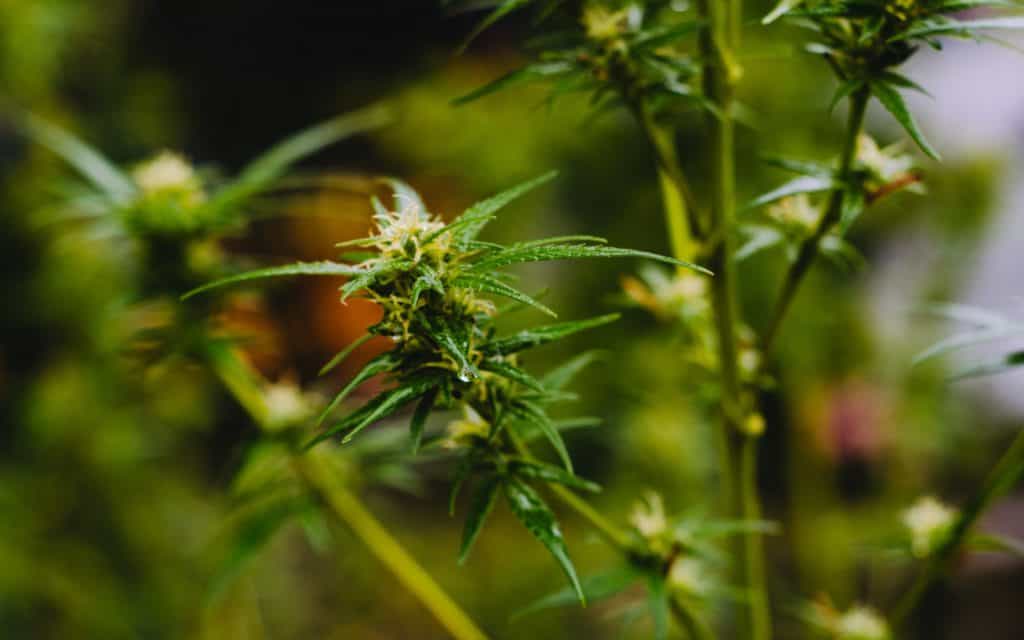
- Produce both male and female weed plants (roughly a 50/50 ratio).
- Require careful monitoring to identify plant sex during the early flowering stage.
- Often used by breeders who need male plants for new strain development.
When to Identify the Sex of Weed Plants: Identifying Male Cannabis Plants
Weed plants reveal their sex during the pre-flowering stage, usually 4–6 weeks after germination. If grown indoors, this happens shortly after switching to a 12 hours light / 12 hours dark cycle. However, sex identification can sometimes begin during the vegetative stage, as male and female pre-flowers may start to develop before full flowering.

Signs appear at the nodes—the points where branches meet the main stem.
- Male Pre-Flowers: Small round balls (pollen sacs) without white hairs.
- Female Pre-Flowers: Small teardrop-shaped calyxes with female pistils—wispy white hair structures—emerging. These pistils eventually form the flower buds as the plant matures.
Males often reveal themselves a few days before females.
Early sex testing is important for identifying male and female pre-flowers, allowing growers to separate plants before unwanted pollination occurs.
When to Separate Male and Female Weed Plants
The moment you identify a male plant, separate it from the grow space immediately.
Pollen can travel through the air and pollinate females from a surprising distance—especially if you have fans running in your grow room.
Key Timeline:
- Week 4–6 (Veg to Pre-Flower) – Start checking daily for sex indicators.
- Within Days of Light Switch – Males will show first; remove immediately.
- Before Pollen Release – This can happen fast—sometimes within a week of seeing male pre-flowers.
The Role of Fans in a Weed Grow Room
Fans are essential for air circulation, stem strength, and mold prevention, but they can also spread pollen if male plants are present.
- If you spot a male plant, turn off oscillating fans nearby before removal to reduce pollen spread.
- Always handle male plants gently to avoid shaking loose pollen.
How to Remove Male Weed Plants Without Pollinating Females
- Identify – Confirm male sex with multiple nodes showing pollen sacs.
- Turn Off Fans – Prevent pollen from blowing around.
- Bag the Plant – Slip a large plastic bag over the plant before cutting to trap pollen.
- Cut & Dispose – Remove the plant entirely. Don’t compost it near your grow.
- Clean Grow Area – Wipe surfaces to remove stray pollen grains.
Why Keep Male Weed Plants?
Keeping male plants is a deliberate choice for some growers, as it allows them to take advantage of the unique benefits male cannabis plants offer. While most home growers discard males, they’re essential for:
- Breeding New Strains – Cross-pollinate with select females to create unique genetics.
- Hemp Fiber Production – Males grow taller with stronger stalks.
- Edible Seeds – Fertilized female plants produce seeds high in protein and omega fatty acids.
Preventing Hermaphrodite Weed Plants
Sometimes a plant will show both male and female traits, known as hermaphroditism. Hermaphroditic plants can self pollinate, which results in the plant producing seeds even without a male present. Causes include:
- Stress – Fluctuating light schedules, extreme temperatures, nutrient issues.
- Genetics – Some strains are more prone to hermaphroditism.
Tip: Inspect plants weekly during flowering. Remove any with male flowers to avoid pollination.
FAQ: Male and Female Weed Plants
How do I tell male weed plants from females?
Cannabis plant sex is determined by examining pre-flowers. Male plants develop small, round pollen sacs, which are pollen-producing structures, and these sacs eventually grow into bell shaped flowers and mature male pollen sacs. These bell shaped flowers are a key sign of male plants. In contrast, females have teardrop calyxes with white pistils.
Can you grow weed without separating males and females?
es, but you’ll get seeded buds with lower potency and harsher smoke.
When should I start looking for plant sex?
Around week 4–6 from seed, or a few days after switching to a 12/12 light cycle.
Can fans spread male pollen?
Yes. Male plants release pollen from pollen sacs during the flowering stage. Pollen can travel through the air and stick to surfaces, clothing, and even pets.
Is it better to start with feminized weed seeds?
For beginners and those seeking only bud production—yes. Feminized seeds eliminate male plants in most cases.
Pro Tips for Maximizing Female Weed Plant Yields
Keep Environment Stable – Consistent temperature (70–80°F) and humidity (40–50% in flowering) help avoid stress.
Train Your Plants – Low stress training (LST) and topping increase bud sites.
Feed Properly – Use a bloom nutrient formula during flowering for bigger buds.
Light Quality – Full-spectrum LED lights help produce dense, resinous flowers.
Interesting Facts About Male and Female Weed Plants
-Male pre-flowers appear as small, egg-shaped sacs around 3-4 weeks after germination.
-Female pre-flowers look like small V-shaped structures with white hairs (pistils).
-Plants can reveal their sex through pre-flowers as early as 3-4 weeks from germination for males and 4-6 weeks for females.
-Male plants typically have a less bushy structure compared to female plants.
-The main reason cannabis growers separate male and female plants is to maximize the yield and quality of their harvest.
-Male plants usually grow taller and have fewer leaves compared to female plants.
-Cannabis pre-flowers appear at the base of leaves when male plants are about 3-4 weeks old, and female plants are 4-6 weeks old.
-Most male plants have grown a pre-flower by week 3-4 from seed, while female plants don't show until week 4-6.
-Cannabis plants generally reveal their sex with pre-flowers that usually appear 3-6 weeks from when the plant first germinated.
-Pre-flowers show up most often near the top of the plant and closer to the lights, but could be anywhere on the plant.
-Female pre-flowers have small V-shaped structures with pistils (white hairs) sticking out from the top, indicating a female plant.
-Knowing the plant's sex is helpful because most hobbyist cannabis growers would like to identify and remove male plants early in the growing process.
Conclusion On When To Separate Male and Female Weed Plants: Timing is Everything
The best time to separate male and female weed plants is immediately upon sex identification, before pollen sacs mature.
This keeps your female weed plants focused on growing THC-rich, seedless buds. With daily inspections, careful fan use, and quick action, you’ll protect your harvest and enjoy top-quality weed.
Learn how to grow weed online at CTU! Step by step instruction from expert cannabis cultivators.

Luis Cordova
Luis Cordova is a distinguished author, and renowned expert in cannabis cultivation, who possesses a Master's degree in Plant Biotechnology and Pharmaceutical Science. As a valued contributor to highly esteemed publications such as Cannabis Training University and Maximum Yield Magazine, Luis has emerged as a trusted source of guidance and knowledge in the cannabis industry. Having written thousands of informative articles, Luis is widely recognized for his comprehensive expertise on cultivating cannabis, both indoors and outdoors.

 Jeff was involved in an accident where he endured a traumatic brain injury. He had a week-long stay in ICU where brain surgeons
  100% risk free money back guarantee within 48 hours after purchase if student has not completed any of the courses or exams.
