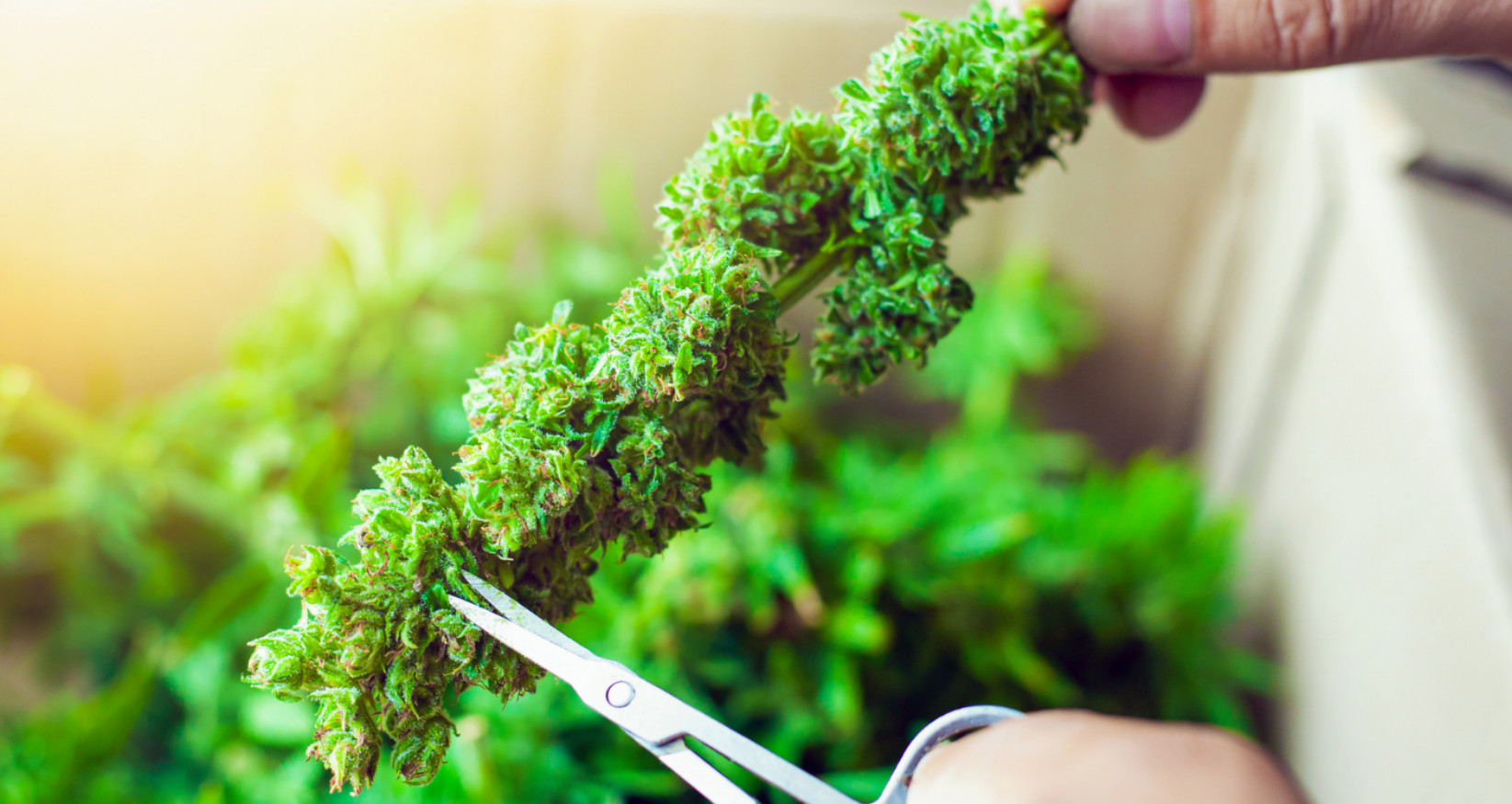
Mold is really just about environment, airflow, and plant health.
Mold infestations are brutal on cannabis because they can wipe out entire crops, hurting both yield and quality.
Grow it right the first time
Stop guessing. Learn to grow from seed to harvest.
The Indoor & Outdoor Cannabis Growing Certificate covers nutrients, pH, lighting, pests and harvest, with video lessons and a certificate when you finish.
See the Growing Certificate →Free Cannabis Cultivation Guide (ebook)IACET-accredited · 7-day money-back guarantee
Mold is a type of fungal growth that thrives in damp environments and decaying organic matter.
Different species can have different colors. In optimal environments, mold releases tiny airborne spores that help it reproduce new mold colonies.
In cannabis cultivation, the prime culprits are often the Botrytis Cinerea (bud rot), powdery mildew, and various types of Aspergillus.
They can affect every growth stage of the plant, from seedlings to mature buds, and pose serious health risks when inhaled or consumed.

Mold can wreak havoc on cannabis through every stage of its life cycle, from its cultivation phase to storage.
In general, cannabis quality can be affected by heat, light, air, and moisture. All of these can contribute to an environment where mold can develop.
Here are the main causes of mold in cannabis:
Mold proliferation is typically due to conducive environmental conditions. Therefore, regulating these is key to preventing mold growth.
Molds thrive in humid conditions and moderate temperatures. Maintaining the relative humidity below 50% and the temperature between 70-80°F can deter mold growth.
Stagnant, humid air is a breeding ground for mold. Good air circulation ensures that there are no moist spots where mold can proliferate.
Invest in fans and exhaust systems to promote good airflow.
Ultraviolet (UV) light can kill mold spores. Certain UV light systems are designed specifically for mold control in cannabis cultivation.
Smoking moldy cannabis is not recommended. Will it kill you? Probably not. If you’re healthy, smoking moldy cannabis will most likely not make you feel sick.
Moldy cannabis can taste harsh and cause a coughing fit, nausea, or even vomiting, but usually nothing more than that.
However, if you have a mold allergy, it can cause sinus or lung inflammation. Watch out for the following symptoms:
Cryptococcus, Aspergillus, and Mucor fungi can lead to severe and even lethal central nervous and respiratory system infections.
Always look for signs of mold, even if you’ve purchased your buds from legal suppliers.
A low-powered microscope can help you tell the difference between mold and trichomes
Signs of mold on cannabis:
No, you can’t safely remove mold from cannabis once it is already there. Don’t take the risk of smoking moldy cannabis.
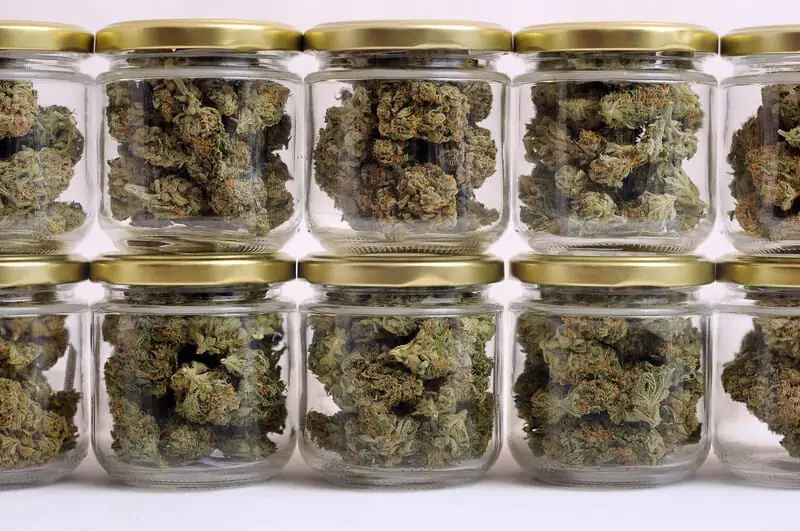
As mentioned above, cannabis exposure to heat, humidity, light, and oxygen can create an optimal environment for mold to thrive.
Overwatering is a common cause of mold in cannabis. It’s crucial to ensure that plants are not left waterlogged, which can create a favorable environment for mold growth.
Water plants early in the day so that they have time to dry off before the cooler, evening hours.
Ensure that your plants have adequate drainage. Pots should have holes, and larger growing areas should be slightly tilted to allow excess water to drain off.
Regular inspection of your plants can help identify mold problems before they escalate. Use a magnifying glass to look for small patches of mold or mildew.
Also, consider lab testing if you suspect the presence of mold but can’t see it.
Mold spores can easily spread from one plant to another. Isolate any infected plants to prevent cross-contamination.
Moreover, ensure that the grow room and tools are kept clean. Regular cleaning and disinfection can go a long way in preventing mold problems.
Organic antifungal agents such as neem oil, potassium bicarbonate, and hydrogen peroxide can help control mold.
It’s crucial to follow the manufacturer’s instructions when using these products to avoid damaging your plants.
Generally, storing cannabis in a refrigerator or marijuana freezer is not recommended because of the temperature and humidity fluctuations that can occur when you open and close the fridge or freezer door.
Cannabis should be stored at temperatures of about 70º F.
Glass jars are the classic storage option for cannabis plant material (bud, trim, stems, etc.) and the best way to prevent mold formation.
Mason jars or jars specifically designed for cannabis storage can reduce exposure to oxygen and moisture, preventing a damp environment.
Check out our list of the 7 best cannabis glass jar options to keep your buds fresh
Moisture, heat, oxygen, and direct exposure to light are all elements of the ideal environment for mold.
Sun or artificial light exposure can speed up your bud’s natural degradation process and dry it out. A damp environment can cause an excess of moisture if a poorly sealed container.
To keep your cannabis fresh for a long time, keep it in a dry and dark area, like a pantry or closet, as long as it does not experience high temperatures.
The optimal relative humidity (RH) for cannabis is 59-63%. Higher humidity levels can lead to a damp environment where mold can thrive.
Humidity packs can regulate moisture levels within a container to achieve an optimal RH. A blend of salts and water removes or adds moisture to the environment as needed.
Keep in mind that humidity packs must be replaced about every two months.
If you’re serious about humidity control and have extra cash to spare, humidors designed for cannabis storage are made from high-quality wood and protect buds and other cannabis products from moisture, light, and oxygen.
Mold on weed is a type of fungal growth that develops when cannabis is exposed to excessive moisture, poor airflow, or unsanitary conditions. The most common types include Aspergillus, Botrytis cinerea (bud rot), and Penicillium.
Look for:
White, gray, or fuzzy spots on buds or leaves.
Musty or sour odor (like damp clothes or hay).
Buds that crumble easily or appear discolored (gray, brown, or black).
Use a magnifying glass under good light — mold often looks web-like or powdery.
Yes. Inhaling mold spores can lead to respiratory issues, lung infections, or allergic reactions, especially in people with weakened immune systems or asthma. Always discard moldy cannabis — never try to salvage it.
Common causes include:
High humidity levels (above 60%)
Poor airflow in grow or storage areas
Improper drying or curing
Contaminated equipment or hands
Storing cannabis before it’s fully dried
Keep humidity between 45–55% during growth and curing.
Ensure strong air circulation with oscillating fans.
Avoid overcrowding plants.
Use clean tools and handle buds with gloves.
Dry buds in a dark, ventilated area for at least 7–14 days before curing.
Store cannabis in airtight glass jars, not plastic bags.
Keep in a cool, dark place (ideally 60–70°F).
Use humidity control packs (e.g., 58–62% RH).
Avoid opening jars frequently, especially in humid environments.
No. Even if mold appears localized, spores spread microscopically throughout the bud. Do not scrape off or heat it — this does not kill all toxins or spores.
If you notice coughing, wheezing, chest pain, fever, or nausea, contact a healthcare professional immediately. Mild symptoms may pass, but mold exposure can lead to serious infections in some cases.
Trichomes are tiny, crystal-like resin glands that look shiny or sticky under light. Mold, on the other hand, looks dull, fuzzy, or dusty — and often clumps together in white or gray patches.
Yes. Using moldy cannabis in edibles, oils, or extracts can transfer spores and mycotoxins, which remain harmful even after heating.
Moldy cannabis can ruin a good time. However, there are ways to identify mold’s smell, look, and taste. Checking cannabis for mold before consuming it, especially for those with weak immune systems, is recommended.
Mold prevention in cannabis cultivation requires careful planning and regular monitoring.
By creating an environment that is unfavorable for mold growth and by adopting hygienic practices, cultivators can significantly reduce the risk of mold infestations.
Remember, preventing mold on weed is always easier and more cost-effective than dealing with an outbreak.
More in Growing

Check your state's cannabis laws

Indoor + outdoor growing careers
 IACET Accredited Provider · online cannabis education
Since 2009 • 50,000+ students trained worldwide
IACET Accredited Provider · online cannabis education
Since 2009 • 50,000+ students trained worldwide



Copyright Cannabis Training University, a subsidiary of Online Training Providers. © 2026. All Rights Reserved.
Medical Disclaimer: The information on this website is for informational purposes only and is not intended to be a substitute for professional medical advice, diagnosis, or treatment.
Always seek the advice of a physician or other qualified health provider with any questions you may have regarding a medical condition.
Legal Compliance: Cannabis remains federally illegal. Products and information are intended only for jurisdictions where cannabis use and possession is legal.
By using this site, you affirm that you are of legal age (21+) and responsible for understanding your local laws.