


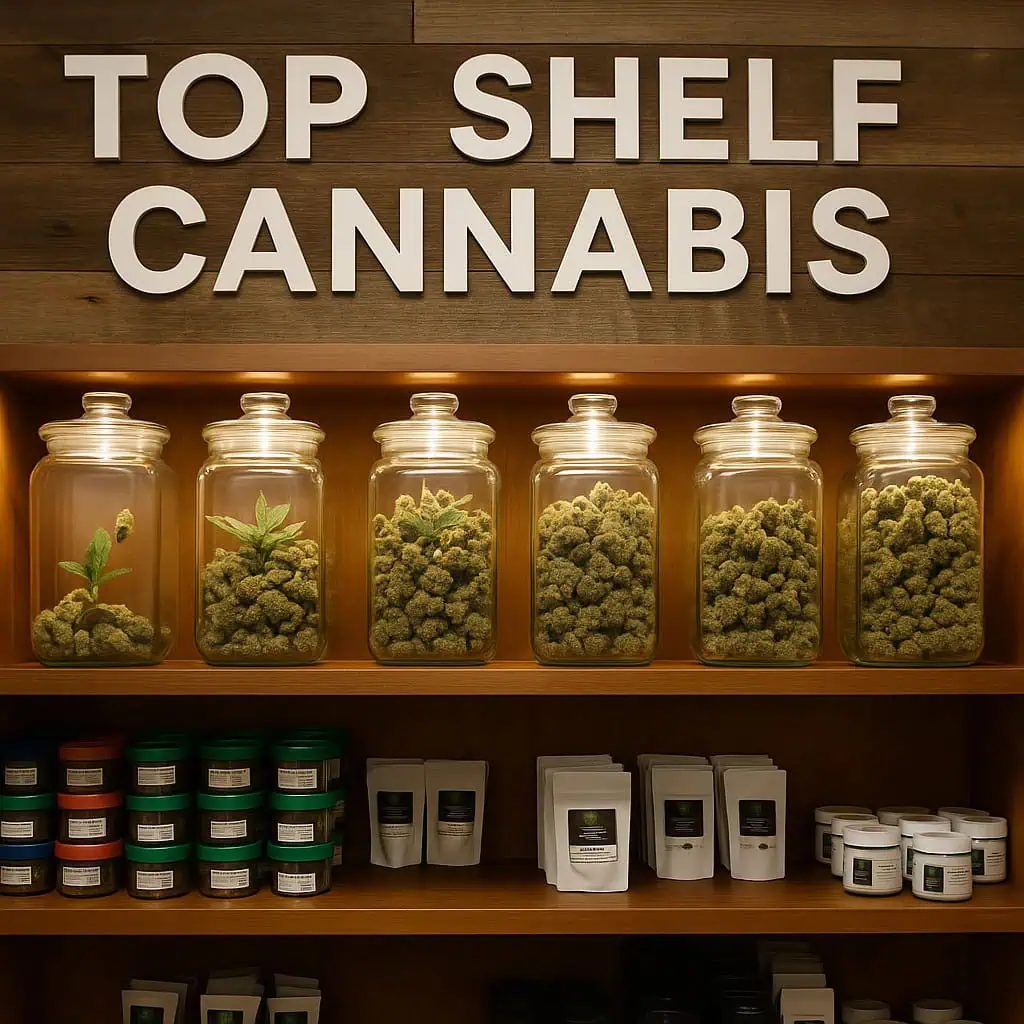
Frequently Asked Questions About Top Shelf Cannabis
Can a beginner really grow top shelf cannabis?
Yes. With the right education and tools, beginners can produce high-quality flower. The biggest factor is following best practices consistently.
Is indoor or outdoor better for top shelf cannabis?
Indoor allows complete control of environment, making it easier to produce top shelf buds. Outdoor can produce excellent cannabis too, but is more weather-dependent.
What’s the most important factor for premium quality?
Genetics, followed by curing. Even the best-grown cannabis won’t be top shelf if it’s dried and cured poorly.
How long does it take to grow top shelf cannabis?
From seed to harvest, usually 3–5 months depending on strain and growing style. Add another 4–8 weeks for curing.
What are signs my cannabis is NOT top shelf?
Loose, airy buds; lack of aroma; harsh smoke; low resin production; visible seeds or stems.
Growing top shelf cannabis is both an art and a science. It requires precise attention to detail, expert-level cultivation knowledge, and a deep respect for the plant itself.
Whether you’re a home grower looking to maximize quality or a commercial cultivator aiming to compete in today’s competitive cannabis market, producing premium buds means understanding the factors that separate “good” from “great.”
This guide breaks down the genetics, environment, nutrients, techniques, and post-harvest processes that contribute to top shelf cannabis.
It also includes expert insights, step-by-step instructions, FAQs, product recommendations, and tips from Cannabis Training University’s Grow Course.
What Is “Top Shelf” Cannabis?
“Top shelf” (sometimes called “craft cannabis” or “connoisseur-grade”) refers to flower that meets the highest standards of appearance, aroma, potency, and flavor.
Key traits of top shelf cannabis include:
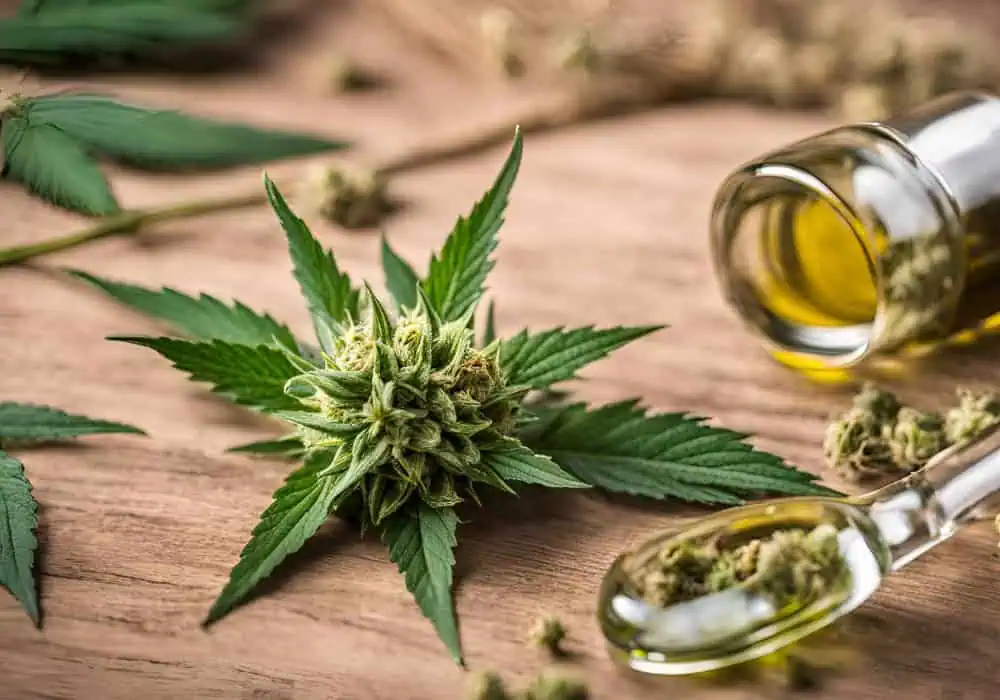
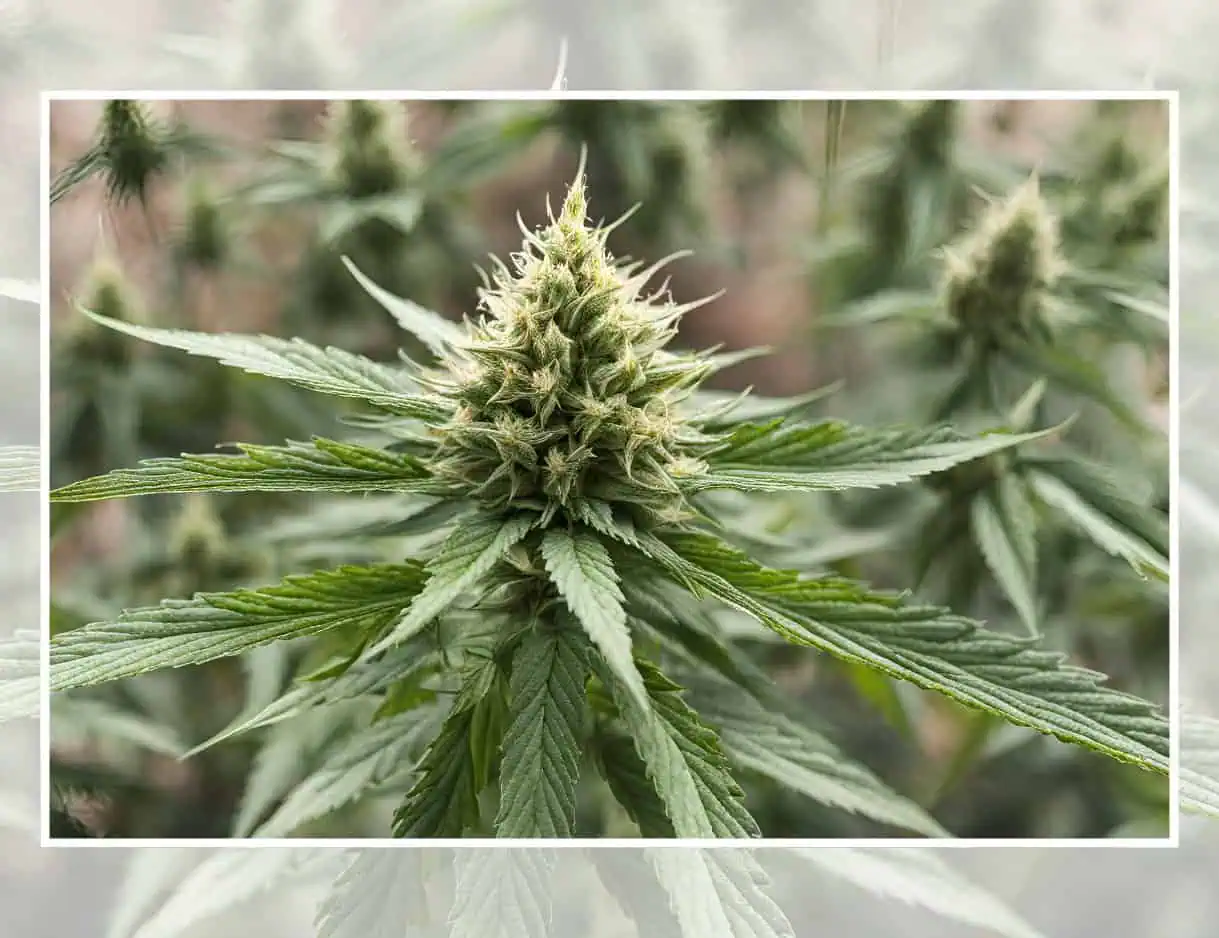
- Dense, well-formed buds without excess leaves.
- Vibrant colors with deep greens, purples, or orange hairs.
- Generous resin coverage—sticky to the touch with visible trichomes.
- Strong terpene-rich aroma that persists after breaking up buds.
- Smooth smoke or vapor with clean, rich flavor.
- Tested potency usually above 20% THC (or strong cannabinoid/terpene balance in CBD-dominant strains).
Genetics: The Foundation of Quality
The first rule of growing top shelf cannabis is start with the right genetics. Even the best grower can’t turn poor genetics into connoisseur-quality flower.
Top seed banks and breeders for premium strains:
- Humboldt Seed Company – Legendary for strains like Blueberry Muffin and Dream Queen.
- Barney’s Farm – Known worldwide for Gelato #45, Dos Si Dos, and Glookies.
- DNA Genetics – Multiple Cannabis Cup-winning genetics like LA Confidential and Tangie.
- Seed Junky Genetics – Creator of Wedding Cake, Kush Mints, and other modern heavy hitters.
Tip: Look for strains known for strong terpene profiles, not just THC. Terpenes like limonene, myrcene, and caryophyllene drive flavor and user experience.
Environment: Where Quality Is Made
Lighting
Top shelf cannabis thrives under high-quality full-spectrum lighting. Today’s best indoor grows use LED technology for maximum efficiency and spectrum control.
- Budget Option: Spider Farmer SF-2000 (~$200)
- Mid-Range: HLG Scorpion Diablo (~$700)
- Premium: Gavita Pro 1700e LED (~$1200)
Climate Control
- Temperature: 70–80°F in veg; 65–75°F in flower.
- Humidity: 50–70% in veg; 40–50% in flower; 35–40% in late flower.
- Air Circulation: Multiple oscillating fans to strengthen stems and prevent mold.
CO₂ Enrichment
For commercial or advanced growers, enriching grow rooms with CO₂ (1200–1500 ppm) can dramatically boost bud density and potency.
Nutrients and Feeding
Top shelf cannabis demands balanced nutrients throughout its life cycle.
- Vegetative Stage: Nitrogen-rich fertilizers to build structure.
- Flowering Stage: Reduced nitrogen, increased phosphorus and potassium for bud production.
- Supplements: Micronutrients (calcium, magnesium, sulfur) and organic inputs (molasses, kelp, humic acids) enhance flavor and terpene output.
Recommended Brands:
- Advanced Nutrients (pH Perfect line)
- Fox Farm (Grow Big, Tiger Bloom, Big Bloom)
- General Hydroponics (Flora Series)
- Roots Organics (for soil-based organics)
Step-by-Step Feeding Tips:
- Always start at half-strength to avoid nutrient burn.
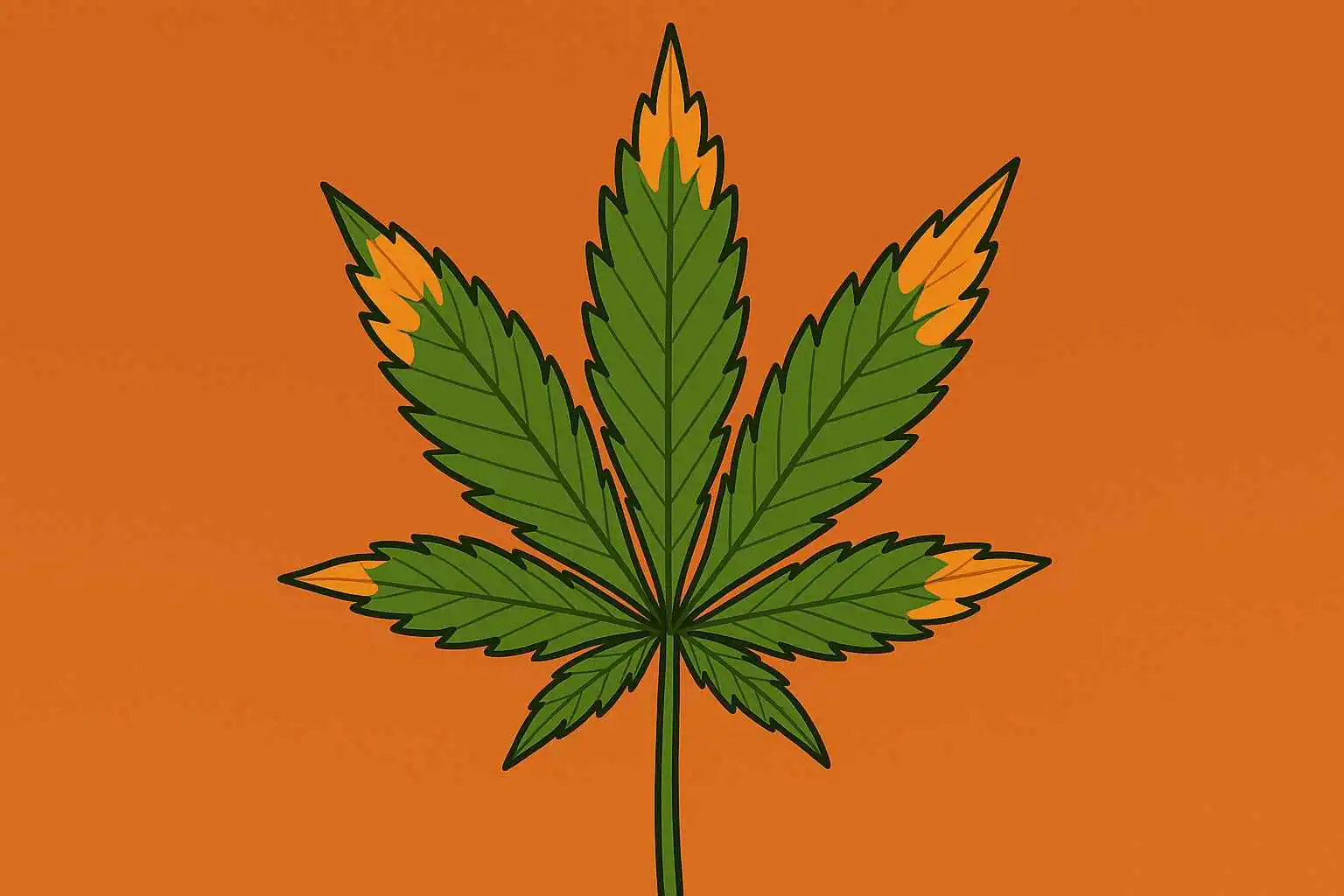
- Monitor plants for leaf discoloration or spotting.
- Use a ppm/EC meter to ensure you’re feeding at the right strength.
- Flush with pH-balanced water 1–2 weeks before harvest.
Training Techniques to Maximize Yield and Quality
- Topping & FIMing: Encourage multiple colas and bushy growth.
- Low-Stress Training (LST): Bending stems to create an even canopy.
- Screen of Green (SCROG): Using a net to spread colas evenly under light.
- Defoliation: Removing lower leaves for better airflow and bud development.
These techniques maximize light penetration and improve overall bud structure.

Harvesting and Post-Harvest: Where Good Becomes Great
Harvest Timing
- Harvest when 70–90% of pistils have darkened.
- Use a magnifier to check trichomes:
- Cloudy trichomes = peak potency.
- Amber trichomes = more sedative effect.
Drying
- Hang whole plants or branches in a dark room at 60–70°F with 50% humidity.
- Dry 7–14 days until stems snap, not bend.
Curing
- Place buds in airtight glass jars.
- Open daily for the first 1–2 weeks to release moisture.
- Cure for 4–8 weeks for optimal flavor and smoothness.
Pro Tip: Proper curing can increase perceived potency and terpene intensity—don’t rush this step.
A quality cannabis grow tent is a great way for a beginner cannabis grower to get started growing weed indoors.
Tips from Cannabis Cultivation Experts
- Invest in Environment, Not Just Seeds: Great genetics under poor conditions still produce mediocre flower.
- Don’t Overfeed: Many growers ruin top shelf potential by pushing too many nutrients.
- Focus on Terpenes, Not THC: A 22% THC strain with rich terpenes will outperform a 30% THC strain with weak aroma.
- Consistency is Key: The best growers replicate results crop after crop with strict routines.
Cannabis Training University (CTU) Grow Course Advantage
At CTU, our cannabis growing courses teach students step-by-step how to grow top shelf cannabis, from seed to harvest to curing. Lessons cover:
- Germination and seedling care.
- Indoor vs. outdoor grow setups.
- Lighting systems and environmental control.
- Advanced training and pruning techniques.
- Harvesting, drying, and curing methods.
- Troubleshooting nutrient deficiencies and pests.
With thousands of students worldwide, CTU provides practical knowledge, expert video lessons, and certification that can help you grow dispensary-quality flower at home.
Final Thoughts on Growing Top Shelf Weed From CTU Grow Staff
Growing top shelf cannabis is achievable with the right knowledge, patience, and discipline. It begins with genetics and continues through environmental control, careful feeding, proper training, and meticulous post-harvest handling.
The reward is cannabis that stands out in appearance, aroma, potency, and flavor—the kind of buds that fetch top dollar in dispensaries or earn the respect of connoisseurs.
By following the guidance in this article, applying expert tips, and exploring Cannabis Training University’s comprehensive grow course, you can elevate your cultivation skills and consistently harvest true top shelf cannabis.

Luis Cordova
Luis Cordova is a distinguished author, and renowned expert in cannabis cultivation, who possesses a Master's degree in Plant Biotechnology and Pharmaceutical Science. As a valued contributor to highly esteemed publications such as Cannabis Training University and Maximum Yield Magazine, Luis has emerged as a trusted source of guidance and knowledge in the cannabis industry. Having written thousands of informative articles, Luis is widely recognized for his comprehensive expertise on cultivating cannabis, both indoors and outdoors.


 Jeff was involved in an accident where he endured a traumatic brain injury. He had a week-long stay in ICU where brain surgeons
  100% risk free money back guarantee within 48 hours after purchase if student has not completed any of the courses or exams.
