


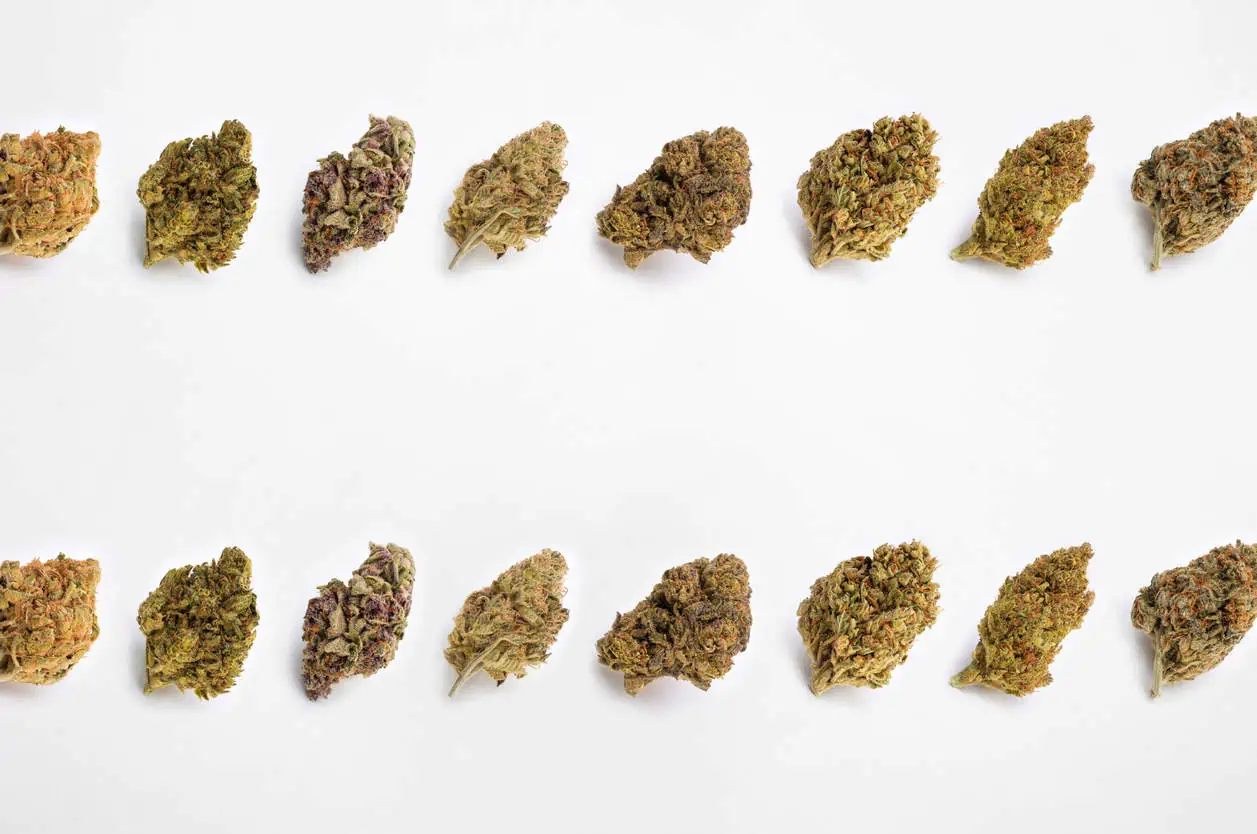
Mixing weed strains, often called making a cannabis salad, is an art form that goes beyond just combining buds for fun. This process is also known as blending cannabis strains, which allows for unique aroma profiles and customized effects.
The different strains you mix all originate from the cannabis plant, which includes various types such as indica, sativa, and sometimes ruderalis, though only some are prized for their potency.
Marijuana is a commonly used term for cannabis, and people often mix cannabis strains (or marijuana strains) to achieve different effects or explore new flavor combinations. When done thoughtfully, blending strains allows you to harness the entourage effect by layering cannabinoids and terpenes to create a custom high that matches your needs and preferences.
This guide takes the basics of strain mixing further by offering terpene pairing recipes, advanced blending techniques, safe ratio guidelines, and practical troubleshooting tips for new and experienced cannabis users alike who want to mix cannabis strains for tailored experiences.
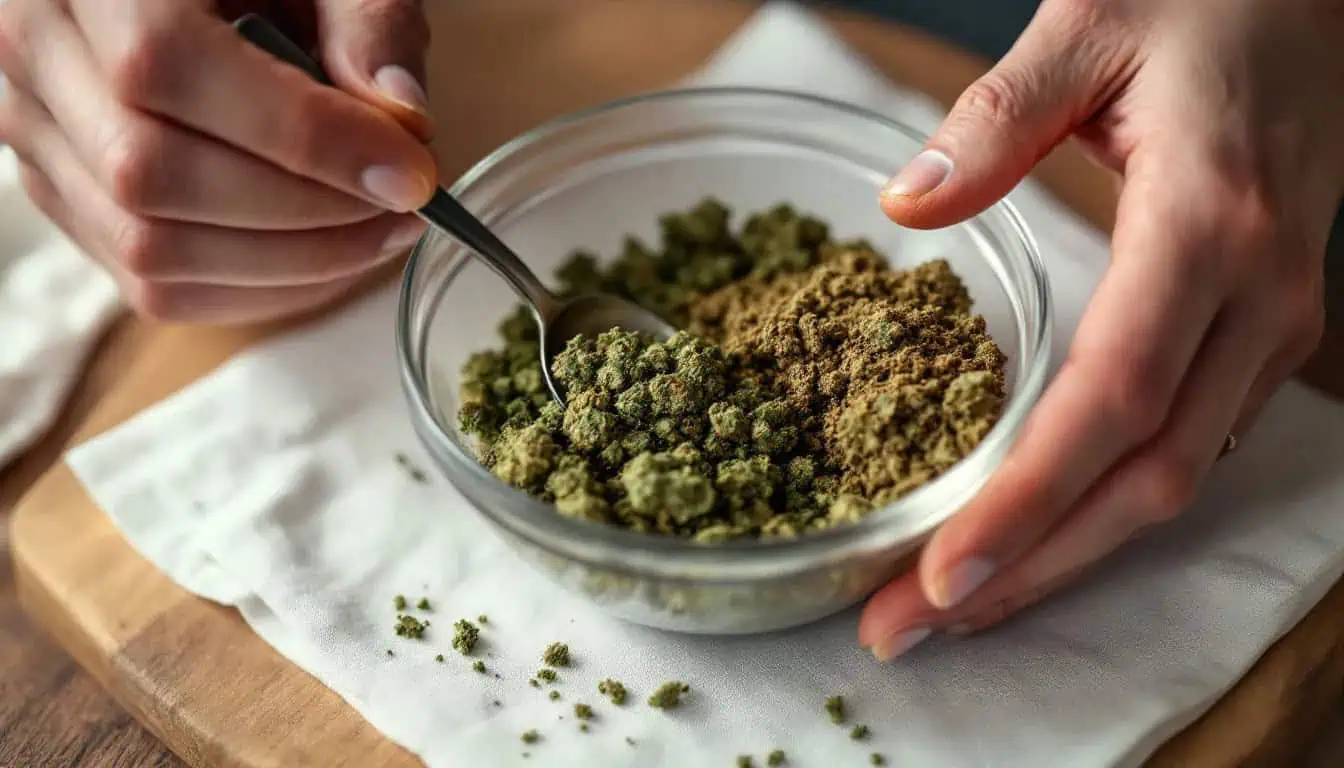
Terpene Pairing Recipes and Effects
Terpenes aren’t just about aroma—they directly shape your experience. You can combine different strains or terpenes to create unique effects and flavors. Pairing different strains allows you to tailor your experience, as each brings its own cannabinoid and terpene profile. Mixing can result in a hybrid strain or hybrid strains with distinct properties not found in the originals.
Indicas and sativas are commonly blended; some users prefer to mix sativa with indica to achieve specific, balanced effects. Pairing similar flavors, such as fruity with fruity or earthy with earthy, often results in a more harmonious blend. You might mix two cannabis strains, two or more strains, two sativas, or simply two strains to reach your desired potency, flavor, or effect.
Experimenting with other strains can further expand your options and help you discover new combinations. Instead of mixing strains randomly, try pairing dominant terpenes intentionally, like a chef crafting a dish.
Terpene Pairing Chart
Here are some examples of terpene pairings and their effects, as shown in the chart below:
Goal | Dominant Terpenes | Example Strain Pairings | Predicted Effect |
|---|---|---|---|
Productivity & Focus | Pinene + Limonene | Jack Herer + Super Lemon Haze | Alert, focused, creative |
Deep Relaxation | Myrcene + Linalool | Granddaddy Purple + Lavender | Sedation, body relaxation |
Social & Uplifting | Limonene + Caryophyllene | Tangie + Girl Scout Cookies | Mood boost, light euphoria |
Balanced Mind-Body | Myrcene + CBD-rich strain | Blue Dream + ACDC | Calm yet functional |
Creative Energy | Terpinolene + Limonene | Durban Poison + Ghost Train Haze | Energized, mentally stimulated |
Pro Tip: Start with smaller bowls or joints when testing terpene recipes so you can track how each combination feels without overdoing it
Advanced Blending with Different Cannabis Forms
Mixing isn’t limited to flower. While some products on the market are mixed with other substances like tobacco or sage, here the focus is on mixing different cannabis forms for a tailored experience. By incorporating concentrates, oils, or kief, you can fine-tune your blend with surgical precision.
- Flower + Kief: Sprinkle kief from a high-CBD strain onto a THC-dominant flower to mellow out the high.
- Flower + Concentrates: Add a drop of terpene-infused oil or shatter to intensify flavor and potency.
- Flower + CBD Distillate: Coat a joint in CBD oil to balance out paranoia from high-THC strains.
- Terpene-only Oils: If available, use extracted terpenes (like pure limonene) to enhance flavor and shift the high.
Example: Pairing OG Kush flower (THC heavy, Myrcene-rich) with a Pinene-rich oil can deliver the sedating body effects of Kush while keeping your mind clear.
If you have strains that are less enjoyable or lack desired effects, consider repurposing strains by blending them with more potent or flavorful options to enhance your overall experience.
Popular Strains and Blends
Best Weed Salads
When it comes to crafting your own weed salad, the possibilities are as diverse as the cannabis world itself. Mixing different cannabis strains lets you explore a spectrum of flavors, aromas, and effects—whether you’re after deep relaxation, mental stimulation, or the perfect blend of both.
Weed salads, especially those featuring fruity strains, have become a favorite way for cannabis users to enjoy a customized experience that goes beyond what a single strain can offer.
One of the most beloved approaches is the “fruit salad” blend. This mix brings together fruity strains like Strawberry Cough, Blue Dream, and Pineapple Express, creating a sweet, tangy, and uplifting profile. These sativa-dominant strains are known for their balanced high, offering both mental clarity and a gentle body buzz—ideal for daytime use or social settings.
For those who crave a more powerful high, combining high THC strains like Sour Diesel and OG Kush is a classic move. Sour Diesel delivers energizing, cerebral effects, while OG Kush brings in a wave of euphoria and relaxation. This blend is perfect for recreational users seeking a potent, memorable experience with a complex flavor profile.
If you’re looking for deep relaxation without losing that spark of creativity, try mixing indica strains like Granddaddy Purple or Blueberry with sativa strains such as Jack Herer or Green Crack.
This kind of indica dominant hybrid blend offers the best of both worlds: soothing body effects paired with mental stimulation. It’s a great example of how mixing weed strains can help you fine-tune your high for any occasion.
Medical users often turn to high CBD strain blends, such as Harlequin and AC/DC, to manage anxiety or pain without the intense psychoactive effects of THC. By combining these strains with others in different ratios, you can create a weed salad that delivers therapeutic benefits while keeping you clear-headed and functional.
The key to creating your own weed salad is to experiment with different ratios of cannabinoids and terpenes. For example, a strain high in myrcene can add deep relaxation, while limonene-rich strains bring an uplifting, citrusy kick. By blending strains with complementary effects, you can achieve a truly personalized cannabis experience.
Safe Ratios & Troubleshooting Negative Effects
When creating cannabis blends, ratios matter. The combined effects of different strains can be stronger or more nuanced than using a single strain, so it's important to consider how each component interacts. Beginners often mix too much of one strain, overwhelming the experience.
Starting Ratio Guidelines
- Mostly Relaxing: 75% Indica / 25% Sativa
- Mostly Uplifting: 70% Sativa / 30% Indica
- Balanced Hybrid: 50% / 50% mix
- Balanced THC/CBD: 60% THC strain / 40% CBD strain
Mixing different strains can create unique effects, but using the same strain is often preferred for more predictable and consistent results.
Troubleshooting Your Blend
- Too anxious/paranoid? Add a CBD-rich strain or a Linalool-dominant strain (like Lavender).
- Too sedated? Mix in a Pinene- or Limonene-rich Sativa to sharpen focus.
- Too racy/energizing? Add Myrcene-heavy strains like Northern Lights to ground the high.
- Flavor off? Introduce a terpene-rich strain like Tangie for citrus brightness.
For best results, store each strain separately to preserve their unique flavors and aromas, unless you are intentionally mixing them.
Expert Quote
“Mixing strains is a lot like mixing wines—you're not just chasing flavor, you're chasing an experience. By understanding terpenes and cannabinoids, you can take control of your high and make it work for your lifestyle, whether that's productivity, sleep, or creativity.”
— Jeff Zorn, CEO of Cannabis Training University
Mixing Strains Of Weed : Frequently Asked Questions (FAQs)
What is a cannabis salad?
It’s a mix of two or more cannabis strains in a single bowl, joint, or vape chamber, designed to create a unique blend of effects. The slang term ‘weed salad' is often used to describe this practice, and according to Urban Dictionary, it refers to combining different strains of cannabis together, a term popular within cannabis culture.
Can I mix Indica and Sativa together?
Yes! Many users enjoy combining Indica relaxation with Sativa energy for a balanced high.
Is mixing strains stronger than smoking one?
It can be, depending on terpene and cannabinoid overlap. Combining two high-THC strains can increase potency, but mixing in CBD or certain terpenes can balance it.
Can mixing strains reduce anxiety?
Yes. Adding CBD-rich flower or strains high in Linalool or Pinene may help counteract THC-induced anxiety.
Do I need special tools to mix strains?
No. A grinder, rolling papers, or a pipe is enough. However, using a digital scale can help you measure ratios more accurately.
Can I mix concentrates with flower?
Absolutely. Concentrates like wax, kief, or oil can enhance both potency and flavor, but should be used sparingly due to their strength.
Does strain mixing waste weed?
Not if done intentionally. The goal is to make your cannabis work harder for you, not to use more of it.
Interesting Facts About Mixing Weed Strains
- Beginning with a simple 50/50 mix allows users to test effects before adjusting ratios to emphasize specific qualities.
- Quality of cannabis is crucial for creating enjoyable blends, as lower quality buds may yield disappointing results.
- Many cannabis enthusiasts mix strains to enhance the effects and aroma beyond what a single strain can provide.
- The entourage effect is a hypothesis that different cannabinoids can act to amplify the effects of others.
Final Thoughts: Experimenting with different cannabis strains can help you discover unique effects and flavors. Don’t hesitate to try new combinations and refine your process based on your personal preferences and desired quality

Gavin Kushman
Gavin is a worldly adventurer and cannabis connoisseur, embarking on journeys that take him to the far corners of the globe to explore and document the varied effects, flavors, and histories of both renowned and lesser-known strains. From the misty high-altitude farms of the Hindu Kush highlands to the vibrant cannabis cafes of Amsterdam, Gavin's quest for knowledge spans continents. A recognized authority in the cannabis industry, he frequently lends his expertise to leading publications such as Cannabis Training University, where his captivating blog articles chronicle his unique experiences with different cannabis strains.




 Jeff was involved in an accident where he endured a traumatic brain injury. He had a week-long stay in ICU where brain surgeons
  100% risk free money back guarantee within 48 hours after purchase if student has not completed any of the courses or exams.
