


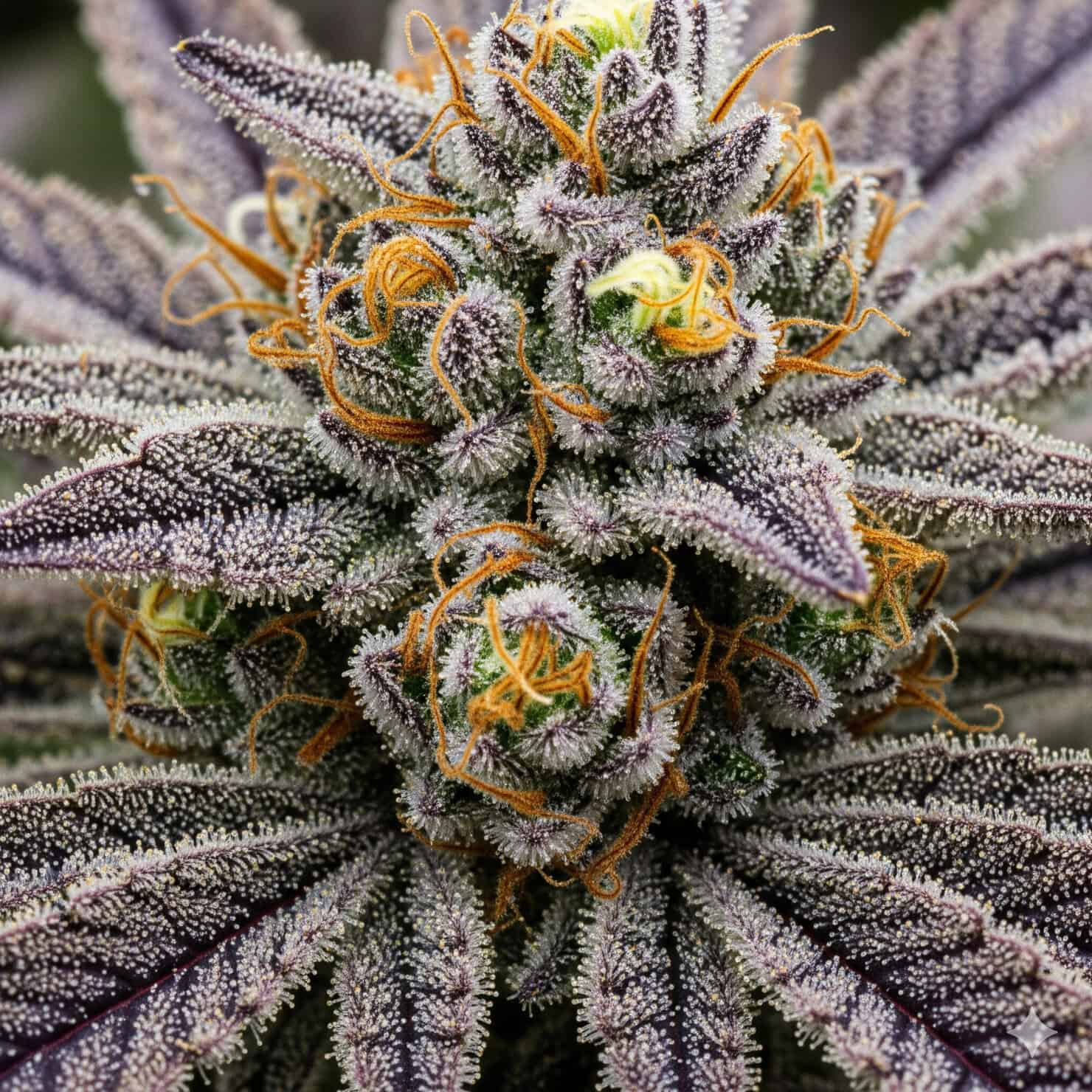
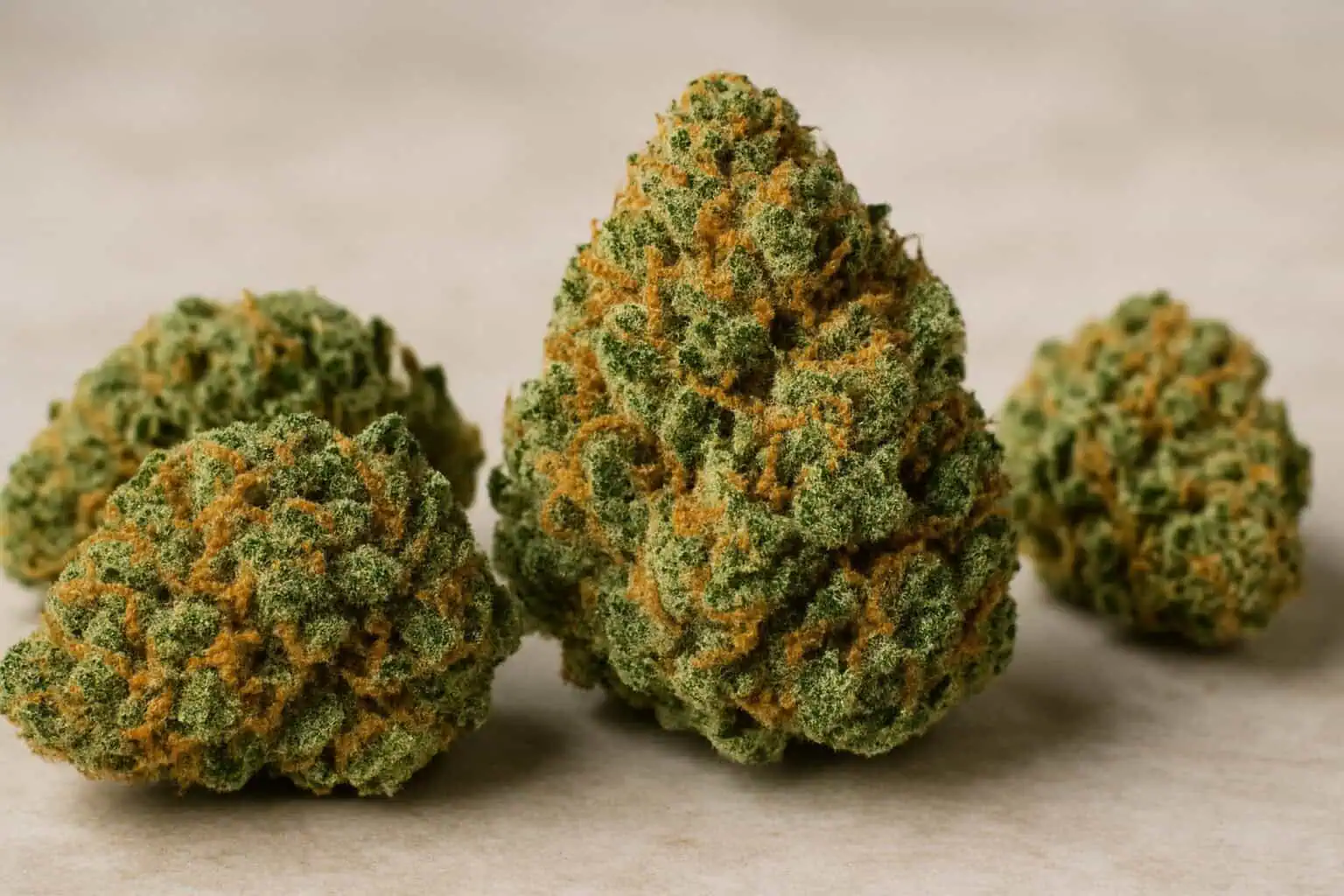
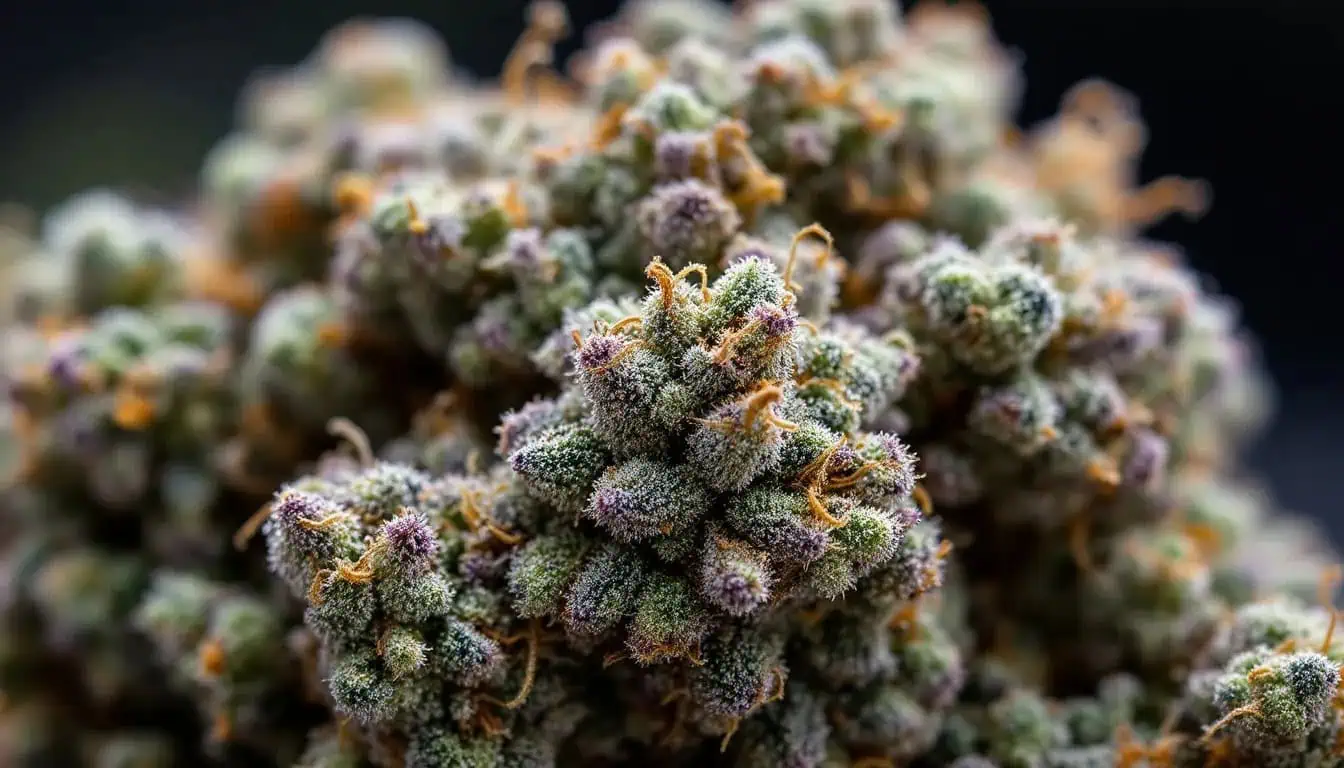
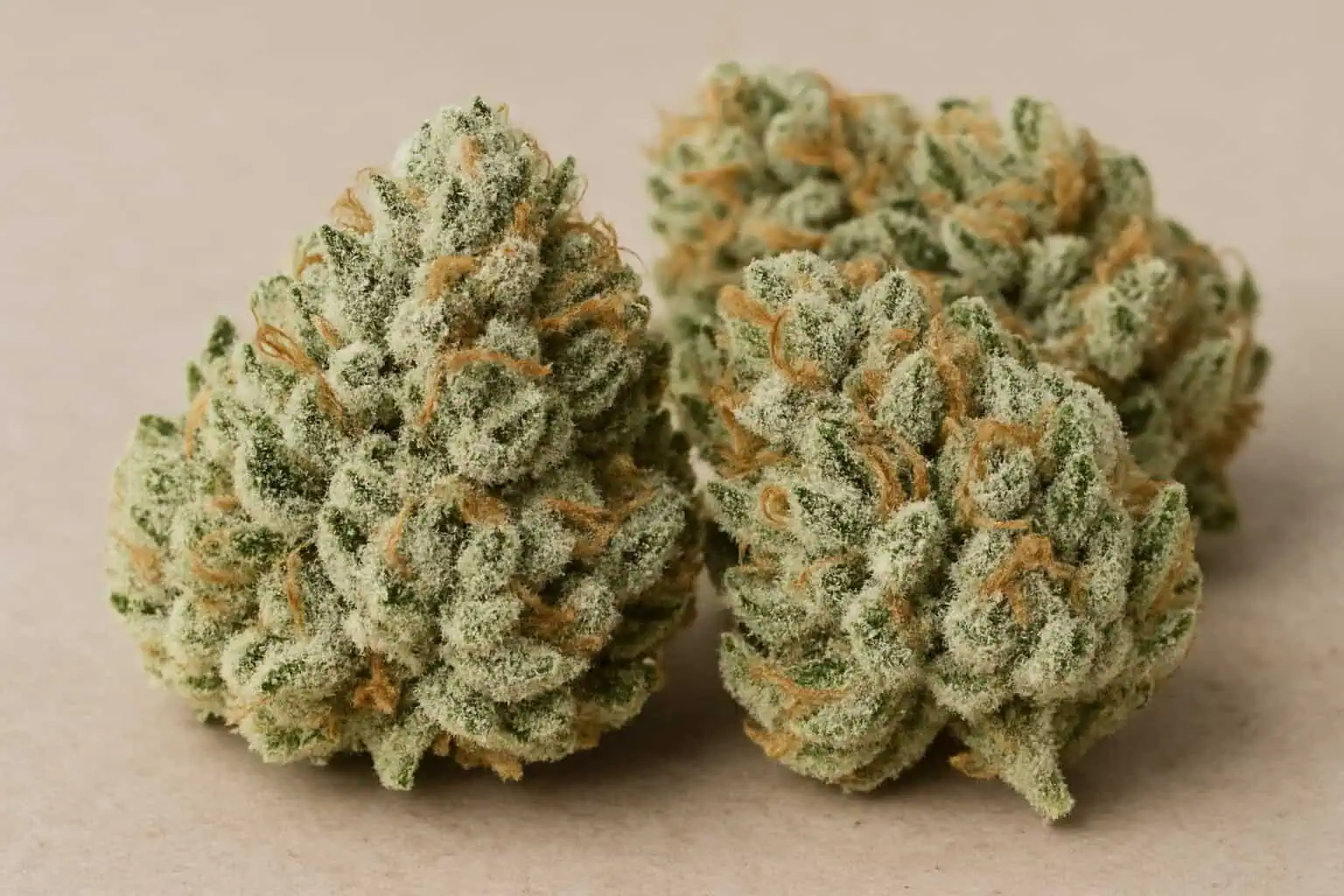
The Purple Urkle strain has earned legendary status among indica lovers for its deeply relaxing effects, grape-like flavor, and iconic purple coloration. Known for its sedative power and fruity aroma, Purple Urkle has been enjoyed by both medical and recreational users for decades.
Most sources trace Purple Urkle’s lineage back to either Granddaddy Purple or a Mendocino Purps phenotype, both famous West Coast strains. It’s widely considered an indica-dominant cultivar with a THC content ranging from 18% to over 25% (occasionally reported as high as 30%).
Consumers often turn to Purple Urkle for its euphoric uplift followed by strong body relaxation, making it a go-to choice for insomnia, pain relief, and stress reduction.
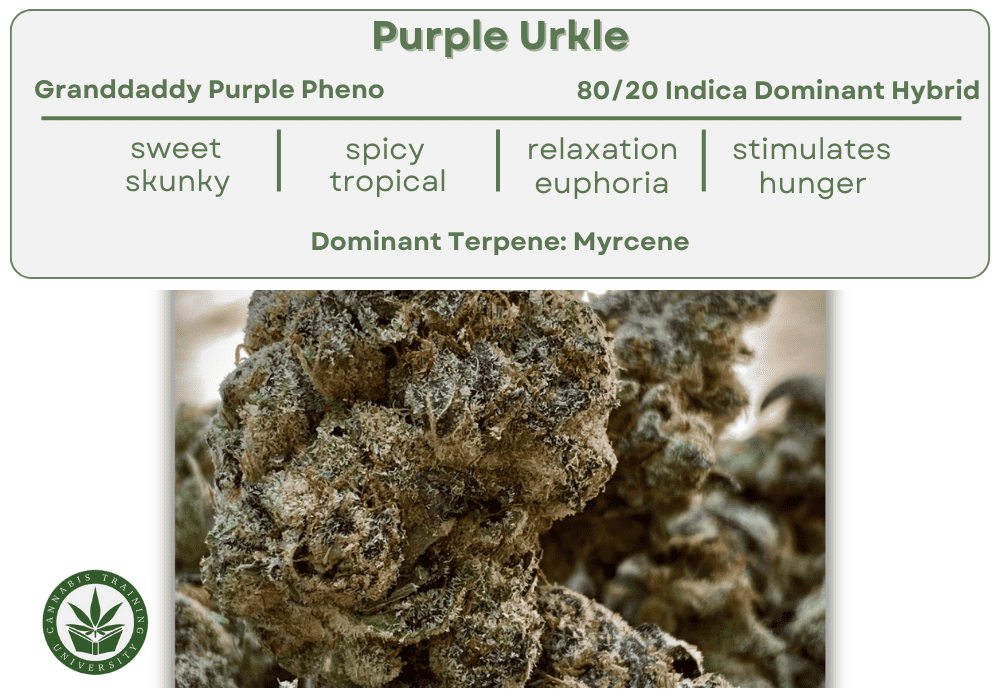
Aroma, Flavor, and Terpene Profile of Purple Urkle Strain
Purple Urkle strain is best known for its sweet grape and berry aroma, underscored by earthy skunk notes. But what gives the strain these qualities? The answer lies in its terpene profile.
Dominant Terpenes
- Myrcene – Earthy, musky, herbal; responsible for its sedative “couch-lock” qualities.
- Caryophyllene – Peppery, spicy, skunky; interacts with CB2 receptors and may reduce inflammation.
- Pinene – Subtle pine and herbal brightness, balancing out the heavier notes.
- Limonene – Contributes mild citrus sweetness that rounds out the grape/berry profile.
Cannabinoid Content
- THC: 18–25% on average, occasionally higher.
- CBD: Very low, typically <0.2%.
- Minor cannabinoids: Trace levels of CBN (can increase sedation) and CBG have been observed.
👉 Understanding the terpene and cannabinoid mix helps consumers select Purple Urkle for relaxation, nighttime use, or pain management, while knowing what to expect from its aroma and effects.
Growing Purple Urkle Strain: Cultivation Guide
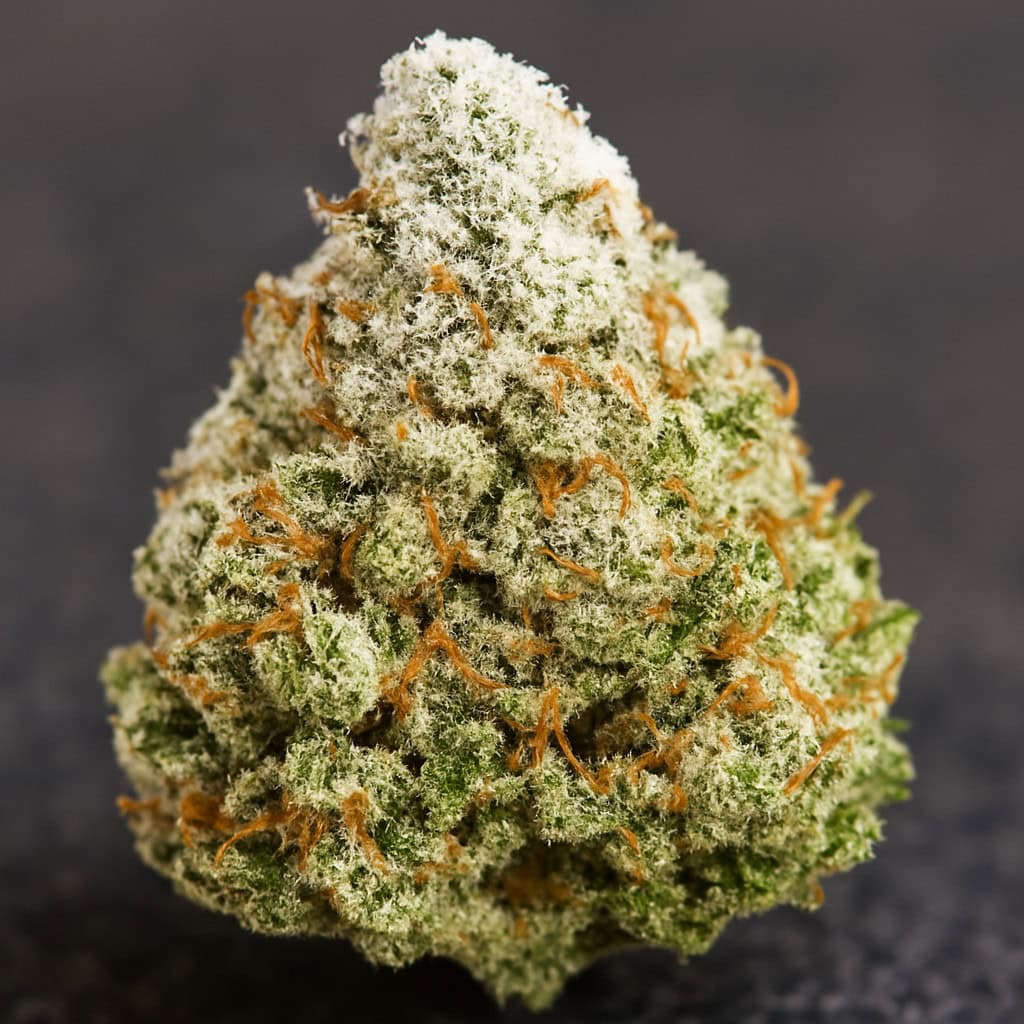
Purple Urkle strain is a short, bushy indica plant with dense buds and vibrant purple coloration under the right conditions. While rewarding, it can be somewhat challenging to grow because of its susceptibility to mold and modest yields.
Flowering Time
- Indoor: 8–9 weeks
- Outdoor harvest: Late September to early October
Yield
- Indoor: ~1–1.5 oz per sq. ft. (300–400 g/m²)
- Outdoor: ~10–14 oz per plant
Growing Difficulty & Training
- Difficulty level: Moderate
- Best methods:
- Sea of Green (SOG): Works well due to its short stature and fast flowering.
- Lollipopping or pruning lower growth: Improves light penetration for squat canopies.
Climate and Environment
- Temperature: Thrives between 68–80°F (20–27°C).
- Purple coloration: Triggered by anthocyanins, which are expressed when nighttime temperatures dip below 60°F (15°C) during flowering.
- Humidity: Keep relatively low in flowering (40–50%) to prevent mold on its dense buds.
Key Notes for Growers
- Requires strong odor control due to its pungent aroma.
- Nutrient-sensitive; avoid overfeeding.
- Ideal for indoor growers who can manage temperature drops to achieve the purple phenotype.
Effects and User Experience with Purple Urkle Strain
Purple Urkle is famous for its powerful indica effects that come on fast and last for hours.
Effects
- Strong relaxation and euphoria
- Body heaviness and “couch-lock”
- Sleep induction (popular as a nighttime strain)
- Mental calm and stress relief
Medical Uses
- Insomnia
- Chronic pain
- Muscle spasms
- Anxiety and stress
Side Effects
- Dry mouth (cottonmouth)
- Dry eyes
- Mild dizziness or paranoia in sensitive users or at high doses
Dosage Guidelines
- Novice users should start with very small doses due to potency (especially with THC averaging 25%+).
- Best reserved for evening or nighttime use.
Genetics, Crosses, and Influence of Purple Urkle Strain
Purple Urkle has had a major impact on modern cannabis genetics. Its sweet flavor and heavy indica effects made it a popular parent strain in many hybrids.
Popular Crosses
- Mendo Breath (Purple Urkle x OGKB)
- Purple Urkle x OG Kush hybrids
- Variants of Granddaddy Purple carry Urkle-like phenotypes
These crosses retain Purple Urkle’s grape aroma while improving yield and vigor.

FAQ: Purple Urkle Strain
Is Purple Urkle indica or sativa?
Purple Urkle is indica-dominant, with strong sedative properties.
How strong is Purple Urkle?
It averages 18–25% THC, with some cuts testing near 30%.
Why does Purple Urkle turn purple?
The coloration comes from anthocyanin pigments, which are expressed when nighttime temperatures fall below 60°F during late flowering.
Is Purple Urkle good for sleep?
Yes, it’s one of the most effective strains for insomnia due to its sedative terpene profile and high THC.
Can beginners grow Purple Urkle?
Yes, but it requires close climate control, low humidity, and good training techniques to maximize yield.
What does Purple Urkle taste like?
Sweet grape, berry, and skunky undertones with a smooth, fruity finish.
Conclusion on Purple Urkle Strain
Purple Urkle remains a top-tier indica strain for those seeking a rich grape flavor, striking purple buds, and full-body sedation. While it may not be the highest-yielding plant, its potency, history, and genetic influence make it a classic that growers and consumers continue to admire.
For medical users, it’s one of the most reliable strains for pain, insomnia, and stress. For growers, it’s a rewarding challenge that produces stunning buds when cultivated properly.

Gavin Kushman
Gavin is a worldly adventurer and cannabis connoisseur, embarking on journeys that take him to the far corners of the globe to explore and document the varied effects, flavors, and histories of both renowned and lesser-known strains. From the misty high-altitude farms of the Hindu Kush highlands to the vibrant cannabis cafes of Amsterdam, Gavin's quest for knowledge spans continents. A recognized authority in the cannabis industry, he frequently lends his expertise to leading publications such as Cannabis Training University, where his captivating blog articles chronicle his unique experiences with different cannabis strains.



 Jeff was involved in an accident where he endured a traumatic brain injury. He had a week-long stay in ICU where brain surgeons
  100% risk free money back guarantee within 48 hours after purchase if student has not completed any of the courses or exams.
