


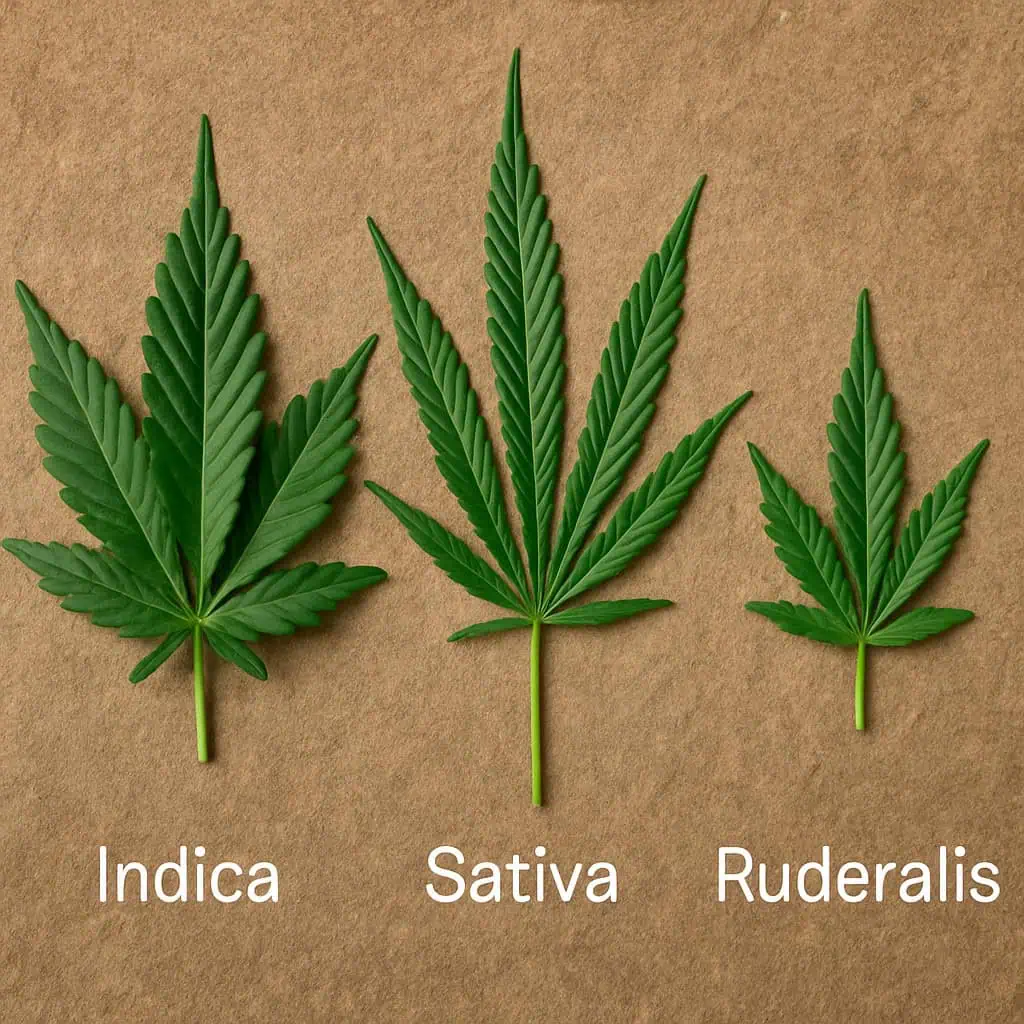
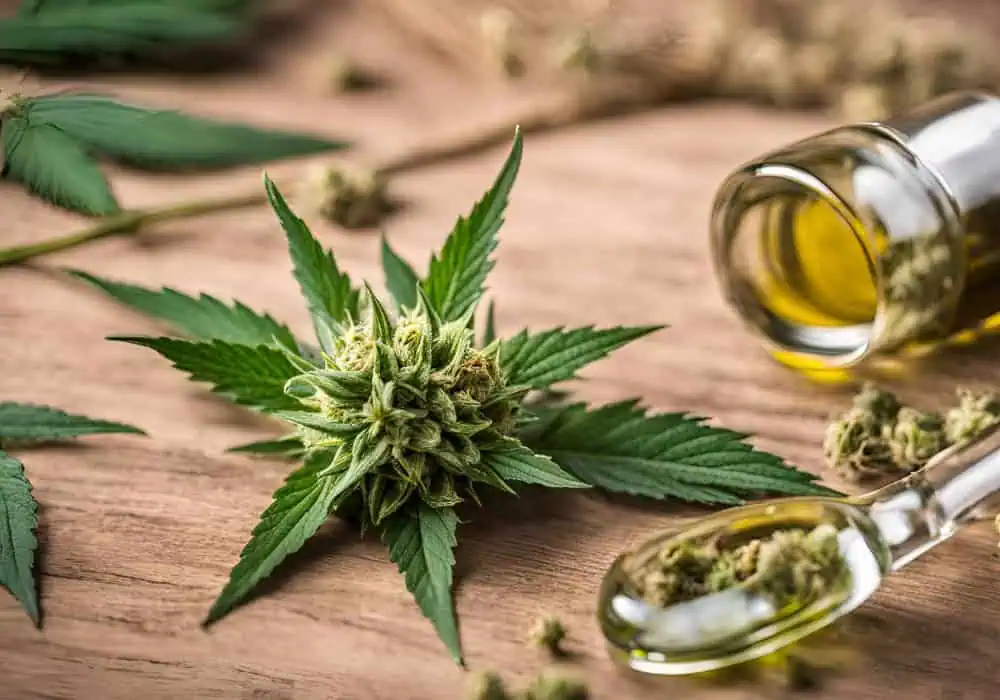
When most people think about cannabis, the image that comes to mind is the iconic leaf. It’s splashed across T-shirts, neon signs, protest posters, and even emojis.
But here’s the funny part: ask the average person what you can actually do with cannabis leaves, and they’ll probably shrug. So what are the leaves of cannabis plants all about?
As someone who’s spent years in this space, I can tell you that cannabis leaves are more than just decoration. They’re loaded with history, science, and yes—even practical uses in your kitchen, garden, and wellness routine.
In this comprehensive guide, we’ll cover:
- Different types of cannabis leaves (Indica, Sativa, Ruderalis, hybrids).
- What cannabis leaves are good for—from tea to topicals.
- Whether smoking leaves will get you high.
- Leaf problems and solutions (yellowing, curling, browning).
- Scientific research on leaf health benefits.
- Recipes and fun uses instead of tossing them away.
- Expert insight from Jeff Zorn, CEO of Cannabis Training University (CTU).
By the end, you’ll look at cannabis leaves not as “waste” but as a hidden treasure chest of opportunity.
A Closer Look at Leaves of Cannabis Plants
Anatomy and Function
Leaves of cannabis plants aren’t just for looks—they’re the plant’s solar panels. They capture light, convert it into energy through photosynthesis, and provide the sugars that fuel growth.
Types of leaves on a cannabis plant include:
- Fan leaves – The big, classic leaves. Usually trimmed off before harvest.
- Sugar leaves – Small leaves tucked around buds, often coated in trichomes.
- Seedling leaves (cotyledons) – The first small round leaves when a cannabis seed sprouts.
Each has a role, and each can be used differently.
Different Types of Leaves of Cannabis: Indica, Sativa, and Ruderalis
The three primary subspecies of cannabis produce distinct leaf shapes.
Indica Leaves
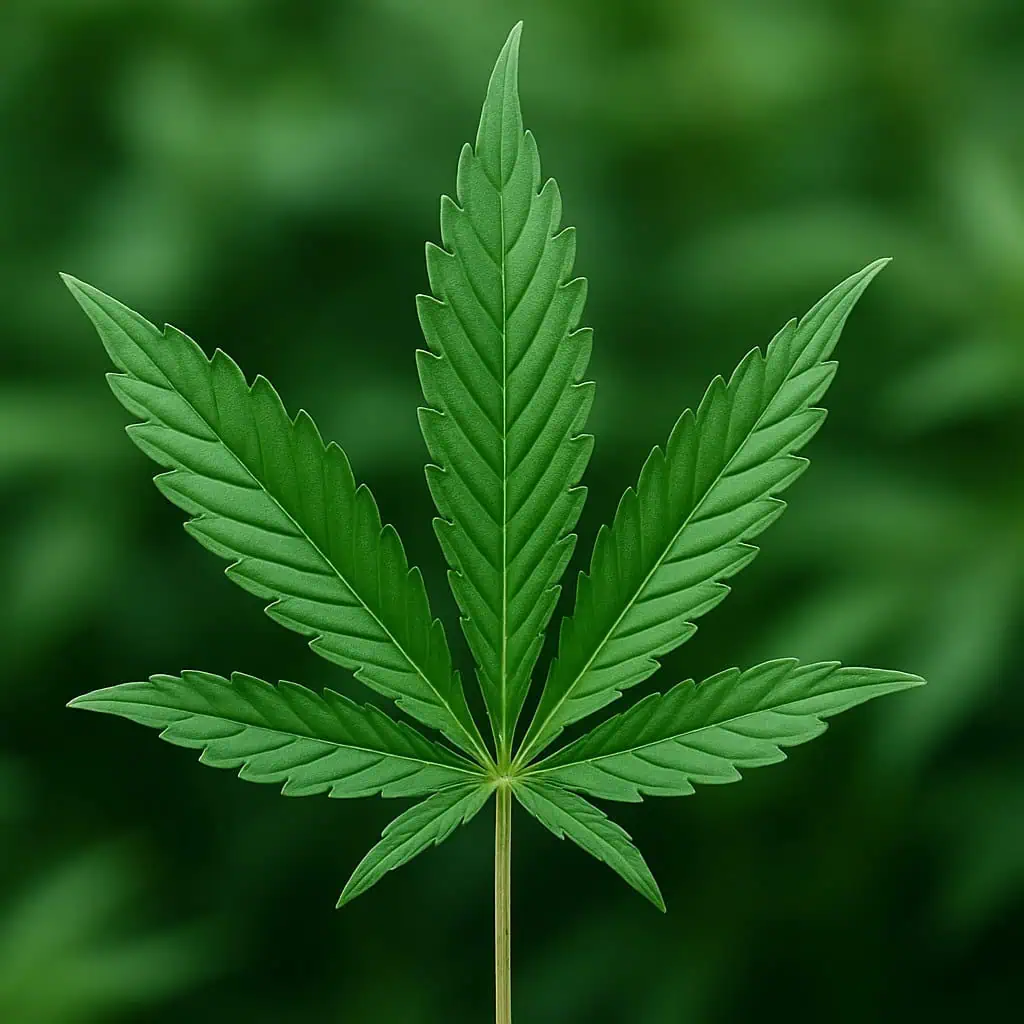
- Wide, broad, chunky fingers.
- Dark green due to higher chlorophyll.
- Usually 7–9 leaflets.
- Associated with short, bushy plants perfect for cooler climates.
Sativa Leaves
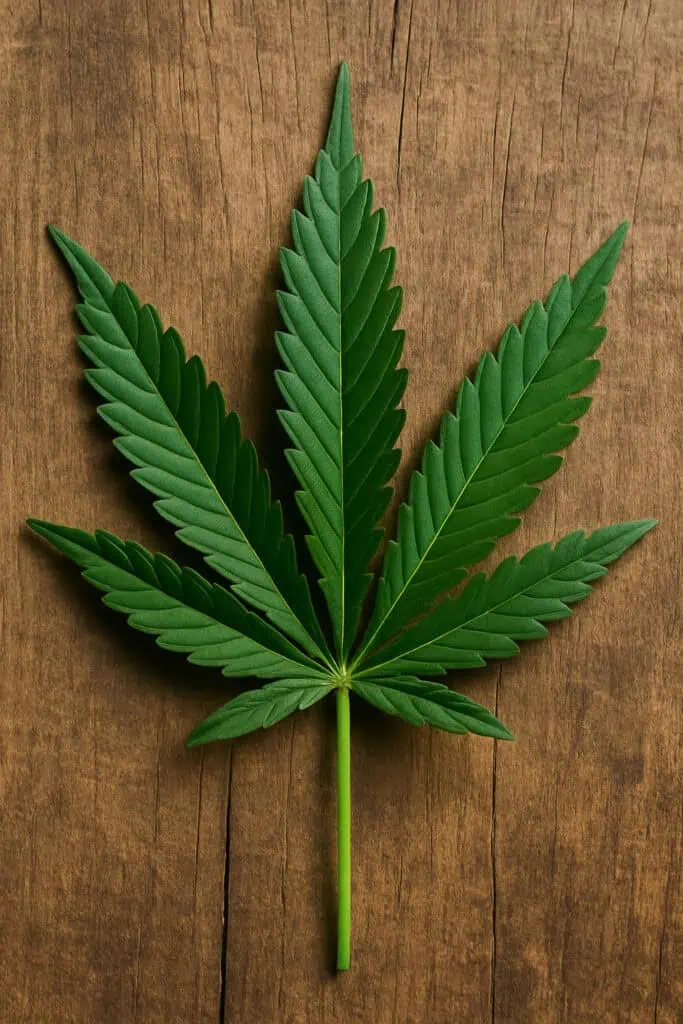
- Long, narrow, blade-like fingers.
- Light green color.
- Can have up to 13 leaflets.
- Found on tall plants that thrive in tropical regions.
Ruderalis Leaves
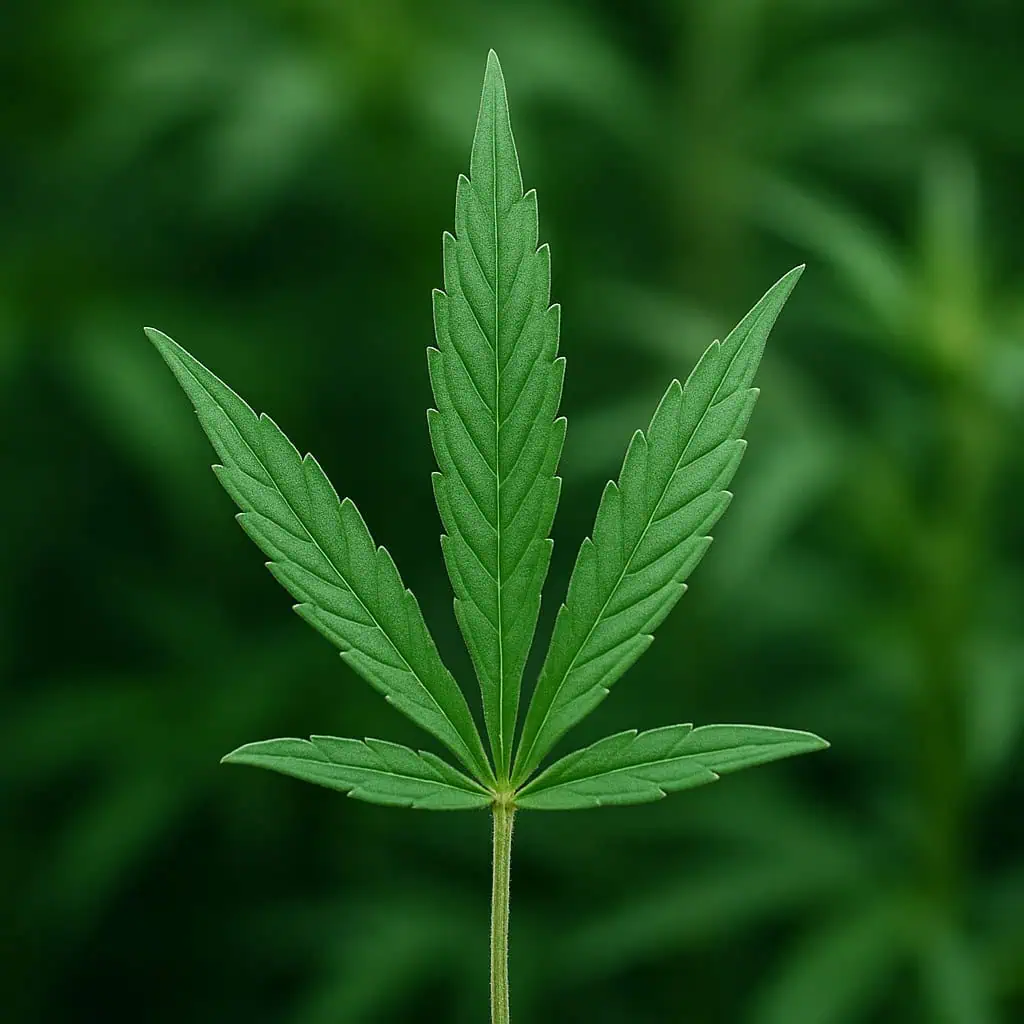
- Small, stubby, less dramatic.
- Usually 3–5 fingers.
- Known for their hardiness and autoflowering genetics.
Hybrids
Most modern cannabis is hybridized. So don’t be surprised if your plant’s leaves look like a mash-up of all three categories.
Can You Smoke Cannabis Leaves?
The short answer: yes—but don’t expect fireworks.
- Fan leaves: Very little THC. Smoking them is harsh, grassy, and not worth the effort.
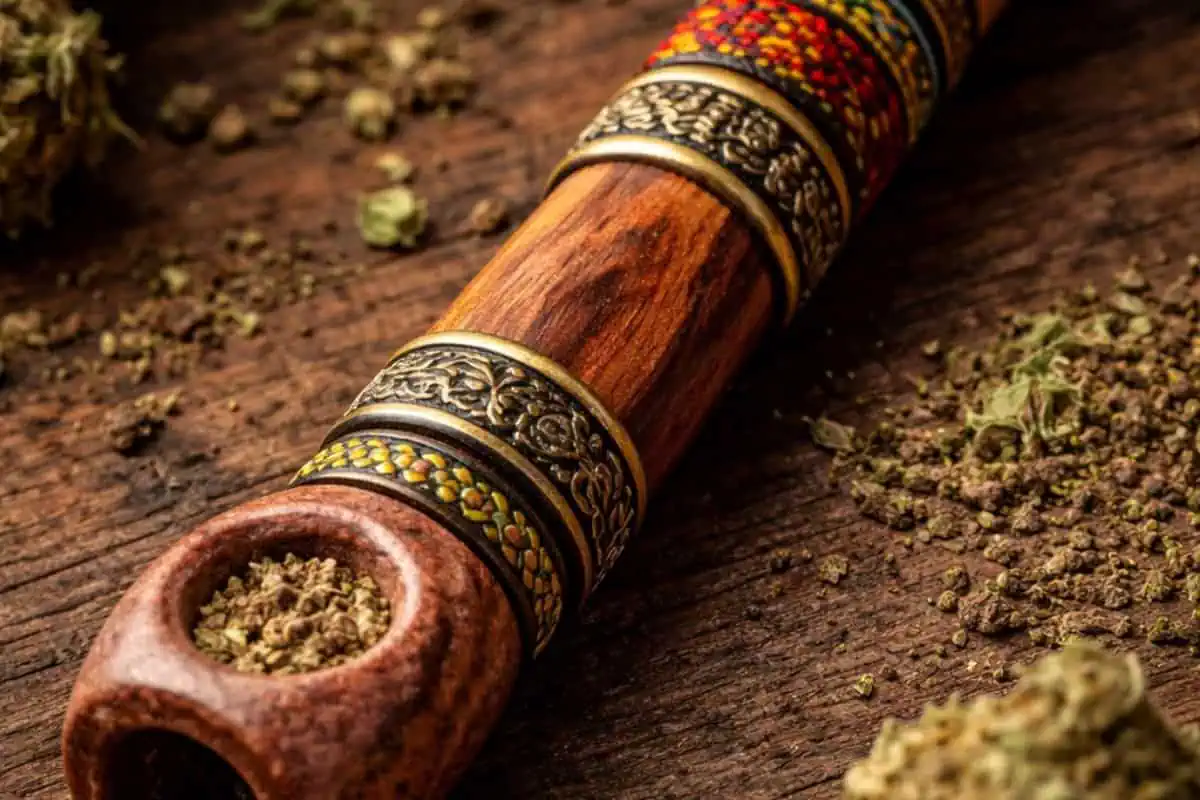
- Sugar leaves: Contain trichomes, so they can be smoked or vaped. Not as potent as buds but much better than fan leaves.
- Trim blends: Some people roll joints with a mix of buds and sugar leaves for an “old-school” vibe.
Jeff Zorn, CEO of CTU, explains:
“One of the biggest myths in cannabis is that you can just dry and smoke fan leaves and get the same effect as buds. That’s simply not true. Sugar leaves can be useful for smoking or concentrates, but fan leaves are best used in teas, edibles, or topicals.”
Do Cannabis Leaves Get You High?
Not really. The psychoactive high comes from THC-rich trichomes found mostly on buds (and sugar leaves to a smaller extent). Fan leaves contain cannabinoids, but only in trace amounts.
That doesn’t mean they’re useless. It just means you need to think differently about how to use them.
Health Benefits of Leaves of Cannabis Plants
So if cannabis leaves don’t pack a psychoactive punch, what’s the point? Plenty.
Nutritional Profile
- Fiber – Supports digestion.
- Chlorophyll – May support detoxification.
- Vitamins & minerals – Like iron, calcium, magnesium.
Raw Cannabinoids
Eating or juicing leaves provides THCA and CBDA—the non-psychoactive precursors to THC and CBD. These may have anti-inflammatory, neuroprotective, and anti-nausea properties.
Antioxidants
Studies show leaves of cannabis contain flavonoids and polyphenols—compounds that help fight oxidative stress.
Uses of Cannabis Leaves
Here’s where the fun begins. Instead of tossing leaves, here’s how to get creative:
- Cannabis Leaf Tea
- Steep fan leaves in hot water.
- Add milk or coconut oil to extract cannabinoids if decarbed.
- Relaxing, earthy flavor.
- Juicing
- Fresh leaves + fruits/veggies = superfood smoothie.
- Best way to consume raw cannabinoids.
- Edibles
- Infuse into butter, oils, or soups.
- Works best when decarboxylated.
- Topicals
- Infuse leaves in olive or coconut oil.
- Great for DIY balms and salves.
- Compost
- Leaves make excellent organic fertilizer.
- Fun Culinary Uses
- Wrap leaves around meats like grape leaves.
- Blend into pestos, salsas, and green sauces.
Common Cannabis Leaf Problems (and Solutions)
Growers know: healthy leaves = healthy plant. Here are the top issues:
Yellowing of Cannabis Leaves
- Bottom leaves turning yellow: Often nitrogen deficiency.
- Edges turning yellow: Potassium deficiency.
- Tips turning yellow: Nutrient burn.
Brown Tips or Curling
- Brown tips: Usually overfeeding.
- Tips curling down (“clawing”): Nitrogen toxicity.
- Edges curling up: Heat stress.
Spots or Discoloration
- White powder: Powdery mildew.
- Rust spots: Calcium deficiency.
- Dark patches: Magnesium issues.
Pro Tip: Always check pH first before assuming nutrient issues.
Fun Facts About Leaves Of Cannabis Plants
- Cannabis leaves were used in ancient China as part of medicinal teas.
- In some cultures, they’re still added to animal feed.
- Hemp leaves (non-psychoactive cannabis) are made into teas, powders, and even snack foods today.
- The iconic “7-point leaf” isn’t universal—some plants grow 3, 9, or even 13 fingers.
Recipes with Cannabis Leaves
Cannabis Leaf Pesto
- Handful of fresh fan leaves
- Basil, garlic, pine nuts, parmesan, olive oil
- Blend smooth—earthy, rich, and green
Cannabis Leaf Smoothie
- Fan leaves, kale, apple, ginger, lemon
- High in chlorophyll, antioxidants, and fiber
Cannabis Leaf Infused Oil
- Decarboxylated leaves
- Simmer in coconut oil for 2 hours
- Strain and use for cooking or topicals
Studies and Science About The Leaves Of Cannabis Plants
- 2014 Journal of Ethnopharmacology: Found that cannabis leaves contain significant levels of flavonoids, which have antioxidant potential.
- 2018 Frontiers in Plant Science: Identified terpenes in leaves that may play roles in stress resistance.
- Modern medical interest: Ongoing studies are exploring whether raw cannabinoids (from leaves) may help with inflammation and autoimmune conditions.
FAQs About The Leaves Of Cannabis Plants
Can you make tea out of cannabis leaves?
Yes, fan leaves make a calming tea. Add a fat source if you want to release cannabinoids
Why are my cannabis leaves turning yellow?
Usually nutrient deficiency or pH imbalance. Check soil and feeding schedule.
Are there benefits to eating cannabis leaves?
Yes—nutritional fiber, raw cannabinoids, and antioxidants.
Do cannabis leaves have THC?
Sugar leaves contain some; fan leaves very little.
Can smoking cannabis leaves get you high?
Not much. Sugar leaves can give a mild buzz, fan leaves won’t.
What do curled cannabis leaves mean?
Usually overfeeding or environmental stress.
Expert Perspective On Leaves Of Cannabis
Jeff Zorn, CEO of Cannabis Training University, shares:
“The cannabis industry is finally starting to look beyond the bud. Leaves are not waste—they’re part of a sustainable, full-plant use model. Whether you’re a grower making teas from fan leaves, or a consumer juicing them for health, cannabis leaves deserve more recognition.”
Conclusion About Cannabis Leaves
Cannabis leaves are more than just the plant’s symbol—they’re a resource waiting to be tapped. They may not get you high, but they provide nutrition, wellness benefits, and dozens of practical uses.
From making cannabis leaf pesto to spotting early signs of nutrient problems, understanding leaves is essential for growers, consumers, and anyone who loves the plant.
So next time you’re trimming your harvest, don’t toss those fan leaves in the trash. Brew some tea, whip up a smoothie, or make a topical. Cannabis leaves may just surprise you.

Jeff Zorn
Jeff Zorn, a collegiate basketball player, discovered the transformative power of medical cannabis after a significant injury. He founded Cannabis Training University (CTU), a groundbreaking institution dedicated to disseminating comprehensive information about the cannabis industry. With a team of skilled educators and faculty members, CTU has reached thousands of students worldwide. As an esteemed cannabis business expert, Jeff regularly contributes thought-provoking articles online, providing invaluable guidance to aspiring entrepreneurs. CTU has grown from a single student in 2009 to a global phenomenon with over 80,000 students.


 Jeff was involved in an accident where he endured a traumatic brain injury. He had a week-long stay in ICU where brain surgeons
  100% risk free money back guarantee within 48 hours after purchase if student has not completed any of the courses or exams.
