


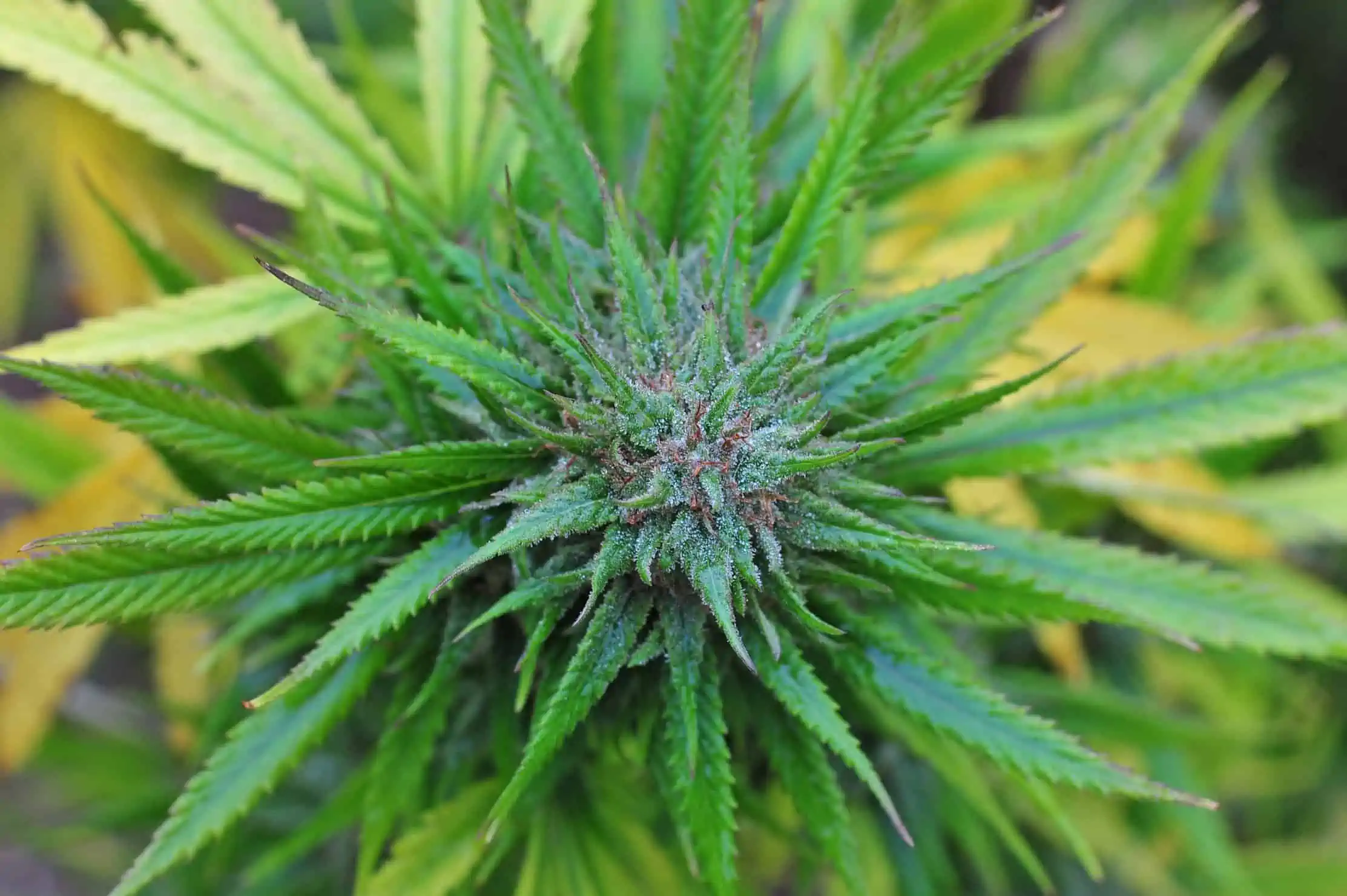
Sativa effects are intriguing to say the least. It is no wonder that powerful sativa strains such as Jack Herer managed to take the cannabis space by storm.
Sativa strains are especially known for enhancing creativity, making them a popular choice for those seeking mental clarity and imaginative inspiration.
In this article, we discuss some of the most common effects of sativa strains and discuss how we can take advantage of them.
What is Cannabis Sativa?
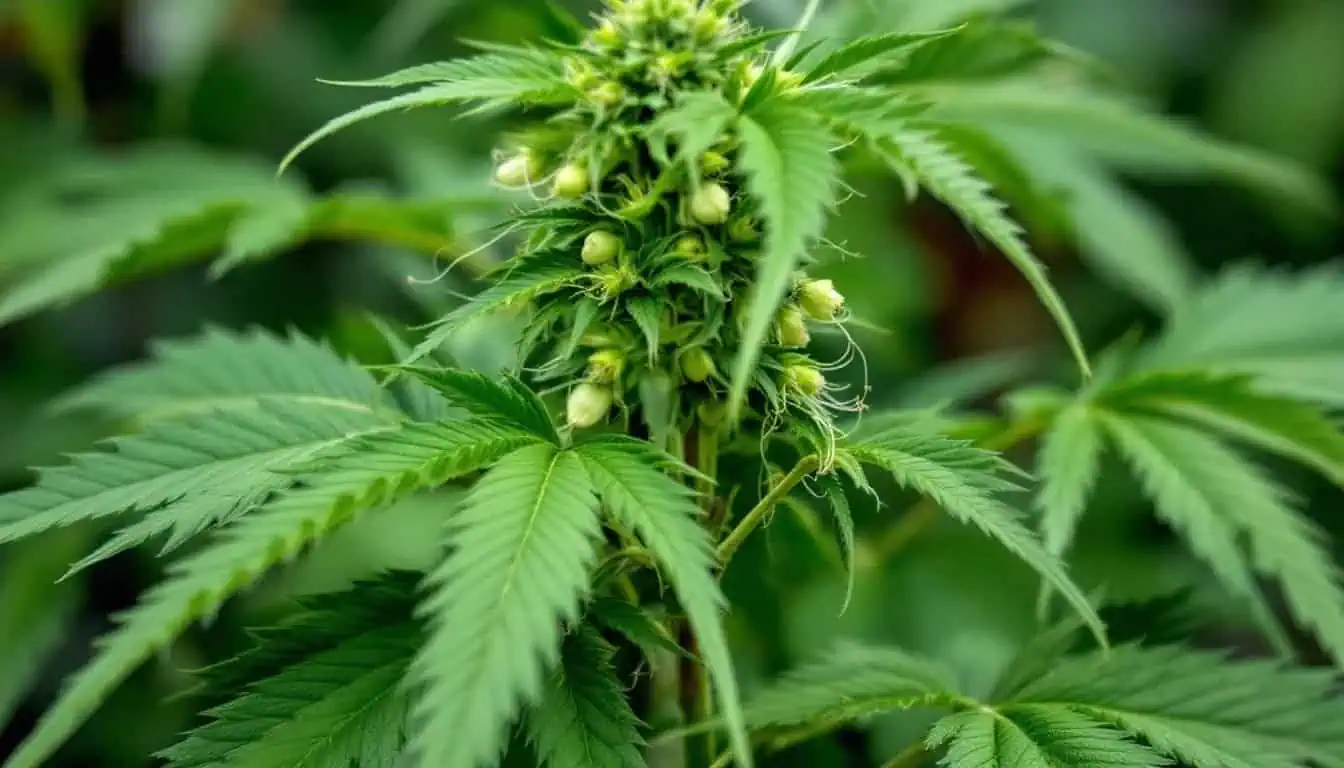
Sativa cannabis is native to regions surrounding the equator that are typically hot, such as Thailand, Mexico and Africa. The cannabis sativa plant has a long historical significance, being cultivated for centuries due to its adaptability to various climates and its cultural importance.
These regions tend to have the perfect climate to grow weed, and sativa strains often grow tall, reaching heights up to 20 feet. Industrial hemp, a subspecies of the cannabis sativa plant, is distinct from other varieties and is primarily grown for fiber, seeds, and oil, with special attention to its environmental adaptability and safety considerations regarding contamination absorption.
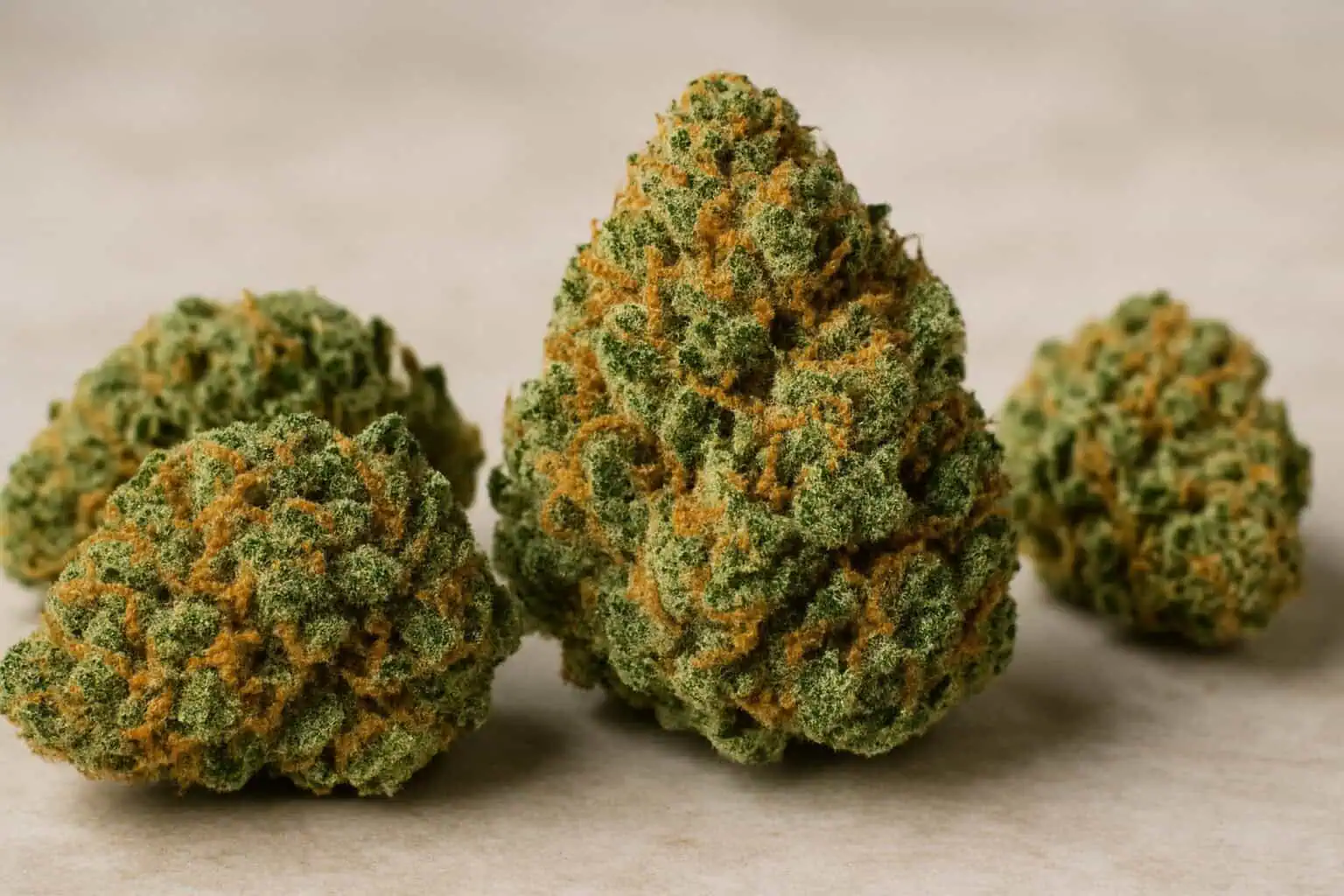
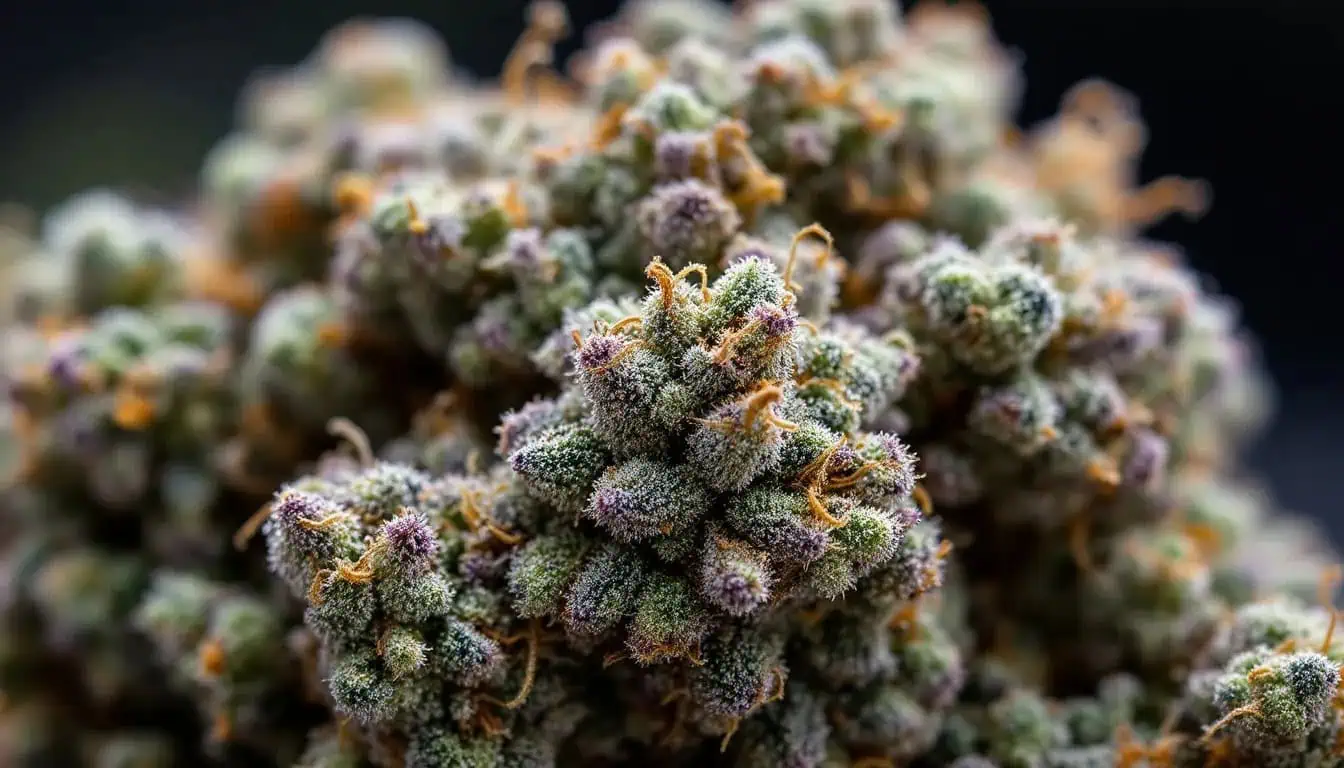
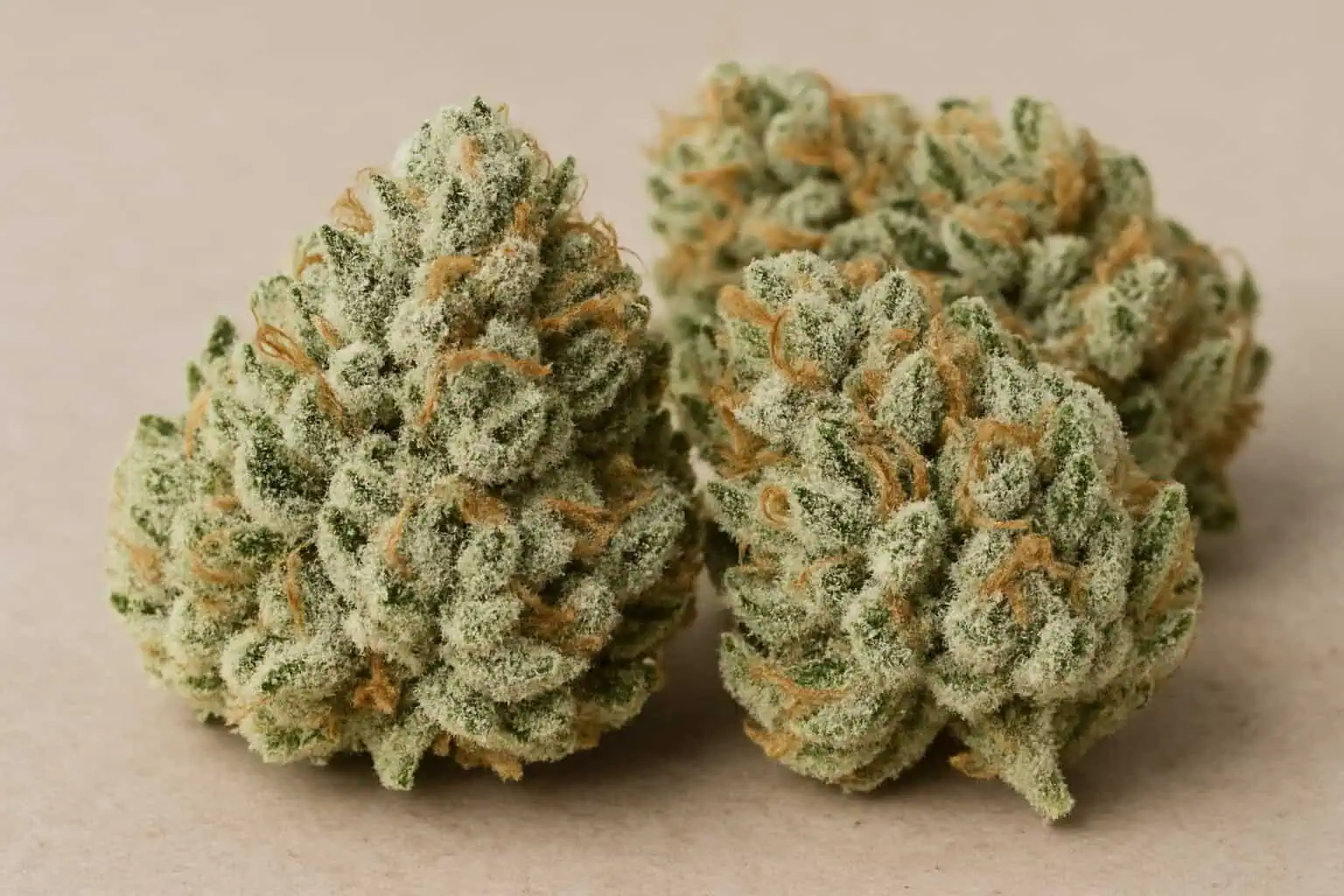
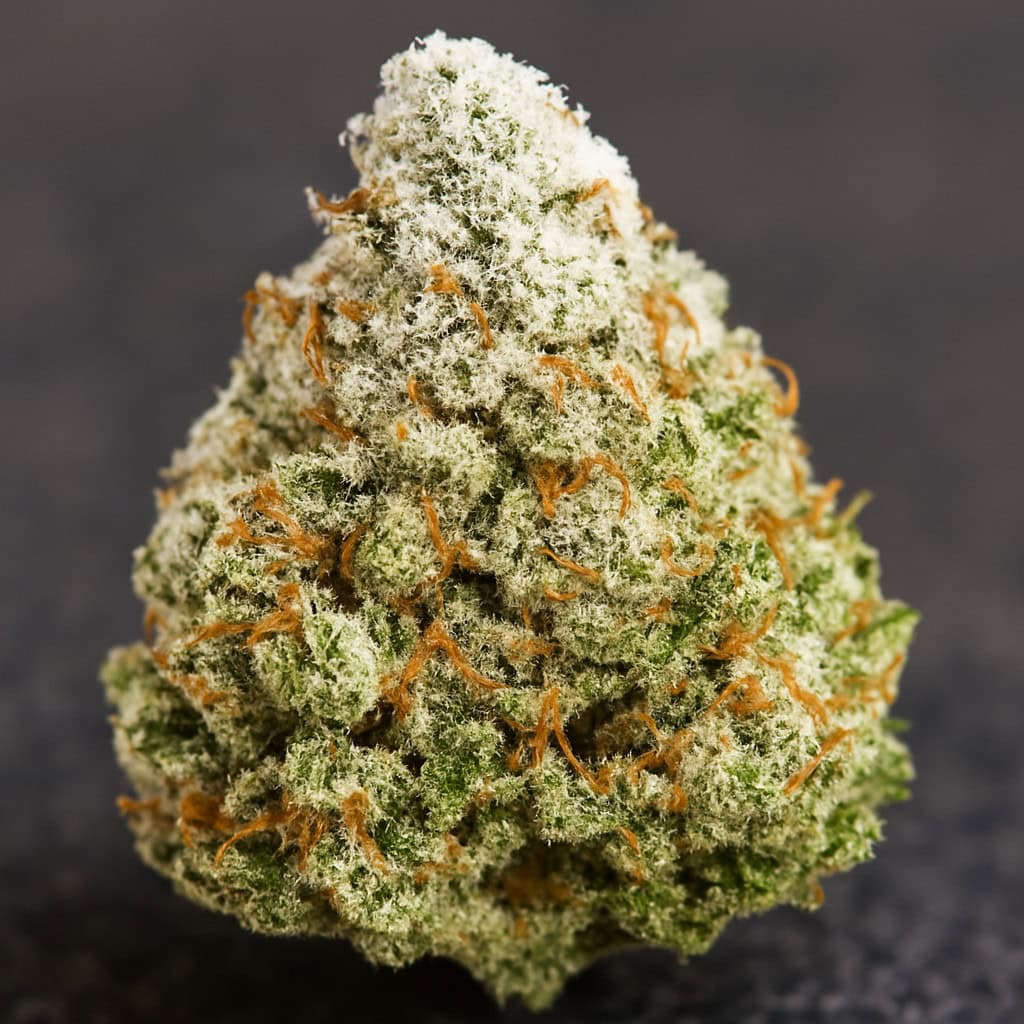
Sativa plants tend to be taller and have light green leaves with narrow, delicate shapes. In comparison to Indicas, they have buds that are less dense and generally have an almost fluffy appearance.
Sativa strains generally contain a higher THC to CBD ratio, and typically have more THC than CBD. The thc and cbd content is important in determining the psychoactive and therapeutic effects of each strain.
Thanks to their uplifting effects, sativa strains are often used to treat emotional disorders such as depression. Other medicinal uses of sativas are:
- Improving the mood to alleviate depression and anxiety
- Boosting focus and creativity
- Increasing energy to reduce fatigue
- Stimulating the appetite
- Relieving pain
The effects of sativa strains are largely due to their unique chemical compounds, including varying thc and cbd content, which influence their potency and medicinal properties.
What is a Sativa High Like?
The Sativa high is usually a “head high,” which has an energizing, invigorating effect. This is often described as an energy boost, enhancing mental focus, mood, and creativity. The psychoactive properties of sativa strains contribute to these uplifting effects.
This high is accompanied by an energizing effect that also can reduce anxiety. Using sativa-dominant strains will leave you feeling productive and creative and not too relaxed and lethargic.
The sativa plant will give you an energized high that will increase your productivity and allow you to go through that heap of work you had piled up in record time.
In small doses, consuming sativa strains will make you feel alert and aware of your environment. It is however important to note that very high doses can have the opposite effect and actually knock you out. Because of their strong psychoactive properties, moderation is important when consuming sativa strains, as frequent use may increase the risk of dependency or cannabis use disorder.
Sativa highs are also considered to be a “social high”.
Sativa, unlike Indica, stimulates the users and makes them feel more energetic and creative. Where one was feeling apathetic and tired, this high will increase their energy like a bolt of lightning.
Sativa strains also have the effect of promoting a feeling of serenity and well-being in the user. These, together with the other effects make it an ideal strain for daytime use and might just be the perfect tonic to deal with stress and apathy.
The Role of Terpenes in Sativa Effects
Terpenes are aromatic compounds found in all cannabis plants, and they play a significant role in shaping the effects of both sativa and indica strains. In sativa strains, terpenes work alongside cannabinoids like THC and CBD to create the distinctive psychoactive effects and therapeutic benefits that many users seek. Some of the most prominent terpenes in sativa strains include limonene, pinene, and myrcene.
Limonene is well-known for its citrus aroma and is often associated with increased energy, mental clarity, and an overall uplifting effect. This makes sativa strains rich in limonene a popular choice for those looking to boost creativity or productivity during the day.
Pinene, another common terpene in sativa cannabis, is recognized for its fresh pine scent and its potential to support respiratory function and reduce inflammation, adding to the energizing and clear-headed experience that sativa strains tend to provide.
While myrcene is more frequently found in indica strains, it can also appear in sativa plants, contributing a subtle relaxing or calming effect that can help balance the more stimulating properties of sativa cannabis.
The unique combination of these terpenes with THC and CBD in sativa strains results in a spectrum of effects, from pronounced energy and focus to gentle relaxation, depending on the particular strain’s chemical composition.
Understanding the role of terpenes in sativa strains can help users select the right cannabis product for their needs, whether they’re seeking increased energy, enhanced creativity, or a balanced psychoactive experience.
As research into cannabis terpenes and cannabinoids continues, consumers can look forward to even more targeted and effective cannabis products tailored to specific effects and wellness goals.
Best Sativa Strains
There exist a vast array of sativa strains, which differ in both composition and effects. The following are examples of popular sativa strains that are widely admired for their uplifting and energetic qualities:
- Mother Gorilla
- Durban Poison
- Sour Diesel
- Lemon Pepper
- Super Silver Haze
- Green Crack
- LA Wedding Pop
- Strawberry Cough
- Jack Herer
- Grandpa’s Stash
- Mango Haze
- Wedding Crasher
There are various strains and different strains of sativa available, each offering unique effects and characteristics, so exploring a range of options can help you find the best fit for your needs.
How to Tell the Difference Between Sativa and Indica
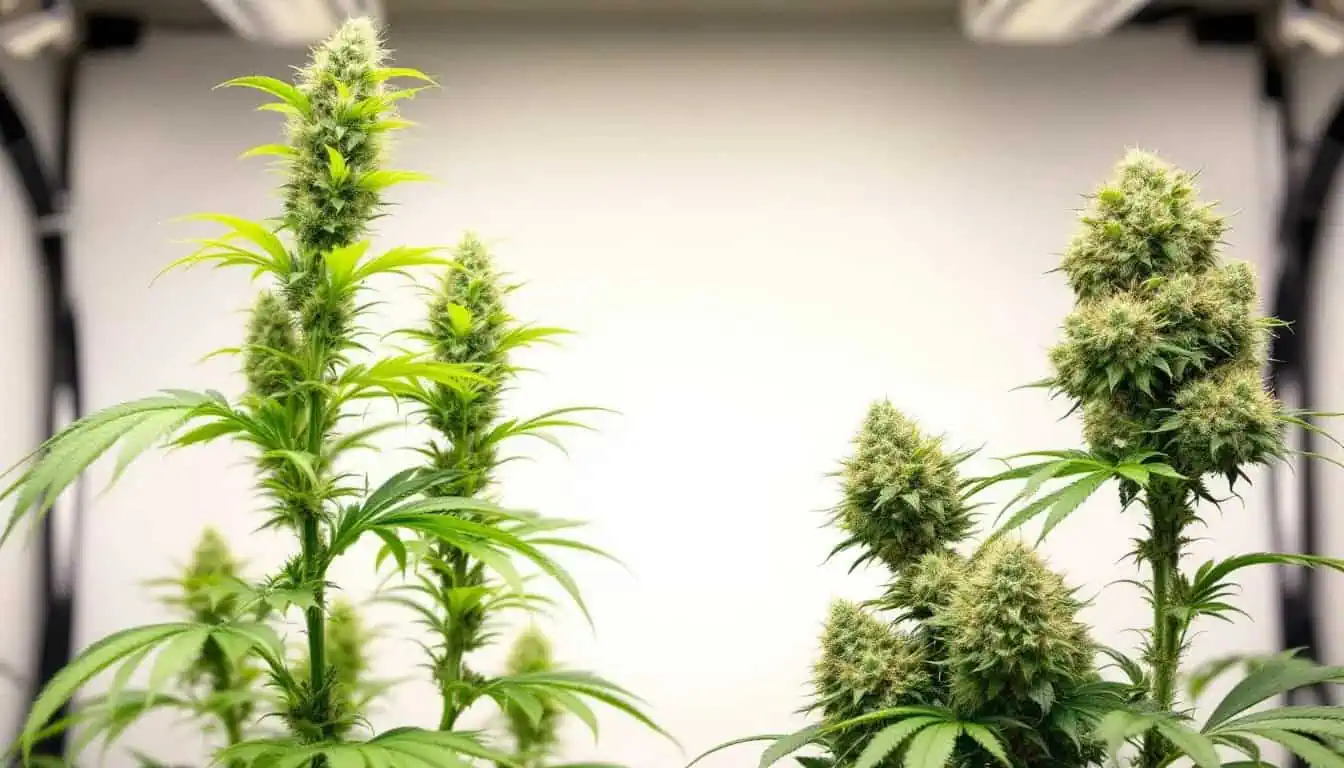
Sativa and Indica strains of cannabis differ mainly in appearance and effect. The classic comparison of indica vs sativa highlights that these are the two main types of cannabis plant, each with unique properties.
Although both Sativa and Indica strains are subspecies of Cannabis sativa L., they contain distinct differences in the highs they produce. Indica and sativa plants are both subspecies of the cannabis plant, but they have unique characteristics.
The cannabis indica plant is typically shorter and bushier, with broader leaves, while sativa plants differ by being taller and having narrower leaves compared to their indica counterparts. This makes it easier to visually distinguish between indica and sativa plants.
Sativa strains generally produce highs that are uplifting and energizing while indica strains have more relaxing highs that even have a sedative effect. The thc ratio in each particular strain can significantly affect mood and the overall experience, with higher THC content often leading to more pronounced psychoactive effects.
The high induced by Indica strains on the other hand is referred to as a “body high” or being “stoned”.
This is because its effects are felt throughout the body rather than just in the head. Indica also enhances the senses such as smell, touch and sound and cause a deep sense of relaxation that can leave on feeling drowsy.
While sativa strains are ideal for daytime use, Indica strains are best used in the evening or at night. The traditional indica vs sativa distinction is increasingly complicated by hybridization, and sativa indica hybrids are now common, combining traits from both types for tailored effects.
1. Elevates Mood
Though this does not happen in every case without fail, ingesting a sativa-dominant cannabis strain usually brings about elevated mood. This is because of the dopamine effects explained earlier as well as other properties that contribute to a better and happier disposition.
Medically, elevation of mood is definitely one reason why you would consume a sativa strain.
2. Increases Energy
Another common positive effect of sativa strains is an increase in energy levels which promote productivity. Not only is sativa known as daytime strain that promotes social interaction, it also tends to spark creativity and reduce the amount of apathy one might be inclined to have.
In other words, the medical effects of sativa differ starkly from those of Indica. Where one (Indica) induces rests and relaxation, the other (sativa) is a pick me up that brings back the energy.
3. Improves Appetite
Another benefit of sativa strains is its ability to improve appetite. Though this is also common in Indica strains, sativas are the preferred choice for these. It is even a common scientific notion that sativa strains can be used for appetite enhancement.
In fact, one scientific publication noted that “…the ability of [C. sativa] to promote eating has been documented for many centuries” sativa strains will ignite your appetite in a big way.
4. Helps with Depression
As we have mentioned earlier, sativa strains are a great “pick-me-up”. Given their ability to increase energy levels, elevate mood, lower apathy and increase happiness, they can be used to manage the symptoms of depression. Sativa strains are often used for medicinal purposes, particularly in managing mental health conditions such as depression.
5. Promotes Creativity and Focus
As previously discussed, sativa strains spark off the brain and stimulate it to be more creative, have greater focus and more tolerance. This is particular helpful for people who struggle with attention disorder conditions such as ADHD as well as users who just want to experience a bout of creativity and focus.
It is important to note that the same exact sativa strain could have very different effects on different individuals depending on their chemical make-up, age, metabolism and other unique factors.
Sativas strains effects and uses is a popular topic among beginner and experienced cannabis users. Sativa strains, unlike indica strains, are known for their cerebral buzz and uplifting effects that can reduce stress and anxiety while boosting creativity and focus.
Strongest Sativa Strains
If you’re looking for a cannabis strain that will break through your high-tolerance or one that will handle debilitating medical symptoms, then there are plenty of strong sativa marijuana strains for you to enjoy. Many medical cannabis strains are sativa-dominant and are chosen for their potency and specific therapeutic effects.
Cannabis potency is largely determined by the tetrahydrocannabinol (THC) content in a strain, but its other cannabinoids and terpenes matter, too. Below, you’ll find a shortlist of the strongest sativa strains, but there are plenty more strains to discover with a robust potency. These medical cannabis strains are often used for pain relief and other severe symptoms.
Ghost Train Haze
Ghost Train Haze offers recreational and medical cannabis consumers a strong dose of THC and a fruity and citrusy aroma. A low dose can induce focus, creativity, and happiness. Medical users appreciate Ghost Train Haze's ability to tackle severe symptoms such as pain, depression, and appetite loss.
Genetics: Ghost OG x Neville's Wreck
Breeder: Rare Dankness Seeds
Flowering Time: 10-12 weeks
Yield: Moderate
Destroyer
Destroyer can instantly perk you up during any time of day. Enjoy its delicate fruity and floral aromas while you experience an intense jolt of energy to keep you uplifted and concentrated.
Genetics: Meo Thai x Mexican/Colombian landrace
Breeder: CannaBiogen
Flowering time: 10-12 weeks
Yield: Moderate
Trainwreck
Trainwreck is an intensely cerebral sativa that can take your mind on a whirlwind trip to a euphoric state. Experience a surge of creativity and happiness. Medical users prefer Trainwreck for its relief for migraines, arthritis, pain, and anxiety.
Genetics: Afghani x Thai landrace strains
Breeder: TGA Genetics
Flowering time: 7-9 weeks
Yield: High
Pure Landrace/Sativa Strains
Pure landrace/sativa strains are a rare treasure in the world of cannabis. These unique cannabis sativa plants have evolved naturally over centuries in their native environments, such as the tropical regions of Africa, Central and South America, and Southeast Asia.
Unlike hybrid strains, pure landrace sativa strains have not been crossbred or altered by human intervention, which means they retain their original genetic makeup, cannabinoid content, and terpene profiles.
Examples of these prized sativa strains include Durban Poison from South Africa, renowned for its uplifting effects and clear-headed high, and Malawi Gold from Southeastern Africa, famous for its potent psychoactive effects and high THC content.
These pure sativa strains are highly valued by breeders, as their stable genetics provide a foundation for developing new cannabis varieties with unique characteristics.
For medical cannabis users, pure landrace sativa strains offer a range of potential benefits. Their high THC content and distinctive terpene profiles can provide effective relief for chronic pain and acute pain, while their uplifting and energizing effects may help alleviate symptoms of depression and anxiety. Some landrace sativa strains also offer calming effects, making them suitable for those seeking relief from stress or insomnia.
Because these cannabis sativa subsp. strains have evolved naturally in their native habitats, they often display remarkable resilience and adaptability, making them a valuable resource for both cannabis cultivation and cannabinoid research.
However, due to their rarity and the increasing prevalence of hybridization, finding pure landrace sativa strains can be a challenge.
Collectors and connoisseurs prize these strains not only for their unique effects but also for their historical and botanical significance in the ongoing cannabis indica and sativa debate.
Pure Landrice/Sativa Strains
Landrace and pure sativa strains developed around the world in tropical environments. Pure landrace strains continue to be grown around the world thanks to modern technological advancements that help manage humidity, temperature, and lighting levels.
In addition to sativa and indica, cannabis ruderalis is another cannabis species, known for its low THC content and limited use, often hybridized for its ease of cultivation rather than direct consumption. Both cannabis sativa and indica strains can lead to dependence with frequent cannabis use, so it is important to understand the risks and practice moderation.
Acapulco Gold
Acapulco Gold comes from Acapulco, Mexico. It has a toffee-like aroma.
Swazi
Swazi Gold is a sativa landrace from Africa. This pure sativa has a sweet and citrusy aroma.
Kilimanjaro
Kilimanjaro is a pure sativa from the mountains of Tanzania. Local tribes referred to this strain as “elephant stomper” and used it for its energizing qualities. Kilimanjaro has a citrusy and fruity aroma.
Durban Poison
Durban Poison is a legendary strain from the South African port city of Durban. It has a sweet smell and energizing effects.
Malawi
Malawi is a pure sativa strain that comes from the Salima region of Malawi in southeast Africa.
Aceh
Aceh, also called Atjeh, is a landrace sativa strain that originated in the Aceh region of Indonesia.
Thai
Thai landrace strains refer to cannabis strains that originated in Thailand and brought into the U.S. starting in the 1970s. Thai landrace strains were bundled as Thai sticks.
Chocolate Thai
Chocolate Thai made became popularized in America during the 1960s. Packaged as Thai sticks made out of flowers tied around a bamboo stick, Chocolate Thai provides a potent and euphoric high and a coffee and chocolate aroma.
Interesting Facts About Cannabis Sativa & Indica
- Indica is a shorter plant with broader leaves and a woody stalk.
- Sativa is tall with thin leaves and grows more quickly than indica.
- The common perception of sativa and indica effects has not been consistently supported by scientific research.
- The cannabis indica strain originally comes from dry climates in India, South Africa, and Asia.
- Cannabis sativa plants tend to contain more THC than CBD compared to indica strains.
- Sativa strains come from tropical, humid climates such as Pakistan, Afghanistan, and Malaysia.
- Sativa plants can reach heights of 5 to 18 feet or more.
- The scent of indica strains is often described as musty, earthy, and skunky.
- There are three generally accepted subspecies of cannabis: indica, sativa, and ruderalis.
- Indica strains are typically associated with more relaxing effects compared to sativa strains.
- Indica plants usually grow to a height of 2 to 4 feet.
- Cannabis indica plants feature wider, chunkier leaves compared to the narrow, pointed leaves found in sativa plants.
- Indica and sativa can differ in growth cycles, with sativa requiring a longer maturation period.
- Indica strains have a higher CBD content than sativa strains.
- Sativa cannabis strains are most commonly recommended for daytime use due to their energizing, uplifting, and cerebral effects.
- Some individuals may experience increased anxiety or insomnia when using sativa, particularly if used late in the day.
FAQs — Sativa Effects
What are the main effects of sativa strains?
Sativas are commonly associated with uplifting, energetic, and cerebral effects. Many users report increased focus, creativity, and motivation.
How does sativa differ from indica?
Sativas typically produce more stimulating and daytime-friendly effects, while indicas are known for relaxing, sedative, and body-focused effects. Hybrids combine traits of both
Are sativa strains good for anxiety?
Some people find sativas help with mood and stress relief, but for others, high-THC sativas may trigger anxiety or racing thoughts. It depends on the strain, dosage, and individual tolerance.
What time of day is best for using sativa strains?
Sativas are often used in the morning or during the day because of their energizing qualities. They’re less commonly used at night since they can interfere with sleep
Do sativa strains always make you feel energized?
Not always. While most sativas tend to be uplifting, effects can vary by strain and individual body chemistry. Some may still produce relaxation depending on cannabinoid and terpene content.
Are sativas better for medical or recreational use?
Both. Medically, sativas are often chosen for fatigue, depression, or lack of focus. Recreationally, they’re popular for social activities, creative projects, and outdoor adventures.
Do sativa strains have side effects?
Possible side effects include dry mouth, dry eyes, mild anxiety, or racing thoughts, especially with high-THC varieties or when consumed in large amounts.
What terpenes are common in sativa strains?
Terpenes like limonene, pinene, and terpinolene are often found in sativas. These contribute to uplifting, citrusy, or pine-like aromas and can influence the stimulating effects.
Can beginners use sativa strains?
Yes, but beginners should start with lower-THC sativas or balanced THC-to-CBD strains to avoid overstimulation.
Do sativas help with focus and productivity?
Many users report that sativa strains enhance concentration and creativity, making them popular for work, art, or brainstorming sessions. Results can vary depending on the strain and individual.
Final Thoughts on Sativa Effects
Sativa strains are mostly used for their uplifting, energizing and psychedelic effects. These effects are great for recreational use as well as those seeking to treat conditions such as fatigue and depression.
Though, like with everything else, moderation is key. Sativa strains often contain high amounts of THC, and consuming them in excess could lead to paranoia, anxiety and other unfavorable effects.
It is therefore best to start off with smaller amounts and work your way up to the effect you desire. When you choose to consume cannabis, especially if you are new, it is important to understand the strain, its quality, and the effects it may have.
Remember to always pace the consumption of your cannabis intake for you to gain its maximum effects and reward.
To learn more about cannabis strains and the effects enroll in CTU’s cannabis training program.

Gavin Kushman
Gavin is a worldly adventurer and cannabis connoisseur, embarking on journeys that take him to the far corners of the globe to explore and document the varied effects, flavors, and histories of both renowned and lesser-known strains. From the misty high-altitude farms of the Hindu Kush highlands to the vibrant cannabis cafes of Amsterdam, Gavin's quest for knowledge spans continents. A recognized authority in the cannabis industry, he frequently lends his expertise to leading publications such as Cannabis Training University, where his captivating blog articles chronicle his unique experiences with different cannabis strains.




 Jeff was involved in an accident where he endured a traumatic brain injury. He had a week-long stay in ICU where brain surgeons
  100% risk free money back guarantee within 48 hours after purchase if student has not completed any of the courses or exams.
